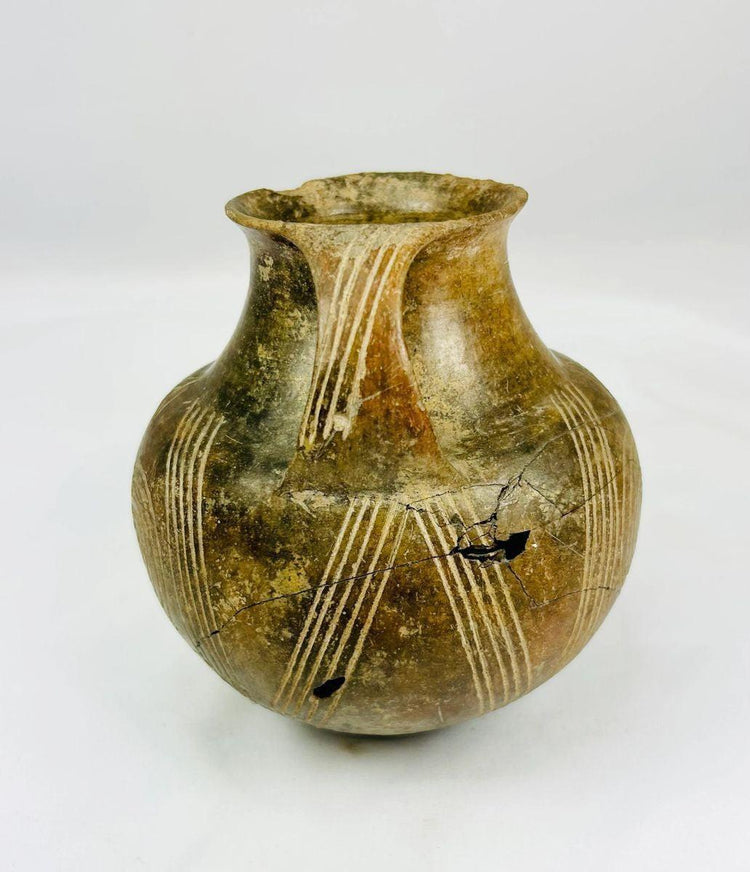
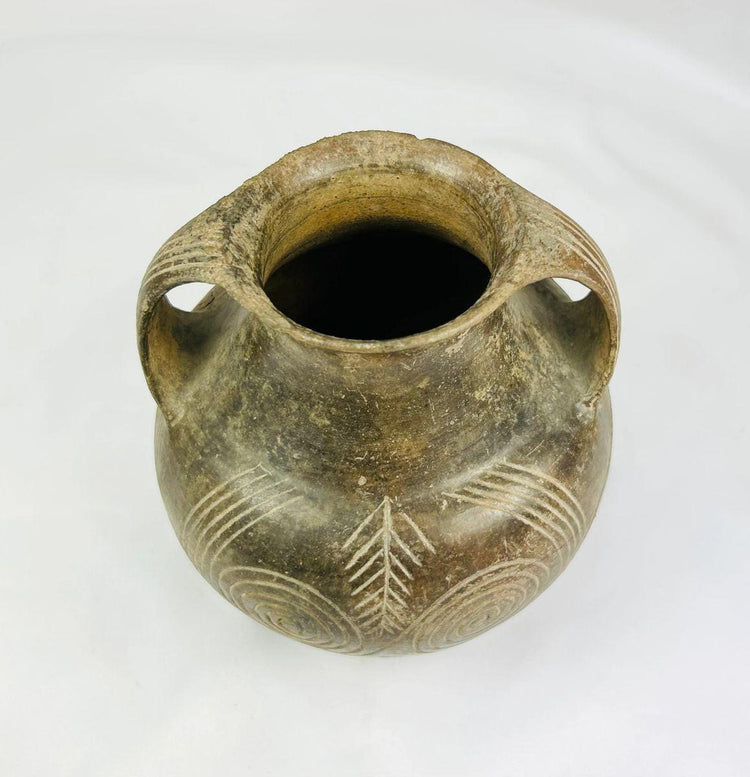
Neolithic–Early Bronze Age Pottery Jug | Double-Handled Ritual Vessel | Central or Eastern Europe | Circa 3000–2000 BCE

Regular price
$1,500.00
Sale price
$1,500.00
Regular price
Free Worldwide Shipping on all orders
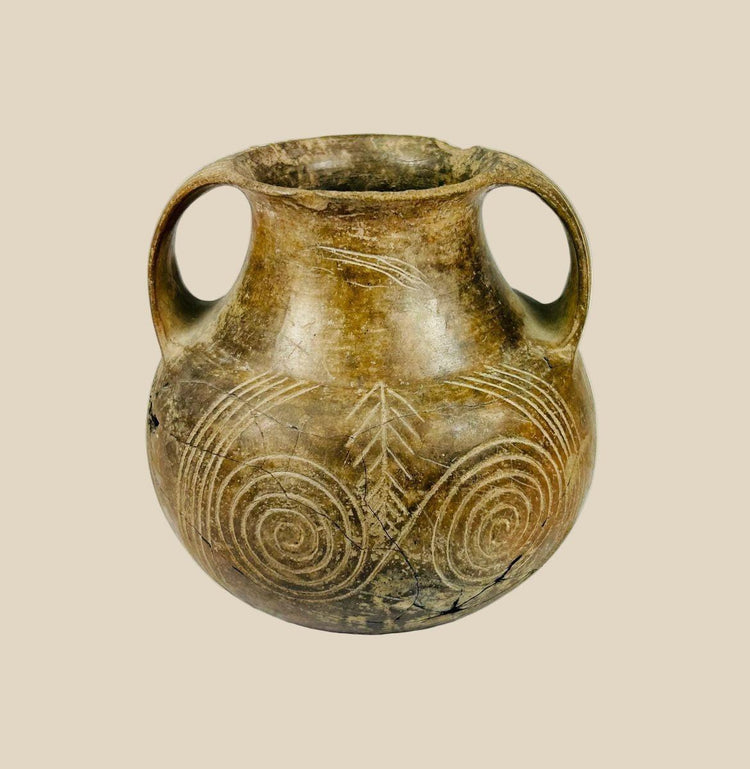
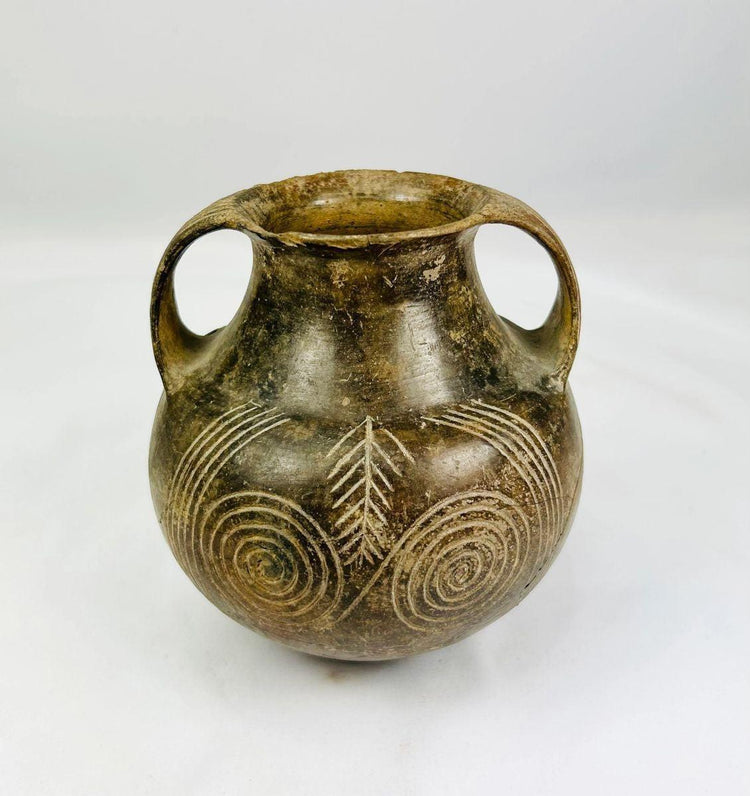
Neolithic to Early Bronze Age terracotta jug from Central or Eastern Europe, circa 3000–2000 BCE. Handmade pottery with incised geometric motifs and double handles, used for ceremonial offerings or daily storage. Reflects early European craftsmanship, symbolic artistry, and ancient ritual practices.
Neolithic to Early Bronze Age terracotta jug from Central or Eastern Europe
Ancient handmade pottery jug with incised geometric motifs and double handles
3000–2000 BCE terracotta jug used for ceremonial offerings or storage
Neolithic–Early Bronze Age European jug reflecting early craftsmanship
  • Neolithic to Early Bronze Age terracotta jug from Central or Eastern Europe, circa 3000–2000 BCE. Handmade pottery with incised geometric motifs and double handles, used for ceremonial offerings or daily storage. Reflects early European craftsmanship, symbolic artistry, and ancient ritual practices.
  • Neolithic to Early Bronze Age terracotta jug from Central or Eastern Europe, circa 3000–2000 BCE. Handmade pottery with incised geometric motifs and double handles, used for ceremonial offerings or daily storage. Reflects early European craftsmanship, symbolic artistry, and ancient ritual practices.
  • Neolithic to Early Bronze Age terracotta jug from Central or Eastern Europe
  • Ancient handmade pottery jug with incised geometric motifs and double handles
  • 3000–2000 BCE terracotta jug used for ceremonial offerings or storage
  • Neolithic–Early Bronze Age European jug reflecting early craftsmanship
Neolithic to Early Bronze Age terracotta jug from Central or Eastern Europe, circa 3000–2000 BCE. Handmade pottery with incised geometric motifs and double handles, used for ceremonial offerings or daily storage. Reflects early European craftsmanship, symbolic artistry, and ancient ritual practices.
Neolithic to Early Bronze Age terracotta jug from Central or Eastern Europe
Ancient handmade pottery jug with incised geometric motifs and double handles
3000–2000 BCE terracotta jug used for ceremonial offerings or storage
Neolithic–Early Bronze Age European jug reflecting early craftsmanship
Authenticity and secure checkout guarantee

Neolithic–Early Bronze Age Pottery Jug | Double-Handled Ritual Vessel | Central or Eastern Europe | Circa 3000–2000 BCE

Description

Historical Context & Origin

Region: Central or Eastern Europe
Material: Terracotta (handmade pottery)
Period: Neolithic to Early Bronze Age, circa 3000–2000 BCE

Description

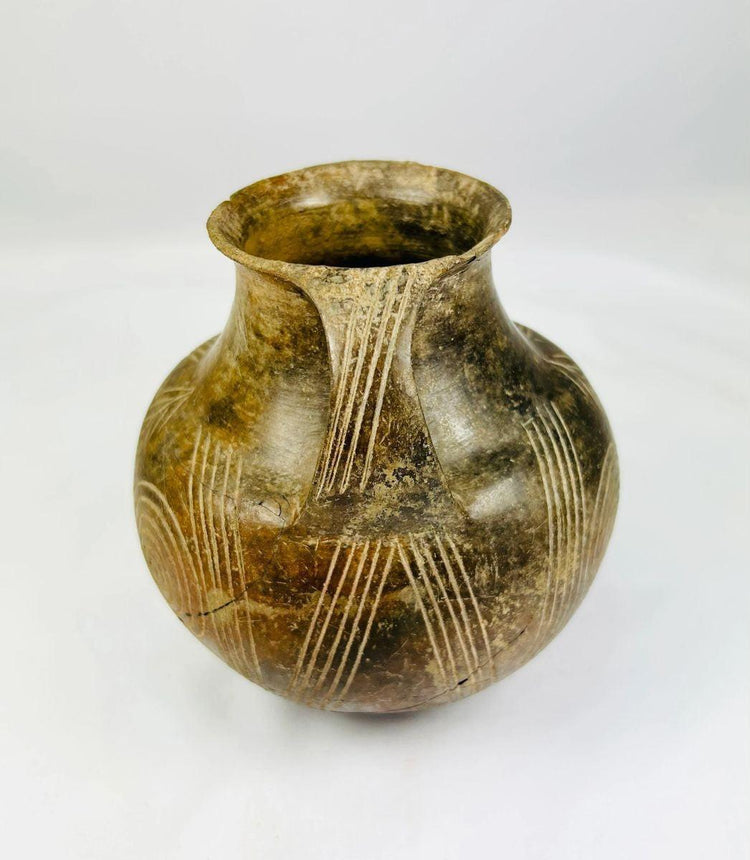
This ancient pottery jug is a rare and fascinating example of early European craftsmanship during the transition from nomadic to agricultural societies. Hand-built and decorated with incised linear and circular patterns, the jug embodies both functional design and symbolic artistry. Its double-handled form suggests that it may have been used in ritual contexts, for libations or offerings, in addition to daily storage of precious liquids such as oils, mead, or water.

Features

- Incised geometric motifs including linear and concentric circle designs

- Double-handled construction, likely for ceremonial use

- Compact body with wide rim, functional for both storage and ritual pouring

- Natural wear and surface patina developed over millennia

Cultural Significance

Vessels of this kind were not only utilitarian but also carried strong symbolic meaning. The geometric patterns may have represented fertility, spirituality, or cosmological beliefs central to Neolithic and Bronze Age cultures. The presence of dual handles is often associated with ritual offerings or ceremonial practices, emphasizing the jug’s likely spiritual as well as practical role.

Condition

Good ancient condition with visible surface wear, cracks, and minor losses consistent with age. The jug remains structurally sound, and the patina highlights its authenticity and archaeological significance.

Dimensions (Approximate)

Height: 5.5 in
Width: 5.5 in

Age (Approximate)

4,025–5,025 years old

Learn More

View a related Early Bronze Age example at The Metropolitan Museum of Art

Browse Our Collection of Ancient Jugs and Ritual Vessels

Description

Historical Context & Origin

Region: Central or Eastern Europe
Material: Terracotta (handmade pottery)
Period: Neolithic to Early Bronze Age, circa 3000–2000 BCE

Description

This ancient pottery jug is a rare and fascinating example of early European craftsmanship during the transition from nomadic to agricultural societies. Hand-built and decorated with incised linear and circular patterns, the jug embodies both functional design and symbolic artistry. Its double-handled form suggests that it may have been used in ritual contexts, for libations or offerings, in addition to daily storage of precious liquids such as oils, mead, or water.

Features

- Incised geometric motifs including linear and concentric circle designs

- Double-handled construction, likely for ceremonial use

- Compact body with wide rim, functional for both storage and ritual pouring

- Natural wear and surface patina developed over millennia

Cultural Significance

Vessels of this kind were not only utilitarian but also carried strong symbolic meaning. The geometric patterns may have represented fertility, spirituality, or cosmological beliefs central to Neolithic and Bronze Age cultures. The presence of dual handles is often associated with ritual offerings or ceremonial practices, emphasizing the jug’s likely spiritual as well as practical role.

Condition

Good ancient condition with visible surface wear, cracks, and minor losses consistent with age. The jug remains structurally sound, and the patina highlights its authenticity and archaeological significance.

Dimensions (Approximate)

Height: 5.5 in
Width: 5.5 in

Age (Approximate)

4,025–5,025 years old

Learn More

View a related Early Bronze Age example at The Metropolitan Museum of Art

Browse Our Collection of Ancient Jugs and Ritual Vessels

You May Also Like