

Landscape paintings refer to artworks that depict natural scenery such as mountains, rivers, forests, and rural countryside, with the 19th century standing as a defining period for this genre. It matters because these works capture how artists across Europe and America responded to industrialization by turning to nature paintings as a form of escape, reflection, and national identity.
This era saw painters move away from purely religious or portrait subjects and instead focus on light, atmosphere, and the changing seasons. From quiet river scenes to dramatic seascapes, 19th century art transformed how people viewed and valued the natural world.
Key Takeaways
-
Landscape paintings flourished as a major genre in 19th century art
-
Antique landscape paintings often emphasize light, weather, and atmosphere
-
Nature paintings range from calm countryside oil paintings to dramatic vintage seascape oil works
-
Historical ruins art added a sense of time and memory to natural scenes
-
Mountain oil paintings and woodland scene art reflect regional artistic traditions
What defines landscape paintings and why are they important in nature paintings?
Landscape paintings are defined by their focus on natural environments rather than human figures, even when people appear as small elements within a larger scene. Within nature paintings, this genre captures everything from gentle countryside views to wild, untamed wilderness.
Key characteristics include:
-
Emphasis on light, weather, and seasonal change
-
Careful attention to perspective and depth across open spaces
-
A range of settings, from antique landscape paintings of formal gardens to remote, untouched terrain
For collectors today, antique landscape paintings remain especially sought after because they preserve a visual record of places that have often changed dramatically since they were painted. Many buyers also explore river landscape sketches as a more intimate, study-like entry point into the genre before moving toward larger finished works.
How did 19th-century pastoral art reflect everyday rural life?
19th-century pastoral art reflected rural life by focusing on farmland, livestock, and the quiet rhythms of agricultural communities, often presenting the countryside as a peaceful alternative to growing cities.
As cities expanded and factories multiplied, painters increasingly turned their attention toward simpler, slower-paced settings.
-
Farm and field scenes: Artists depicted plowed fields, grazing animals, and small farmhouses, often bathed in warm afternoon light to suggest harmony between people and land.
-
Seasonal storytelling: Many works captured specific times of year, such as harvest gatherings or early spring planting, giving viewers a sense of time passing within a single frame.
-
Human presence as accent, not subject: Figures such as shepherds or farmers were usually small compared to the landscape itself, reinforcing nature's dominance over daily life.
-
Realism meets idealism: While details were often accurate, scenes were frequently arranged to feel more orderly and peaceful than reality, appealing to urban buyers nostalgic for rural simplicity.
Today, countryside oil paintings from this period remain popular for their warm palettes and timeless subject matter, often fitting comfortably into both traditional and modern interiors.
Why do vintage seascape oil paintings hold such lasting appeal?
Vintage seascape oil paintings hold lasting appeal because they combine technical mastery of water, light, and movement with the emotional power of the sea itself.

Painting water convincingly was considered one of the greatest challenges for landscape artists, which is why skilled seascapes were highly respected.
-
Capturing motion: Artists used loose, energetic brushwork to suggest waves, foam, and reflected light on moving water.
-
Mood through weather: Calm harbors at sunset conveyed peace, while stormy skies and crashing waves suggested danger or human struggle against nature.
-
Ships and coastlines: Many seascapes included fishing boats, trading ships, or distant coastlines, hinting at trade, exploration, and daily maritime life.
-
Symbolism of the unknown: The vast, open sea often represented mystery, freedom, or the unpredictability of fate.
For buyers drawn to dramatic, atmospheric pieces, vintage seascape oil paintings offer a striking contrast to quieter inland scenes while still belonging firmly within the broader tradition of nature paintings.
How do historical ruins art and river landscape sketches add depth to a scene?
Historical ruins art and river landscape sketches add depth by introducing elements of time, memory, and quiet observation into otherwise straightforward natural views.
1. Historical ruins art

Ruins such as old bridges, abandoned towers, or crumbling stone walls were popular subjects because they reminded viewers that nature eventually reclaims everything built by people. These scenes often blended architecture with overgrown plants and soft, hazy lighting, creating a mood of quiet reflection rather than decay alone.
2. River landscape sketches

Often created as preparatory studies, river landscape sketches captured the basic shapes of water, banks, and surrounding trees before an artist developed a full painting. Even as standalone works, these sketches are valued for their spontaneity and the direct sense of an artist observing a real location.
Together, these two categories show how landscape paintings could range from carefully finished compositions to quick, on-the-spot studies, both equally important to understanding 19th century art.
What makes mountain oil paintings and woodland scene art so distinctive?
Mountain oil paintings and woodland scene art are distinctive because they focus on scale, texture, and the contrast between open space and dense natural detail.
In the world of nature paintings, these two subjects often represent opposite ends of the same idea: the vastness of nature versus its intimate, layered detail.
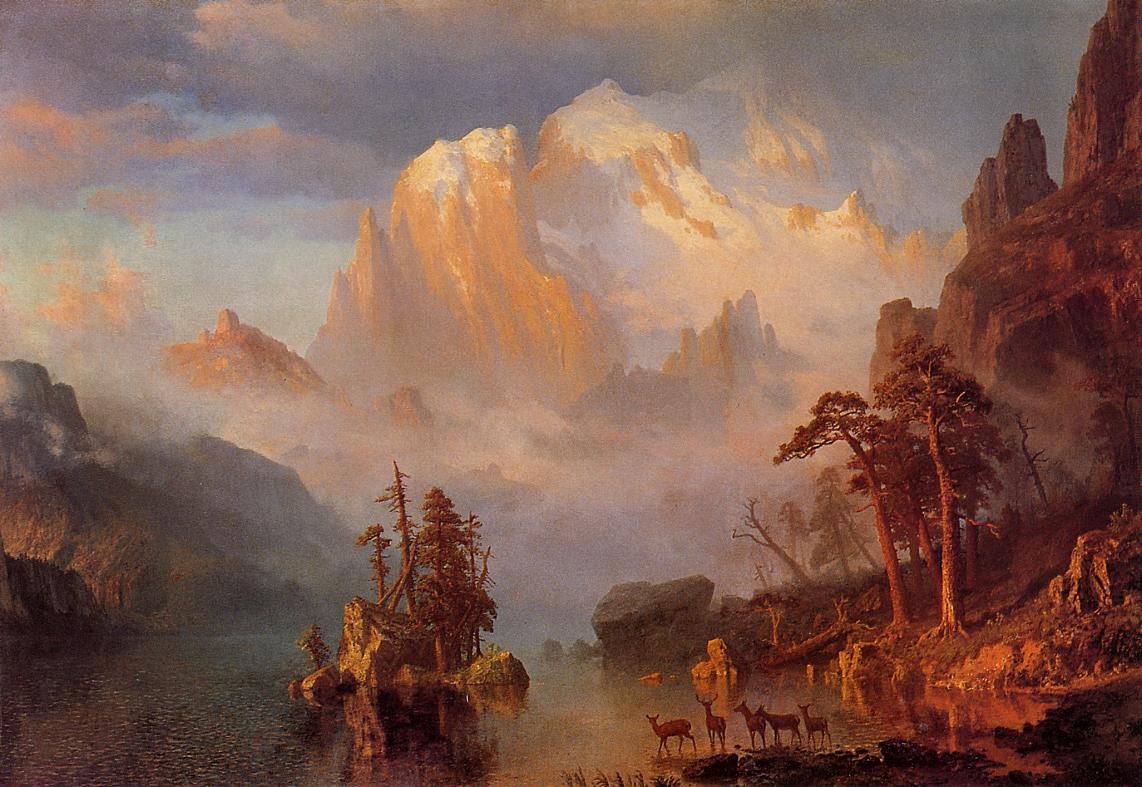
Mountain oil paintings frequently emphasized dramatic scale, using small human figures or buildings at the base of towering peaks to highlight nature's power. Layers of distant ridges, often softened by mist or clouds, created a strong sense of depth, while shifting light across rock faces added drama throughout the day.
Woodland scene art, by contrast, focused on the dense, layered textures of tree trunks, leaves, and undergrowth. Dappled sunlight filtering through a forest canopy became a favorite challenge for painters working in this style, and many woodland scenes also included winding paths or small clearings, inviting viewers to imagine themselves walking into the scene.

Buyers interested in bold, statement pieces often gravitate toward mountain oil paintings, while those seeking a calmer, more enclosed atmosphere tend to prefer woodland scene art for smaller spaces such as studies or reading rooms.
Conclusion
Landscape paintings remain one of the most enduring categories within 19th century art, offering everything from peaceful countryside oil paintings to dramatic mountain oil paintings and atmospheric vintage seascape oil works. Whether through detailed antique landscape paintings or quick river landscape sketches, these works continue to connect viewers with both real places and the artistic traditions that shaped how nature has been seen and valued for generations. For anyone exploring nature paintings as part of a growing collection, these pieces offer both visual beauty and a meaningful link to art history.


