

Pourquoi choisir Relic & Rarity ?
Chaque pièce chez Relic & Rarity est soigneusement recherchée et évaluée pour son authenticité avant d'être proposée à la vente. Chaque achat est couvert par notre Garantie d'Authenticité et, lorsque disponible, inclut une provenance documentée. Les collectionneurs reçoivent également un Certificat d'Authenticité, un emballage professionnel, la livraison gratuite dans le monde entier et un soutien dédié tout au long de leur parcours de collectionneur.

Objets du XVe siècle (1400-1499)
-
Armure de samouraï japonais Do-Maru avec armoiries du clan Takeda | XIVe-XVIe siècle
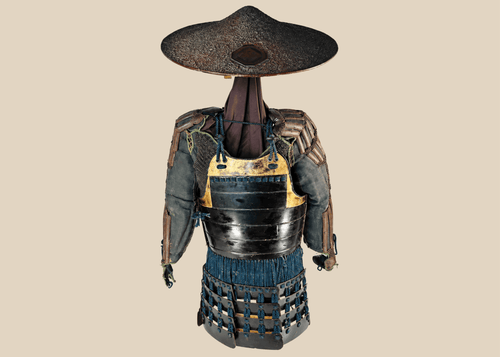
Armure de samouraï japonais Do-Maru avec armoiries du clan Takeda | XIVe-XVIe siècle
- Prix habituel
- $10,000.00
- Prix soldé
- $10,000.00
- Prix habituel
-
Sculpture en pierre de Majapahit représentant Brahma à trois visages | XIVe-XVe siècle | Artefact hindou indonésien à vendre
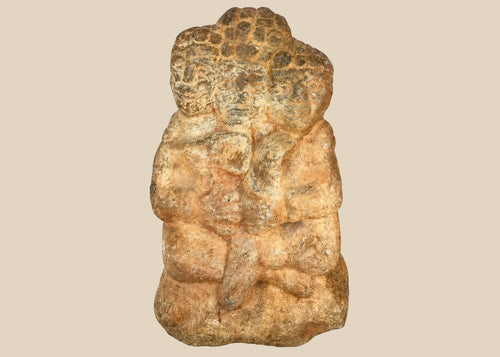
Sculpture en pierre de Majapahit représentant Brahma à trois visages | XIVe-XVe siècle | Artefact hindou indonésien à vendre
- Prix habituel
- $5,000.00
- Prix soldé
- $5,000.00
- Prix habituel
-
Tête de Bouddha Shakyamuni en bronze thaï | Circa XIVe – XVe siècle
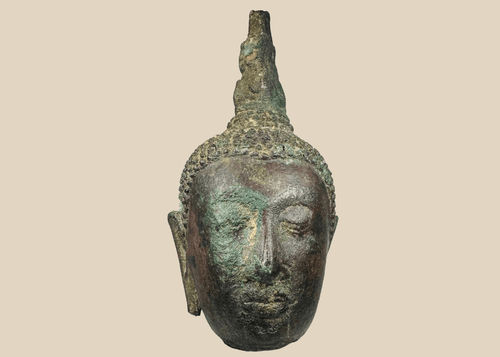
Tête de Bouddha Shakyamuni en bronze thaï | Circa XIVe – XVe siècle
- Prix habituel
- $3,500.00
- Prix soldé
- $3,500.00
- Prix habituel
-
Ornement rituel japonais en bronze doré et incrusté d'argent | Vers 1400-1650
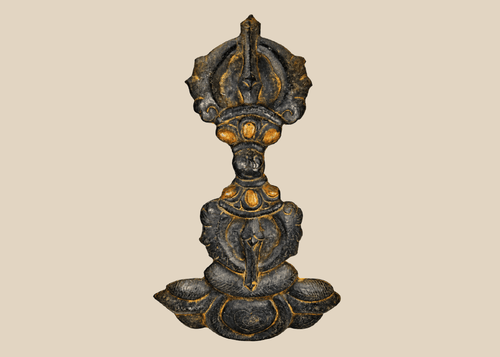
Ornement rituel japonais en bronze doré et incrusté d'argent | Vers 1400-1650
- Prix habituel
- $3,500.00
- Prix soldé
- $3,500.00
- Prix habituel
-
Fragment de pierre ecclésiastique sculpté représentant la Crucifixion | Circa XIVe-XVIIIe siècle
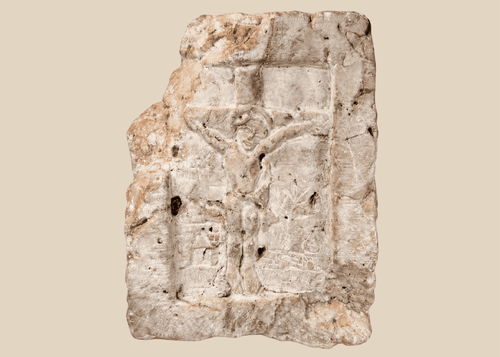
Fragment de pierre ecclésiastique sculpté représentant la Crucifixion | Circa XIVe-XVIIIe siècle
- Prix habituel
- $2,500.00
- Prix soldé
- $2,500.00
- Prix habituel
-
Groupe en terre cuite peinte ancienne chinoise représentant Madame Tang et sa belle-mère | Dynastie Yuan-Ming | Circa XIVe - XVIIe siècle
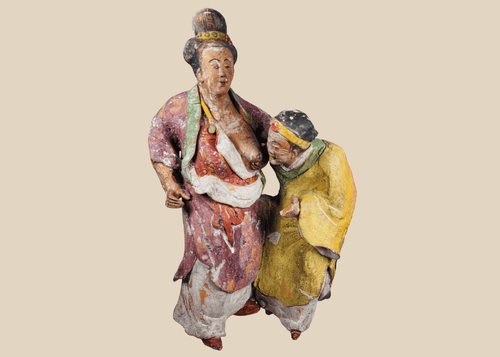
Groupe en terre cuite peinte ancienne chinoise représentant Madame Tang et sa belle-mère | Dynastie Yuan-Ming | Circa XIVe - XVIIe siècle
- Prix habituel
- $2,000.00
- Prix soldé
- $2,000.00
- Prix habituel
-
Rôle de la rente française médiévale | Registre foncier de la famille Villers de Dombes | Bourgogne | Vers 1459-1462 EC

Rôle de la rente française médiévale | Registre foncier de la famille Villers de Dombes | Bourgogne | Vers 1459-1462 EC
- Prix habituel
- $1,500.00
- Prix soldé
- $1,500.00
- Prix habituel
-
Northern Thai Lan Na Bronze Seated Buddha in Earth-Touching Mudra | Circa 15th – 16th Century
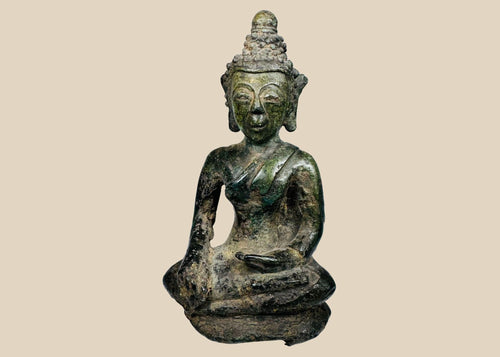
Northern Thai Lan Na Bronze Seated Buddha in Earth-Touching Mudra | Circa 15th – 16th Century
- Prix habituel
- $1,250.00
- Prix soldé
- $1,250.00
- Prix habituel
-
Thai Sawankhalok Glazed Stoneware Covered Jar with Architectural Lid | Circa 15th–16th Century
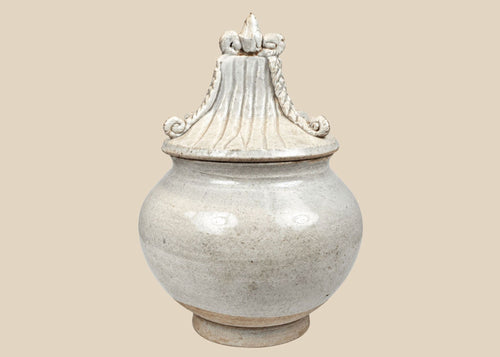
Thai Sawankhalok Glazed Stoneware Covered Jar with Architectural Lid | Circa 15th–16th Century
- Prix habituel
- $1,000.00
- Prix soldé
- $1,000.00
- Prix habituel
-
Ensemble de poteries anciennes Sawankhalok d'Asie du Sud-Est | Circa XIVe-XVe siècle
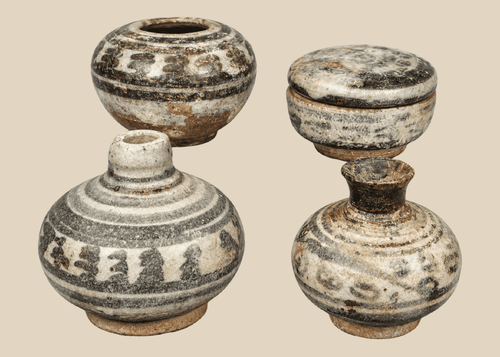
Ensemble de poteries anciennes Sawankhalok d'Asie du Sud-Est | Circa XIVe-XVe siècle
- Prix habituel
- $1,000.00
- Prix soldé
- $1,000.00
- Prix habituel
-
Asie du Sud-Est | Terre cuite bouddhiste | Plaques votives | Vers le XIVe-XVIIIe siècle
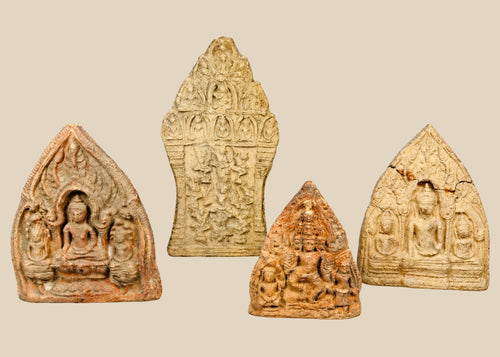
Asie du Sud-Est | Terre cuite bouddhiste | Plaques votives | Vers le XIVe-XVIIIe siècle
- Prix habituel
- $1,000.00
- Prix soldé
- $1,000.00
- Prix habituel
-
Couteau long médiéval | Lame en fer forgé à pointe effilée | XIIe-XVe siècle ap. J.-C.
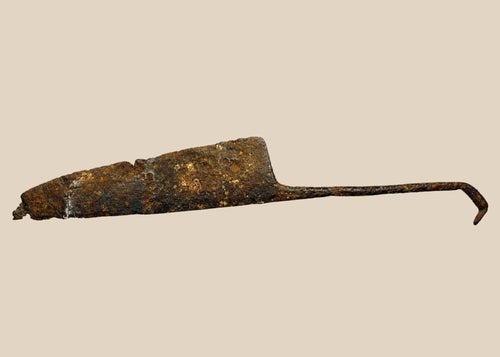
Couteau long médiéval | Lame en fer forgé à pointe effilée | XIIe-XVe siècle ap. J.-C.
- Prix habituel
- $700.00
- Prix soldé
- $700.00
- Prix habituel
-
Tête de gardien de pierre de Majapahit | Indonésie | Fragment de temple | Vers le XIVe-XVe siècle
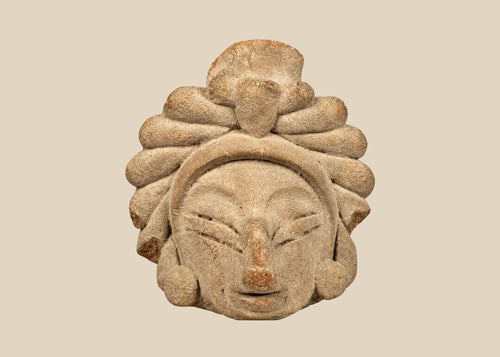
Tête de gardien de pierre de Majapahit | Indonésie | Fragment de temple | Vers le XIVe-XVe siècle
- Prix habituel
- $400.00
- Prix soldé
- $400.00
- Prix habituel
-
Tête de Bouddha en bronze | Asie du Sud-Est | Vers le XVe-XVIIIe siècle de notre ère

Tête de Bouddha en bronze | Asie du Sud-Est | Vers le XVe-XVIIIe siècle de notre ère
- Prix habituel
- $300.00
- Prix soldé
- $300.00
- Prix habituel


Perspectives pour les collectionneurs
Pourquoi le XVe siècle est-il historiquement significatif ?
Le XVe siècle a marqué une transition importante entre le monde médiéval et le monde moderne. En Europe, les idées de la Renaissance se sont développées tandis que l'imprimerie et de nouvelles formes d'érudition ont transformé la communication. Au même moment, de puissantes traditions artistiques ont prospéré à travers la Chine des Ming, le Japon de Muromachi, l'Asie du Sud-Est et les mondes bouddhiste et hindou plus larges.
Le 15e siècle était-il médiéval ou de la Renaissance ?
C'était les deux. Une grande partie de l'Europe restait fermement ancrée dans le bas Moyen Âge, tandis que la Renaissance se développait déjà fortement en Italie et influençait progressivement d'autres régions. C'est pourquoi les artefacts du XVe siècle peuvent refléter à la fois les traditions médiévales et les styles émergents de la Renaissance.
Que se passait-il en Asie au cours du 15e siècle ?
Ce siècle a coïncidé avec des périodes importantes, notamment la dynastie Ming en Chine (1368–1644) et la période Muromachi au Japon (1392–1573). Dans toute l'Asie, les artistes et artisans ont produit des céramiques, des sculptures, des œuvres d'art religieux, des textiles, des objets en métal et d'autres objets sophistiqués qui reflétaient les traditions de cour et spirituelles régionales.
Pourquoi les artéfacts religieux sont-ils si importants pour comprendre les années 1400 ?
La religion a influencé l'art, l'architecture, l'alphabétisation, le patronage et la vie quotidienne dans une grande partie du monde au XVe siècle. Les objets chrétiens, bouddhistes, hindous et autres objets sacrés peuvent révéler comment les communautés ont exprimé leur dévotion, représenté des figures sacrées et intégré la croyance dans la culture matérielle.
Que peuvent nous apprendre les documents du XVe siècle sur la vie quotidienne ?
Les manuscrits et documents juridiques médiévaux qui ont survécu peuvent enregistrer la propriété foncière, les loyers, les impôts, les relations familiales, les accords commerciaux et d'autres questions pratiques. Contrairement aux œuvres d'art monumentales, ces documents peuvent fournir des preuves inhabituellement directes de la façon dont les gens organisaient la propriété, les obligations et les affaires quotidiennes. Votre collection comprend actuellement un rôle de rentes bourguignon daté d'environ 1459-1462.
Comment sont datés les artefacts du 15e siècle ?
Les chercheurs prennent en compte les matériaux, les techniques de construction, le style artistique, les inscriptions, l'iconographie, les méthodes de fabrication et les comparaisons documentées. La provenance et les documents historiques peuvent fournir des preuves supplémentaires, tandis que certains objets se voient attribuer des fourchettes de dates plus larges lorsque leurs styles ou leurs traditions se sont perpétués sur plusieurs siècles.
Découvrez @relicandraritygallery sur Instagram

