



Why Collectors Trust Relic & Rarity?
Every artifact offered by Relic & Rarity is carefully researched and reviewed for authenticity before being offered for sale, with every purchase backed by our Authenticity Guarantee. Wherever available, provenance accompanies each piece, and every purchase includes a Certificate of Authenticity, professional packaging, free worldwide shipping, and dedicated collector support.

Own a Certified Piece of History — Verified & One of a Kind
-
Authentic Muromachi Era Samurai Armor | Japanese Warrior Armor Set with Gold Crest & Edo Period Lacing | Circa 1333 – 1573
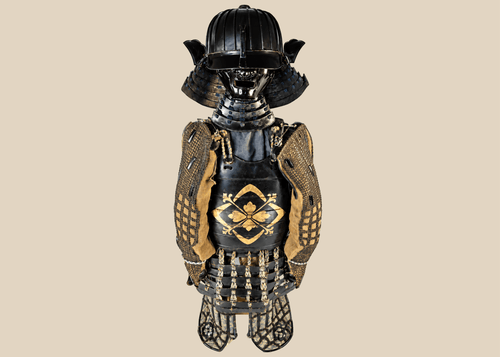
Authentic Muromachi Era Samurai Armor | Japanese Warrior Armor Set with Gold Crest & Edo Period Lacing | Circa 1333 – 1573
- Regular price
- $17,500.00
- Sale price
- $17,500.00
- Regular price
-
Victorian | Brass Field Microscope with Mahogany Case and Interchangeable Lenses | Circa Early–Mid 19th Century
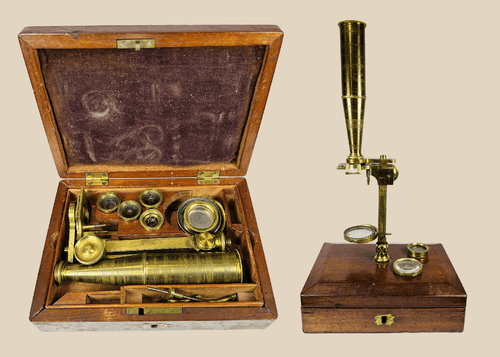
Victorian | Brass Field Microscope with Mahogany Case and Interchangeable Lenses | Circa Early–Mid 19th Century
- Regular price
- $2,000.00
- Sale price
- $2,000.00
- Regular price
-
Early Georgian Spirit Box | Mahogany Case with Four Parcel-Gilded Square Decanters | England | Circa Early 19th Century
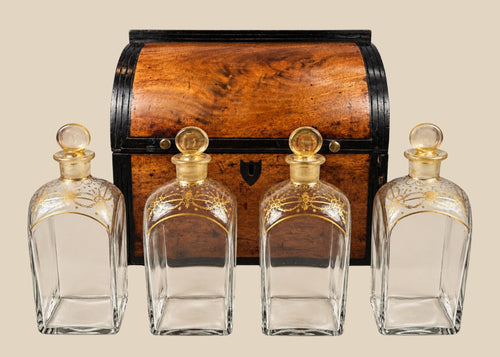
Early Georgian Spirit Box | Mahogany Case with Four Parcel-Gilded Square Decanters | England | Circa Early 19th Century
- Regular price
- $1,250.00
- Sale price
- $1,250.00
- Regular price
-
Antique Silver Ring | North African or Middle Eastern Tribal Jewelry | Circa 19th–20th Century
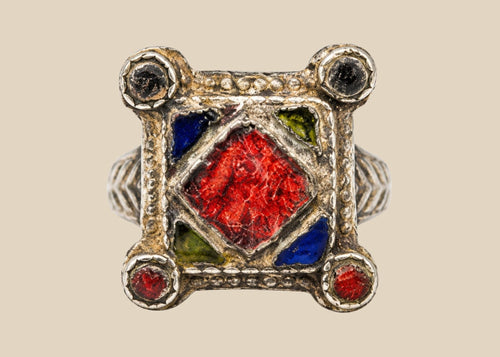
Antique Silver Ring | North African or Middle Eastern Tribal Jewelry | Circa 19th–20th Century
- Regular price
- $300.00
- Sale price
- $300.00
- Regular price
-
Greek Hoplite | Bronze Warrior Figurine with Shield | Circa 18th–19th Century
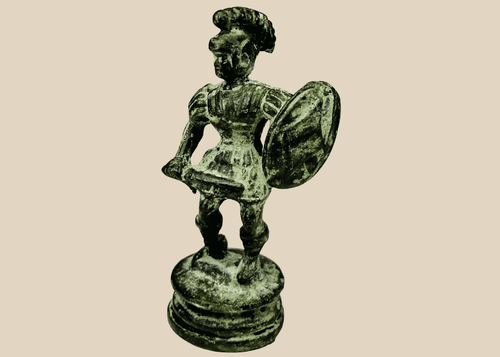
Greek Hoplite | Bronze Warrior Figurine with Shield | Circa 18th–19th Century
- Regular price
- $250.00
- Sale price
- $250.00
- Regular price
-
Archaistic Terracotta Standing Figure in Primitive Style | Circa 20th Century
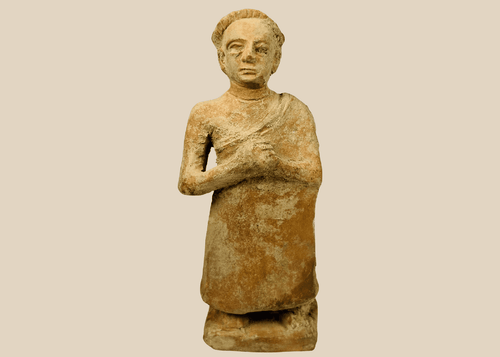
Archaistic Terracotta Standing Figure in Primitive Style | Circa 20th Century
- Regular price
- $250.00
- Sale price
- $250.00
- Regular price
-
Byzantine Terracotta Oil Lamp with Anthropomorphic Face Design | Circa 5th–7thC CE
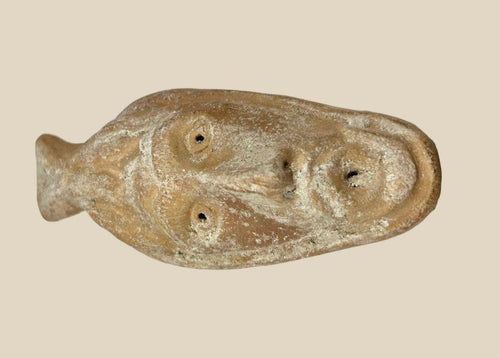
Byzantine Terracotta Oil Lamp with Anthropomorphic Face Design | Circa 5th–7thC CE
- Regular price
- $300.00
- Sale price
- $300.00
- Regular price
-
Antique Cased Daguerreotype Portrait | Victorian Gentleman | Circa 1850s–1860s
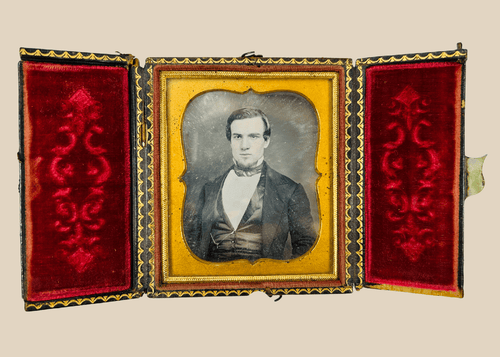
Antique Cased Daguerreotype Portrait | Victorian Gentleman | Circa 1850s–1860s
- Regular price
- $400.00
- Sale price
- $400.00
- Regular price
-
Pre-Columbian West Mexico | Terracotta Seated Figure | Shaft Tomb Culture | Circa 300 BCE–300 CE
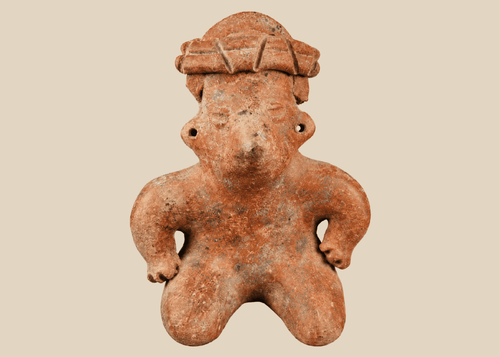
Pre-Columbian West Mexico | Terracotta Seated Figure | Shaft Tomb Culture | Circa 300 BCE–300 CE
- Regular price
- $400.00
- Sale price
- $400.00
- Regular price
-
Ancient Chinese Qing Dynasty Portable Buddhist Shrine | Circa 18th-19th Century
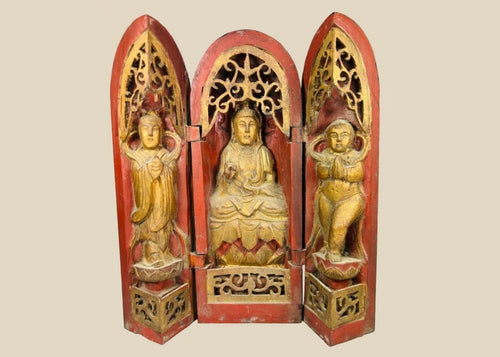
Ancient Chinese Qing Dynasty Portable Buddhist Shrine | Circa 18th-19th Century
- Regular price
- $500.00
- Sale price
- $500.00
- Regular price
-
Spanish-American War Era | U.S. Naval Officer Dress Shoulder Set | Circa Late 19th Century

Spanish-American War Era | U.S. Naval Officer Dress Shoulder Set | Circa Late 19th Century
- Regular price
- $675.00
- Sale price
- $675.00
- Regular price
-
Antique Anatomical Skull | Genuine Human Specimen on Wood Stand | Circa 19th Century
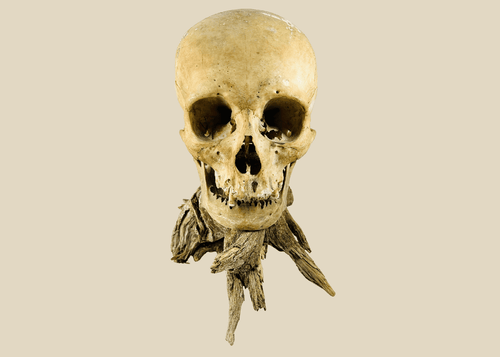
Antique Anatomical Skull | Genuine Human Specimen on Wood Stand | Circa 19th Century
- Regular price
- $2,000.00
- Sale price
- $2,000.00
- Regular price
-
Continental Concealed Gentleman’s Defense Set | in Velvet “Book Form” Case | Circa 1855–1885
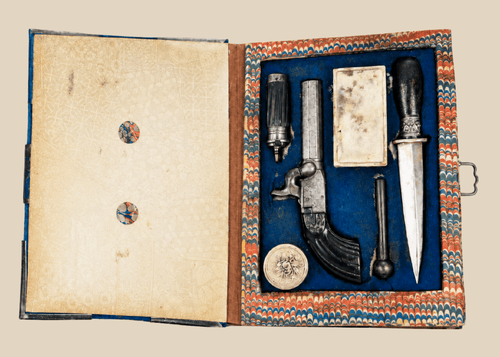
Continental Concealed Gentleman’s Defense Set | in Velvet “Book Form” Case | Circa 1855–1885
- Regular price
- $5,500.00
- Sale price
- $5,500.00
- Regular price
-
Gilt and Silver-Inlaid | Japanese Bronze Ritual Ornament | Circa 1400–1650
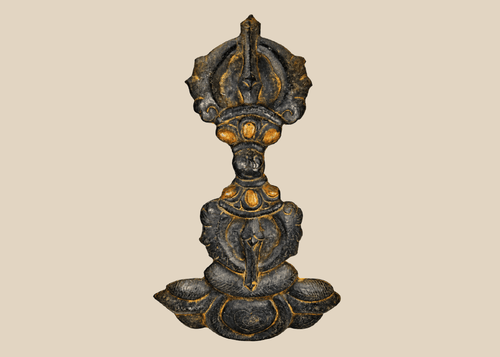
Gilt and Silver-Inlaid | Japanese Bronze Ritual Ornament | Circa 1400–1650
- Regular price
- $3,500.00
- Sale price
- $3,500.00
- Regular price
-
Historic Bank Vault Lock Mechanism | Sargent & Greenleaf Brass Combination Dial | Circa 1906

Historic Bank Vault Lock Mechanism | Sargent & Greenleaf Brass Combination Dial | Circa 1906
- Regular price
- $650.00
- Sale price
- $650.00
- Regular price
-
Ancient Etruscan Bronze Sword Sheath | High-Status Warrior Artifact | Circa 900–700 BC

Ancient Etruscan Bronze Sword Sheath | High-Status Warrior Artifact | Circa 900–700 BC
- Regular price
- $5,000.00
- Sale price
- $5,000.00
- Regular price
-
Signed Nobuaki | Japanese Lacquer Panel with Whist Counter | Meiji Period | Circa late 19th Century
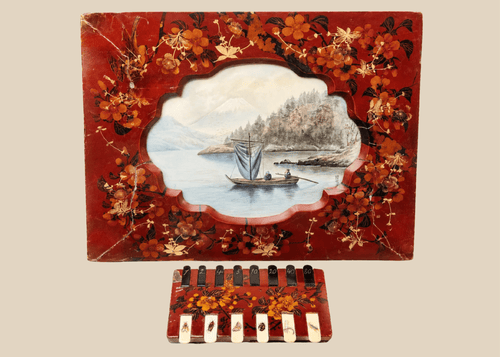
Signed Nobuaki | Japanese Lacquer Panel with Whist Counter | Meiji Period | Circa late 19th Century
- Regular price
- $500.00
- Sale price
- $500.00
- Regular price
-
Otomí-Style Painted Terracotta Water Jar with Floral & Geometric Motifs | Central Mexico | Circa Late 19th–Mid 20th Century
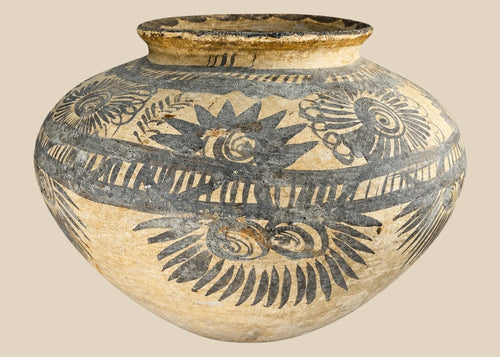
Otomí-Style Painted Terracotta Water Jar with Floral & Geometric Motifs | Central Mexico | Circa Late 19th–Mid 20th Century
- Regular price
- $750.00
- Sale price
- $750.00
- Regular price
-
Multi-Generational | Naval & Military Family Archive Strongbox of E.A. Thompson | 1840s to WWI
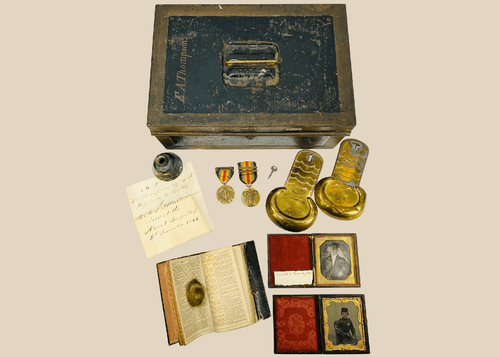
Multi-Generational | Naval & Military Family Archive Strongbox of E.A. Thompson | 1840s to WWI
- Regular price
- $4,000.00
- Sale price
- $4,000.00
- Regular price
-
Large Han Dynasty | Painted Terracotta Foot Soldier Figure | Circa 206 BCE–220 CE
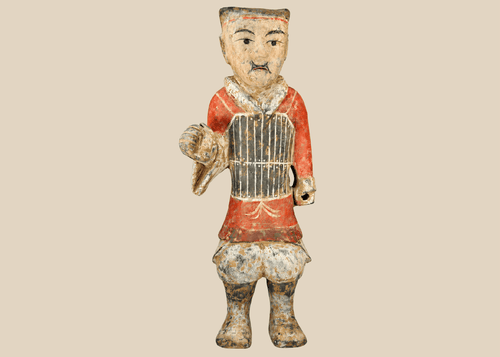
Large Han Dynasty | Painted Terracotta Foot Soldier Figure | Circa 206 BCE–220 CE
- Regular price
- $3,500.00
- Sale price
- $3,500.00
- Regular price
-
Indus Valley Civilization Terracotta Bowls | Painted Motifs & Buff Slip | Late Harappan | Circa 1900–1300 BCE
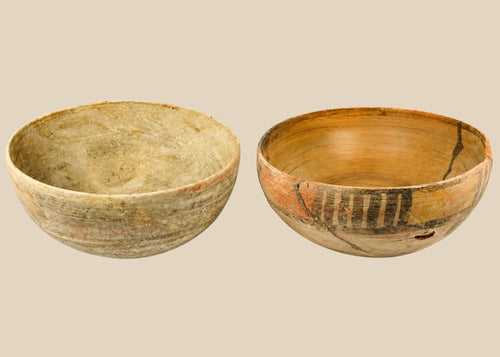
Indus Valley Civilization Terracotta Bowls | Painted Motifs & Buff Slip | Late Harappan | Circa 1900–1300 BCE
- Regular price
- $500.00
- Sale price
- $500.00
- Regular price
-
Large Chancay Figural Effigy Urn | Ancient Peruvian Artifact | Pre-Columbian Terracotta Sculpture | 1000–1400 CE
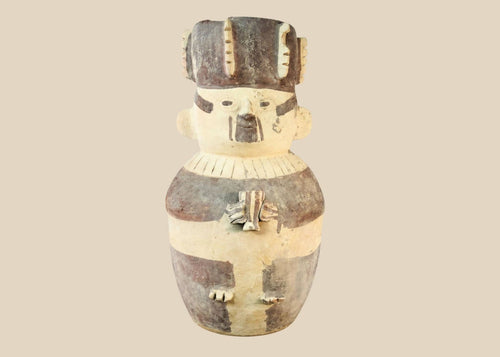
Large Chancay Figural Effigy Urn | Ancient Peruvian Artifact | Pre-Columbian Terracotta Sculpture | 1000–1400 CE
- Regular price
- $3,500.00
- Sale price
- $3,500.00
- Regular price
-
Luristan Iron Short Sword | Ancient Near Eastern Weapon | 750–650 BCE
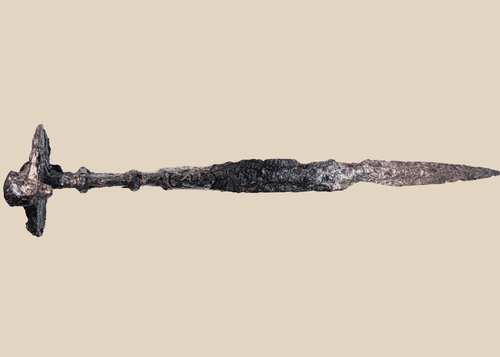
Luristan Iron Short Sword | Ancient Near Eastern Weapon | 750–650 BCE
- Regular price
- $3,000.00
- Sale price
- $3,000.00
- Regular price
-
Northern Wei Dynasty | Court Attendant Figure with Traces of Polychrome Pigment | Circa 386–535 CE
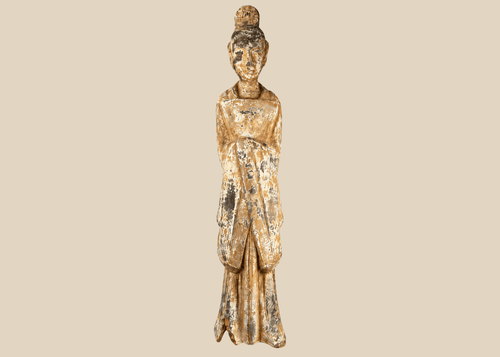
Northern Wei Dynasty | Court Attendant Figure with Traces of Polychrome Pigment | Circa 386–535 CE
- Regular price
- $2,500.00
- Sale price
- $2,500.00
- Regular price
-
Authentic Human Skeletal Foot in Glass Dome | Antique Medical Specimen by Adam Rouilly Co. | Circa Early 20th Century
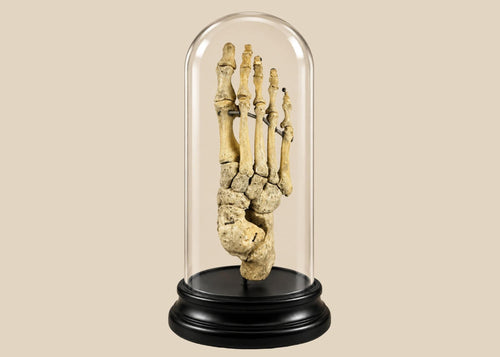
Authentic Human Skeletal Foot in Glass Dome | Antique Medical Specimen by Adam Rouilly Co. | Circa Early 20th Century
- Regular price
- $2,500.00
- Sale price
- $2,500.00
- Regular price
-
Human Skeletal Hand in Glass Dome | Circa Early 20th Century
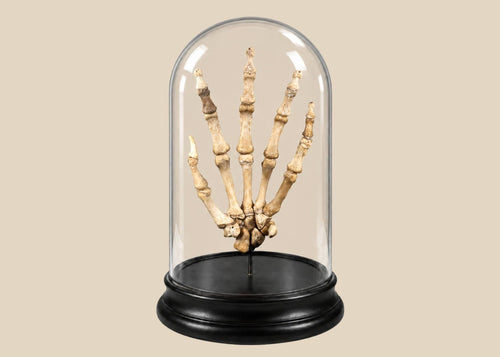
Human Skeletal Hand in Glass Dome | Circa Early 20th Century
- Regular price
- $2,500.00
- Sale price
- $2,500.00
- Regular price
-
Huastec-Style Painted Terracotta Water Jar with Geometric Motifs | Hidalgo, Mexico | Circa 1900–1920
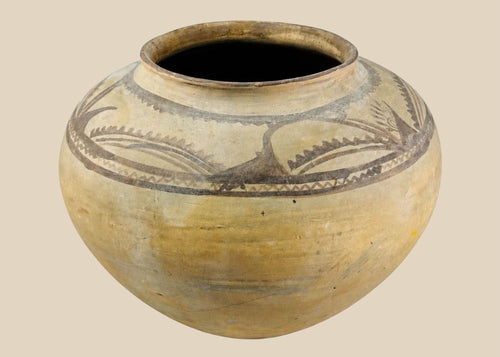
Huastec-Style Painted Terracotta Water Jar with Geometric Motifs | Hidalgo, Mexico | Circa 1900–1920
- Regular price
- $750.00
- Sale price
- $750.00
- Regular price
-
Chinese Northern Wei Dynasty Buddhist Terracotta Brick with Seated Buddha Relief | Circa 386–534 CE

Chinese Northern Wei Dynasty Buddhist Terracotta Brick with Seated Buddha Relief | Circa 386–534 CE
- Regular price
- $2,000.00
- Sale price
- $2,000.00
- Regular price
-
Collection of Three Ancient Bronze Rings | Signet, Shield & Wide Band | Circa 1st – 14th Century AD
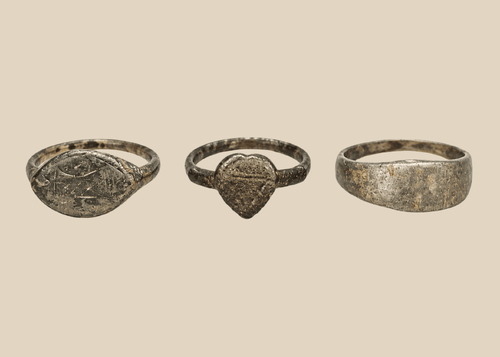
Collection of Three Ancient Bronze Rings | Signet, Shield & Wide Band | Circa 1st – 14th Century AD
- Regular price
- $500.00
- Sale price
- $500.00
- Regular price
-
Chinese Gilt Bronze Buddha in Meditation Pose | Circa 16th–17th Century
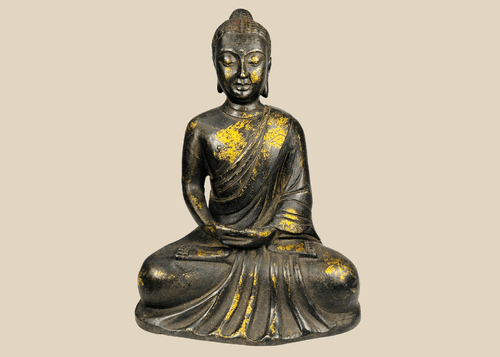
Chinese Gilt Bronze Buddha in Meditation Pose | Circa 16th–17th Century
- Regular price
- $1,500.00
- Sale price
- $1,500.00
- Regular price
-
Qing Dynasty Phoenix Relief | Hand-Carved Camphor Wood with Gilding & Polychrome Pigments | Circa 19th Century
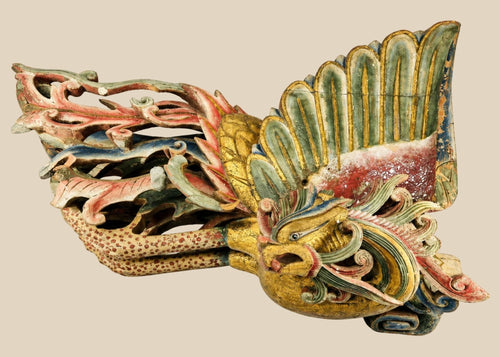
Qing Dynasty Phoenix Relief | Hand-Carved Camphor Wood with Gilding & Polychrome Pigments | Circa 19th Century
- Regular price
- $1,250.00
- Sale price
- $1,250.00
- Regular price
-
Hand-Painted Greek Orthodox Icon on Wood | Christ Pantocrator with Saints | Circa 16th–18th Century
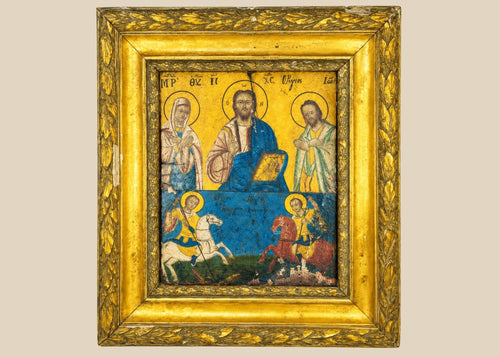
Hand-Painted Greek Orthodox Icon on Wood | Christ Pantocrator with Saints | Circa 16th–18th Century
- Regular price
- $2,000.00
- Sale price
- $2,000.00
- Regular price
-
Ancient Egyptian Polychrome Cartonnage Fragment of Anubis | Linen & Gesso Funerary Panel | Late Period–Ptolemaic | Circa 2nd–1st Century BCE
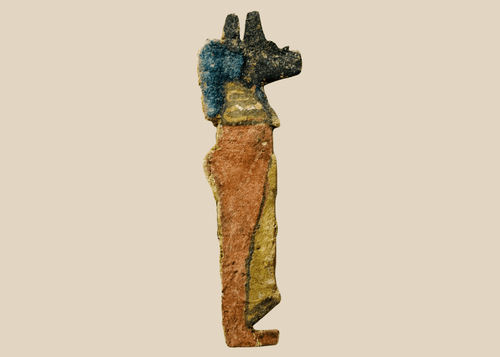
Ancient Egyptian Polychrome Cartonnage Fragment of Anubis | Linen & Gesso Funerary Panel | Late Period–Ptolemaic | Circa 2nd–1st Century BCE
- Regular price
- $1,750.00
- Sale price
- $1,750.00
- Regular price
-
Early Etruscan Impasto Spiral Amphora | Circa 700–650 BCE
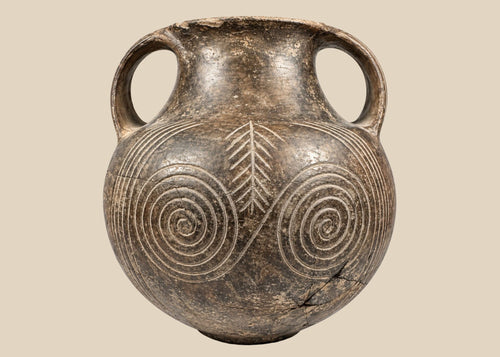
Early Etruscan Impasto Spiral Amphora | Circa 700–650 BCE
- Regular price
- $1,500.00
- Sale price
- $1,500.00
- Regular price
-
WWII German Pistol – Browning FN Model 1922 (1941–1944)
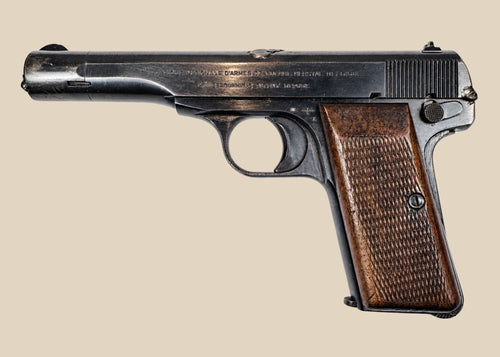
WWII German Pistol – Browning FN Model 1922 (1941–1944)
- Regular price
- $2,000.00
- Sale price
- $2,000.00
- Regular price
-
Antique Spanish Colonial | Oil Painting of Saint Francis with Memento Mori | Circa 18th–Early 19th Century

Antique Spanish Colonial | Oil Painting of Saint Francis with Memento Mori | Circa 18th–Early 19th Century
- Regular price
- $1,500.00
- Sale price
- $1,500.00
- Regular price
-
Buddha in Bhumisparsha Mudra | Thai Gilt Wooden Figure with Gem Inlays | Circa 19th–Early 20th Century
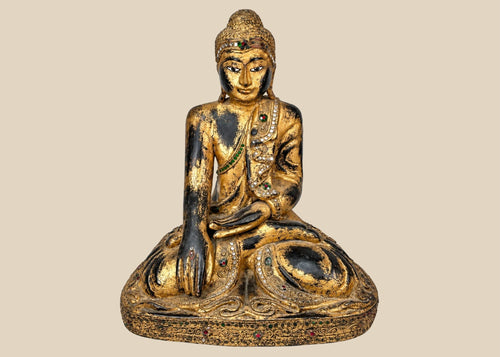
Buddha in Bhumisparsha Mudra | Thai Gilt Wooden Figure with Gem Inlays | Circa 19th–Early 20th Century
- Regular price
- $2,000.00
- Sale price
- $2,000.00
- Regular price
-
Authentic 19th Century Mummified Head | Circus Sideshow Artifact

Authentic 19th Century Mummified Head | Circus Sideshow Artifact
- Regular price
- $10,000.00
- Sale price
- $10,000.00
- Regular price
-
A Pair of Rare Large Tibetan Kapala Citipati Beads | 18th-19th Century

A Pair of Rare Large Tibetan Kapala Citipati Beads | 18th-19th Century
- Regular price
- $1,250.00
- Sale price
- $1,250.00
- Regular price
-
Mexican | Devotional Panel Depicting Bishop with Patriarchal Cross | Circa 19th Century

Mexican | Devotional Panel Depicting Bishop with Patriarchal Cross | Circa 19th Century
- Regular price
- $1,250.00
- Sale price
- $1,250.00
- Regular price
-
European Dagger | Quillon Guard and Ring Pommel | Circa 14th Century
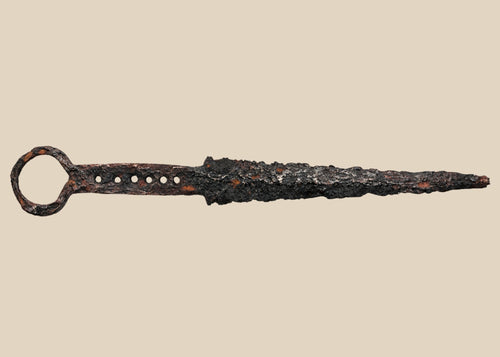
European Dagger | Quillon Guard and Ring Pommel | Circa 14th Century
- Regular price
- $2,000.00
- Sale price
- $2,000.00
- Regular price
-
Baroque Carved Wooden Corpus of Christ from a Crucifix | Circa 17th Century
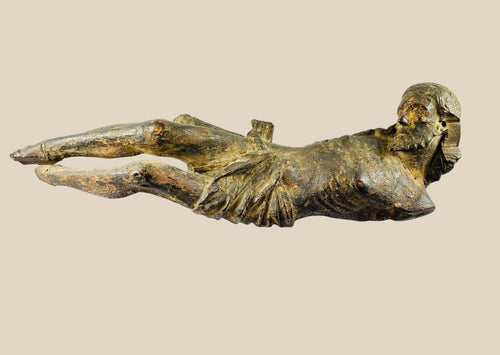
Baroque Carved Wooden Corpus of Christ from a Crucifix | Circa 17th Century
- Regular price
- $2,000.00
- Sale price
- $2,000.00
- Regular price
-
Seljuk Silver Unguent Bowl | Engraved Floral & Geometric Motifs | Persia | 12th–13th Century CE

Seljuk Silver Unguent Bowl | Engraved Floral & Geometric Motifs | Persia | 12th–13th Century CE
- Regular price
- $1,650.00
- Sale price
- $1,650.00
- Regular price
-
Ancient Egyptian | Limestone Sacred Primate Figure | Circa 664–30 B.C
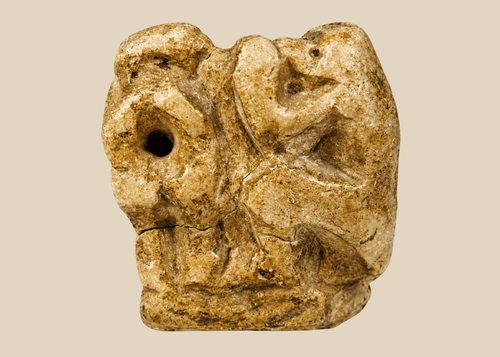
Ancient Egyptian | Limestone Sacred Primate Figure | Circa 664–30 B.C
- Regular price
- $1,500.00
- Sale price
- $1,500.00
- Regular price
-
Pre-Columbian Seated Shaman Figure with Red Beads | Nayarit Culture, West Mexico | Circa 300 BCE–500 CE
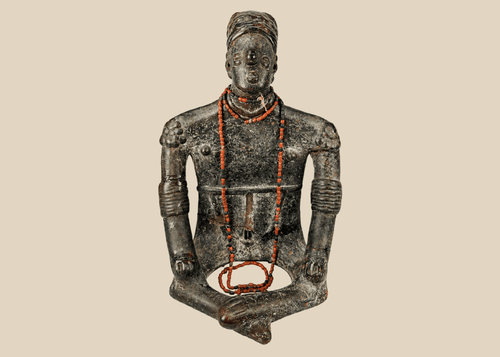
Pre-Columbian Seated Shaman Figure with Red Beads | Nayarit Culture, West Mexico | Circa 300 BCE–500 CE
- Regular price
- $1,500.00
- Sale price
- $1,500.00
- Regular price
-
Antique Hand-Carved Crucifix with Bone Figure | Circa 18th–19th Century
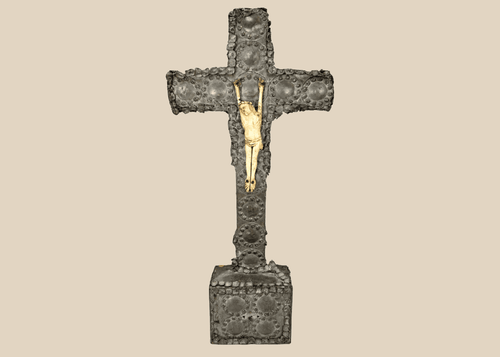
Antique Hand-Carved Crucifix with Bone Figure | Circa 18th–19th Century
- Regular price
- $1,500.00
- Sale price
- $1,500.00
- Regular price
-
Tibetan Kangling Ritual Trumpet | Human Femur with Silver Fittings & Turquoise Inlay | Circa 19th–Early 20th Century

Tibetan Kangling Ritual Trumpet | Human Femur with Silver Fittings & Turquoise Inlay | Circa 19th–Early 20th Century
- Regular price
- $1,500.00
- Sale price
- $1,500.00
- Regular price
-
Pre-Columbian Chimu Black-Fired Stirrup Vessel | Ritual Frog Imagery | 550–770 Years Old
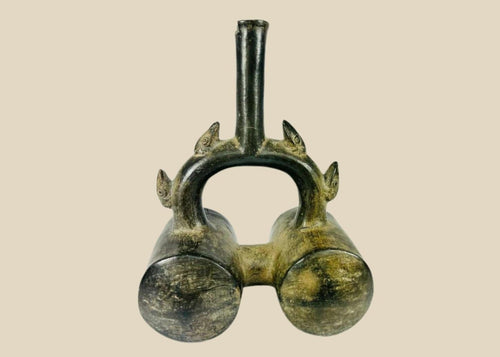
Pre-Columbian Chimu Black-Fired Stirrup Vessel | Ritual Frog Imagery | 550–770 Years Old
- Regular price
- $1,500.00
- Sale price
- $1,500.00
- Regular price


Why Collect with Relic & Rarity?
Historically significant artifacts carefully sourced, researched, and curated for collectors who value authenticity, provenance, and the preservation of cultural heritage.
Artifact Insights
Who were the Japanese warriors and samurai?
Japanese warriors, especially the samurai, were an elite military class in feudal Japan known for their discipline, loyalty, and strict ethical code called Bushido. Samurai served powerful lords (daimyō) and played a central role in shaping Japan’s political and cultural history. Their legacy remains one of the most iconic symbols of honor and martial excellence.
What is Bastet and why is she represented as a cat?
Bastet was an ancient Egyptian goddess associated with protection, fertility, and domestic life, often depicted as a cat or a woman with a cat’s head. Cats were considered sacred in Egypt because they protected homes and crops from pests, and they were believed to embody Bastet’s protective spirit.
What are Peruvian textiles and why are they important?
Peruvian textiles are among the most advanced ancient crafts, created by civilizations such as the Inca and earlier Andean cultures. These textiles were made using natural fibers and complex weaving techniques, often carrying symbolic meanings, social status indicators, and cultural identity. They are highly valued today for both their artistry and historical significance.
What defines ancient Chinese art across different dynasties?
Ancient Chinese art is known for its refined craftsmanship, symbolism, and continuity across dynasties. It includes bronze ritual objects, ceramics, paintings, and sculptures. Unlike Greek art, traditional Chinese art often focused less on human realism and more on harmony, nature, and spiritual expression.
What are the characteristics of Han Dynasty and Ming Dynasty art?
Han Dynasty art (206 BCE - 220 CE) emphasized tomb objects, bronze works, and early ceramics that reflected beliefs in the afterlife and imperial power.
Ming Dynasty art (1368-1644) is known for its refined porcelain, intricate paintings, and decorative arts that reached a high level of technical and aesthetic sophistication.
Together, these periods highlight the evolution of Chinese artistic traditions from functional ritual objects to highly decorative and collectible masterpieces.
Discover @relicandraritygallery on Instagram

