




Victorian Artifacts & Historic Relics
-
Victorian Era | Doctor’s Medicine Chest with Glass Containers and Historic Prescriptions | Circa mid-19th Century
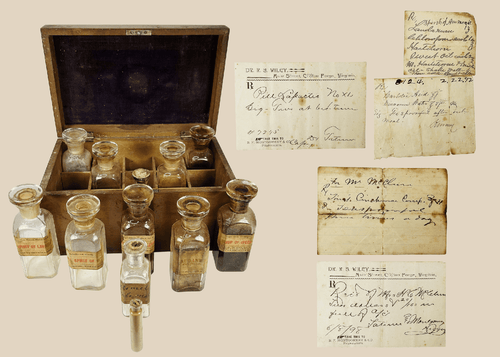
Victorian Era | Doctor’s Medicine Chest with Glass Containers and Historic Prescriptions | Circa mid-19th Century
- Regular price
- $2,750.00
- Sale price
- $2,750.00
- Regular price
-
Victorian | Brass Field Microscope with Mahogany Case and Interchangeable Lenses | Circa Early–Mid 19th Century
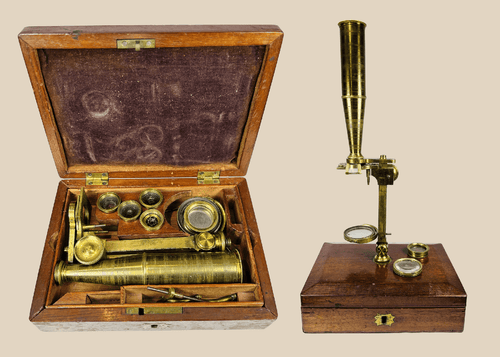
Victorian | Brass Field Microscope with Mahogany Case and Interchangeable Lenses | Circa Early–Mid 19th Century
- Regular price
- $2,000.00
- Sale price
- $2,000.00
- Regular price
-
Victorian Gilt Bronze Cobra Inkstand with Thermometer & Compass | Benjamin Waterhouse Hawkins | Design Published 1850
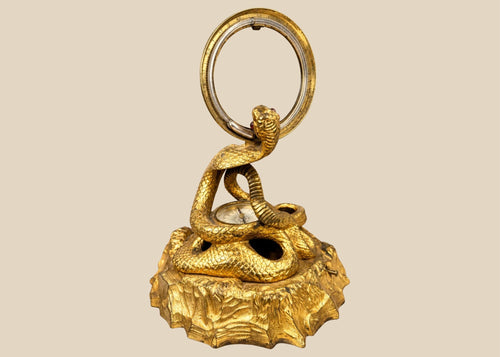
Victorian Gilt Bronze Cobra Inkstand with Thermometer & Compass | Benjamin Waterhouse Hawkins | Design Published 1850
- Regular price
- $1,500.00
- Sale price
- $1,500.00
- Regular price
-
Mid-19th Century English School Oil Portrait of a Gentleman | Early Victorian Era | Circa 1835 – 1850
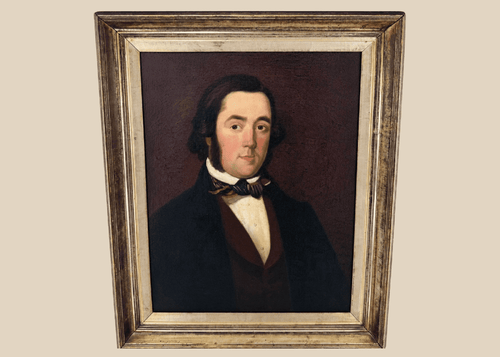
Mid-19th Century English School Oil Portrait of a Gentleman | Early Victorian Era | Circa 1835 – 1850
- Regular price
- $1,275.00
- Sale price
- $1,275.00
- Regular price
-
Early Georgian Spirit Box | Mahogany Case with Four Parcel-Gilded Square Decanters | England | Circa Early 19th Century
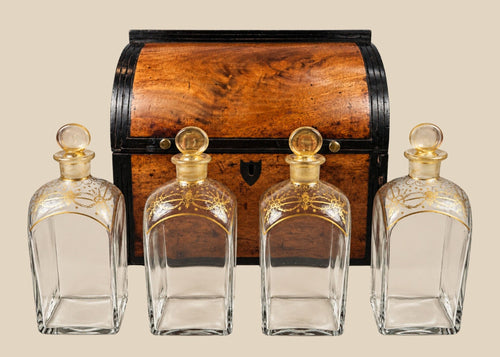
Early Georgian Spirit Box | Mahogany Case with Four Parcel-Gilded Square Decanters | England | Circa Early 19th Century
- Regular price
- $1,250.00
- Sale price
- $1,250.00
- Regular price
-
Thomas Jones of Liverpool | Mid-19th Century Alidade Compass | Walnut-Cased Precision Survey Instrument | Mid 19th Century
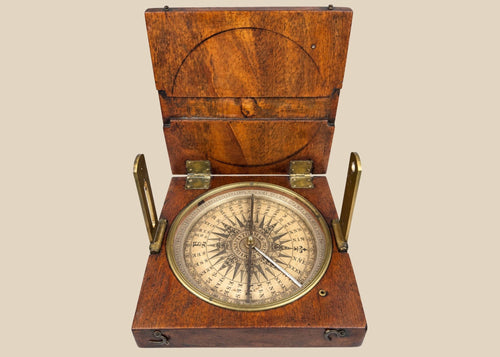
Thomas Jones of Liverpool | Mid-19th Century Alidade Compass | Walnut-Cased Precision Survey Instrument | Mid 19th Century
- Regular price
- $1,250.00
- Sale price
- $1,250.00
- Regular price
-
Victorian-Era Enfield Snider Conversion | Queen's Cipher Marked Service Rifle | 1864
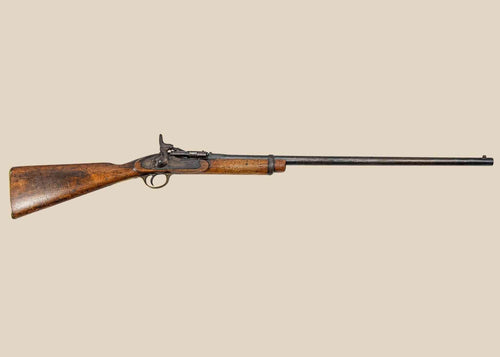
Victorian-Era Enfield Snider Conversion | Queen's Cipher Marked Service Rifle | 1864
- Regular price
- $1,200.00
- Sale price
- $1,200.00
- Regular price
-
Collection of 13 Victorian Cased Ambrotype & Tintype Portraits | Circa 1855–1870

Collection of 13 Victorian Cased Ambrotype & Tintype Portraits | Circa 1855–1870
- Regular price
- $900.00
- Sale price
- $900.00
- Regular price
-
Pair of Identified Victorian Cased Portraits | George Bascom & Clara Holt Kimball | Circa 1855 – 1865

Pair of Identified Victorian Cased Portraits | George Bascom & Clara Holt Kimball | Circa 1855 – 1865
- Regular price
- $750.00
- Sale price
- $750.00
- Regular price
-
Antique Victorian | Warded Rim Lock with Oversized Skeleton Keys | Circa 1800s
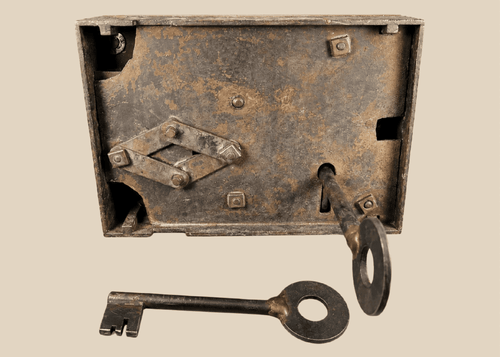
Antique Victorian | Warded Rim Lock with Oversized Skeleton Keys | Circa 1800s
- Regular price
- $700.00
- Sale price
- $700.00
- Regular price
-
Gothic Revival | Carved Wooden Corbel Depicting a Medieval King | Circa 1850 – 1900
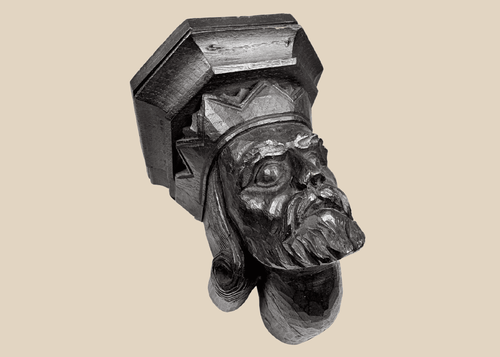
Gothic Revival | Carved Wooden Corbel Depicting a Medieval King | Circa 1850 – 1900
- Regular price
- $600.00
- Sale price
- $600.00
- Regular price
-
Antique French Beveled Glass Jewelry Casket | Circa 1870–1900
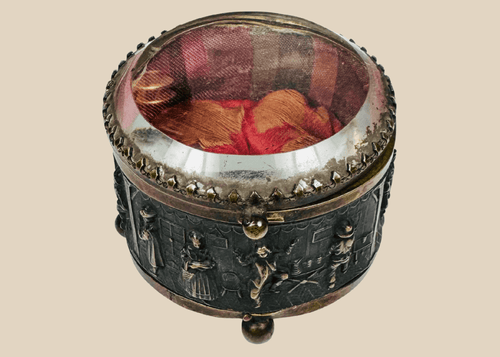
Antique French Beveled Glass Jewelry Casket | Circa 1870–1900
- Regular price
- $550.00
- Sale price
- $550.00
- Regular price
-
Vintage Cast Iron Safe Bank with Hinged Door | Ornate American Savings Bank | Circa 1900

Vintage Cast Iron Safe Bank with Hinged Door | Ornate American Savings Bank | Circa 1900
- Regular price
- $500.00
- Sale price
- $500.00
- Regular price
-
Mid-19th Century Cased Ambrotype Portrait of a Woman & Child | E. Renard Artiste | Circa 1855 – 1865
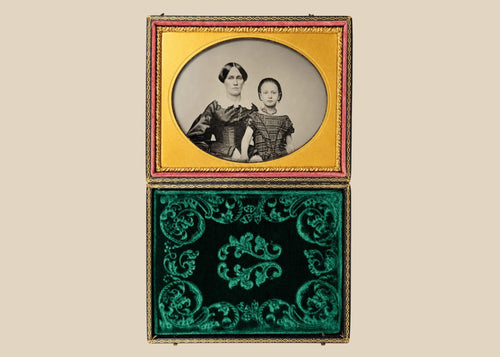
Mid-19th Century Cased Ambrotype Portrait of a Woman & Child | E. Renard Artiste | Circa 1855 – 1865
- Regular price
- $500.00
- Sale price
- $500.00
- Regular price
-
Pair of Cased Victorian Ambrotype Portraits – Traditionally Identified as Mother & Daughter | Circa 1855 – 1865
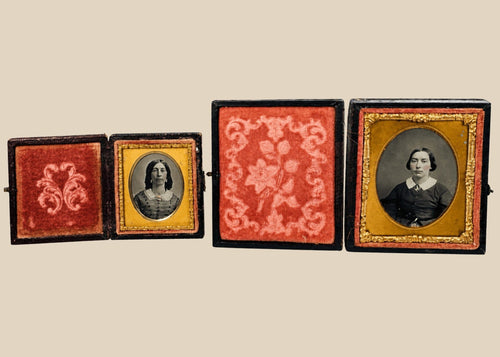
Pair of Cased Victorian Ambrotype Portraits – Traditionally Identified as Mother & Daughter | Circa 1855 – 1865
- Regular price
- $450.00
- Sale price
- $450.00
- Regular price
-
Victorian Black Lacquered Papier-Mâché Calling Card Case with Mother-of-Pearl Inlay | Circa 1840 – 1860
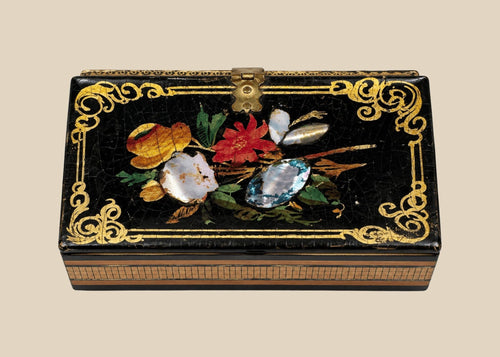
Victorian Black Lacquered Papier-Mâché Calling Card Case with Mother-of-Pearl Inlay | Circa 1840 – 1860
- Regular price
- $450.00
- Sale price
- $450.00
- Regular price
-
Victorian Era Daguerreotype Keepsake Case with Dual Portraits | Circa 1855–1870
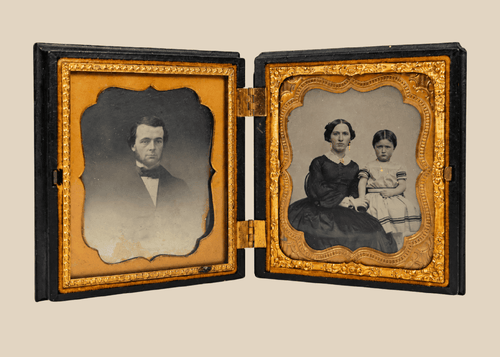
Victorian Era Daguerreotype Keepsake Case with Dual Portraits | Circa 1855–1870
- Regular price
- $450.00
- Sale price
- $450.00
- Regular price
-
Pair of Colour Portrait Miniatures in Green Velvet Presentation Case | Sears Family Collection | Circa 1880–1910 CE
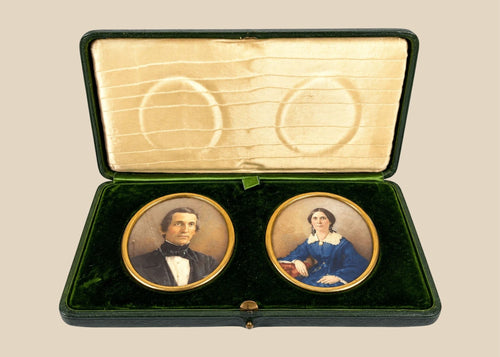
Pair of Colour Portrait Miniatures in Green Velvet Presentation Case | Sears Family Collection | Circa 1880–1910 CE
- Regular price
- $400.00
- Sale price
- $400.00
- Regular price
-
Pair of Colour Portrait Miniatures in Fitted Presentation Case | Sears Family Collection | Circa 1880–1910 CE
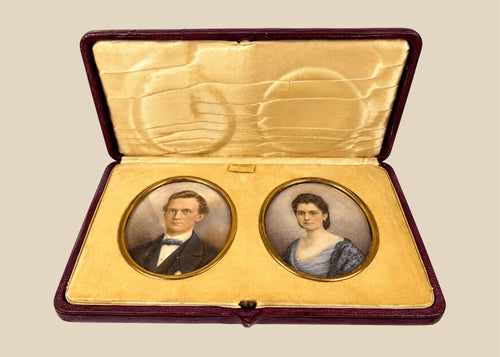
Pair of Colour Portrait Miniatures in Fitted Presentation Case | Sears Family Collection | Circa 1880–1910 CE
- Regular price
- $400.00
- Sale price
- $400.00
- Regular price
-
Mid-19th Century American Cased Portrait Photograph Attributed to Dr. Paul Sears | Sears Family Collection | Circa 1855–1865 CE
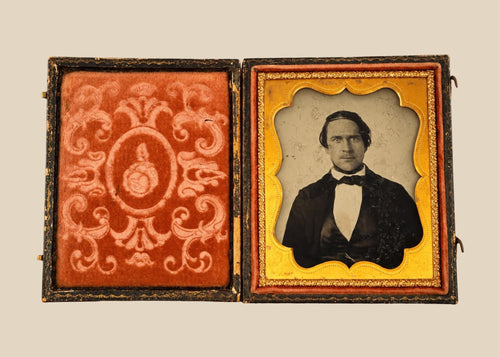
Mid-19th Century American Cased Portrait Photograph Attributed to Dr. Paul Sears | Sears Family Collection | Circa 1855–1865 CE
- Regular price
- $400.00
- Sale price
- $400.00
- Regular price
-
Quarter Plate Rehn Ambrotype of Three Female Sitters in Leatherette Presentation Case | Circa 1855 – 1865
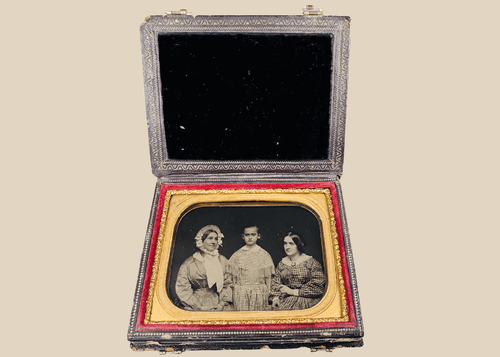
Quarter Plate Rehn Ambrotype of Three Female Sitters in Leatherette Presentation Case | Circa 1855 – 1865
- Regular price
- $400.00
- Sale price
- $400.00
- Regular price
-
Victorian Husband & Wife | Daguerreotype Double Portrait in Thermoplastic Union Case | Circa 1855–1865
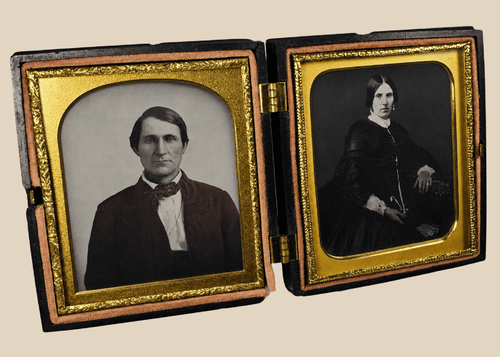
Victorian Husband & Wife | Daguerreotype Double Portrait in Thermoplastic Union Case | Circa 1855–1865
- Regular price
- $400.00
- Sale price
- $400.00
- Regular price
-
Antique Cased Daguerreotype Portrait | Victorian Gentleman | Circa 1850s–1860s
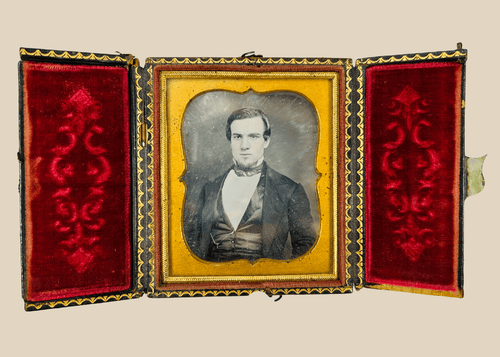
Antique Cased Daguerreotype Portrait | Victorian Gentleman | Circa 1850s–1860s
- Regular price
- $400.00
- Sale price
- $400.00
- Regular price
-
American Sixth-Plate Daguerreotype Portrait of Mrs. Ruth R. Smith | Memphis, Tennessee | Circa 1849
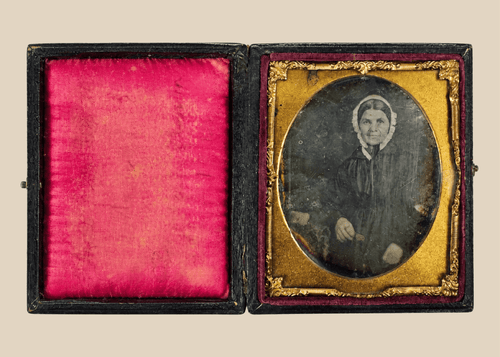
American Sixth-Plate Daguerreotype Portrait of Mrs. Ruth R. Smith | Memphis, Tennessee | Circa 1849
- Regular price
- $350.00
- Sale price
- $350.00
- Regular price
-
Antique Burr Walnut Octagonal Snuff Box | Circa 1820–1860

Antique Burr Walnut Octagonal Snuff Box | Circa 1820–1860
- Regular price
- $325.00
- Sale price
- $325.00
- Regular price
-
Victorian Carved Bone Coin Purse with Purple Silk Interior | Circa 1870 – 1900

Victorian Carved Bone Coin Purse with Purple Silk Interior | Circa 1870 – 1900
- Regular price
- $325.00
- Sale price
- $325.00
- Regular price
-
Victorian Gentleman | Daguerreotype Portrait in Thermoplastic Union Case | Circa 1848–1858
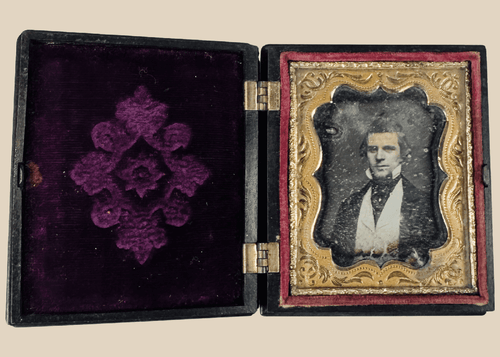
Victorian Gentleman | Daguerreotype Portrait in Thermoplastic Union Case | Circa 1848–1858
- Regular price
- $325.00
- Sale price
- $325.00
- Regular price
-
Civil War–Era | Ambrotype of a Boston Family in Original Leather Case | Circa 1850–1870
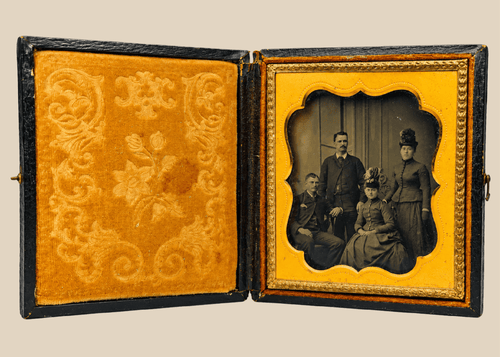
Civil War–Era | Ambrotype of a Boston Family in Original Leather Case | Circa 1850–1870
- Regular price
- $325.00
- Sale price
- $325.00
- Regular price
-
Mid-19th Century American Cased Portrait Photograph of a Victorian Woman | Sears Family Collection | Circa 1850–1865 CE
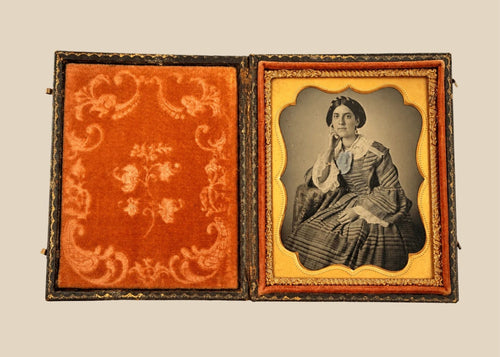
Mid-19th Century American Cased Portrait Photograph of a Victorian Woman | Sears Family Collection | Circa 1850–1865 CE
- Regular price
- $300.00
- Sale price
- $300.00
- Regular price
-
Late Victorian–Edwardian Oval Sepia Portrait Photograph of a Woman | Sears Family Collection | Circa 1895–1915 CE
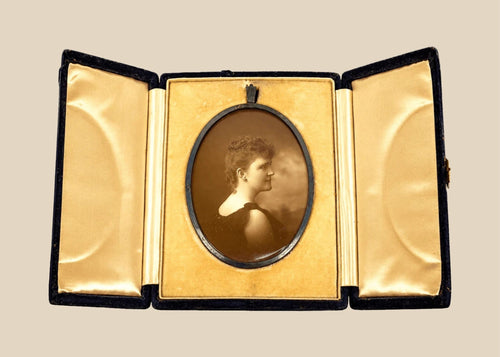
Late Victorian–Edwardian Oval Sepia Portrait Photograph of a Woman | Sears Family Collection | Circa 1895–1915 CE
- Regular price
- $200.00
- Sale price
- $200.00
- Regular price
-
Victorian Cased Ambrotype Portrait of a Young Gentleman | Circa 1855 – 1865
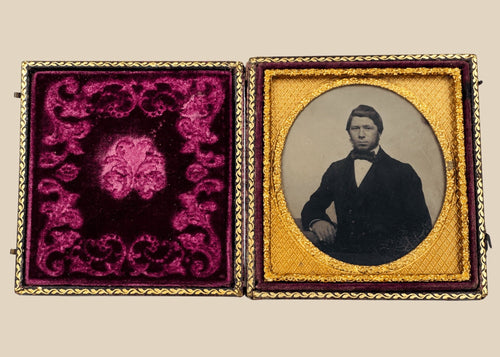
Victorian Cased Ambrotype Portrait of a Young Gentleman | Circa 1855 – 1865
- Regular price
- $200.00
- Sale price
- $200.00
- Regular price
-
Silver Alloy Ring with Beaded Rosette Face | Vintage Jewelry | Late 19th Century
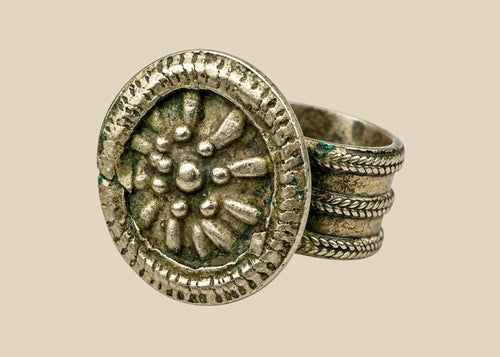
Silver Alloy Ring with Beaded Rosette Face | Vintage Jewelry | Late 19th Century
- Regular price
- $175.00
- Sale price
- $175.00
- Regular price


Collector Insights
When was the Victorian era?
The Victorian era refers to the reign of Queen Victoria from 1837 to 1901. It was a period of major industrial, scientific, social, and technological change that influenced everything from medicine and photography to household design and manufacturing.
What is the difference between a daguerreotype and an ambrotype?
A daguerreotype produces a highly detailed image on a silver-coated metal plate, while an ambrotype uses a glass plate that appears positive when placed against a dark background. Both forms of Victorian photography were commonly protected inside decorative cases.
Why were medicine chests important during the Victorian era?
A Victorian medicine chest provided organized storage for bottles, remedies, measuring tools, and other medical supplies. These portable chests were used in homes, by physicians, and during travel when professional medical assistance was not always immediately available.
How were brass microscopes used in Victorian science?
Antique brass microscopes were used to study plants, insects, minerals, prepared slides, and biological specimens. During the 19th century, microscopy became increasingly important to medicine, natural history, scientific education, and amateur investigation.
What is a warded lock and how does a skeleton key work?
A warded lock contains fixed internal barriers called wards. Its key is shaped to pass around those barriers and operate the locking mechanism. The long, narrow form associated with many antique warded-lock keys led to the familiar term skeleton key.
Discover Relic & Rarity
on Instagram

