




17th Century (1600-1699) Artifacts
-
Historic Italian Carved Wooden Chest | Circa 16th–17th Century

Historic Italian Carved Wooden Chest | Circa 16th–17th Century
- Regular price
- $7,000.00
- Sale price
- $7,000.00
- Regular price
-
German or Dutch Zischägge (Lobster-Tailed Pot Helmet) | Forged Iron Helmet with Nasal Bar | Circa 1630–1670
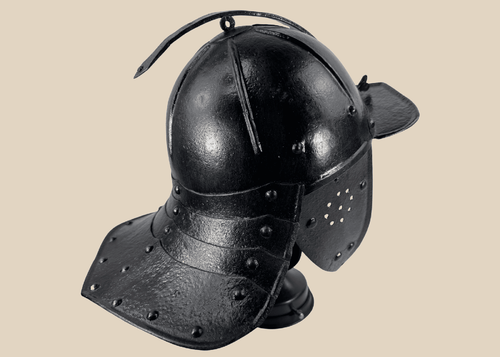
German or Dutch Zischägge (Lobster-Tailed Pot Helmet) | Forged Iron Helmet with Nasal Bar | Circa 1630–1670
- Regular price
- $5,000.00
- Sale price
- $5,000.00
- Regular price
-
Gilt and Silver-Inlaid | Japanese Bronze Ritual Ornament | Circa 1400–1650
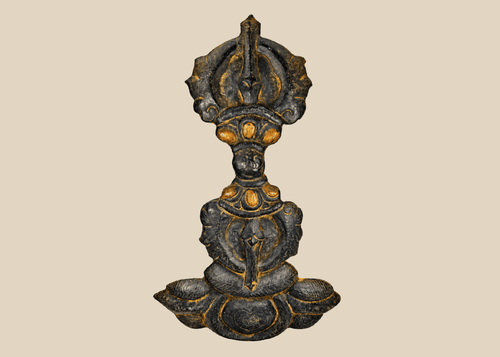
Gilt and Silver-Inlaid | Japanese Bronze Ritual Ornament | Circa 1400–1650
- Regular price
- $3,500.00
- Sale price
- $3,500.00
- Regular price
-
Pair of Spanish / Continental Armored Cavalry Stirrups (Estribos de Tapadera) | Circa Late 16th – Early 17th Century
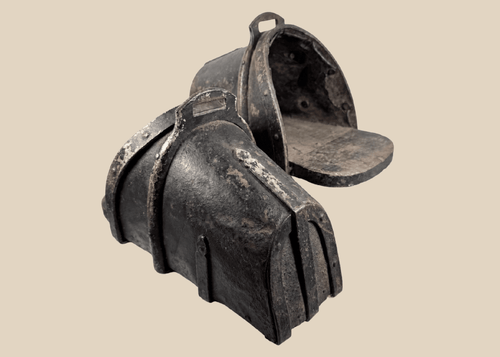
Pair of Spanish / Continental Armored Cavalry Stirrups (Estribos de Tapadera) | Circa Late 16th – Early 17th Century
- Regular price
- $2,500.00
- Sale price
- $2,500.00
- Regular price
-
Carved Ecclesiastical Stone Fragment Depicting the Crucifixion | Circa 14th–18th Century
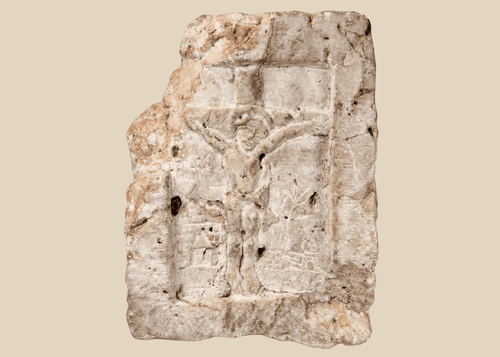
Carved Ecclesiastical Stone Fragment Depicting the Crucifixion | Circa 14th–18th Century
- Regular price
- $2,500.00
- Sale price
- $2,500.00
- Regular price
-
Pair of Spanish Baroque Walnut & Leather Chairs | Circa 17th Century
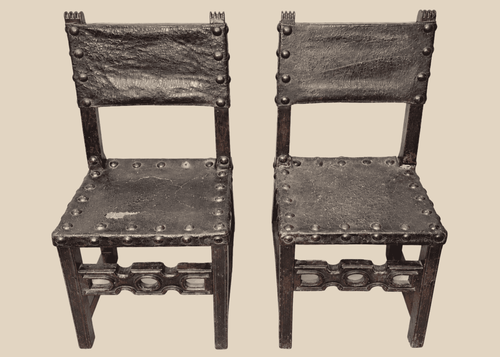
Pair of Spanish Baroque Walnut & Leather Chairs | Circa 17th Century
- Regular price
- $2,000.00
- Sale price
- $2,000.00
- Regular price
-
Ancient Chinese Painted Terracotta Group of Madam Tang and Her Mother-in-Law | Yuan–Ming Dynasty | Circa 14th – 17th Century
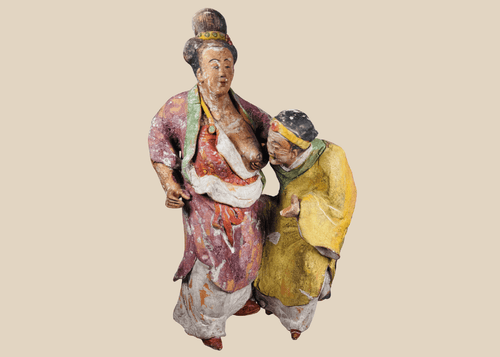
Ancient Chinese Painted Terracotta Group of Madam Tang and Her Mother-in-Law | Yuan–Ming Dynasty | Circa 14th – 17th Century
- Regular price
- $2,000.00
- Sale price
- $2,000.00
- Regular price
-
Southern Russian Jewish Bridal Belt | Brass and Cornelian Stones | 17th–18th Century
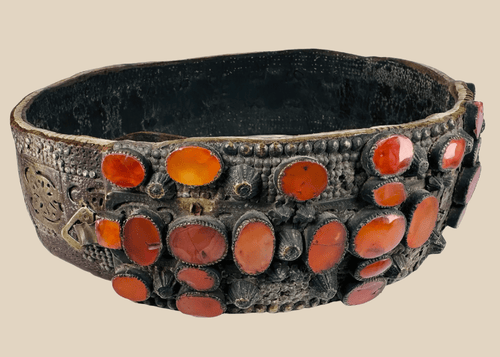
Southern Russian Jewish Bridal Belt | Brass and Cornelian Stones | 17th–18th Century
- Regular price
- $2,000.00
- Sale price
- $2,000.00
- Regular price
-
Hand-Painted Greek Orthodox Icon on Wood | Christ Pantocrator with Saints | Circa 16th–18th Century
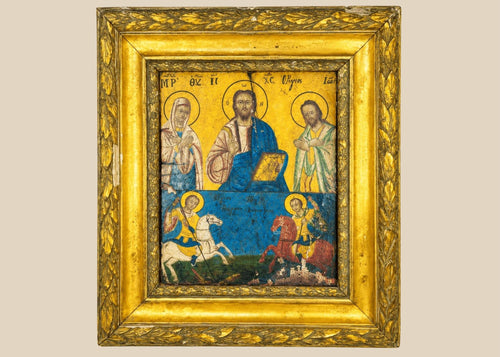
Hand-Painted Greek Orthodox Icon on Wood | Christ Pantocrator with Saints | Circa 16th–18th Century
- Regular price
- $2,000.00
- Sale price
- $2,000.00
- Regular price
-
Baroque Carved Wooden Corpus of Christ from a Crucifix | Circa 17th Century
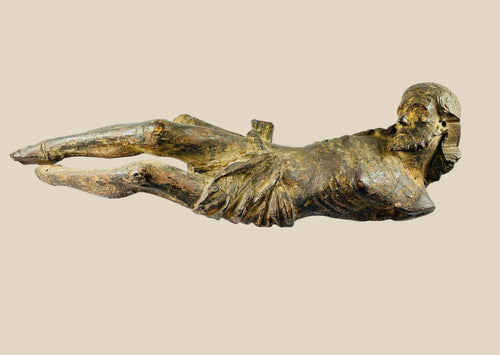
Baroque Carved Wooden Corpus of Christ from a Crucifix | Circa 17th Century
- Regular price
- $2,000.00
- Sale price
- $2,000.00
- Regular price
-
European Gilt-Bronze Corpus Christi Crucifix Figure | Cristo Morto | Circa 16th–17th Century
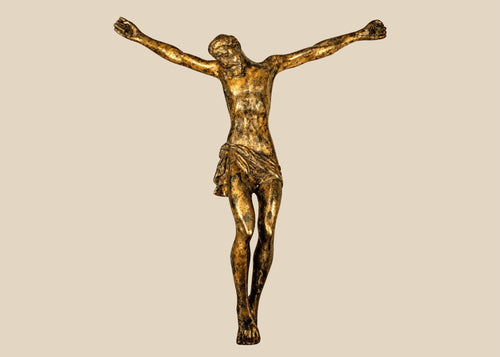
European Gilt-Bronze Corpus Christi Crucifix Figure | Cristo Morto | Circa 16th–17th Century
- Regular price
- $1,500.00
- Sale price
- $1,500.00
- Regular price
-
Chinese Gilt Bronze Buddha in Meditation Pose | Circa 16th–17th Century
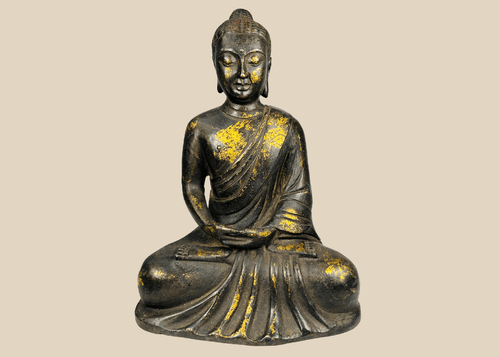
Chinese Gilt Bronze Buddha in Meditation Pose | Circa 16th–17th Century
- Regular price
- $1,500.00
- Sale price
- $1,500.00
- Regular price
-
Italian Gilt Bronze Minerva Sculpture | Roman Goddess of Wisdom | Circa 17th Century
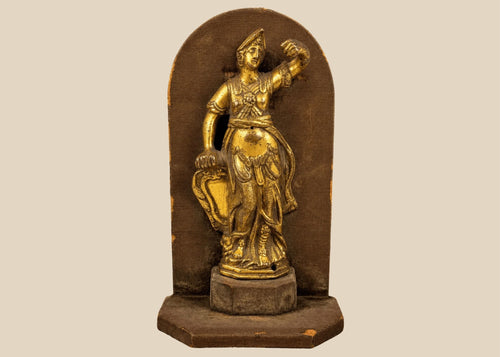
Italian Gilt Bronze Minerva Sculpture | Roman Goddess of Wisdom | Circa 17th Century
- Regular price
- $1,450.00
- Sale price
- $1,450.00
- Regular price
-
Pair of Chinese Turquoise and Aubergine Glazed Ceramic Court Officials | Late Ming to Early Qing Dynasty | Circa 1600 – 1750 CE
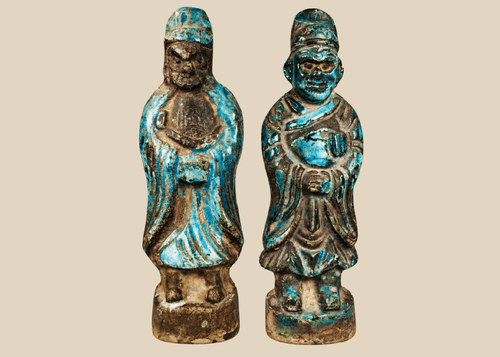
Pair of Chinese Turquoise and Aubergine Glazed Ceramic Court Officials | Late Ming to Early Qing Dynasty | Circa 1600 – 1750 CE
- Regular price
- $1,250.00
- Sale price
- $1,250.00
- Regular price
-
Antique Chinese Lacquered & Giltwood Bodhisattva of Compassion Statue | Circa 1600 – 1750 CE
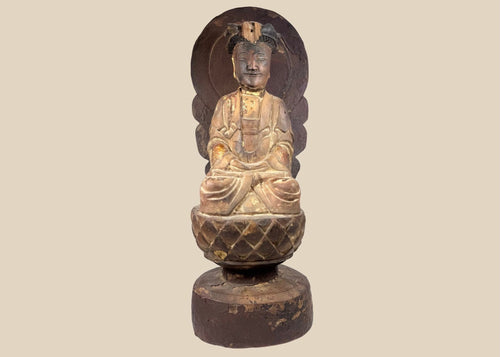
Antique Chinese Lacquered & Giltwood Bodhisattva of Compassion Statue | Circa 1600 – 1750 CE
- Regular price
- $1,000.00
- Sale price
- $1,000.00
- Regular price
-
Carved Lion Mascaron In Hardwood With Traces Of Gilding | Continental Europe | Circa 1650–1750
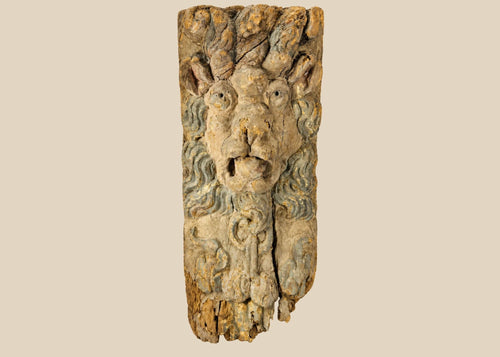
Carved Lion Mascaron In Hardwood With Traces Of Gilding | Continental Europe | Circa 1650–1750
- Regular price
- $1,000.00
- Sale price
- $1,000.00
- Regular price
-
Very Large Antique Spanish Colonial Folk Art | Corpus Christi Wood Sculpture | Circa 17th–19th Century
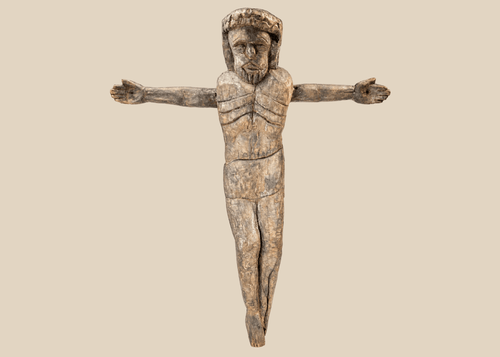
Very Large Antique Spanish Colonial Folk Art | Corpus Christi Wood Sculpture | Circa 17th–19th Century
- Regular price
- $1,000.00
- Sale price
- $1,000.00
- Regular price
-
Southeast Asian | Terracotta Buddhist | Votive Plaques | Circa 14th-18th Century
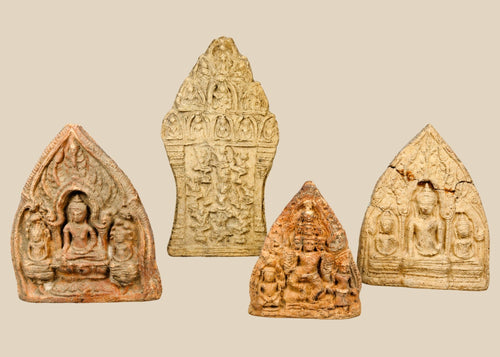
Southeast Asian | Terracotta Buddhist | Votive Plaques | Circa 14th-18th Century
- Regular price
- $1,000.00
- Sale price
- $1,000.00
- Regular price
-
Ayutthaya | Carved Wooden Temple Fragment with Gilded Accents | Thailand | Circa 17th Century
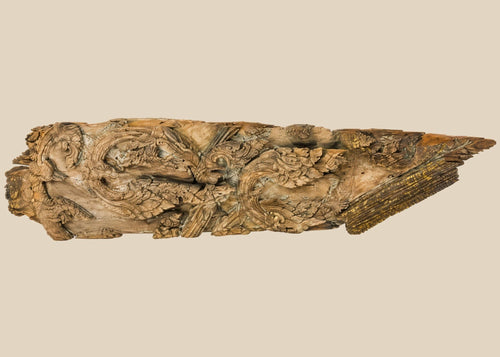
Ayutthaya | Carved Wooden Temple Fragment with Gilded Accents | Thailand | Circa 17th Century
- Regular price
- $1,000.00
- Sale price
- $1,000.00
- Regular price
-
Hand Forged European Iron Spear Head | Circa 1st Millennium CE
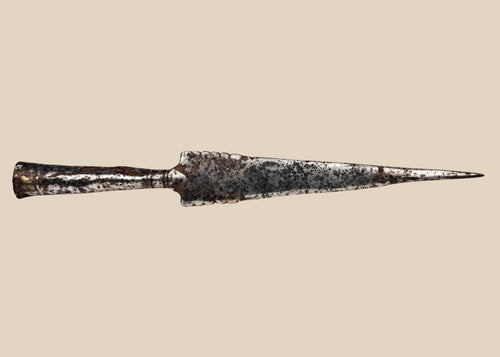
Hand Forged European Iron Spear Head | Circa 1st Millennium CE
- Regular price
- $900.00
- Sale price
- $900.00
- Regular price
-
Spanish Colonial | Wooden Corpus Christi (Devotional Sculpture) | Circa 17th-Century
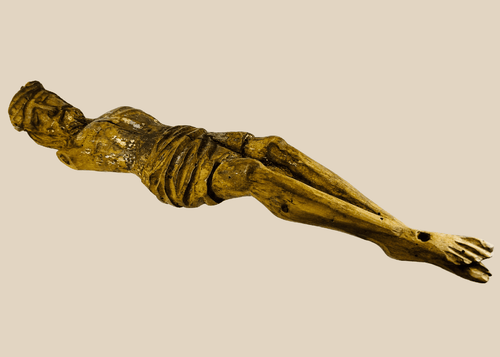
Spanish Colonial | Wooden Corpus Christi (Devotional Sculpture) | Circa 17th-Century
- Regular price
- $750.00
- Sale price
- $750.00
- Regular price
-
Ottoman Cavalry Stirrup | Forged Steel with Traces of Silver Inlay | 17th Century
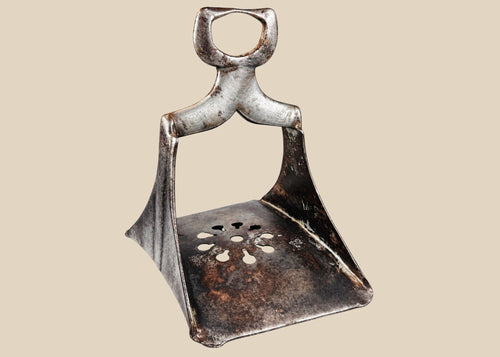
Ottoman Cavalry Stirrup | Forged Steel with Traces of Silver Inlay | 17th Century
- Regular price
- $750.00
- Sale price
- $750.00
- Regular price
-
Pair of Ornate Brass Equestrian Stirrups | Serpentine Motif | Circa Late 17th–Early 18th
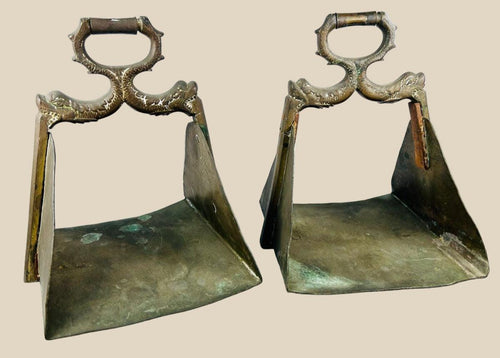
Pair of Ornate Brass Equestrian Stirrups | Serpentine Motif | Circa Late 17th–Early 18th
- Regular price
- $700.00
- Sale price
- $700.00
- Regular price
-
Spanish Colonial Santo Figure | Carved Wooden Friar with Traces of Polychrome | 17th–18th Century
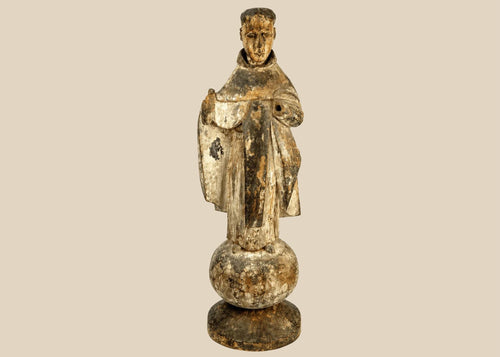
Spanish Colonial Santo Figure | Carved Wooden Friar with Traces of Polychrome | 17th–18th Century
- Regular price
- $700.00
- Sale price
- $700.00
- Regular price
-
Bronze | Dancing Deity Statue | South Asian Origin | Circa Late 17th-19th Century
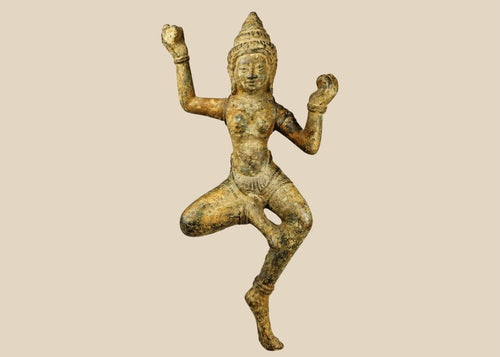
Bronze | Dancing Deity Statue | South Asian Origin | Circa Late 17th-19th Century
- Regular price
- $700.00
- Sale price
- $700.00
- Regular price
-
Antique Baroque Carved Wood Relief of the Virgin & Christ Child Crowned by Angels | Circa 1650 – 1750
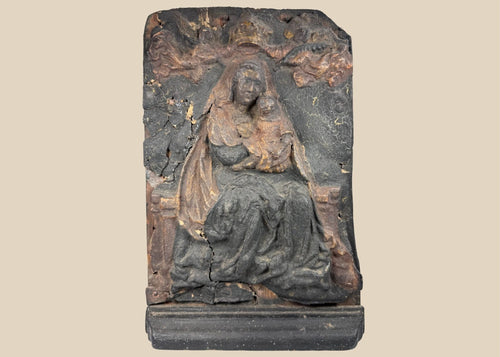
Antique Baroque Carved Wood Relief of the Virgin & Christ Child Crowned by Angels | Circa 1650 – 1750
- Regular price
- $600.00
- Sale price
- $600.00
- Regular price
-
Spanish Colonial or European Santo | Hand-Carved Wooden Saint with Traces of Polychrome | 17th–18th Century
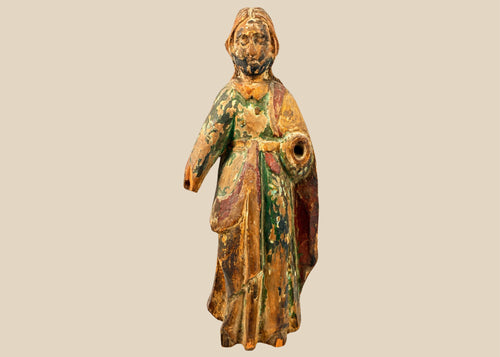
Spanish Colonial or European Santo | Hand-Carved Wooden Saint with Traces of Polychrome | 17th–18th Century
- Regular price
- $600.00
- Sale price
- $600.00
- Regular price
-
Rare Wax Seal Artifact | Monarchical Iconography | Circa 1612

Rare Wax Seal Artifact | Monarchical Iconography | Circa 1612
- Regular price
- $500.00
- Sale price
- $500.00
- Regular price
-
Early European | Forged Iron Axe Head with Maker’s Mark | Circa 17th–18th Century
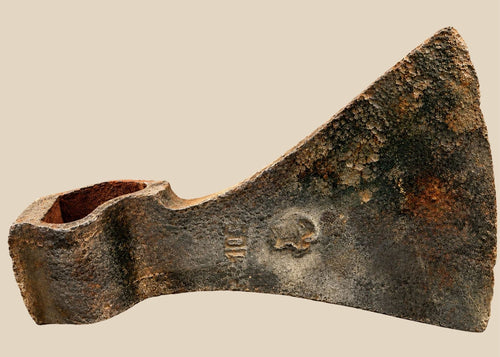
Early European | Forged Iron Axe Head with Maker’s Mark | Circa 17th–18th Century
- Regular price
- $400.00
- Sale price
- $400.00
- Regular price
-
Antique Delft Blue & White Tile | Depicting Mounted Cavalry Figure with Raised Sword | Circa Late 17th – Early 18th Century
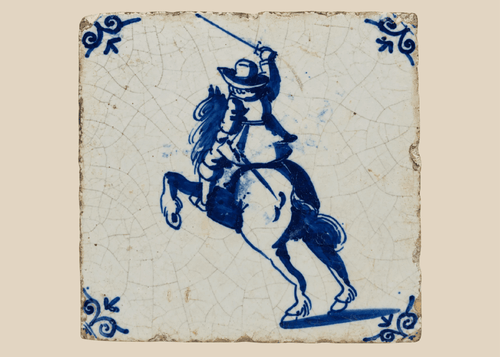
Antique Delft Blue & White Tile | Depicting Mounted Cavalry Figure with Raised Sword | Circa Late 17th – Early 18th Century
- Regular price
- $400.00
- Sale price
- $400.00
- Regular price
-
Ancient Asian Bronze Buddha Head | Circa 17th - 18th Century

Ancient Asian Bronze Buddha Head | Circa 17th - 18th Century
- Regular price
- $400.00
- Sale price
- $400.00
- Regular price
-
European Defensive Armor Segment | Heavy Forged Steel Band from Siege Armor | 17th Century
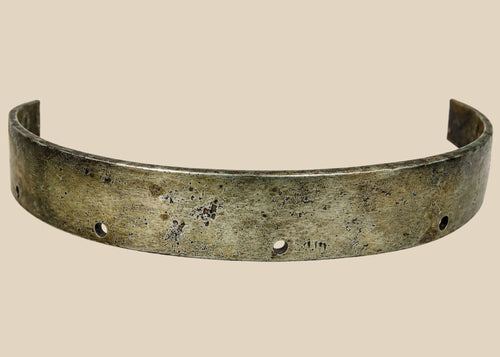
European Defensive Armor Segment | Heavy Forged Steel Band from Siege Armor | 17th Century
- Regular price
- $350.00
- Sale price
- $350.00
- Regular price
-
Ancient Thailand Bronze Head of Buddha | Circa 16th - 17th Century AD

Ancient Thailand Bronze Head of Buddha | Circa 16th - 17th Century AD
- Regular price
- $250.00
- Sale price
- $250.00
- Regular price


Collector Insights
Why is the 17th century historically significant?
The 17th century was an age of profound political, scientific, religious, and economic change. The Thirty Years’ War reshaped Europe, powerful centralized monarchies expanded, overseas empires and global trade grew, and the Scientific Revolution transformed understanding of astronomy, physics, and the natural world. It was also the great age of Baroque art and architecture, making the 1600s an important bridge between the Renaissance and the modern era.
What is Baroque art and how can it be recognized?
Baroque art flourished during the 17th century and is known for dramatic movement, rich detail, strong contrasts of light and shadow, and emotional intensity. It influenced painting, sculpture, architecture, furniture, and decorative arts across Europe.
Why was carved wood important in the 17th century?
Wood was an essential material for 17th-century furniture, sculpture, religious art, and architecture. Skilled carvers created elaborate decoration, figures, architectural panels, and furnishings that reflected the artistic tastes and craftsmanship of the period.
What was happening in China and Japan during the 1600s?
China saw the fall of the Ming dynasty and rise of the Qing dynasty in 1644. In Japan, the Tokugawa shogunate established the Edo period, bringing greater political stability alongside the growth of cities, trade, art, and distinctive cultural traditions.
Why was religion such an important influence on 17th-century art?
Religion remained one of the greatest patrons of art during the 1600s. Churches, temples, monasteries, and private worshippers commissioned paintings, sculptures, icons, ritual objects, and architecture to express faith, teach religious ideas, and inspire devotion.
How are 17th-century artifacts dated?
Experts study materials, construction methods, artistic style, inscriptions, maker’s marks, decoration, and manufacturing techniques. Comparison with securely dated examples and surviving historical records can help narrow an object’s likely date and place of origin.
Discover Relic & Rarity
on Instagram

