




18th Century (1700-1799) Artifacts
-
Antique Winged Temple Guardian | Hand-Carved Wooden Figure | Circa 18th–19th Century
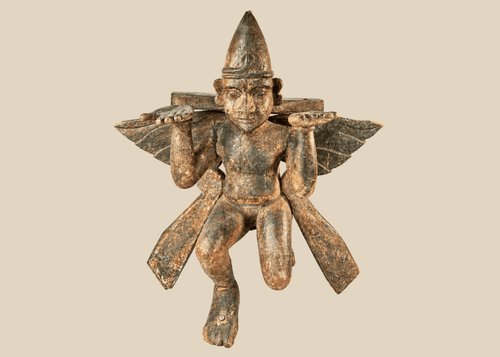
Antique Winged Temple Guardian | Hand-Carved Wooden Figure | Circa 18th–19th Century
- Regular price
- $3,500.00
- Sale price
- $3,500.00
- Regular price
-
Large Chinese Carved Court Figure with Painted Robes | Temple Guardian Sculpture | Circa 18th–19th Century
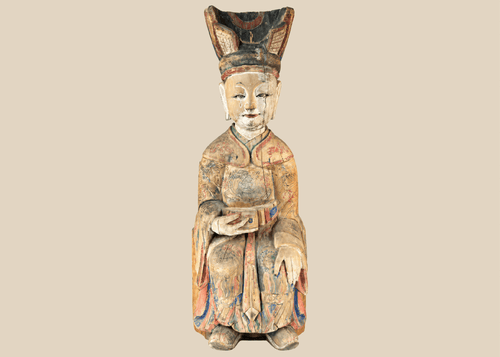
Large Chinese Carved Court Figure with Painted Robes | Temple Guardian Sculpture | Circa 18th–19th Century
- Regular price
- $2,500.00
- Sale price
- $2,500.00
- Regular price
-
Qajar Persian Warrior Arm Guard | Gold Koftgari Steel Armor Cuff | Circa 19th Century
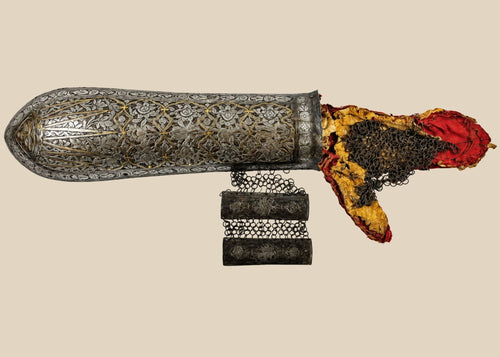
Qajar Persian Warrior Arm Guard | Gold Koftgari Steel Armor Cuff | Circa 19th Century
- Regular price
- $2,000.00
- Sale price
- $2,000.00
- Regular price
-
Southern Russian Jewish Bridal Belt | Brass and Cornelian Stones | 17th–18th Century
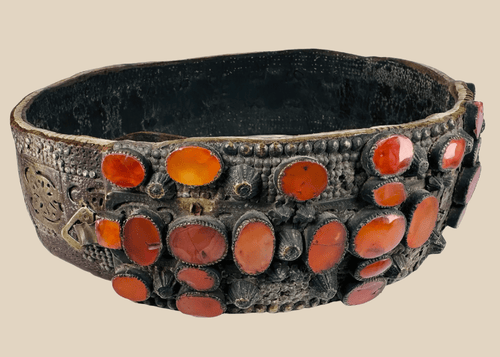
Southern Russian Jewish Bridal Belt | Brass and Cornelian Stones | 17th–18th Century
- Regular price
- $2,000.00
- Sale price
- $2,000.00
- Regular price
-
Hand-Painted Greek Orthodox Icon on Wood | Christ Pantocrator with Saints | Circa 16th–18th Century
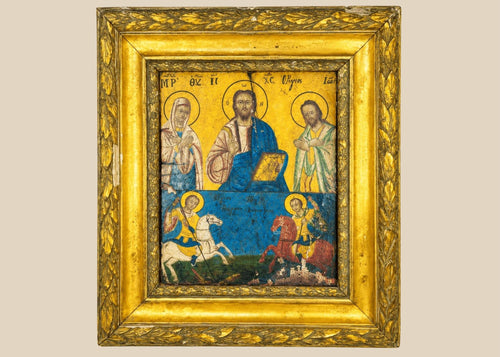
Hand-Painted Greek Orthodox Icon on Wood | Christ Pantocrator with Saints | Circa 16th–18th Century
- Regular price
- $2,000.00
- Sale price
- $2,000.00
- Regular price
-
European | Baroque Carved Wood Capital Fragment with Gilding | Circa 18th–19th Century
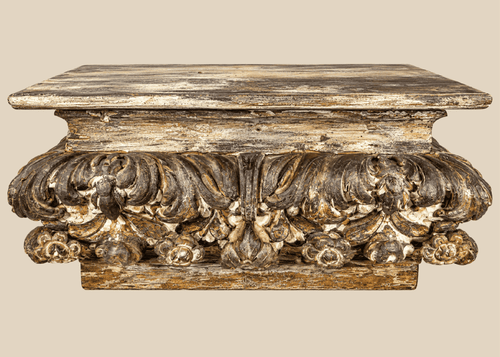
European | Baroque Carved Wood Capital Fragment with Gilding | Circa 18th–19th Century
- Regular price
- $1,750.00
- Sale price
- $1,750.00
- Regular price
-
Antique Japanese Iron-Bound Kiri Wood Ship Chest (Funa Tansu) with Chrysanthemum Lock | Edo Period, Circa 1780
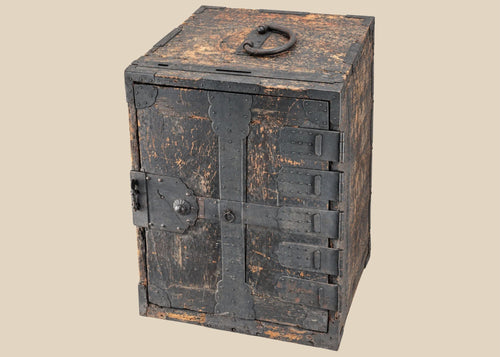
Antique Japanese Iron-Bound Kiri Wood Ship Chest (Funa Tansu) with Chrysanthemum Lock | Edo Period, Circa 1780
- Regular price
- $1,500.00
- Sale price
- $1,500.00
- Regular price
-
Germanic Miniature Memento Mori Coffin | Circa Late 18th – Early 19th Century
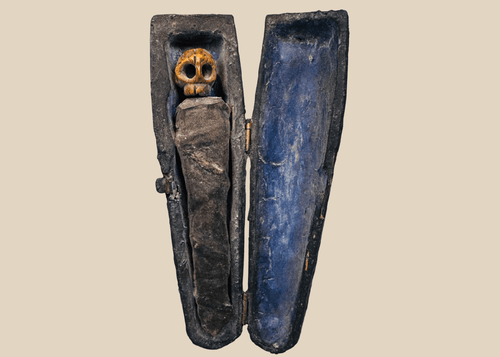
Germanic Miniature Memento Mori Coffin | Circa Late 18th – Early 19th Century
- Regular price
- $1,500.00
- Sale price
- $1,500.00
- Regular price
-
Devotional Panel | Depicting Christ at the Scourging Column with Angelic Scroll | Circa 18th Century
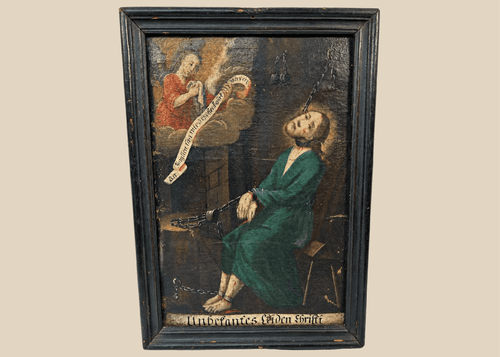
Devotional Panel | Depicting Christ at the Scourging Column with Angelic Scroll | Circa 18th Century
- Regular price
- $1,500.00
- Sale price
- $1,500.00
- Regular price
-
Antique Spanish Colonial | Oil Painting of Saint Francis with Memento Mori | Circa 18th–Early 19th Century
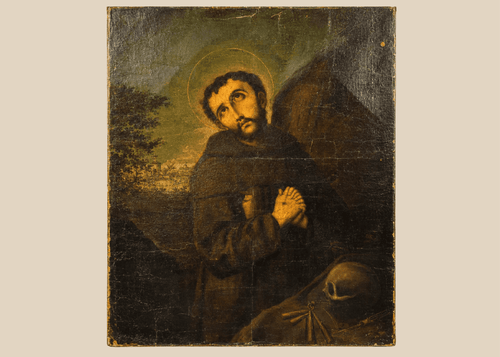
Antique Spanish Colonial | Oil Painting of Saint Francis with Memento Mori | Circa 18th–Early 19th Century
- Regular price
- $1,500.00
- Sale price
- $1,500.00
- Regular price
-
Antique Hand-Carved Crucifix with Bone Figure | Circa 18th–19th Century
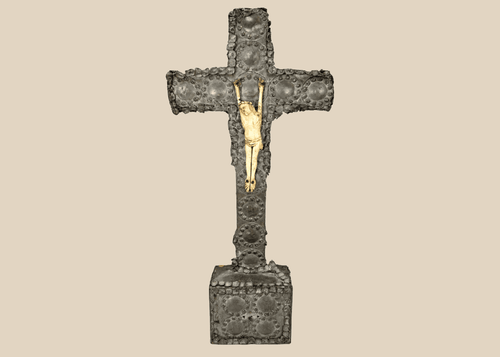
Antique Hand-Carved Crucifix with Bone Figure | Circa 18th–19th Century
- Regular price
- $1,500.00
- Sale price
- $1,500.00
- Regular price
-
Burmese Bronze Shakyamuni Buddha in Earth-Touching Mudra | Konbaung Period, Circa 1780 – 1830
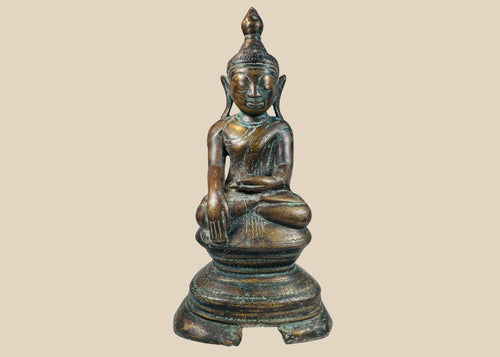
Burmese Bronze Shakyamuni Buddha in Earth-Touching Mudra | Konbaung Period, Circa 1780 – 1830
- Regular price
- $1,350.00
- Sale price
- $1,350.00
- Regular price
-
Colonial American Blacksmith-Made Hanger Short Sword | Circa 1700 – 1775
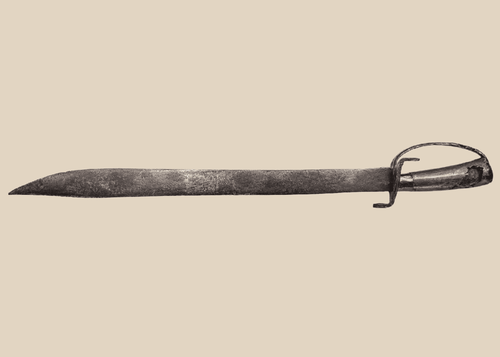
Colonial American Blacksmith-Made Hanger Short Sword | Circa 1700 – 1775
- Regular price
- $1,250.00
- Sale price
- $1,250.00
- Regular price
-
Pair of Chinese Turquoise and Aubergine Glazed Ceramic Court Officials | Late Ming to Early Qing Dynasty | Circa 1600 – 1750 CE
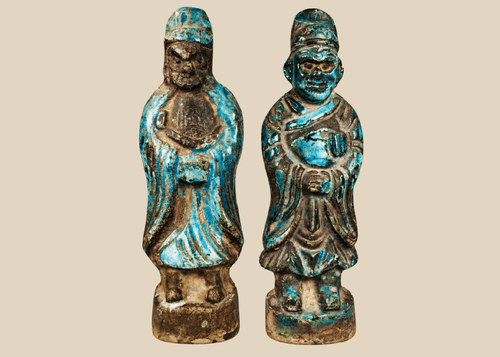
Pair of Chinese Turquoise and Aubergine Glazed Ceramic Court Officials | Late Ming to Early Qing Dynasty | Circa 1600 – 1750 CE
- Regular price
- $1,250.00
- Sale price
- $1,250.00
- Regular price
-
Japanese Lacquered Samurai Helmet Hat with Gilt Clan Emblem | Circa 18th–19th Century
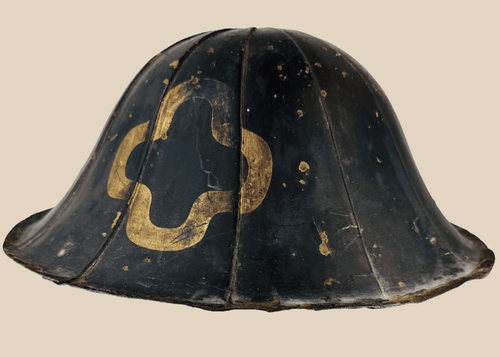
Japanese Lacquered Samurai Helmet Hat with Gilt Clan Emblem | Circa 18th–19th Century
- Regular price
- $1,250.00
- Sale price
- $1,250.00
- Regular price
-
A Pair of Rare Large Tibetan Kapala Citipati Beads | 18th-19th Century

A Pair of Rare Large Tibetan Kapala Citipati Beads | 18th-19th Century
- Regular price
- $1,250.00
- Sale price
- $1,250.00
- Regular price
-
Pair of Antique European Carved Wooden Saint Figures | Ecclesiastical Devotional Sculptures | Circa 18th – 19th Century

Pair of Antique European Carved Wooden Saint Figures | Ecclesiastical Devotional Sculptures | Circa 18th – 19th Century
- Regular price
- $1,200.00
- Sale price
- $1,200.00
- Regular price
-
German Goosewing Hewing Axe | Hand-Forged Iron Blade with Maker’s Marks | 18th – Early 19th Century CE

German Goosewing Hewing Axe | Hand-Forged Iron Blade with Maker’s Marks | 18th – Early 19th Century CE
- Regular price
- $1,200.00
- Sale price
- $1,200.00
- Regular price
-
Antique | Spanish Colonial Santo of the Holy Family | Circa 19th Century
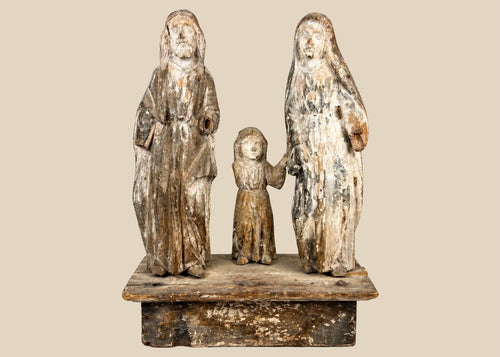
Antique | Spanish Colonial Santo of the Holy Family | Circa 19th Century
- Regular price
- $1,000.00
- Sale price
- $1,000.00
- Regular price
-
Polynesian Volcanic Stone Head | Ancestor Effigy | Circa 18th–19th Century
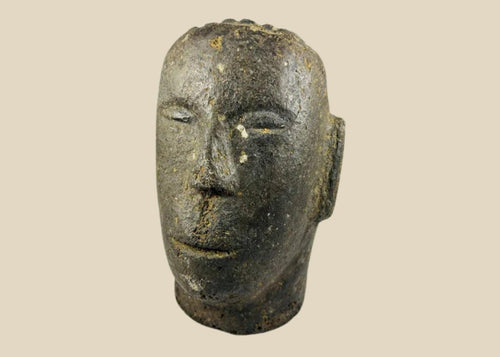
Polynesian Volcanic Stone Head | Ancestor Effigy | Circa 18th–19th Century
- Regular price
- $1,000.00
- Sale price
- $1,000.00
- Regular price
-
Antique Chinese Lacquered & Giltwood Bodhisattva of Compassion Statue | Circa 1600 – 1750 CE
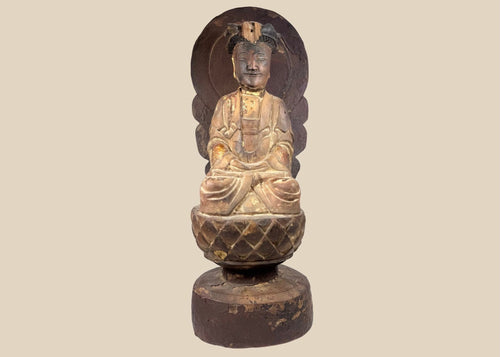
Antique Chinese Lacquered & Giltwood Bodhisattva of Compassion Statue | Circa 1600 – 1750 CE
- Regular price
- $1,000.00
- Sale price
- $1,000.00
- Regular price
-
Carved Lion Mascaron In Hardwood With Traces Of Gilding | Continental Europe | Circa 1650–1750
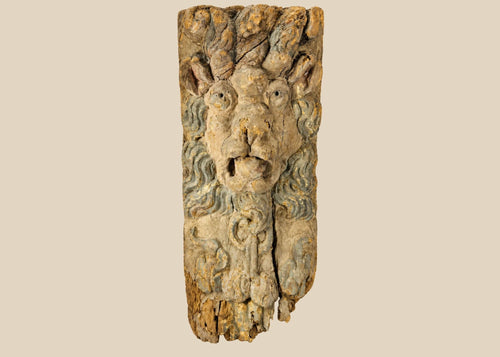
Carved Lion Mascaron In Hardwood With Traces Of Gilding | Continental Europe | Circa 1650–1750
- Regular price
- $1,000.00
- Sale price
- $1,000.00
- Regular price
-
Polychrome Ceramic Corner Tile Rattanakosin Period Thailand | Circa 18th Century
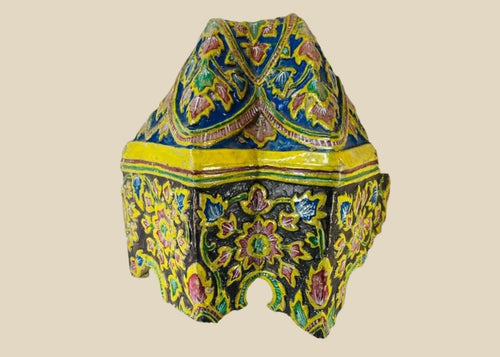
Polychrome Ceramic Corner Tile Rattanakosin Period Thailand | Circa 18th Century
- Regular price
- $1,000.00
- Sale price
- $1,000.00
- Regular price
-
Hand-Carved | Spanish Colonial | Virgin Mary & Child | Circa 18th Century
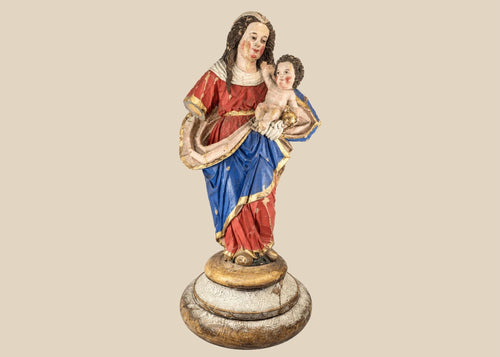
Hand-Carved | Spanish Colonial | Virgin Mary & Child | Circa 18th Century
- Regular price
- $1,000.00
- Sale price
- $1,000.00
- Regular price
-
Very Large Antique Spanish Colonial Folk Art | Corpus Christi Wood Sculpture | Circa 17th–19th Century
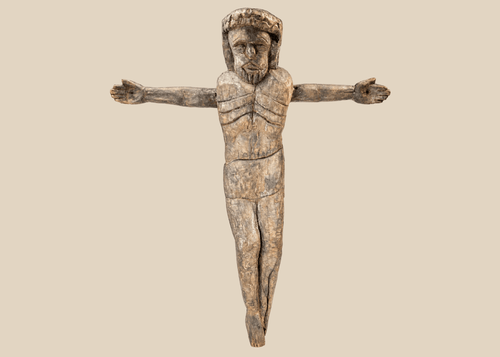
Very Large Antique Spanish Colonial Folk Art | Corpus Christi Wood Sculpture | Circa 17th–19th Century
- Regular price
- $1,000.00
- Sale price
- $1,000.00
- Regular price
-
Large Imperial Russian Orthodox | Bronze Devotional Cross | Church Slavonic Inscriptions | Circa Late 18th–Early 19th Century

Large Imperial Russian Orthodox | Bronze Devotional Cross | Church Slavonic Inscriptions | Circa Late 18th–Early 19th Century
- Regular price
- $1,000.00
- Sale price
- $1,000.00
- Regular price
-
Antique European Academic Figure Sketch on Vellum | Circa 18th Century
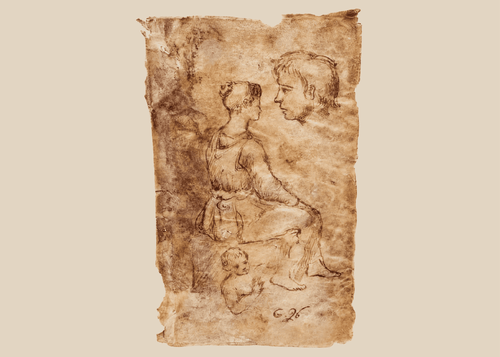
Antique European Academic Figure Sketch on Vellum | Circa 18th Century
- Regular price
- $1,000.00
- Sale price
- $1,000.00
- Regular price
-
Chinese Carved Head of a Buddhist Arhat | Antique Temple Sculpture on Display Stand | Circa 18th–19th Century
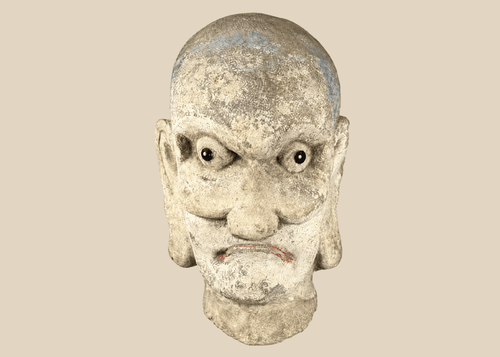
Chinese Carved Head of a Buddhist Arhat | Antique Temple Sculpture on Display Stand | Circa 18th–19th Century
- Regular price
- $1,000.00
- Sale price
- $1,000.00
- Regular price
-
Spanish Colonial Brass Processional Cross Finial | Double-Sided Crucifix & Saint | 18th–19th Century

Spanish Colonial Brass Processional Cross Finial | Double-Sided Crucifix & Saint | 18th–19th Century
- Regular price
- $1,000.00
- Sale price
- $1,000.00
- Regular price
-
Southeast Asian | Terracotta Buddhist | Votive Plaques | Circa 14th-18th Century
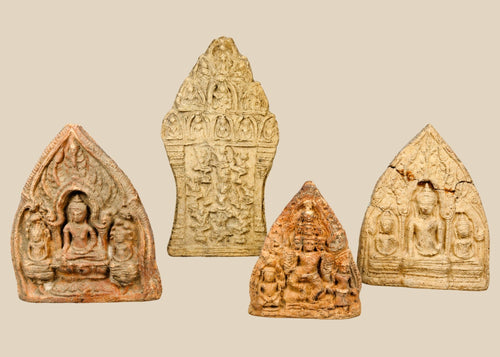
Southeast Asian | Terracotta Buddhist | Votive Plaques | Circa 14th-18th Century
- Regular price
- $1,000.00
- Sale price
- $1,000.00
- Regular price
-
Antique Himalayan Merchant Strongbox Hand-Forged Iron & Key | Circa 1780 - 1820
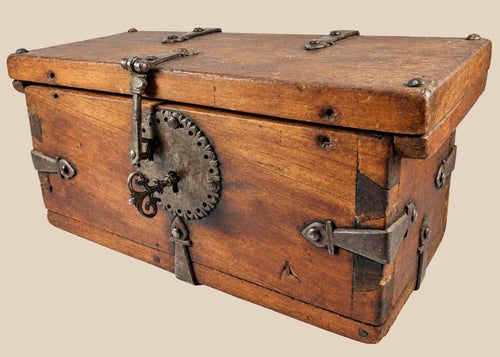
Antique Himalayan Merchant Strongbox Hand-Forged Iron & Key | Circa 1780 - 1820
- Regular price
- $1,000.00
- Sale price
- $1,000.00
- Regular price
-
Southeast Asian Bronze Buddha | Seated Meditative Pose on Wooden Base | Circa 18th – 19th Century
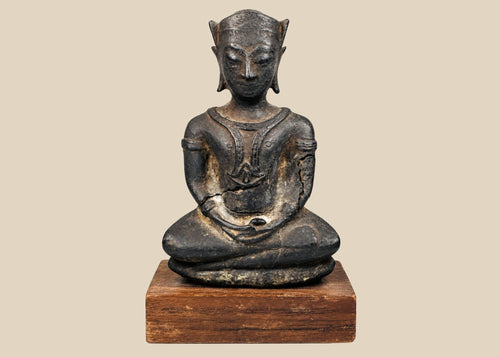
Southeast Asian Bronze Buddha | Seated Meditative Pose on Wooden Base | Circa 18th – 19th Century
- Regular price
- $750.00
- Sale price
- $750.00
- Regular price
-
Antique Bentinck Family Carved Oak Heraldic Pediment | Craignez Honte | Circa 18th – 19th Century
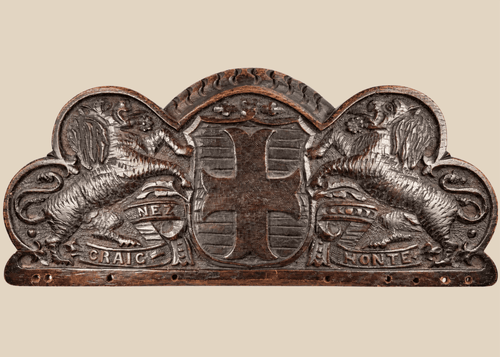
Antique Bentinck Family Carved Oak Heraldic Pediment | Craignez Honte | Circa 18th – 19th Century
- Regular price
- $750.00
- Sale price
- $750.00
- Regular price
-
Sicilian Baroque Marble Fragment | San Domenico Church | 18th Century
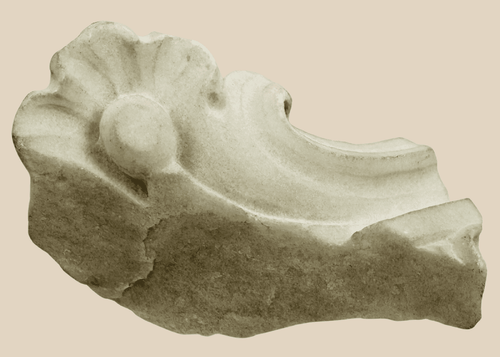
Sicilian Baroque Marble Fragment | San Domenico Church | 18th Century
- Regular price
- $750.00
- Sale price
- $750.00
- Regular price
-
Large Spanish Colonial Carved Christ on Crucifix | Devotional Sculpture | Circa 18th–19th Century

Large Spanish Colonial Carved Christ on Crucifix | Devotional Sculpture | Circa 18th–19th Century
- Regular price
- $750.00
- Sale price
- $750.00
- Regular price
-
Pair of Antique Hand-Carved Angel Figures on Original Bases | Circa 18th–19th Century
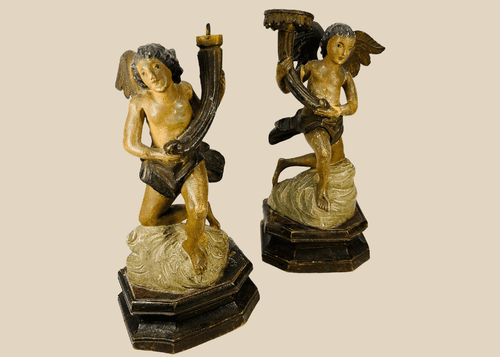
Pair of Antique Hand-Carved Angel Figures on Original Bases | Circa 18th–19th Century
- Regular price
- $750.00
- Sale price
- $750.00
- Regular price
-
Antique Frontier Black Powder Horn | Circa Late 18th/Early 19th Century

Antique Frontier Black Powder Horn | Circa Late 18th/Early 19th Century
- Regular price
- $750.00
- Sale price
- $750.00
- Regular price
-
Tibetan–Mongolian Bronze Stirrup | Dragon-Head Terminals with Coral and Turquoise Inlay | Late Qing Dynasty | 18th–19th Century
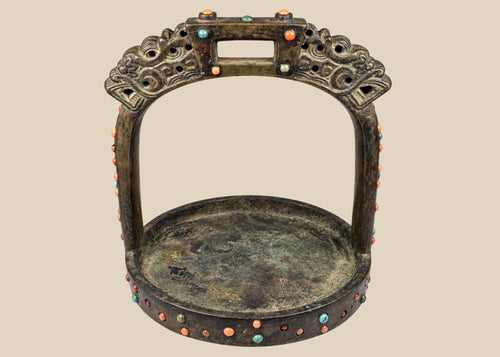
Tibetan–Mongolian Bronze Stirrup | Dragon-Head Terminals with Coral and Turquoise Inlay | Late Qing Dynasty | 18th–19th Century
- Regular price
- $750.00
- Sale price
- $750.00
- Regular price
-
Edo Period Lacquered Iron Equestrian Footrests | Matched Pair | Circa 1770–1860
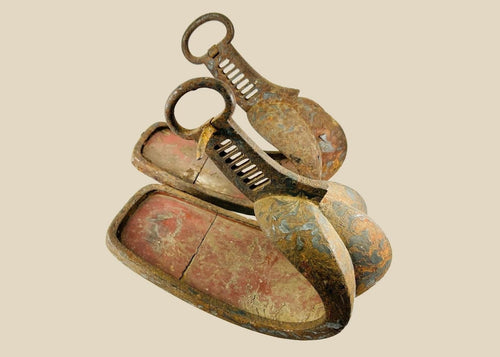
Edo Period Lacquered Iron Equestrian Footrests | Matched Pair | Circa 1770–1860
- Regular price
- $700.00
- Sale price
- $700.00
- Regular price
-
Pair of Ornate Brass Equestrian Stirrups | Serpentine Motif | Circa Late 17th–Early 18th
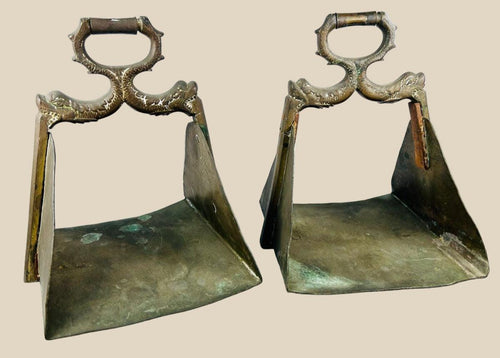
Pair of Ornate Brass Equestrian Stirrups | Serpentine Motif | Circa Late 17th–Early 18th
- Regular price
- $700.00
- Sale price
- $700.00
- Regular price
-
Spanish Colonial Santo Figure | Carved Wooden Friar with Traces of Polychrome | 17th–18th Century
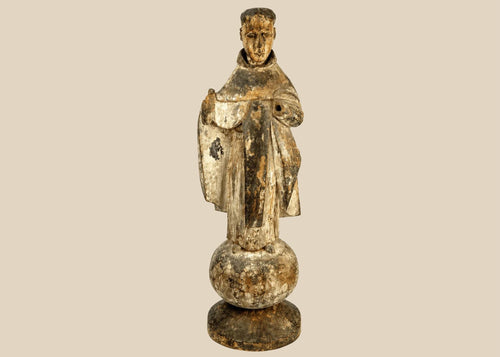
Spanish Colonial Santo Figure | Carved Wooden Friar with Traces of Polychrome | 17th–18th Century
- Regular price
- $700.00
- Sale price
- $700.00
- Regular price
-
Bronze | Dancing Deity Statue | South Asian Origin | Circa Late 17th-19th Century
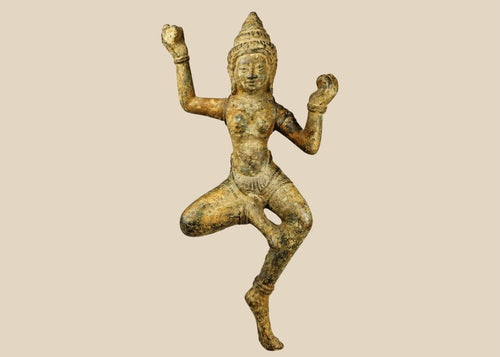
Bronze | Dancing Deity Statue | South Asian Origin | Circa Late 17th-19th Century
- Regular price
- $700.00
- Sale price
- $700.00
- Regular price
-
South Indian Sandstone Ganesha Votive | Circa 18th – 19th Century
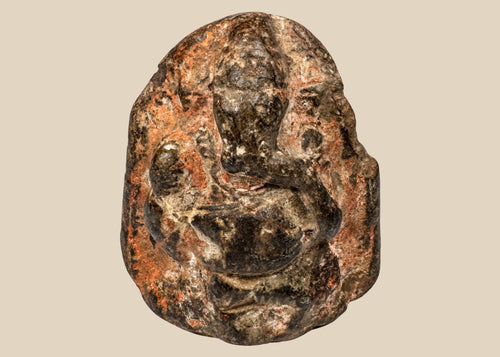
South Indian Sandstone Ganesha Votive | Circa 18th – 19th Century
- Regular price
- $650.00
- Sale price
- $650.00
- Regular price
-
English Brass Baluster Tankard | George II Period | Circa 1727–1760
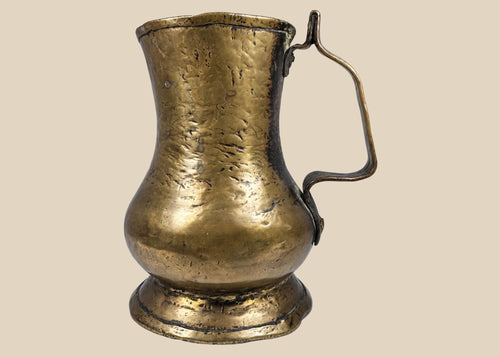
English Brass Baluster Tankard | George II Period | Circa 1727–1760
- Regular price
- $650.00
- Sale price
- $650.00
- Regular price
-
Personal Priming Horn with Carved Initials “IB” | Flintlock Era | Circa Late 18th – Early 19th Century

Personal Priming Horn with Carved Initials “IB” | Flintlock Era | Circa Late 18th – Early 19th Century
- Regular price
- $650.00
- Sale price
- $650.00
- Regular price
-
Historic North American | Rolled-Eye Iron Tomahawk / Axe Head | Circa Late 18th – 19th Century
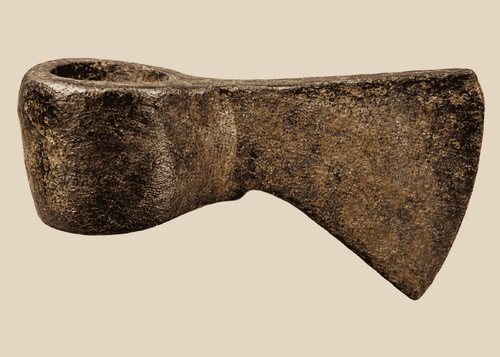
Historic North American | Rolled-Eye Iron Tomahawk / Axe Head | Circa Late 18th – 19th Century
- Regular price
- $650.00
- Sale price
- $650.00
- Regular price
-
Chinese Eight Banner Spear | Iron Blade with Natural Wood Shaft | Qing Dynasty | Circa 18th Century
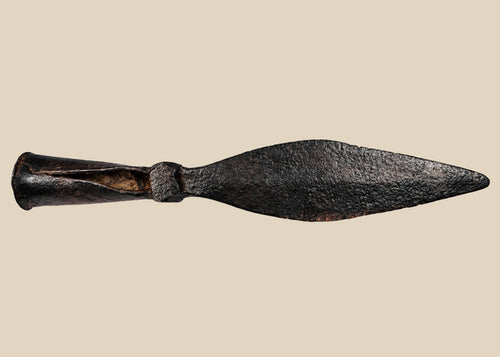
Chinese Eight Banner Spear | Iron Blade with Natural Wood Shaft | Qing Dynasty | Circa 18th Century
- Regular price
- $650.00
- Sale price
- $650.00
- Regular price
-
18th Century French Peddler’s Crucifix | Lead Arma Christi Passion Cross | Circa 1700–1799 CE
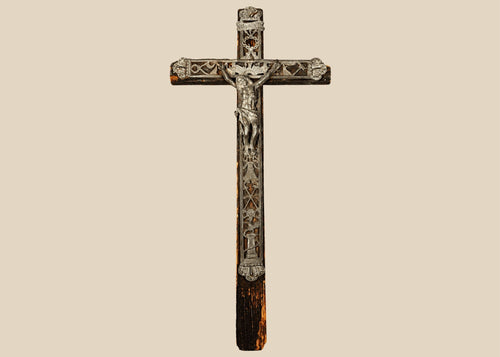
18th Century French Peddler’s Crucifix | Lead Arma Christi Passion Cross | Circa 1700–1799 CE
- Regular price
- $600.00
- Sale price
- $600.00
- Regular price


Collector Insights
Why is the 18th century historically significant?
The 18th century (1700–1799) was an age of major political, intellectual, and economic change. The Enlightenment challenged traditional ideas, global trade expanded, new technologies emerged, and revolutions in America and France helped reshape government and society.
What was the Enlightenment?
The Enlightenment was an intellectual movement that emphasized reason, observation, science, and individual rights. Thinkers of the 1700s questioned established authority and influenced later ideas about government, education, law, and society.
What is the difference between Rococo and Neoclassical art?
Rococo art favoured elaborate decoration, flowing forms, and playful elegance, especially during the early and mid-1700s. Neoclassicism emerged later in the century and drew inspiration from ancient Greece and Rome, favouring cleaner lines, symmetry, and classical subjects.
How did the Industrial Revolution begin changing life in the 1700s?
Beginning in Britain during the later 18th century, the Industrial Revolution introduced new machinery and manufacturing methods. Production increasingly moved from small workshops toward factories, helping transform transportation, trade, work, and everyday life.
Why were the American and French Revolutions important?
The American Revolution (1775–1783) and French Revolution beginning in 1789 challenged existing political systems and promoted new debates about representation, citizenship, liberty, and political authority. Their effects extended far beyond the 18th century.
How are 18th-century artifacts dated?
Researchers study materials, construction methods, artistic style, inscriptions, maker’s marks, manufacturing techniques, and documented comparisons. Provenance and historical records can provide additional evidence for an object's date and origin.
Discover Relic & Rarity
on Instagram

