




16th Century (1500-1599) Artifacts
-
Japanese Samurai Do-Maru Armour with Takeda Clan Crest | 14th–16th Century
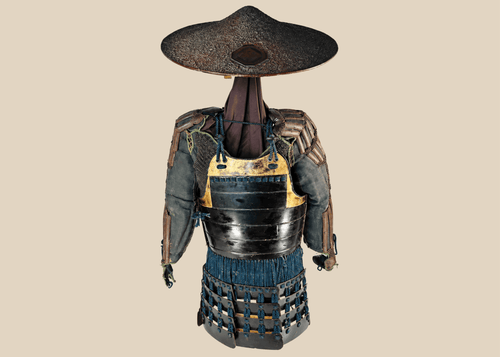
Japanese Samurai Do-Maru Armour with Takeda Clan Crest | 14th–16th Century
- Regular price
- $10,000.00
- Sale price
- $10,000.00
- Regular price
-
Historic Italian Carved Wooden Chest | Circa 16th–17th Century

Historic Italian Carved Wooden Chest | Circa 16th–17th Century
- Regular price
- $7,000.00
- Sale price
- $7,000.00
- Regular price
-
Gilt and Silver-Inlaid | Japanese Bronze Ritual Ornament | Circa 1400–1650
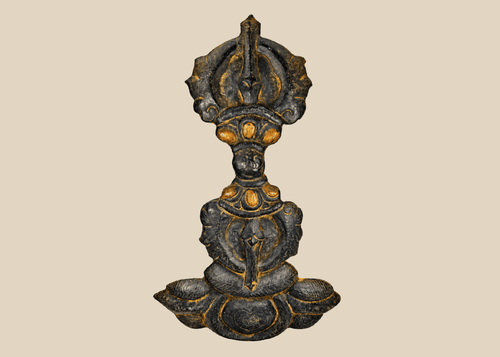
Gilt and Silver-Inlaid | Japanese Bronze Ritual Ornament | Circa 1400–1650
- Regular price
- $3,500.00
- Sale price
- $3,500.00
- Regular price
-
Pair of Spanish / Continental Armored Cavalry Stirrups (Estribos de Tapadera) | Circa Late 16th – Early 17th Century
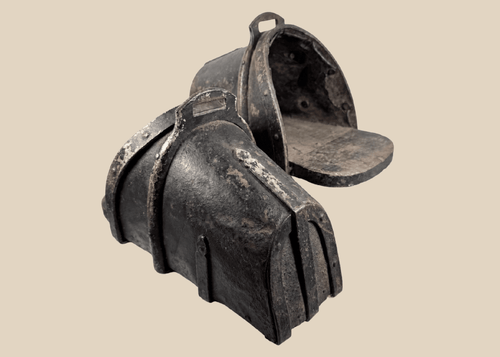
Pair of Spanish / Continental Armored Cavalry Stirrups (Estribos de Tapadera) | Circa Late 16th – Early 17th Century
- Regular price
- $2,500.00
- Sale price
- $2,500.00
- Regular price
-
Carved Ecclesiastical Stone Fragment Depicting the Crucifixion | Circa 14th–18th Century
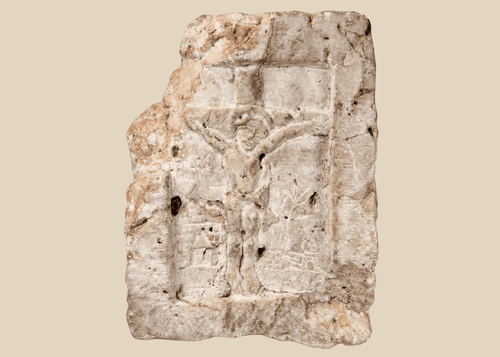
Carved Ecclesiastical Stone Fragment Depicting the Crucifixion | Circa 14th–18th Century
- Regular price
- $2,500.00
- Sale price
- $2,500.00
- Regular price
-
Hand-Painted Greek Orthodox Icon on Wood | Christ Pantocrator with Saints | Circa 16th–18th Century
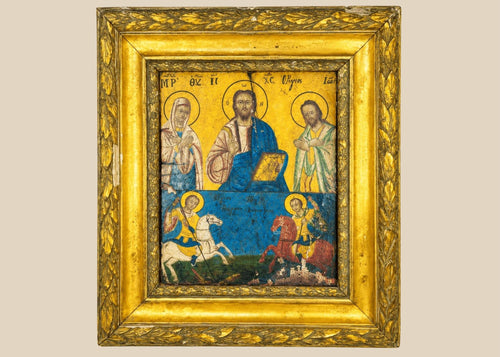
Hand-Painted Greek Orthodox Icon on Wood | Christ Pantocrator with Saints | Circa 16th–18th Century
- Regular price
- $2,000.00
- Sale price
- $2,000.00
- Regular price
-
Ancient Chinese Painted Terracotta Group of Madam Tang and Her Mother-in-Law | Yuan–Ming Dynasty | Circa 14th – 17th Century
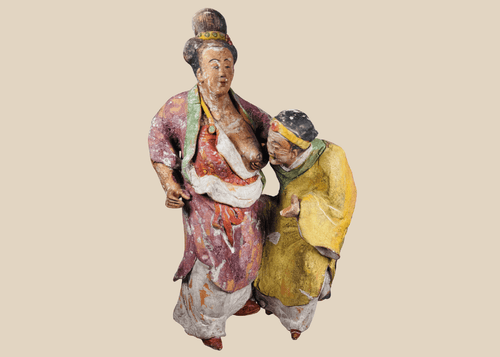
Ancient Chinese Painted Terracotta Group of Madam Tang and Her Mother-in-Law | Yuan–Ming Dynasty | Circa 14th – 17th Century
- Regular price
- $2,000.00
- Sale price
- $2,000.00
- Regular price
-
European Gilt-Bronze Corpus Christi Crucifix Figure | Cristo Morto | Circa 16th–17th Century
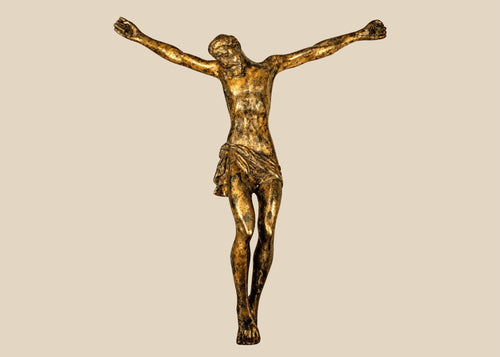
European Gilt-Bronze Corpus Christi Crucifix Figure | Cristo Morto | Circa 16th–17th Century
- Regular price
- $1,500.00
- Sale price
- $1,500.00
- Regular price
-
Chinese Gilt Bronze Buddha in Meditation Pose | Circa 16th–17th Century
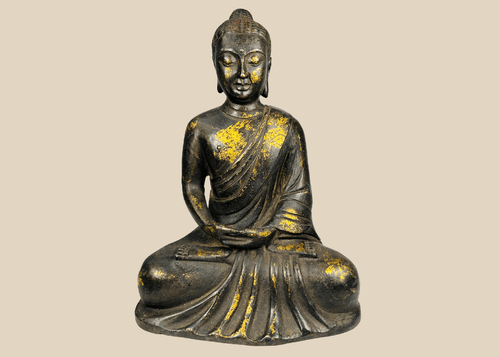
Chinese Gilt Bronze Buddha in Meditation Pose | Circa 16th–17th Century
- Regular price
- $1,500.00
- Sale price
- $1,500.00
- Regular price
-
Northern Thai Lan Na Bronze Seated Buddha in Earth-Touching Mudra | Circa 15th – 16th Century
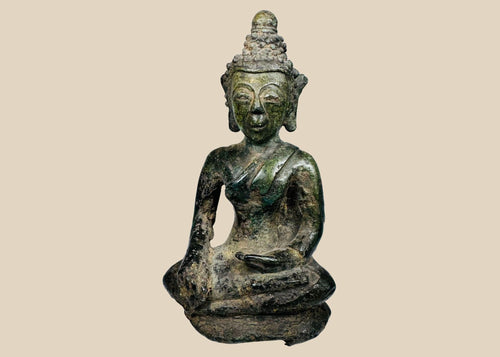
Northern Thai Lan Na Bronze Seated Buddha in Earth-Touching Mudra | Circa 15th – 16th Century
- Regular price
- $1,250.00
- Sale price
- $1,250.00
- Regular price
-
Thai Sawankhalok Glazed Stoneware Covered Jar with Architectural Lid | Circa 15th–16th Century
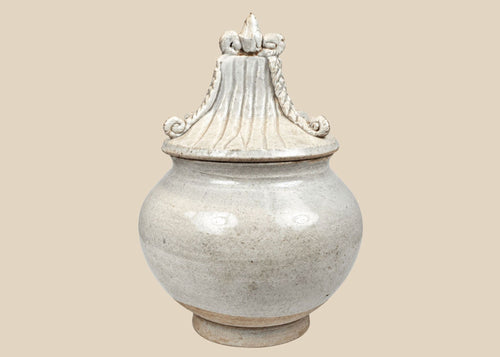
Thai Sawankhalok Glazed Stoneware Covered Jar with Architectural Lid | Circa 15th–16th Century
- Regular price
- $1,000.00
- Sale price
- $1,000.00
- Regular price
-
Southeast Asian | Terracotta Buddhist | Votive Plaques | Circa 14th-18th Century
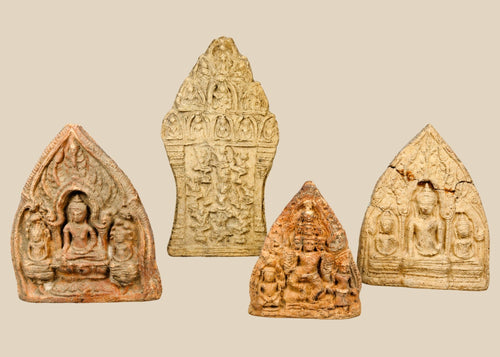
Southeast Asian | Terracotta Buddhist | Votive Plaques | Circa 14th-18th Century
- Regular price
- $1,000.00
- Sale price
- $1,000.00
- Regular price
-
Saxon German Spurs | Forged Iron Riding Spurs with Six-Pointed Rowels | Circa Late 16th–Early 17th Century
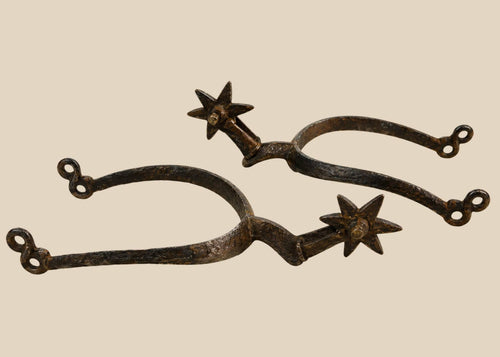
Saxon German Spurs | Forged Iron Riding Spurs with Six-Pointed Rowels | Circa Late 16th–Early 17th Century
- Regular price
- $900.00
- Sale price
- $900.00
- Regular price
-
Hand Forged European Iron Spear Head | Circa 1st Millennium CE
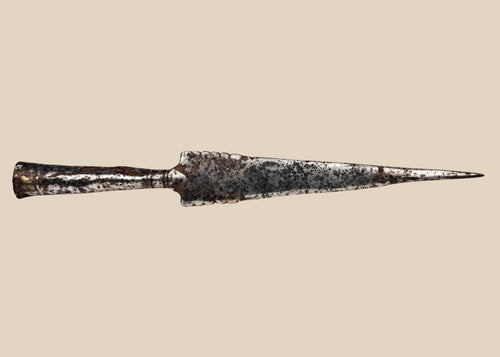
Hand Forged European Iron Spear Head | Circa 1st Millennium CE
- Regular price
- $900.00
- Sale price
- $900.00
- Regular price
-
Renaissance Devotional Panel | Carved Wooden Plaque with Pelican in Her Piety | 16th Century
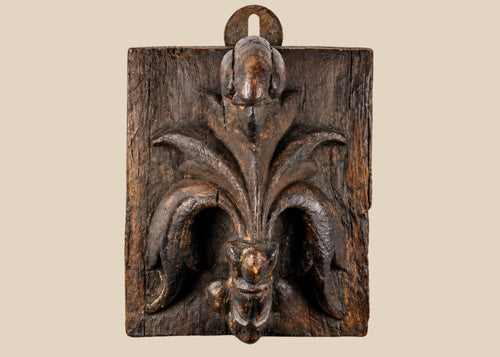
Renaissance Devotional Panel | Carved Wooden Plaque with Pelican in Her Piety | 16th Century
- Regular price
- $750.00
- Sale price
- $750.00
- Regular price
-
Rare German Renaissance Salvator Mundi Woodcut | Circa 1560–1580
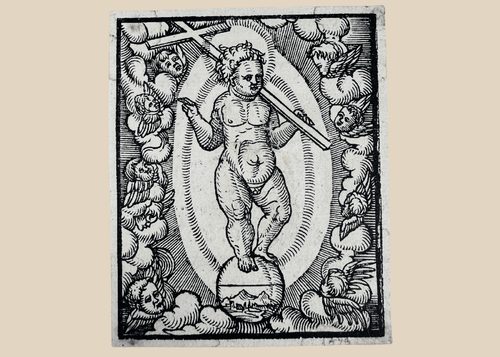
Rare German Renaissance Salvator Mundi Woodcut | Circa 1560–1580
- Regular price
- $750.00
- Sale price
- $750.00
- Regular price
-
Gothic Carved Oak Panel with Foliated Scrollwork and Heraldic Shield | English or Continental Europe | Circa 16th-Century
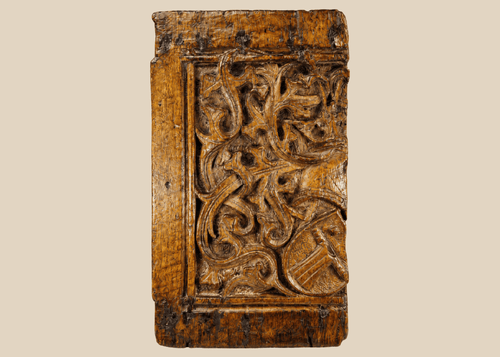
Gothic Carved Oak Panel with Foliated Scrollwork and Heraldic Shield | English or Continental Europe | Circa 16th-Century
- Regular price
- $750.00
- Sale price
- $750.00
- Regular price
-
Medieval Long Knife | Forged Iron Blade with Tapered Point | Circa 12th–15th Century CE
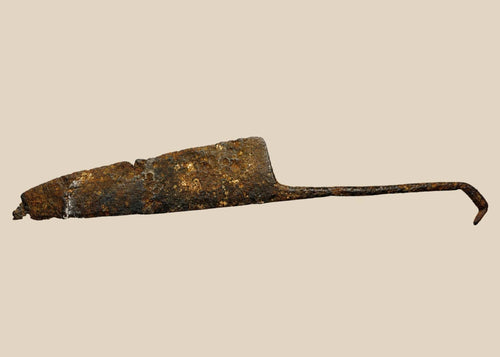
Medieval Long Knife | Forged Iron Blade with Tapered Point | Circa 12th–15th Century CE
- Regular price
- $700.00
- Sale price
- $700.00
- Regular price
-
Spanish Colonial | Carved Wooden Christ Figure | Devotional Relic | Circa 16th Century
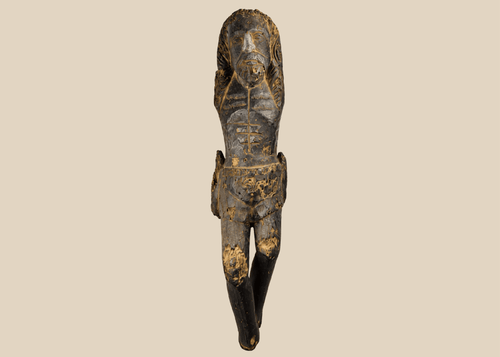
Spanish Colonial | Carved Wooden Christ Figure | Devotional Relic | Circa 16th Century
- Regular price
- $650.00
- Sale price
- $650.00
- Regular price
-
Renaissance-Era | Gothic Oak Panel with Trefoil & Arch Motifs | Circa 16th Century
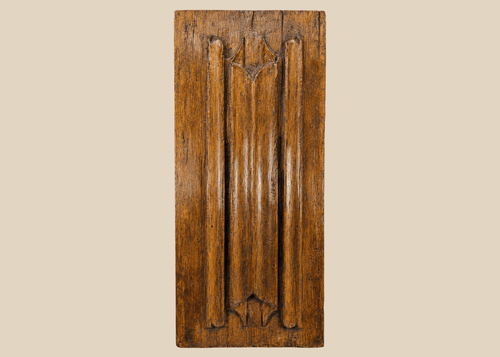
Renaissance-Era | Gothic Oak Panel with Trefoil & Arch Motifs | Circa 16th Century
- Regular price
- $500.00
- Sale price
- $500.00
- Regular price
-
Bronze Head of a Buddha Figure | Southeast Asia | Circa 15th – 18th Century CE

Bronze Head of a Buddha Figure | Southeast Asia | Circa 15th – 18th Century CE
- Regular price
- $300.00
- Sale price
- $300.00
- Regular price
-
Ancient Thailand Bronze Head of Buddha | Circa 16th - 17th Century AD

Ancient Thailand Bronze Head of Buddha | Circa 16th - 17th Century AD
- Regular price
- $250.00
- Sale price
- $250.00
- Regular price


Collector Insights
Why is the 16th century historically significant?
The 1500s were a period of major cultural and political transformation. The Renaissance expanded across Europe, the Protestant Reformation reshaped Christianity, maritime exploration connected distant regions, and powerful artistic traditions flourished in Ming China, Muromachi Japan, and other parts of Asia.
What are Renaissance artifacts?
Renaissance artifacts are objects associated with the artistic and cultural developments that spread through Europe during the 15th and 16th centuries. Surviving examples include carved woodwork, stained glass, religious sculpture, prints, metalwork, furniture, and decorative architectural elements.
How did religious art change during the 1500s?
Religion remained one of the most important influences on 16th-century art and material culture. Churches, temples, and private patrons commissioned devotional sculpture, stained glass, prints, icons, and ritual objects, while the Reformation and Counter-Reformation changed how religious imagery was produced and used in parts of Europe.
What was happening in Japan and China during the 16th century?
In Japan, much of the century fell within the Muromachi and Sengoku periods, when military culture existed alongside sophisticated Buddhist, metalworking, lacquer, and decorative traditions. China was under the Ming dynasty, a period renowned for ceramics, bronze work, painting, sculpture, and religious art.
How are 16th-century artifacts dated?
Researchers consider materials, construction techniques, artistic style, iconography, inscriptions, maker’s marks, manufacturing methods, and comparison with documented examples. Provenance and historical records can provide additional evidence when establishing an artifact’s likely date and origin.
Discover Relic & Rarity
on Instagram

