



What Sets Relic & Rarity Apart?
Our collection is built on authenticity, quality, and trust. Every piece is thoroughly researched before being offered and is backed by our Authenticity Guarantee. Whenever available, we include documented provenance, a Certificate of Authenticity, professional packaging, complimentary worldwide shipping, and dedicated support.

Prehistoric Artifacts & Relics
-
Oligocene Dugong (Sirenian) Fossil Rib on Custom Display Stand | Circa 23–34 Million Years Old
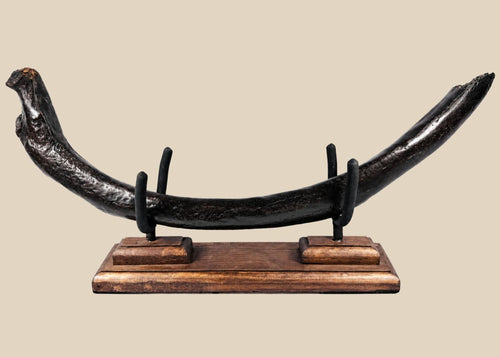
Oligocene Dugong (Sirenian) Fossil Rib on Custom Display Stand | Circa 23–34 Million Years Old
- Regular price
- $1,500.00
- Sale price
- $1,500.00
- Regular price
-
Cretaceous Dinosaur Fossil | Theropod (Raptor-Type) Bone | Wyoming USA | Circa 100–89 MYA
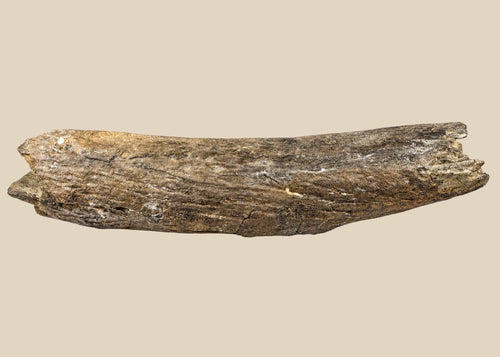
Cretaceous Dinosaur Fossil | Theropod (Raptor-Type) Bone | Wyoming USA | Circa 100–89 MYA
- Regular price
- $1,500.00
- Sale price
- $1,500.00
- Regular price
-
Early Etruscan Impasto Spiral Amphora | Circa 700–650 BCE
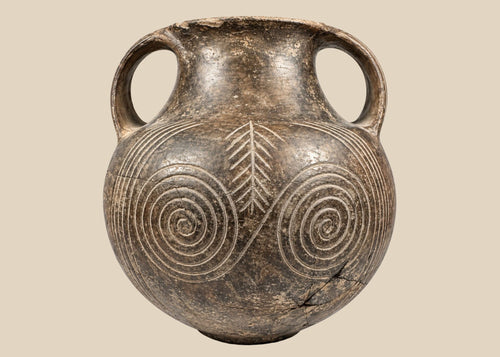
Early Etruscan Impasto Spiral Amphora | Circa 700–650 BCE
- Regular price
- $1,500.00
- Sale price
- $1,500.00
- Regular price
-
Prehistoric Bison Foot from Doggerland | Ice Age Subfossil | Circa 10,000 Years Old
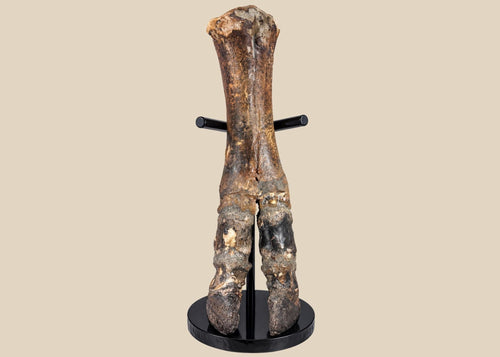
Prehistoric Bison Foot from Doggerland | Ice Age Subfossil | Circa 10,000 Years Old
- Regular price
- $1,250.00
- Sale price
- $1,250.00
- Regular price
-
Ancient Mediterranean | Bronze Spearhead | Early Cypriot III | Circa 2500–1900 BCE
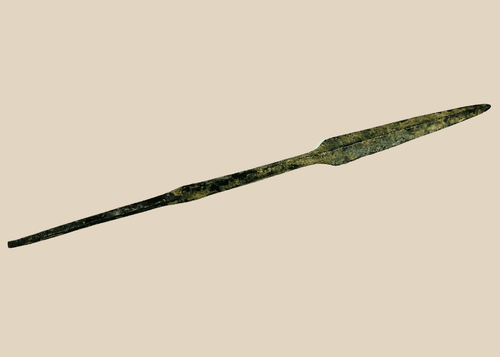
Ancient Mediterranean | Bronze Spearhead | Early Cypriot III | Circa 2500–1900 BCE
- Regular price
- $1,250.00
- Sale price
- $1,250.00
- Regular price
-
Ancient Chinese Neolithic Painted Pottery Vessel with Geometric Decoration | Circa 3300–2000 BCE
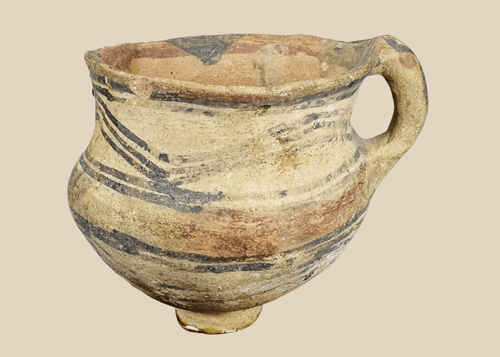
Ancient Chinese Neolithic Painted Pottery Vessel with Geometric Decoration | Circa 3300–2000 BCE
- Regular price
- $1,000.00
- Sale price
- $1,000.00
- Regular price
-
Prehistoric Fossilized Bison Horn with Partial Skull | Circa 2.58 million to 11,700 years old
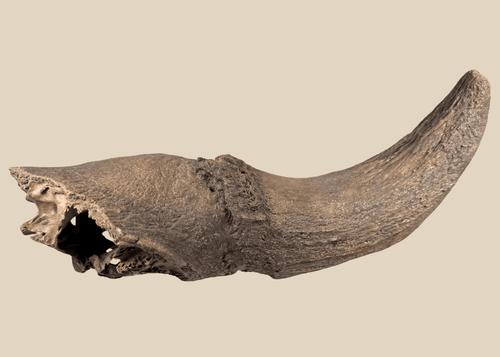
Prehistoric Fossilized Bison Horn with Partial Skull | Circa 2.58 million to 11,700 years old
- Regular price
- $750.00
- Sale price
- $750.00
- Regular price
-
Neolithic Pottery Bowl and Vessel Fragment Set | Circa 4000–2000 BCE
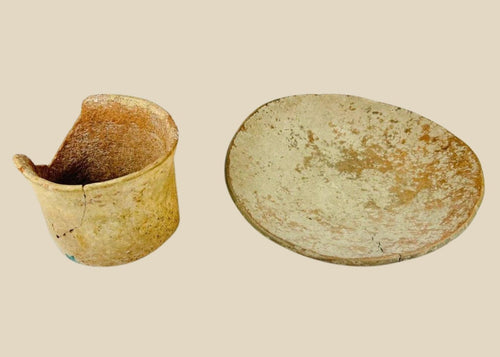
Neolithic Pottery Bowl and Vessel Fragment Set | Circa 4000–2000 BCE
- Regular price
- $750.00
- Sale price
- $750.00
- Regular price
-
Prehistoric Fossil Display Collection | Cambrian Trilobites, Fossil Fish, Shark Teeth & Brachiosaurus Skull Replica
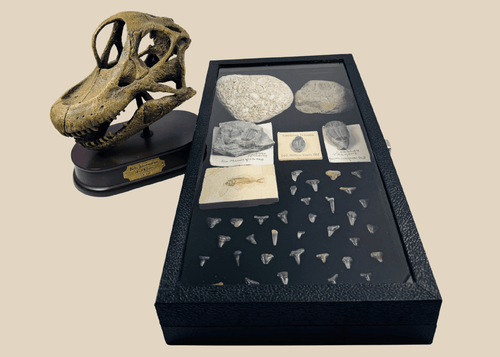
Prehistoric Fossil Display Collection | Cambrian Trilobites, Fossil Fish, Shark Teeth & Brachiosaurus Skull Replica
- Regular price
- $500.00
- Sale price
- $500.00
- Regular price
-
Collection of Three Fossil Trilobites | 400–359 million years ago
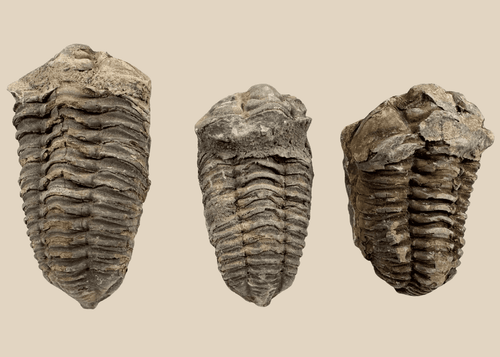
Collection of Three Fossil Trilobites | 400–359 million years ago
- Regular price
- $500.00
- Sale price
- $500.00
- Regular price
-
Prehistoric | Native American | Copper Spear Points from the Great Lakes | Circa 3000–1000 B.C.
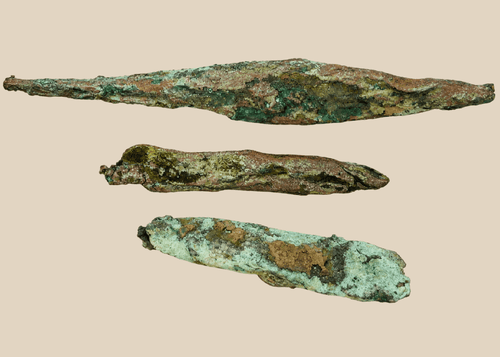
Prehistoric | Native American | Copper Spear Points from the Great Lakes | Circa 3000–1000 B.C.
- Regular price
- $500.00
- Sale price
- $500.00
- Regular price
-
Pre-Columbian Andean Artifact | Notched Stone Axe for Daily Use | Circa 500 – 1500 CE
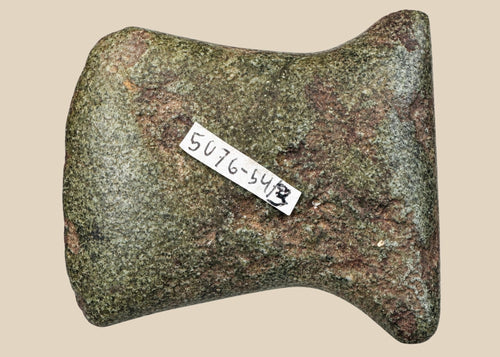
Pre-Columbian Andean Artifact | Notched Stone Axe for Daily Use | Circa 500 – 1500 CE
- Regular price
- $325.00
- Sale price
- $325.00
- Regular price
-
Pre-Columbian Stone Axe | Authentic Andean Tool with Archaeological Tag | Circa 200 – 800 AD
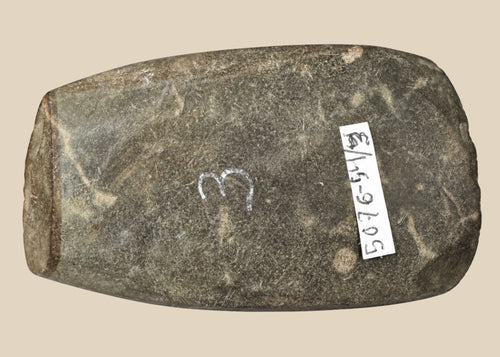
Pre-Columbian Stone Axe | Authentic Andean Tool with Archaeological Tag | Circa 200 – 800 AD
- Regular price
- $325.00
- Sale price
- $325.00
- Regular price
-
Ancient Andean Artifact | Functional Stone Axe with Patina & Provenance | Pre-Columbian Era, 200–800 CE
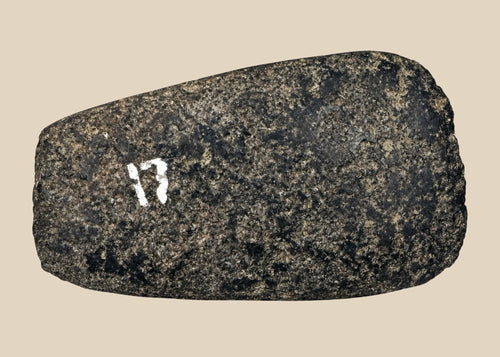
Ancient Andean Artifact | Functional Stone Axe with Patina & Provenance | Pre-Columbian Era, 200–800 CE
- Regular price
- $300.00
- Sale price
- $300.00
- Regular price
Collector Insights
What is the difference between prehistoric and ancient artifacts?
Prehistoric artifacts come from periods before a culture widely used written language, while ancient artifacts may belong to societies that left written records. Because writing developed at different times around the world, the end of prehistory varies by region.
How do dinosaur bones become fossils?
Fossilization can begin when remains are buried by sediment and protected from rapid decay. Over time, mineral-rich water may fill spaces within the bone or replace parts of its original material, preserving its structure for millions of years.
What was Neolithic pottery used for?
Neolithic pottery was made for storing, preparing, serving, and transporting food and liquids, as well as for ceremonial or funerary purposes. Many early vessels were shaped by hand or built using coils before being fired, with incised or painted decoration sometimes reflecting local traditions.
What can prehistoric tools reveal about early societies?
Stone axes, spear points, blades, and other prehistoric tools provide evidence of hunting, food preparation, woodworking, agriculture, and craft production. Their materials, shapes, manufacturing marks, and wear patterns can also reveal technological knowledge and how an object was used.
How are prehistoric artifacts and fossils dated?
Researchers consider an object’s archaeological layer, material, manufacturing technique, form, and comparison with documented examples. Scientific methods may also be used, including radiometric dating, analysis of associated organic material, and techniques that estimate when pottery or stone was last heated.
Discover @relicandraritygallery on Instagram

