



Every Purchase Includes

Certificate of Authenticity
Every artifact includes a Certificate of Authenticity confirming its identification and historical attribution.

Museum-Standard Packaging
Professionally packaged using archival materials to ensure your artifact arrives safely.

Free Worldwide Shipping
Enjoy free, fully insured shipping to over 180 countries worldwide.

Scientific Documentation
X-ray imaging and scientific reports accompany select artifacts.

Historical Provenance
Documented ownership history and provenance records accompany artifacts when available.

Lifetime Collector Support
Dedicated support from our experts for any questions or assistance you may need.
Roman & Greek Artifacts
-
Ancient Greek Boeotian Terracotta Horse and Rider Figure | Detailed Provenance | Circa 6th Century BCE
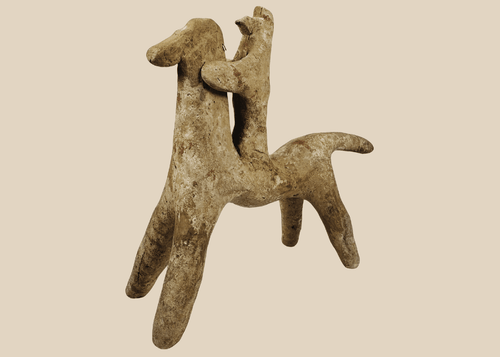
Ancient Greek Boeotian Terracotta Horse and Rider Figure | Detailed Provenance | Circa 6th Century BCE
- Regular price
- $3,000.00
- Sale price
- $3,000.00
- Regular price
-
Ancient Eastern Mediterranean Ribbed Glass Jug | 4th–5th Century CE

Ancient Eastern Mediterranean Ribbed Glass Jug | 4th–5th Century CE
- Regular price
- $1,750.00
- Sale price
- $1,750.00
- Regular price
-
Ancient Roman Figural Relief Fragment in Volcanic Tuff | Circa 1st Century BCE – 2nd Century CE
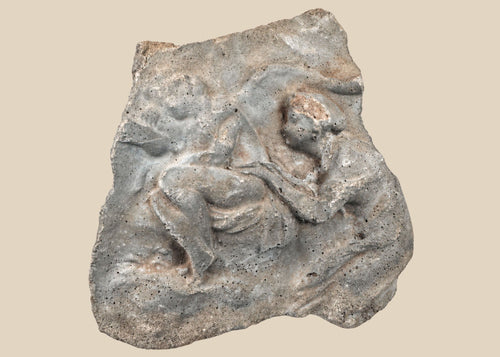
Ancient Roman Figural Relief Fragment in Volcanic Tuff | Circa 1st Century BCE – 2nd Century CE
- Regular price
- $1,500.00
- Sale price
- $1,500.00
- Regular price
-
Italian Gilt Bronze Minerva Sculpture | Roman Goddess of Wisdom | Circa 17th Century
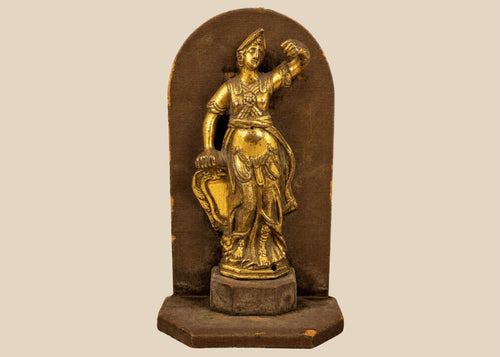
Italian Gilt Bronze Minerva Sculpture | Roman Goddess of Wisdom | Circa 17th Century
- Regular price
- $1,450.00
- Sale price
- $1,450.00
- Regular price
-
Ancient Roman and Near Eastern Archaeological Study Collection | Glass, Pottery & Stone Artifacts | Framed | Circa 1000 BCE – 400 CE
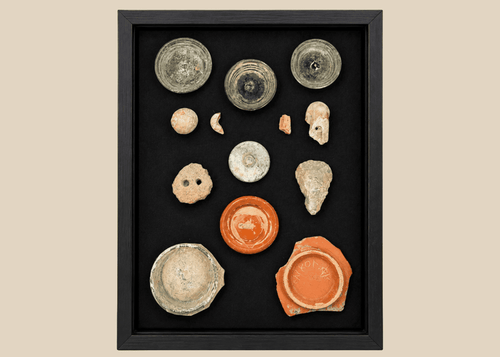
Ancient Roman and Near Eastern Archaeological Study Collection | Glass, Pottery & Stone Artifacts | Framed | Circa 1000 BCE – 400 CE
- Regular price
- $1,250.00
- Sale price
- $1,250.00
- Regular price
-
Group of Two Ancient Roman Terracotta Kassérine Bowls | Tunisia | Detailed Provenance | Circa 2nd–3rd Century CE
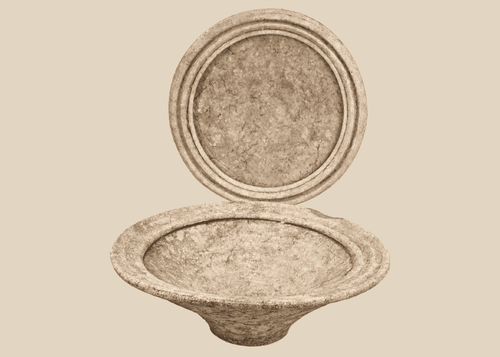
Group of Two Ancient Roman Terracotta Kassérine Bowls | Tunisia | Detailed Provenance | Circa 2nd–3rd Century CE
- Regular price
- $1,250.00
- Sale price
- $1,250.00
- Regular price
-
Attic White-Ground Lekythos | Classical Greece | Circa 460–440 BCE

Attic White-Ground Lekythos | Classical Greece | Circa 460–440 BCE
- Regular price
- $1,200.00
- Sale price
- $1,200.00
- Regular price
-
Ancient Greek Mould-Made Terracotta Bust | Hellenistic Period | 3rd Century BCE
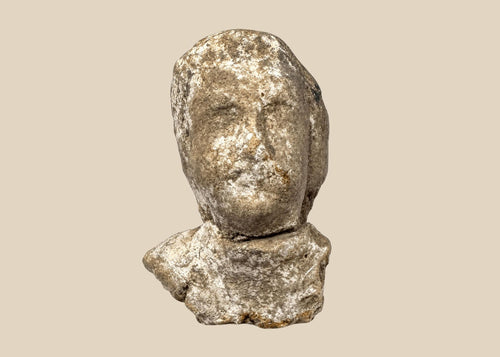
Ancient Greek Mould-Made Terracotta Bust | Hellenistic Period | 3rd Century BCE
- Regular price
- $1,000.00
- Sale price
- $1,000.00
- Regular price
-
Collection of 10 Ancient & Medieval Coins | Roman Empire, Elymais & Naples | Circa 1st Century BCE–15th Century CE
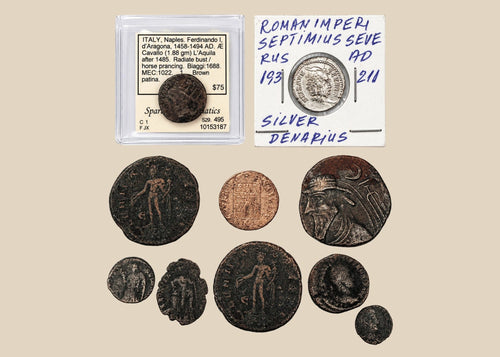
Collection of 10 Ancient & Medieval Coins | Roman Empire, Elymais & Naples | Circa 1st Century BCE–15th Century CE
- Regular price
- $1,000.00
- Sale price
- $1,000.00
- Regular price
-
Ancient Sasanian Ribbed Terracotta Jug | Ancient Persia | Detailed Provenance | Circa 3rd–7th Century CE
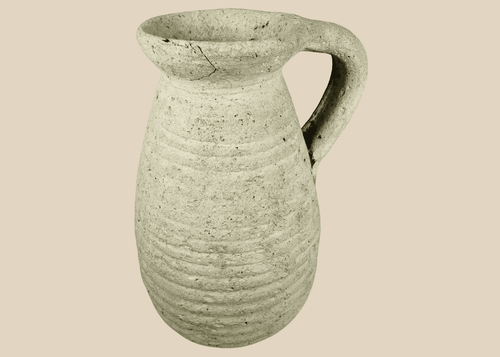
Ancient Sasanian Ribbed Terracotta Jug | Ancient Persia | Detailed Provenance | Circa 3rd–7th Century CE
- Regular price
- $1,000.00
- Sale price
- $1,000.00
- Regular price
-
Ancient Punic Terracotta Open Oil Lamp with Bronze Coins | Circa 4th–2nd Century BCE
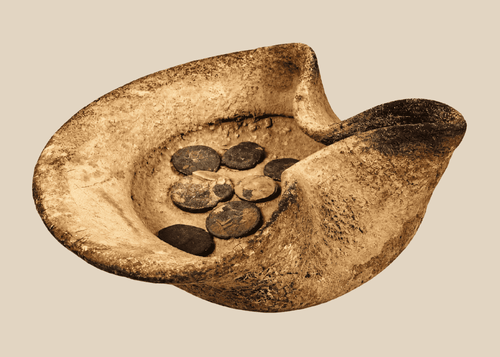
Ancient Punic Terracotta Open Oil Lamp with Bronze Coins | Circa 4th–2nd Century BCE
- Regular price
- $1,000.00
- Sale price
- $1,000.00
- Regular price
-
Late Roman Blown Green Glass Jug with Applied Coiled Trails | Circa 3rd – 5th Century CE
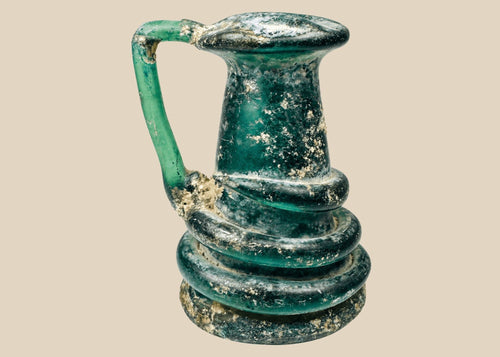
Late Roman Blown Green Glass Jug with Applied Coiled Trails | Circa 3rd – 5th Century CE
- Regular price
- $900.00
- Sale price
- $900.00
- Regular price
-
Ancient Egyptian Hathor Amulet & Greco-Roman Carved Figurines (3) | Circa 664 BCE – 300 CE
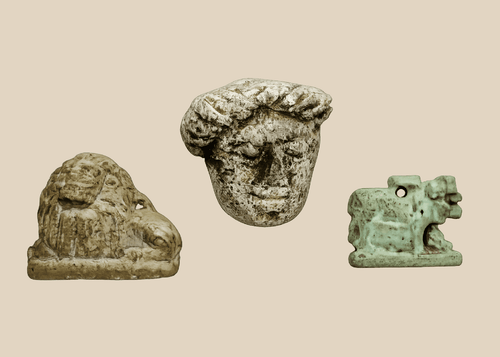
Ancient Egyptian Hathor Amulet & Greco-Roman Carved Figurines (3) | Circa 664 BCE – 300 CE
- Regular price
- $900.00
- Sale price
- $900.00
- Regular price
-
Ancient Roman Glass Lentoid Flask | Late Imperial–Early Byzantine | Circa 4th – 6th Century CE

Ancient Roman Glass Lentoid Flask | Late Imperial–Early Byzantine | Circa 4th – 6th Century CE
- Regular price
- $900.00
- Sale price
- $900.00
- Regular price
-
Ancient Roman Terracotta Female Bust Roundel | 1st Century CE
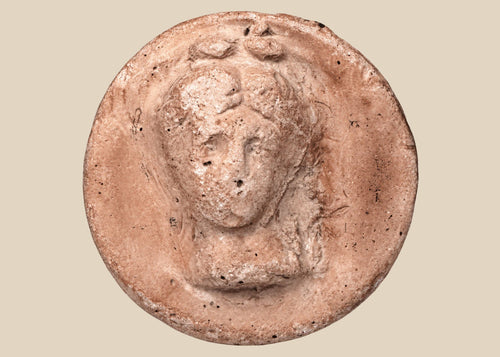
Ancient Roman Terracotta Female Bust Roundel | 1st Century CE
- Regular price
- $700.00
- Sale price
- $700.00
- Regular price
-
Ancient Greek Terracotta Brazier Fragment with Bearded Male Face | 3rd Century BCE

Ancient Greek Terracotta Brazier Fragment with Bearded Male Face | 3rd Century BCE
- Regular price
- $700.00
- Sale price
- $700.00
- Regular price
-
Ancient Roman Glass Bracelet | Dark Glass Bangle | Circa 3rd–4th Century CE

Ancient Roman Glass Bracelet | Dark Glass Bangle | Circa 3rd–4th Century CE
- Regular price
- $650.00
- Sale price
- $650.00
- Regular price
-
Ancient Roman Blue-Green Glass Unguentarium | Perfume & Oil Flask | Circa 1st–3rd Century CE

Ancient Roman Blue-Green Glass Unguentarium | Perfume & Oil Flask | Circa 1st–3rd Century CE
- Regular price
- $600.00
- Sale price
- $600.00
- Regular price
-
Ancient Eastern Mediterranean Terracotta Unguentarium | 1st–2nd Century CE
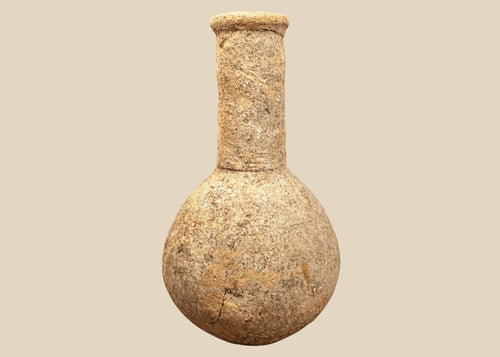
Ancient Eastern Mediterranean Terracotta Unguentarium | 1st–2nd Century CE
- Regular price
- $600.00
- Sale price
- $600.00
- Regular price
-
Ancient Roman Glass Tear Bottle | Israel Region | 2nd Century CE

Ancient Roman Glass Tear Bottle | Israel Region | 2nd Century CE
- Regular price
- $600.00
- Sale price
- $600.00
- Regular price
-
Ancient Sasanian Terracotta Bowl | Ancient Persia | Detailed Provenance | Circa 3rd–7th Century CE

Ancient Sasanian Terracotta Bowl | Ancient Persia | Detailed Provenance | Circa 3rd–7th Century CE
- Regular price
- $600.00
- Sale price
- $600.00
- Regular price
-
Greek Architectural Roof Tile Ornament | Palmette and Hermes Motif | Circa Late 19th to Early 20th Century
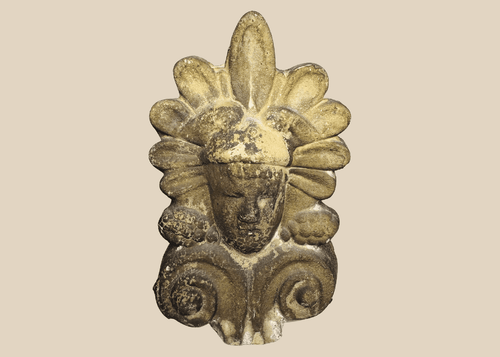
Greek Architectural Roof Tile Ornament | Palmette and Hermes Motif | Circa Late 19th to Early 20th Century
- Regular price
- $600.00
- Sale price
- $600.00
- Regular price
-
Ancient Judaean Herodian Terracotta Oil Lamp in Presentation Display Case | 2nd–3rd Century CE
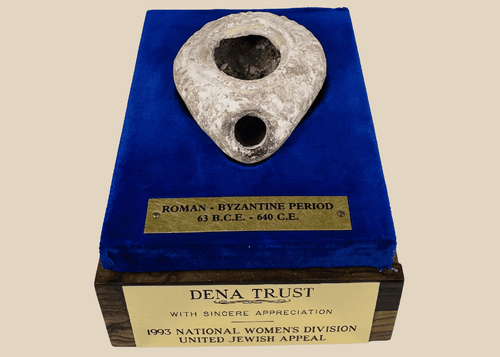
Ancient Judaean Herodian Terracotta Oil Lamp in Presentation Display Case | 2nd–3rd Century CE
- Regular price
- $600.00
- Sale price
- $600.00
- Regular price
-
Ancient Roman Glass Bracelet | Applied Nodular Decoration | Circa 3rd–4th Century CE
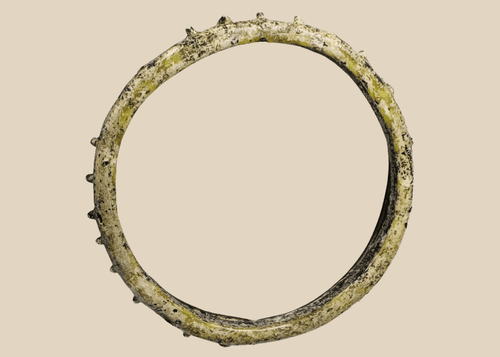
Ancient Roman Glass Bracelet | Applied Nodular Decoration | Circa 3rd–4th Century CE
- Regular price
- $600.00
- Sale price
- $600.00
- Regular price
-
Ancient Roman Blue Glass Candlestick Unguentarium | Circa 1st–3rd Century AD
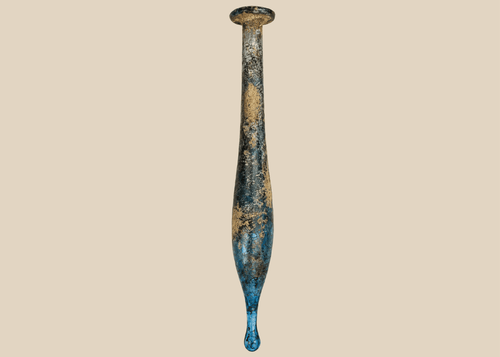
Ancient Roman Blue Glass Candlestick Unguentarium | Circa 1st–3rd Century AD
- Regular price
- $600.00
- Sale price
- $600.00
- Regular price
-
Ancient Roman Free-Blown Olive Green Glass Flask | Circa 1st–2nd Century AD
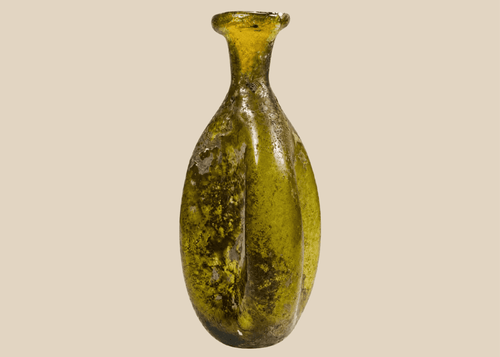
Ancient Roman Free-Blown Olive Green Glass Flask | Circa 1st–2nd Century AD
- Regular price
- $600.00
- Sale price
- $600.00
- Regular price
-
Ancient Eastern Mediterranean Terracotta Bottle | Roman–Byzantine Period Ovoid Flask | Circa 3rd – 7th Century CE
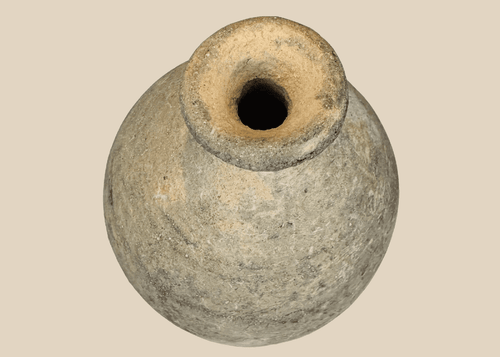
Ancient Eastern Mediterranean Terracotta Bottle | Roman–Byzantine Period Ovoid Flask | Circa 3rd – 7th Century CE
- Regular price
- $525.00
- Sale price
- $525.00
- Regular price
-
Ancient Hellenistic Terracotta Female Goddess Head | Greek Antiquity | Circa 3rd–1st Century BCE

Ancient Hellenistic Terracotta Female Goddess Head | Greek Antiquity | Circa 3rd–1st Century BCE
- Regular price
- $500.00
- Sale price
- $500.00
- Regular price
-
Ancient Hellenistic Terracotta Grotesque Male Head | Greek Antiquity | Circa 3rd–1st Century BCE
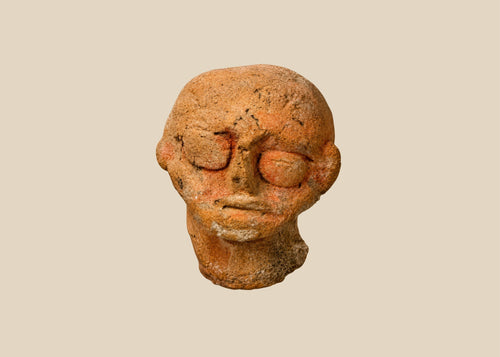
Ancient Hellenistic Terracotta Grotesque Male Head | Greek Antiquity | Circa 3rd–1st Century BCE
- Regular price
- $500.00
- Sale price
- $500.00
- Regular price
-
Ancient Roman Terracotta Spouted Pouring Vessel | Mediterranean Pottery Jug | Circa 1st–4th Century CE

Ancient Roman Terracotta Spouted Pouring Vessel | Mediterranean Pottery Jug | Circa 1st–4th Century CE
- Regular price
- $500.00
- Sale price
- $500.00
- Regular price
-
Three Ancient East Greek Terracotta Female Head Plaques | Circa 6th Century BCE
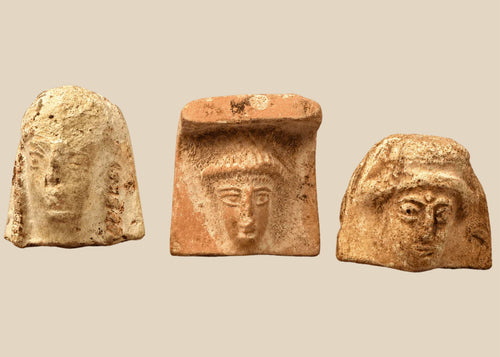
Three Ancient East Greek Terracotta Female Head Plaques | Circa 6th Century BCE
- Regular price
- $500.00
- Sale price
- $500.00
- Regular price
-
Ancient Greek Archaic Terracotta Figurine Head | Late 6th Century BCE
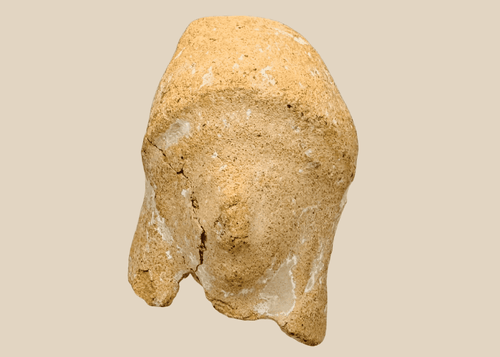
Ancient Greek Archaic Terracotta Figurine Head | Late 6th Century BCE
- Regular price
- $500.00
- Sale price
- $500.00
- Regular price
-
Eastern Roman Empire Slipware Pottery Bowl | Sgraffito Ware with Marine Deposits | Circa 1000–1400 CE
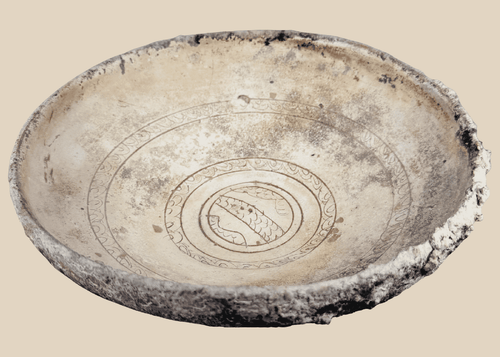
Eastern Roman Empire Slipware Pottery Bowl | Sgraffito Ware with Marine Deposits | Circa 1000–1400 CE
- Regular price
- $500.00
- Sale price
- $500.00
- Regular price
-
Near Eastern Terracotta Plaque with Female Figure | Elamite–Babylonian | Circa 1st Millennium BCE
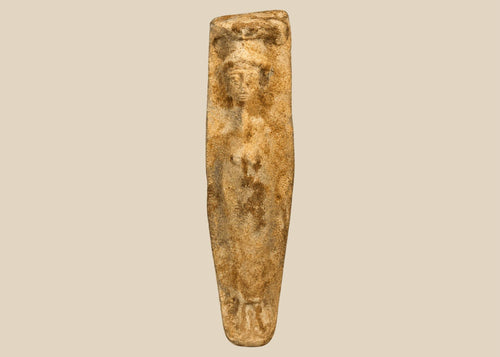
Near Eastern Terracotta Plaque with Female Figure | Elamite–Babylonian | Circa 1st Millennium BCE
- Regular price
- $500.00
- Sale price
- $500.00
- Regular price
-
Ancient Roman & Late Antique Bronze Artifact Collection | Circa 1st – 4th Century CE
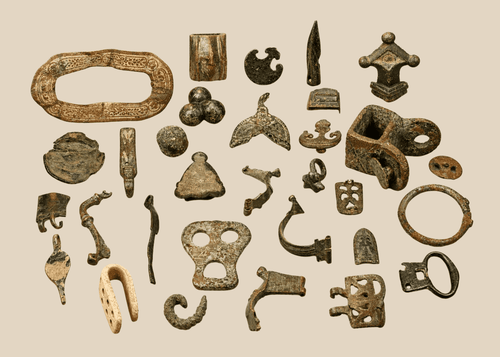
Ancient Roman & Late Antique Bronze Artifact Collection | Circa 1st – 4th Century CE
- Regular price
- $500.00
- Sale price
- $500.00
- Regular price
-
Collection of Three Ancient Bronze Rings | Signet, Shield & Wide Band | Circa 1st – 14th Century AD
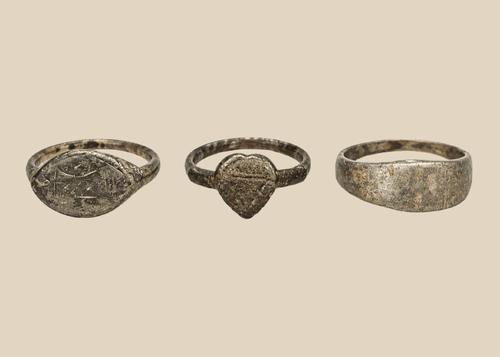
Collection of Three Ancient Bronze Rings | Signet, Shield & Wide Band | Circa 1st – 14th Century AD
- Regular price
- $500.00
- Sale price
- $500.00
- Regular price
-
Ancient Mediterranean | Sculptural Portrait Fragment | Terracotta Head Section | Circa 3rd Century BCE – 2nd Century CE
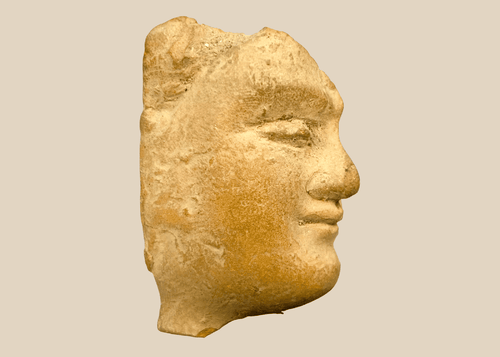
Ancient Mediterranean | Sculptural Portrait Fragment | Terracotta Head Section | Circa 3rd Century BCE – 2nd Century CE
- Regular price
- $500.00
- Sale price
- $500.00
- Regular price
-
Ancient Roman | Cosmetic Glass Perfume/Oil Bottle | Circa 1st–3rd Century AD
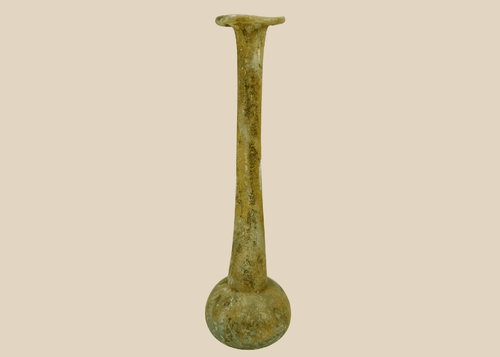
Ancient Roman | Cosmetic Glass Perfume/Oil Bottle | Circa 1st–3rd Century AD
- Regular price
- $500.00
- Sale price
- $500.00
- Regular price
-
Roman Pale Turquoise Glass Candlestick Balsamarium | Circa 2nd-3rd AD
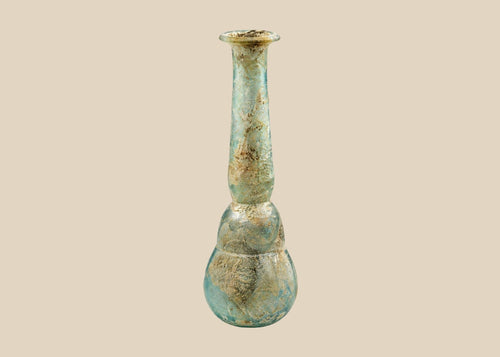
Roman Pale Turquoise Glass Candlestick Balsamarium | Circa 2nd-3rd AD
- Regular price
- $500.00
- Sale price
- $500.00
- Regular price
-
Group of Six Late Roman–Early Byzantine Bronze Finger Rings | Circa 3rd–7th Century CE
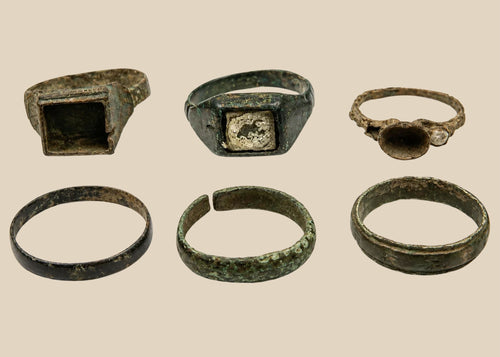
Group of Six Late Roman–Early Byzantine Bronze Finger Rings | Circa 3rd–7th Century CE
- Regular price
- $495.00
- Sale price
- $495.00
- Regular price
-
Ancient Cypriot Black-on-Red Ware Terracotta Pilgrim Flask | Cypro-Geometric–Cypro-Archaic Period | Circa 900 – 600 BCE
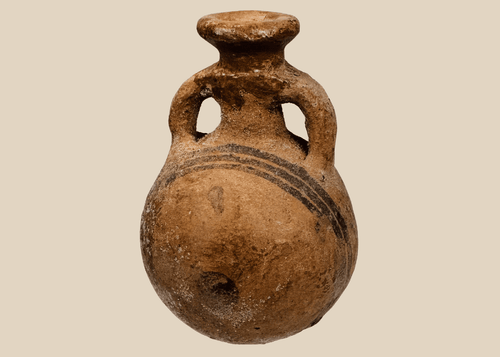
Ancient Cypriot Black-on-Red Ware Terracotta Pilgrim Flask | Cypro-Geometric–Cypro-Archaic Period | Circa 900 – 600 BCE
- Regular price
- $475.00
- Sale price
- $475.00
- Regular price
-
Ancient Roman Glass Unguentarium | Long-Necked Perfume & Oil Flask | Circa 1st–3rd Century CE

Ancient Roman Glass Unguentarium | Long-Necked Perfume & Oil Flask | Circa 1st–3rd Century CE
- Regular price
- $450.00
- Sale price
- $450.00
- Regular price
-
Celtic Twisted Bronze Bracelet with Pierced Terminal | Iron Age–Roman Period | Circa 300 BCE–200 CE

Celtic Twisted Bronze Bracelet with Pierced Terminal | Iron Age–Roman Period | Circa 300 BCE–200 CE
- Regular price
- $450.00
- Sale price
- $450.00
- Regular price
-
Ancient Roman Terracotta Oil Lamp Depicting Priapus | Circa 2nd Century CE
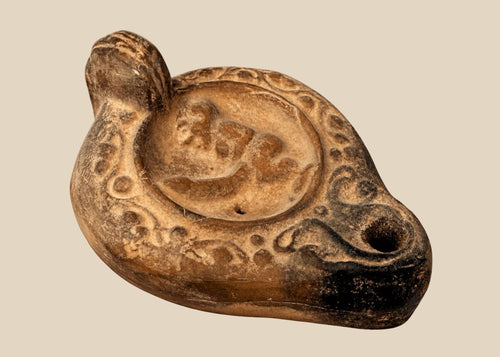
Ancient Roman Terracotta Oil Lamp Depicting Priapus | Circa 2nd Century CE
- Regular price
- $450.00
- Sale price
- $450.00
- Regular price
-
Terracotta Figurine of Horse and Rider | Roman Egypt | Circa 1st–3rd Century CE
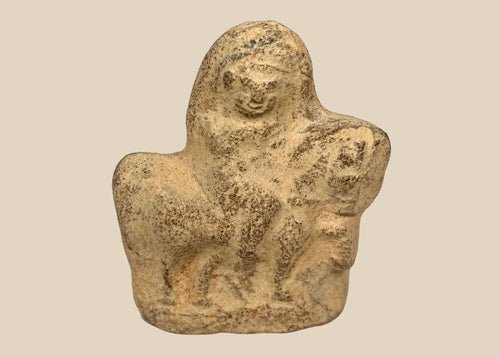
Terracotta Figurine of Horse and Rider | Roman Egypt | Circa 1st–3rd Century CE
- Regular price
- $450.00
- Sale price
- $450.00
- Regular price
-
Ancient Roman–Late Antique Terracotta Juglet | Circa 2nd – 5th Century CE
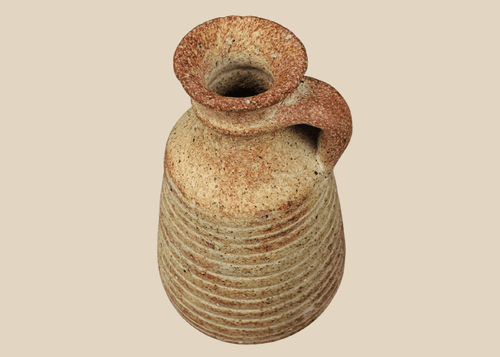
Ancient Roman–Late Antique Terracotta Juglet | Circa 2nd – 5th Century CE
- Regular price
- $450.00
- Sale price
- $450.00
- Regular price
-
Ancient Mediterranean Ceramic Oil Lamp with Pierced Handle | Circa 4th – 8th Century CE
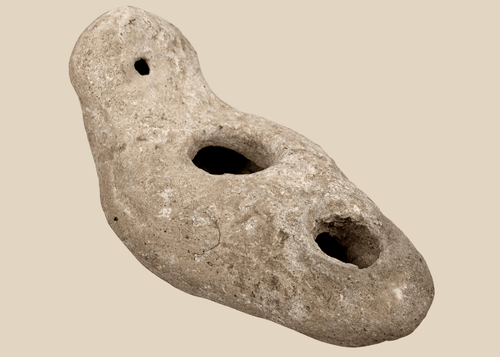
Ancient Mediterranean Ceramic Oil Lamp with Pierced Handle | Circa 4th – 8th Century CE
- Regular price
- $450.00
- Sale price
- $450.00
- Regular price
-
Ancient Mediterranean Terracotta Figural Bust Fragment | Hellenistic–Roman Period | Circa 300 BCE–200 CE
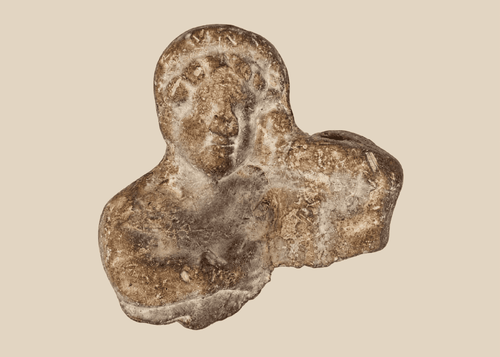
Ancient Mediterranean Terracotta Figural Bust Fragment | Hellenistic–Roman Period | Circa 300 BCE–200 CE
- Regular price
- $450.00
- Sale price
- $450.00
- Regular price


Collector Insights
How much are Roman coins worth?
The value of Roman coins varies widely depending on rarity, condition, metal, and historical significance. Common bronze coins may sell for as little as $10–$50, while rare gold or silver coins associated with notable emperors can reach thousands of dollars. In antiquity, coins such as the denarius carried real purchasing power, often equivalent to several days’ wages for a Roman soldier.
Why did the Roman Empire produce more coins?
The Roman Empire produced large quantities of coins to support its expanding economy, military expenses, and trade network. As Rome grew, standardized coinage made it easier to pay soldiers, collect taxes, and unify commerce across vast territories. Coins also served as propaganda tools, spreading the image and authority of emperors throughout the empire.
What is the difference between Greek and Roman sculpture?
Greek sculpture focused on ideal beauty, balance, and perfection, often depicting gods and athletes in harmonious forms. Roman sculpture, by contrast, emphasized realism and individuality, especially in portraiture, capturing wrinkles, age, and personality. Romans also developed narrative reliefs that told historical events, such as victories and imperial achievements.
What are some famous Roman sculptures?
Some of the most famous Roman sculptures include:
- The Ara Pacis (Altar of Peace): symbolizing imperial stability
- Trajan’s Column reliefs: telling the story of military campaigns
- Portrait busts of emperors like Augustus and Marcus Aurelius
These works highlight Rome’s focus on political messaging, realism, and historical storytelling in art.
How did Greek art influence Roman sculpture?
Roman sculpture was heavily influenced by Greek art. Romans often copied or adapted Greek statues, adopting their proportions and styles but adding more realism. This blend created the Greco-Roman style, combining Greek idealism with Roman practicality and political messaging.
Discover Relic & Rarity
on Instagram

