


Collection of 10 Ancient & Medieval Coins | Roman Empire, Elymais & Naples | Circa 1st Century BCE–15th Century CE
Couldn't load pickup availability


Collection of 10 Ancient & Medieval Coins | Roman Empire, Elymais & Naples | Circa 1st Century BCE–15th Century CE
Description
More
Less
Historical Context & Origin
Regions: Roman Empire; Kingdom of Elymais, ancient southwestern Iran; Kingdom of Naples, Italy; additional Mediterranean and West Asian issues
Materials: Silver, bronze, copper alloy, and possibly debased silver/billon
Period: Circa 1st Century BCE–15th Century CE
Description
A diverse collection of ten ancient and medieval coins spanning well over a millennium of monetary history. The group includes identified or previously attributed examples from the Roman Empire, the ancient Kingdom of Elymais, and the medieval Kingdom of Naples, together with additional ancient copper-alloy issues that remain more cautiously classified.
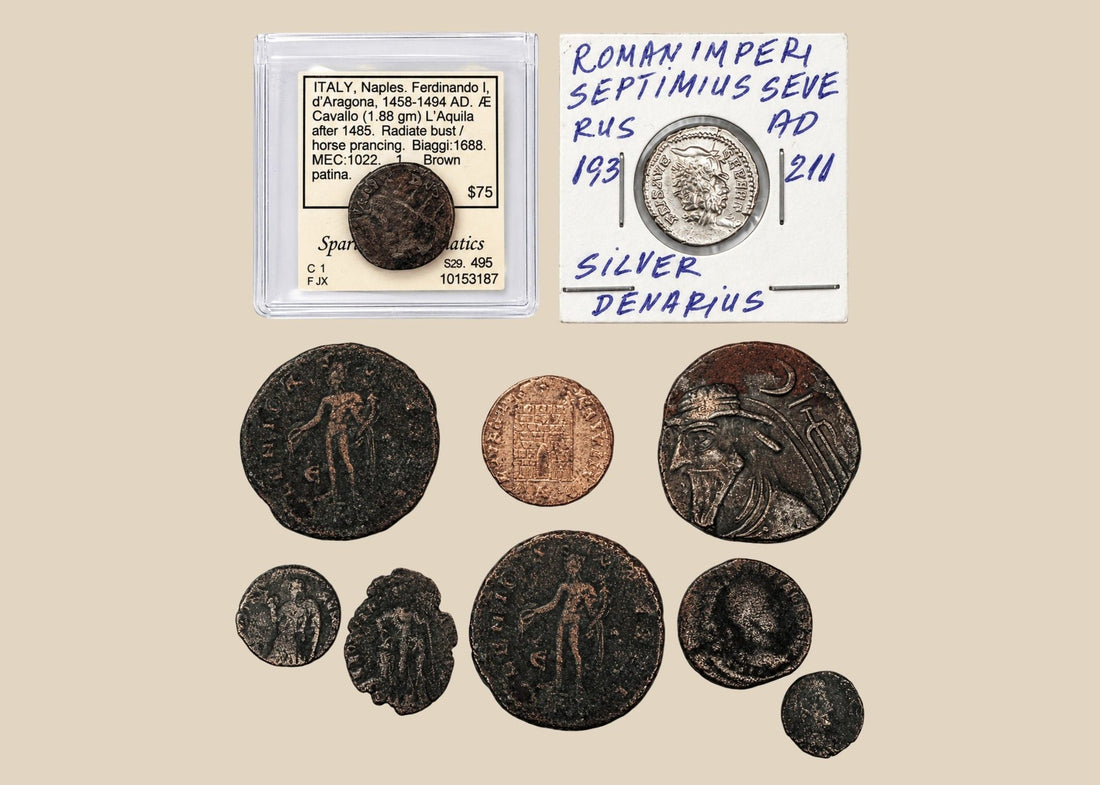
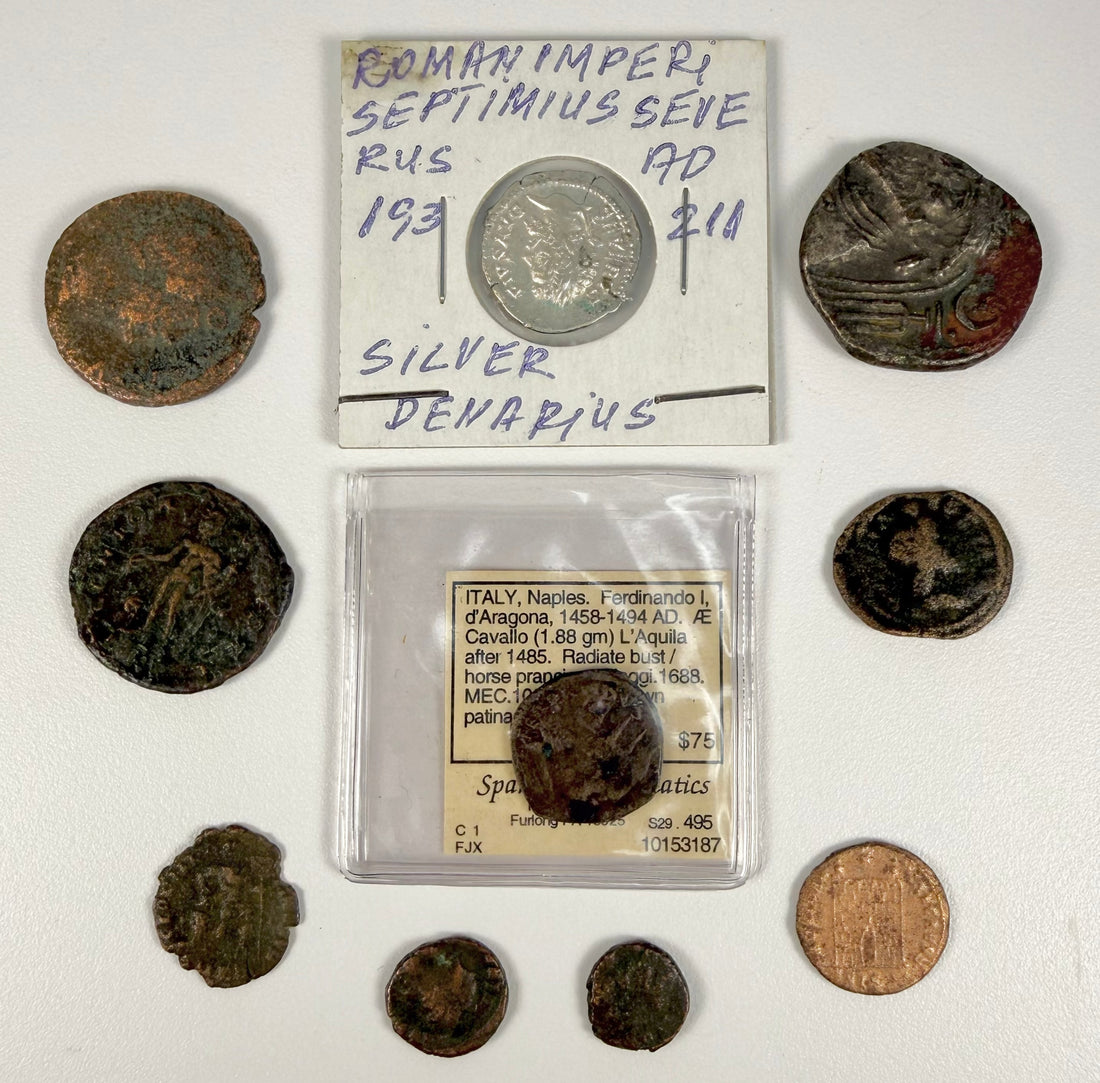
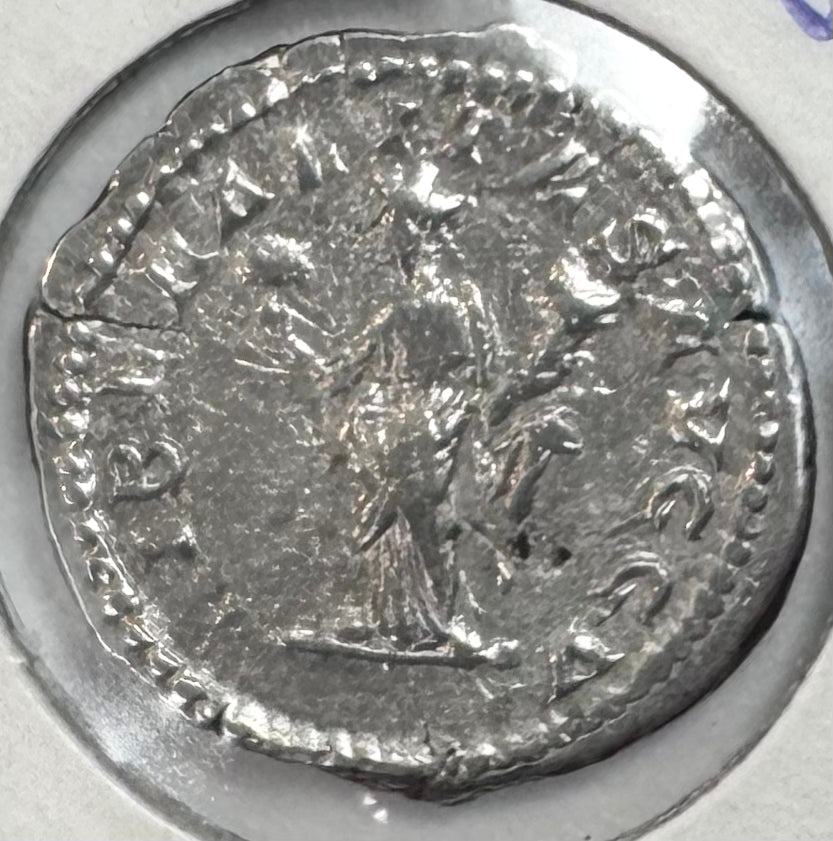
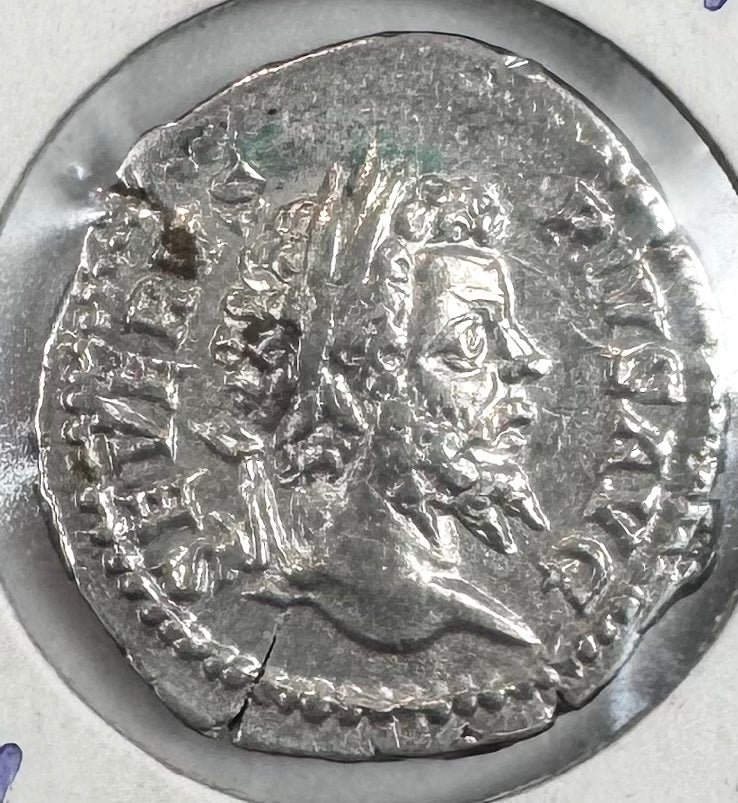
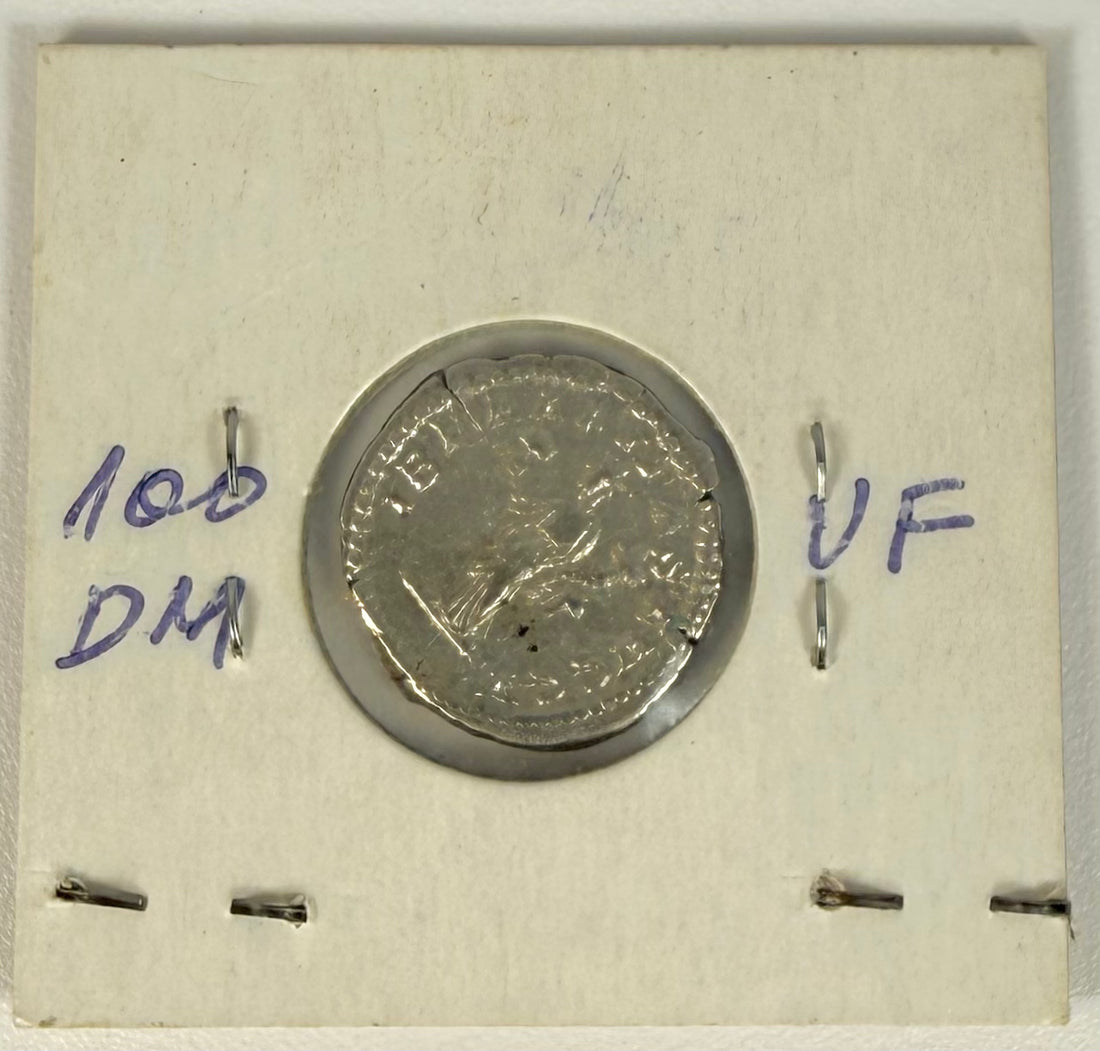
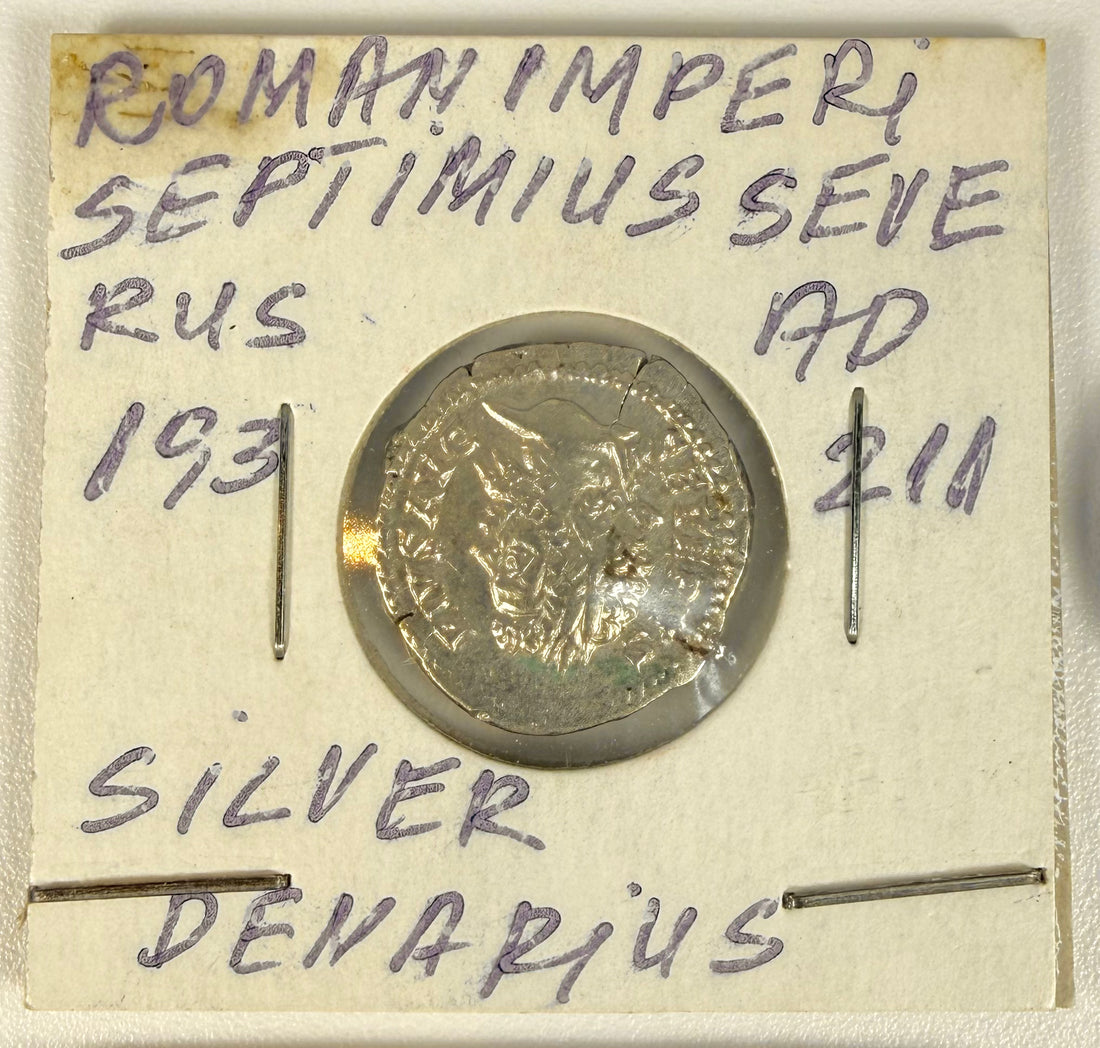
Among the principal coins is a silver denarius of the Roman emperor Septimius Severus, who ruled from AD 193–211. The coin retains a recognizable imperial portrait surrounded by portions of its Latin inscription and remains housed in an older handwritten collector's holder identifying it as a silver denarius of Septimius Severus. The denarius was one of the principal silver denominations of Roman imperial currency, and issues of Severus commonly paired the emperor's portrait with religious, military, dynastic, or allegorical reverse types.
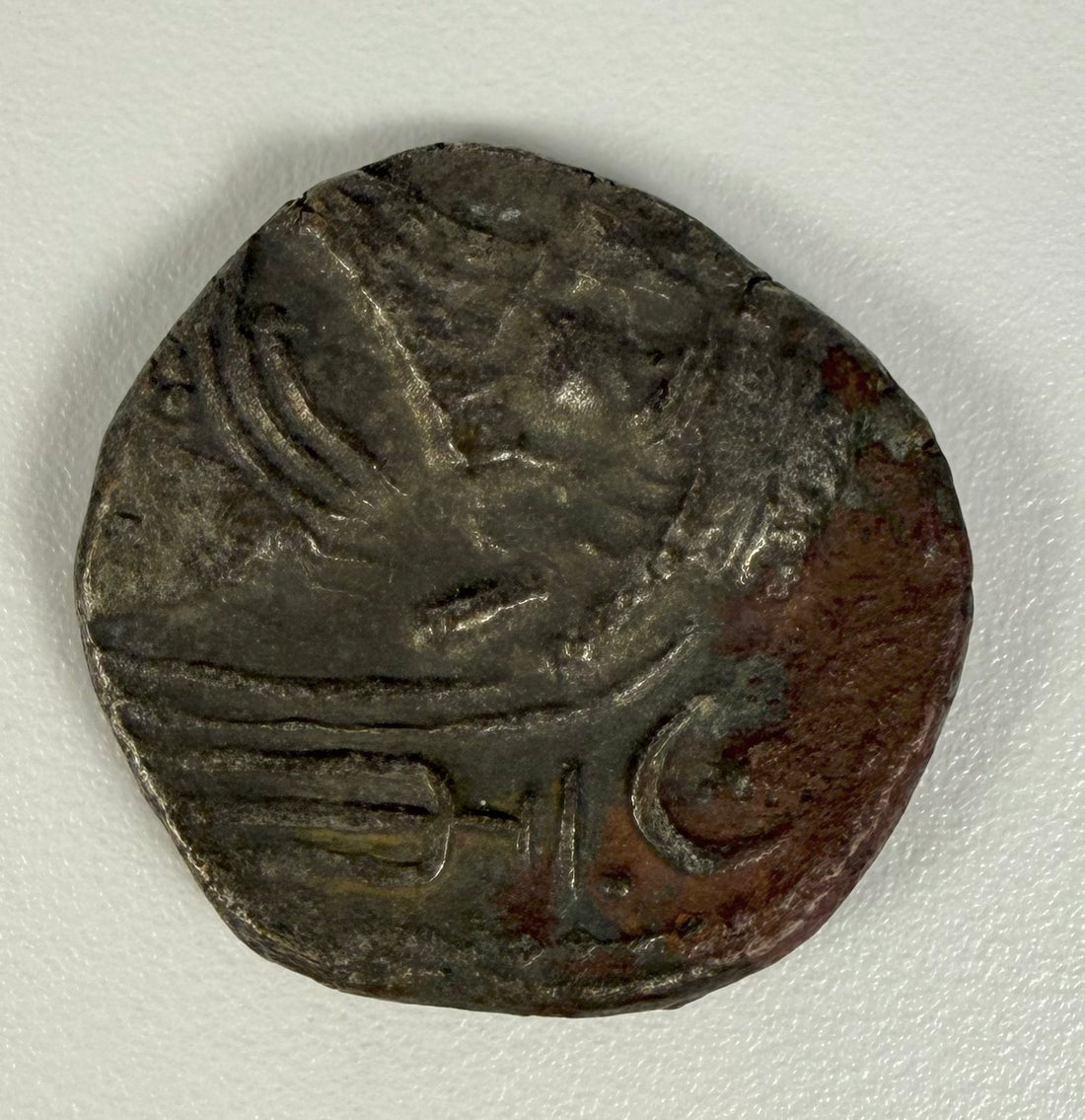
Also included is a substantial coin attributed to the ancient Kingdom of Elymais, a regional kingdom in southwestern Iran that developed a distinctive monetary tradition under Hellenistic and later Parthian influence. The coin appears consistent with the Elymaean tetradrachm tradition, whose issues frequently display a heavily bearded royal portrait together with recurring symbols such as an anchor and star-and-crescent. The previous auction attribution places the coin broadly within approximately the 1st century BCE–2nd century CE, although its precise ruler, date, and denomination would require closer numismatic examination.
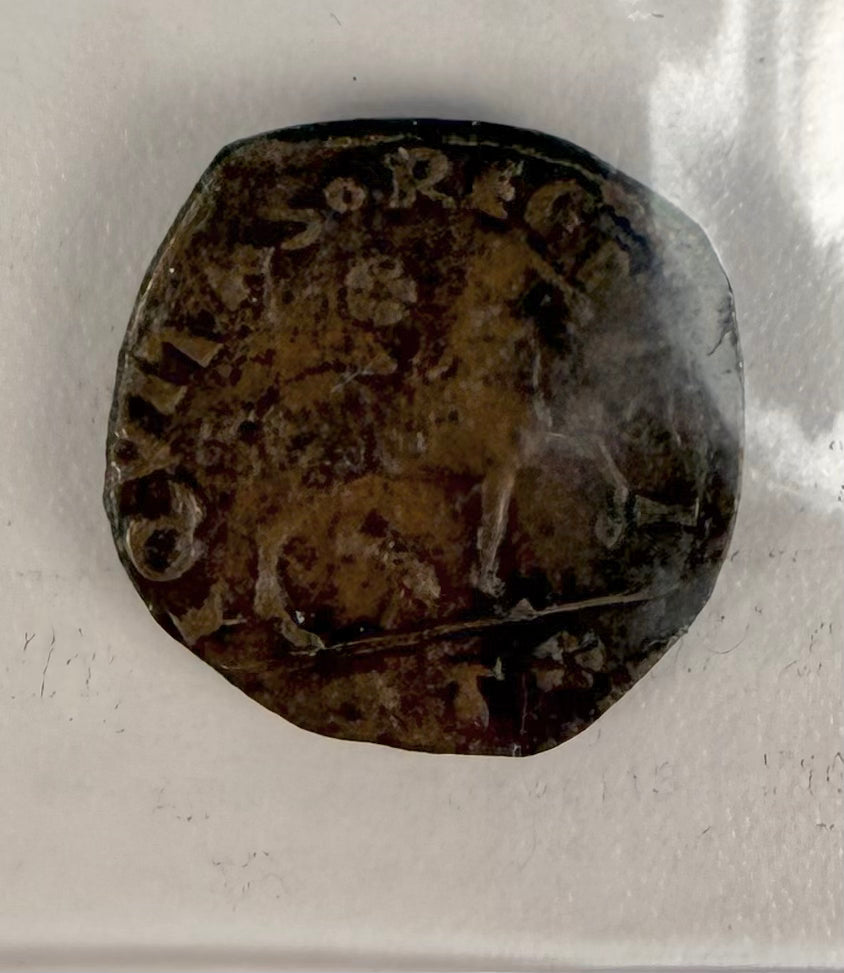
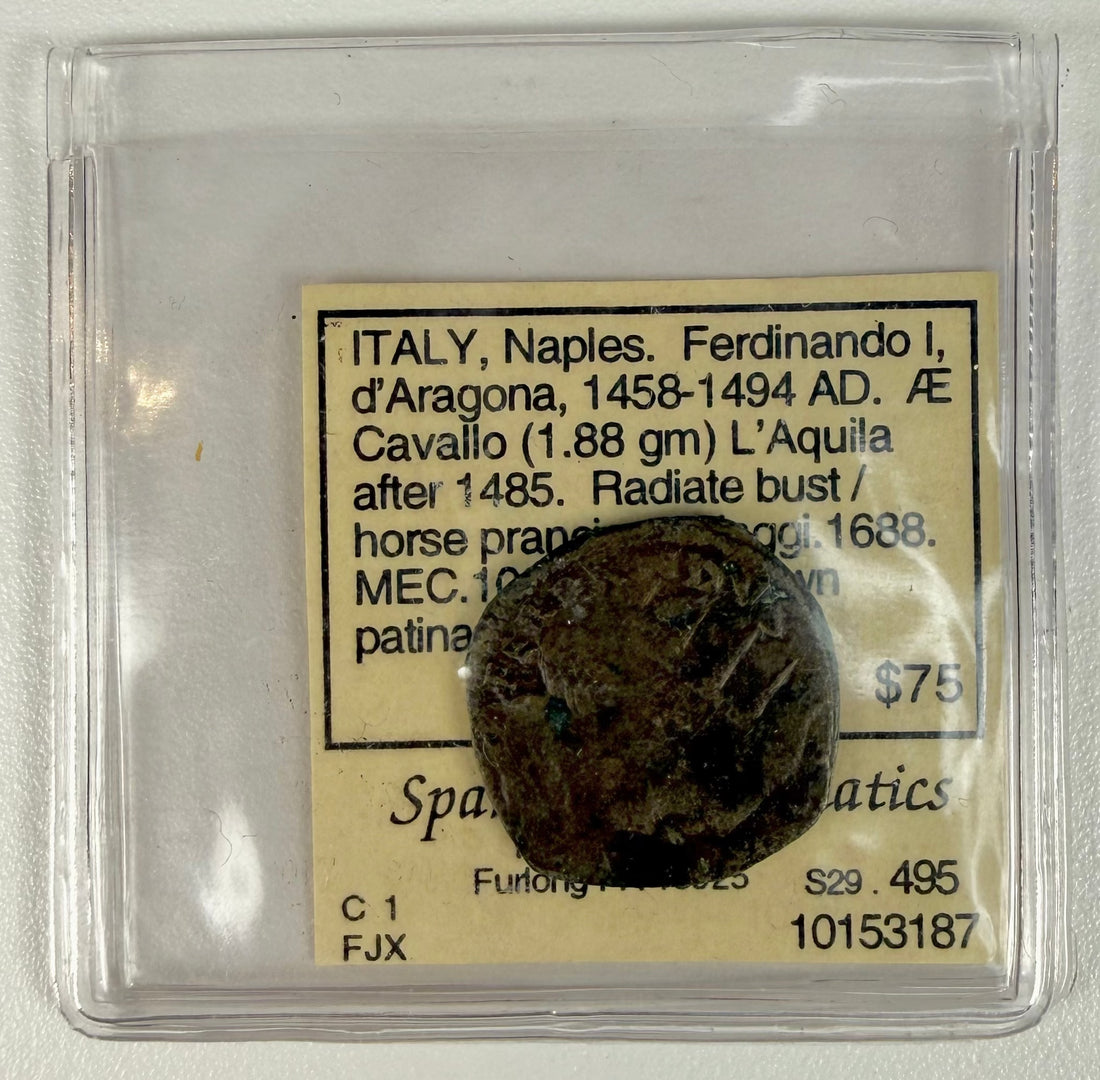
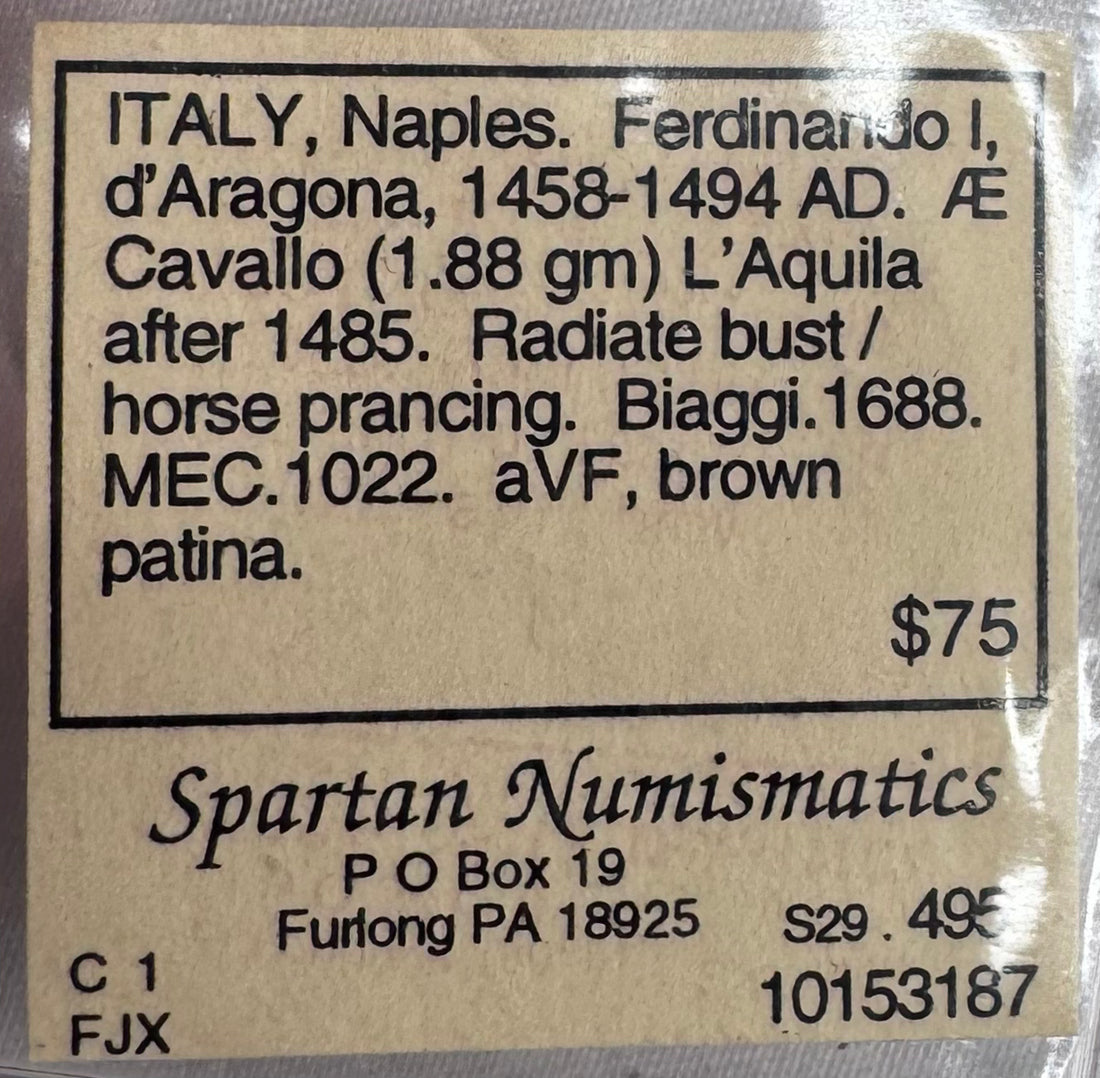
The collection further contains a documented Ferdinando I d'Aragona copper Cavallo from the Kingdom of Naples, dating to his reign of 1458–1494. Its accompanying Spartan Numismatics label attributes the coin to the L'Aquila mint, records a weight of approximately 1.88 grams, and describes a radiate bust and prancing horse type, citing Biaggi 1688 and MEC 1022. These catalogue references are retained as recorded on the historical dealer label. The cavallo was a small copper denomination associated with the monetary system of late 15th-century Naples, and examples of Ferdinand's reign characteristically feature a royal portrait paired with a horse reverse.
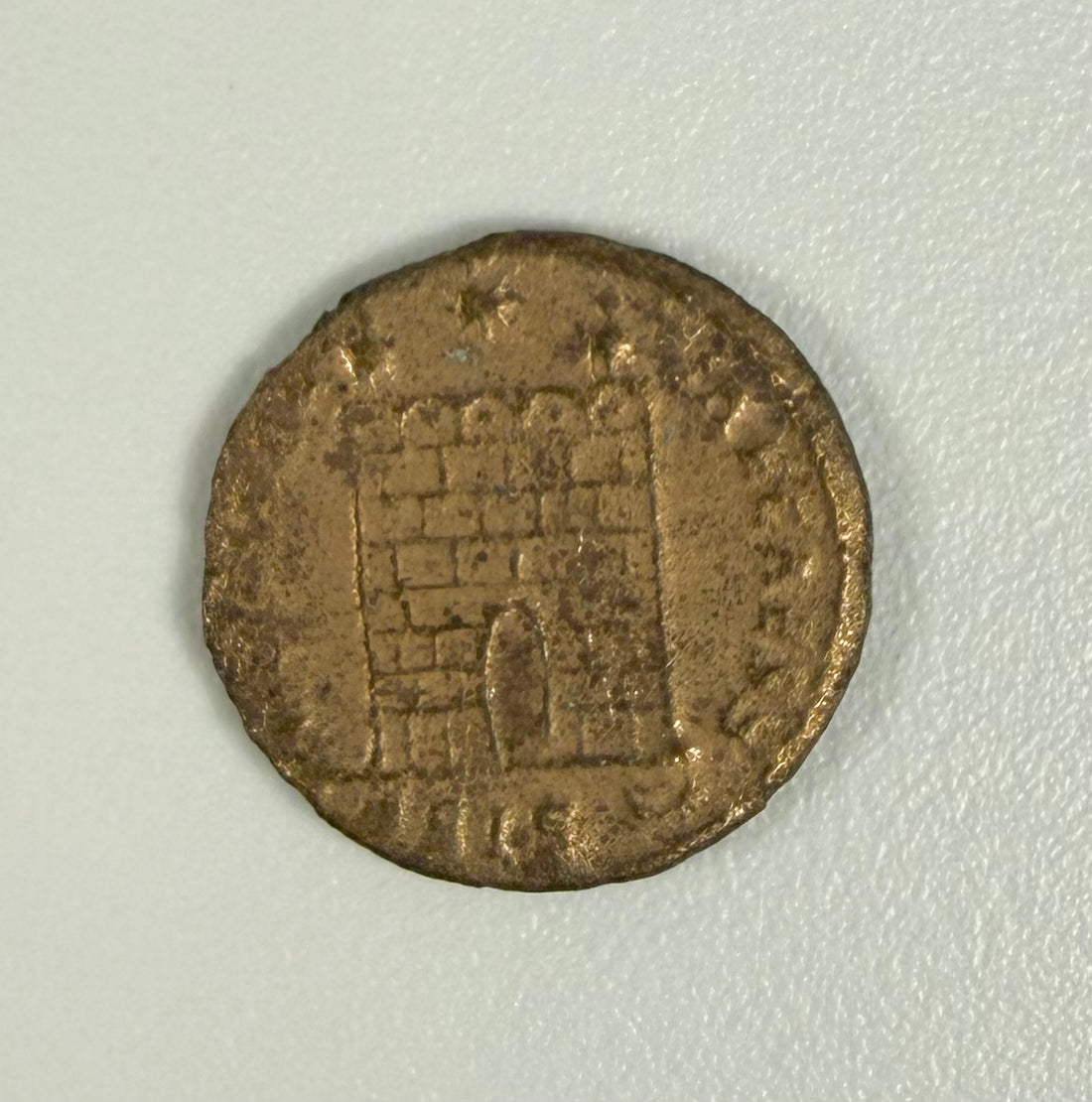
Among the remaining coins appears to be at least one Late Roman camp-gate type, a reverse design associated particularly with Constantinian-period bronze coinage of the 4th century CE. Such issues commonly depict a fortified gateway or military architectural structure, sometimes with towers above. The surviving details are consistent with this general type, although a precise ruler, mint, and issue would require closer examination of the individual coin.
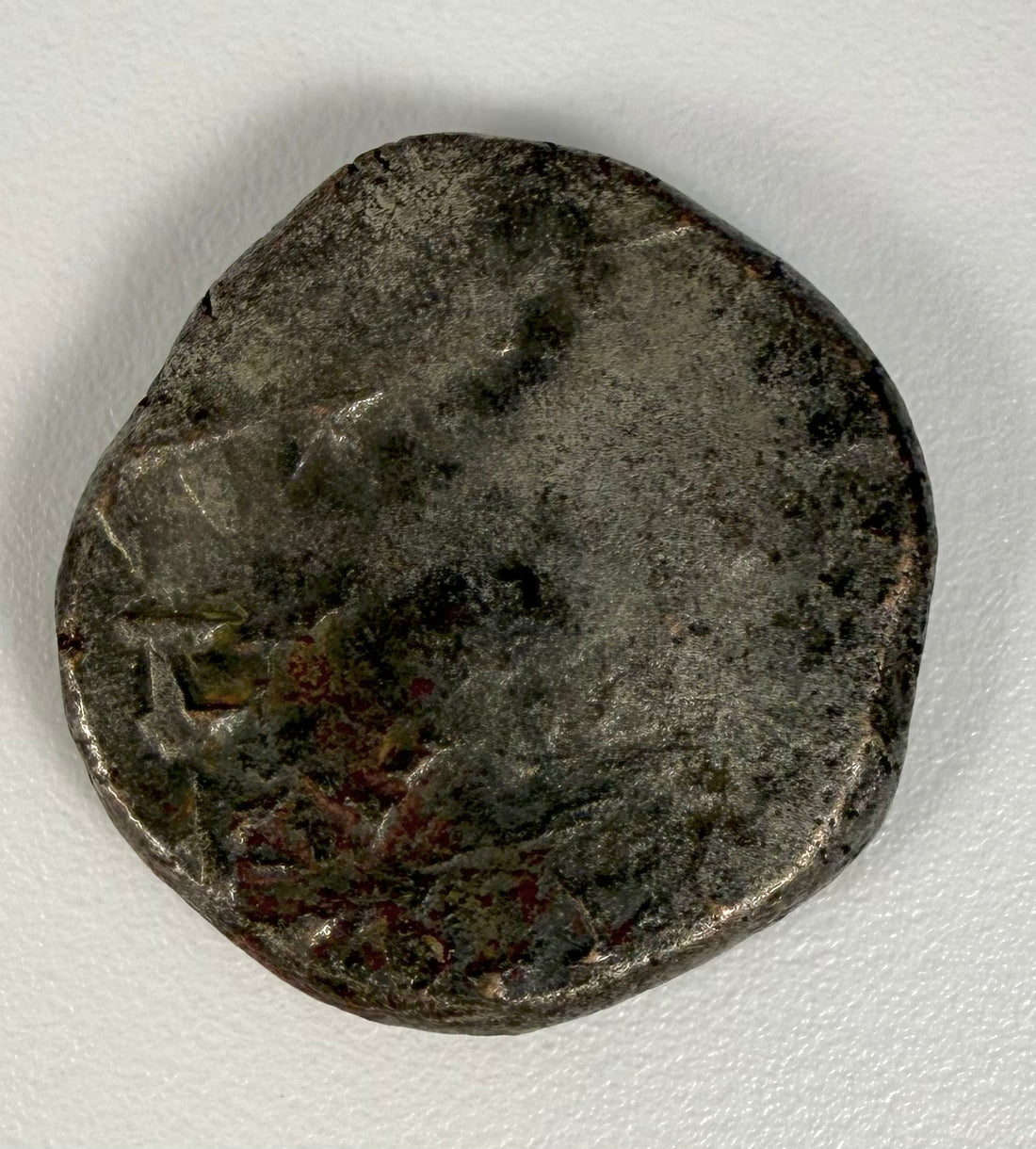
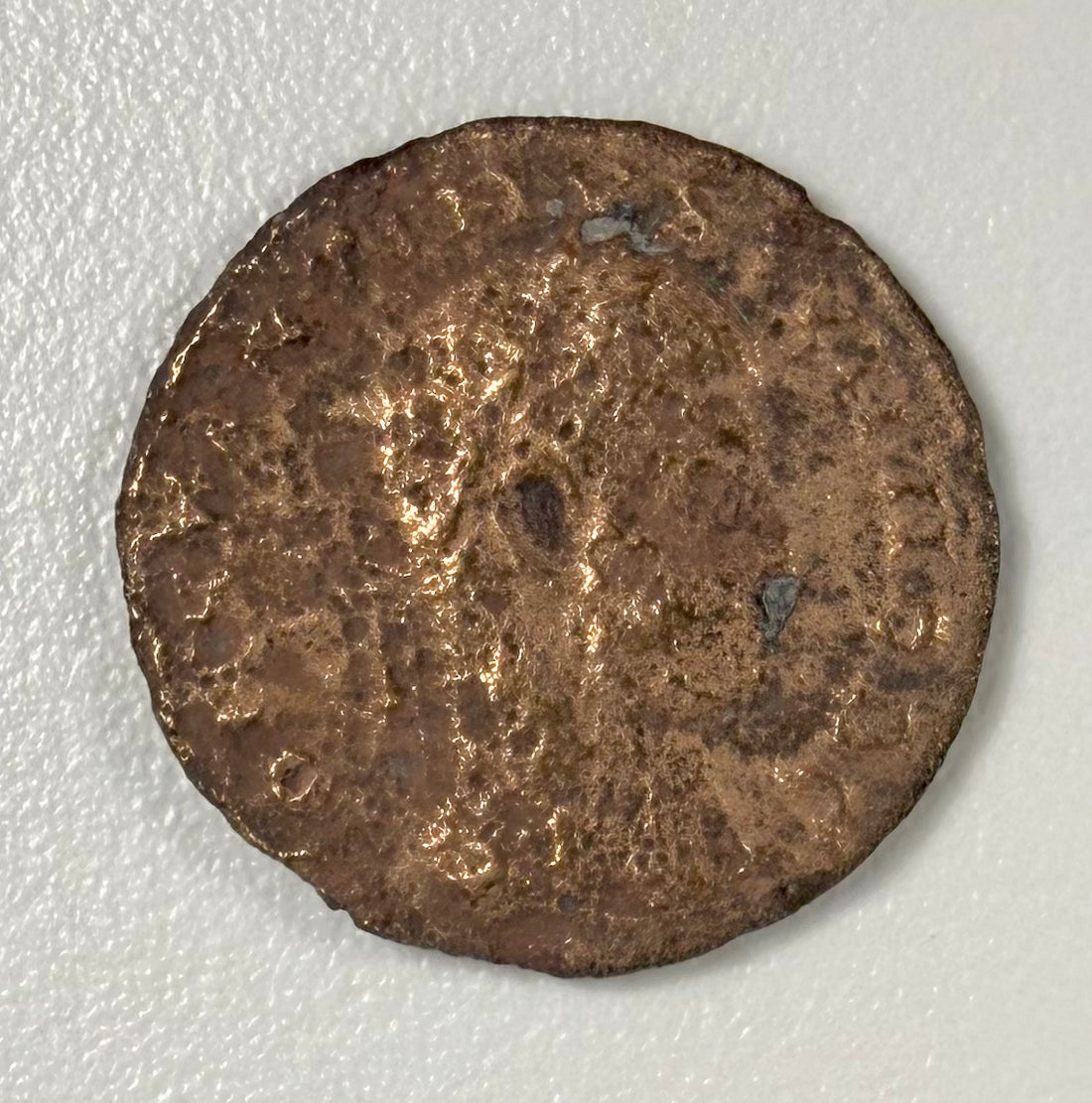
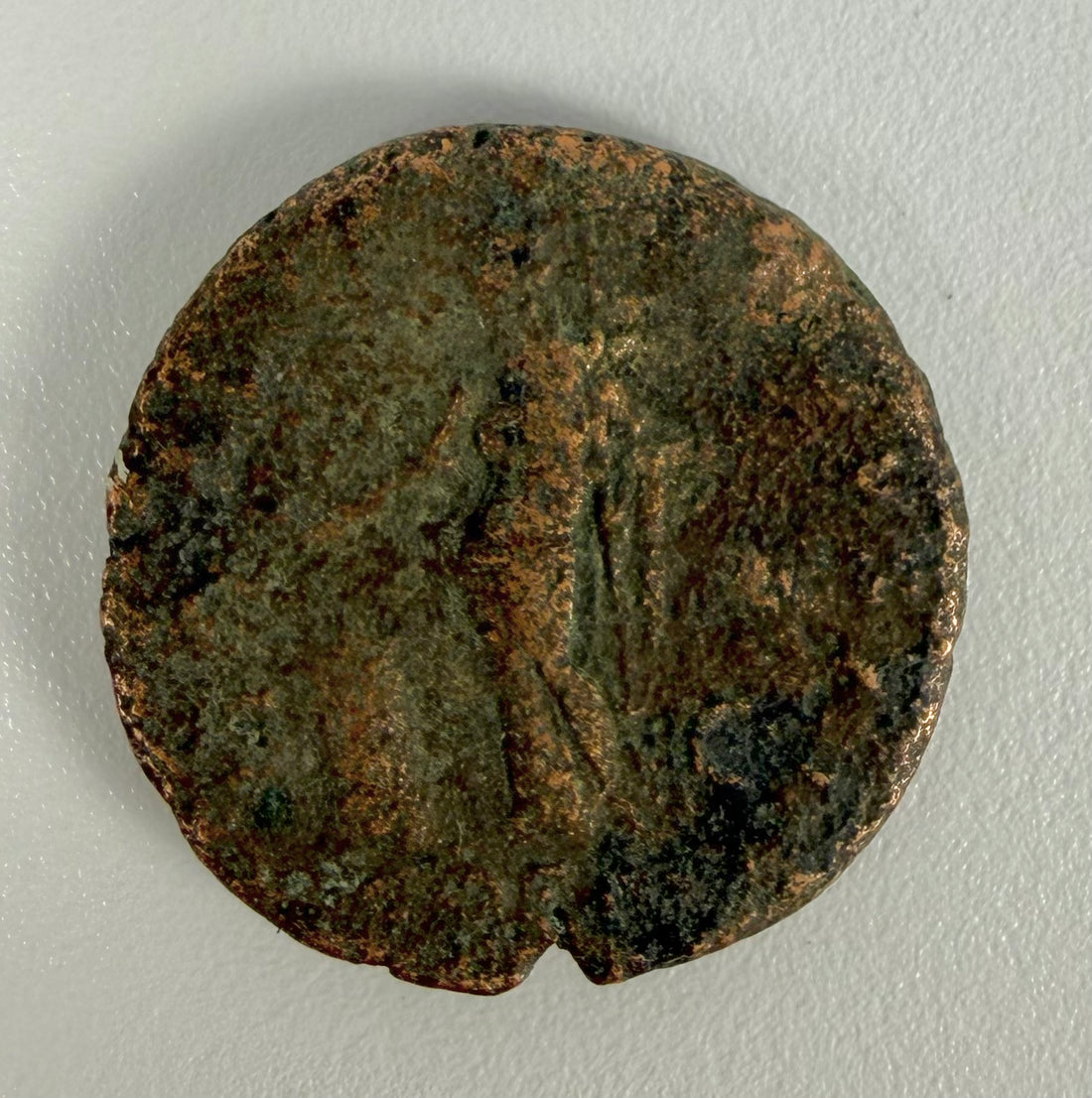
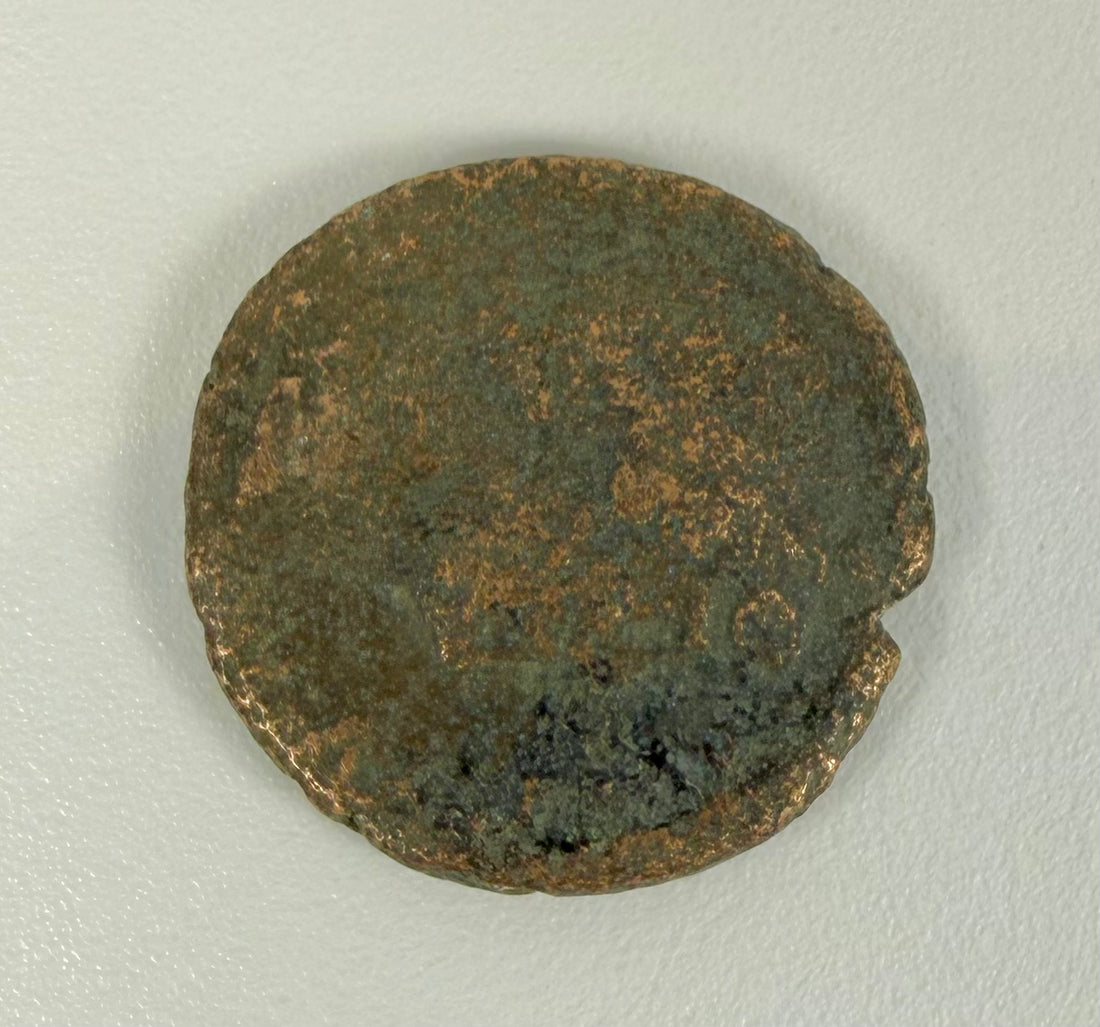
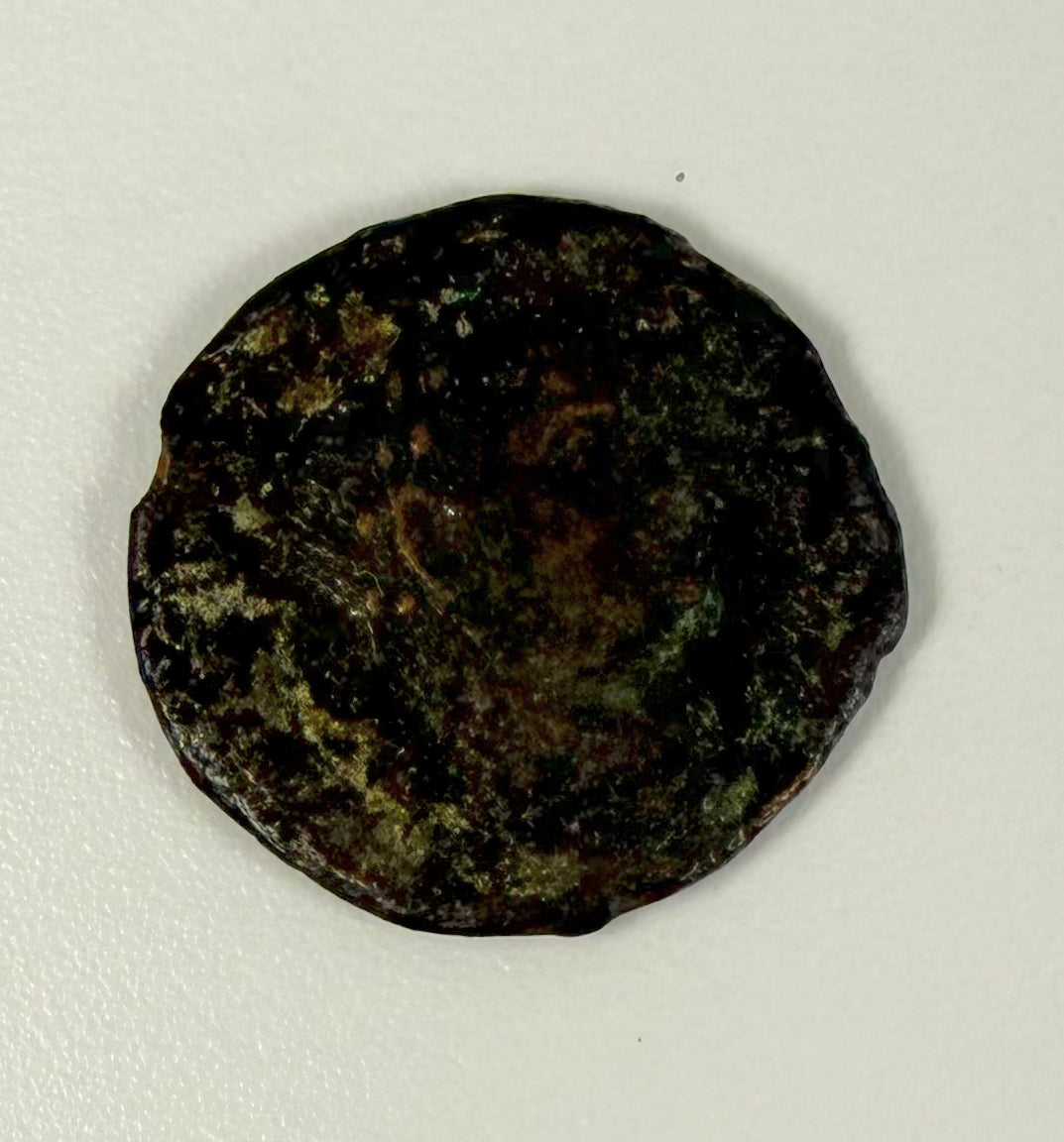
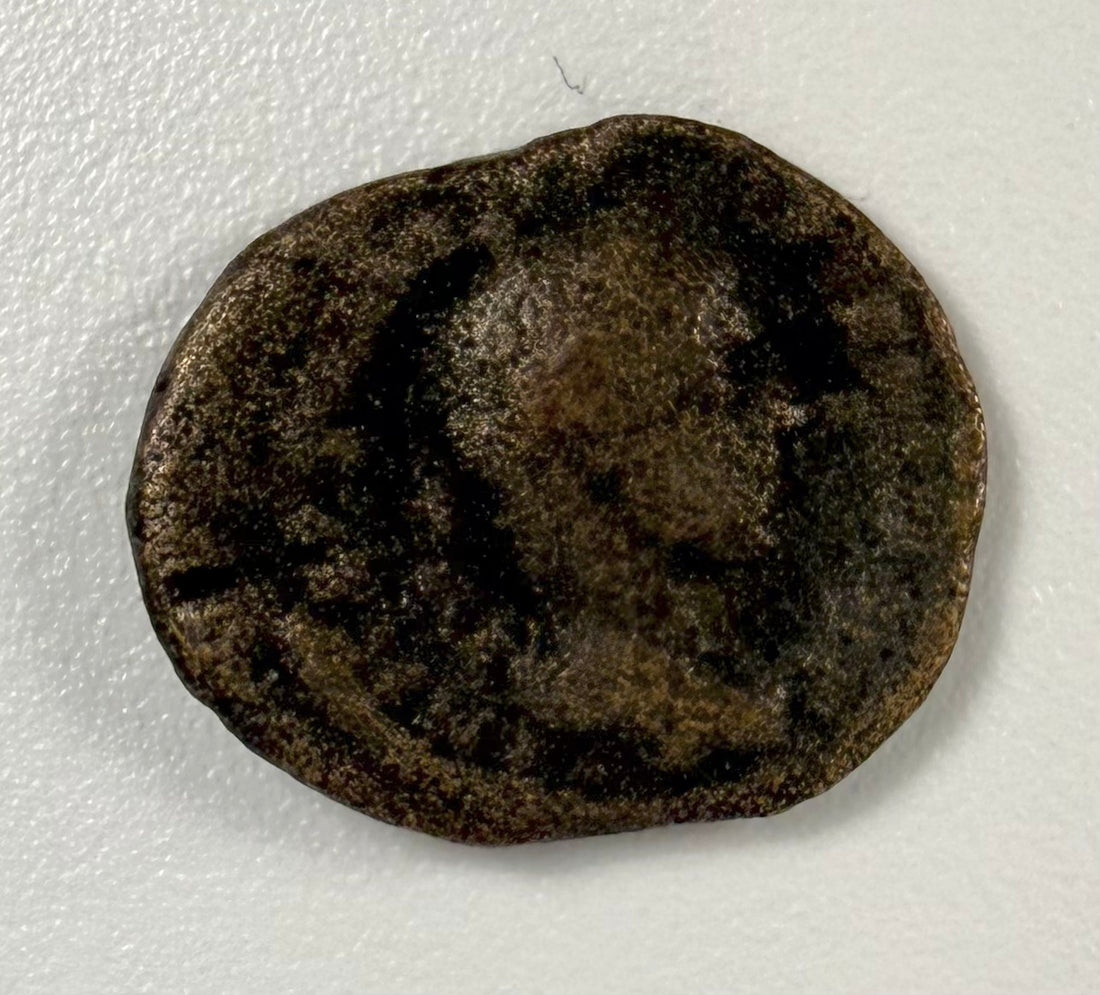
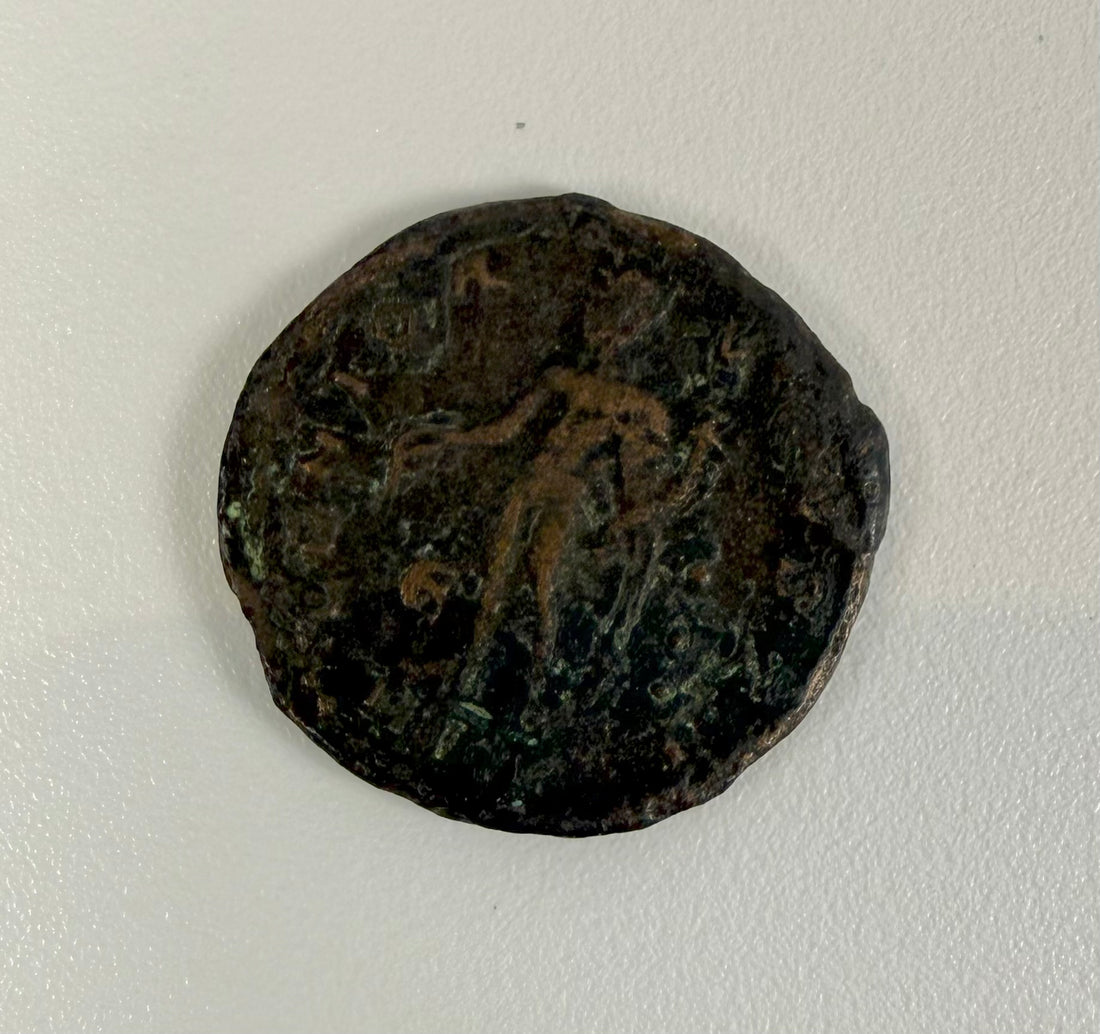
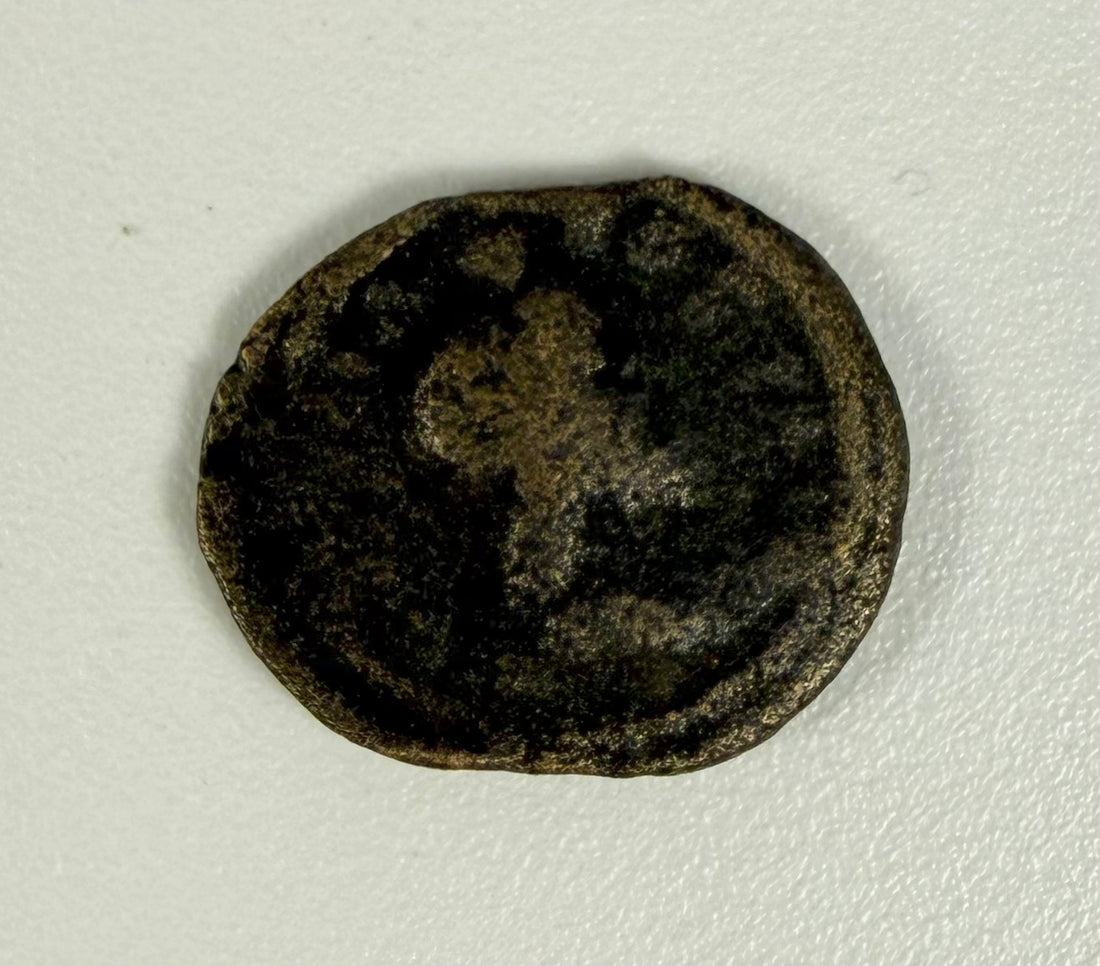
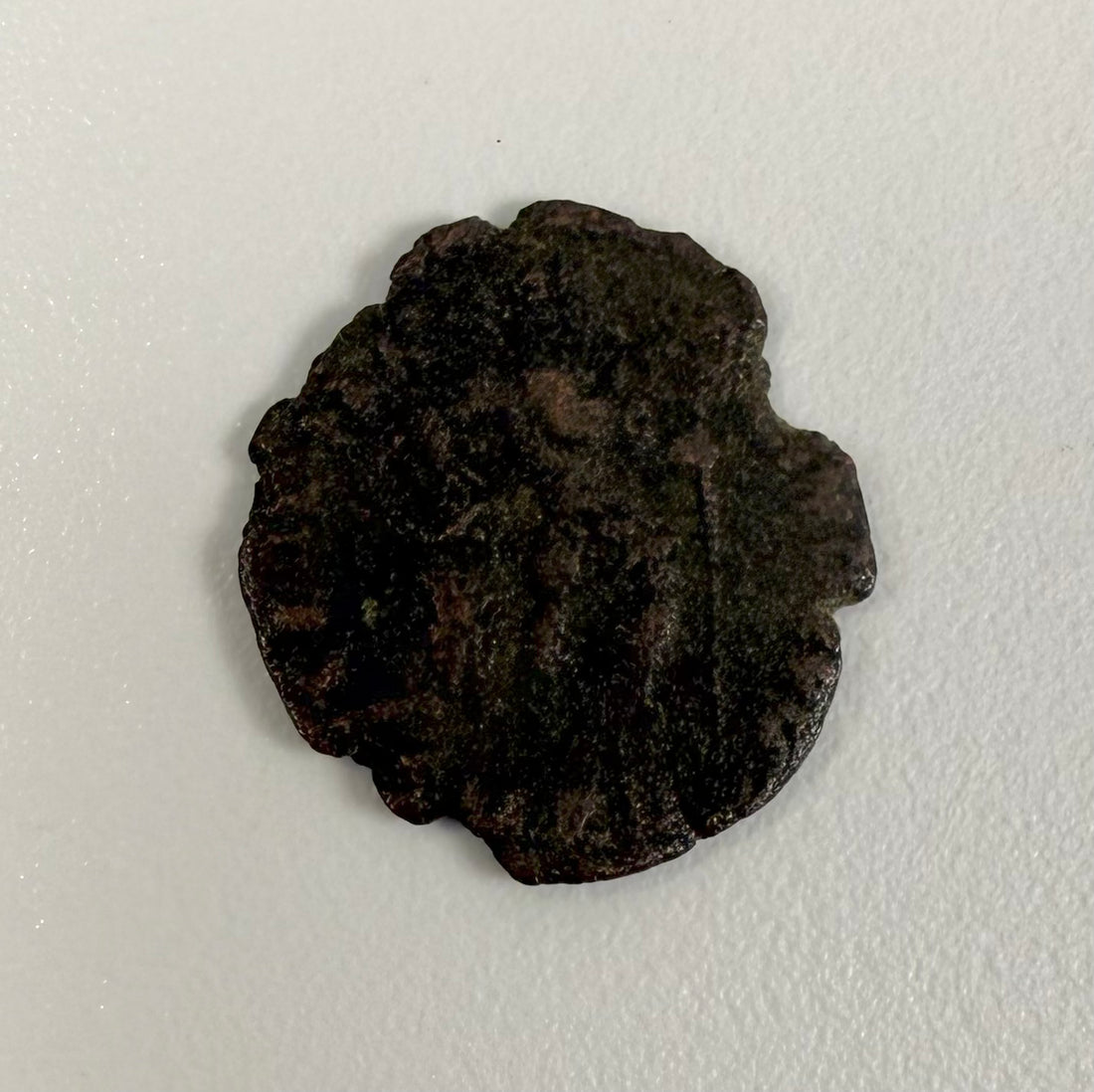
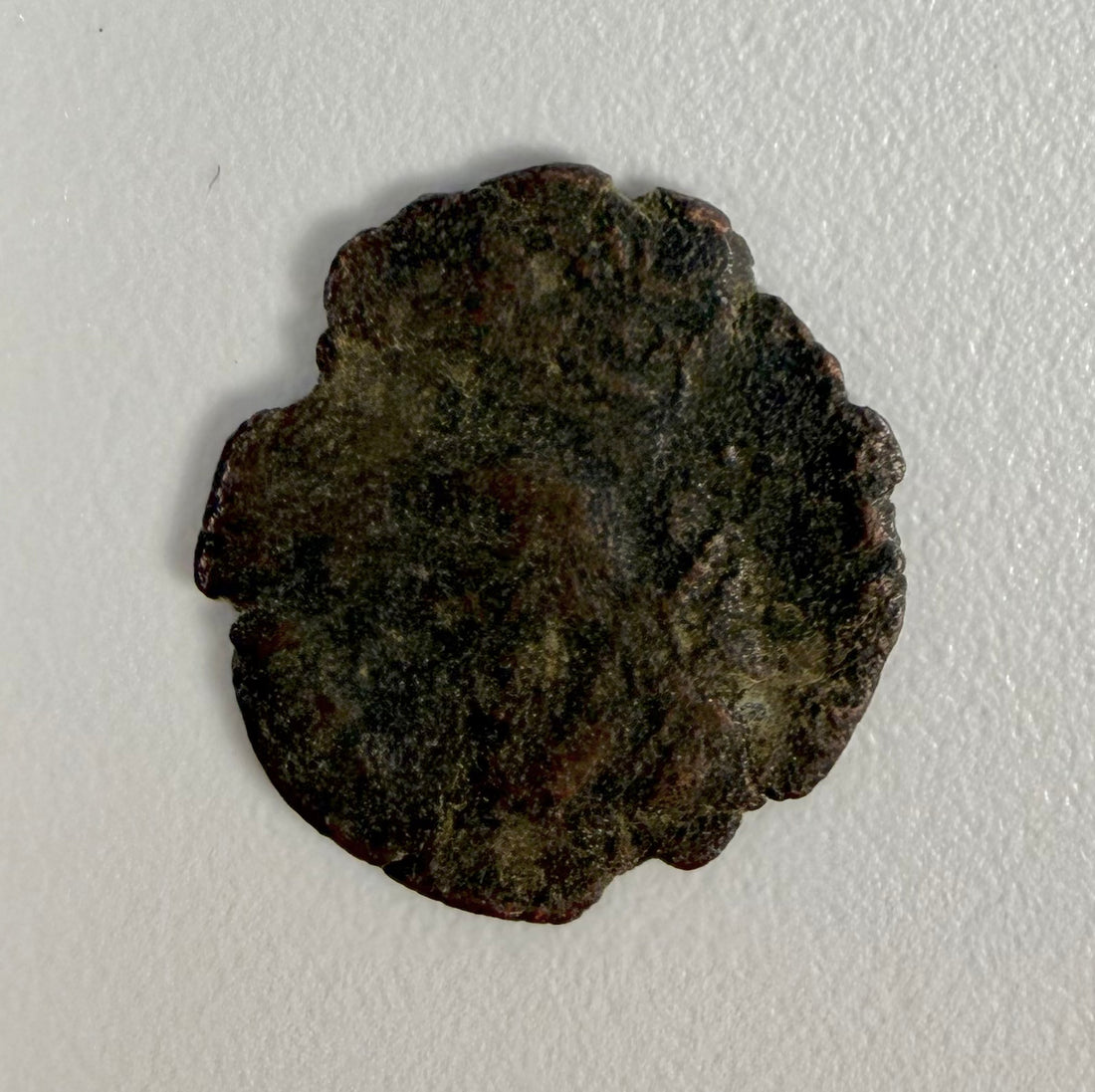
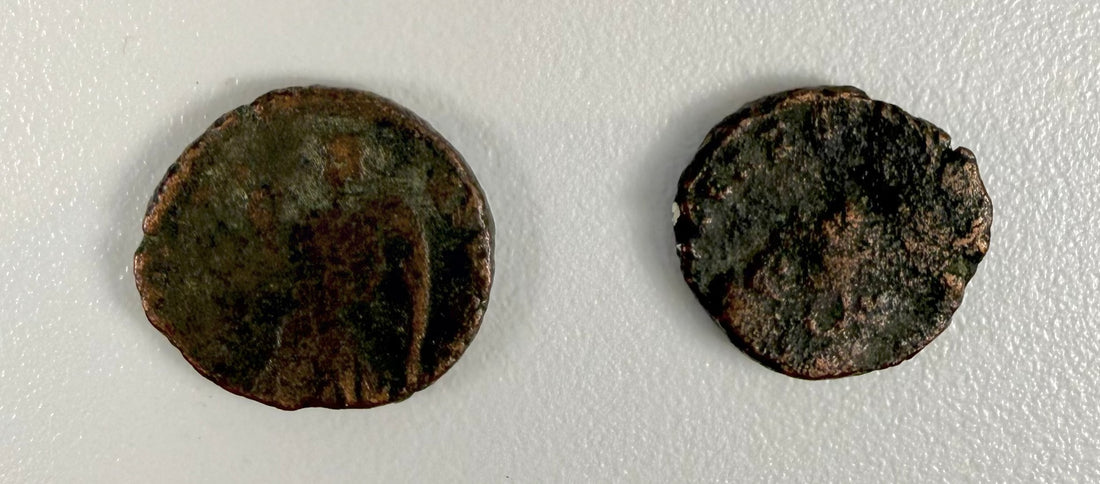
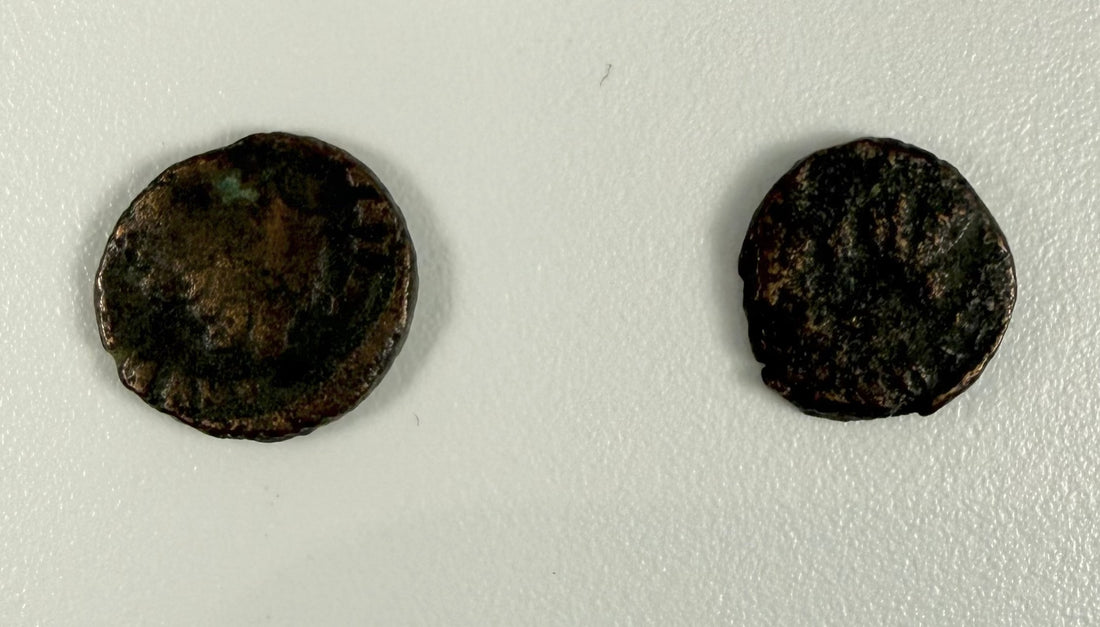
The remaining copper and bronze coins display a variety of surviving portrait busts, standing figures, partial legends, and symbolic devices. Their considerable circulation wear, patination, and surface deposits make definitive attribution from the surviving imagery alone difficult, and they are therefore conservatively offered as unidentified ancient or early historic issues rather than assigned speculative rulers or mints.
Features
- Collection of 10 ancient and medieval coins
- Roman Imperial silver denarius of Septimius Severus, AD 193–211
- Ancient Kingdom of Elymais coin consistent with the tetradrachm tradition, broadly circa 1st century BCE–2nd century CE
- Medieval Italian Ferdinando I d'Aragona Cavallo, Kingdom of Naples, 1458–1494
- Ferdinando I Cavallo accompanied by its older Spartan Numismatics identification label
- Dealer label records the Cavallo at approximately 1.88 grams and attributes it to the L'Aquila mint
- Late Roman camp-gate type coin, likely Constantinian era
- Six additional ancient copper or bronze issues with surviving portraits, figures, legends, and symbolic devices
- Combination of silver, bronze, copper alloy, and potentially debased silver/billon
- Naturally developed brown, black, green, reddish, and gray surface patinas
- Original collector and dealer holders retained with applicable coins
- Broad chronological range extending from antiquity through the late Middle Ages
Cultural Significance
Together, these ten coins offer a compact survey of the geographical, political, and monetary diversity of the ancient and medieval world, ranging from the Roman Mediterranean and ancient southwestern Iran to late medieval Italy.
The Roman pieces represent a monetary system in which coinage functioned not only as currency but also as a vehicle for imperial portraiture, dynastic identity, religious imagery, and political communication. Septimius Severus came to power during the turbulent Year of the Five Emperors in AD 193 and founded the Severan dynasty. His silver denarii circulated widely throughout the Roman Empire.
The Elymaean coin represents a distinct regional monetary tradition. The Kingdom of Elymais occupied part of ancient southwestern Iran and maintained varying degrees of autonomy under broader Hellenistic and Parthian political influence. Its coinage developed highly recognizable royal portraits and recurring dynastic symbols and continued until the emergence of the Sasanian Empire in the 3rd century CE.
Late Roman bronze issues, including the camp-gate type represented within the group, reflect the changing monetary and political environment of the 4th-century Roman Empire. Architectural reverse designs of this kind are particularly associated with the Constantinian dynasty and form an important category within Late Roman numismatics.
At the opposite end of the collection's chronology is the copper Cavallo of Ferdinand I of Naples. Minted during the late 15th century, such small-denomination copper coinage formed part of the changing monetary systems of Renaissance Italy and provides a useful bridge between medieval and early modern European numismatics.
Condition
Condition varies considerably across the collection, consistent with the substantial age and historic circulation of the coins.
The silver Septimius Severus denarius retains comparatively strong portrait and inscription detail with expected age-related surface marks, toning, and irregularities.
The bronze and copper coins exhibit varying degrees of circulation wear, darkened patination, oxidation, deposits, surface encrustation, softened legends, edge irregularities, minor losses, scratches, and areas of corrosion. Several retain recognizable portraits, figures, and design elements despite considerable antiquity.
The Ferdinando I Cavallo retains its older dealer holder and printed identification label. The Septimius Severus denarius remains within its older handwritten collector's mount.
Dimensions (Approximate)
Ten coins of varying dimensions and weights.
The Ferdinando I Cavallo is recorded on its accompanying historical dealer label as weighing approximately 1.88 grams.
Age (Approximate)
Earliest identified examples: circa 1st Century BCE–2nd Century CE
Roman examples: approximately 1,600–1,900+ years old
Latest identified example: Ferdinando I Cavallo, 1458–1494 CE
Collectively, the group spans approximately 1,500 years of numismatic history.
Provenance
Private collection, Massachusetts, USA.
Previously part of the inventory of Spartan Numismatics, Furlong, Pennsylvania, a specialist numismatic firm focused on ancient and historic coinage. Spartan Numismatics is directed by Nicholas Economopoulos, a numismatist with more than 45 years of experience and advanced academic training in Classics and Classical Archaeology, with particular expertise in ancient and Byzantine coinage.
Subsequently handled by Blackstone Valley Auctions and Estates LLC, Sutton, Massachusetts, an established auction and estate firm specializing in antiques, fine and decorative art, coins, collectibles, militaria, and historically significant material.
Original numismatic labels, holders, and associated documentation shown in the photographs accompany the collection where applicable.
Learn More
Compare related examples of a Septimius Severus silver denarius and an Elymaean tetradrachm in the collection of the British Museum.
Continue browsing our Collection of Roman & Greek Artifacts
Description
Historical Context & Origin
Regions: Roman Empire; Kingdom of Elymais, ancient southwestern Iran; Kingdom of Naples, Italy; additional Mediterranean and West Asian issues
Materials: Silver, bronze, copper alloy, and possibly debased silver/billon
Period: Circa 1st Century BCE–15th Century CE
Description
A diverse collection of ten ancient and medieval coins spanning well over a millennium of monetary history. The group includes identified or previously attributed examples from the Roman Empire, the ancient Kingdom of Elymais, and the medieval Kingdom of Naples, together with additional ancient copper-alloy issues that remain more cautiously classified.
Among the principal coins is a silver denarius of the Roman emperor Septimius Severus, who ruled from AD 193–211. The coin retains a recognizable imperial portrait surrounded by portions of its Latin inscription and remains housed in an older handwritten collector's holder identifying it as a silver denarius of Septimius Severus. The denarius was one of the principal silver denominations of Roman imperial currency, and issues of Severus commonly paired the emperor's portrait with religious, military, dynastic, or allegorical reverse types.
Also included is a substantial coin attributed to the ancient Kingdom of Elymais, a regional kingdom in southwestern Iran that developed a distinctive monetary tradition under Hellenistic and later Parthian influence. The coin appears consistent with the Elymaean tetradrachm tradition, whose issues frequently display a heavily bearded royal portrait together with recurring symbols such as an anchor and star-and-crescent. The previous auction attribution places the coin broadly within approximately the 1st century BCE–2nd century CE, although its precise ruler, date, and denomination would require closer numismatic examination.
The collection further contains a documented Ferdinando I d'Aragona copper Cavallo from the Kingdom of Naples, dating to his reign of 1458–1494. Its accompanying Spartan Numismatics label attributes the coin to the L'Aquila mint, records a weight of approximately 1.88 grams, and describes a radiate bust and prancing horse type, citing Biaggi 1688 and MEC 1022. These catalogue references are retained as recorded on the historical dealer label. The cavallo was a small copper denomination associated with the monetary system of late 15th-century Naples, and examples of Ferdinand's reign characteristically feature a royal portrait paired with a horse reverse.
Among the remaining coins appears to be at least one Late Roman camp-gate type, a reverse design associated particularly with Constantinian-period bronze coinage of the 4th century CE. Such issues commonly depict a fortified gateway or military architectural structure, sometimes with towers above. The surviving details are consistent with this general type, although a precise ruler, mint, and issue would require closer examination of the individual coin.
The remaining copper and bronze coins display a variety of surviving portrait busts, standing figures, partial legends, and symbolic devices. Their considerable circulation wear, patination, and surface deposits make definitive attribution from the surviving imagery alone difficult, and they are therefore conservatively offered as unidentified ancient or early historic issues rather than assigned speculative rulers or mints.
Features
- Collection of 10 ancient and medieval coins
- Roman Imperial silver denarius of Septimius Severus, AD 193–211
- Ancient Kingdom of Elymais coin consistent with the tetradrachm tradition, broadly circa 1st century BCE–2nd century CE
- Medieval Italian Ferdinando I d'Aragona Cavallo, Kingdom of Naples, 1458–1494
- Ferdinando I Cavallo accompanied by its older Spartan Numismatics identification label
- Dealer label records the Cavallo at approximately 1.88 grams and attributes it to the L'Aquila mint
- Late Roman camp-gate type coin, likely Constantinian era
- Six additional ancient copper or bronze issues with surviving portraits, figures, legends, and symbolic devices
- Combination of silver, bronze, copper alloy, and potentially debased silver/billon
- Naturally developed brown, black, green, reddish, and gray surface patinas
- Original collector and dealer holders retained with applicable coins
- Broad chronological range extending from antiquity through the late Middle Ages
Cultural Significance
Together, these ten coins offer a compact survey of the geographical, political, and monetary diversity of the ancient and medieval world, ranging from the Roman Mediterranean and ancient southwestern Iran to late medieval Italy.
The Roman pieces represent a monetary system in which coinage functioned not only as currency but also as a vehicle for imperial portraiture, dynastic identity, religious imagery, and political communication. Septimius Severus came to power during the turbulent Year of the Five Emperors in AD 193 and founded the Severan dynasty. His silver denarii circulated widely throughout the Roman Empire.
The Elymaean coin represents a distinct regional monetary tradition. The Kingdom of Elymais occupied part of ancient southwestern Iran and maintained varying degrees of autonomy under broader Hellenistic and Parthian political influence. Its coinage developed highly recognizable royal portraits and recurring dynastic symbols and continued until the emergence of the Sasanian Empire in the 3rd century CE.
Late Roman bronze issues, including the camp-gate type represented within the group, reflect the changing monetary and political environment of the 4th-century Roman Empire. Architectural reverse designs of this kind are particularly associated with the Constantinian dynasty and form an important category within Late Roman numismatics.
At the opposite end of the collection's chronology is the copper Cavallo of Ferdinand I of Naples. Minted during the late 15th century, such small-denomination copper coinage formed part of the changing monetary systems of Renaissance Italy and provides a useful bridge between medieval and early modern European numismatics.
Condition
Condition varies considerably across the collection, consistent with the substantial age and historic circulation of the coins.
The silver Septimius Severus denarius retains comparatively strong portrait and inscription detail with expected age-related surface marks, toning, and irregularities.
The bronze and copper coins exhibit varying degrees of circulation wear, darkened patination, oxidation, deposits, surface encrustation, softened legends, edge irregularities, minor losses, scratches, and areas of corrosion. Several retain recognizable portraits, figures, and design elements despite considerable antiquity.
The Ferdinando I Cavallo retains its older dealer holder and printed identification label. The Septimius Severus denarius remains within its older handwritten collector's mount.
Dimensions (Approximate)
Ten coins of varying dimensions and weights.
The Ferdinando I Cavallo is recorded on its accompanying historical dealer label as weighing approximately 1.88 grams.
Age (Approximate)
Earliest identified examples: circa 1st Century BCE–2nd Century CE
Roman examples: approximately 1,600–1,900+ years old
Latest identified example: Ferdinando I Cavallo, 1458–1494 CE
Collectively, the group spans approximately 1,500 years of numismatic history.
Provenance
Private collection, Massachusetts, USA.
Previously part of the inventory of Spartan Numismatics, Furlong, Pennsylvania, a specialist numismatic firm focused on ancient and historic coinage. Spartan Numismatics is directed by Nicholas Economopoulos, a numismatist with more than 45 years of experience and advanced academic training in Classics and Classical Archaeology, with particular expertise in ancient and Byzantine coinage.
Subsequently handled by Blackstone Valley Auctions and Estates LLC, Sutton, Massachusetts, an established auction and estate firm specializing in antiques, fine and decorative art, coins, collectibles, militaria, and historically significant material.
Original numismatic labels, holders, and associated documentation shown in the photographs accompany the collection where applicable.
Learn More
Compare related examples of a Septimius Severus silver denarius and an Elymaean tetradrachm in the collection of the British Museum.
Continue browsing our Collection of Roman & Greek Artifacts
You May Also Like
