


For thousands of years, the civilizations of ancient Greece and Rome shaped art, philosophy, warfare, architecture, and material culture across the Mediterranean world. Today, artifacts from these societies remain among the most captivating and sought-after objects in the world of antiquities collecting.
From elegant Greek terracotta vessels to Roman bronze tools, glassware, coins, and personal items, these pieces offer direct access to the daily lives and artistic achievements of classical antiquity.
This guide is designed to help new and experienced collectors navigate the world of Roman and Greek artifacts with confidence, respect, and expertise.
Why Collectors Are Drawn to Roman & Greek Antiquities
Few historical periods inspire the imagination like ancient Greece and Rome. Their mythology, politics, literature, and military conquests continue to shape modern culture. Owning an artifact — something shaped by ancient hands centuries before modern nations existed — provides a staggering sense of continuity.
A Greek pottery shard may once have held oil during a religious festival.
A Roman bronze key may have locked a merchant’s storeroom.
A piece of glass may have been blown by a craftsman in a bustling imperial workshop.
Collectors don’t simply acquire objects — they preserve legacies.
Understanding the Major Categories of Artifacts
Roman and Greek collectibles cover a broad range of mediums. The most accessible and respected categories include:
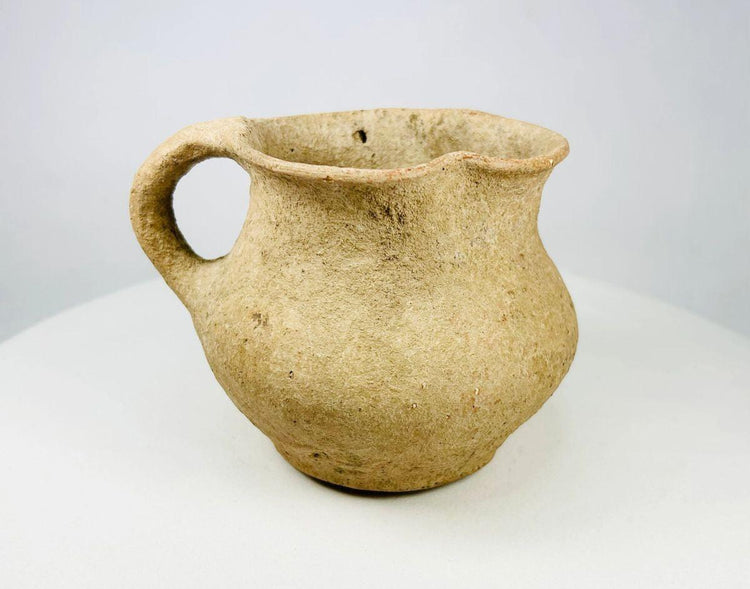
Ceramics & Pottery
Greek pottery is renowned for its elegant shapes and narrative imagery. Roman pottery is admired for its practicality, red-slip finishes, molded forms, and utilitarian sophistication. Even small fragments can tell extraordinary stories.
Bronze Objects & Tools
Bronze was the backbone of ancient daily life: keys, fibulae (brooches), tools, fittings, cosmetic implements, and small household items are highly collectable and durable.

Glassware
Roman glass is especially beloved for its iridescent patina — the rainbow sheen formed over centuries underground. Intact pieces are prized, but even fragments are historically important.

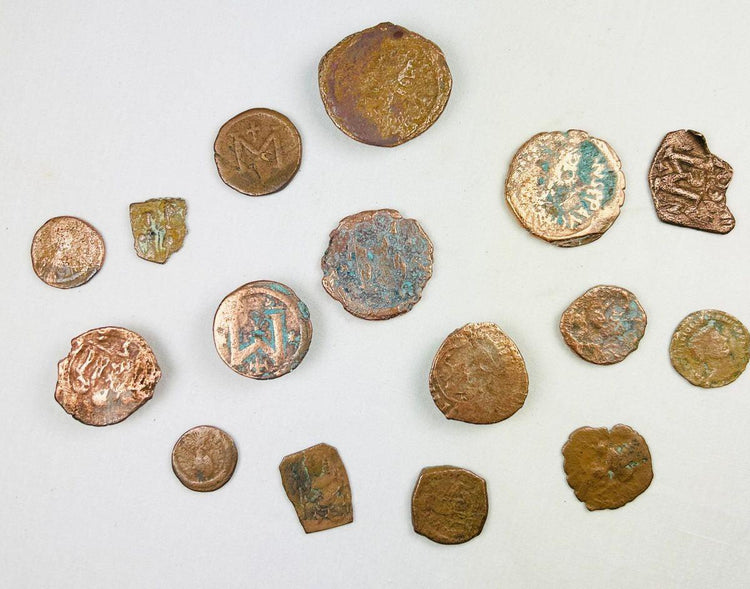
Coins
Greek and Roman coins combine artistry, portraiture, and political messaging. They are often the most accessible entry point for new collectors.
Personal & Domestic Items
Needle cases, bone or bronze utensils, loom weights, spindle whorls, gaming pieces — these give a human, intimate window into everyday life.

Each material offers a different connection to ancient culture and craftsmanship.
Condition: What Matters and What Doesn’t
When assessing classical artifacts, condition should be viewed through the lens of authenticity rather than perfection. Age-related wear — such as softened edges, muted pigments, surface abrasion, natural patina, corrosion, iridescence, and weathering — is not only expected but often desirable, as these characteristics confirm genuine antiquity. Over-cleaning, polishing, or heavy restoration can diminish both value and historical integrity. In the world of Greek and Roman artifacts, honesty of age is far more important than flawless appearance.
Building, Displaying, and Collecting with Integrity
Building a meaningful collection is a gradual, intentional process. Many collectors begin with accessible pieces—small ceramics, bronze tools, glass fragments, or common coins—and refine their focus over time. Whether you choose to concentrate on a specific culture, material, or theme, a focused approach results in a more coherent and visually compelling collection.
Thoughtful display also elevates classical artifacts. Clean, minimalist presentations using discreet stands, shadow boxes, or subtle lighting allow each piece to be appreciated as a sculptural work of art, transforming your space into a curated gallery.
Most importantly, ethical collecting is essential. Provenance, legality, and cultural responsibility must guide every acquisition. At Relic & Rarity, we source artifacts only from established private collections and legitimate channels, ensuring that collectors preserve history with integrity and care.
Start or Grow Your Roman & Greek Collection
Relic & Rarity offers an evolving selection of authenticated classical artifacts, including:
-
Greek terracotta vessels & fragments
-
Roman glass bottles & iridescent shards
-
Bronze tools, keys, and cosmetic implements
-
Classical coins
-
Personal and domestic objects from ancient daily life
Every piece is accompanied by detailed cultural context, professional cataloging, and our Authenticity Guarantee.
View the collection: Roman & Greek Artifacts: Ancient Relics


