
How Does Relic & Rarity Deliver Peace of Mind?
Every collectible is carefully vetted for authenticity and quality before it becomes available. We stand behind every purchase with our Authenticity Guarantee and, whenever possible, include documented provenance, a Certificate of Authenticity, secure packaging, complimentary worldwide shipping, and dedicated support.

Shipwreck Treasures: Maritime Relics
-
Iron-Bound Strongbox | Spain or Portugal | Dated 1840 (16th–17th Century Style)
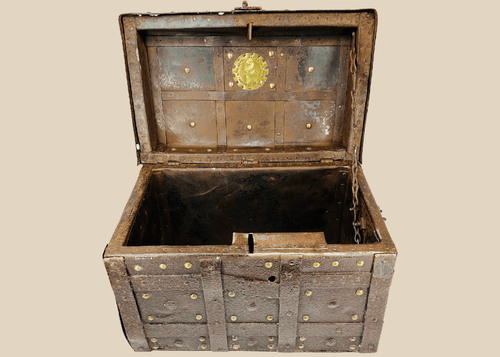
Iron-Bound Strongbox | Spain or Portugal | Dated 1840 (16th–17th Century Style)
- Regular price
- $3,500.00
- Sale price
- $3,500.00
- Regular price
-
Antique Japanese Iron-Bound Kiri Wood Ship Chest (Funa Tansu) with Chrysanthemum Lock | Edo Period, Circa 1780
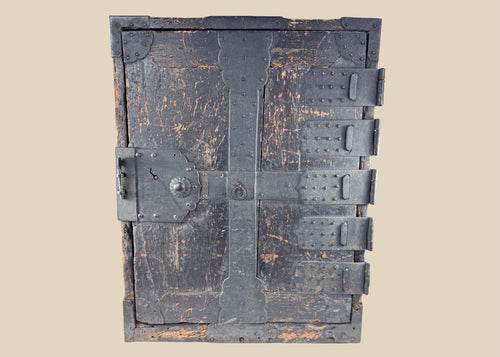
Antique Japanese Iron-Bound Kiri Wood Ship Chest (Funa Tansu) with Chrysanthemum Lock | Edo Period, Circa 1780
- Regular price
- $1,500.00
- Sale price
- $1,500.00
- Regular price
-
Four Song Celadon Ware Bowls | Fujian Province | Circa 12th Century
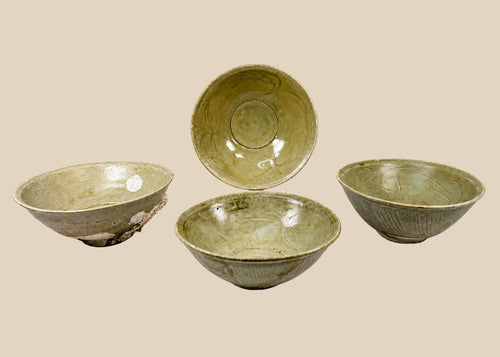
Four Song Celadon Ware Bowls | Fujian Province | Circa 12th Century
- Regular price
- $1,000.00
- Sale price
- $1,000.00
- Regular price
-
Pair of Shipwreck Sawankhalok Jarlets | 1368-1644
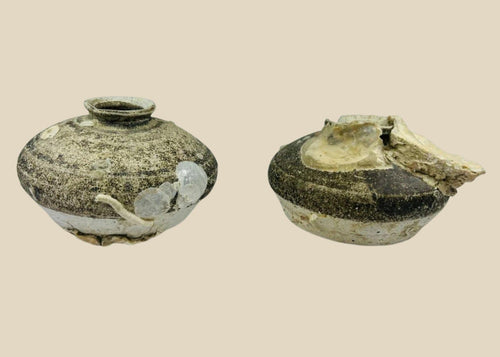
Pair of Shipwreck Sawankhalok Jarlets | 1368-1644
- Regular price
- $600.00
- Sale price
- $600.00
- Regular price
-
Eastern Roman Empire Slipware Pottery Bowl | Sgraffito Ware with Marine Deposits | Circa 1000–1400 CE
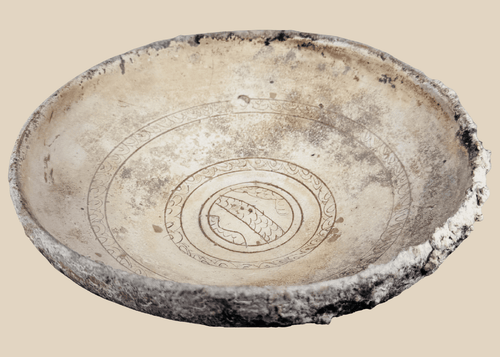
Eastern Roman Empire Slipware Pottery Bowl | Sgraffito Ware with Marine Deposits | Circa 1000–1400 CE
- Regular price
- $500.00
- Sale price
- $500.00
- Regular price
Collector Insights
What is maritime archaeology?
Maritime archaeology studies the physical remains of human activity connected to oceans, rivers, and lakes. This includes shipwrecks, cargo, navigational equipment, personal belongings, submerged settlements, and other maritime relics.
What can shipwreck artifacts reveal about the past?
A shipwreck can preserve a snapshot of a particular journey and historical moment. Its cargo, equipment, and personal objects may reveal evidence of ancient trade routes, seafaring technology, daily life aboard ships, and cultural exchange between distant regions.
Why are ceramics commonly recovered from ancient shipwrecks?
Ceramic bowls, jars, storage vessels, and trade wares often survive underwater because fired clay is relatively durable. Shipwreck pottery can help archaeologists identify a vessel’s approximate date, origin, cargo, and possible trading route.
What are the marine deposits found on shipwreck pottery?
Shipwreck ceramics may develop shell growth, mineral concretions, staining, and salt deposits during prolonged underwater burial. These surfaces may reflect the object’s marine history, although deposits alone do not establish shipwreck provenance and should not be removed without appropriate conservation knowledge.
How are shipwreck artifacts dated and identified?
Researchers consider an artifact’s material, shape, glaze, construction, decoration, maker’s marks, marine condition, and comparison with documented archaeological examples. Recovery records, collection labels, and known shipwreck cargo are especially valuable when establishing an object’s history.
Discover @relicandraritygallery on Instagram

