




Human & Anatomical Relics
-
Authentic 19th Century Mummified Head | Circus Sideshow Artifact

Authentic 19th Century Mummified Head | Circus Sideshow Artifact
- Regular price
- $10,000.00
- Sale price
- $10,000.00
- Regular price
-
Human Skeletal Hand in Glass Dome | Circa Early 20th Century
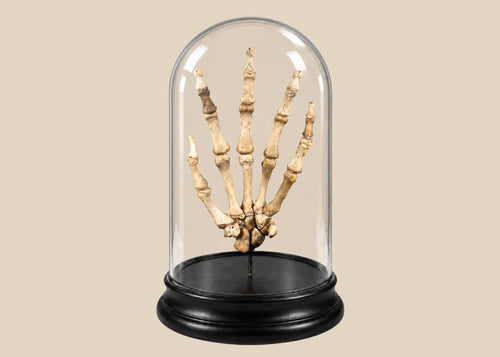
Human Skeletal Hand in Glass Dome | Circa Early 20th Century
- Regular price
- $2,500.00
- Sale price
- $2,500.00
- Regular price
-
Authentic Human Skeletal Foot in Glass Dome | Antique Medical Specimen by Adam Rouilly Co. | Circa Early 20th Century
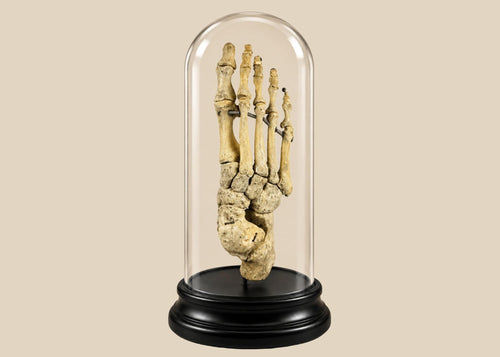
Authentic Human Skeletal Foot in Glass Dome | Antique Medical Specimen by Adam Rouilly Co. | Circa Early 20th Century
- Regular price
- $2,500.00
- Sale price
- $2,500.00
- Regular price
-
Antique Human Foot Bone Specimen | Mounted on Wooden Base | 19th Century
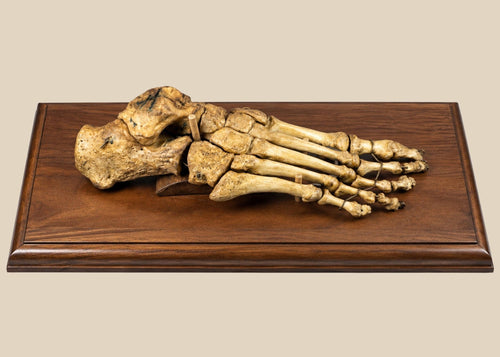
Antique Human Foot Bone Specimen | Mounted on Wooden Base | 19th Century
- Regular price
- $2,000.00
- Sale price
- $2,000.00
- Regular price
-
Antique Anatomical Skull | Genuine Human Specimen on Wood Stand | Circa 19th Century
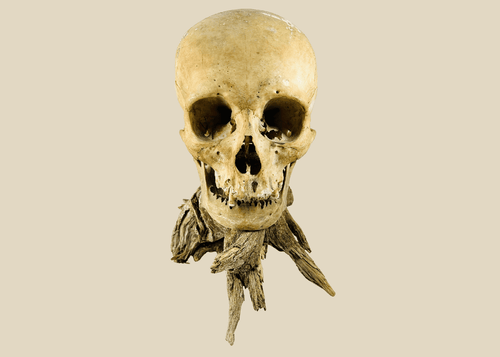
Antique Anatomical Skull | Genuine Human Specimen on Wood Stand | Circa 19th Century
- Regular price
- $2,000.00
- Sale price
- $2,000.00
- Regular price
-
Tibetan Kangling | Carved Human Femur Bone Ritual Trumpet with Dragon Motif | Late 19th – Early 20th Century
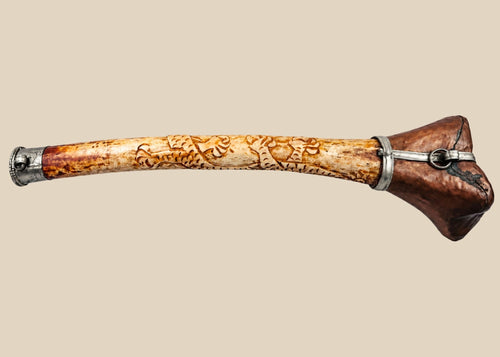
Tibetan Kangling | Carved Human Femur Bone Ritual Trumpet with Dragon Motif | Late 19th – Early 20th Century
- Regular price
- $1,500.00
- Sale price
- $1,500.00
- Regular price
-
Tibetan Kangling Ritual Trumpet | Human Femur with Silver Fittings & Turquoise Inlay | Circa 19th–Early 20th Century

Tibetan Kangling Ritual Trumpet | Human Femur with Silver Fittings & Turquoise Inlay | Circa 19th–Early 20th Century
- Regular price
- $1,500.00
- Sale price
- $1,500.00
- Regular price
-
Two Tibetan Thigh Bone Prayer Wheel Cylinders | Circa 19th Century

Two Tibetan Thigh Bone Prayer Wheel Cylinders | Circa 19th Century
- Regular price
- $1,500.00
- Sale price
- $1,500.00
- Regular price
-
A Pair of Rare Large Tibetan Kapala Citipati Beads | 18th-19th Century

A Pair of Rare Large Tibetan Kapala Citipati Beads | 18th-19th Century
- Regular price
- $1,250.00
- Sale price
- $1,250.00
- Regular price
-
New Guinea Ritual Bone Dagger | Human Humerus with Pigment Decoration | Circa 19th Century
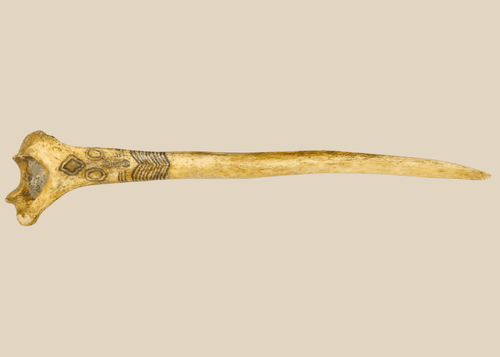
New Guinea Ritual Bone Dagger | Human Humerus with Pigment Decoration | Circa 19th Century
- Regular price
- $1,250.00
- Sale price
- $1,250.00
- Regular price
-
Tsantsa Ecuadorian Shrunken Head | Circa mid-20th Century
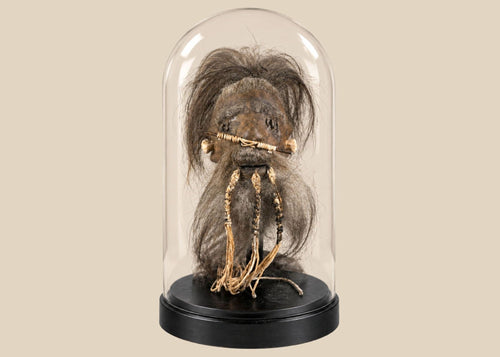
Tsantsa Ecuadorian Shrunken Head | Circa mid-20th Century
- Regular price
- $600.00
- Sale price
- $600.00
- Regular price
-
Antique Small Skull Specimen | Anatomical Osteological Display | Circa Late 19th – Mid 20th Century
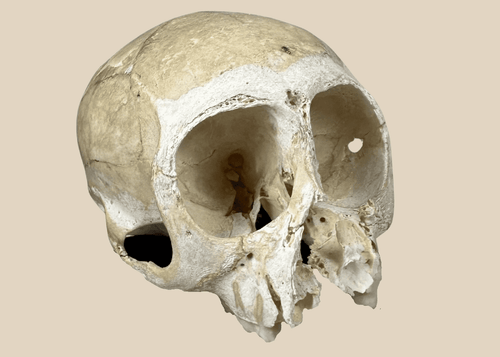
Antique Small Skull Specimen | Anatomical Osteological Display | Circa Late 19th – Mid 20th Century
- Regular price
- $350.00
- Sale price
- $350.00
- Regular price


Collector Insights
What types of human remains and anatomical artifacts are included?
This collection may include antique human skulls, articulated skeletal specimens, mummified remains, medical teaching specimens, ritual bone objects, and anatomical curiosities. Inventory varies as individual artifacts are acquired and sold.
Why were human skeletal specimens used in medical education?
Human skeletons and individual bone specimens were historically prepared to teach anatomy, medicine, and the structure of the human body. Many surviving antique anatomical specimens date from the 19th and early 20th centuries.
What are Tibetan kapala and kangling ritual artifacts?
A kapala is a Tibetan ritual skull cup, while a kangling is a ceremonial trumpet traditionally associated with a human thigh bone. These objects were used within specific Tibetan Buddhist and Tantric ritual traditions.
Are all objects in this collection made from genuine human remains?
No. The collection may include genuine human remains, antique medical specimens, culturally significant bone artifacts, and carefully identified replicas. Each item is clearly described according to its known materials and construction, with relevant pieces reviewed through our authentication process.
How are human remains and anatomical specimens authenticated?
Assessment may consider anatomical characteristics, material, construction, age, preparation techniques, cultural context, provenance, and comparison with documented examples. Where appropriate, objects may also be reviewed through our Independent Specialist Network for additional subject-matter expertise. Available ownership history and supporting records are included when present.
How should human remains and anatomical artifacts be treated?
Human remains should be handled, displayed, and preserved with dignity, respect, and sensitivity to their cultural and historical context. Modern museum standards increasingly emphasize responsible stewardship and consideration for descendant communities.
Can human remains and anatomical artifacts be shipped internationally?
Shipping eligibility depends on the artifact, destination country, carrier requirements, and applicable import or export restrictions. Buyers should confirm local requirements before purchasing, as some specimens may require additional review or documentation.
Discover Relic & Rarity
on Instagram

