Comment prendre soin des différents types d’artefacts
Les objets en céramique sont généralement stables, mais ils restent vulnérables aux chocs, aux réparations instables, aux sels solubles et aux dommages causés par une mauvaise manipulation.
Recommandations d'entretien
- Soutenez les récipients par la base plutôt que par le rebord ou les anses.
- Ne soulevez pas les amphores, les cruches ou les tasses par les anses.
- Utilisez des supports rembourrés pour les bases arrondies ou inégales.
- Gardez les céramiques archéologiques à l'abri de l'humidité.
- Ne faites pas tremper la poterie ou la terre cuite.
- Évitez de remplir les récipients anciens avec de l'eau, des fleurs, de la terre ou de la nourriture.
- Surveillez les surfaces poudreuses, les cristaux de sel, l'écaillement de l'engobe ou l'ouverture des fissures.
- Ne retirez pas les dépôts funéraires sans l'avis d'un spécialiste.
Les objets en céramique et en verre nécessitent des soins préventifs basés sur leur état, leurs matériaux et les risques environnementaux.
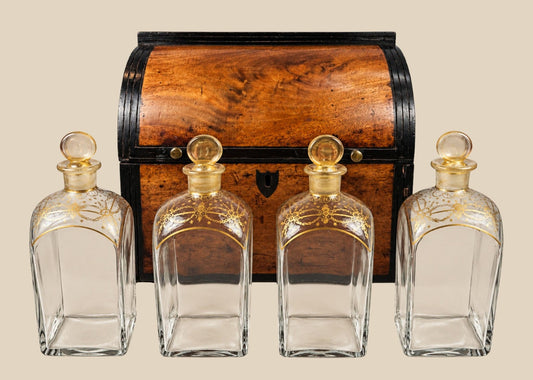
Le verre peut paraître stable tout en restant très vulnérable aux chocs, aux réparations antérieures et à la détérioration environnementale.
Recommandations d'entretien
- Manipulez avec des mains propres ou des gants en nitrile bien ajustés.
- Soutenez l'objet entier par le dessous.
- Ne soulevez jamais le verre par le col, le rebord ou l'anse.
- Utilisez un support rembourré pour les récipients à base irrégulière.
- Gardez le verre loin des bords des étagères.
- Ne lavez pas le verre archéologique ou irisé.
- Évitez les changements brusques de température.
- N'essayez pas de recoller les fragments détachés.
- Surveillez les pleurs, le trouble, les fines fissures ou les surfaces écaillées.
L'irisation sur le verre ancien peut être un produit de l'altération de surface. Elle ne doit pas être frottée ou polie.
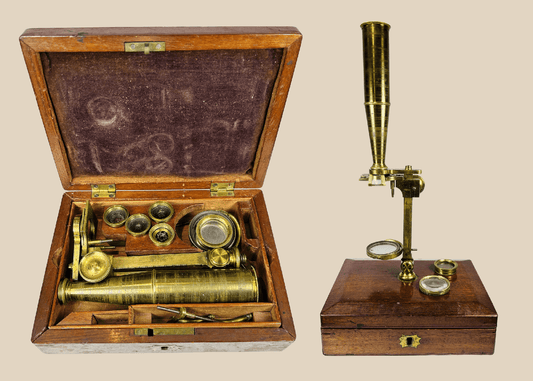
Les surfaces métalliques présentent souvent une oxydation et une patine stables qui doivent être préservées.
Recommandations d'entretien
- Manipulez avec des gants en nitrile propres lorsque cela est possible.
- Gardez les métaux au sec et à l'abri de l'humidité.
- Ne polissez pas le bronze archéologique.
- Évitez les nettoyants métalliques commerciaux.
- Surveillez l'apparition d'une nouvelle corrosion verte poudreuse.
- Gardez les objets métalliques à l'écart du bois acide, du carton et des mousses instables.
- N'appliquez pas d'huile, de cire ou de laque sauf avis d'un conservateur.
- Soutenez les éléments saillants et les fines sections moulées.
Une poudre vert clair et brillante qui semble se développer ou revenir après enlèvement peut indiquer une corrosion active et doit être évaluée par un professionnel.
Le fer est particulièrement sensible à l'humidité et aux sels. La corrosion peut rester active sous la surface.
Recommandations d'entretien
- Maintenez un environnement stable et sec.
- Manipulez avec des gants propres pour réduire les empreintes digitales et les sels.
- Ne grattez pas et ne brossez pas la corrosion avec une brosse métallique.
- Évitez les huiles d'armes à feu ménagères sur les surfaces archéologiques ou décorées.
- Soutenez les épées horizontalement en plusieurs points.
- N'accrochez pas les armes lourdes à des poignées, gardes ou fourreaux fragiles.
- Gardez les lames et les armures à l'abri de la condensation et des murs extérieurs.
- Inspectez régulièrement les joints, les rivets, les sangles en cuir et les composants en bois.
- Utilisez des supports sur mesure pour les casques, les boucliers et les armures.
Avant d'exposer des armes à feu, confirmez toutes les exigences légales, de permis et de stockage applicables. Les conseils de conservation ne remplacent pas les obligations légales.
La pierre peut être lourde et durable, mais la pierre altérée, excavée ou précédemment réparée peut être fragile.
Recommandations d'entretien
- Soutenez le poids total de l'objet.
- Utilisez un piédestal adapté à la charge.
- Évitez de soulever par les saillies sculptées.
- Gardez la pierre poreuse à l'écart des liquides et des matériaux tachants.
- N'utilisez pas de nettoyants ménagers pour pierre.
- Ne lavez pas sous pression et ne frottez pas agressivement.
- Inspectez la présence de poudre, de dépôts de sel et de réparations ouvertes.
- Sécurisez les pièces hautes ou lourdes contre le basculement.
- Utilisez une installation professionnelle pour les fragments muraux lourds.
Le bois réagit aux changements d'humidité et peut contenir de la peinture fragile, du gesso, des placages ou d'anciennes réparations.
Recommandations d'entretien
- Maintenez des conditions environnementales stables.
- Gardez le bois à l'abri de la chaleur directe et de la lumière du soleil.
- N'appliquez pas d'huiles, de sprays ou de cire à meubles.
- Évitez les chiffons humides sur les surfaces peintes ou non finies.
- Soutenez les saillies sculptées lors du déplacement.
- Surveillez l'apparition de nouvelles fissures, de décollements de peinture, de poudre ou de trous d'insectes.
- Utilisez des barrières entre le bois et les supports d'affichage en métal.
- Ne placez pas d'objets en bois directement sur de la maçonnerie humide.
L'Institut canadien de conservation souligne que le bois n'a pas besoin d'être « nourri » avec des huiles et que des conditions environnementales stables sont plus importantes que les traitements ménagers.
Les peintures peuvent contenir de la toile, du bois, du tissu, du gesso, des pigments, du vernis et d'anciennes restaurations.
Recommandations d'entretien
- Manipulez une peinture à la fois.
- Transportez les œuvres encadrées avec les deux mains par les côtés et le dessous.
- Ne soulevez jamais un cadre par son bord supérieur décoratif.
- Gardez les peintures à l'abri de la lumière directe du soleil et des cheminées.
- Ne nettoyez pas les surfaces peintes avec de l'eau ou des produits ménagers.
- Évitez de toucher la surface peinte.
- Inspectez la présence de décollement de peinture, de fissures, de déformations, de moisissures ou de composants de cadre desserrés.
- Utilisez des fixations murales sécurisées adaptées au poids de l'objet.
- Demandez de l'aide lors du déplacement de grandes œuvres.
Les conseils de conservation du Smithsonian recommandent une manipulation prudente et plusieurs personnes pour les grands panneaux ou toiles.
Le papier est vulnérable à la lumière, à l'humidité, à l'acidité, aux parasites et à un encadrement inapproprié.
Recommandations d'entretien
- Manipulez avec des mains propres et sèches.
- Éloignez la nourriture et les boissons.
- Rangez à plat chaque fois que cela est possible.
- Utilisez des dossiers, des boîtes et des matériaux de support sans acide.
- Évitez les rubans adhésifs sensibles à la pression et les adhésifs ménagers.
- Ne plastifiez pas les documents historiques.
- Encadrez avec des matériaux de qualité conservation.
- Empêchez le papier de toucher le vitrage.
- Limitez l'exposition à la lumière.
- Ne pliez jamais un document le long d'un ancien pli.
- Évitez de rouler le papier cassant.
L'Institut canadien de conservation recommande un stockage frais et stable et de maintenir les collections de papier générales en dessous de 50 % d'humidité relative lorsque cela est possible, tout en soulignant que les besoins environnementaux dépendent de la collection et du cadre.
Les daguerréotypes, ambrotypes, ferrotypes et les premières photographies peuvent être extrêmement sensibles à la manipulation et aux conditions environnementales.
Recommandations d'entretien
- Ne touchez pas la surface de l'image.
- Gardez les boîtiers d'origine et le vitrage de protection intacts.
- Évitez d'ouvrir les emballages photographiques scellés.
- Rangez à l'abri de la lumière forte et de l'humidité.
- N'utilisez pas de nettoyant ménager pour vitres près de l'image.
- Soutenez les boîtiers par le dessous.
- Rangez les photographies endommagées dans des boîtiers d'archivage.
- Contactez un spécialiste si l'image semble lâche, ternie ou instable.
Les matériaux organiques sont souvent très sensibles à la lumière, à l'humidité, aux parasites et au stress physique.
Recommandations d'entretien
- Limitez l'exposition à la lumière.
- Évitez de suspendre des textiles lourds à un petit nombre de points.
- Utilisez des supports rembourrés.
- Ne pliez pas les textiles ou le cuir cassants.
- Gardez à l'abri des zones humides.
- Vérifiez périodiquement la présence d'insectes, de toiles, de larves ou de poudre fraîche.
- Évitez les produits d'entretien, les huiles et les revitalisants pour cuir, sauf recommandation professionnelle.
- N'étirez pas fortement les vieux textiles dans des cadres.
- Utilisez des housses anti-poussière ou des vitrines si nécessaire.
L'Institut canadien de conservation recommande de protéger les textiles de la poussière et de la lumière à l'aide d'enceintes et de couvertures appropriées.
Ces matériaux peuvent se fendre, se décoller, se tacher ou réagir aux changements environnementaux.
Recommandations d'entretien
- Manipulez avec des gants propres ou des mains fraîchement lavées.
- Évitez une exposition prolongée à la lumière forte.
- Maintenez des conditions environnementales stables.
- Ne faites pas tremper et ne blanchissez pas.
- N'appliquez pas d'huiles.
- Soutenez les zones fines, sculptées ou saillantes.
- Évitez de placer ces matériaux contre du bois instable ou des tissus colorés.
- Surveillez les fissures, les couches qui se soulèvent, la poudre ou les dommages causés par les insectes.
Les matériaux dérivés de la faune peuvent également être soumis à la CITES et à d'autres réglementations d'importation, d'exportation ou de propriété. Les conseils d'entretien ne déterminent pas le statut juridique.
Les objets d'histoire naturelle peuvent inclure des pierres, des os, des coquillages, des cristaux minéraux, des adhésifs et d'anciens matériaux de restauration.
Recommandations d'entretien
- Soutenez les spécimens lourds par le dessous.
- Utilisez des plateaux rembourrés ou des supports stables.
- Conservez les étiquettes et les registres de provenance avec chaque spécimen.
- Ne lavez pas les spécimens sans connaître leur composition minérale.
- Évitez les produits d'étanchéité ménagers.
- Stockez les pièces fragiles séparément pour éviter les dommages de contact.
- Gardez les spécimens contenant de la pyrite dans des conditions stables et sèches.
- Surveillez la présence de poudre, de fissures, d'odeurs ou de produits de corrosion en expansion.
- Évitez de manipuler les fossiles par les dents saillantes, les cornes ou les zones de matrice fines.
L'Institut canadien de conservation recommande des supports individuels rembourrés et des séparateurs inertes pour les spécimens d'histoire naturelle fragiles.