

Pourquoi collectionner avec Relic & Rarity ?
Chaque objet de collection est soigneusement recherché, authentifié et sélectionné avant d'être proposé à la vente. Chaque achat est couvert par notre Garantie d'Authenticité et, lorsque disponible, comprend une provenance documentée, un emballage professionnel sécurisé, une livraison gratuite dans le monde entier et un support dédié aux collectionneurs.

Culturel et ethnographique
-
Armure de samouraï authentique de l'époque Muromachi | Ensemble d'armure de guerrier japonais avec crête dorée et laçage de l'époque Edo | Vers 1333 – 1573
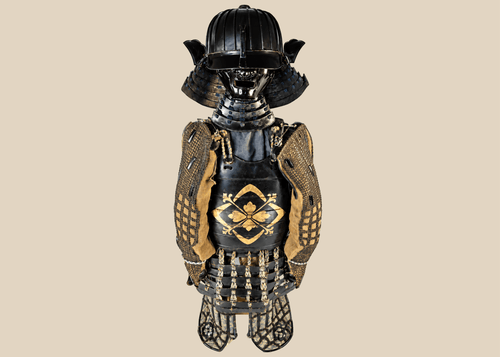
Armure de samouraï authentique de l'époque Muromachi | Ensemble d'armure de guerrier japonais avec crête dorée et laçage de l'époque Edo | Vers 1333 – 1573
- Prix habituel
- $17,500.00
- Prix soldé
- $17,500.00
- Prix habituel
-
Armure de samouraï japonais Do-Maru avec armoiries du clan Takeda | XIVe-XVIe siècle
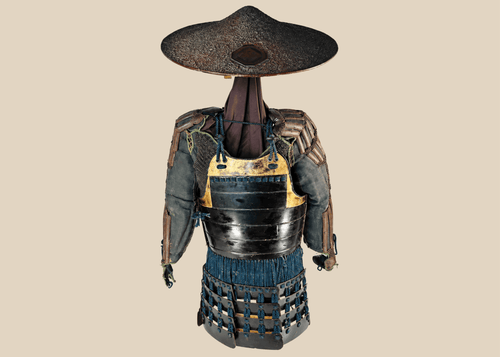
Armure de samouraï japonais Do-Maru avec armoiries du clan Takeda | XIVe-XVIe siècle
- Prix habituel
- $10,000.00
- Prix soldé
- $10,000.00
- Prix habituel
-
Figure ancestrale de gardien d'Asie du Sud-Est en bois sculpté | Fin XIXe – début XXe siècle
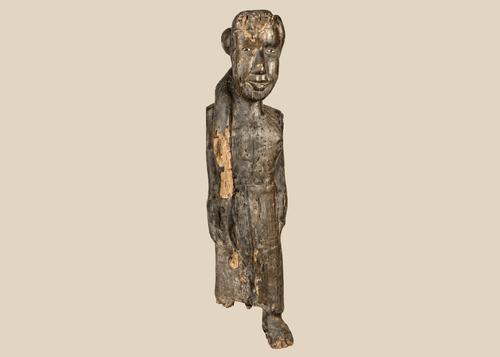
Figure ancestrale de gardien d'Asie du Sud-Est en bois sculpté | Fin XIXe – début XXe siècle
- Prix habituel
- $5,000.00
- Prix soldé
- $5,000.00
- Prix habituel
-
Sculpture en pierre de Majapahit représentant Brahma à trois visages | XIVe-XVe siècle | Artefact hindou indonésien à vendre
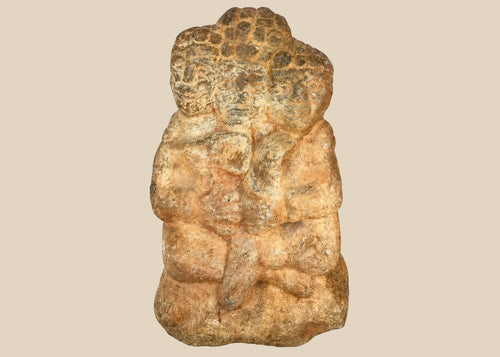
Sculpture en pierre de Majapahit représentant Brahma à trois visages | XIVe-XVe siècle | Artefact hindou indonésien à vendre
- Prix habituel
- $5,000.00
- Prix soldé
- $5,000.00
- Prix habituel
-
Ornement rituel japonais en bronze doré et incrusté d'argent | Vers 1400-1650
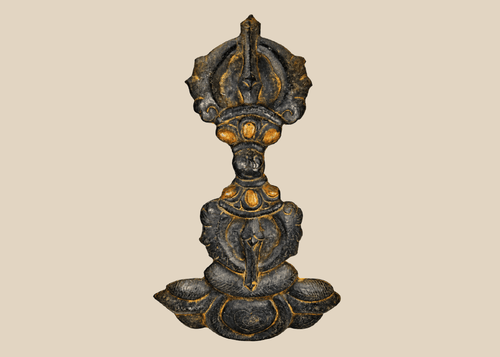
Ornement rituel japonais en bronze doré et incrusté d'argent | Vers 1400-1650
- Prix habituel
- $3,500.00
- Prix soldé
- $3,500.00
- Prix habituel
-
Épée courte en fer du Luristan | Arme du Proche-Orient ancien | 750–650 av. J.-C.
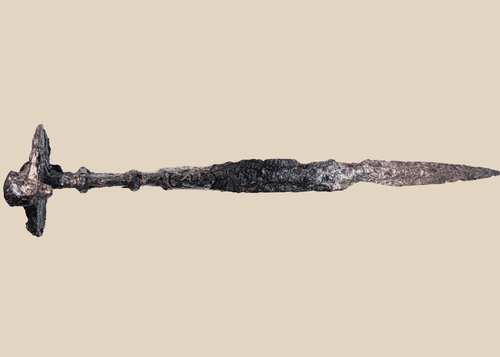
Épée courte en fer du Luristan | Arme du Proche-Orient ancien | 750–650 av. J.-C.
- Prix habituel
- $3,000.00
- Prix soldé
- $3,000.00
- Prix habituel
-
Antique Japanese Eizui Signed Mixed-Metal Tsuba Depicting Liu Bei Crossing the Tan Stream | Edo Period, Circa 1840

Antique Japanese Eizui Signed Mixed-Metal Tsuba Depicting Liu Bei Crossing the Tan Stream | Edo Period, Circa 1840
- Prix habituel
- $2,750.00
- Prix soldé
- $2,750.00
- Prix habituel
-
Brassard de guerrier perse Qajar | Manchette d'armure en acier Koftgari doré | XIXe siècle
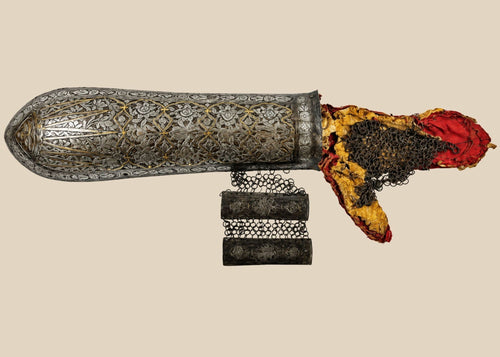
Brassard de guerrier perse Qajar | Manchette d'armure en acier Koftgari doré | XIXe siècle
- Prix habituel
- $2,000.00
- Prix soldé
- $2,000.00
- Prix habituel
-
Bouddha en Bhumisparsha Mudra | Figurine thaïlandaise en bois doré avec incrustations de pierres précieuses | Vers le XIXe-début du XXe siècle
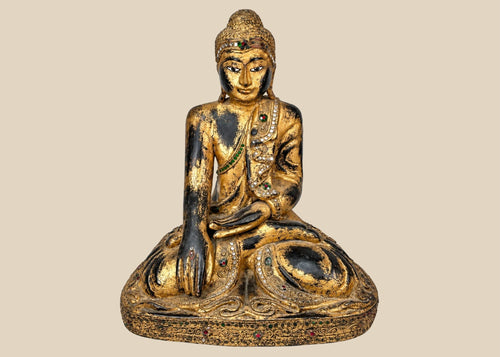
Bouddha en Bhumisparsha Mudra | Figurine thaïlandaise en bois doré avec incrustations de pierres précieuses | Vers le XIXe-début du XXe siècle
- Prix habituel
- $2,000.00
- Prix soldé
- $2,000.00
- Prix habituel
-
Bouclier de Cour d'Afrique de l'Est avec montures estampées et dorées | Circa 1870 – 1900
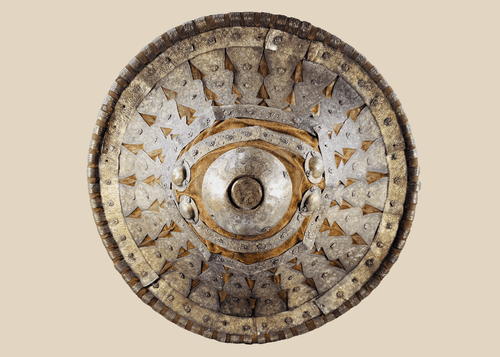
Bouclier de Cour d'Afrique de l'Est avec montures estampées et dorées | Circa 1870 – 1900
- Prix habituel
- $1,750.00
- Prix soldé
- $1,750.00
- Prix habituel
-
Vessel effigie de porc de l'ancienne culture de Yortan | Anatolie | Début de l l'âge du Bronze | Provenance détaillée | Circa 1700 av. J.-C.
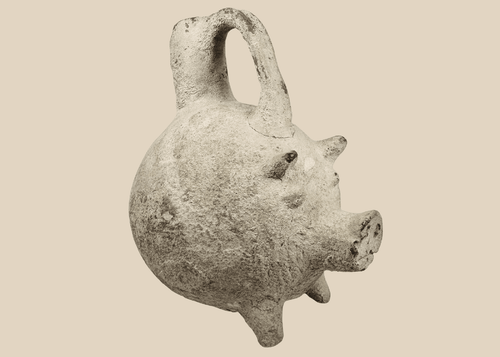
Vessel effigie de porc de l'ancienne culture de Yortan | Anatolie | Début de l l'âge du Bronze | Provenance détaillée | Circa 1700 av. J.-C.
- Prix habituel
- $1,750.00
- Prix soldé
- $1,750.00
- Prix habituel
-
Bol à onguent en argent seldjoukide | Motifs floraux et géométriques gravés | Perse | XIIe-XIIIe siècle

Bol à onguent en argent seldjoukide | Motifs floraux et géométriques gravés | Perse | XIIe-XIIIe siècle
- Prix habituel
- $1,650.00
- Prix soldé
- $1,650.00
- Prix habituel
-
Antique Japanese Iron-Bound Kiri Wood Ship Chest (Funa Tansu) with Chrysanthemum Lock | Edo Period, Circa 1780
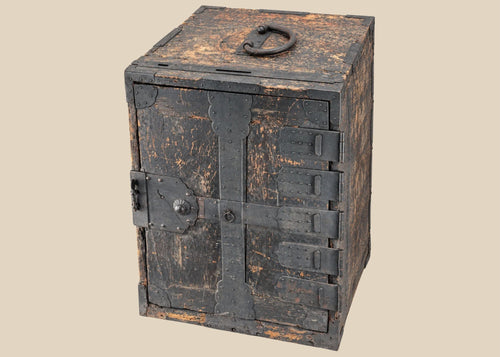
Antique Japanese Iron-Bound Kiri Wood Ship Chest (Funa Tansu) with Chrysanthemum Lock | Edo Period, Circa 1780
- Prix habituel
- $1,500.00
- Prix soldé
- $1,500.00
- Prix habituel
-
Épée de chasseur de têtes de Bornéo avec poignée en bois de fer sculpté et fourreau orné de plumes | Circa 1900 – 1930
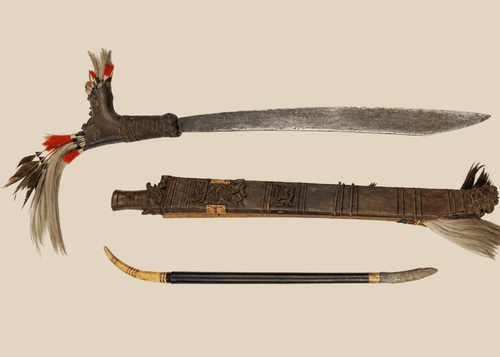
Épée de chasseur de têtes de Bornéo avec poignée en bois de fer sculpté et fourreau orné de plumes | Circa 1900 – 1930
- Prix habituel
- $1,500.00
- Prix soldé
- $1,500.00
- Prix habituel
-
Paire d'étriers de samouraï japonais laqués | avec croix inscrite | Edo-Meiji | Vers 1800-1880
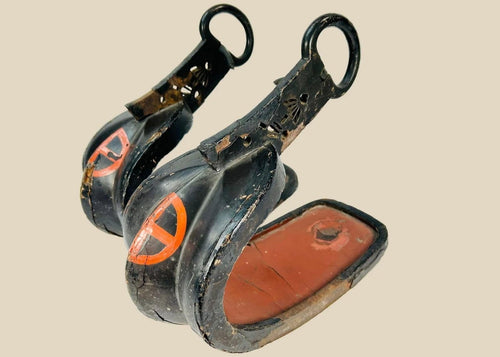
Paire d'étriers de samouraï japonais laqués | avec croix inscrite | Edo-Meiji | Vers 1800-1880
- Prix habituel
- $1,500.00
- Prix soldé
- $1,500.00
- Prix habituel
-
Caspienne antique | Lame de bronze | Vers le IIe et le Ier millénaire avant notre ère
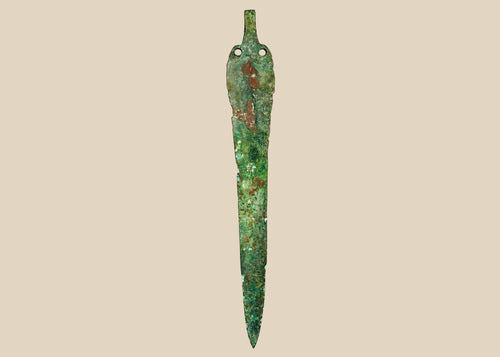
Caspienne antique | Lame de bronze | Vers le IIe et le Ier millénaire avant notre ère
- Prix habituel
- $1,500.00
- Prix soldé
- $1,500.00
- Prix habituel
-
Fragment de bas-relief en calcaire classique | Deux figures humaines sculptées | Méditerranéen ou Proche-Orient | Circa 500 av. J.-C.–500 apr. J.-C.
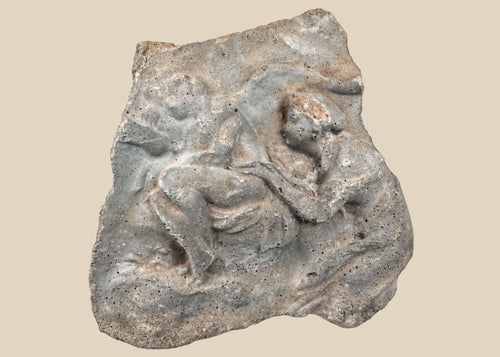
Fragment de bas-relief en calcaire classique | Deux figures humaines sculptées | Méditerranéen ou Proche-Orient | Circa 500 av. J.-C.–500 apr. J.-C.
- Prix habituel
- $1,500.00
- Prix soldé
- $1,500.00
- Prix habituel
-
Fragment de dévotion de l'Empire khmer | Padmapani (Avalokiteshvara) en pierre sculptée | Vers le XIIe siècle
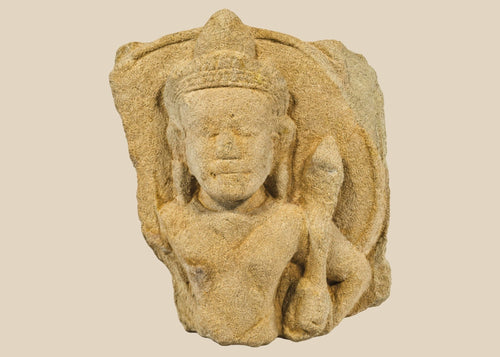
Fragment de dévotion de l'Empire khmer | Padmapani (Avalokiteshvara) en pierre sculptée | Vers le XIIe siècle
- Prix habituel
- $1,500.00
- Prix soldé
- $1,500.00
- Prix habituel
-
Antique Japanese Iron Tsuba Depicting an Elderly Sage and Spider | Circa 19th Century
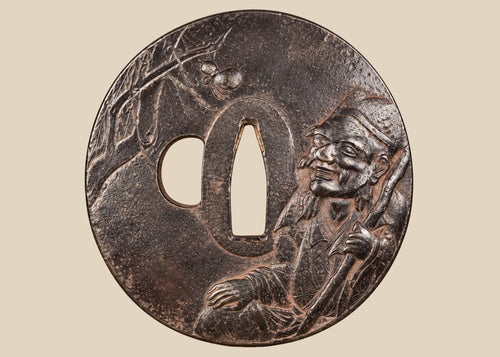
Antique Japanese Iron Tsuba Depicting an Elderly Sage and Spider | Circa 19th Century
- Prix habituel
- $1,450.00
- Prix soldé
- $1,450.00
- Prix habituel
-
Antique Japanese Kayaku-Ire Gunpowder Flask with Floral Metalwork | Meiji Period, Circa 1868 – 1912
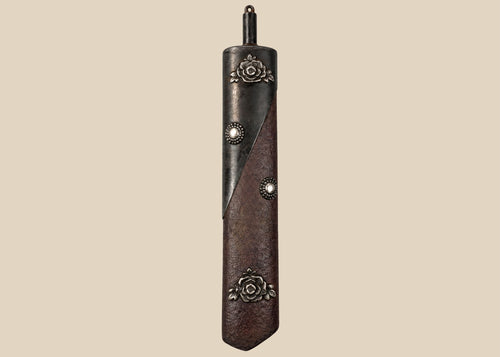
Antique Japanese Kayaku-Ire Gunpowder Flask with Floral Metalwork | Meiji Period, Circa 1868 – 1912
- Prix habituel
- $1,350.00
- Prix soldé
- $1,350.00
- Prix habituel
-
Collection d'étude archéologique de l'ancienne Rome et du Proche-Orient | Objets en verre, en poterie et en pierre | Encadré | Vers 1000 avant notre ère – 400 de notre ère
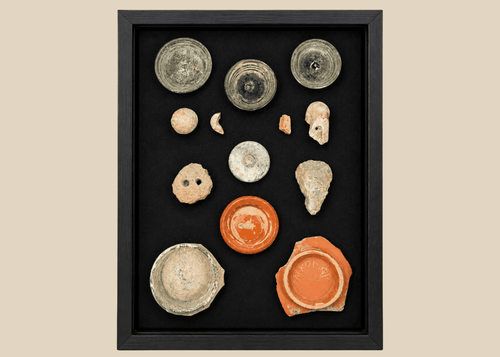
Collection d'étude archéologique de l'ancienne Rome et du Proche-Orient | Objets en verre, en poterie et en pierre | Encadré | Vers 1000 avant notre ère – 400 de notre ère
- Prix habituel
- $1,250.00
- Prix soldé
- $1,250.00
- Prix habituel
-
Figurine-idole en calcaire du Proche-Orient ancien | Forme anthropomorphe stylisée | Vers les IIIe-IIe millénaires av. J.-C.
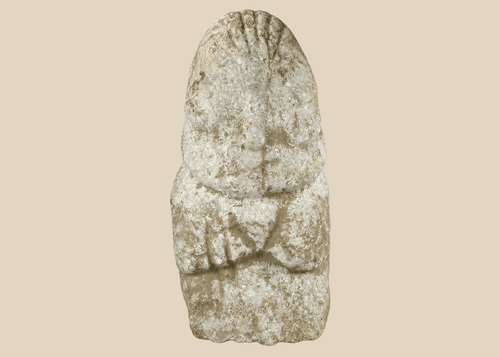
Figurine-idole en calcaire du Proche-Orient ancien | Forme anthropomorphe stylisée | Vers les IIIe-IIe millénaires av. J.-C.
- Prix habituel
- $1,250.00
- Prix soldé
- $1,250.00
- Prix habituel
-
Northern Thai Lan Na Bronze Seated Buddha in Earth-Touching Mudra | Circa 15th – 16th Century
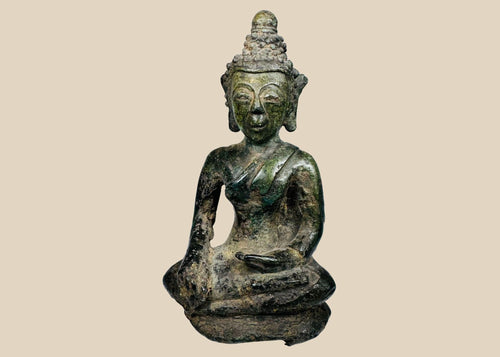
Northern Thai Lan Na Bronze Seated Buddha in Earth-Touching Mudra | Circa 15th – 16th Century
- Prix habituel
- $1,250.00
- Prix soldé
- $1,250.00
- Prix habituel
-
Casque de samouraï laqué japonais avec emblème de clan doré | Vers XVIIIe-XIXe siècle
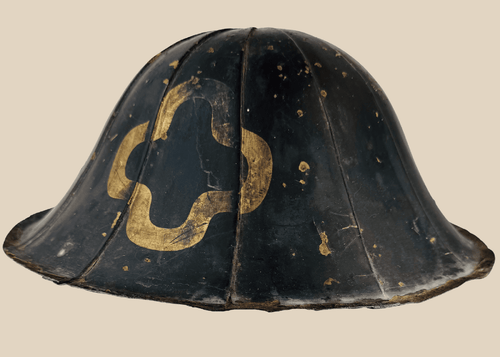
Casque de samouraï laqué japonais avec emblème de clan doré | Vers XVIIIe-XIXe siècle
- Prix habituel
- $1,250.00
- Prix soldé
- $1,250.00
- Prix habituel
-
Méditerranée antique | Pointe de lance en bronze | Chypriote ancien III | Vers 2500-1900 av. J.-C.
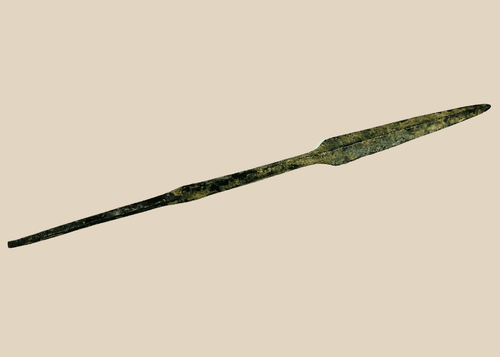
Méditerranée antique | Pointe de lance en bronze | Chypriote ancien III | Vers 2500-1900 av. J.-C.
- Prix habituel
- $1,250.00
- Prix soldé
- $1,250.00
- Prix habituel
-
Bas-relief de phénix dynastie Qing | Bois de camphre sculpté à la main avec dorure et pigments polychromes | Vers le XIXe siècle
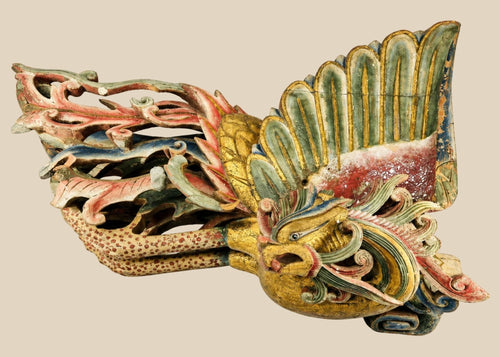
Bas-relief de phénix dynastie Qing | Bois de camphre sculpté à la main avec dorure et pigments polychromes | Vers le XIXe siècle
- Prix habituel
- $1,250.00
- Prix soldé
- $1,250.00
- Prix habituel
-
Papouasie-Nouvelle-Guinée | Dague cérémonielle en os | Artefact tribal orné de coquillage cauri et de cheveux | XIXe siècle
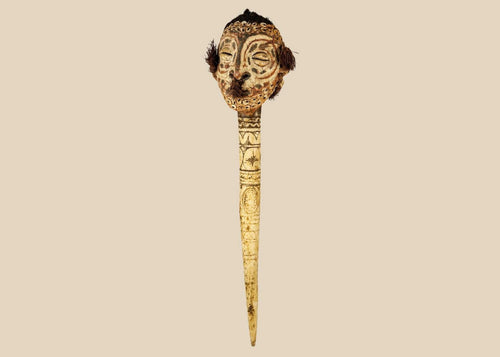
Papouasie-Nouvelle-Guinée | Dague cérémonielle en os | Artefact tribal orné de coquillage cauri et de cheveux | XIXe siècle
- Prix habituel
- $1,250.00
- Prix soldé
- $1,250.00
- Prix habituel
-
Petit dhal indo-persan | Bouclier | XIXe siècle
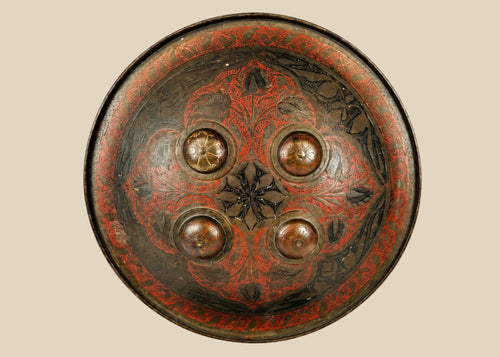
Petit dhal indo-persan | Bouclier | XIXe siècle
- Prix habituel
- $1,250.00
- Prix soldé
- $1,250.00
- Prix habituel
-
Ancient Eastern Indian Buddhist Votive Stupas | Group of 3 | Circa 8th – 12th Century CE
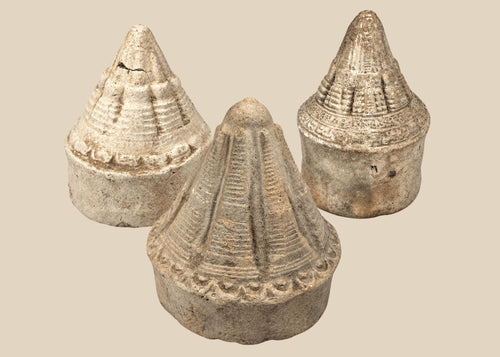
Ancient Eastern Indian Buddhist Votive Stupas | Group of 3 | Circa 8th – 12th Century CE
- Prix habituel
- $1,200.00
- Prix soldé
- $1,200.00
- Prix habituel
-
Cimier de danse Janus Igbo nigérian | Coiffe de masque cérémoniel | Milieu du XXe siècle
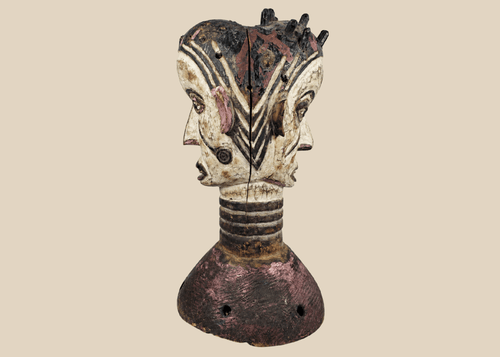
Cimier de danse Janus Igbo nigérian | Coiffe de masque cérémoniel | Milieu du XXe siècle
- Prix habituel
- $1,200.00
- Prix soldé
- $1,200.00
- Prix habituel
-
Coiffe d'ancêtre Egungun yoruba avec armature de masque tissée | Nigéria | Vers le milieu du XXe siècle
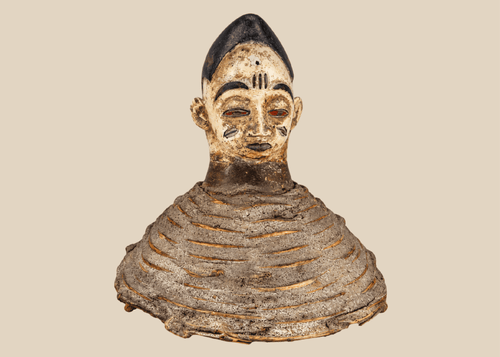
Coiffe d'ancêtre Egungun yoruba avec armature de masque tissée | Nigéria | Vers le milieu du XXe siècle
- Prix habituel
- $1,200.00
- Prix soldé
- $1,200.00
- Prix habituel
-
Collection of 10 Ancient & Medieval Coins | Roman Empire, Elymais & Naples | Circa 1st Century BCE–15th Century CE
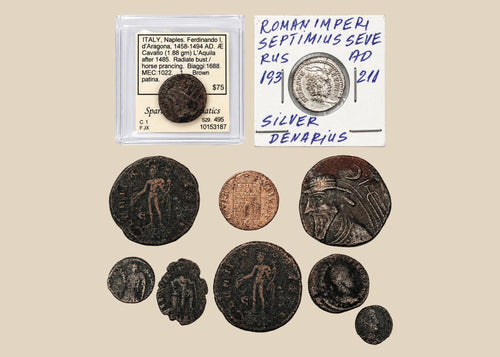
Collection of 10 Ancient & Medieval Coins | Roman Empire, Elymais & Naples | Circa 1st Century BCE–15th Century CE
- Prix habituel
- $1,000.00
- Prix soldé
- $1,000.00
- Prix habituel
-
Ceinture tibétaine ancienne avec applications brodées et poignard de combat | Région himalayenne | Circa 1870–1900
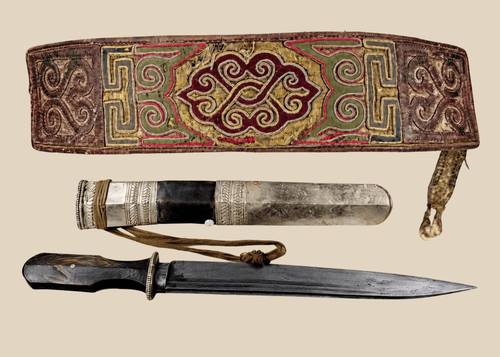
Ceinture tibétaine ancienne avec applications brodées et poignard de combat | Région himalayenne | Circa 1870–1900
- Prix habituel
- $1,000.00
- Prix soldé
- $1,000.00
- Prix habituel
-
Fragment de tête mésopotamienne en terre cuite | Période d'Isin-Larsa à l'Ancien Babylonien | Vers 2000 – 1500 av. J.-C.
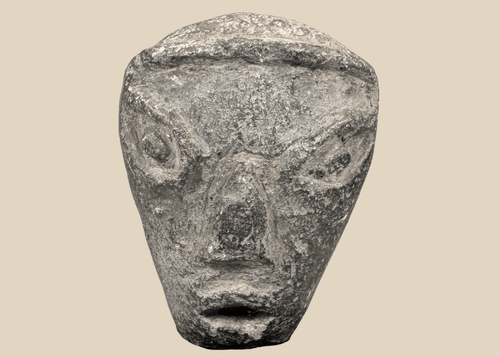
Fragment de tête mésopotamienne en terre cuite | Période d'Isin-Larsa à l'Ancien Babylonien | Vers 2000 – 1500 av. J.-C.
- Prix habituel
- $1,000.00
- Prix soldé
- $1,000.00
- Prix habituel
-
Lampe à huile en terre cuite sur piédestal et support d'offrande rituelle de la Méditerranée orientale ancienne | Vers 1200 – 600 avant notre ère
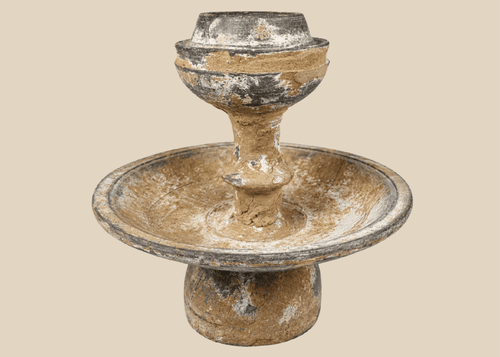
Lampe à huile en terre cuite sur piédestal et support d'offrande rituelle de la Méditerranée orientale ancienne | Vers 1200 – 600 avant notre ère
- Prix habituel
- $1,000.00
- Prix soldé
- $1,000.00
- Prix habituel
-
Africain | Sculpture de fragment de tête en pierre sculptée sur présentoir métallique sur mesure | Circa XIXe-XXe siècle
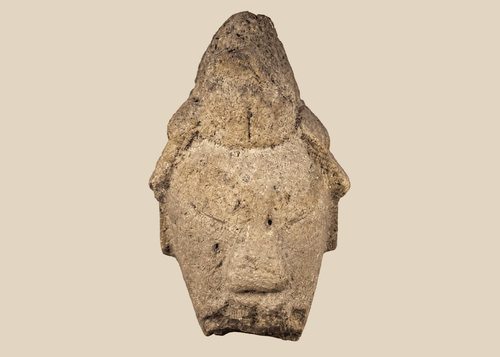
Africain | Sculpture de fragment de tête en pierre sculptée sur présentoir métallique sur mesure | Circa XIXe-XXe siècle
- Prix habituel
- $1,000.00
- Prix soldé
- $1,000.00
- Prix habituel
-
Afrique de l'Ouest | Vase rituel en terre cuite à tête de crocodile | Vers le XIIe-XVIIIe siècle
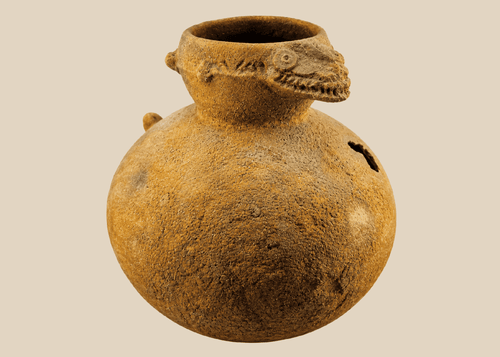
Afrique de l'Ouest | Vase rituel en terre cuite à tête de crocodile | Vers le XIIe-XVIIIe siècle
- Prix habituel
- $1,000.00
- Prix soldé
- $1,000.00
- Prix habituel
-
Islamique | Grande Perse | Grenade à main en céramique | Xe-XIIe siècle apr. J.-C.
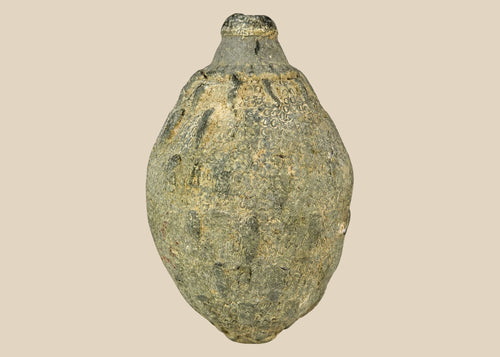
Islamique | Grande Perse | Grenade à main en céramique | Xe-XIIe siècle apr. J.-C.
- Prix habituel
- $1,000.00
- Prix soldé
- $1,000.00
- Prix habituel
-
Clochettes de pendentif en bronze du Luristan | Circa Xe-VIIe siècle av. J.-C.
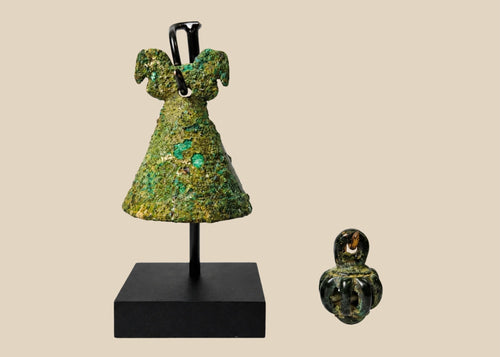
Clochettes de pendentif en bronze du Luristan | Circa Xe-VIIe siècle av. J.-C.
- Prix habituel
- $1,000.00
- Prix soldé
- $1,000.00
- Prix habituel
-
Couteau indonésien à manche en os sculpté | XIXe siècle

Couteau indonésien à manche en os sculpté | XIXe siècle
- Prix habituel
- $1,000.00
- Prix soldé
- $1,000.00
- Prix habituel
-
Ancienne sculpture religieuse indienne | Fragment de tête | Circa IIIe-Ve siècle de notre ère
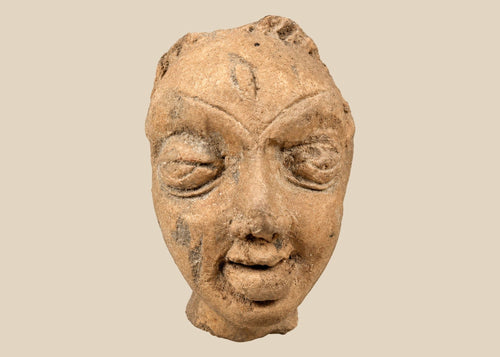
Ancienne sculpture religieuse indienne | Fragment de tête | Circa IIIe-Ve siècle de notre ère
- Prix habituel
- $1,000.00
- Prix soldé
- $1,000.00
- Prix habituel
-
Ancienne malle-forte himalayenne de marchand en fer forgé et sa clé | Circa 1780 - 1820
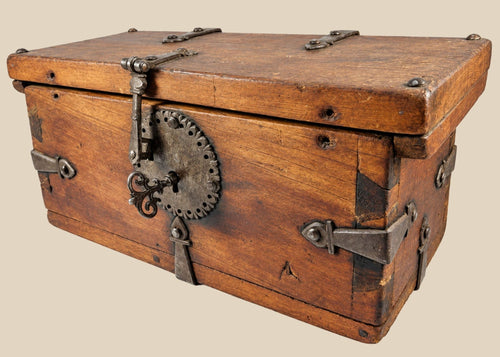
Ancienne malle-forte himalayenne de marchand en fer forgé et sa clé | Circa 1780 - 1820
- Prix habituel
- $1,000.00
- Prix soldé
- $1,000.00
- Prix habituel
-
Carreau d'angle en céramique polychrome, époque Rattanakosin, Thaïlande | Vers le XVIIIe siècle
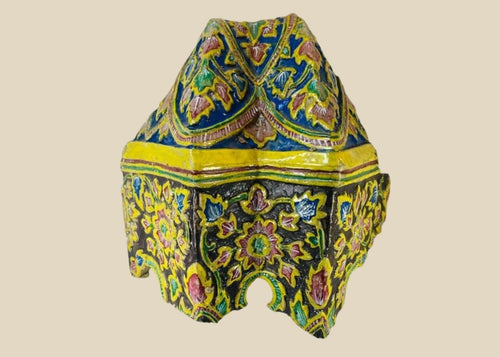
Carreau d'angle en céramique polychrome, époque Rattanakosin, Thaïlande | Vers le XVIIIe siècle
- Prix habituel
- $1,000.00
- Prix soldé
- $1,000.00
- Prix habituel
-
Asie du Sud-Est | Terre cuite bouddhiste | Plaques votives | Vers le XIVe-XVIIIe siècle
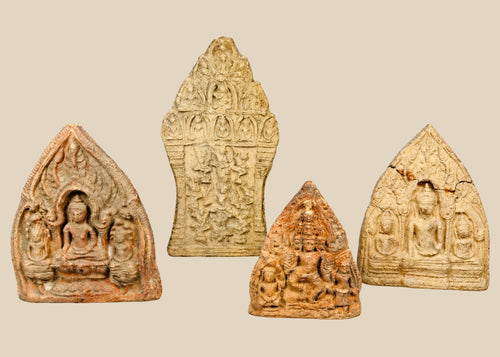
Asie du Sud-Est | Terre cuite bouddhiste | Plaques votives | Vers le XIVe-XVIIIe siècle
- Prix habituel
- $1,000.00
- Prix soldé
- $1,000.00
- Prix habituel
-
Ayutthaya | Fragment de temple en bois sculpté avec des touches dorées | Thaïlande | Vers le XVIIe siècle
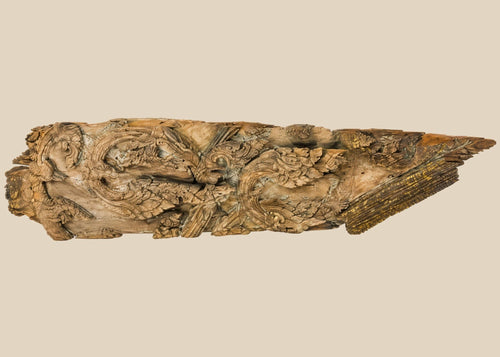
Ayutthaya | Fragment de temple en bois sculpté avec des touches dorées | Thaïlande | Vers le XVIIe siècle
- Prix habituel
- $1,000.00
- Prix soldé
- $1,000.00
- Prix habituel
-
Quatre bols en céladon Song | Province du Fujian | Vers le XIIe siècle
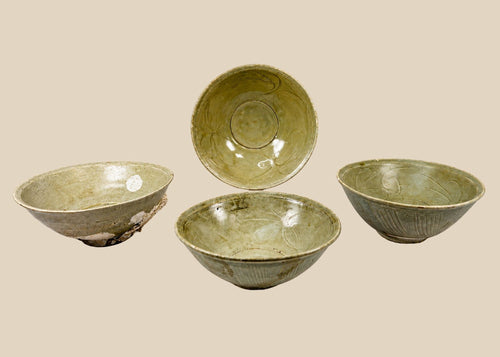
Quatre bols en céladon Song | Province du Fujian | Vers le XIIe siècle
- Prix habituel
- $1,000.00
- Prix soldé
- $1,000.00
- Prix habituel
-
Tête de Bouddha d'Asie du Sud-Est | Sculpture en pierre taillée sur socle | XIIIe-XIVe siècle
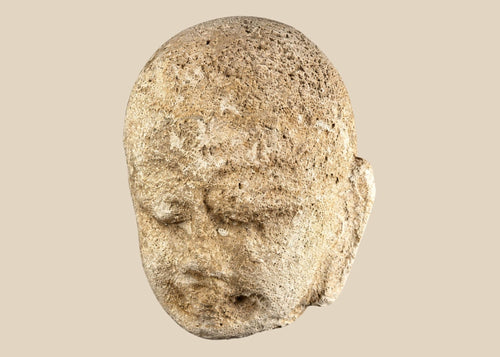
Tête de Bouddha d'Asie du Sud-Est | Sculpture en pierre taillée sur socle | XIIIe-XIVe siècle
- Prix habituel
- $1,000.00
- Prix soldé
- $1,000.00
- Prix habituel
-
Outil rituel bouddhiste tibétain | Distributeur de graines en corne sculptée | Vers les XVIIIe-XIXe siècles
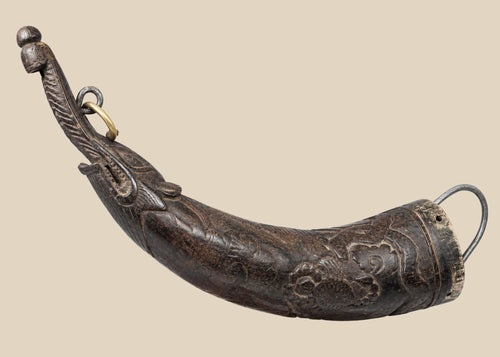
Outil rituel bouddhiste tibétain | Distributeur de graines en corne sculptée | Vers les XVIIIe-XIXe siècles
- Prix habituel
- $950.00
- Prix soldé
- $950.00
- Prix habituel


Informations sur les collectionneurs
Quels types d'artefacts culturels et ethnographiques sont présentés dans cette collection ?
Cette collection peut comprendre des masques de cérémonie, des figures ancestrales, des objets rituels, des bijoux traditionnels, de la poterie, des sculptures taillées, des boucliers, des armes, des outils et de l'art dévotionnel. La sélection disponible va des objets utilisés dans la vie quotidienne aux pièces créées à des fins cérémonielles ou symboliques.
Quelles cultures et régions sont représentées ?
La collection peut inclure des artéfacts culturels provenant d'Afrique, d'Asie du Sud-Est, d'Asie de l'Est, de l'Himalaya, d'Inde, d'Indonésie, du Moyen-Orient et des communautés autochtones du monde entier. Les régions et les traditions représentées changent au fur et à mesure que de nouvelles pièces sont acquises et vendues.
Qu'est-ce qu'un artefact ethnographique ?
Un artefact ethnographique est un objet associé aux traditions, croyances, activités quotidiennes ou pratiques artistiques d'une communauté culturelle particulière. Il peut s'agir, par exemple, de masques, de textiles, d'ornements, d'instruments rituels, de récipients domestiques ou de figures sculptées.
À quoi servaient les masques traditionnels et les objets rituels ?
Les masques culturels et les objets rituels pouvaient être utilisés lors de cérémonies, d'initiations, de pratiques spirituelles, de commémorations ancestrales, de protection, de performances ou de célébrations communautaires. Leur objectif dépend de la culture, de la période, de l'imagerie et du contexte original.
Quels matériaux étaient couramment utilisés pour créer l'art ethnographique ?
Les artisans traditionnels travaillaient avec des matériaux tels que le bois, l'os, la fibre, le cuir, la terre cuite, la pierre, le bronze, le fer, les plumes, les coquillages et les perles. Les choix de matériaux reflétaient souvent les ressources régionales, les techniques établies et l'utilisation prévue de l'objet.
Comment détermine-t-on l'âge et l'origine culturelle d'un artéfact ?
Pour la datation et l'attribution culturelle d'un objet, on tient compte de ses matériaux, de sa construction, de sa forme, de sa décoration, de son usure, de son iconographie et d'une comparaison avec des exemples documentés de musées ou de collections. On examine également la provenance disponible et les précédents dossiers de propriété.
Puis-je acheter des artefacts ethnographiques authentiques en ligne ?
Oui. Relic & Rarity propose à la vente en ligne des artéfacts ethnographiques, des reliques culturelles, des masques cérémoniels, des objets rituels et de l'art traditionnel. Chaque annonce comprend des photographies détaillées, les dimensions, des informations sur l'état, la provenance disponible et un certificat d'authenticité.
Découvrez @relicandraritygallery sur Instagram

