



Fragment de tête en calcaire du Gandhara ancien | Période Kushan | Vers IIe-Ve siècle de notre ère
- Prix habituel
- $800.00
- Prix soldé
- $800.00
- Prix habituel
Impossible de charger la disponibilité du service de retrait


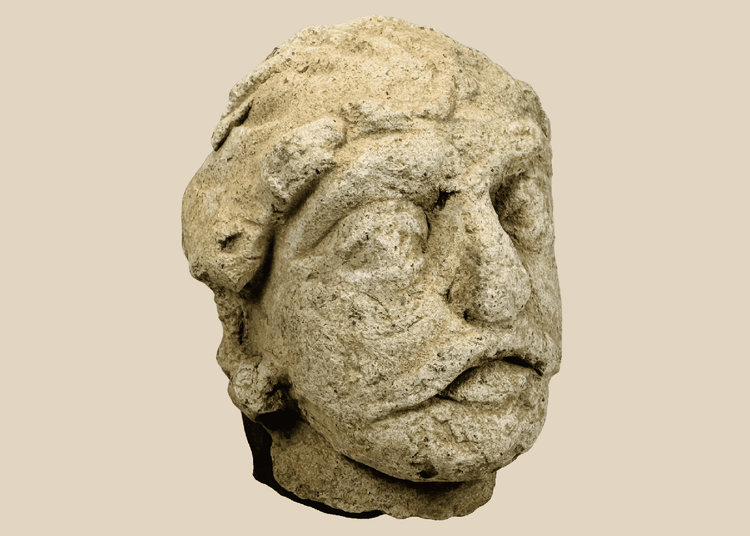
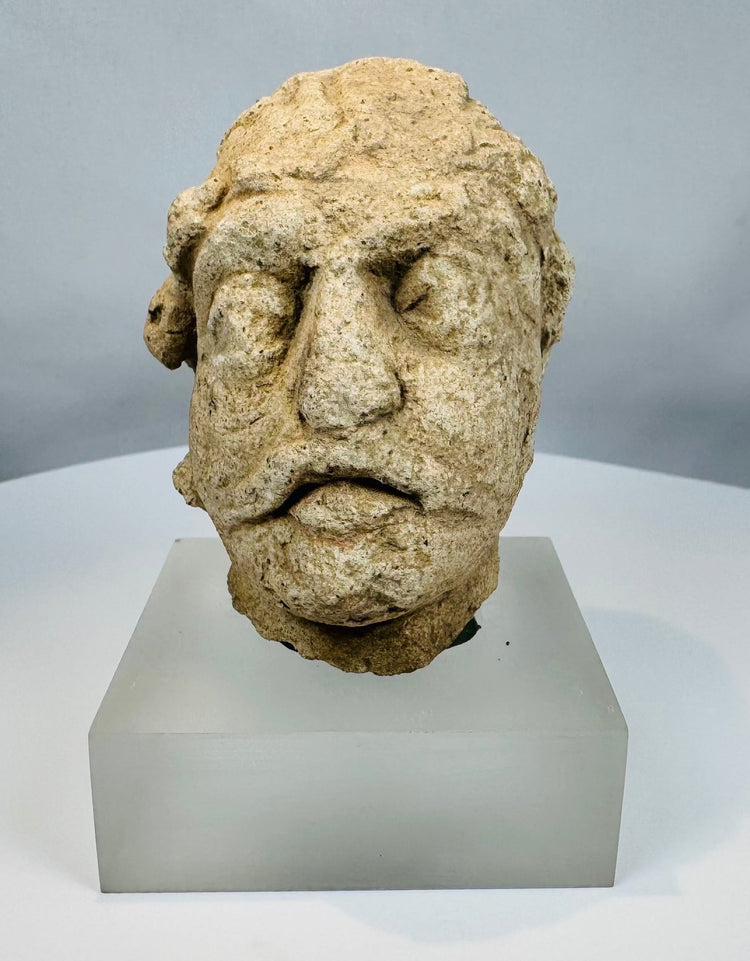
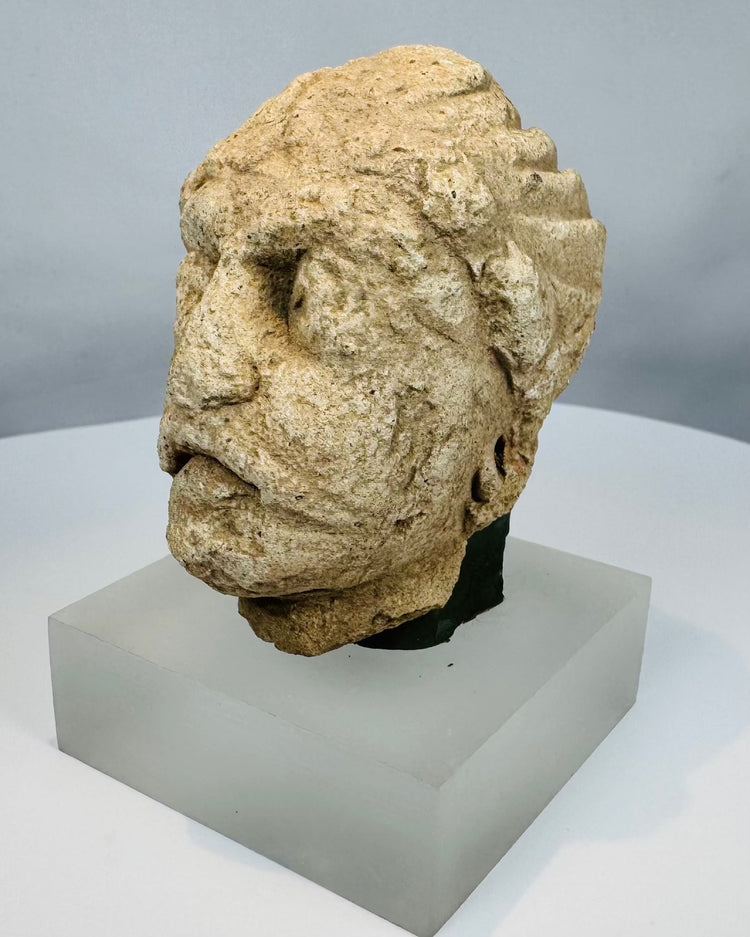
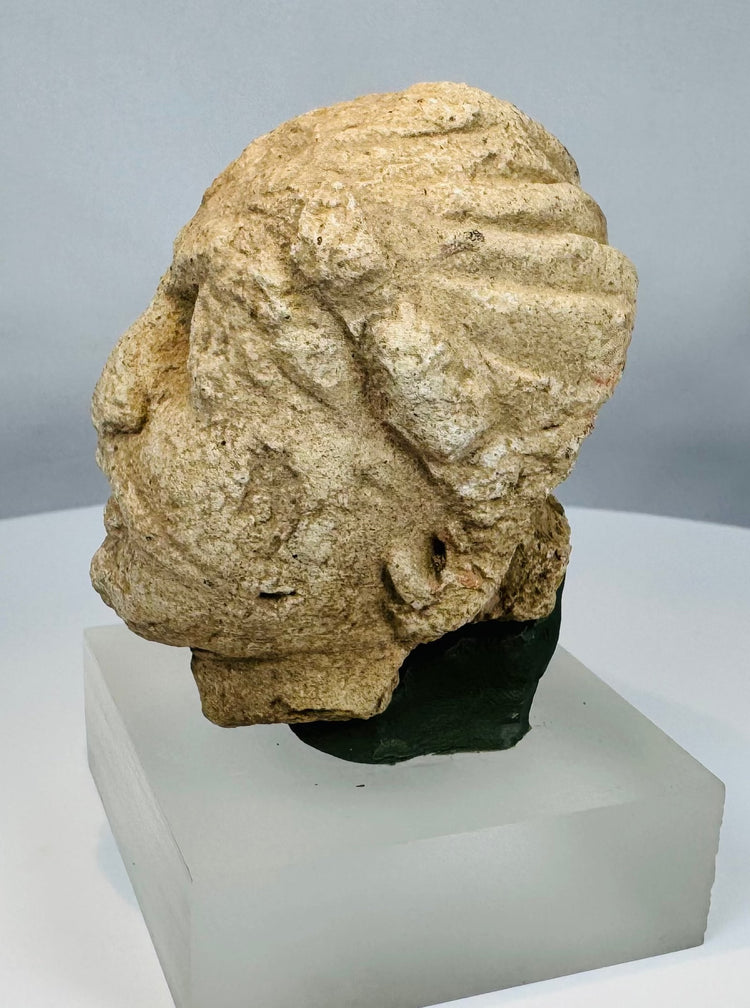
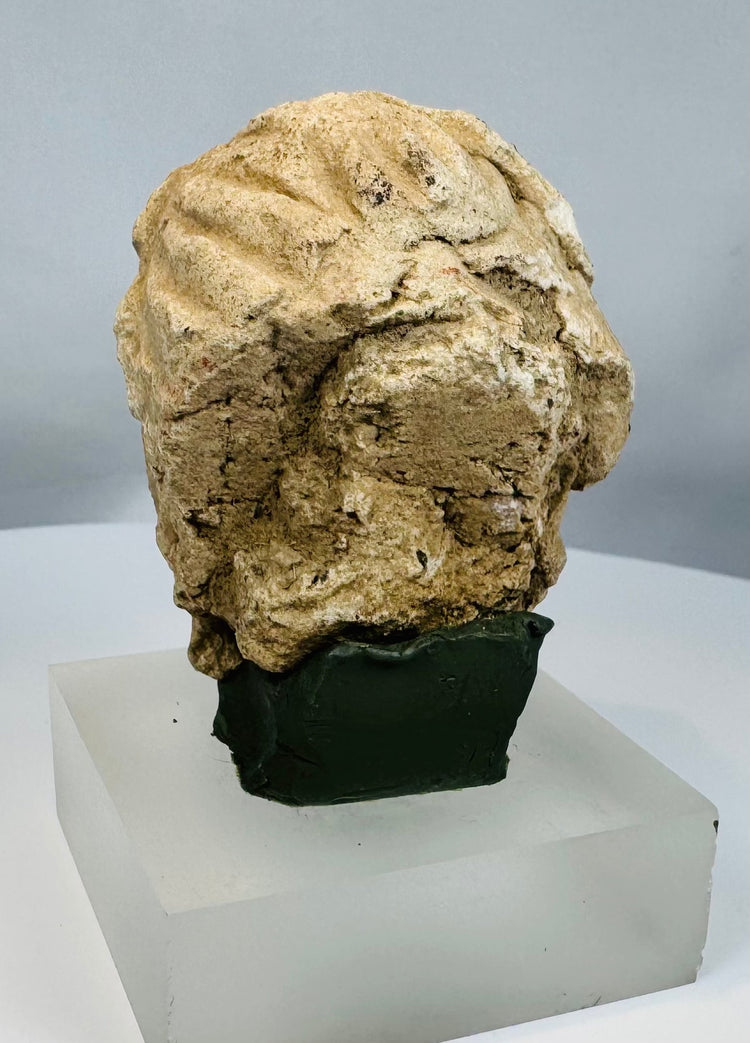
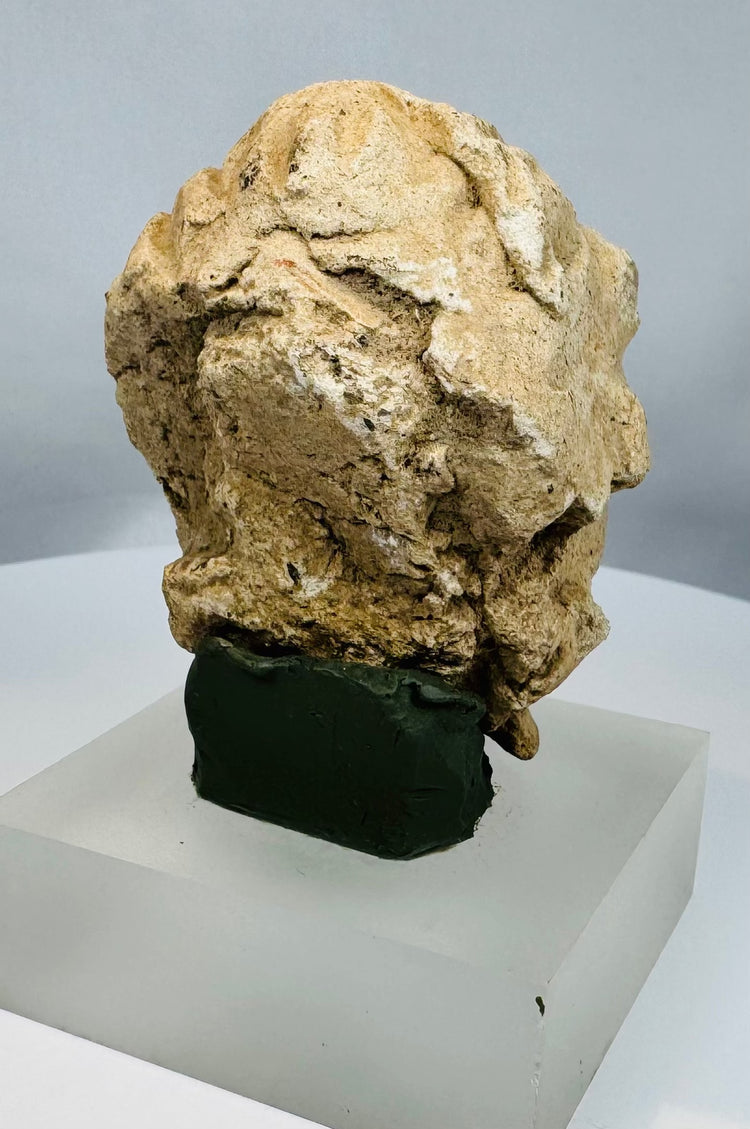
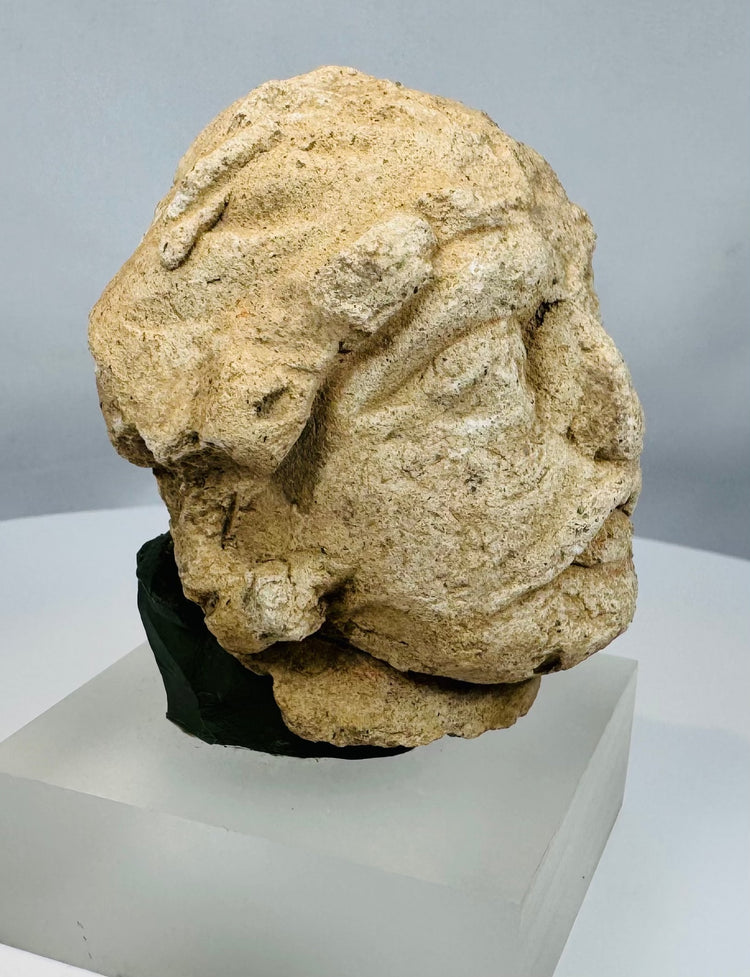
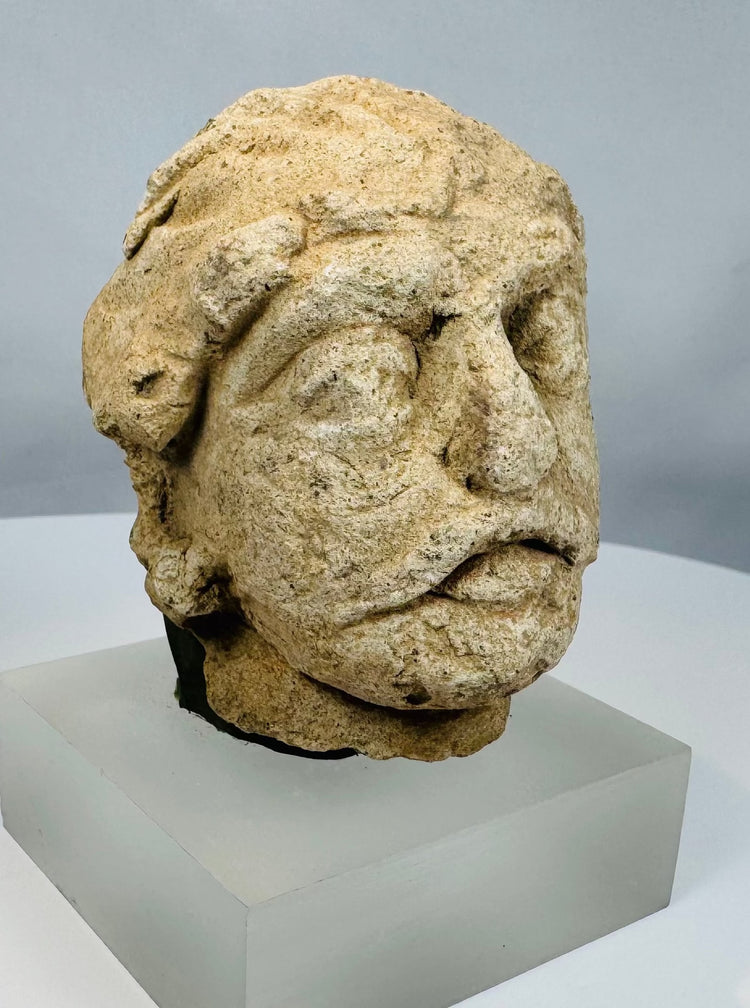
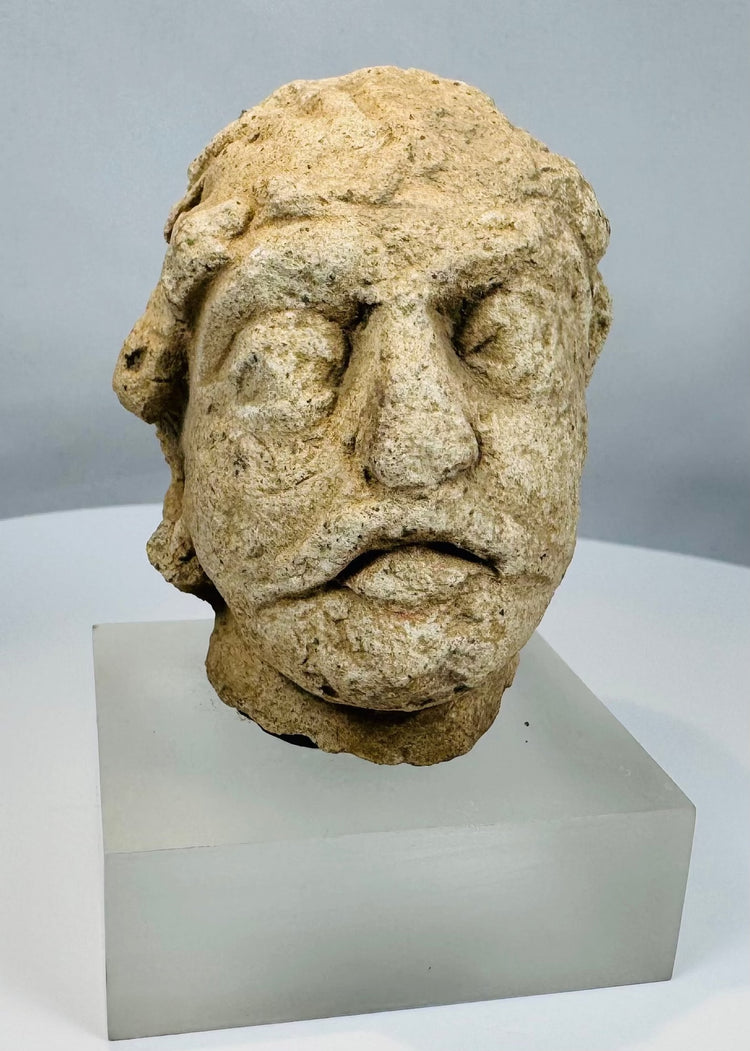
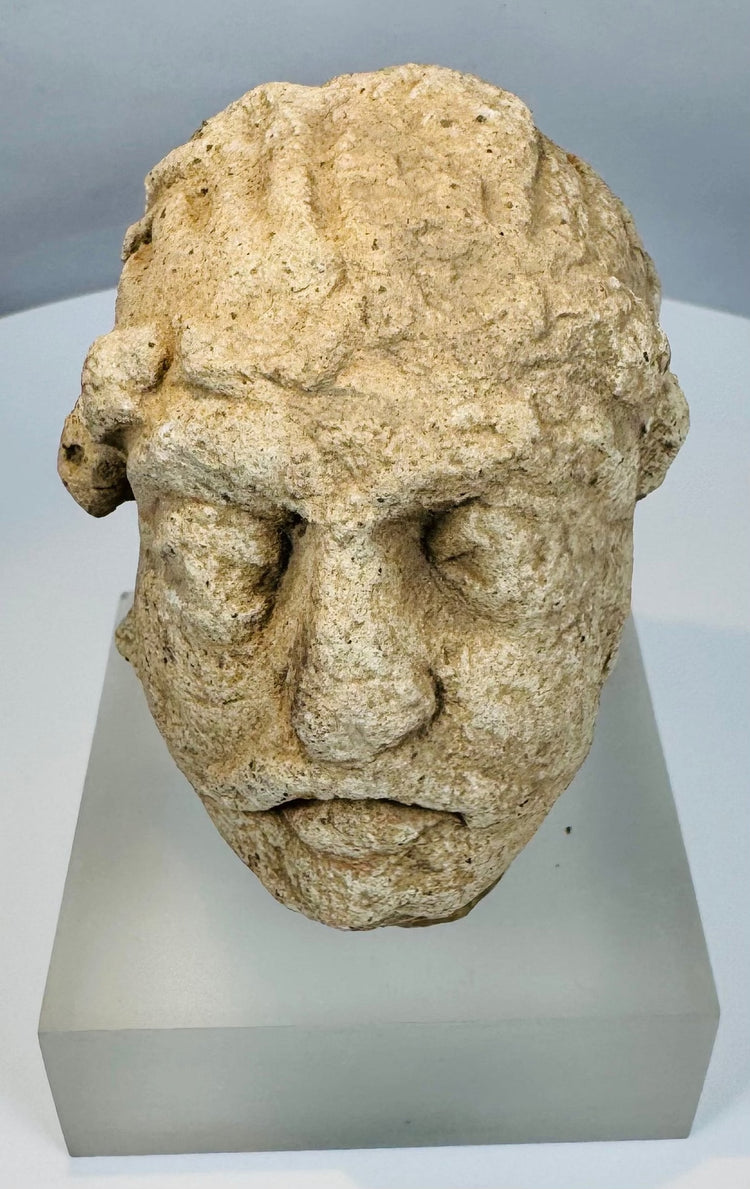
Fragment de tête en calcaire du Gandhara ancien | Période Kushan | Vers IIe-Ve siècle de notre ère
Description
Plus
Moins
Contexte historique et origine
Région : Ancien Gandhara (actuels Pakistan et Afghanistan)
Matériau : Calcaire sculpté
Période : Période Kushan à post-Kushan, vers le IIe–Ve siècle de notre ère
Description
Ce fragment de tête en calcaire finement sculpté provient de l'ancienne région du Gandhara, l'un des centres artistiques les plus importants du monde bouddhiste. Représentant un Bodhisattva serein, traditionnellement identifié comme Maitreya, la sculpture reflète la fusion distinctive des traditions artistiques hellénistiques, romaines et indiennes qui ont prospéré le long de la Route de la Soie à l'époque Kushan.
Le fragment conserve un visage contemplatif aux yeux fermés ou lourdement voilés, un nez droit, des lèvres pleines et des vestiges de la coiffure ondulée caractéristique associée aux représentations gandhariennes des êtres éclairés. Malgré des siècles d'altération, la sculpture conserve un puissant sentiment de calme spirituel et d'introspection.
Les ateliers gandhariens furent parmi les premiers à créer des représentations anthropomorphiques à grande échelle du Bouddha et des Bodhisattvas. Des sculptures comme celle-ci auraient fait partie à l'origine d'un monastère, d'un sanctuaire, d'un complexe de stupas ou d'un programme architectural dévotionnel destiné à inspirer la méditation et la réflexion religieuse.
La surface fortement altérée et l'état fragmentaire témoignent de la grande ancienneté de la pièce tout en renforçant son caractère archéologique et son authenticité.
Signification culturelle
La civilisation gandharienne occupait une position unique au carrefour de l'Orient et de l'Occident. Influencés par les traditions artistiques grecques introduites à la suite des campagnes d'Alexandre le Grand, les sculpteurs gandhariens ont développé l'un des styles les plus reconnaissables et les plus influents de l'art bouddhiste.
Les représentations de Bodhisattvas tels que Maitreya ont joué un rôle central dans la pratique dévotionnelle bouddhiste et ont contribué à la diffusion de l'iconographie bouddhiste à travers l'Asie centrale, la Chine et, finalement, l'Asie de l'Est. Les fragments sculpturaux subsistants fournissent des preuves importantes des échanges artistiques et religieux qui ont eu lieu le long de la Route de la Soie.
Caractéristiques
- Fragment de sculpture en calcaire de l'ancien Gandhara
- Représente un Bodhisattva, traditionnellement identifié comme Maitreya
- Modélisation faciale et coiffure caractéristiques du Gandhara
- Belle surface archéologique avec des siècles d'altération
- Sculpté dans du calcaire typique des ateliers gandhariens
- Monté sur un support de présentation personnalisé
- Forte signification historique de la Route de la Soie et de l'art bouddhiste
État
État fragmentaire ancien avec une altération importante, des pertes, une érosion de surface et une usure liée à l'âge. Monté solidement sur un support d'affichage personnalisé. Globalement stable et très présentable.
Dimensions (approximatives)
Tête
Hauteur : 7,6 cm
Largeur : 6,3 cm
Profondeur : 5,7 cm
Hauteur totale avec le support : 10,2 cm
Âge (approximatif)
1 500–1 800 ans
Provenance
Issue d'une collection privée à Kinzers, Pennsylvanie, États-Unis. La pièce faisait partie d'une collection d'antiquités et d'artefacts archéologiques détenue de longue date, constituée sur plusieurs décennies par un collectionneur passionné, particulièrement intéressé par les civilisations anciennes et l'art religieux primitif. Acquise via le marché des antiquités établi et conservée dans la collection pendant de nombreuses années avant d'entrer sur le marché secondaire.
En savoir plus
Découvrez une sculpture de Bodhisattva du Gandhara de la collection du Metropolitan Museum of Art
Parcourez notre collection de reliques et statues sacrées bouddhistes et hindoues
Description
Contexte historique et origine
Région : Ancien Gandhara (actuels Pakistan et Afghanistan)
Matériau : Calcaire sculpté
Période : Période Kushan à post-Kushan, vers le IIe–Ve siècle de notre ère
Description
Ce fragment de tête en calcaire finement sculpté provient de l'ancienne région du Gandhara, l'un des centres artistiques les plus importants du monde bouddhiste. Représentant un Bodhisattva serein, traditionnellement identifié comme Maitreya, la sculpture reflète la fusion distinctive des traditions artistiques hellénistiques, romaines et indiennes qui ont prospéré le long de la Route de la Soie à l'époque Kushan.
Le fragment conserve un visage contemplatif aux yeux fermés ou lourdement voilés, un nez droit, des lèvres pleines et des vestiges de la coiffure ondulée caractéristique associée aux représentations gandhariennes des êtres éclairés. Malgré des siècles d'altération, la sculpture conserve un puissant sentiment de calme spirituel et d'introspection.
Les ateliers gandhariens furent parmi les premiers à créer des représentations anthropomorphiques à grande échelle du Bouddha et des Bodhisattvas. Des sculptures comme celle-ci auraient fait partie à l'origine d'un monastère, d'un sanctuaire, d'un complexe de stupas ou d'un programme architectural dévotionnel destiné à inspirer la méditation et la réflexion religieuse.
La surface fortement altérée et l'état fragmentaire témoignent de la grande ancienneté de la pièce tout en renforçant son caractère archéologique et son authenticité.
Signification culturelle
La civilisation gandharienne occupait une position unique au carrefour de l'Orient et de l'Occident. Influencés par les traditions artistiques grecques introduites à la suite des campagnes d'Alexandre le Grand, les sculpteurs gandhariens ont développé l'un des styles les plus reconnaissables et les plus influents de l'art bouddhiste.
Les représentations de Bodhisattvas tels que Maitreya ont joué un rôle central dans la pratique dévotionnelle bouddhiste et ont contribué à la diffusion de l'iconographie bouddhiste à travers l'Asie centrale, la Chine et, finalement, l'Asie de l'Est. Les fragments sculpturaux subsistants fournissent des preuves importantes des échanges artistiques et religieux qui ont eu lieu le long de la Route de la Soie.
Caractéristiques
- Fragment de sculpture en calcaire de l'ancien Gandhara
- Représente un Bodhisattva, traditionnellement identifié comme Maitreya
- Modélisation faciale et coiffure caractéristiques du Gandhara
- Belle surface archéologique avec des siècles d'altération
- Sculpté dans du calcaire typique des ateliers gandhariens
- Monté sur un support de présentation personnalisé
- Forte signification historique de la Route de la Soie et de l'art bouddhiste
État
État fragmentaire ancien avec une altération importante, des pertes, une érosion de surface et une usure liée à l'âge. Monté solidement sur un support d'affichage personnalisé. Globalement stable et très présentable.
Dimensions (approximatives)
Tête
Hauteur : 7,6 cm
Largeur : 6,3 cm
Profondeur : 5,7 cm
Hauteur totale avec le support : 10,2 cm
Âge (approximatif)
1 500–1 800 ans
Provenance
Issue d'une collection privée à Kinzers, Pennsylvanie, États-Unis. La pièce faisait partie d'une collection d'antiquités et d'artefacts archéologiques détenue de longue date, constituée sur plusieurs décennies par un collectionneur passionné, particulièrement intéressé par les civilisations anciennes et l'art religieux primitif. Acquise via le marché des antiquités établi et conservée dans la collection pendant de nombreuses années avant d'entrer sur le marché secondaire.
En savoir plus
Découvrez une sculpture de Bodhisattva du Gandhara de la collection du Metropolitan Museum of Art
Parcourez notre collection de reliques et statues sacrées bouddhistes et hindoues
Vous aimerez peut-être aussi
