
Large Ancient Egyptian | Terracotta Reclining Lion Votive Figure | Ptolemaic Period | Circa 3rd–2nd Century BCE
Couldn't load pickup availability


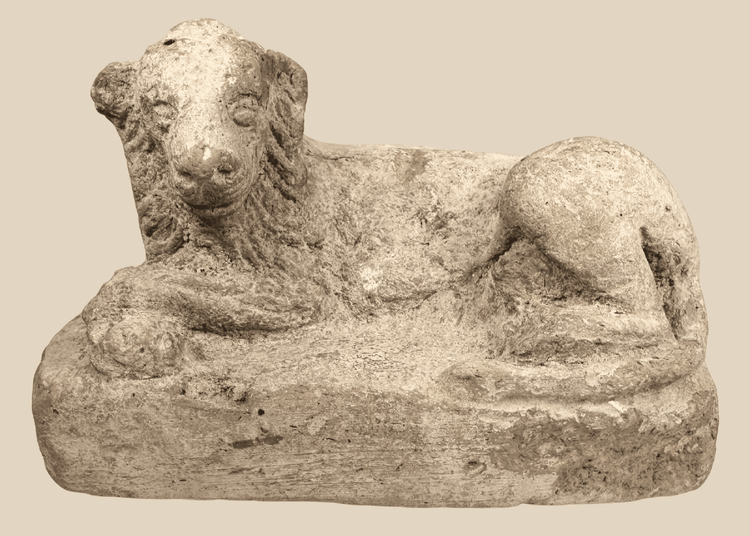
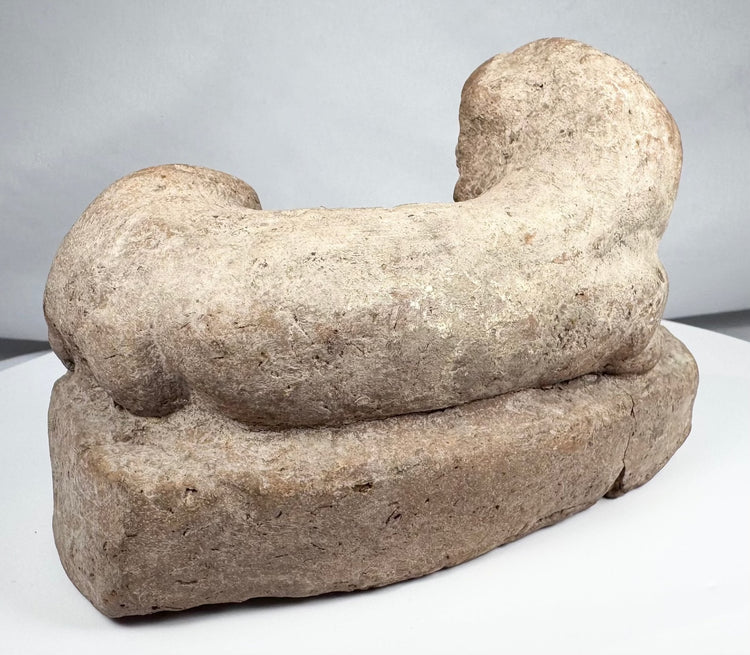
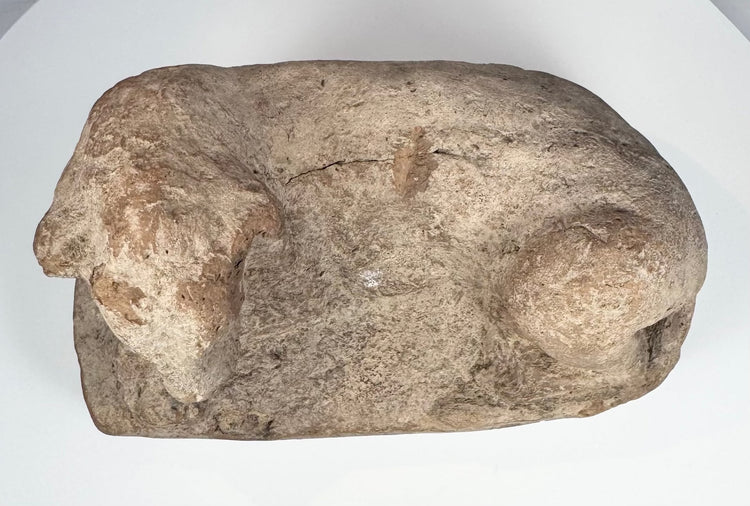
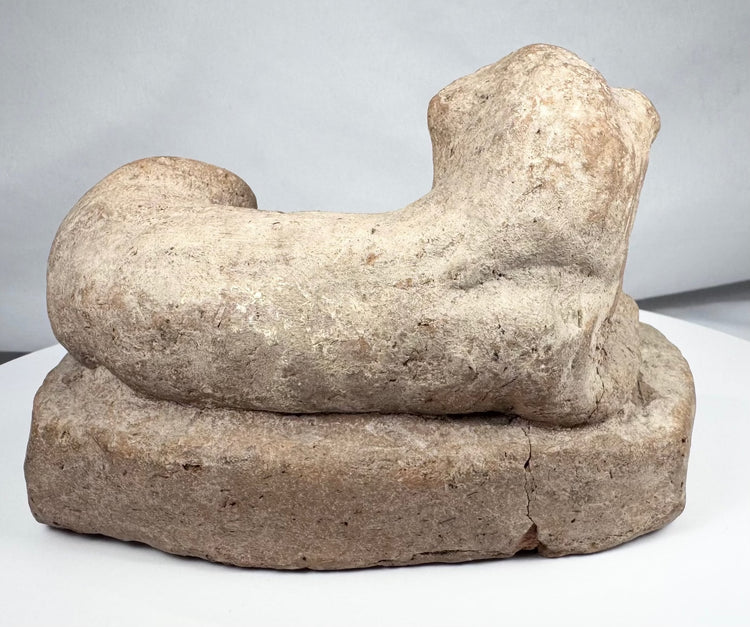
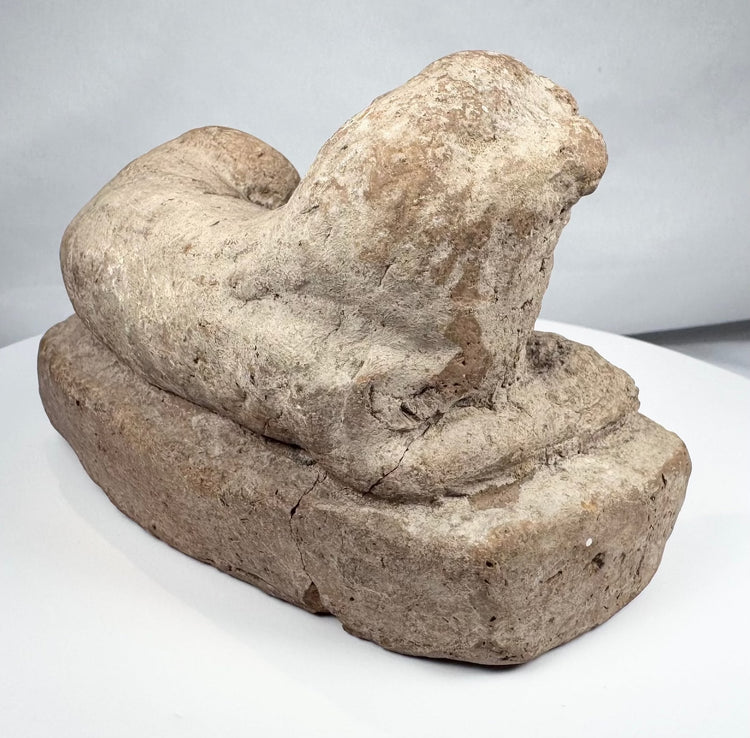
Large Ancient Egyptian | Terracotta Reclining Lion Votive Figure | Ptolemaic Period | Circa 3rd–2nd Century BCE
Description
More
Less
Historical Context & Origin
Region: Alexandria, Egypt
Material: Terracotta
Period: Ptolemaic Period, circa 3rd–2nd Century BCE
Description
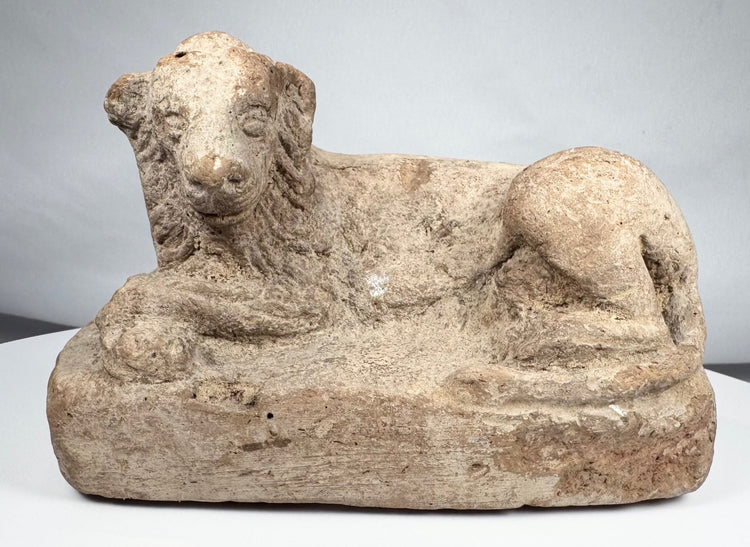
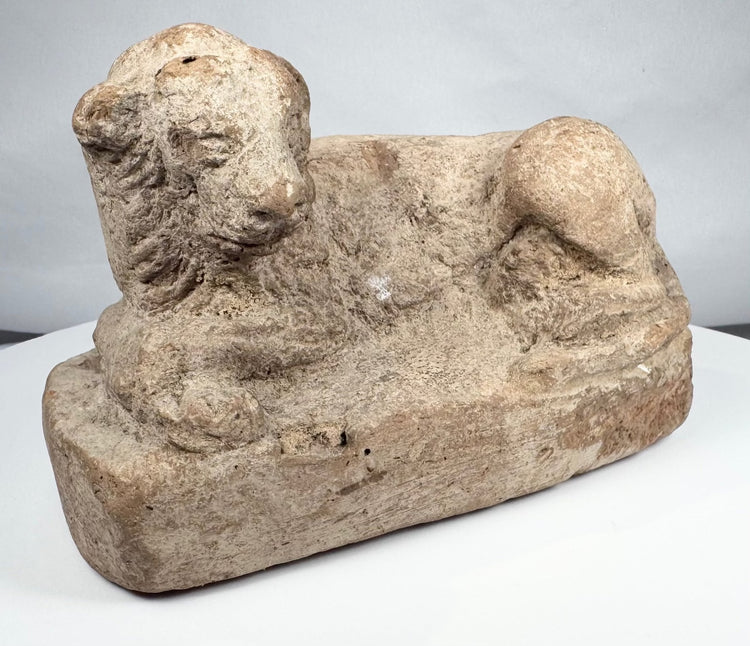
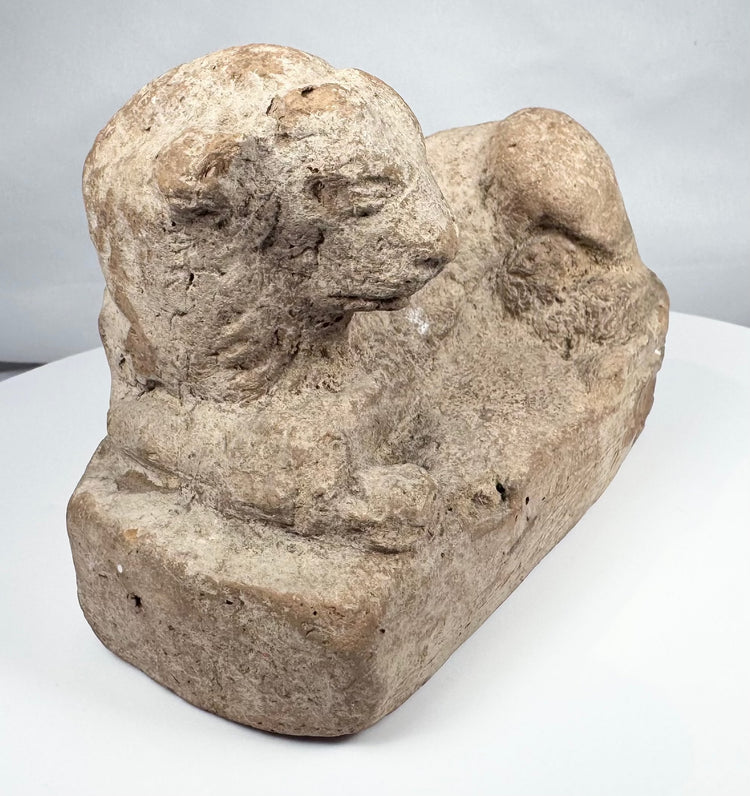
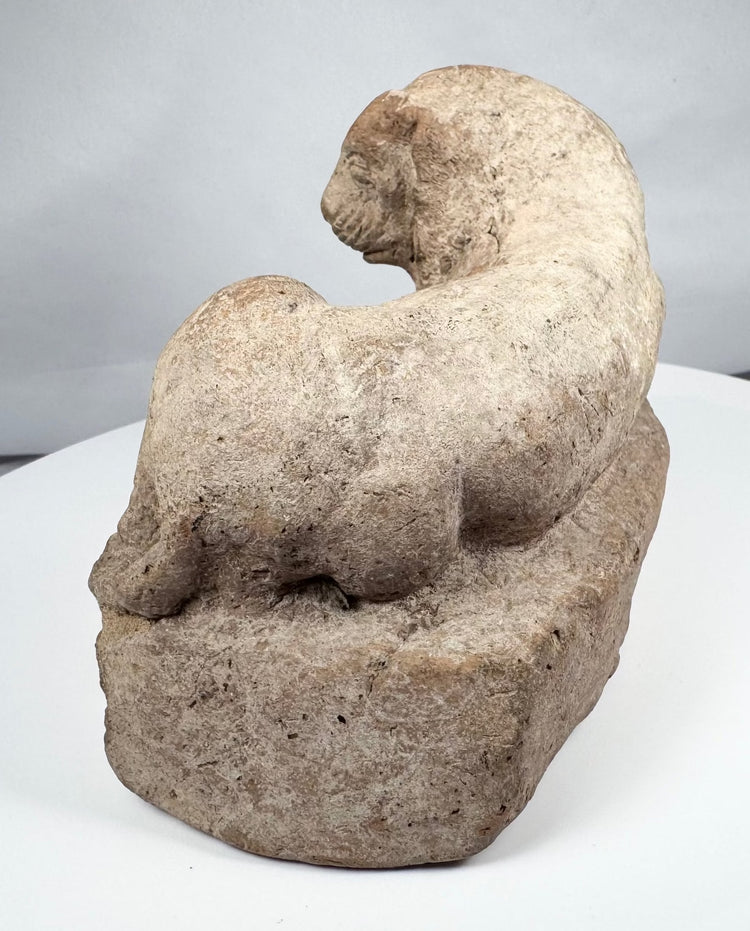
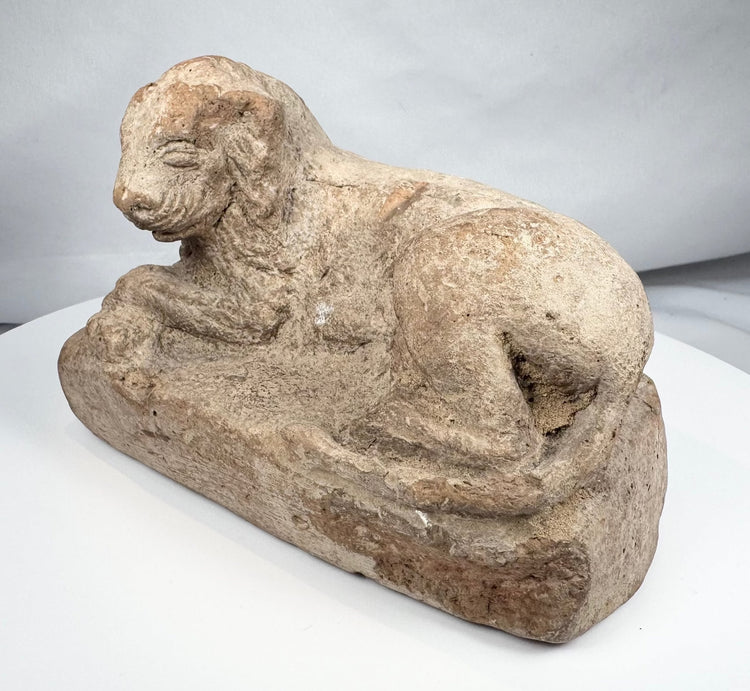
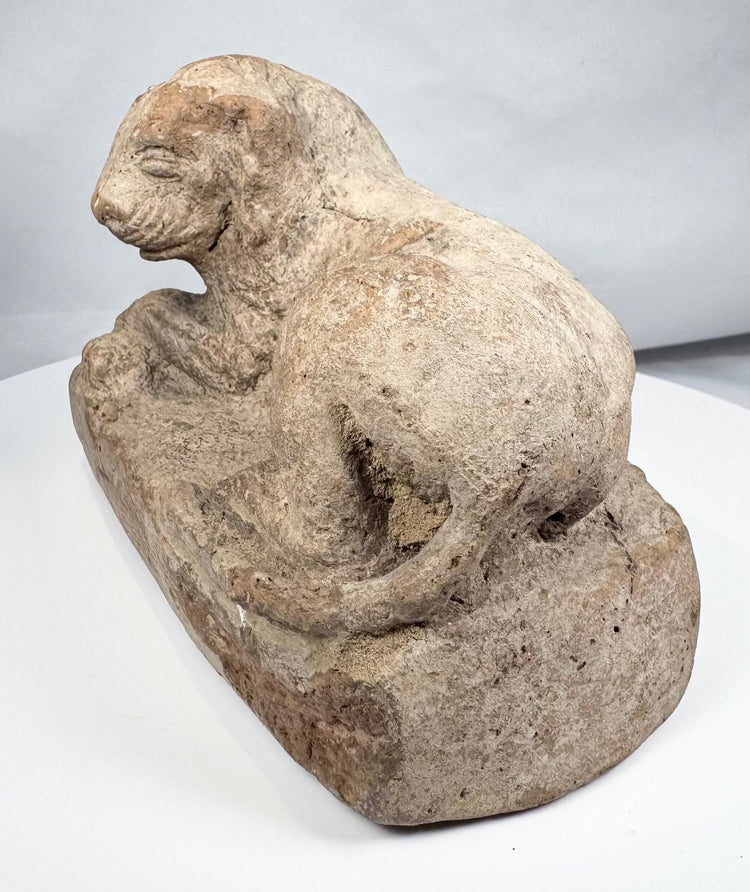
This substantial terracotta sculpture depicts a reclining lion resting atop an integral rectangular plinth, executed during Egypt's Ptolemaic Period. Rendered in a naturalistic yet stylized manner, the animal is shown lying with its forelegs extended beneath its chest and its hindquarters folded beneath the body. The sculptor carefully emphasized the lion's powerful anatomy, broad shoulders, muscular haunches, and distinctive mane framing the face.
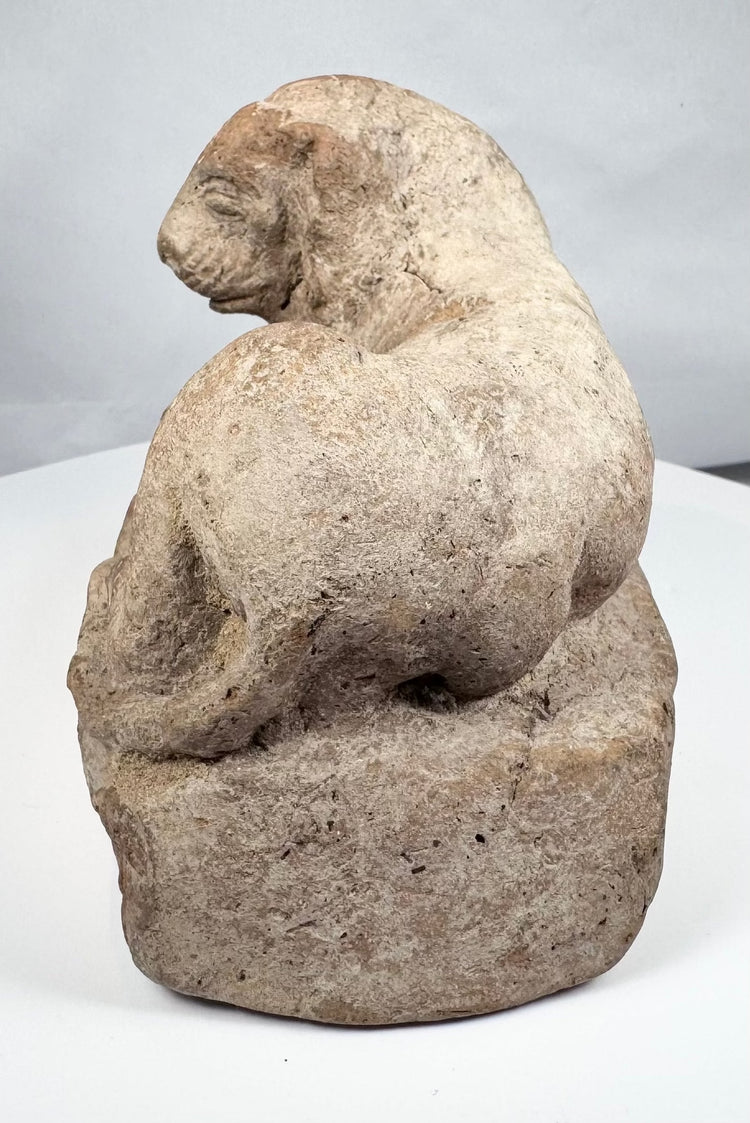
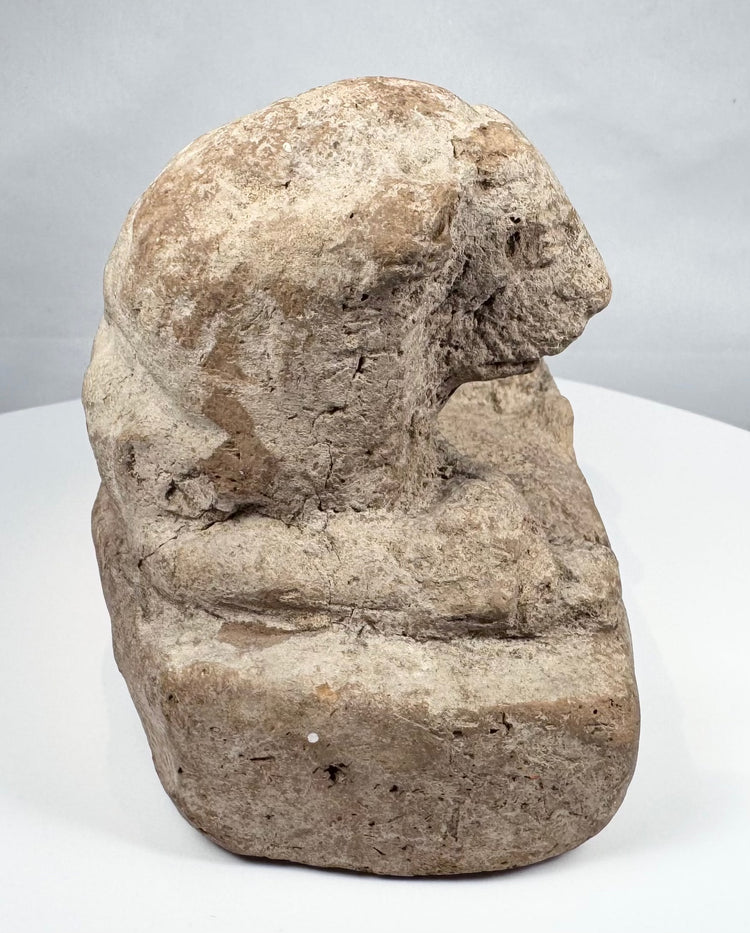
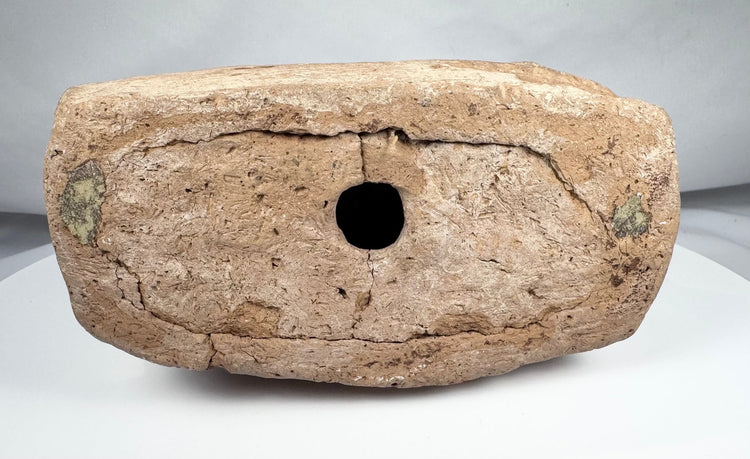
The figure displays finely modeled facial features, including almond-shaped eyes, a pronounced muzzle, and textured locks of mane descending along either side of the head. The reverse remains comparatively plain, suggesting that the sculpture was intended for frontal viewing within a domestic shrine, sanctuary, or funerary context. A circular vent hole in the underside reveals the object's hollow construction, a characteristic feature of many large terracotta sculptures produced in Hellenistic Egypt.
Excavated in Alexandria, this piece reflects the artistic fusion that flourished under the Ptolemaic dynasty, when traditional Egyptian religious imagery merged with Greek sculptural influences. Lions occupied an important symbolic role within Egyptian religion and royal iconography, where they embodied strength, guardianship, divine authority, and solar power. Terracotta votive figures of lions such as this example may have served as devotional offerings, architectural ornaments, or protective objects associated with temples and funerary monuments.
Features
- Excavated in Alexandria, Egypt
- Dates to the Ptolemaic Period, circa 3rd–2nd century BCE
- Depicts a reclining lion atop an integral rectangular plinth
- Hollow-bodied construction with original vent hole to the underside
- Finely modeled facial features and stylized mane
- Exhibits surviving archaeological deposits and surface encrustation
- Reflects the fusion of Egyptian and Hellenistic artistic traditions
- Likely created as a votive, funerary, or architectural object
Cultural Significance
The lion occupied a central role in ancient Egyptian symbolism, representing power, kingship, protection, and divine authority. Lion imagery was closely associated with numerous Egyptian deities, including Sekhmet, Mahes, and Aker, while reclining lions frequently adorned temples, tombs, and sacred precincts as guardians against chaos and malevolent forces.
During the Ptolemaic Period (305–30 BCE), Egypt experienced a remarkable blending of indigenous religious traditions with Greek artistic conventions introduced by the Macedonian rulers descended from Ptolemy I. Terracotta sculpture flourished during this era, with workshops in Alexandria producing a wide variety of votive figures, domestic devotional objects, and architectural ornaments that combined Egyptian iconography with Hellenistic naturalism.
Condition
The figure remains structurally sound and displays expected age-related wear throughout. Areas of surface abrasion, minor losses, ancient cracks, and scattered chips are present, particularly along the plinth and underside. Light earthen deposits and mineral encrustations remain visible across the surface. The hollow construction and original vent opening are intact.
Dimensions (Approximate)
Height: 5 in
Width: 5.75 in
Length: 6.5 in
Age (Approximate)
2,200–2,300 years old
Provenance
Formerly part of a private Portland, Maine, USA collection specializing in Egyptian artifacts. The collection was assembled over many years with a particular emphasis on ancient Egyptian amulets, funerary objects, faience works, and small antiquities. The figure was excavated in Alexandria, Egypt, and acquired there during the 1960s before entering the Portland collection.
Learn More
Discover the symbolism and cultural significance of Lions in Ancient Egypt
View an ancient Egyptian lion sculpture in the collection of The Metropolitan Museum of Art
Explore Our Collection of Ancient Egyptian Mummies & Artifacts
Description
Historical Context & Origin
Region: Alexandria, Egypt
Material: Terracotta
Period: Ptolemaic Period, circa 3rd–2nd Century BCE
Description
This substantial terracotta sculpture depicts a reclining lion resting atop an integral rectangular plinth, executed during Egypt's Ptolemaic Period. Rendered in a naturalistic yet stylized manner, the animal is shown lying with its forelegs extended beneath its chest and its hindquarters folded beneath the body. The sculptor carefully emphasized the lion's powerful anatomy, broad shoulders, muscular haunches, and distinctive mane framing the face.
The figure displays finely modeled facial features, including almond-shaped eyes, a pronounced muzzle, and textured locks of mane descending along either side of the head. The reverse remains comparatively plain, suggesting that the sculpture was intended for frontal viewing within a domestic shrine, sanctuary, or funerary context. A circular vent hole in the underside reveals the object's hollow construction, a characteristic feature of many large terracotta sculptures produced in Hellenistic Egypt.
Excavated in Alexandria, this piece reflects the artistic fusion that flourished under the Ptolemaic dynasty, when traditional Egyptian religious imagery merged with Greek sculptural influences. Lions occupied an important symbolic role within Egyptian religion and royal iconography, where they embodied strength, guardianship, divine authority, and solar power. Terracotta votive figures of lions such as this example may have served as devotional offerings, architectural ornaments, or protective objects associated with temples and funerary monuments.
Features
- Excavated in Alexandria, Egypt
- Dates to the Ptolemaic Period, circa 3rd–2nd century BCE
- Depicts a reclining lion atop an integral rectangular plinth
- Hollow-bodied construction with original vent hole to the underside
- Finely modeled facial features and stylized mane
- Exhibits surviving archaeological deposits and surface encrustation
- Reflects the fusion of Egyptian and Hellenistic artistic traditions
- Likely created as a votive, funerary, or architectural object
Cultural Significance
The lion occupied a central role in ancient Egyptian symbolism, representing power, kingship, protection, and divine authority. Lion imagery was closely associated with numerous Egyptian deities, including Sekhmet, Mahes, and Aker, while reclining lions frequently adorned temples, tombs, and sacred precincts as guardians against chaos and malevolent forces.
During the Ptolemaic Period (305–30 BCE), Egypt experienced a remarkable blending of indigenous religious traditions with Greek artistic conventions introduced by the Macedonian rulers descended from Ptolemy I. Terracotta sculpture flourished during this era, with workshops in Alexandria producing a wide variety of votive figures, domestic devotional objects, and architectural ornaments that combined Egyptian iconography with Hellenistic naturalism.
Condition
The figure remains structurally sound and displays expected age-related wear throughout. Areas of surface abrasion, minor losses, ancient cracks, and scattered chips are present, particularly along the plinth and underside. Light earthen deposits and mineral encrustations remain visible across the surface. The hollow construction and original vent opening are intact.
Dimensions (Approximate)
Height: 5 in
Width: 5.75 in
Length: 6.5 in
Age (Approximate)
2,200–2,300 years old
Provenance
Formerly part of a private Portland, Maine, USA collection specializing in Egyptian artifacts. The collection was assembled over many years with a particular emphasis on ancient Egyptian amulets, funerary objects, faience works, and small antiquities. The figure was excavated in Alexandria, Egypt, and acquired there during the 1960s before entering the Portland collection.
Learn More
Discover the symbolism and cultural significance of Lions in Ancient Egypt
View an ancient Egyptian lion sculpture in the collection of The Metropolitan Museum of Art
Explore Our Collection of Ancient Egyptian Mummies & Artifacts
You May Also Like
