


Fragment de pierre ecclésiastique sculpté représentant la Crucifixion | Circa XIVe-XVIIIe siècle
- Prix habituel
- $2,500.00
- Prix soldé
- $2,500.00
- Prix habituel
Impossible de charger la disponibilité du service de retrait


Fragment de pierre ecclésiastique sculpté représentant la Crucifixion | Circa XIVe-XVIIIe siècle
Description
Plus
Moins
Contexte historique et origine
Région : Europe
Matériau : Pierre sculptée
Période : Probablement médiévale ou ultérieure (vers les XIVe-XVIIIe siècles)
Description
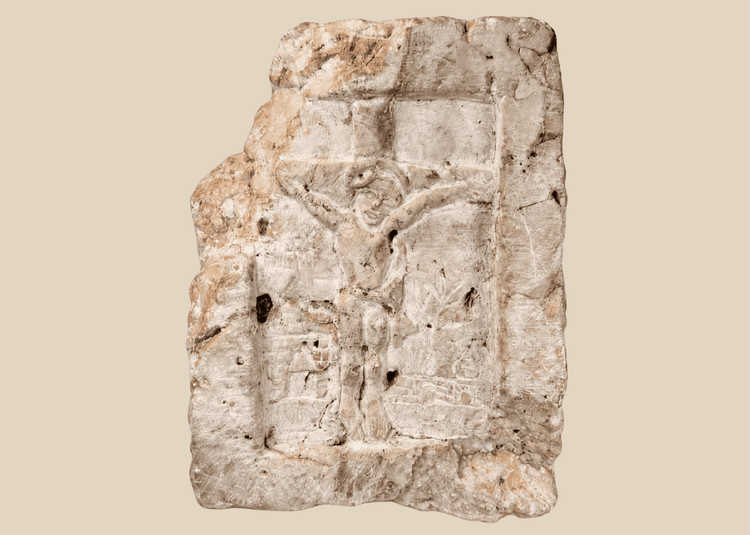
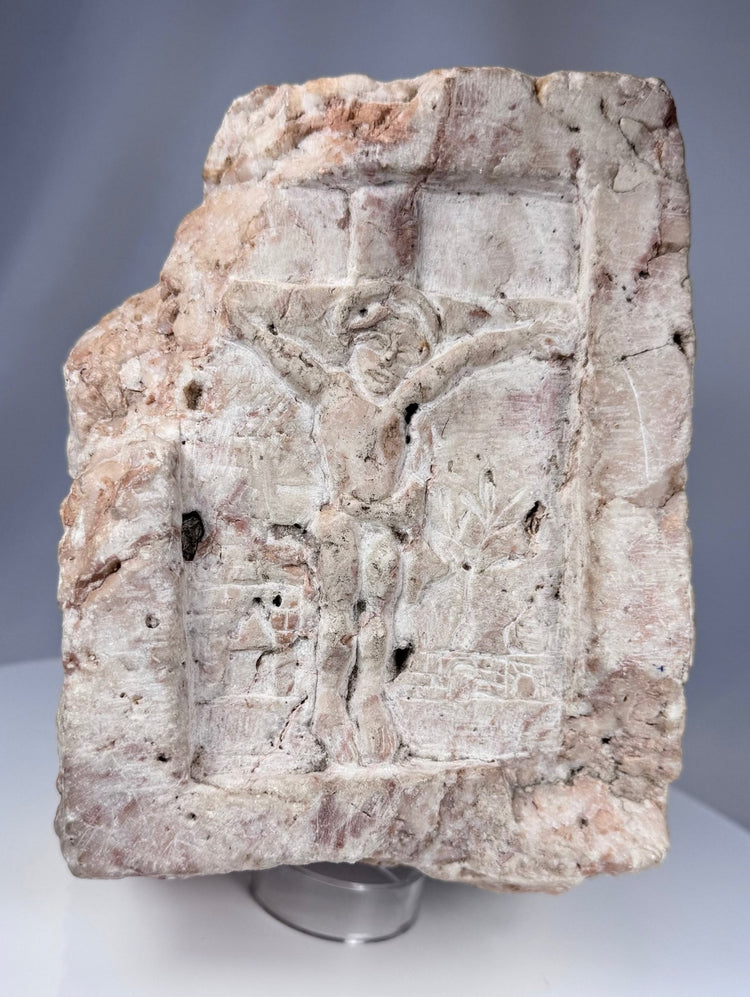
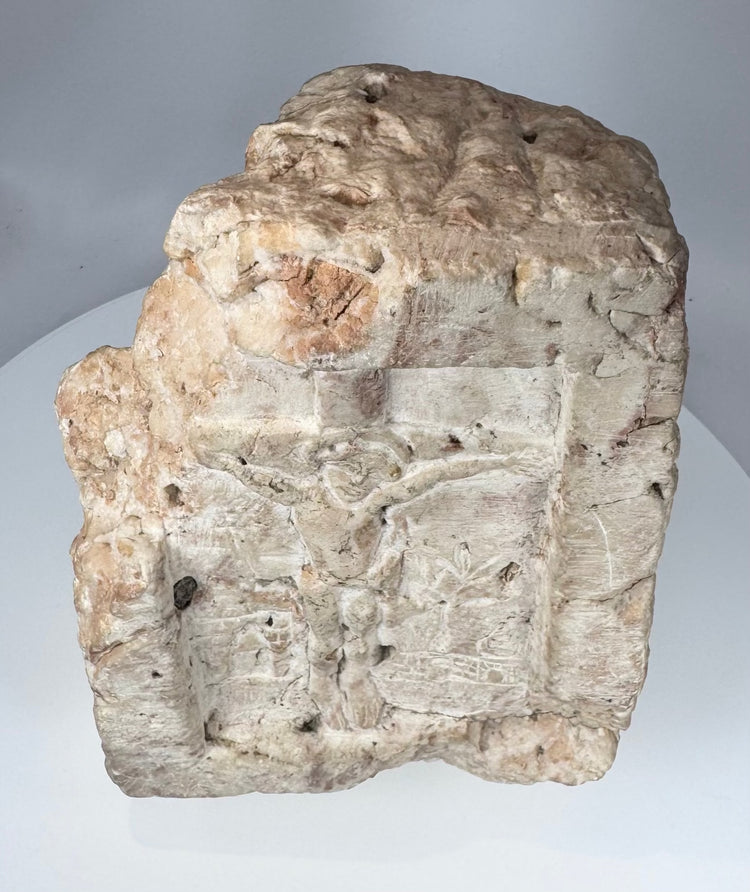
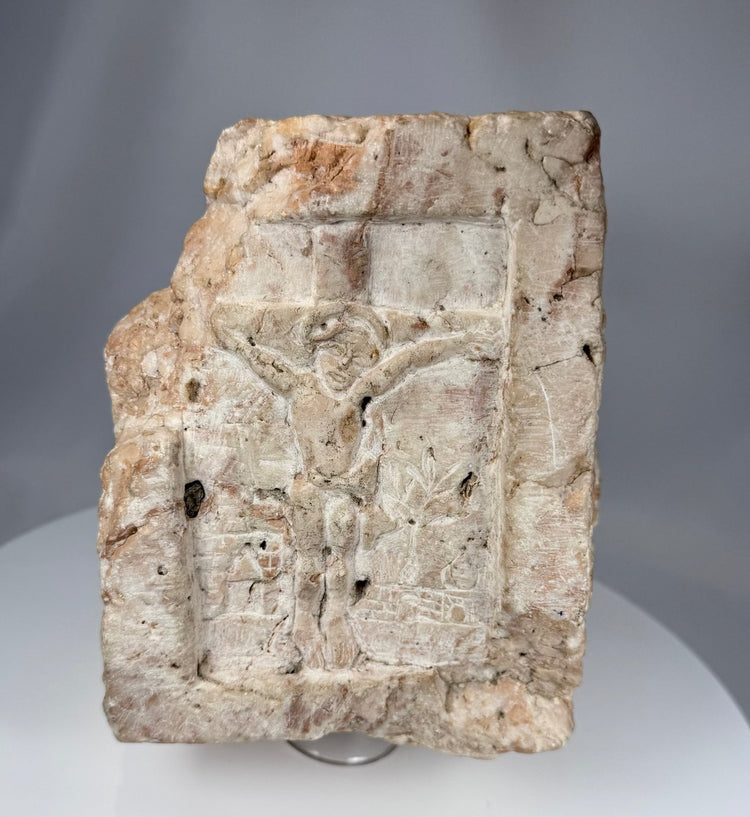
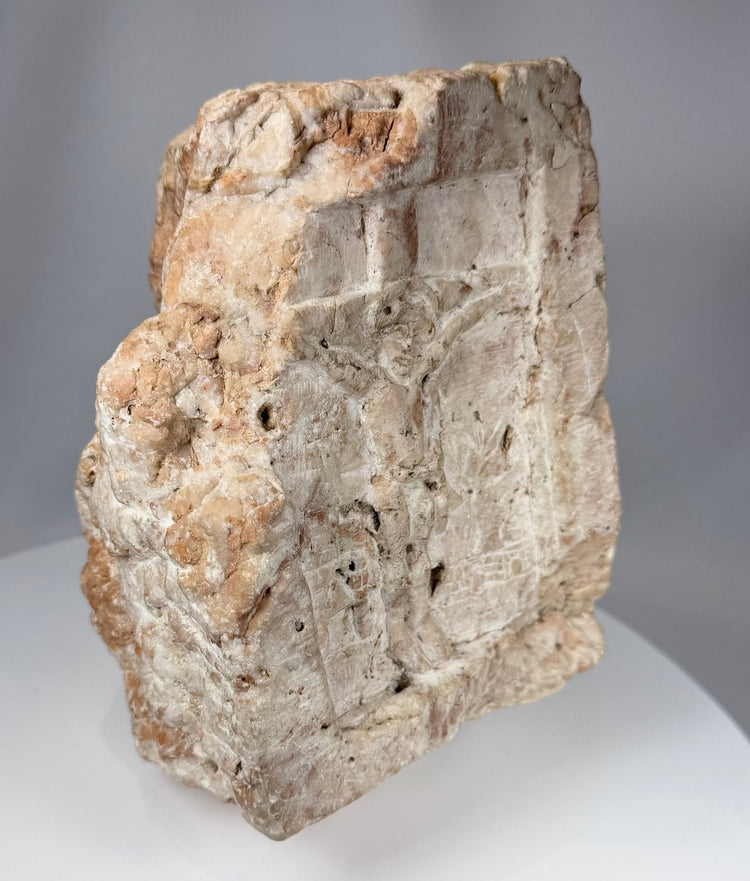
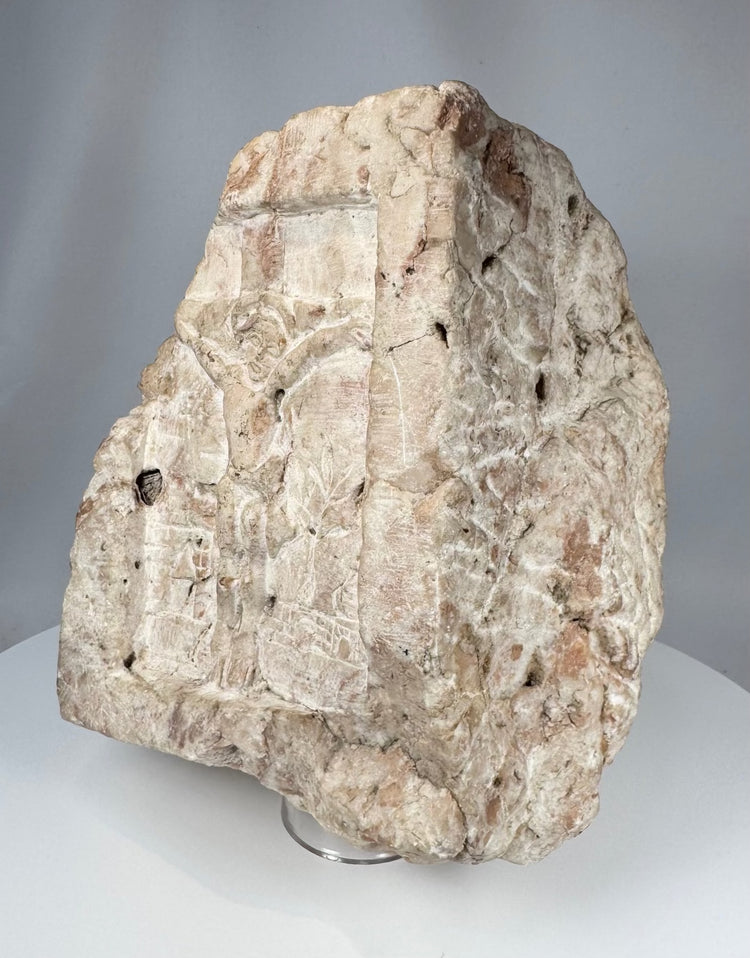
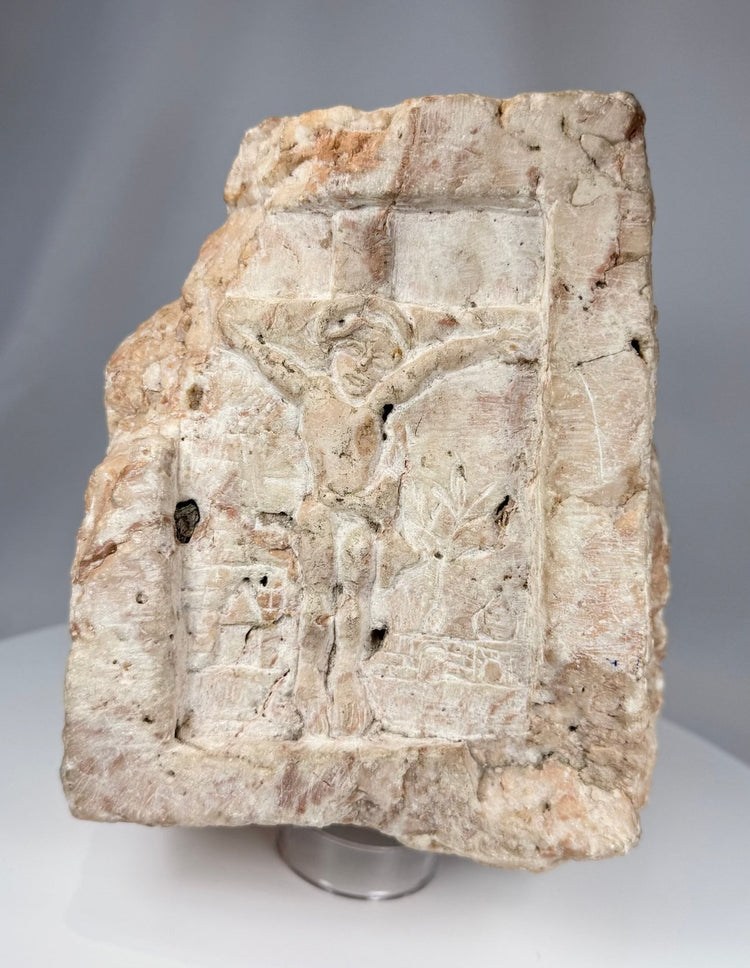
Ce fragment de pierre ecclésiastique sculptée représente une figure stylisée du Christ en croix placée dans une niche architecturale, entourée d'éléments de fond sculptés en relief, y compris des bâtiments et un motif d'arbre. Exécutée en haut-relief, la composition reflète les traditions artistiques dévotionnelles associées à la sculpture sur pierre chrétienne médiévale et à l'ornementation architecturale.
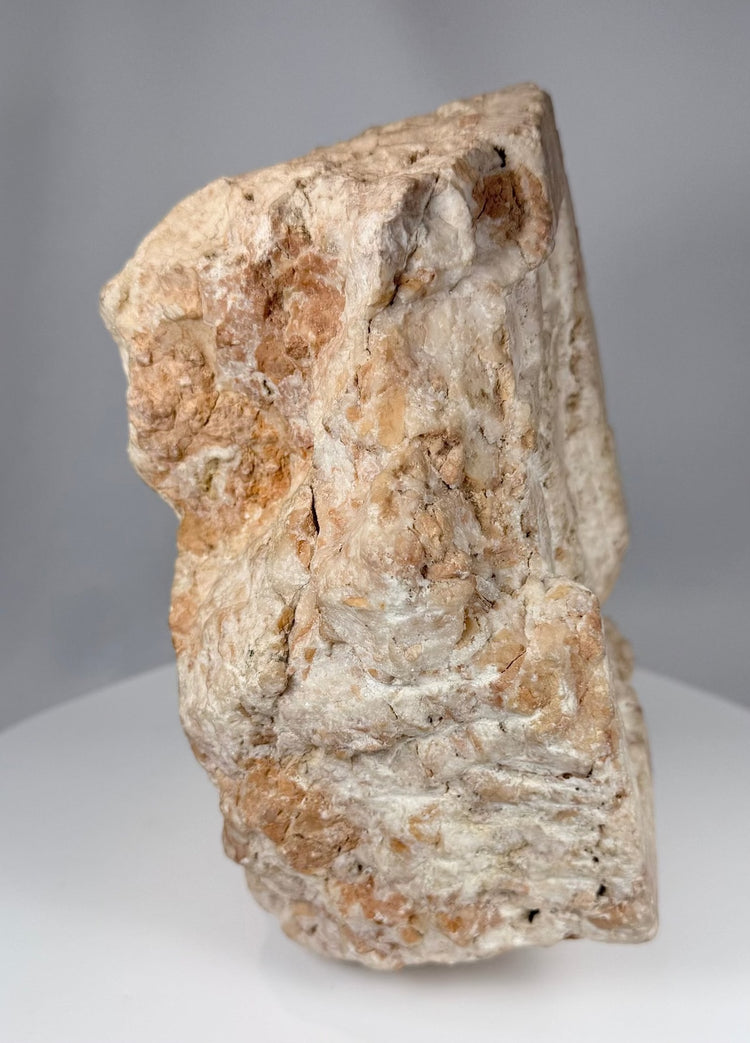
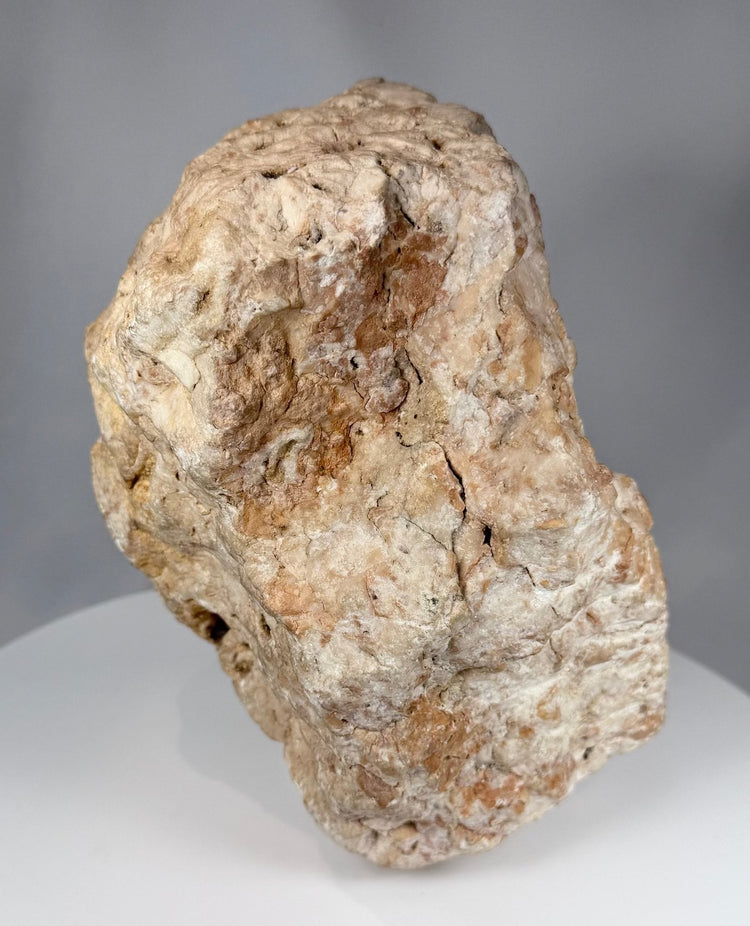
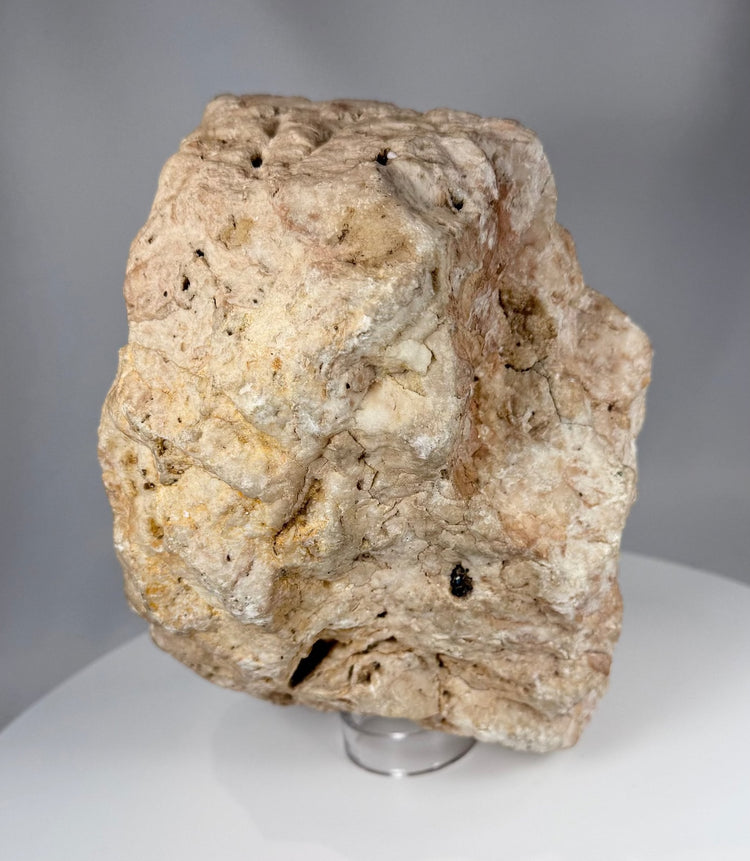
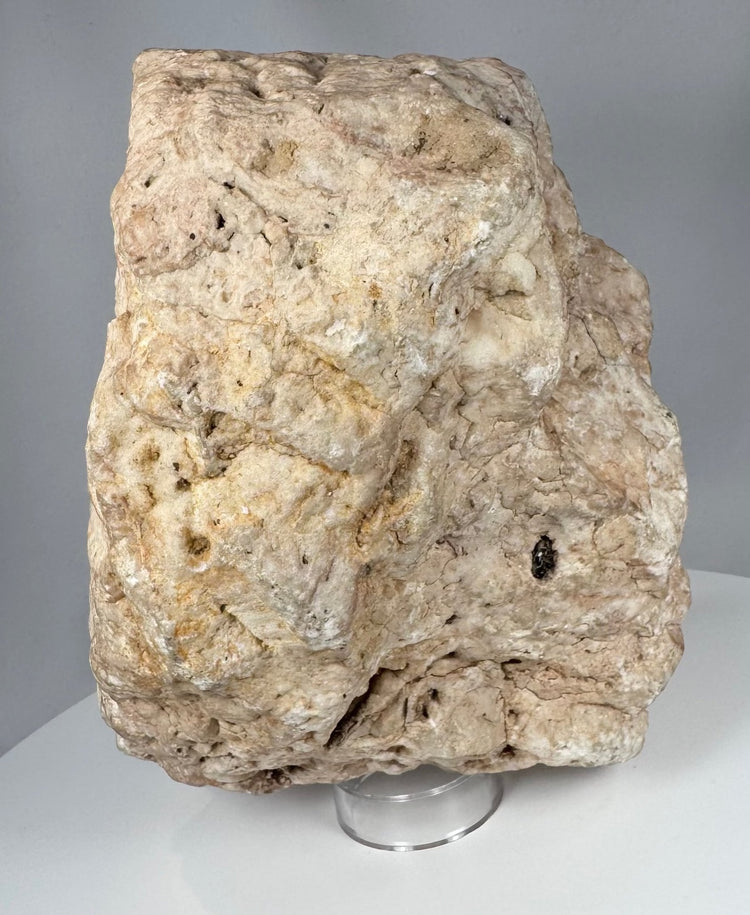
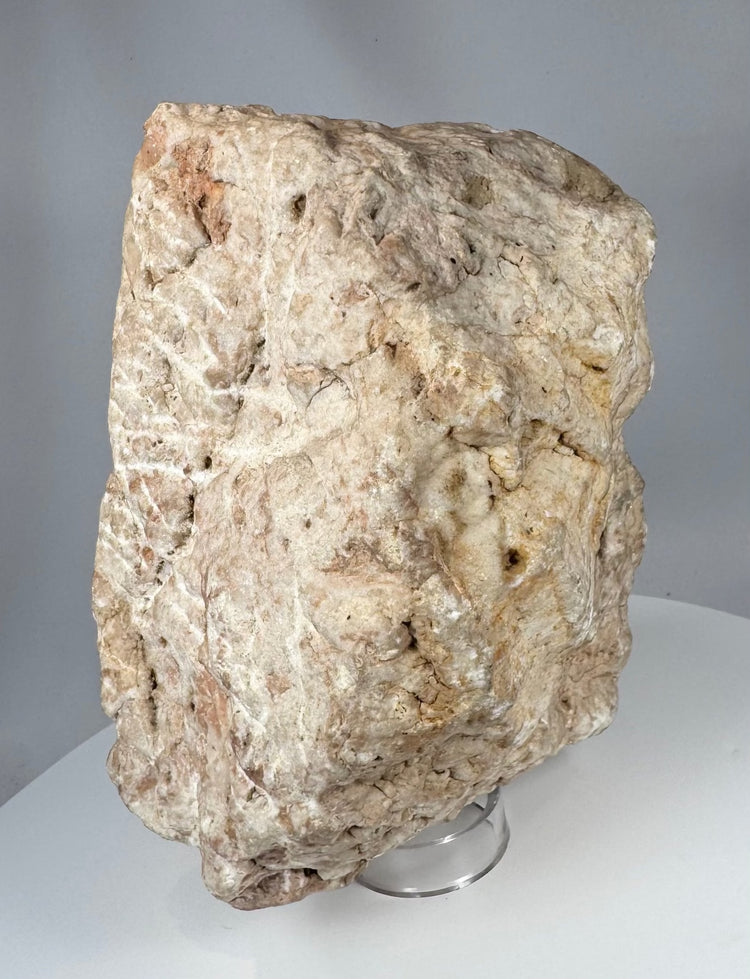
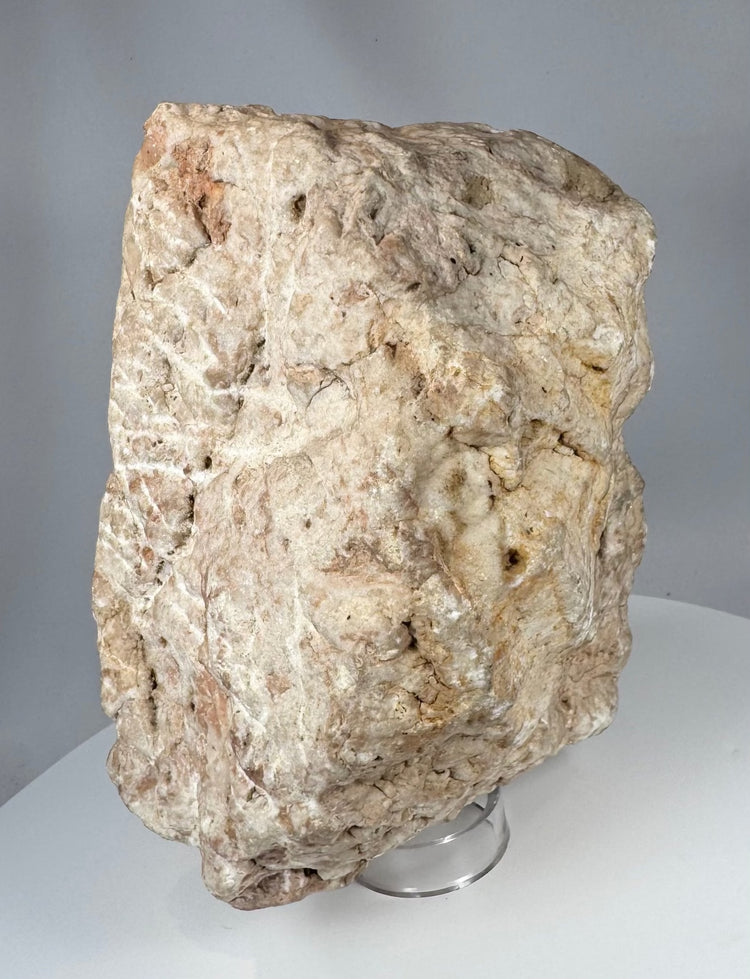
Le fragment semble avoir fait partie à l'origine d'une structure religieuse plus grande ou d'un programme ecclésiastique décoratif, provenant peut-être d'une chapelle, d'une façade d'église, d'un sanctuaire votif ou d'un panneau de relief architectural. La surface en pierre altérée, les bords irréguliers subsistants et le relief fortement usé contribuent au caractère sculptural vieilli et à la présence historique de l'artefact.
La figure cruciforme centrale est encadrée par des formes architecturales simplifiées, tandis que les détails du relief environnant conservent des traces de symbolisme narratif souvent trouvé dans l'art dévotionnel chrétien médiéval. Le périmètre subsistant grossier et la perte partielle indiquent que la pièce a probablement été récupérée d'une composition plus grande à un certain moment de son histoire.
Caractéristiques
- Fragment ecclésiastique en pierre sculptée
- Représentation du Christ en croix
- Composition en niche architecturale
- Détails de fond sculptés en relief, y compris des bâtiments et un motif d'arbre
- Forte esthétique dévotionnelle médiévale
- Surface archéologique altérée
- Fragment sculptural issu d'un contexte architectural plus large
Signification culturelle
Les sculptures religieuses sur pierre ont joué un rôle central dans la culture visuelle médiévale européenne, servant à la fois des fins décoratives et dévotionnelles dans les églises, les monastères, les sanctuaires et les espaces religieux publics. Les représentations sculpturales de la Crucifixion figuraient parmi les thèmes les plus importants de l'art chrétien, symbolisant le sacrifice, la rédemption et la dévotion spirituelle.
Des fragments tels que celui-ci subsistent aujourd'hui comme d'importants vestiges de l'architecture et de l'artisanat ecclésiastiques historiques, préservant des preuves des traditions de sculpture régionales et de l'iconographie religieuse des siècles passés.
État
État fragmentaire avec une usure importante liée à l'âge, des pertes, une altération de la surface, des piqûres et de l'érosion. Des détails partiels en relief restent visibles. Bords brisés irréguliers conformes à la fragmentation architecturale. Condition d'exposition stable dans l'ensemble.
Dimensions (approximatives)
Hauteur : 7 po
Largeur : 6 po
Âge (approximatif)
300 à 700 ans
Provenance
Proposé par les Galeries Thomaston Place Auction, Thomaston, Maine, lors de leur vente aux enchères d'hiver de 2017 le 11 février 2017, en tant que lot 338.
Après la vente aux enchères, la sculpture est entrée dans une collection privée à Windsor, Connecticut, États-Unis.
En savoir plus
Explorez le symbolisme et la tradition artistique de la Crucifixion dans la culture visuelle chrétienne à travers Picturing the Crucifixion.
Parcourez notre Collection de reliques religieuses et spirituelles.
Description
Contexte historique et origine
Région : Europe
Matériau : Pierre sculptée
Période : Probablement médiévale ou ultérieure (vers les XIVe-XVIIIe siècles)
Description
Ce fragment de pierre ecclésiastique sculptée représente une figure stylisée du Christ en croix placée dans une niche architecturale, entourée d'éléments de fond sculptés en relief, y compris des bâtiments et un motif d'arbre. Exécutée en haut-relief, la composition reflète les traditions artistiques dévotionnelles associées à la sculpture sur pierre chrétienne médiévale et à l'ornementation architecturale.
Le fragment semble avoir fait partie à l'origine d'une structure religieuse plus grande ou d'un programme ecclésiastique décoratif, provenant peut-être d'une chapelle, d'une façade d'église, d'un sanctuaire votif ou d'un panneau de relief architectural. La surface en pierre altérée, les bords irréguliers subsistants et le relief fortement usé contribuent au caractère sculptural vieilli et à la présence historique de l'artefact.
La figure cruciforme centrale est encadrée par des formes architecturales simplifiées, tandis que les détails du relief environnant conservent des traces de symbolisme narratif souvent trouvé dans l'art dévotionnel chrétien médiéval. Le périmètre subsistant grossier et la perte partielle indiquent que la pièce a probablement été récupérée d'une composition plus grande à un certain moment de son histoire.
Caractéristiques
- Fragment ecclésiastique en pierre sculptée
- Représentation du Christ en croix
- Composition en niche architecturale
- Détails de fond sculptés en relief, y compris des bâtiments et un motif d'arbre
- Forte esthétique dévotionnelle médiévale
- Surface archéologique altérée
- Fragment sculptural issu d'un contexte architectural plus large
Signification culturelle
Les sculptures religieuses sur pierre ont joué un rôle central dans la culture visuelle médiévale européenne, servant à la fois des fins décoratives et dévotionnelles dans les églises, les monastères, les sanctuaires et les espaces religieux publics. Les représentations sculpturales de la Crucifixion figuraient parmi les thèmes les plus importants de l'art chrétien, symbolisant le sacrifice, la rédemption et la dévotion spirituelle.
Des fragments tels que celui-ci subsistent aujourd'hui comme d'importants vestiges de l'architecture et de l'artisanat ecclésiastiques historiques, préservant des preuves des traditions de sculpture régionales et de l'iconographie religieuse des siècles passés.
État
État fragmentaire avec une usure importante liée à l'âge, des pertes, une altération de la surface, des piqûres et de l'érosion. Des détails partiels en relief restent visibles. Bords brisés irréguliers conformes à la fragmentation architecturale. Condition d'exposition stable dans l'ensemble.
Dimensions (approximatives)
Hauteur : 7 po
Largeur : 6 po
Âge (approximatif)
300 à 700 ans
Provenance
Proposé par les Galeries Thomaston Place Auction, Thomaston, Maine, lors de leur vente aux enchères d'hiver de 2017 le 11 février 2017, en tant que lot 338.
Après la vente aux enchères, la sculpture est entrée dans une collection privée à Windsor, Connecticut, États-Unis.
En savoir plus
Explorez le symbolisme et la tradition artistique de la Crucifixion dans la culture visuelle chrétienne à travers Picturing the Crucifixion.
Parcourez notre Collection de reliques religieuses et spirituelles.
Vous aimerez peut-être aussi
