

Qu'est-ce qui distingue Relic & Rarity ?
Notre collection est fondée sur l'authenticité, la qualité et la confiance. Chaque pièce est méticuleusement étudiée avant d'être proposée et est garantie par notre Garantie d'Authenticité. Lorsque disponibles, nous incluons la provenance documentée, un certificat d'authenticité, un emballage professionnel, la livraison gratuite dans le monde entier et un support dédié.

Merveilles préhistoriques : reliques et art antiques
-
Oligocene Dugong (Sirenian) Fossil Rib on Custom Display Stand | Circa 23–34 Million Years Old
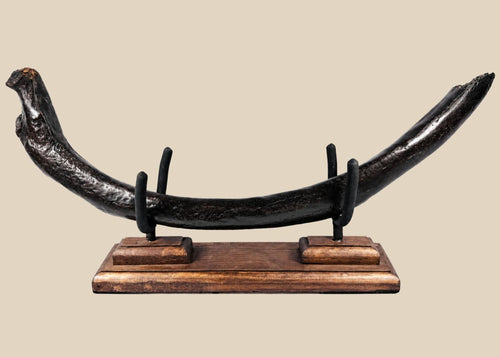
Oligocene Dugong (Sirenian) Fossil Rib on Custom Display Stand | Circa 23–34 Million Years Old
- Prix habituel
- $1,500.00
- Prix soldé
- $1,500.00
- Prix habituel
-
Fossile de dinosaure du Crétacé | Os de théropode (type raptor) | Wyoming, États-Unis | Environ 100 à 89 millions d'années
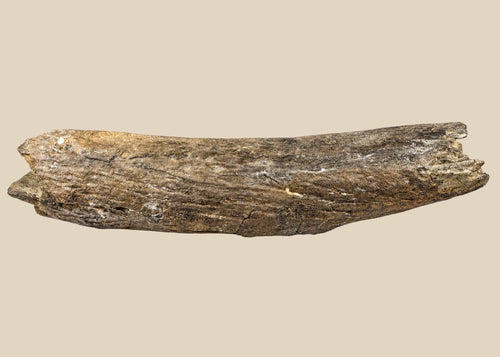
Fossile de dinosaure du Crétacé | Os de théropode (type raptor) | Wyoming, États-Unis | Environ 100 à 89 millions d'années
- Prix habituel
- $1,500.00
- Prix soldé
- $1,500.00
- Prix habituel
-
Cruche en céramique néolithique – début de l'âge du bronze | Vase rituel à deux anses | Europe centrale ou orientale | Vers 3000-2000 av. J.-C.
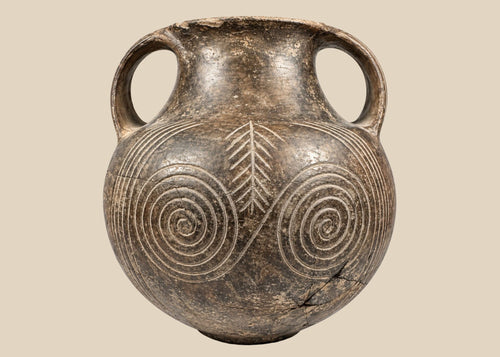
Cruche en céramique néolithique – début de l'âge du bronze | Vase rituel à deux anses | Europe centrale ou orientale | Vers 3000-2000 av. J.-C.
- Prix habituel
- $1,500.00
- Prix soldé
- $1,500.00
- Prix habituel
-
Prehistoric Bison Foot from Doggerland | Ice Age Subfossil | Circa 10,000 Years Old
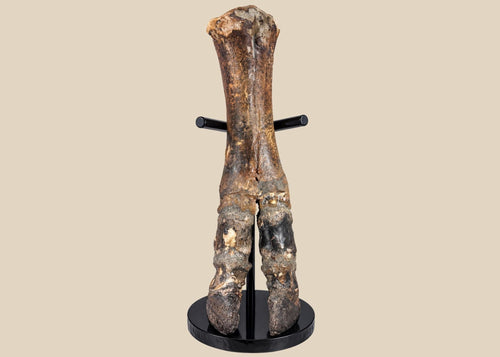
Prehistoric Bison Foot from Doggerland | Ice Age Subfossil | Circa 10,000 Years Old
- Prix habituel
- $1,250.00
- Prix soldé
- $1,250.00
- Prix habituel
-
Méditerranée antique | Pointe de lance en bronze | Chypriote ancien III | Vers 2500-1900 av. J.-C.
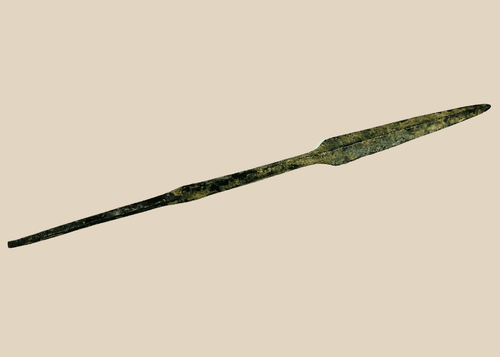
Méditerranée antique | Pointe de lance en bronze | Chypriote ancien III | Vers 2500-1900 av. J.-C.
- Prix habituel
- $1,250.00
- Prix soldé
- $1,250.00
- Prix habituel
-
Vase en poterie peinte néolithique chinoise ancienne à décor géométrique | Vers 3300-2000 av. J.-C.
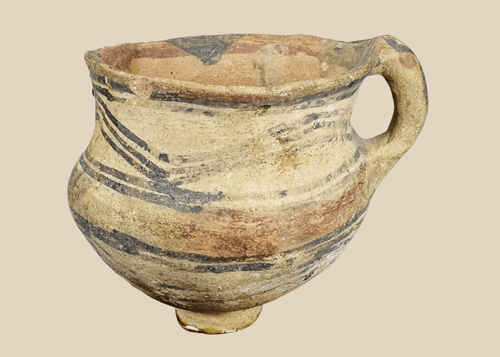
Vase en poterie peinte néolithique chinoise ancienne à décor géométrique | Vers 3300-2000 av. J.-C.
- Prix habituel
- $1,000.00
- Prix soldé
- $1,000.00
- Prix habituel
-
Corne de bison fossilisée préhistorique avec crâne partiel | Datant d'environ 2,58 millions à 11 700 ans
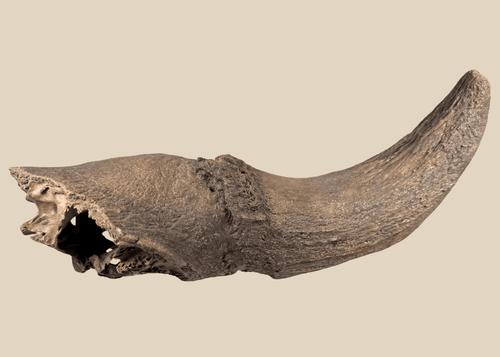
Corne de bison fossilisée préhistorique avec crâne partiel | Datant d'environ 2,58 millions à 11 700 ans
- Prix habituel
- $750.00
- Prix soldé
- $750.00
- Prix habituel
-
Ensemble de fragments de bol et de vase en céramique néolithique | Vers 4000–2000 av. J.-C.
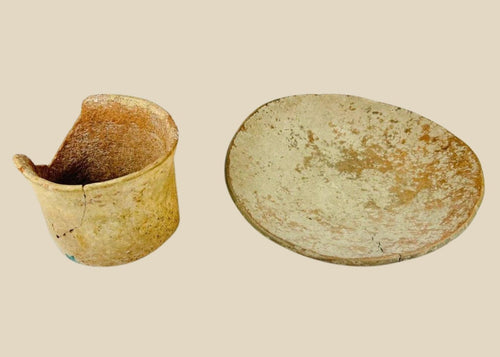
Ensemble de fragments de bol et de vase en céramique néolithique | Vers 4000–2000 av. J.-C.
- Prix habituel
- $750.00
- Prix soldé
- $750.00
- Prix habituel
-
Collection d'exposition de fossiles préhistoriques | Trilobites du Cambrien, poissons fossiles, dents de requin et réplique de crâne de Brachiosaure
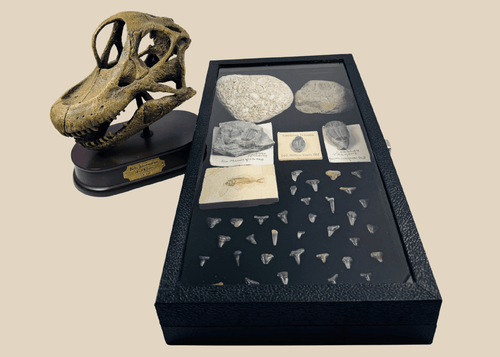
Collection d'exposition de fossiles préhistoriques | Trilobites du Cambrien, poissons fossiles, dents de requin et réplique de crâne de Brachiosaure
- Prix habituel
- $500.00
- Prix soldé
- $500.00
- Prix habituel
-
Collection de trois trilobites fossiles | 400–359 millions d'années
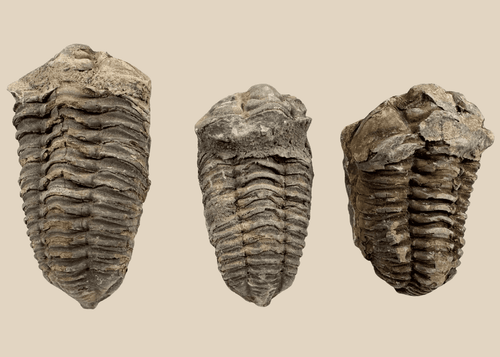
Collection de trois trilobites fossiles | 400–359 millions d'années
- Prix habituel
- $500.00
- Prix soldé
- $500.00
- Prix habituel
-
Préhistorique | Amérindien | Pointes de lance en cuivre des Grands Lacs | Vers 3000–1000 av. J.-C.
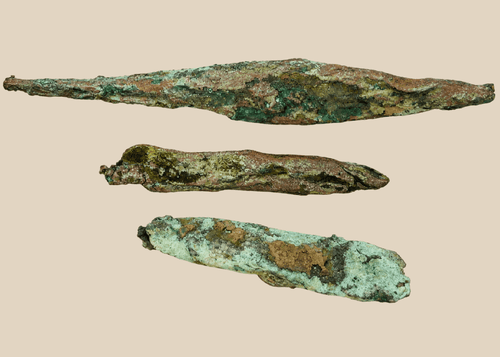
Préhistorique | Amérindien | Pointes de lance en cuivre des Grands Lacs | Vers 3000–1000 av. J.-C.
- Prix habituel
- $500.00
- Prix soldé
- $500.00
- Prix habituel
-
Artefact andin précolombien | Hache en pierre à encoches pour usage quotidien | 500–1500 apr. J.-C.
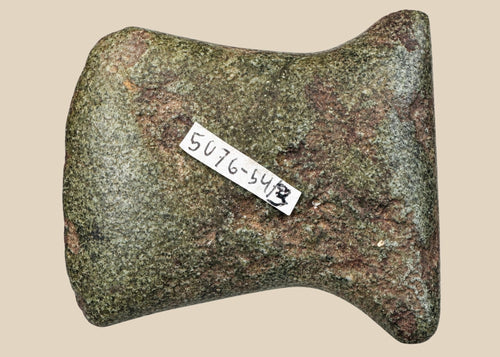
Artefact andin précolombien | Hache en pierre à encoches pour usage quotidien | 500–1500 apr. J.-C.
- Prix habituel
- $325.00
- Prix soldé
- $325.00
- Prix habituel
-
Hache en pierre précolombienne | Outil andin authentique avec étiquette archéologique | 200–800 apr. J.-C.
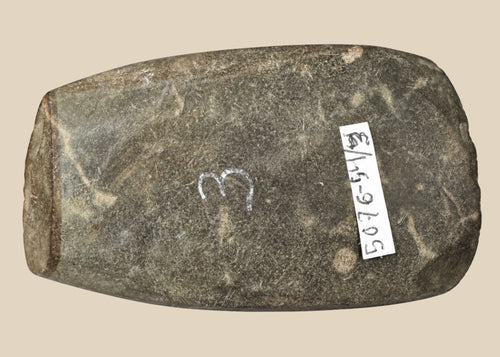
Hache en pierre précolombienne | Outil andin authentique avec étiquette archéologique | 200–800 apr. J.-C.
- Prix habituel
- $325.00
- Prix soldé
- $325.00
- Prix habituel
-
Artefact andin ancien | Hache en pierre fonctionnelle avec patine et provenance | Époque précolombienne, 200-800 apr. J.-C.
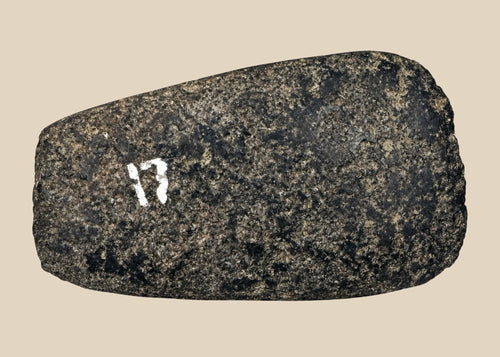
Artefact andin ancien | Hache en pierre fonctionnelle avec patine et provenance | Époque précolombienne, 200-800 apr. J.-C.
- Prix habituel
- $300.00
- Prix soldé
- $300.00
- Prix habituel
Informations détaillées pour les collectionneurs
Quelle est la différence entre les artefacts préhistoriques et anciens ?
Les artefacts préhistoriques proviennent de périodes antérieures à l'usage généralisé de l'écriture par une culture, tandis que les artefacts anciens peuvent appartenir à des sociétés qui ont laissé des traces écrites. Comme l'écriture s'est développée à des moments différents selon les régions du monde, la fin de la préhistoire varie selon la région.
Comment les os de dinosaures deviennent-ils des fossiles ?
La fossilisation peut commencer lorsque les restes sont enfouis sous des sédiments et protégés d'une décomposition rapide. Avec le temps, l'eau riche en minéraux peut remplir les espaces à l'intérieur de l'os ou remplacer des parties de son matériau d'origine, préservant ainsi sa structure pendant des millions d'années.
À quoi servait la poterie néolithique ?
La poterie néolithique était fabriquée pour stocker, préparer, servir et transporter la nourriture et les liquides, ainsi que pour des usages cérémoniels ou funéraires. De nombreux récipients anciens étaient façonnés à la main ou construits à l'aide de colombins avant d'être cuits, avec des décorations incisées ou peintes reflétant parfois les traditions locales.
Que peuvent nous apprendre les outils préhistoriques sur les premières sociétés ?
Les haches en pierre, les pointes de lance, les lames et autres outils préhistoriques témoignent de la chasse, de la préparation des aliments, du travail du bois, de l'agriculture et de la production artisanale. Leurs matériaux, leurs formes, leurs marques de fabrication et leurs schémas d'usure peuvent également révéler des connaissances technologiques et la manière dont un objet a été utilisé.
Comment sont datés les artéfacts et les fossiles préhistoriques ?
Les chercheurs prennent en compte la couche archéologique d'un objet, son matériau, sa technique de fabrication, sa forme et sa comparaison avec des exemples documentés. Des méthodes scientifiques peuvent également être utilisées, notamment la datation radiométrique, l'analyse du matériel organique associé et les techniques qui estiment la date de la dernière chauffe de la poterie ou de la pierre.
Découvrez @relicandraritygallery sur Instagram

