

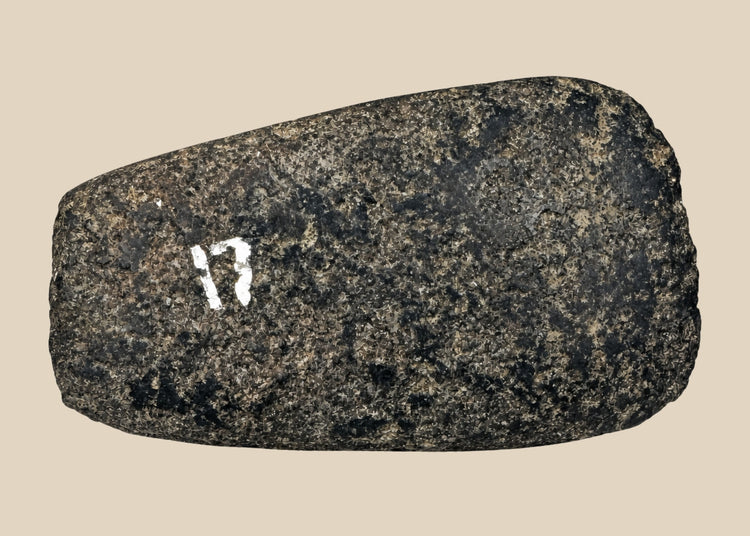
Artefact andin ancien | Hache en pierre fonctionnelle avec patine et provenance | Époque précolombienne, 200-800 apr. J.-C.
- Prix habituel
- $300.00
- Prix soldé
- $300.00
- Prix habituel
Impossible de charger la disponibilité du service de retrait


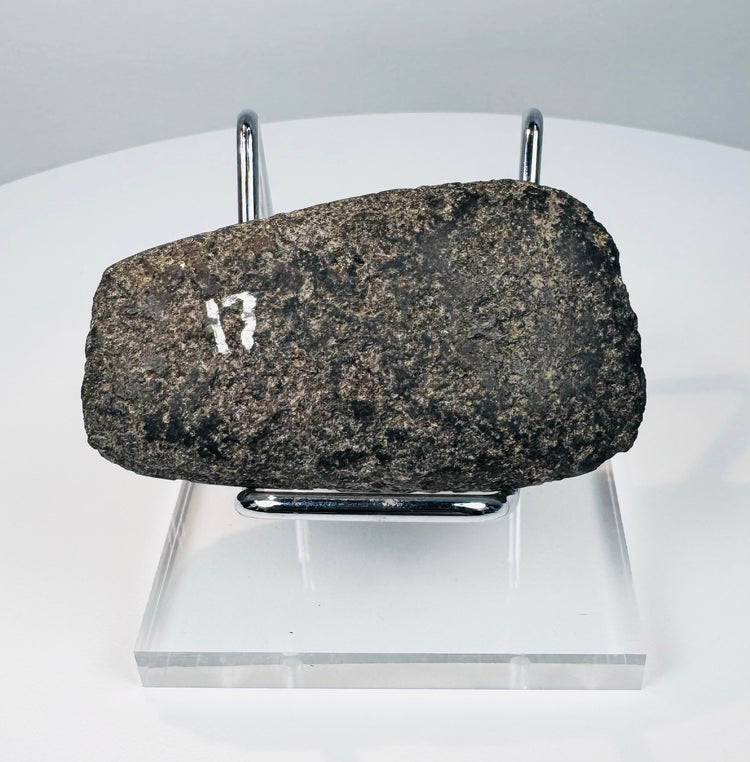
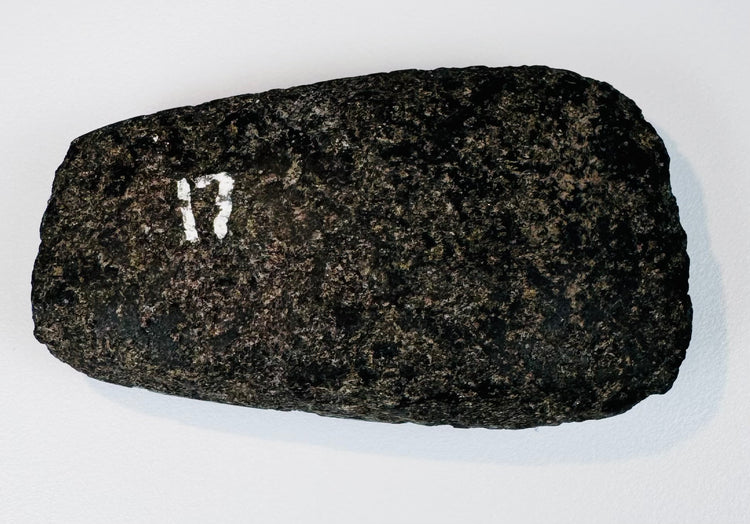
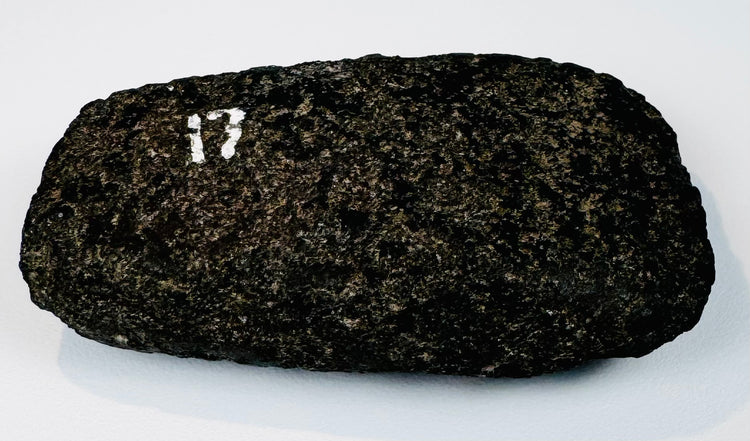
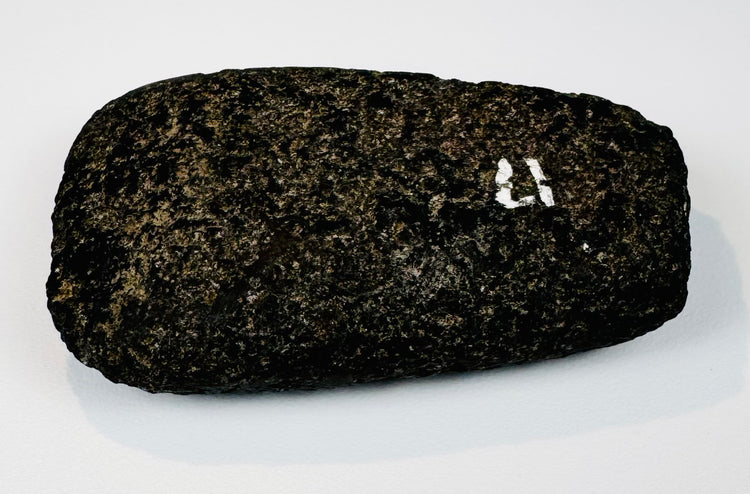
Artefact andin ancien | Hache en pierre fonctionnelle avec patine et provenance | Époque précolombienne, 200-800 apr. J.-C.
Description
Plus
Moins
Contexte historique et origine
Région : Équateur ou Pérou, région andine
Matériau : Pierre polie
Période : 200–800 de notre ère (précolombienne)
Description
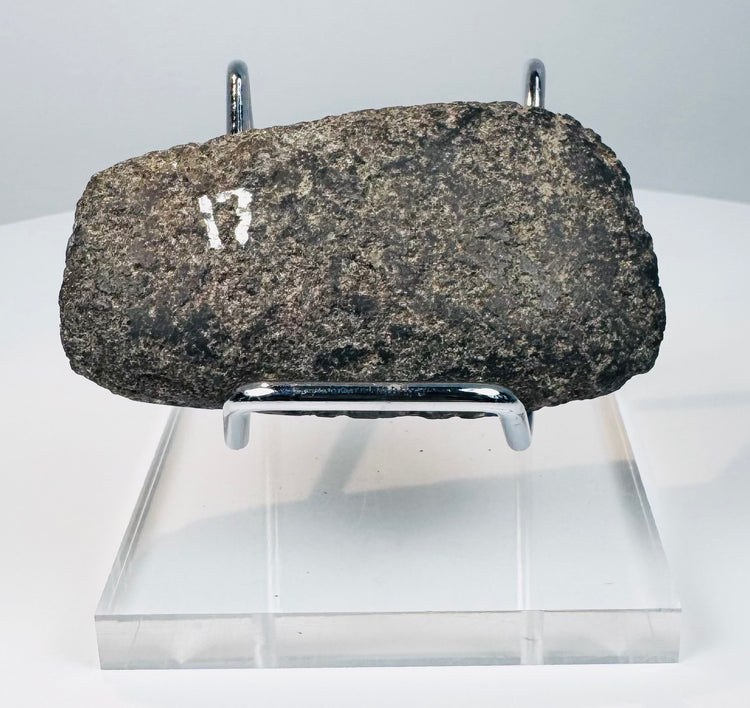
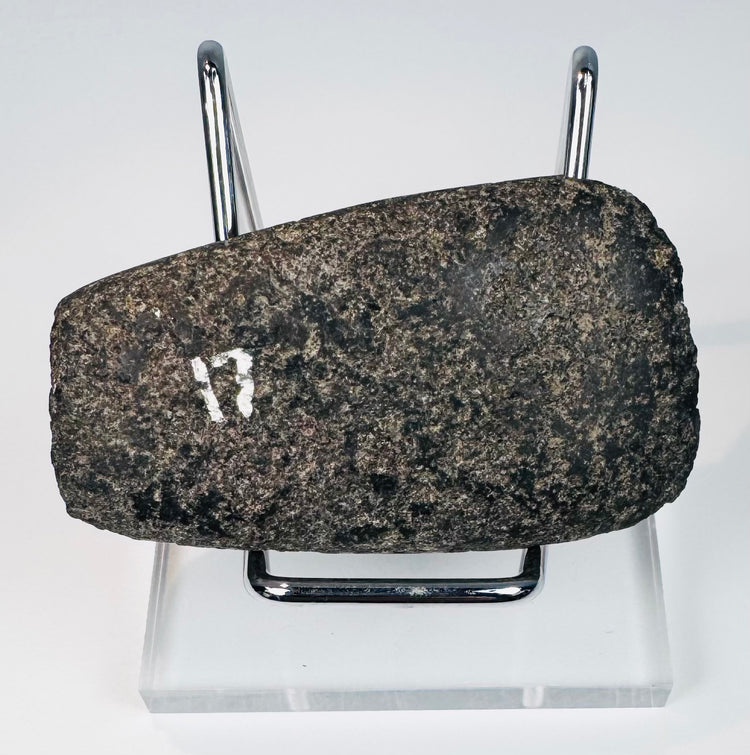
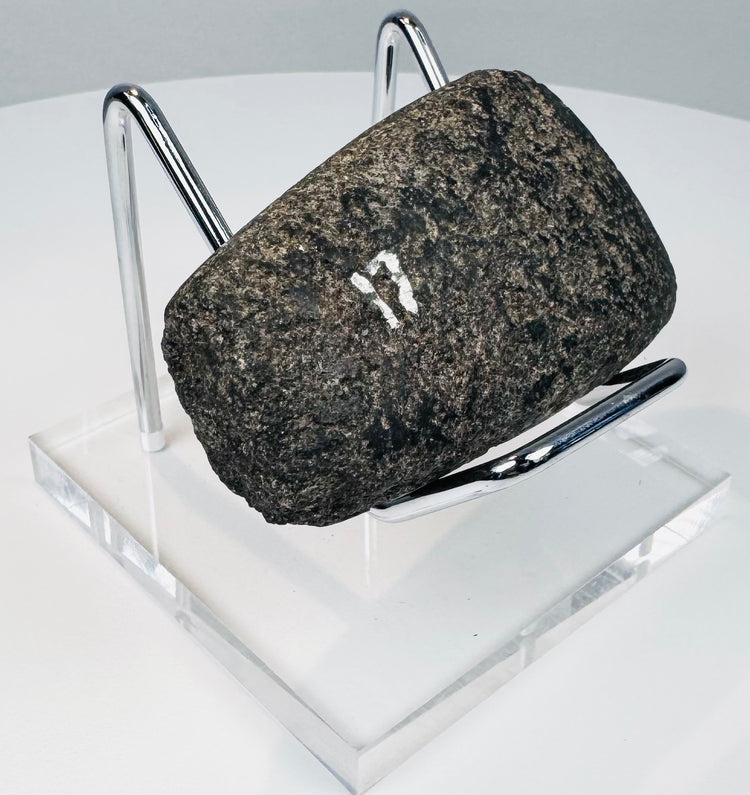
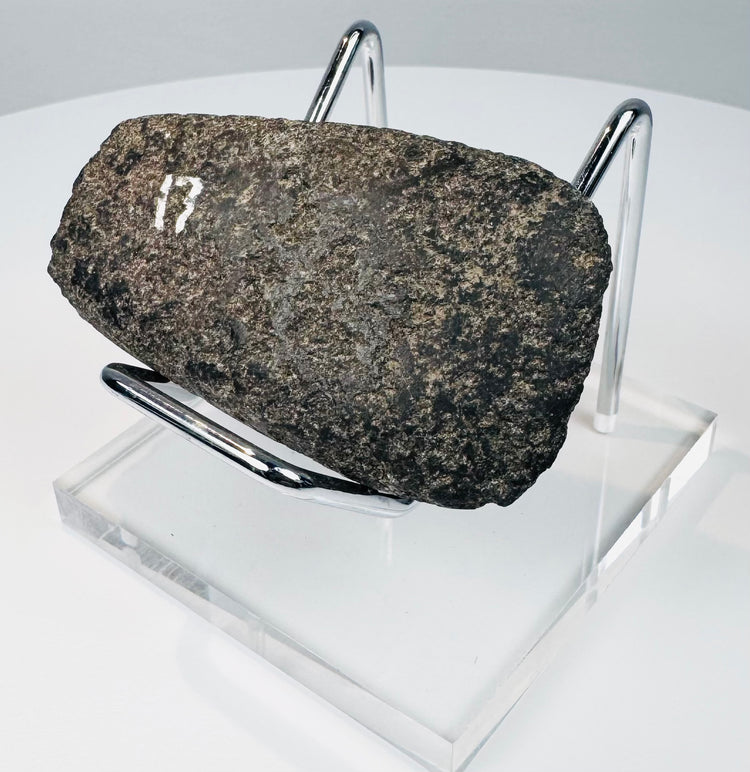
Cette petite hache artisanale représente une version utilitaire des haches à encoches plus grandes et plus ornées de l'ancienne Amérique du Sud. Conçu pour un usage quotidien plutôt que pour une exposition cérémonielle, l'outil montre des preuves claires d'un service prolongé, y compris de multiples réaffûtages et un tranchant arrondi et usé. Les surfaces entièrement polies et le biseautage prononcé témoignent d'un processus de finition soigné, tandis que la présence d'un numéro archéologique confirme davantage sa provenance et son authenticité documentées.
Caractéristiques
- Faces entièrement polies éliminant les premières traces de façonnage
- Tranchant fortement biseauté réaffûté plusieurs fois
- Tranchant arrondi et usé par un usage prolongé
- Numérotation archéologique confirmant la provenance
Signification culturelle
Contrairement aux haches de prestige ou de cérémonie, les outils de ce type étaient fabriqués pour une fonction quotidienne, servant probablement à la menuiserie, à la préparation des aliments ou à d'autres tâches pratiques. La technologie de la pierre polie était centrale dans les sociétés andines précolombiennes, reflétant à la fois leur ingéniosité pratique et leur dépendance à l'égard d'outils durables pour la vie quotidienne. Des objets tels que celui-ci offrent un lien direct avec les activités quotidiennes et l'artisanat des anciennes cultures sud-américaines.
État
Excellent état archéologique avec usure visible et patine due à une utilisation intensive. Les bords restent intacts, avec une usure de surface conforme à l'âge.
Dimensions (approximatives)
Hauteur : 3 pouces
Largeur : 1,5 pouce
Âge (approximatif)
1 225 à 1 825 ans
Provenance
Acquis dans les années 1950 et faisant autrefois partie de la collection privée de David Sheridan, Branchburg, New Jersey, États-Unis, un collectionneur de longue date dont les avoirs comprenaient des antiquités, de l'art précolombien et du matériel ethnographique. Par la suite détenu dans la succession de Todd Solomon, dont la collection comprenait de l'art et des antiquités asiatiques. Plus tard géré par Palmyra Heritage Gallery, New York, New York, États-Unis, avant d'entrer dans une collection privée à Toronto, Ontario, Canada.
En savoir plus
Étudiez l'histoire des haches et outils en pierre anciens
Parcourez notre collection de haches et outils anciens
Description
Contexte historique et origine
Région : Équateur ou Pérou, région andine
Matériau : Pierre polie
Période : 200–800 de notre ère (précolombienne)
Description
Cette petite hache artisanale représente une version utilitaire des haches à encoches plus grandes et plus ornées de l'ancienne Amérique du Sud. Conçu pour un usage quotidien plutôt que pour une exposition cérémonielle, l'outil montre des preuves claires d'un service prolongé, y compris de multiples réaffûtages et un tranchant arrondi et usé. Les surfaces entièrement polies et le biseautage prononcé témoignent d'un processus de finition soigné, tandis que la présence d'un numéro archéologique confirme davantage sa provenance et son authenticité documentées.
Caractéristiques
- Faces entièrement polies éliminant les premières traces de façonnage
- Tranchant fortement biseauté réaffûté plusieurs fois
- Tranchant arrondi et usé par un usage prolongé
- Numérotation archéologique confirmant la provenance
Signification culturelle
Contrairement aux haches de prestige ou de cérémonie, les outils de ce type étaient fabriqués pour une fonction quotidienne, servant probablement à la menuiserie, à la préparation des aliments ou à d'autres tâches pratiques. La technologie de la pierre polie était centrale dans les sociétés andines précolombiennes, reflétant à la fois leur ingéniosité pratique et leur dépendance à l'égard d'outils durables pour la vie quotidienne. Des objets tels que celui-ci offrent un lien direct avec les activités quotidiennes et l'artisanat des anciennes cultures sud-américaines.
État
Excellent état archéologique avec usure visible et patine due à une utilisation intensive. Les bords restent intacts, avec une usure de surface conforme à l'âge.
Dimensions (approximatives)
Hauteur : 3 pouces
Largeur : 1,5 pouce
Âge (approximatif)
1 225 à 1 825 ans
Provenance
Acquis dans les années 1950 et faisant autrefois partie de la collection privée de David Sheridan, Branchburg, New Jersey, États-Unis, un collectionneur de longue date dont les avoirs comprenaient des antiquités, de l'art précolombien et du matériel ethnographique. Par la suite détenu dans la succession de Todd Solomon, dont la collection comprenait de l'art et des antiquités asiatiques. Plus tard géré par Palmyra Heritage Gallery, New York, New York, États-Unis, avant d'entrer dans une collection privée à Toronto, Ontario, Canada.
En savoir plus
Étudiez l'histoire des haches et outils en pierre anciens
Parcourez notre collection de haches et outils anciens
Vous aimerez peut-être aussi
