

Le chat Bastet représente Bastet, une ancienne déesse égyptienne associée à la protection, à la fertilité et à l'harmonie domestique. Vénérée pendant des milliers d'années, Bastet symbolisait également le pouvoir féminin divin et était profondément liée à la protection du foyer et à la vie quotidienne en Égypte ancienne. En tant que déesse égyptienne chatte, Bastet occupait une place unique dans la religion égyptienne, reliant les mondes de la dévotion domestique, du symbolisme royal et du rituel sacré.
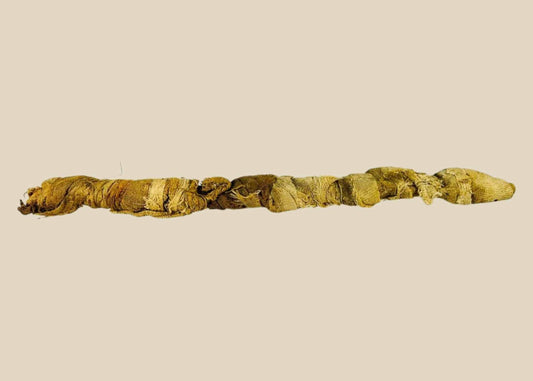
Tout au long de la mythologie de Bastet, les chats n'étaient pas de simples animaux. Ils étaient considérés comme des gardiens sacrés, connectés à l'énergie divine et censés posséder des pouvoirs protecteurs. Cette profonde vénération a conduit à la création de statues de chats élaborées, d'amulettes protectrices, de temples, et même à la pratique de la conservation de chats momifiés comme offrandes sacrées.
Aujourd'hui, l'histoire de la tradition féline de l'Égypte ancienne continue de fasciner les historiens, les collectionneurs et les musées, offrant un aperçu de l'une des relations spirituelles les plus distinctives entre les humains et les animaux dans l'histoire du monde. Les collectionneurs peuvent explorer des artefacts liés à Bastet, y compris des statues de chats et des chats momifiés, dans la Collection de momies et d'artefacts de l'Égypte ancienne, qui met en lumière le symbolisme félin sacré et d'autres reliques remarquables de l'Égypte ancienne.
Points clés à retenir
- Le chat Bastet représente la déesse égyptienne Bastet, associée à la protection, à la fertilité et à l'harmonie domestique.
- Bastet était vénérée dans toute l'Égypte ancienne, en particulier au célèbre temple de Bubastis.
- Les chats étaient considérés comme des animaux sacrés et étaient souvent conservés comme des chats momifiés en offrandes à la déesse.
- Bastet a évolué d'une divinité lionne étroitement liée à Sekhmet, une autre puissante déesse égyptienne.
- Les artefacts liés à Bastet comprennent des statues de chats, des objets rituels et des amulettes protectrices portées pour la protection spirituelle.
Le chat Bastet : qui était la déesse égyptienne chatte ?

Le chat Bastet représente la déesse Bastet, l'une des divinités les plus aimées de l'Égypte ancienne. Bastet était une déesse égyptienne chatte et une déesse protectrice vénérée qui gardait les maisons, les familles, et surtout les femmes et les enfants. Initialement représentée comme une lionne féroce, elle a progressivement évolué vers la forme familière d'une femme à tête de chat, symbolisant l'équilibre entre la force et la protection nourricière.
En tant que protectrice divine, Bastet était associée à la protection, à l'harmonie, à la fertilité et à la force féminine, en particulier dans le contexte de la famille et de la maternité. Grâce à ces qualités, le chat Bastet est devenu l'un des symboles sacrés les plus reconnaissables de la religion égyptienne, et Bastet elle-même est devenue l'une des divinités les plus vénérées de la culture égyptienne.
Mythologie de Bastet : quelle est la connexion entre Bastet et Sekhmet ?
Sekhmet, une déesse lionne associée à la guerre et à la destruction, représentait l'aspect féroce du pouvoir divin dans la mythologie égyptienne. Bastet, cependant, représentait l'aspect plus doux et protecteur de ce même pouvoir divin. Cette transformation symbolisait l'équilibre divin.
Dans la mythologie égyptienne, Bastet et Sekhmet sont étroitement liées et représentent souvent deux aspects opposés du pouvoir divin.
Aspect |
Bastet |
Sekhmet |
Forme |
Chatte ou femme à tête de chatte |
Lionne ou femme à tête de lionne |
Rôle |
Protection, fertilité, harmonie domestique |
Guerre, destruction, colère divine |
Symbolisme |
Pouvoir protecteur, doux et nourrissant |
Force divine féroce et destructive |
Origine |
A évolué à partir de divinités lionnes |
Déesse lionne originelle |
Signification |
Équilibre, guérison, protection |
Pouvoir, chaos, punition |
Bastet et Sekhmet représentent deux aspects de la même force divine : l'une protectrice et nourrissante, l'autre féroce et destructive.
Culte félin de l'Égypte ancienne : pourquoi les chats étaient-ils sacrés ?
Les chats étaient sacrés en Égypte ancienne car ils étaient censés incarner la protection divine, la grâce et le pouvoir spirituel.

Les chats étaient sacrés en Égypte ancienne pour des raisons à la fois pratiques et spirituelles :
- Pratiques : ils protégeaient les greniers des rongeurs et gardaient les maisons des serpents.
- Spirituelles : ils étaient censés transporter l'énergie divine et étaient étroitement associés à Bastet.
Les familles gardaient souvent des chats comme compagnons bien-aimés, et blesser un chat était considéré comme un crime grave en Égypte ancienne.
Cette admiration a finalement conduit à la création d'offrandes sacrées connues sous le nom de chats momifiés, qui étaient présentés à Bastet dans les temples en signe de dévotion. Un exemple remarquable de cette tradition peut être vu dans notre Momie de chat Bastet de l'Égypte ancienne.

Découvrez l'artefact de la momie de chat Bastet et sa signification historique : Ici.
Pourquoi le temple de Bubastis était-il le centre du culte de Bastet ?
Le temple de Bubastis, situé dans le delta du Nil, était le principal centre religieux dédié à la déesse Bastet.

La ville de Bubastis est devenue le cœur du culte de Bastet, attirant des pèlerins de toute l'Égypte ancienne qui venaient honorer la déesse par des offrandes rituelles et des festivals religieux vibrants.
Les historiens de l'Antiquité ont décrit de grandes célébrations où des milliers de personnes se rassemblaient avec de la musique, de la danse et des processions cérémonielles. Lors de ces événements, les adorateurs portaient des objets sacrés associés à Bastet, notamment des statues de chats représentant la déesse, des bijoux et des amulettes protectrices, et des instruments rituels tels que le sistre, qui était agité lors des cérémonies du temple.
Les dévots présentaient également des offrandes de chats momifiés en signe de dévotion. Dans la mythologie égyptienne, Bastet était étroitement liée à la déesse lionne Sekhmet, reflétant l'équilibre entre la protection nourricière et la féroce puissance divine qui définissait le rôle de Bastet dans la religion égyptienne. Ces cérémonies ont fait du temple de Bubastis l'un des centres de culte les plus vibrants et les plus importants du monde égyptien antique.
Quels types d'artefacts sont associés au chat Bastet ?
Les artefacts liés à Bastet comprennent des statues de chats, des amulettes protectrices, des sistres et des chats momifiés.
Statues de chats
Les artefacts liés à Bastet comprennent des statues de chats, des amulettes protectrices, des sistres et des chats momifiés.

Les statues de chats en bronze et en pierre faisaient partie des représentations les plus courantes de Bastet. Ces sculptures représentent souvent des chats assis avec une posture élégante et des bijoux complexes sculptés autour du cou. Elles étaient fréquemment placées dans les temples ou les maisons comme symboles de protection et de dévotion. Un exemple bien connu peut être vu au Metropolitan Museum of Art.
Amulettes

Découvrez les amulettes anciennes : Ici.
De petites amulettes de Bastet étaient portées comme des charmes protecteurs. Les Égyptiens croyaient que ces objets portaient le pouvoir protecteur de la déesse et pouvaient protéger le porteur des maladies et des dangers. Les amulettes en forme de chats ou de figures de Bastet étaient particulièrement populaires parmi les femmes et les enfants.
Un exemple de cette tradition peut être vu dans cette amulette de chat en faïence de l'Égypte ancienne, reflétant la pratique ancienne de porter des amulettes en forme de félin liées au culte de Bastet.
Instrument sistre

L'instrument sistre, un instrument de musique sacré ressemblant à un hochet, était étroitement associé au culte de Bastet. Les prêtres et prêtresses l'utilisaient lors des rituels pour invoquer l'énergie divine et célébrer la déesse. Un exemple de cet objet cérémoniel peut être vu dans la collection du Musée égyptien du Caire, où les sistres conservés illustrent leur importance dans les cérémonies du temple. Le son rythmique du sistre symbolisait la joie, l'harmonie et la protection spirituelle.
Pourquoi le chat Bastet fascine-t-il encore les gens aujourd'hui ?
Le chat Bastet reste important aujourd'hui car il nous aide à comprendre comment les anciens Égyptiens percevaient la protection, la spiritualité et le rôle des animaux dans la vie quotidienne. Dans la religion de l'Égypte ancienne, la déesse Bastet représentait des qualités qui touchaient la vie quotidienne plutôt que seulement le pouvoir royal ou militaire. Contrairement à de nombreuses divinités antiques associées principalement à la guerre ou à la royauté, Bastet incarnait la protection, la joie et la fertilité au sein du foyer.
Les artefacts survivants liés à Bastet offrent un aperçu précieux de la façon dont les anciens Égyptiens comprenaient la présence divine dans le monde qui les entourait. Aujourd'hui, les collectionneurs et les historiens continuent de préserver et d'acquérir des artefacts liés à Bastet, y compris des statues de chats et des amulettes, comme de précieuses pièces de l'histoire de l'Égypte ancienne.
Conclusion
Le chat Bastet révèle comment les anciens Égyptiens ont lié la religion, la vie quotidienne et le symbolisme animal à travers le culte de la déesse Bastet. Grâce à des objets sacrés tels que des statues de chats, des amulettes protectrices et des offrandes rituelles comme des chats momifiés, les historiens et les collectionneurs peuvent continuer à explorer les traditions durables du culte félin égyptien.
Au-delà de leur beauté visuelle, ces artefacts reflètent les idées spirituelles, les pratiques quotidiennes et les traditions symboliques qui ont façonné la vie en Égypte ancienne. Pour les universitaires comme pour les collectionneurs, ils restent de puissants rappels du lien profond entre la religion, l'art et le monde naturel. Découvrez des artefacts liés à Bastet, y compris des statues de chats et des chats momifiés, dans notre Collection d'artefacts de l'Égypte ancienne, présentant des reliques égyptiennes sacrées.


