



Égypte ancienne | Figurine en calcaire d'un primate sacré | Vers 664-30 av. J.-C.
- Prix habituel
- $1,500.00
- Prix soldé
- $1,500.00
- Prix habituel
Impossible de charger la disponibilité du service de retrait


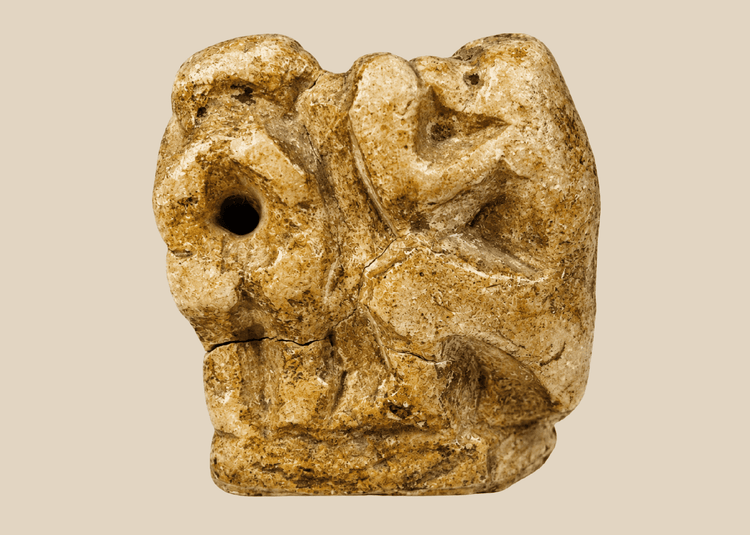
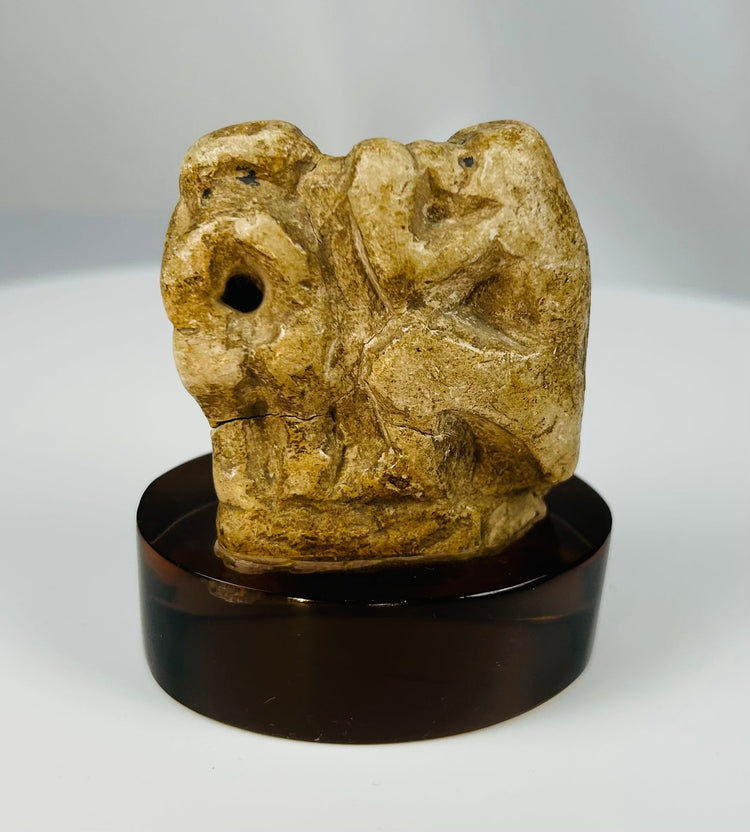
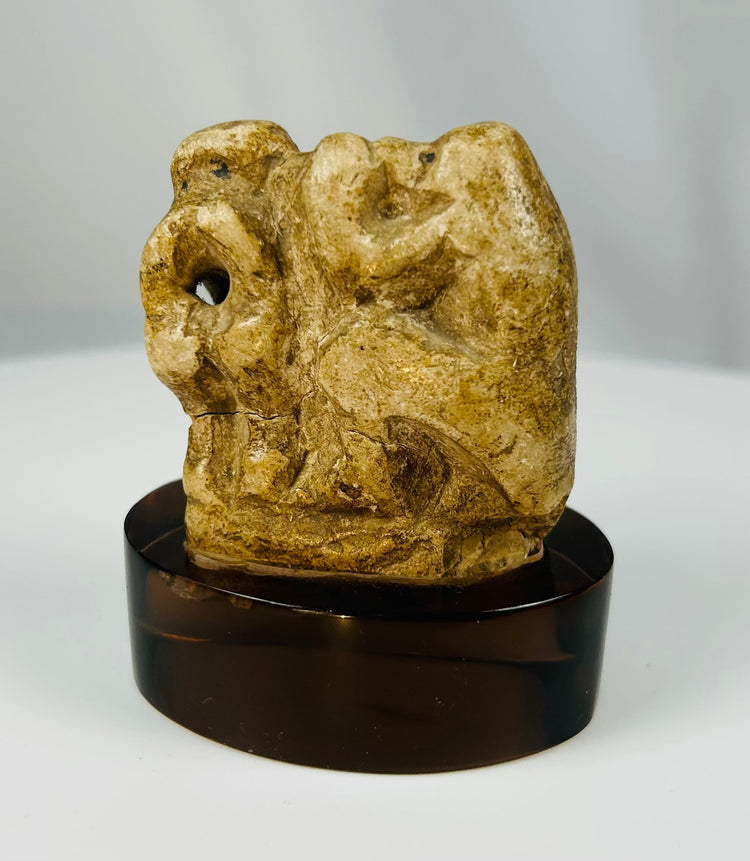
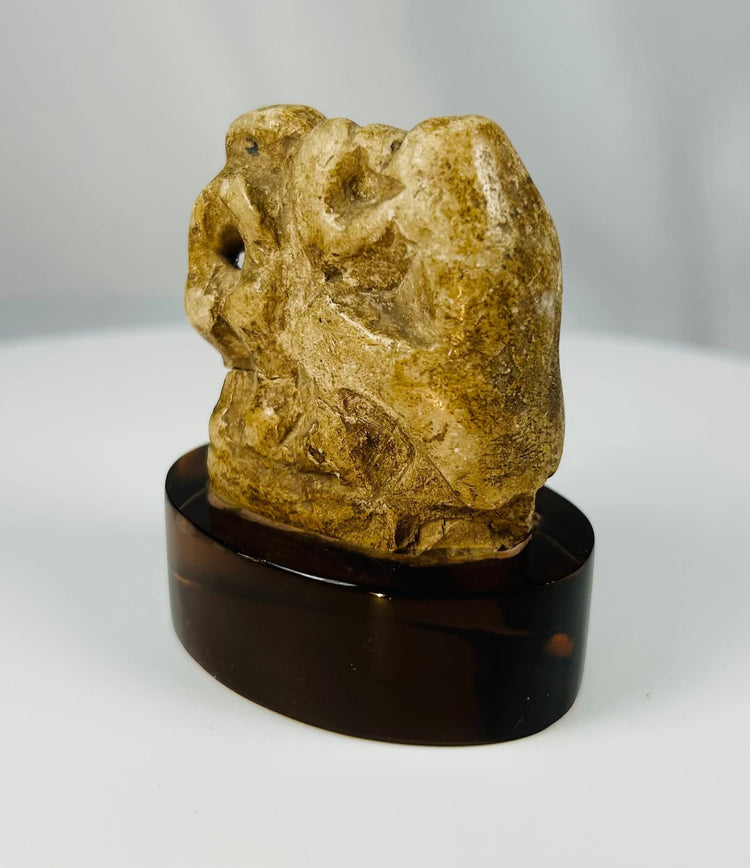
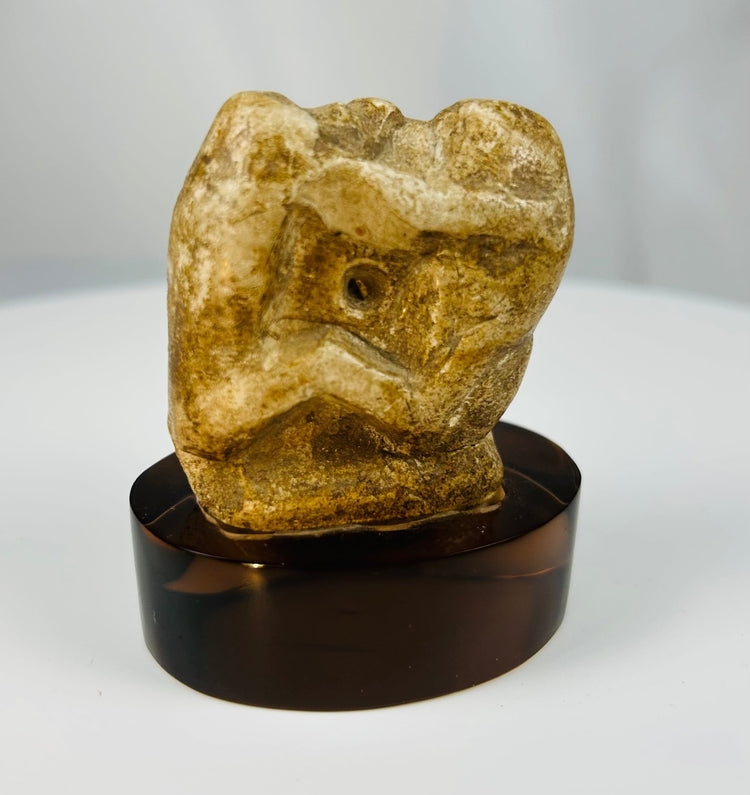
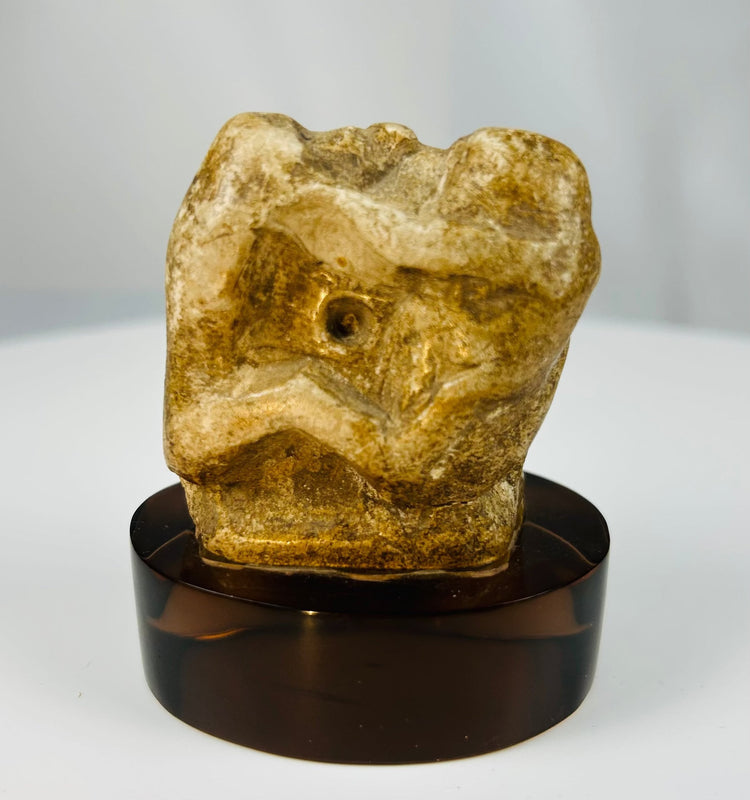
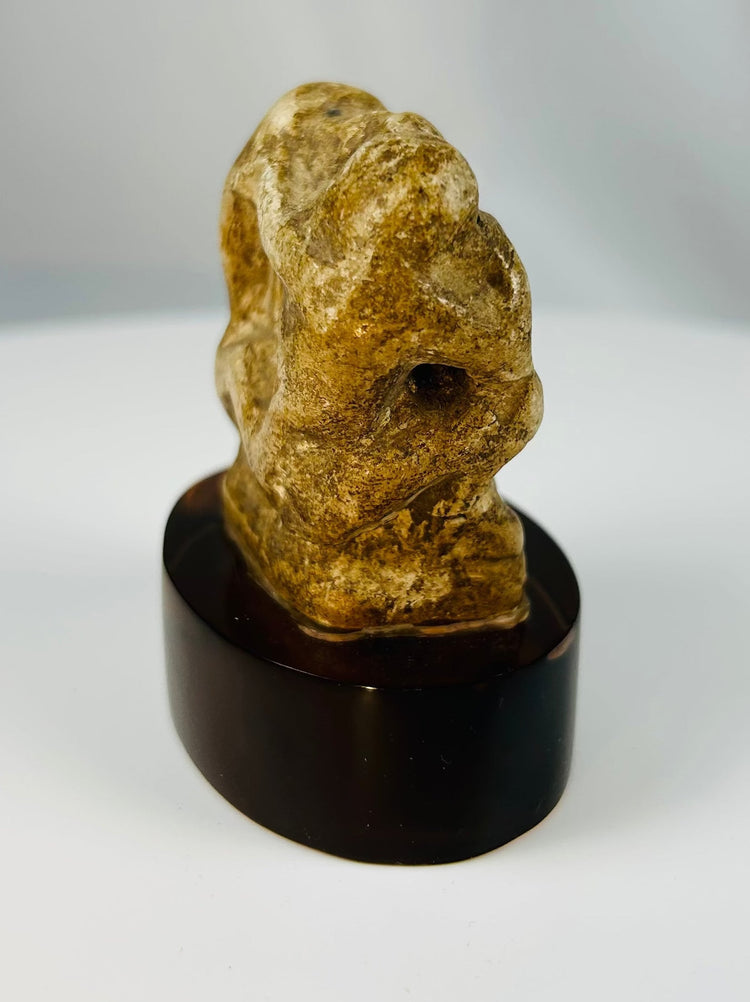
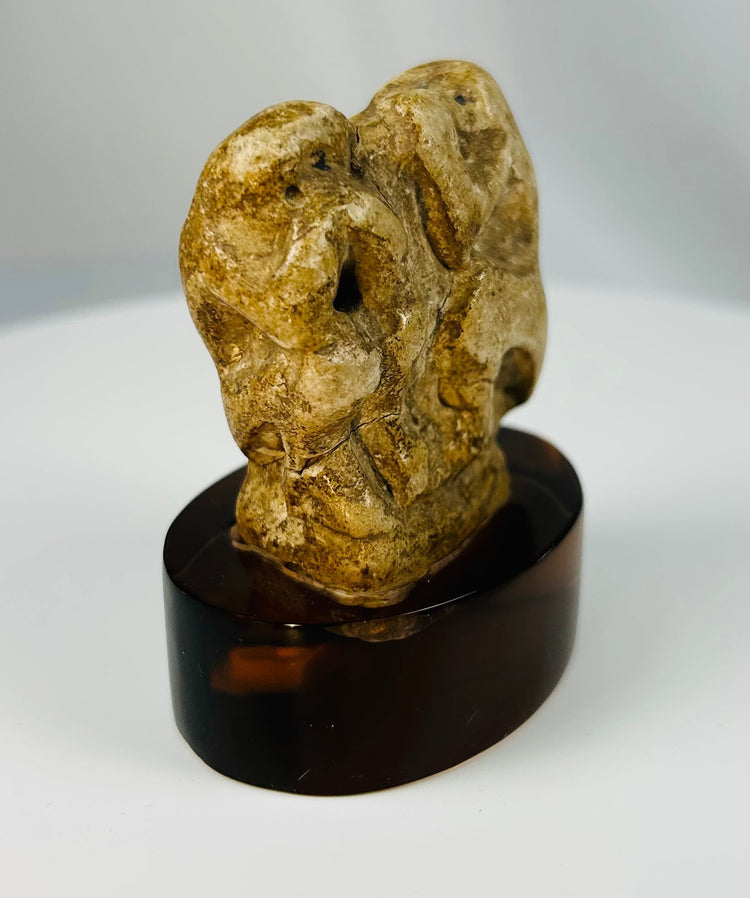
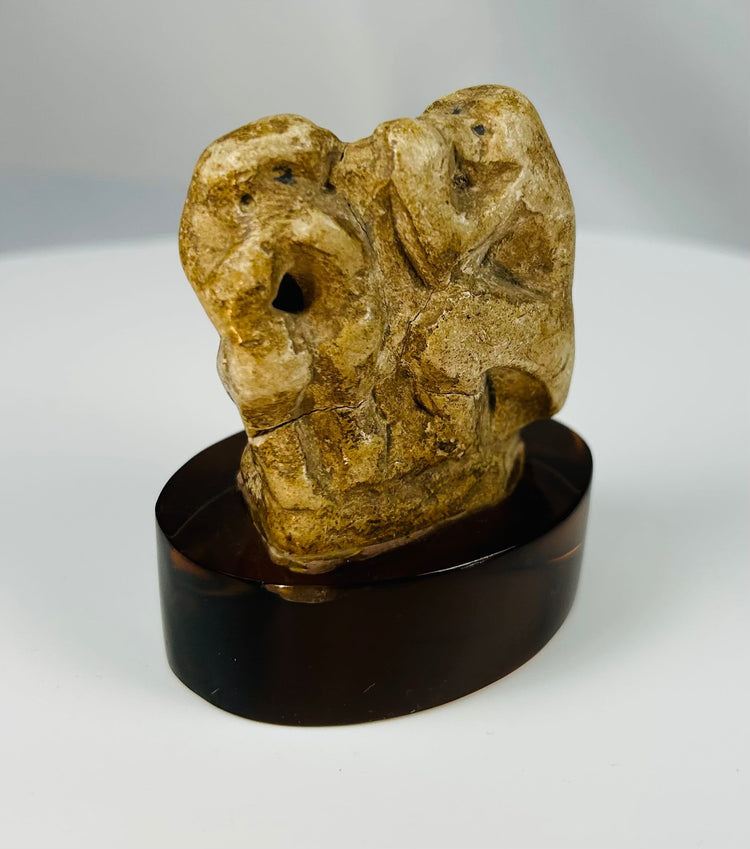
Égypte ancienne | Figurine en calcaire d'un primate sacré | Vers 664-30 av. J.-C.
Description
Plus
Moins
Contexte Historique & Origine
Région : Égypte
Matériau : Calcaire sculpté
Période : Basse Époque à Période Ptolémaïque, vers 664–30 av. J.-C.
Description
Une figure compacte et intrigante en calcaire sculpté représentant un babouin sacré, un animal étroitement associé au dieu égyptien Thot, divinité de la sagesse, de l'écriture et de la connaissance divine. La sculpture présente la tête et le haut du corps stylisés de l'animal avec des contours faciaux arrondis, des ouvertures percées et des formes anatomiques simplifiées caractéristiques des petits objets votifs ou rituels de la Basse Époque de l'art égyptien.
La surface montre une riche patine archéologique avec des dépôts minéraux chauds et des zones d'usure naturelle conformes à une antiquité significative. La figurine semble avoir été sculptée dans une seule pièce de calcaire et pourrait avoir fait partie à l'origine d'un objet ou d'un élément de sanctuaire plus grand. De petites ouvertures percées et des creux sculpturaux suggèrent que la pièce aurait pu servir une fonction symbolique ou décorative dans un contexte rituel.
Caractéristiques
- Représentation en calcaire sculpté d'un babouin sacré
- Associé à la divinité égyptienne Thot
- Fragment sculptural compact aux traits faciaux stylisés
- Ouvertures percées visibles suggérant une fonction rituelle ou décorative
- Riche patine minérale naturelle et surface archéologique
- Monté sur une base d'affichage moderne pour la présentation
Signification Culturelle
Dans la religion égyptienne antique, le babouin hamadryas était sacré pour le dieu Thot, le scribe divin et patron de la connaissance, de la science et de l'écriture.
Les babouins étaient souvent représentés dans les temples et l'art rituel car les Égyptiens croyaient que leur comportement au lever du soleil symbolisait le culte du soleil et l'ordre cosmique.
De petites représentations sculpturales comme celle-ci étaient probablement utilisées comme offrandes votives, ornements de sanctuaire ou figures protectrices symboliques honorant les pouvoirs divins associés à la sagesse et au jugement.
État
Ancien état avec usure de surface visible, dépôts minéraux et fissures stables conformes à l'âge. Petites ouvertures percées et pertes mineures présentes. La sculpture reste structurellement saine et se présente bien.
Dimensions (Approximatives)
Hauteur : 2,50 po
Largeur : 2,25 po
Profondeur : 1,63 po
Âge (Approximatif)
2 000–2 600 ans
Provenance
De la succession d'Andrew Cunningham Ware (1945–2024), sud de la Floride, États-Unis. Formée principalement dans les années 1990 et 2000, la collection Andrew Cunningham Ware reflétait son intérêt de toute une vie pour l'antiquité. Égyptologue amateur, Ware a étudié sous la direction de la célèbre égyptologue française Christiane Desroches Noblecourt et partageait son temps entre la France et le sud de la Floride. Sa collection comprenait des artefacts égyptiens anciens, des héritages familiaux et du matériel historique associé aux révolutions française et russe, acquis par le voyage, l'étude et l'héritage. Ware était l'arrière-petit-fils d'Andrew Woodbury Preston, co-fondateur de l'United Fruit Company. La pièce est ensuite entrée dans une collection privée dans le Montana, États-Unis.
En savoir plus
Examinez un babouin égyptien en calcaire comparable associé à Thot au Metropolitan Museum of Art
Parcourez notre Collection d'artefacts égyptiens anciens
Description
Contexte Historique & Origine
Région : Égypte
Matériau : Calcaire sculpté
Période : Basse Époque à Période Ptolémaïque, vers 664–30 av. J.-C.
Description
Une figure compacte et intrigante en calcaire sculpté représentant un babouin sacré, un animal étroitement associé au dieu égyptien Thot, divinité de la sagesse, de l'écriture et de la connaissance divine. La sculpture présente la tête et le haut du corps stylisés de l'animal avec des contours faciaux arrondis, des ouvertures percées et des formes anatomiques simplifiées caractéristiques des petits objets votifs ou rituels de la Basse Époque de l'art égyptien.
La surface montre une riche patine archéologique avec des dépôts minéraux chauds et des zones d'usure naturelle conformes à une antiquité significative. La figurine semble avoir été sculptée dans une seule pièce de calcaire et pourrait avoir fait partie à l'origine d'un objet ou d'un élément de sanctuaire plus grand. De petites ouvertures percées et des creux sculpturaux suggèrent que la pièce aurait pu servir une fonction symbolique ou décorative dans un contexte rituel.
Caractéristiques
- Représentation en calcaire sculpté d'un babouin sacré
- Associé à la divinité égyptienne Thot
- Fragment sculptural compact aux traits faciaux stylisés
- Ouvertures percées visibles suggérant une fonction rituelle ou décorative
- Riche patine minérale naturelle et surface archéologique
- Monté sur une base d'affichage moderne pour la présentation
Signification Culturelle
Dans la religion égyptienne antique, le babouin hamadryas était sacré pour le dieu Thot, le scribe divin et patron de la connaissance, de la science et de l'écriture.
Les babouins étaient souvent représentés dans les temples et l'art rituel car les Égyptiens croyaient que leur comportement au lever du soleil symbolisait le culte du soleil et l'ordre cosmique.
De petites représentations sculpturales comme celle-ci étaient probablement utilisées comme offrandes votives, ornements de sanctuaire ou figures protectrices symboliques honorant les pouvoirs divins associés à la sagesse et au jugement.
État
Ancien état avec usure de surface visible, dépôts minéraux et fissures stables conformes à l'âge. Petites ouvertures percées et pertes mineures présentes. La sculpture reste structurellement saine et se présente bien.
Dimensions (Approximatives)
Hauteur : 2,50 po
Largeur : 2,25 po
Profondeur : 1,63 po
Âge (Approximatif)
2 000–2 600 ans
Provenance
De la succession d'Andrew Cunningham Ware (1945–2024), sud de la Floride, États-Unis. Formée principalement dans les années 1990 et 2000, la collection Andrew Cunningham Ware reflétait son intérêt de toute une vie pour l'antiquité. Égyptologue amateur, Ware a étudié sous la direction de la célèbre égyptologue française Christiane Desroches Noblecourt et partageait son temps entre la France et le sud de la Floride. Sa collection comprenait des artefacts égyptiens anciens, des héritages familiaux et du matériel historique associé aux révolutions française et russe, acquis par le voyage, l'étude et l'héritage. Ware était l'arrière-petit-fils d'Andrew Woodbury Preston, co-fondateur de l'United Fruit Company. La pièce est ensuite entrée dans une collection privée dans le Montana, États-Unis.
En savoir plus
Examinez un babouin égyptien en calcaire comparable associé à Thot au Metropolitan Museum of Art
Parcourez notre Collection d'artefacts égyptiens anciens
Vous aimerez peut-être aussi
