



Carreau ancien en faïence de Delft bleue et blanche | Représentant un cavalier | Vers le XVIIIe siècle
- Prix habituel
- $350.00
- Prix soldé
- $350.00
- Prix habituel
Impossible de charger la disponibilité du service de retrait


Carreau ancien en faïence de Delft bleue et blanche | Représentant un cavalier | Vers le XVIIIe siècle
Description
Plus
Moins
Contexte historique et origine
Région : Delft, Pays-Bas
Matériau : Faïence émaillée à l'étain (Delftware)
Période : XVIIIe siècle
Description
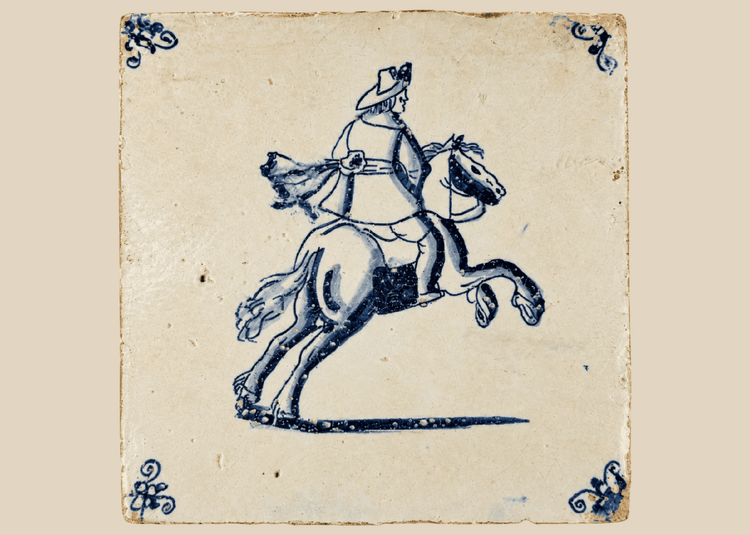
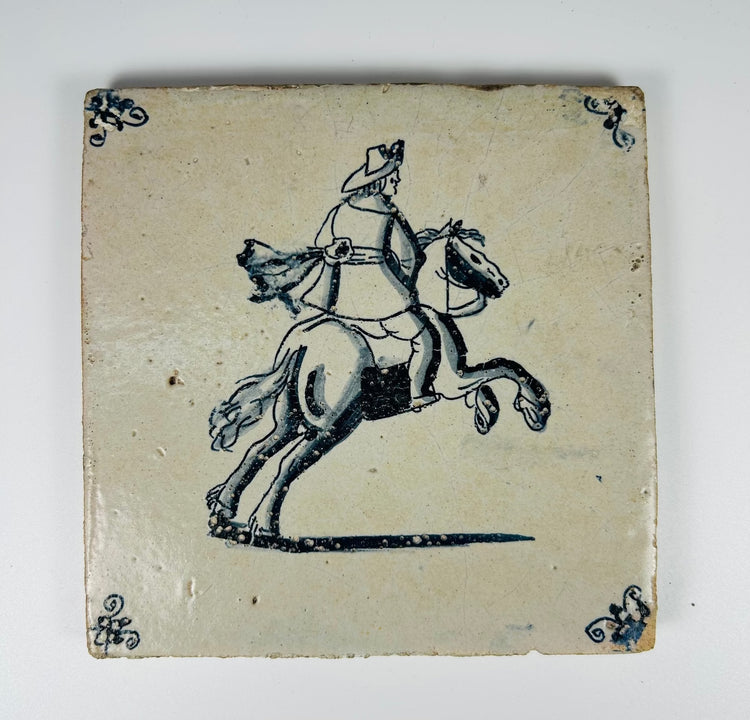
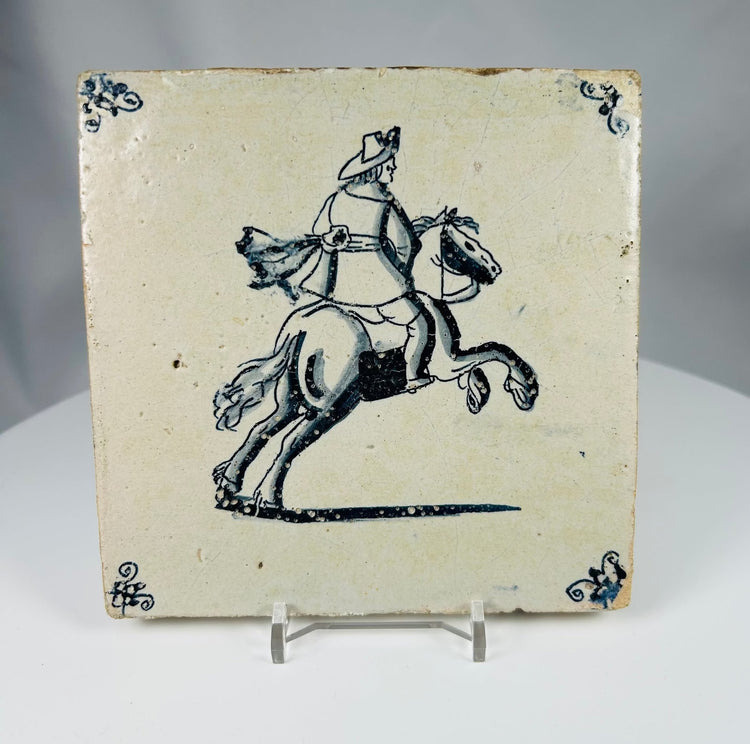
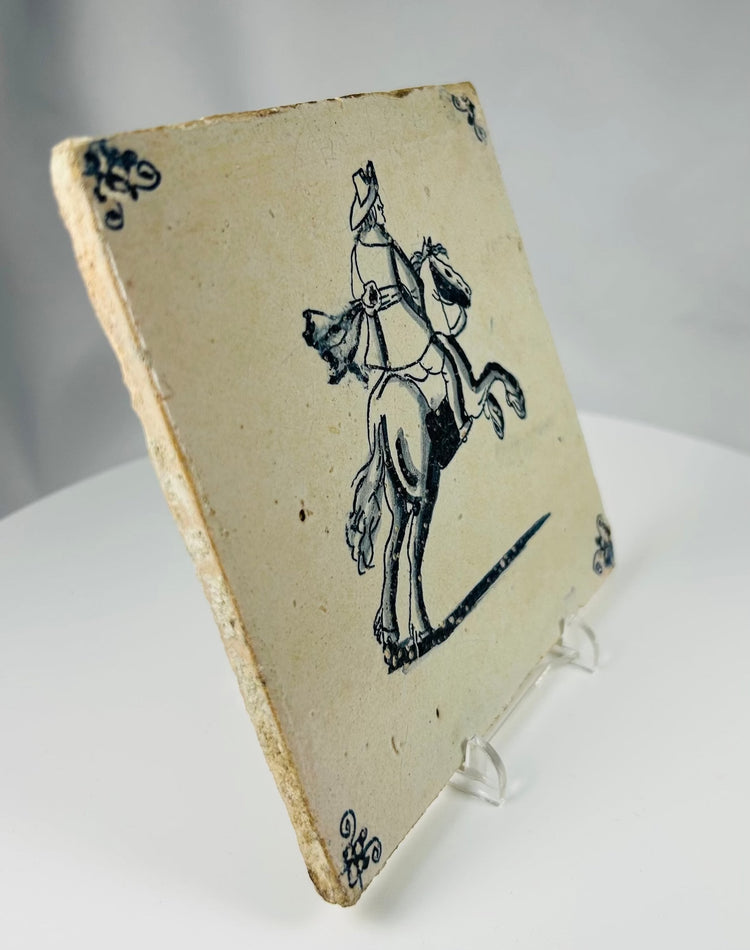
Ce charmant carreau de Delft hollandais du XVIIIe siècle présente une vive représentation peinte à la main d'un cavalier monté sur un cheval au galop, rendue en bleu cobalt profond sur un fond crème émaillé à l'étain. La figure porte un chapeau d'époque et une cape flottante, capturant les scènes narratives stylisées qui sont devenues des motifs décoratifs populaires dans les carreaux de Delft pendant l'Âge d'or néerlandais et jusqu'au XVIIIe siècle.
La scène centrale est encadrée de délicats ornements d'angle, souvent appelés motifs d'angle "araignée" ou "tête de bœuf", une caractéristique de la décoration traditionnelle des carreaux de Delft. De tels carreaux étaient largement utilisés dans les cheminées, les cuisines et les panneaux muraux des maisons et des bâtiments publics hollandais.
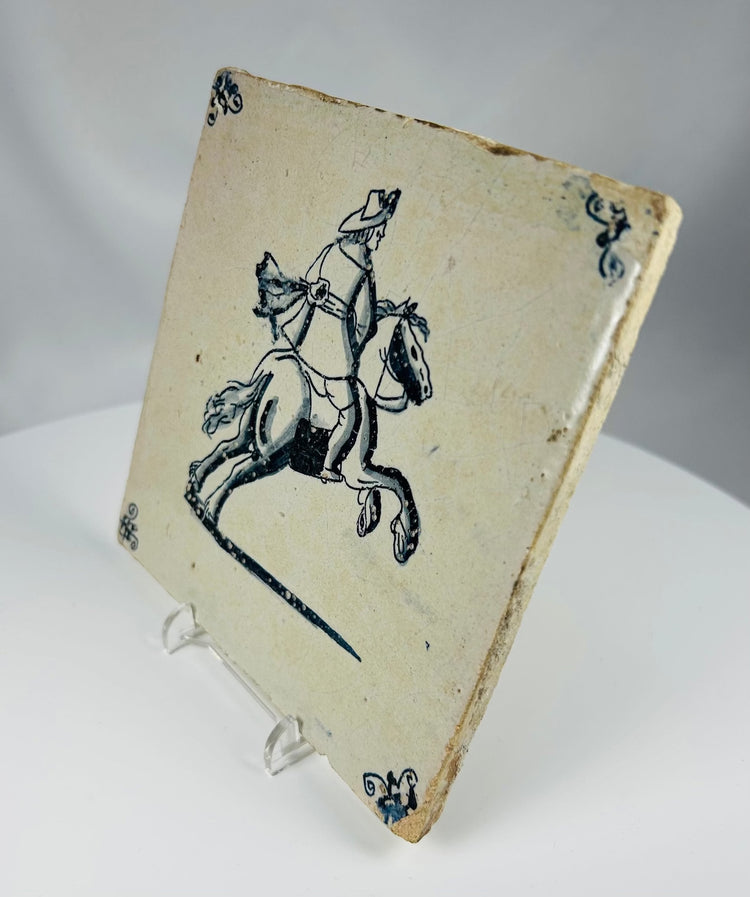
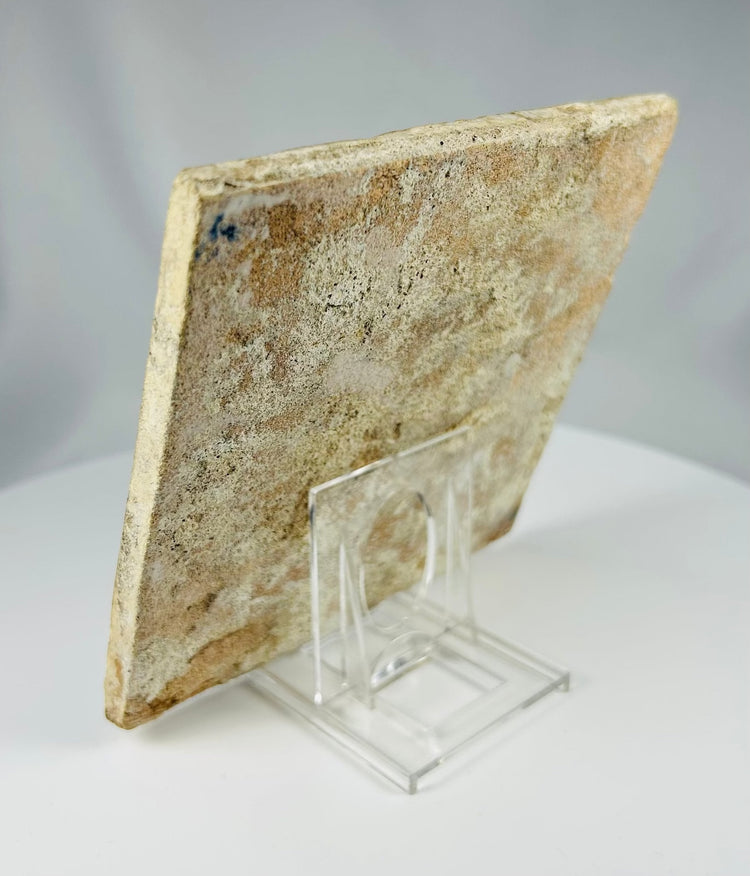
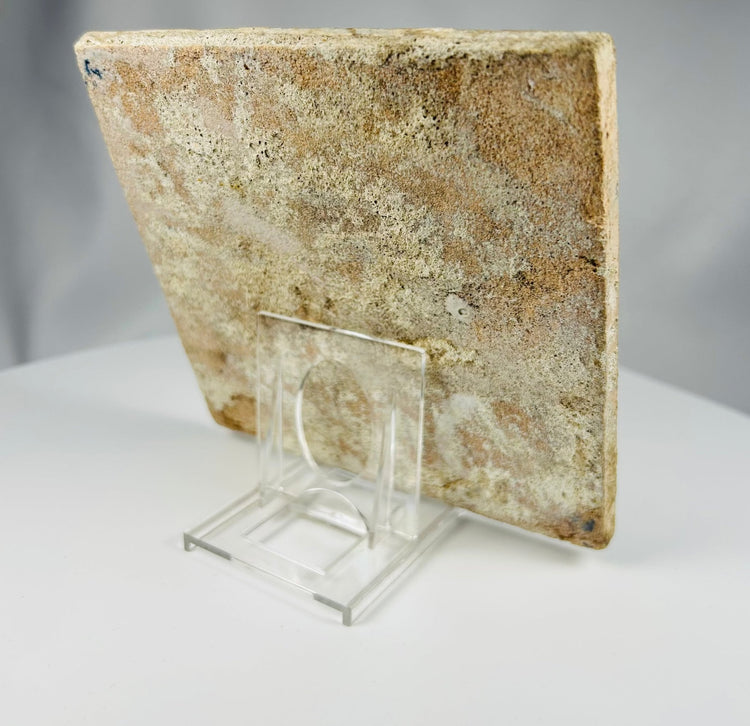
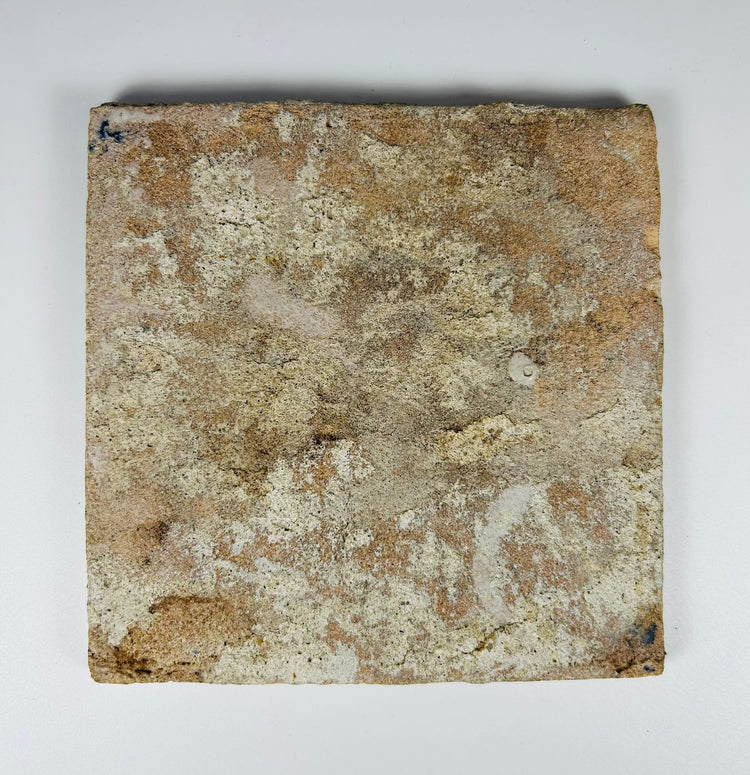
Le carreau présente la surface d'émail légèrement irrégulière caractéristique et le corps de terre chaud typique du Delftware ancien, des siècles d'usure lui conférant une patine historique authentique. Le revers révèle le support de terre grossier conforme à la production de l'époque.
Les carreaux de cavaliers étaient des sujets particulièrement populaires dans la céramique de Delft, représentant souvent des soldats, des cavaliers ou des voyageurs, reflétant l'imagerie culturelle de l'époque.
Caractéristiques
- Authentique carreau de Delft hollandais du XVIIIe siècle
- Décoration peinte à la main en bleu cobalt
- Motif de cavalier à cheval
- Ornementation florale traditionnelle dans les coins
- Surface classique en faïence émaillée à l'étain de Delftware
- Émail vieilli chaud avec patine historique
Signification culturelle
Les carreaux de Delft ont été produits en grand nombre à partir du XVIIe siècle et sont devenus l'une des formes les plus reconnaissables de l'art décoratif hollandais. Inspirés par les importations de porcelaine chinoise, les potiers de Delft ont développé leur propre style distinctif bleu et blanc.
Des carreaux comme celui-ci ont été utilisés pour décorer les cheminées, les cuisines et les panneaux muraux dans toute l'Europe et restent aujourd'hui très recherchés pour leur charme historique et leur savoir-faire.
État
Usure due à l'âge, y compris des craquelures de surface, une usure de l'émail et de petits éclats sur les bords, cohérents avec des siècles d'utilisation. Le carreau reste structurellement sain et présente une jolie patine antique.
Dimensions (Approximatives)
Hauteur : 12,7 cm
Largeur : 12,7 cm
Âge (Approximatif)
250-300 ans
Provenance
Proposé par Medusa Auctioneers, Pays-Bas, lors de sa vente aux enchères Antiquités, Arts Asiatiques et Argent le 24 février 2026, comme lot 1415. La pièce est ensuite entrée dans une collection privée à Toronto, Ontario, Canada.
En savoir plus
Découvrez l'histoire de la céramique traditionnelle hollandaise de Delftware et son influence sur les arts décoratifs européens
Parcourez notre Collection Céramique et Poterie : Art Ancien Héritage
Description
Contexte historique et origine
Région : Delft, Pays-Bas
Matériau : Faïence émaillée à l'étain (Delftware)
Période : XVIIIe siècle
Description
Ce charmant carreau de Delft hollandais du XVIIIe siècle présente une vive représentation peinte à la main d'un cavalier monté sur un cheval au galop, rendue en bleu cobalt profond sur un fond crème émaillé à l'étain. La figure porte un chapeau d'époque et une cape flottante, capturant les scènes narratives stylisées qui sont devenues des motifs décoratifs populaires dans les carreaux de Delft pendant l'Âge d'or néerlandais et jusqu'au XVIIIe siècle.
La scène centrale est encadrée de délicats ornements d'angle, souvent appelés motifs d'angle "araignée" ou "tête de bœuf", une caractéristique de la décoration traditionnelle des carreaux de Delft. De tels carreaux étaient largement utilisés dans les cheminées, les cuisines et les panneaux muraux des maisons et des bâtiments publics hollandais.
Le carreau présente la surface d'émail légèrement irrégulière caractéristique et le corps de terre chaud typique du Delftware ancien, des siècles d'usure lui conférant une patine historique authentique. Le revers révèle le support de terre grossier conforme à la production de l'époque.
Les carreaux de cavaliers étaient des sujets particulièrement populaires dans la céramique de Delft, représentant souvent des soldats, des cavaliers ou des voyageurs, reflétant l'imagerie culturelle de l'époque.
Caractéristiques
- Authentique carreau de Delft hollandais du XVIIIe siècle
- Décoration peinte à la main en bleu cobalt
- Motif de cavalier à cheval
- Ornementation florale traditionnelle dans les coins
- Surface classique en faïence émaillée à l'étain de Delftware
- Émail vieilli chaud avec patine historique
Signification culturelle
Les carreaux de Delft ont été produits en grand nombre à partir du XVIIe siècle et sont devenus l'une des formes les plus reconnaissables de l'art décoratif hollandais. Inspirés par les importations de porcelaine chinoise, les potiers de Delft ont développé leur propre style distinctif bleu et blanc.
Des carreaux comme celui-ci ont été utilisés pour décorer les cheminées, les cuisines et les panneaux muraux dans toute l'Europe et restent aujourd'hui très recherchés pour leur charme historique et leur savoir-faire.
État
Usure due à l'âge, y compris des craquelures de surface, une usure de l'émail et de petits éclats sur les bords, cohérents avec des siècles d'utilisation. Le carreau reste structurellement sain et présente une jolie patine antique.
Dimensions (Approximatives)
Hauteur : 12,7 cm
Largeur : 12,7 cm
Âge (Approximatif)
250-300 ans
Provenance
Proposé par Medusa Auctioneers, Pays-Bas, lors de sa vente aux enchères Antiquités, Arts Asiatiques et Argent le 24 février 2026, comme lot 1415. La pièce est ensuite entrée dans une collection privée à Toronto, Ontario, Canada.
En savoir plus
Découvrez l'histoire de la céramique traditionnelle hollandaise de Delftware et son influence sur les arts décoratifs européens
Parcourez notre Collection Céramique et Poterie : Art Ancien Héritage
Vous aimerez peut-être aussi
