

Durante más de cinco mil años, la civilización china ha producido una de las tradiciones artísticas más ricas del mundo. Desde bronces rituales y jades tallados hasta cerámicas intrincadas y esculturas religiosas, el arte chino antiguo refleja las creencias filosóficas, el poder político y la vida diaria de una de las culturas más perdurables de la humanidad. A diferencia de muchas tradiciones artísticas que se enfocaban principalmente en la estética, el arte chino antiguo estaba profundamente conectado con la espiritualidad, la jerarquía social y la cosmología. Una vasija de bronce podía simbolizar autoridad, un espejo podía encarnar la armonía cósmica y una talla de templo podía representar protección espiritual.
Hoy, estos objetos sobreviven como piezas tangibles de la historia. Museos, coleccionistas e historiadores continúan estudiándolos para entender cómo la antigua China moldeó el arte y la cultura global. Para los coleccionistas interesados en objetos históricos auténticos, explorar selecciones curadas como las Antigüedades Imperiales Chinas ofrece una oportunidad única de experimentar estas tradiciones de primera mano.
Puntos clave
-
El arte chino antiguo abarca más de 5.000 años, evolucionando desde la cerámica temprana y las tallas de jade hasta objetos de bronce, escultura y caligrafía.
-
El arte en la antigua China reflejaba la filosofía y las creencias, influenciado por el confucianismo, el daoísmo y el budismo.
-
Los artefactos de bronce como espejos y vasijas simbolizaban autoridad, protección y armonía cósmica.
-
Muchos artefactos combinaban la función diaria con el significado espiritual, incluyendo espejos, lámparas y objetos de templo.
-
Los artefactos chinos antiguos siguen siendo valiosos hoy en día para coleccionistas, historiadores y museos de todo el mundo.
Arte chino antiguo: ¿Cómo comenzaron las tradiciones artísticas chinas?
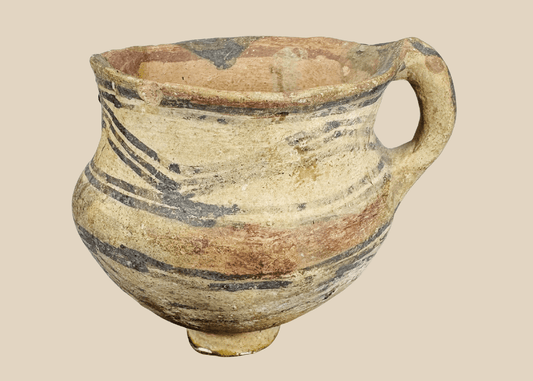
 Los arqueólogos han descubierto vasijas de cerámica que datan de hace más de cinco mil años. Estas cerámicas tempranas a menudo estaban decoradas con patrones geométricos, animales y motivos simbólicos. Aunque hoy puedan parecer simples, tenían un profundo significado cultural para las comunidades que las crearon. Las tradiciones artísticas chinas comenzaron en comunidades prehistóricas donde los primeros artesanos crearon cerámica pintada, tallas de jade y objetos rituales para la vida diaria y ceremonias espirituales. Mucho antes de que surgieran las dinastías imperiales, estos objetos ya reflejaban una cosmovisión en la que el arte, la naturaleza y las creencias estaban profundamente conectados.
Para los ojos modernos, estos diseños pueden parecer simples. Pero para las personas que los hicieron, tenían un significado. Los patrones a menudo reflejan creencias espirituales o conexiones con la naturaleza. A medida que las sociedades agrícolas se volvieron más estables, los artesanos tuvieron tiempo para refinar sus habilidades. Materiales como el jade, la arcilla y la piedra se volvieron centrales para la producción artística.
Gradualmente, el arte se entrelazó con el ritual y la identidad social. Los objetos se crearon no solo para uso práctico, sino también para honrar a los ancestros, marcar el estatus y comunicarse con el mundo espiritual. Estas tradiciones tempranas sentaron las bases de lo que más tarde se convertiría en una de las culturas artísticas más sofisticadas de la historia humana.
Arte chino antiguo: ¿Por qué las dinastías imperiales transformaron la producción artística?
Las dinastías imperiales transformaron el arte chino al vincular la producción artística con la autoridad política, la religión y el poder estatal. Cuando China se unificó bajo la Dinastía Qin (221-206 a.C.), el arte comenzó a reflejar las ambiciones de los emperadores que gobernaban vastos territorios. El ejemplo más dramático es el Ejército de Terracota, una enorme colección de soldados de arcilla de tamaño natural enterrados con el primer emperador, Qin Shi Huang.

Cada soldado fue esculpido individualmente, con rasgos faciales y detalles de armadura únicos. Este proyecto monumental demostró tanto la maestría artística como los inmensos recursos controlados por la corte imperial.
Durante la Dinastía Han (206 a.C.-220 d.C.), las tradiciones artísticas se expandieron aún más. La escultura, los relieves de piedra, la laca, la cerámica y la caligrafía florecieron.
 Este período también vio el surgimiento de la caligrafía china, que se convirtió en una de las formas de expresión artística más respetadas. A diferencia de las tradiciones artísticas occidentales que a menudo enfatizaban la representación realista, el arte chino priorizaba la pincelada expresiva y el significado espiritual. La forma en que se escribía un carácter podía revelar la personalidad, la disciplina y la educación del calígrafo.
Arte chino antiguo: ¿Por qué los artefactos de bronce fueron tan importantes en las primeras dinastías?
Los artefactos de bronce fueron importantes porque simbolizaban la autoridad política, los rituales religiosos y el estatus social en las primeras dinastías chinas.
 Durante los períodos Shang y Zhou, las vasijas de bronce desempeñaron un papel central en la vida ceremonial. Reyes y nobles utilizaban estos objetos durante rituales dedicados a ancestros y fuerzas espirituales, creyendo que honrar el pasado aseguraba la armonía. Estas vasijas a menudo eran propiedad solo de gobernantes o familias aristocráticas, y su artesanía reflejaba su poder. Cuanto más grande y elaborado era el objeto de bronce, mayor era la autoridad de su dueño. Muchos estaban decorados con intrincados patrones de criaturas míticas, animales estilizados y motivos geométricos. La artesanía del bronce en la antigua China requería una habilidad técnica notable. Los artesanos utilizaban complejas técnicas de fundición para crear vasijas con superficies detalladas y estructuras gruesas y duraderas. Estas técnicas les permitieron producir objetos que eran funcionales y artísticos, mezclando la precisión de la ingeniería con la narrativa simbólica.
Con el tiempo, los objetos de bronce en la antigua China se expandieron más allá de las vasijas ceremoniales y se convirtieron en parte de la vida cotidiana. Los artesanos elaboraban espejos, lámparas, herramientas y objetos decorativos que mezclaban el uso práctico con el significado simbólico. Entre estos objetos, los espejos de bronce eran especialmente valorados tanto por su artesanía como por su significado cultural.

Un ejemplo llamativo de esta tradición se puede ver en el Par de espejos de mano de bronce chinos, que ilustra cómo los espejos no eran solo objetos personales sino también expresiones de diseño artístico. La superficie de bronce pulido permitía al usuario ver su reflejo, mientras que el reverso a menudo mostraba intrincados patrones y motivos. Estos diseños rara vez eran solo decorativos; con frecuencia reflejaban ideas chinas antiguas sobre el equilibrio, la protección y la armonía dentro del universo.
Haga clic aquí para ver detalles: Aquí.

Otro ejemplo notable es el Antiguo espejo de bronce chino, que demuestra cómo la filosofía y el arte estaban estrechamente entrelazados en los objetos cotidianos. Los patrones grabados en la parte posterior de estos espejos a menudo representaban símbolos cosmológicos asociados con el cielo, la tierra, los animales y las criaturas míticas. Estas imágenes reflejaban la antigua creencia de que el universo estaba gobernado por la armonía entre las fuerzas naturales y espirituales.
Haga clic aquí para ver detalles: Aquí.
Arte chino antiguo: ¿Cómo la filosofía moldeó las tradiciones artísticas chinas?
La filosofía moldeó el arte chino antiguo al definir cómo los artistas entendían la armonía, la naturaleza, la moralidad y el mundo espiritual. En lugar de centrarse puramente en el realismo visual, los artistas chinos a menudo buscaban expresar principios más profundos sobre la vida y el universo.
Tres grandes tradiciones filosóficas desempeñaron un papel especialmente importante en la configuración de la cultura artística china: el confucianismo, el daoísmo y el budismo. Cada uno de estos sistemas de creencias influyó no solo en lo que los artistas creaban, sino también en cómo las personas interpretaban el significado detrás de los objetos artísticos.
Confucianismo: El arte como orden y armonía moral
 La filosofía confuciana enfatizaba la armonía social, la disciplina moral y el respeto por la tradición. En el arte, estos ideales a menudo aparecían a través de la composición equilibrada, los motivos simbólicos y los objetos conectados con el ritual y la jerarquía. Muchos objetos ceremoniales creados para cortes o templos reflejaban este sentido confuciano de orden. Incluso los elementos prácticos podían tener un significado más profundo.
Por ejemplo, los objetos rituales utilizados en los templos, como el Candelabro antiguo de templo chino de finales de la dinastía Qing, no eran simplemente herramientas de iluminación. Eran parte de ceremonias cuidadosamente estructuradas que reflejaban la importancia de la tradición y la disciplina espiritual en la sociedad china. A través de objetos como estos, el arte chino antiguo se convirtió en un reflejo de los valores morales y el orden social.
Daoísmo (Taoísmo)

El daoísmo ofrecía una perspectiva diferente. En lugar de centrarse en la estructura social, la filosofía daoísta celebraba la armonía con la naturaleza y el flujo de energía conocido como qi. Los artistas influenciados por el pensamiento daoísta a menudo representaban montañas, ríos, nubes y animales. Estos paisajes no tenían como objetivo replicar la naturaleza exactamente, sino capturar su espíritu.
Esta idea de armonía y equilibrio natural también apareció en el arte decorativo y la artesanía. Las intrincadas tallas, los patrones fluidos y las formas orgánicas a menudo resonaban con los ritmos del mundo natural. La Bola de rompecabezas china Devil’s Work, por ejemplo, refleja la extraordinaria paciencia y precisión de los artesanos chinos. Tallada en una sola pieza de material con múltiples esferas anidadas, encarna la apreciación daoísta por la complejidad que emerge de la unidad.
Budismo

El budismo llegó a China durante los primeros siglos de la Era Común y pronto se convirtió en una gran influencia en la producción artística. Los templos budistas, monasterios y cuevas sagradas se convirtieron en centros de creación artística. Esculturas de Budas y Bodhisattvas fueron talladas en paredes de piedra, moldeadas en arcilla o fundidas en bronce.
La decoración arquitectónica a menudo incluía relieves que representaban figuras espirituales y escenas de las enseñanzas budistas. Un ejemplo de esta tradición es el Ladrillo arquitectónico de terracota budista chino con relieve de Bodhisattva sentado, que una vez formó parte de la estructura de un templo.
Estas tallas servían no solo como decoración, sino también como guía espiritual en el arte chino antiguo. Los fieles que se encontraban con estas imágenes recordaban las enseñanzas budistas sobre la compasión, la iluminación y el camino hacia el despertar espiritual.
Arte chino antiguo: ¿Por qué sigue siendo importante hoy?
El interés en el arte chino antiguo sigue siendo fuerte entre coleccionistas, museos e historiadores de todo el mundo porque estos artefactos preservan la memoria cultural de una de las civilizaciones más antiguas de la humanidad. Museos de Europa, Asia y Norteamérica continúan exhibiendo bronces, cerámicas, esculturas y pinturas chinas, reconociendo su importancia artística e histórica.
Para historiadores y coleccionistas por igual, estos objetos ofrecen una valiosa perspectiva de las sociedades antiguas. Cada artefacto refleja los valores culturales, las innovaciones tecnológicas y las creencias espirituales del período en que fue creado. Un espejo de bronce, por ejemplo, revela antiguas ideas cosmológicas sobre la armonía entre el cielo y la tierra. Una talla de templo expresa devoción religiosa y la influencia de las tradiciones budistas. Mientras tanto, los objetos decorativos finamente elaborados demuestran la notable maestría técnica de los artesanos chinos.
Por ello, los artefactos chinos antiguos son valorados no solo por su belleza, sino también por las historias que contienen. Son, en muchos sentidos, registros históricos conservados en bronce, arcilla, piedra y materiales tallados que permiten a los espectadores modernos vislumbrar las creencias, la creatividad y la vida cotidiana de civilizaciones pasadas.
Conclusión
El arte chino antiguo ofrece una ventana a una de las civilizaciones más antiguas e influyentes del mundo. A través de colecciones como las Antigüedades Imperiales Chinas, los coleccionistas e historiadores modernos pueden continuar explorando el legado artístico de la antigua China.
Más que objetos hermosos, estos artefactos preservan las creencias, tecnologías y tradiciones culturales de su tiempo. Para historiadores y coleccionistas por igual, el arte chino antiguo sigue proporcionando una conexión significativa con las personas e ideas que dieron forma a la notable historia de China.


