

¿Qué hace que Relic & Rarity sea diferente?
Nuestra colección se basa en la autenticidad, la calidad y la confianza. Cada pieza es investigada a fondo antes de ser ofrecida y está respaldada por nuestra Garantía de Autenticidad. Siempre que esté disponible, incluimos la procedencia documentada, un Certificado de Autenticidad, embalaje profesional, envío mundial gratuito y soporte dedicado.

Maravillas prehistóricas: Reliquias y arte antiguos
-
Oligocene Dugong (Sirenian) Fossil Rib on Custom Display Stand | Circa 23–34 Million Years Old
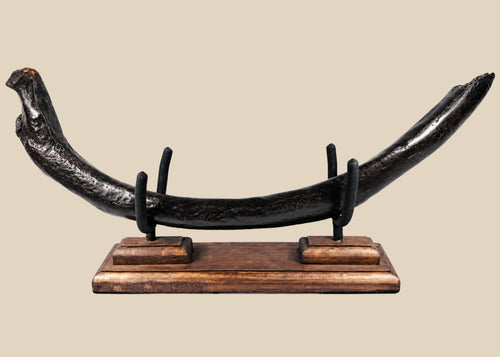
Oligocene Dugong (Sirenian) Fossil Rib on Custom Display Stand | Circa 23–34 Million Years Old
- Precio habitual
- $1,500.00
- Precio de venta
- $1,500.00
- Precio habitual
-
Fósil de dinosaurio del Cretácico | Hueso de terópodo (tipo rapaz) | Wyoming, EE. UU. | Hace aproximadamente 100–89 millones de años
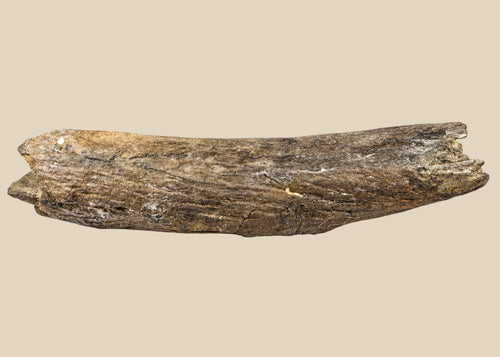
Fósil de dinosaurio del Cretácico | Hueso de terópodo (tipo rapaz) | Wyoming, EE. UU. | Hace aproximadamente 100–89 millones de años
- Precio habitual
- $1,500.00
- Precio de venta
- $1,500.00
- Precio habitual
-
Jarra de cerámica del Neolítico-Edad del Bronce Temprano | Vasija ritual de doble asa | Europa Central y Oriental | Circa 3000-2000 a. C.
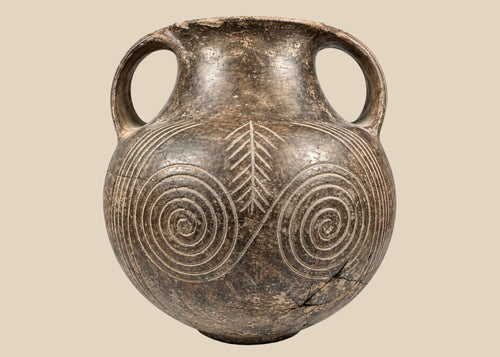
Jarra de cerámica del Neolítico-Edad del Bronce Temprano | Vasija ritual de doble asa | Europa Central y Oriental | Circa 3000-2000 a. C.
- Precio habitual
- $1,500.00
- Precio de venta
- $1,500.00
- Precio habitual
-
Prehistoric Bison Foot from Doggerland | Ice Age Subfossil | Circa 10,000 Years Old
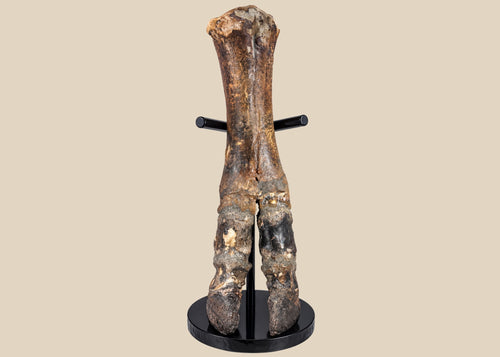
Prehistoric Bison Foot from Doggerland | Ice Age Subfossil | Circa 10,000 Years Old
- Precio habitual
- $1,250.00
- Precio de venta
- $1,250.00
- Precio habitual
-
Mediterráneo antiguo | Punta de lanza de bronce | Chipriota III temprano | Circa 2500-1900 a. C.
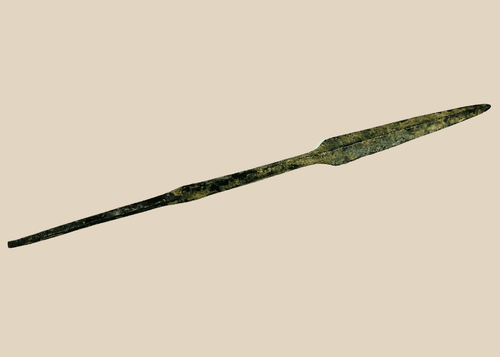
Mediterráneo antiguo | Punta de lanza de bronce | Chipriota III temprano | Circa 2500-1900 a. C.
- Precio habitual
- $1,250.00
- Precio de venta
- $1,250.00
- Precio habitual
-
Vasija de cerámica neolítica china antigua pintada con decoración geométrica | Alrededor del 3300-2000 a. C.
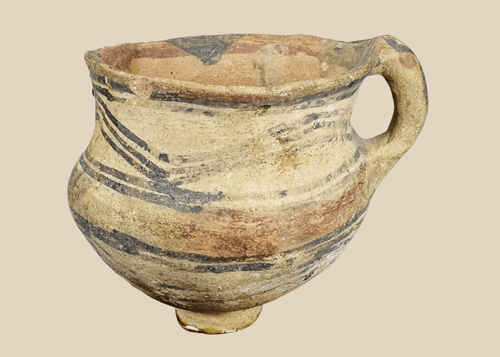
Vasija de cerámica neolítica china antigua pintada con decoración geométrica | Alrededor del 3300-2000 a. C.
- Precio habitual
- $1,000.00
- Precio de venta
- $1,000.00
- Precio habitual
-
Cuerno de bisonte prehistórico fosilizado con cráneo parcial | Aproximadamente de 2,58 millones a 11.700 años de antigüedad
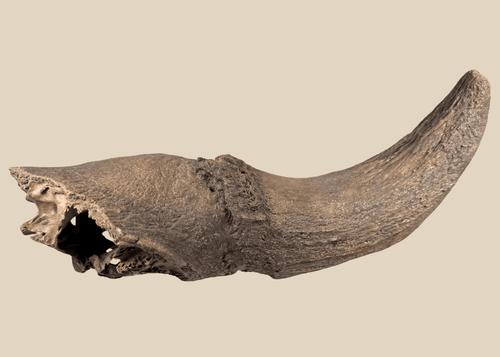
Cuerno de bisonte prehistórico fosilizado con cráneo parcial | Aproximadamente de 2,58 millones a 11.700 años de antigüedad
- Precio habitual
- $750.00
- Precio de venta
- $750.00
- Precio habitual
-
Cántaro de agua de terracota pintado al estilo huasteco con motivos geométricos | Hidalgo, México | C. 1900–1920
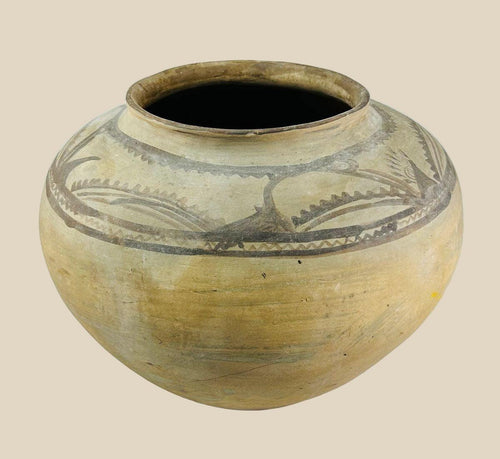
Cántaro de agua de terracota pintado al estilo huasteco con motivos geométricos | Hidalgo, México | C. 1900–1920
- Precio habitual
- $750.00
- Precio de venta
- $750.00
- Precio habitual
-
Conjunto de fragmentos de cuenco y vasija de cerámica neolítica | Hacia 4000-2000 a. C.
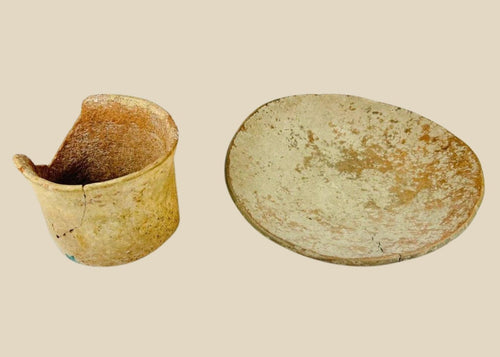
Conjunto de fragmentos de cuenco y vasija de cerámica neolítica | Hacia 4000-2000 a. C.
- Precio habitual
- $750.00
- Precio de venta
- $750.00
- Precio habitual
-
Colección de exhibición de fósiles prehistóricos | Trilobites del Cámbrico, peces fósiles, dientes de tiburón y réplica de cráneo de Brachiosaurus
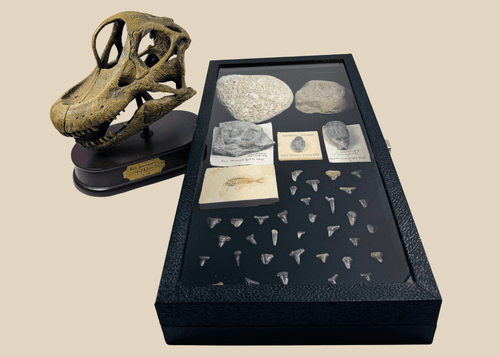
Colección de exhibición de fósiles prehistóricos | Trilobites del Cámbrico, peces fósiles, dientes de tiburón y réplica de cráneo de Brachiosaurus
- Precio habitual
- $500.00
- Precio de venta
- $500.00
- Precio habitual
-
Colección de tres trilobites fósiles | Hace 400–359 millones de años
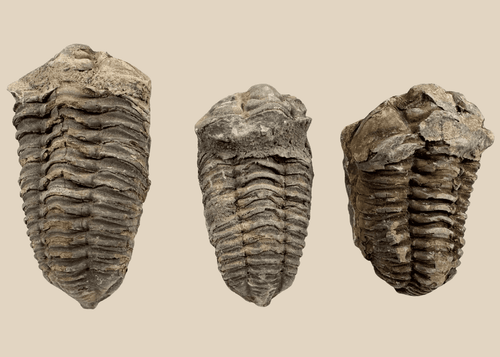
Colección de tres trilobites fósiles | Hace 400–359 millones de años
- Precio habitual
- $500.00
- Precio de venta
- $500.00
- Precio habitual
-
Prehistórico | Nativo Americano | Puntas de lanza de cobre de los Grandes Lagos | Cerca de 3000-1000 a. C.
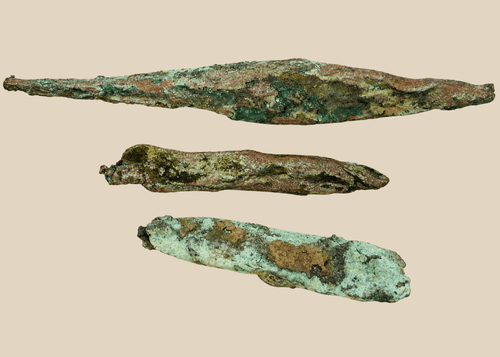
Prehistórico | Nativo Americano | Puntas de lanza de cobre de los Grandes Lagos | Cerca de 3000-1000 a. C.
- Precio habitual
- $500.00
- Precio de venta
- $500.00
- Precio habitual
-
Artefacto andino precolombino | Hacha de piedra dentada de uso diario | 500–1500 d. C.
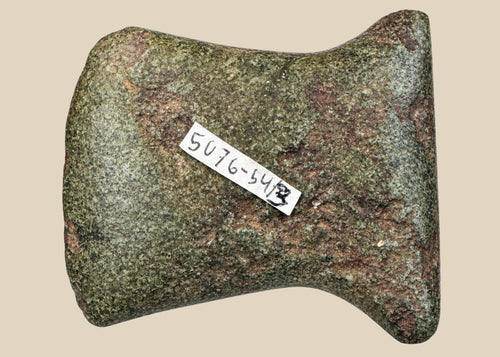
Artefacto andino precolombino | Hacha de piedra dentada de uso diario | 500–1500 d. C.
- Precio habitual
- $325.00
- Precio de venta
- $325.00
- Precio habitual
-
Hacha de piedra precolombina | Herramienta andina auténtica con etiqueta arqueológica | 200–800 d. C.
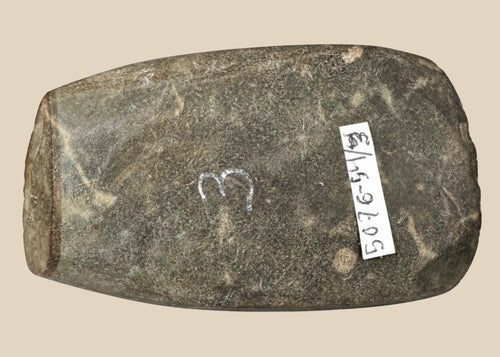
Hacha de piedra precolombina | Herramienta andina auténtica con etiqueta arqueológica | 200–800 d. C.
- Precio habitual
- $325.00
- Precio de venta
- $325.00
- Precio habitual
-
Artefacto andino antiguo | Hacha de piedra funcional con pátina y procedencia | Era precolombina, 200-800 d. C.
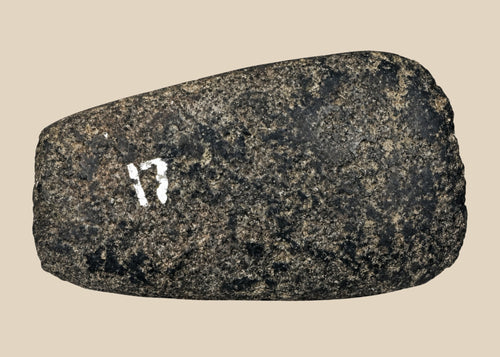
Artefacto andino antiguo | Hacha de piedra funcional con pátina y procedencia | Era precolombina, 200-800 d. C.
- Precio habitual
- $300.00
- Precio de venta
- $300.00
- Precio habitual
Estadísticas del recolector
¿Cuál es la diferencia entre los artefactos prehistóricos y los antiguos?
Los artefactos prehistóricos provienen de períodos anteriores a que una cultura utilizara ampliamente el lenguaje escrito, mientras que los artefactos antiguos pueden pertenecer a sociedades que dejaron registros escritos. Debido a que la escritura se desarrolló en diferentes momentos en todo el mundo, el final de la prehistoria varía según la región.
¿Cómo se convierten en fósiles los huesos de dinosaurio?
La fosilización puede comenzar cuando los restos son enterrados por sedimentos y protegidos de una rápida descomposición. Con el tiempo, el agua rica en minerales puede llenar los espacios dentro del hueso o reemplazar partes de su material original, preservando su estructura durante millones de años.
¿Para qué se utilizaba la cerámica neolítica?
La cerámica neolítica se fabricaba para almacenar, preparar, servir y transportar alimentos y líquidos, así como para fines ceremoniales o funerarios. Muchas vasijas primitivas se modelaban a mano o se construían con rollos de arcilla antes de ser cocidas, y la decoración incisa o pintada a veces reflejaba las tradiciones locales.
¿Qué pueden revelar las herramientas prehistóricas sobre las sociedades primitivas?
Las hachas de piedra, puntas de lanza, cuchillas y otras herramientas prehistóricas proporcionan evidencia de caza, preparación de alimentos, carpintería, agricultura y producción artesanal. Sus materiales, formas, marcas de fabricación y patrones de desgaste también pueden revelar conocimiento tecnológico y cómo se usó un objeto.
¿Cómo se datan los artefactos y fósiles prehistóricos?
Los investigadores tienen en cuenta la capa arqueológica, el material, la técnica de fabricación, la forma y la comparación del objeto con ejemplos documentados. También se pueden utilizar métodos científicos, como la datación radiométrica, el análisis del material orgánico asociado y técnicas que estiman la última vez que la cerámica o la piedra fueron calentadas.
Descubre a @relicandraritygallery en Instagram

