

¿Por qué elegir Relic & Rarity?
Cada pieza en Relic & Rarity es cuidadosamente investigada y evaluada en cuanto a su autenticidad antes de ser puesta a la venta. Cada compra está respaldada por nuestra Garantía de Autenticidad y, siempre que esté disponible, incluye la documentación de su procedencia. Los coleccionistas también reciben un Certificado de Autenticidad, embalaje profesional, envío mundial gratuito y soporte dedicado a lo largo de su trayectoria como coleccionistas.

Artefactos del siglo XV (1400-1499)
-
Armadura Do-Maru de samurái japonés con escudo del clan Takeda | Siglos XIV-XVI
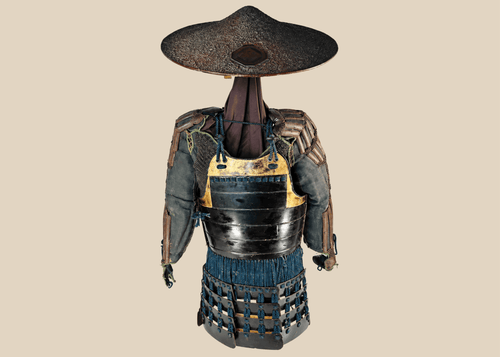
Armadura Do-Maru de samurái japonés con escudo del clan Takeda | Siglos XIV-XVI
- Precio habitual
- $10,000.00
- Precio de venta
- $10,000.00
- Precio habitual
-
Escultura de piedra de Majapahit de Brahma de tres caras | Siglos XIV-XV | Artefacto hindú indonesio en venta
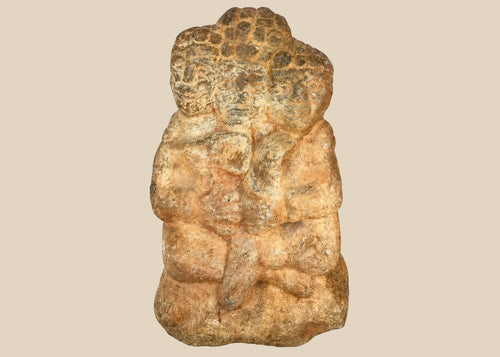
Escultura de piedra de Majapahit de Brahma de tres caras | Siglos XIV-XV | Artefacto hindú indonesio en venta
- Precio habitual
- $5,000.00
- Precio de venta
- $5,000.00
- Precio habitual
-
Cabeza de Bronce Tailandesa de Buda Shakyamuni | Circa Siglos XIV – XV
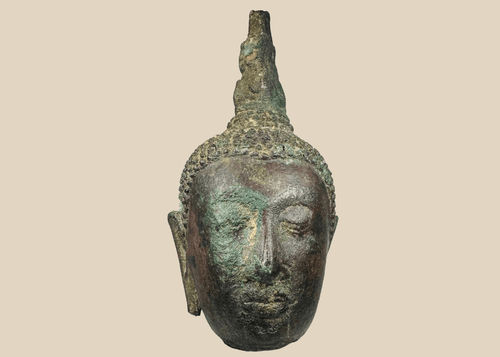
Cabeza de Bronce Tailandesa de Buda Shakyamuni | Circa Siglos XIV – XV
- Precio habitual
- $3,500.00
- Precio de venta
- $3,500.00
- Precio habitual
-
Adorno ritual japonés de bronce dorado con incrustaciones de plata | Circa 1400-1650
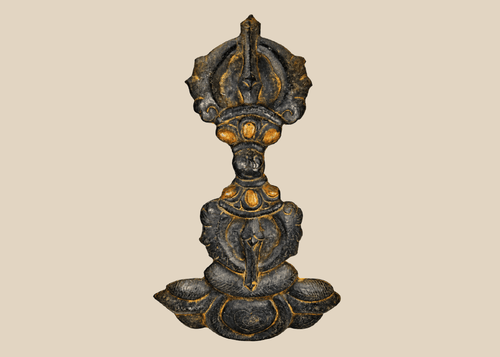
Adorno ritual japonés de bronce dorado con incrustaciones de plata | Circa 1400-1650
- Precio habitual
- $3,500.00
- Precio de venta
- $3,500.00
- Precio habitual
-
Fragmento de piedra eclesiástica tallada representando la Crucifixión | Siglo XIV-XVIII
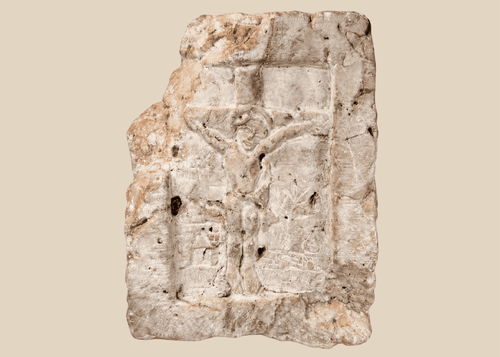
Fragmento de piedra eclesiástica tallada representando la Crucifixión | Siglo XIV-XVIII
- Precio habitual
- $2,500.00
- Precio de venta
- $2,500.00
- Precio habitual
-
Antiguo grupo chino de terracota pintada de Madame Tang y su suegra | Dinastía Yuan-Ming | Circa siglo XIV-XVII
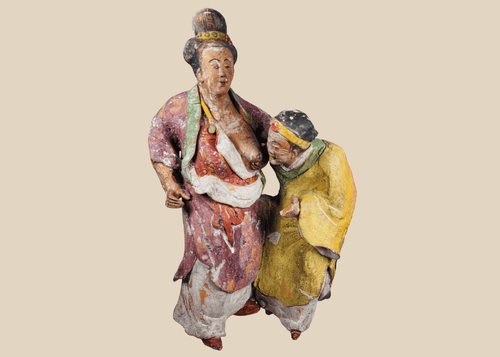
Antiguo grupo chino de terracota pintada de Madame Tang y su suegra | Dinastía Yuan-Ming | Circa siglo XIV-XVII
- Precio habitual
- $2,000.00
- Precio de venta
- $2,000.00
- Precio habitual
-
Rollo de rentas francés medieval | Registro de tierras de la familia Villers de Dombes | Borgoña | C. 1459-1462 EC

Rollo de rentas francés medieval | Registro de tierras de la familia Villers de Dombes | Borgoña | C. 1459-1462 EC
- Precio habitual
- $1,500.00
- Precio de venta
- $1,500.00
- Precio habitual
-
Northern Thai Lan Na Bronze Seated Buddha in Earth-Touching Mudra | Circa 15th – 16th Century
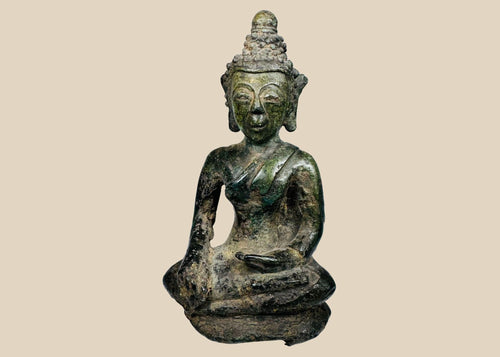
Northern Thai Lan Na Bronze Seated Buddha in Earth-Touching Mudra | Circa 15th – 16th Century
- Precio habitual
- $1,250.00
- Precio de venta
- $1,250.00
- Precio habitual
-
Thai Sawankhalok Glazed Stoneware Covered Jar with Architectural Lid | Circa 15th–16th Century
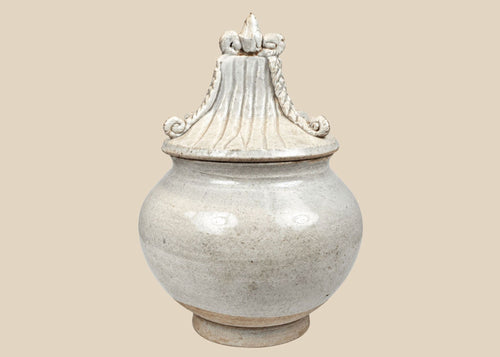
Thai Sawankhalok Glazed Stoneware Covered Jar with Architectural Lid | Circa 15th–16th Century
- Precio habitual
- $1,000.00
- Precio de venta
- $1,000.00
- Precio habitual
-
Conjunto de vasijas de cerámica Sawankhalok del sudeste asiático antiguo | Siglo XIV-XV aproximadamente
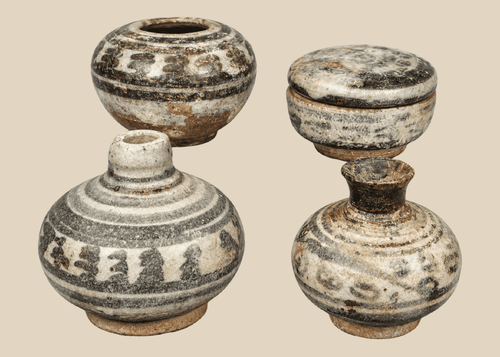
Conjunto de vasijas de cerámica Sawankhalok del sudeste asiático antiguo | Siglo XIV-XV aproximadamente
- Precio habitual
- $1,000.00
- Precio de venta
- $1,000.00
- Precio habitual
-
Sudeste Asiático | Budista de terracota | Placas votivas | Siglos XIV-XVIII
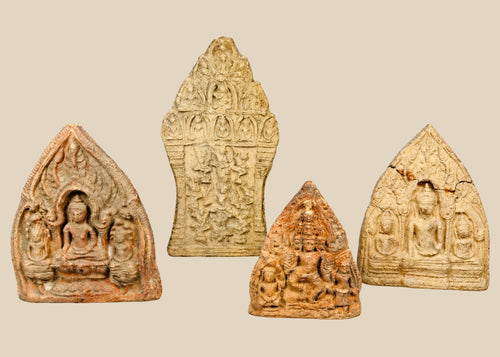
Sudeste Asiático | Budista de terracota | Placas votivas | Siglos XIV-XVIII
- Precio habitual
- $1,000.00
- Precio de venta
- $1,000.00
- Precio habitual
-
Cuchillo largo medieval | Hoja de hierro forjado con punta afilada | Siglos XII-XV d. C.
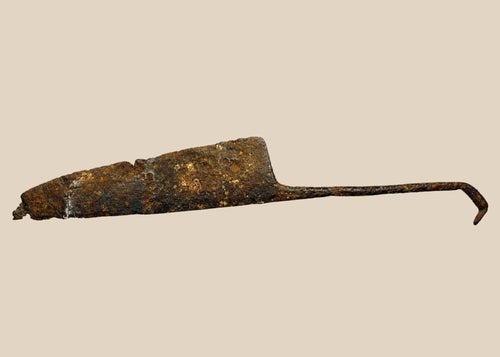
Cuchillo largo medieval | Hoja de hierro forjado con punta afilada | Siglos XII-XV d. C.
- Precio habitual
- $700.00
- Precio de venta
- $700.00
- Precio habitual
-
Cabeza de guardián de piedra de Majapahit | Indonesia | Fragmento de templo | Siglos XIV-XV aprox.
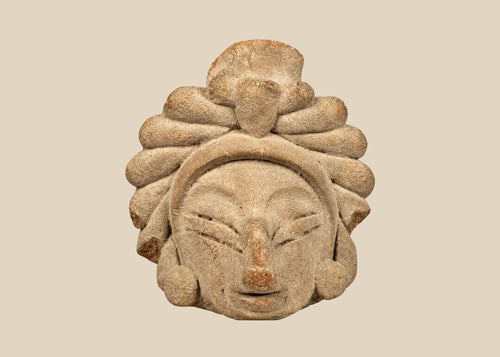
Cabeza de guardián de piedra de Majapahit | Indonesia | Fragmento de templo | Siglos XIV-XV aprox.
- Precio habitual
- $400.00
- Precio de venta
- $400.00
- Precio habitual
-
Figura de Buda de bronce | Sudeste Asiático | Hacia los siglos XV-XVIII d. C.

Figura de Buda de bronce | Sudeste Asiático | Hacia los siglos XV-XVIII d. C.
- Precio habitual
- $300.00
- Precio de venta
- $300.00
- Precio habitual


Estadísticas del cobrador
¿Por qué el siglo XV es históricamente significativo?
El siglo XV marcó una importante transición entre el mundo medieval y el moderno temprano. En Europa, las ideas renacentistas se expandieron mientras que la imprenta y las nuevas formas de erudición transformaron la comunicación. Al mismo tiempo, poderosas tradiciones artísticas florecieron en la China Ming, el Japón Muromachi, el sudeste asiático y los mundos budista e hindú en general.
¿Fue el siglo XV medieval o renacentista?
Fueron ambas. Gran parte de Europa permaneció firmemente arraigada en la Baja Edad Media, mientras que el Renacimiento ya se estaba desarrollando con fuerza en Italia e influyendo gradualmente en otras regiones. Por esta razón, los artefactos del siglo XV pueden reflejar tanto las tradiciones medievales como los estilos renacentistas emergentes.
¿Qué estaba ocurriendo en Asia durante el siglo XV?
El siglo coincidió con períodos importantes, entre ellos la dinastía Ming en China (1368-1644) y el período Muromachi en Japón (1392-1573). En toda Asia, artistas y artesanos produjeron sofisticadas cerámicas, esculturas, arte religioso, textiles, orfebrería y otros objetos que reflejaban las tradiciones cortesanas y espirituales regionales.
¿Por qué son tan importantes los artefactos religiosos para comprender el siglo XV?
La religión influyó en el arte, la arquitectura, la alfabetización, el mecenazgo y la vida cotidiana en gran parte del mundo del siglo XV. Los objetos cristianos, budistas, hindúes y otros objetos sagrados pueden revelar cómo las comunidades expresaron devoción, representaron figuras sagradas e incorporaron creencias en la cultura material.
¿Qué nos pueden decir los documentos del siglo XV sobre la vida cotidiana?
Los manuscritos medievales y documentos legales supervivientes pueden registrar la propiedad de la tierra, alquileres, impuestos, relaciones familiares, acuerdos comerciales y otros asuntos prácticos. A diferencia de las obras de arte monumentales, estos registros pueden proporcionar evidencia inusualmente directa de cómo las personas organizaban la propiedad, las obligaciones y los asuntos cotidianos. Su colección actualmente incluye un registro de alquileres borgoñón francés fechado alrededor de 1459-1462.
¿Cómo se fechan los artefactos del siglo XV?
Los investigadores tienen en cuenta los materiales, las técnicas de construcción, el estilo artístico, las inscripciones, la iconografía, los métodos de fabricación y las comparaciones documentadas. La procedencia y los registros históricos pueden proporcionar pruebas adicionales, mientras que a algunos objetos se les asignan rangos de fechas más amplios cuando sus estilos o tradiciones continuaron a lo largo de varios siglos.
Descubre a @relicandraritygallery en Instagram

