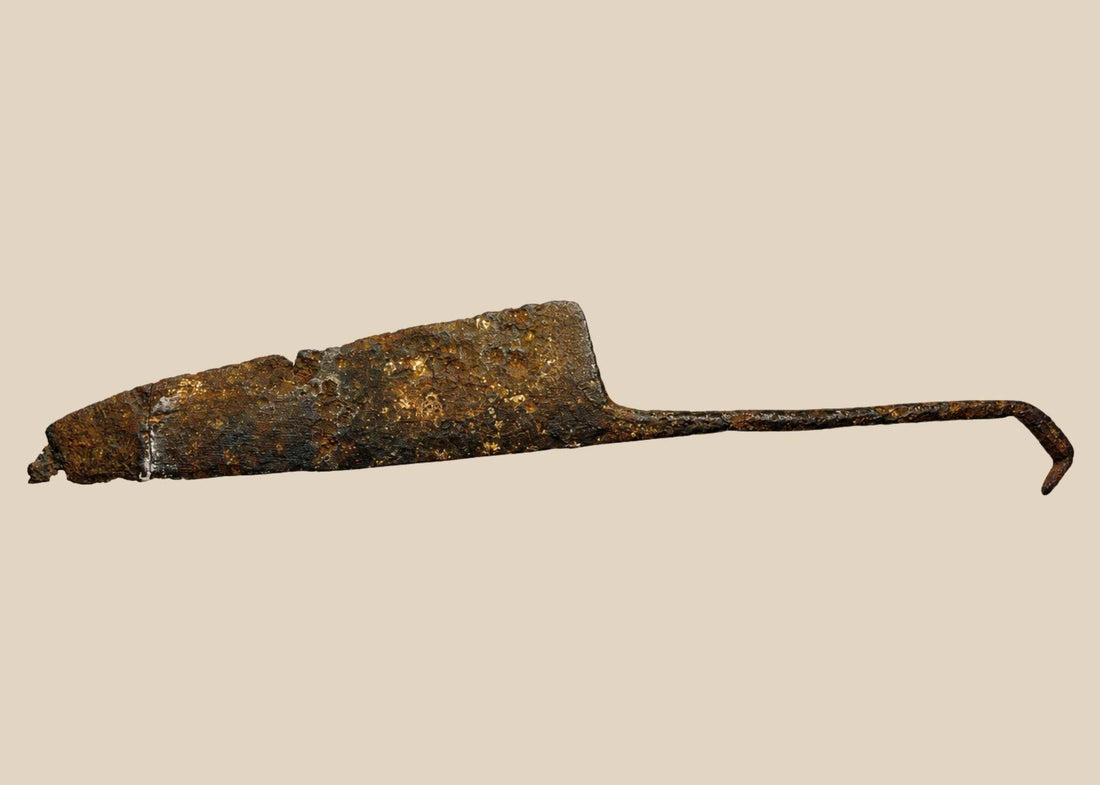
Cuchillo largo medieval | Hoja de hierro forjado con punta afilada | Siglos XII-XV d. C.

Historial de procedencia y propiedad

Anteriormente en una colección privada en Brea, California, Estados Unidos, formada con un enfoque particular en armas de fuego antiguas, armas blancas y objetos militares relacionados.

Precio habitual
$700.00
Precio de venta
$700.00
Precio habitual
Envío calculado al finalizar la compra.

This is a one-of-a-kind historical object. Once sold, this exact piece will not be restocked.

Questions before acquiring? Additional photographs, condition details, documentation, shipping information or a private viewing are available upon request.
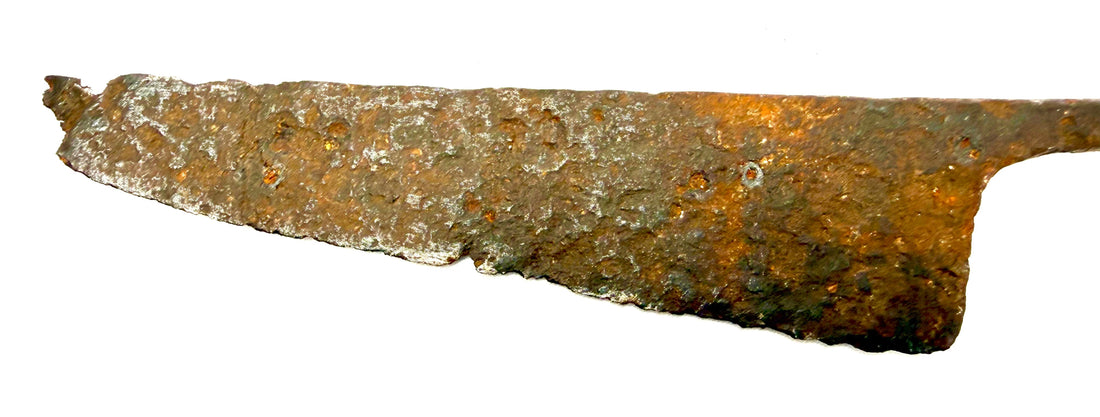
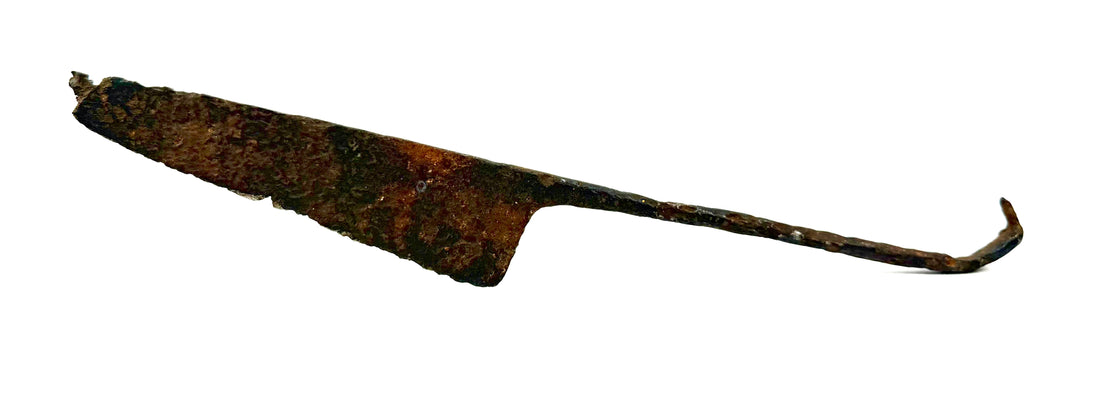
Heavily corroded medieval iron long knife with wide single-edged blade and rough rust texture
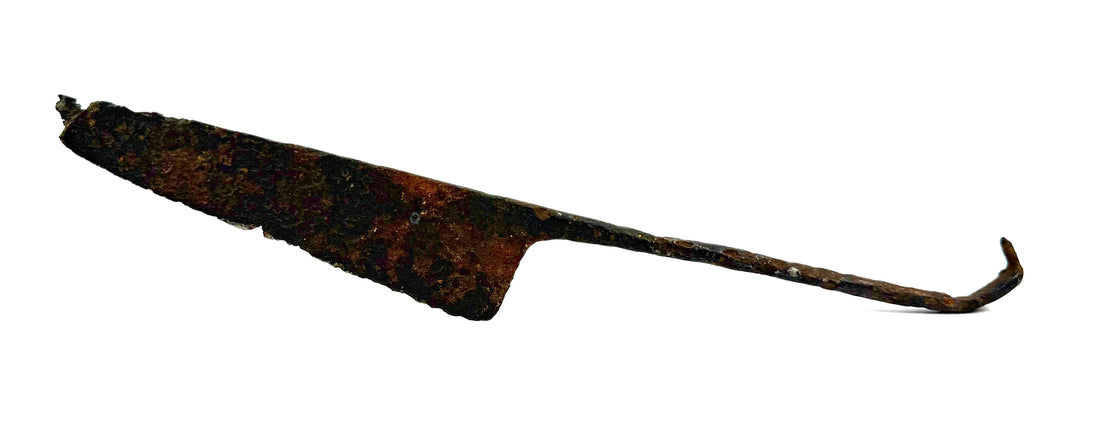
360-degree rotating view of a medieval long knife dating to the 12th–15th century CE, featuring a forged iron single-edged blade, straight spine, tapered point, and slender full-length tang with a curved end. Displays aged metal patina, surface corrosion, and archaeological wear, highlighting medieval European blacksmithing and historical weapon craftsmanship.
Medieval forged iron long knife dating to the 12th–15th century, featuring a wide single-edged blade, tapered point, and elongated tang.
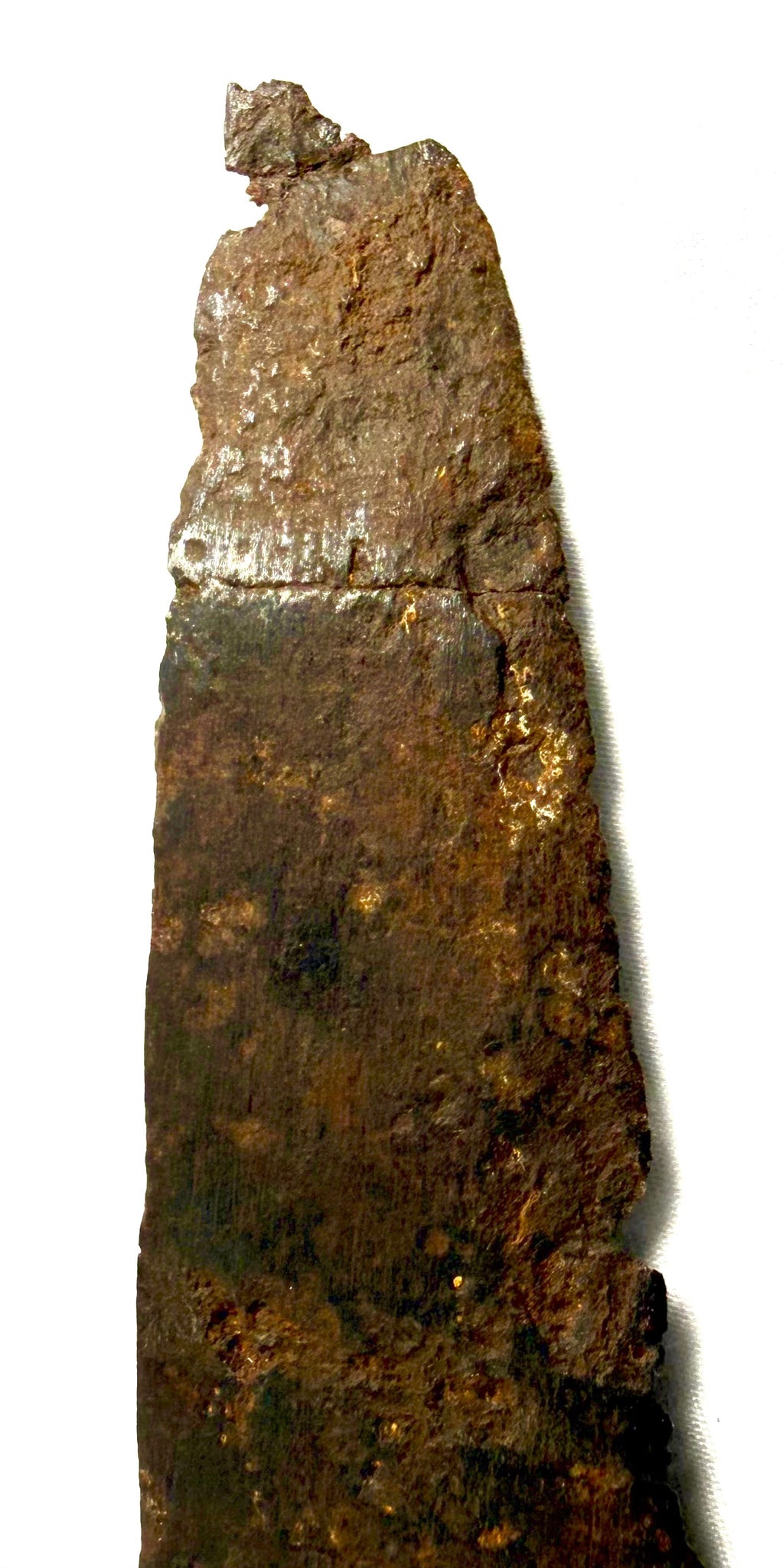
High to Late Medieval iron knife with a straight blade spine and gradually tapered cutting edge, reflecting traditional European metalworking techniques.
Excavated medieval long knife displaying extensive surface corrosion, natural patina, and preserved blade construction from centuries of aging.
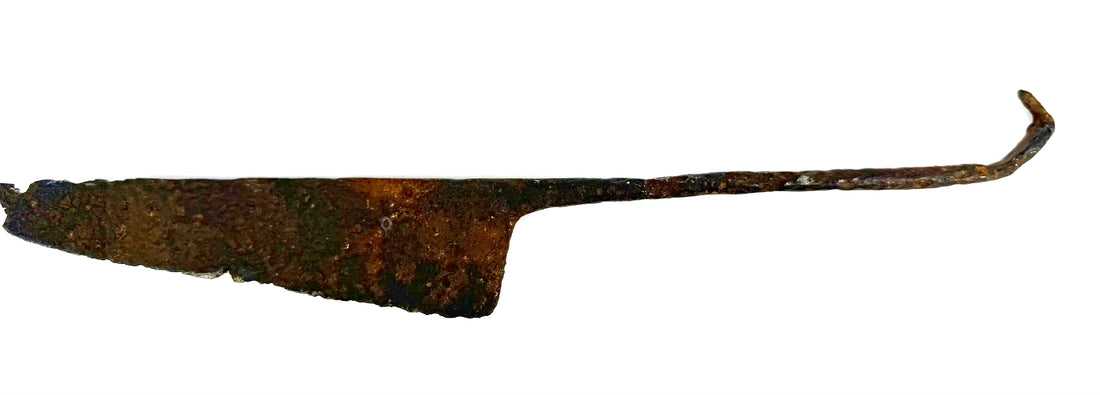
European medieval forged iron blade featuring a broad cutting surface and narrow tang, characteristic of practical edged weapons from the Middle Ages.
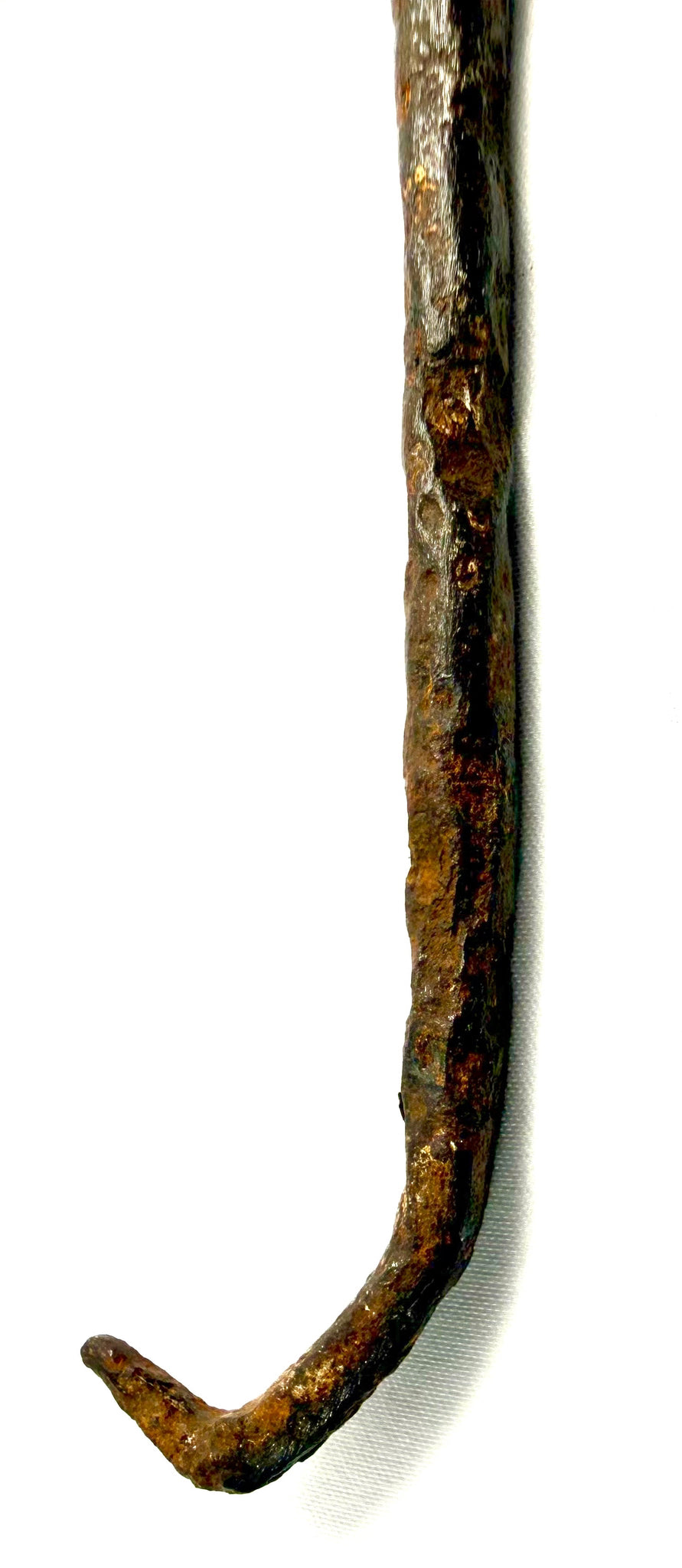
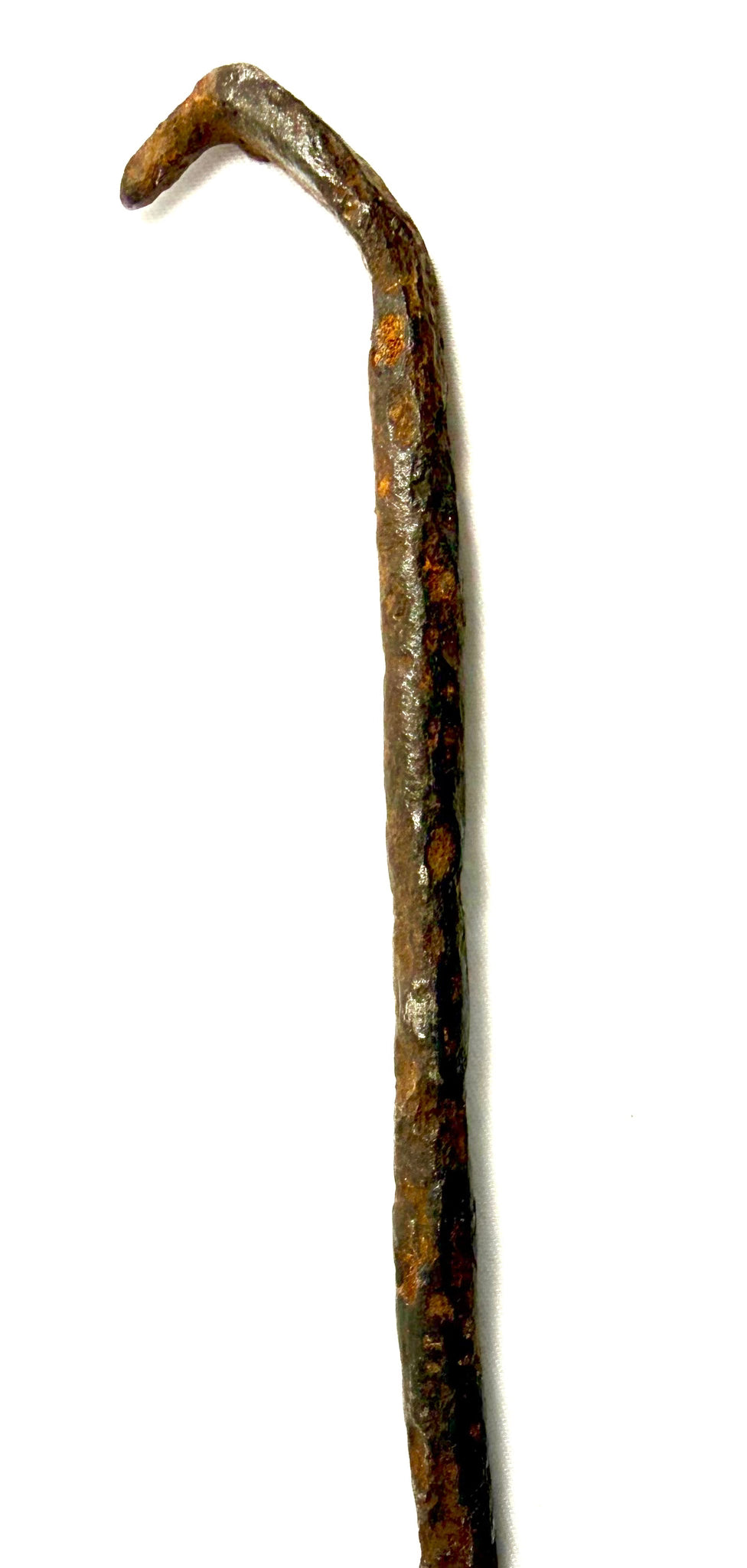
Medieval long knife with a slender extended tang and slightly curved terminal, demonstrating historical handle construction and functional design.
Ancient European iron knife dating to circa 1100–1500 CE, preserving its distinctive single-edged blade profile and tapered point.
High Medieval forged iron knife displaying weathered metal surfaces, oxidation, and corrosion patterns consistent with archaeological burial.
Medieval utility knife and sidearm featuring a wide single-edged blade, straight upper spine, and elongated handle tang.
Excavated European medieval knife with a heavily patinated iron surface, retaining its original blade silhouette and narrow tang structure.
Forged iron medieval long knife measuring approximately 11.25 inches, featuring a tapered cutting blade and extended tang.
Medieval European edged weapon featuring a broad blade that narrows toward the tip, illustrating functional ironworking traditions of the Middle Ages.
Archaeological medieval iron knife displaying centuries of surface oxidation, textured corrosion, and preserved forged metal construction.
High to Late Medieval long knife with a straight-backed cutting blade and slightly curved tang end, reflecting practical medieval weapon design.
European medieval forged iron long knife dating to the 12th–15th century, preserved in excavated condition with substantial patina and visible blade detailing.
  • Heavily corroded medieval iron long knife with wide single-edged blade and rough rust texture
  • 360-degree rotating view of a medieval long knife dating to the 12th–15th century CE, featuring a forged iron single-edged blade, straight spine, tapered point, and slender full-length tang with a curved end. Displays aged metal patina, surface corrosion, and archaeological wear, highlighting medieval European blacksmithing and historical weapon craftsmanship.
  • Medieval forged iron long knife dating to the 12th–15th century, featuring a wide single-edged blade, tapered point, and elongated tang.
  • High to Late Medieval iron knife with a straight blade spine and gradually tapered cutting edge, reflecting traditional European metalworking techniques.
  • Excavated medieval long knife displaying extensive surface corrosion, natural patina, and preserved blade construction from centuries of aging.
  • European medieval forged iron blade featuring a broad cutting surface and narrow tang, characteristic of practical edged weapons from the Middle Ages.
  • Medieval long knife with a slender extended tang and slightly curved terminal, demonstrating historical handle construction and functional design.
  • Ancient European iron knife dating to circa 1100–1500 CE, preserving its distinctive single-edged blade profile and tapered point.
  • High Medieval forged iron knife displaying weathered metal surfaces, oxidation, and corrosion patterns consistent with archaeological burial.
  • Medieval utility knife and sidearm featuring a wide single-edged blade, straight upper spine, and elongated handle tang.
  • Excavated European medieval knife with a heavily patinated iron surface, retaining its original blade silhouette and narrow tang structure.
  • Forged iron medieval long knife measuring approximately 11.25 inches, featuring a tapered cutting blade and extended tang.
  • Medieval European edged weapon featuring a broad blade that narrows toward the tip, illustrating functional ironworking traditions of the Middle Ages.
  • Archaeological medieval iron knife displaying centuries of surface oxidation, textured corrosion, and preserved forged metal construction.
  • High to Late Medieval long knife with a straight-backed cutting blade and slightly curved tang end, reflecting practical medieval weapon design.
  • European medieval forged iron long knife dating to the 12th–15th century, preserved in excavated condition with substantial patina and visible blade detailing.
Heavily corroded medieval iron long knife with wide single-edged blade and rough rust texture
360-degree rotating view of a medieval long knife dating to the 12th–15th century CE, featuring a forged iron single-edged blade, straight spine, tapered point, and slender full-length tang with a curved end. Displays aged metal patina, surface corrosion, and archaeological wear, highlighting medieval European blacksmithing and historical weapon craftsmanship.
Medieval forged iron long knife dating to the 12th–15th century, featuring a wide single-edged blade, tapered point, and elongated tang.
High to Late Medieval iron knife with a straight blade spine and gradually tapered cutting edge, reflecting traditional European metalworking techniques.
Excavated medieval long knife displaying extensive surface corrosion, natural patina, and preserved blade construction from centuries of aging.
European medieval forged iron blade featuring a broad cutting surface and narrow tang, characteristic of practical edged weapons from the Middle Ages.
Medieval long knife with a slender extended tang and slightly curved terminal, demonstrating historical handle construction and functional design.
Ancient European iron knife dating to circa 1100–1500 CE, preserving its distinctive single-edged blade profile and tapered point.
High Medieval forged iron knife displaying weathered metal surfaces, oxidation, and corrosion patterns consistent with archaeological burial.
Medieval utility knife and sidearm featuring a wide single-edged blade, straight upper spine, and elongated handle tang.
Excavated European medieval knife with a heavily patinated iron surface, retaining its original blade silhouette and narrow tang structure.
Forged iron medieval long knife measuring approximately 11.25 inches, featuring a tapered cutting blade and extended tang.
Medieval European edged weapon featuring a broad blade that narrows toward the tip, illustrating functional ironworking traditions of the Middle Ages.
Archaeological medieval iron knife displaying centuries of surface oxidation, textured corrosion, and preserved forged metal construction.
High to Late Medieval long knife with a straight-backed cutting blade and slightly curved tang end, reflecting practical medieval weapon design.
European medieval forged iron long knife dating to the 12th–15th century, preserved in excavated condition with substantial patina and visible blade detailing.
Authenticity and secure checkout guarantee

Cuchillo largo medieval | Hoja de hierro forjado con punta afilada | Siglos XII-XV d. C.

Descripción

Contexto histórico y origen

Región: Probablemente Europa Central u Occidental
Material: Hierro/acero forjado
Período: Alta a Baja Edad Media (circa siglos XII-XV)

Descripción

Este antiguo cuchillo largo medieval es un raro ejemplo excavado de armamento funcional y utilidad de la Edad Media. Con una ancha hoja de un solo filo con un lomo recto que se estrecha elegantemente hacia la punta, equilibra tanto la potencia de corte como la precisión. La espiga delgada se extiende a través del mango y se curva ligeramente en el extremo, un diseño que proporcionaba estabilidad y equilibrio tanto en combate como en el uso diario.

Características

- Hoja ancha de un solo filo con punta cónica para cortar y apuñalar

- Espiga de longitud completa con extremo curvo para un agarre seguro y durabilidad

- Proporciones equilibradas, lo que lo hace eficaz como herramienta y arma

- Condición excavada con pátina visible y envejecimiento superficial

Importancia cultural

El cuchillo largo medieval fue una de las armas secundarias más comunes del período, favorecida por soldados, viajeros y gente común por igual. A diferencia de las espadas, que simbolizaban riqueza y estatus, el cuchillo largo era práctico y versátil, utilizado para defensa, tareas diarias y combate cuerpo a cuerpo. Su diseño perdurable refleja el doble papel de las hojas medievales como herramientas utilitarias y armas personales.

Condición

Estado excavado con corrosión y pátina consistentes con la edad. A pesar del desgaste superficial, la forma de la hoja y la espiga permanecen claramente definidas, preservando su autenticidad histórica.

Dimensiones (aproximadas)

Longitud: 11.25 pulgadas

Edad (aproximada)

525–825 años

Procedencia

Anteriormente en una colección privada en Brea, California, Estados Unidos, reunida con un enfoque particular en armas de fuego antiguas, armas blancas y militaria relacionada.

Aprende más

Estudia el desarrollo de Las espadas medievales: artesanía y legado

Explora nuestra Colección de reliquias medievales: Caballeros y artefactos de castillo

Descripción

Contexto histórico y origen

Región: Probablemente Europa Central u Occidental
Material: Hierro/acero forjado
Período: Alta a Baja Edad Media (circa siglos XII-XV)

Descripción

Este antiguo cuchillo largo medieval es un raro ejemplo excavado de armamento funcional y utilidad de la Edad Media. Con una ancha hoja de un solo filo con un lomo recto que se estrecha elegantemente hacia la punta, equilibra tanto la potencia de corte como la precisión. La espiga delgada se extiende a través del mango y se curva ligeramente en el extremo, un diseño que proporcionaba estabilidad y equilibrio tanto en combate como en el uso diario.

Características

- Hoja ancha de un solo filo con punta cónica para cortar y apuñalar

- Espiga de longitud completa con extremo curvo para un agarre seguro y durabilidad

- Proporciones equilibradas, lo que lo hace eficaz como herramienta y arma

- Condición excavada con pátina visible y envejecimiento superficial

Importancia cultural

El cuchillo largo medieval fue una de las armas secundarias más comunes del período, favorecida por soldados, viajeros y gente común por igual. A diferencia de las espadas, que simbolizaban riqueza y estatus, el cuchillo largo era práctico y versátil, utilizado para defensa, tareas diarias y combate cuerpo a cuerpo. Su diseño perdurable refleja el doble papel de las hojas medievales como herramientas utilitarias y armas personales.

Condición

Estado excavado con corrosión y pátina consistentes con la edad. A pesar del desgaste superficial, la forma de la hoja y la espiga permanecen claramente definidas, preservando su autenticidad histórica.

Dimensiones (aproximadas)

Longitud: 11.25 pulgadas

Edad (aproximada)

525–825 años

Procedencia

Anteriormente en una colección privada en Brea, California, Estados Unidos, reunida con un enfoque particular en armas de fuego antiguas, armas blancas y militaria relacionada.

Aprende más

Estudia el desarrollo de Las espadas medievales: artesanía y legado

Explora nuestra Colección de reliquias medievales: Caballeros y artefactos de castillo

También te puede interesar