

¿Por qué comprar con Relic & Rarity?
Obtenemos coleccionables excepcionales, verificamos su autenticidad y respaldamos cada compra con nuestra Garantía de Autenticidad. Cada pedido se empaqueta cuidadosamente e incluye envío mundial gratuito.

Artefactos del siglo XVII (1600-1699)
-
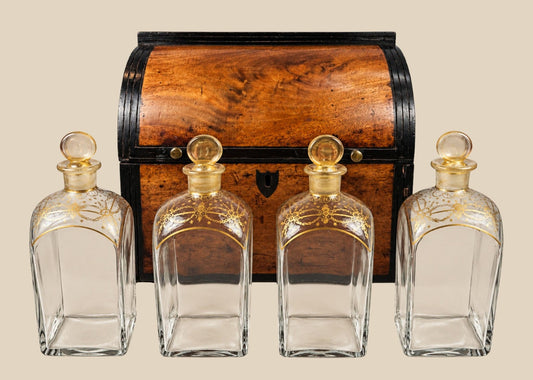
Baúl histórico italiano de madera tallada | Siglos XVI-XVII

Baúl histórico italiano de madera tallada | Siglos XVI-XVII
- Precio habitual
- $7,000.00
- Precio de venta
- $7,000.00
- Precio habitual
-
Zischägge (casco de langosta) alemán u holandés | Casco de hierro forjado con barra nasal | Circa 1630-1670
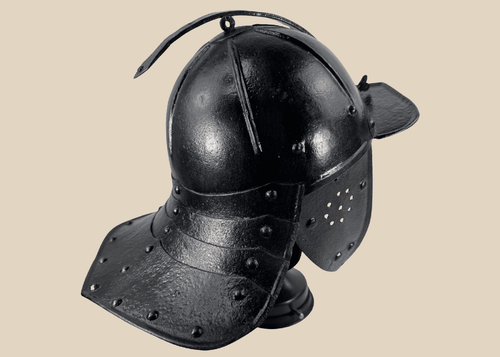
Zischägge (casco de langosta) alemán u holandés | Casco de hierro forjado con barra nasal | Circa 1630-1670
- Precio habitual
- $5,000.00
- Precio de venta
- $5,000.00
- Precio habitual
-
Adorno ritual japonés de bronce dorado con incrustaciones de plata | Circa 1400-1650
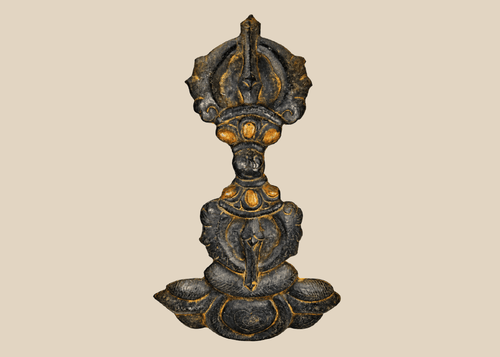
Adorno ritual japonés de bronce dorado con incrustaciones de plata | Circa 1400-1650
- Precio habitual
- $3,500.00
- Precio de venta
- $3,500.00
- Precio habitual
-
Estribos de caballería blindada alemana | Finales del siglo XVI - principios del siglo XVII
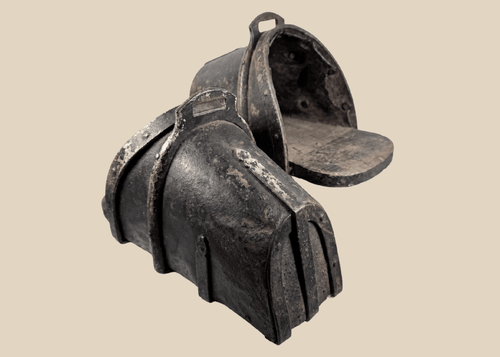
Estribos de caballería blindada alemana | Finales del siglo XVI - principios del siglo XVII
- Precio habitual
- $2,500.00
- Precio de venta
- $2,500.00
- Precio habitual
-
Fragmento de piedra eclesiástica tallada representando la Crucifixión | Siglo XIV-XVIII
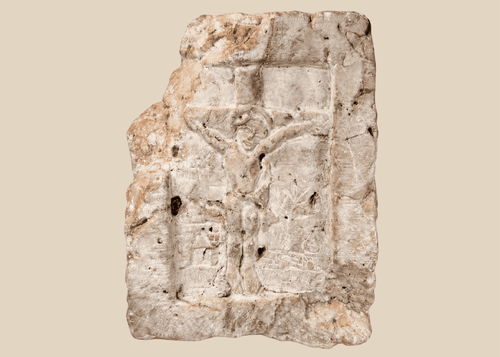
Fragmento de piedra eclesiástica tallada representando la Crucifixión | Siglo XIV-XVIII
- Precio habitual
- $2,500.00
- Precio de venta
- $2,500.00
- Precio habitual
-
Pareja de sillas españolas barrocas de nogal y cuero | Siglo XVII
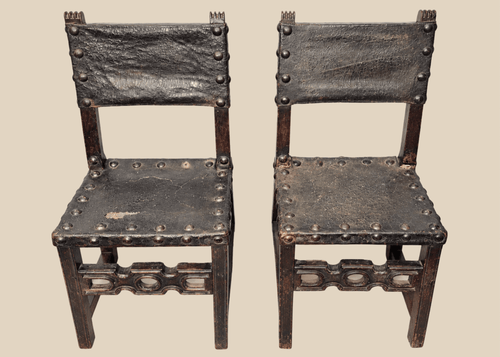
Pareja de sillas españolas barrocas de nogal y cuero | Siglo XVII
- Precio habitual
- $2,000.00
- Precio de venta
- $2,000.00
- Precio habitual
-
Antiguo grupo chino de terracota pintada de Madame Tang y su suegra | Dinastía Yuan-Ming | Circa siglo XIV-XVII
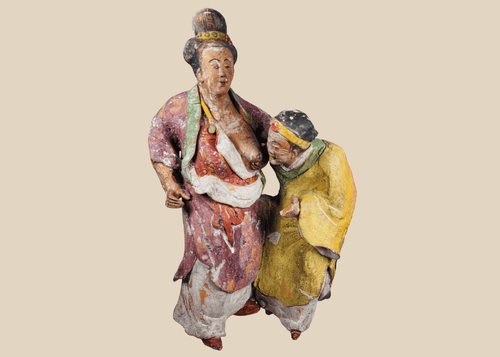
Antiguo grupo chino de terracota pintada de Madame Tang y su suegra | Dinastía Yuan-Ming | Circa siglo XIV-XVII
- Precio habitual
- $2,000.00
- Precio de venta
- $2,000.00
- Precio habitual
-
Cinturón nupcial judío del sur de Rusia | Latón y cornalina | Siglos XVII-XVIII
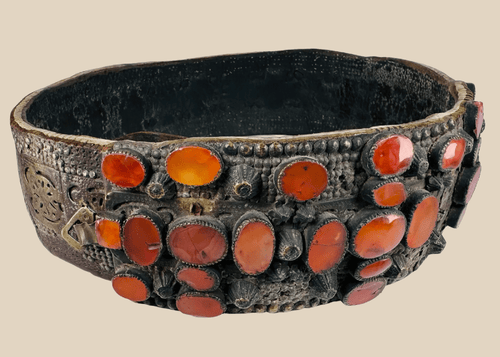
Cinturón nupcial judío del sur de Rusia | Latón y cornalina | Siglos XVII-XVIII
- Precio habitual
- $2,000.00
- Precio de venta
- $2,000.00
- Precio habitual
-
Icono ortodoxo griego pintado a mano sobre madera | Cristo Pantocrátor con santos | Circa siglos XVI-XVIII
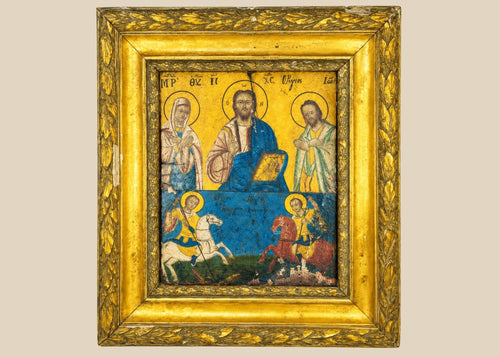
Icono ortodoxo griego pintado a mano sobre madera | Cristo Pantocrátor con santos | Circa siglos XVI-XVIII
- Precio habitual
- $2,000.00
- Precio de venta
- $2,000.00
- Precio habitual
-
Crucifijo europeo de madera | Figura de Cristo barroca | Siglo XVII
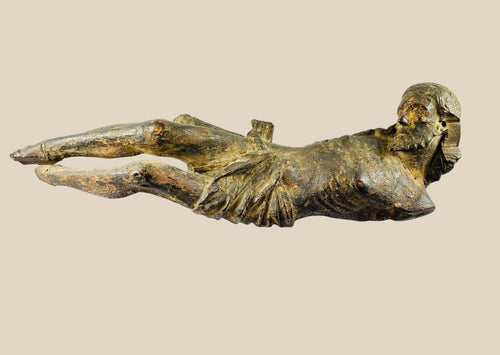
Crucifijo europeo de madera | Figura de Cristo barroca | Siglo XVII
- Precio habitual
- $2,000.00
- Precio de venta
- $2,000.00
- Precio habitual
-
Buda chino de bronce dorado en postura de meditación | Siglos XVI-XVII
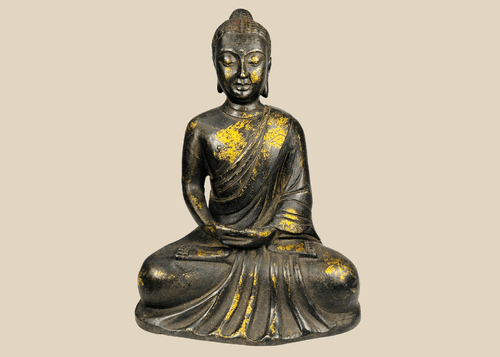
Buda chino de bronce dorado en postura de meditación | Siglos XVI-XVII
- Precio habitual
- $1,500.00
- Precio de venta
- $1,500.00
- Precio habitual
-
Par de funcionarios de cerámica china con vidriado turquesa y berenjena | Dinastía Ming tardía a principios de la dinastía Qing | Circa 1600 – 1750 EC
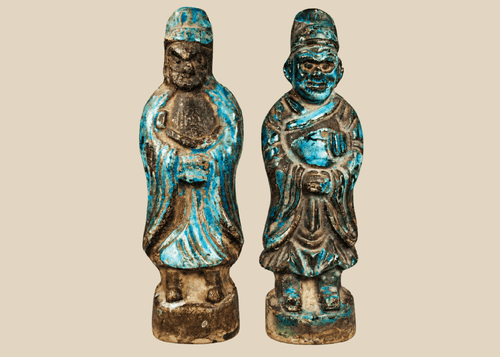
Par de funcionarios de cerámica china con vidriado turquesa y berenjena | Dinastía Ming tardía a principios de la dinastía Qing | Circa 1600 – 1750 EC
- Precio habitual
- $1,250.00
- Precio de venta
- $1,250.00
- Precio habitual
-
Antique Chinese Lacquered & Giltwood Bodhisattva of Compassion Statue | Circa 1600 – 1750 CE
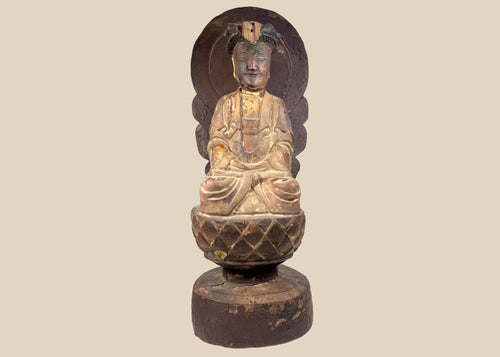
Antique Chinese Lacquered & Giltwood Bodhisattva of Compassion Statue | Circa 1600 – 1750 CE
- Precio habitual
- $1,000.00
- Precio de venta
- $1,000.00
- Precio habitual
-
Mascarón de león tallado en madera noble con restos de dorado | Europa continental | Circa 1650-1750
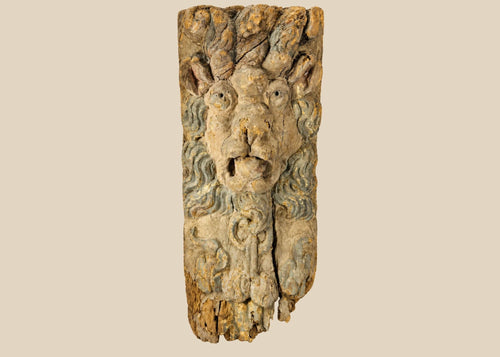
Mascarón de león tallado en madera noble con restos de dorado | Europa continental | Circa 1650-1750
- Precio habitual
- $1,000.00
- Precio de venta
- $1,000.00
- Precio habitual
-
Arte popular colonial español antiguo muy grande | Escultura de madera de Corpus Christi | Circa siglos XVII-XIX
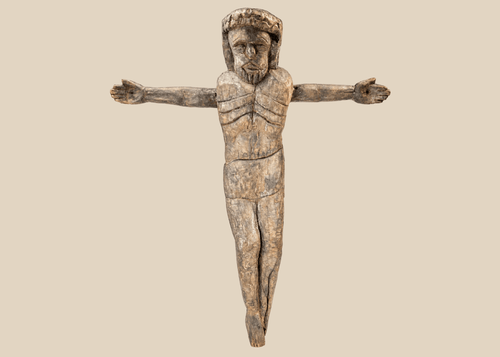
Arte popular colonial español antiguo muy grande | Escultura de madera de Corpus Christi | Circa siglos XVII-XIX
- Precio habitual
- $1,000.00
- Precio de venta
- $1,000.00
- Precio habitual
-
Sudeste Asiático | Budista de terracota | Placas votivas | Siglos XIV-XVIII
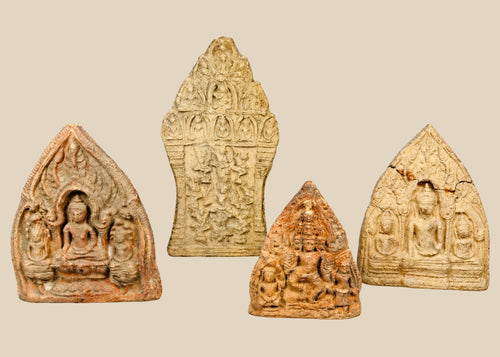
Sudeste Asiático | Budista de terracota | Placas votivas | Siglos XIV-XVIII
- Precio habitual
- $1,000.00
- Precio de venta
- $1,000.00
- Precio habitual
-
Ayutthaya | Fragmento de templo de madera tallada con detalles dorados | Tailandia | Siglo XVII aprox.
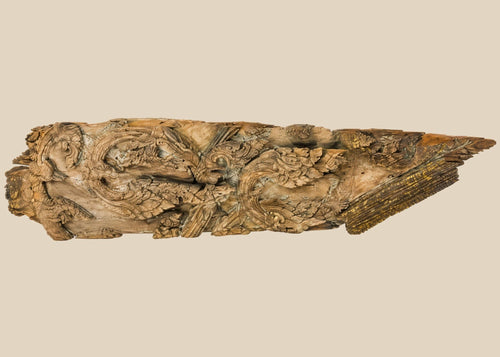
Ayutthaya | Fragmento de templo de madera tallada con detalles dorados | Tailandia | Siglo XVII aprox.
- Precio habitual
- $1,000.00
- Precio de venta
- $1,000.00
- Precio habitual
-
Punta de Lanza Europea de Hierro Forjado a Mano | Circa 1er Milenio EC
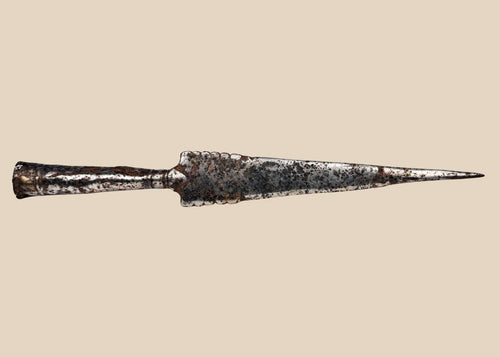
Punta de Lanza Europea de Hierro Forjado a Mano | Circa 1er Milenio EC
- Precio habitual
- $900.00
- Precio de venta
- $900.00
- Precio habitual
-
Colonial español | Corpus Christi de madera (escultura devocional) | Siglo XVII
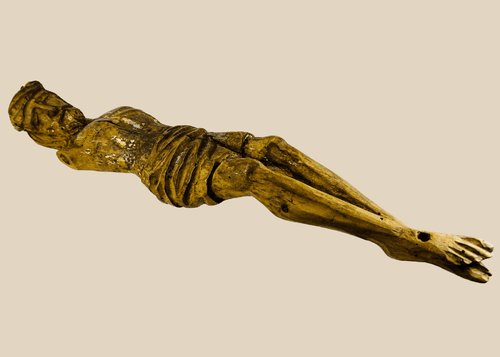
Colonial español | Corpus Christi de madera (escultura devocional) | Siglo XVII
- Precio habitual
- $750.00
- Precio de venta
- $750.00
- Precio habitual
-
Estribo de caballería otomana | Acero forjado con incrustaciones de plata | Siglo XVII
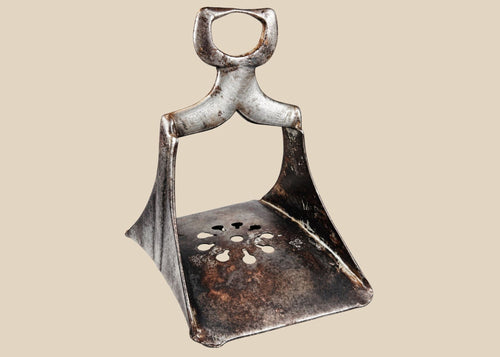
Estribo de caballería otomana | Acero forjado con incrustaciones de plata | Siglo XVII
- Precio habitual
- $750.00
- Precio de venta
- $750.00
- Precio habitual
-
Par de estribos ecuestres ornamentados de latón | Motivo serpentino | C. finales del siglo XVII-principios del XVIII
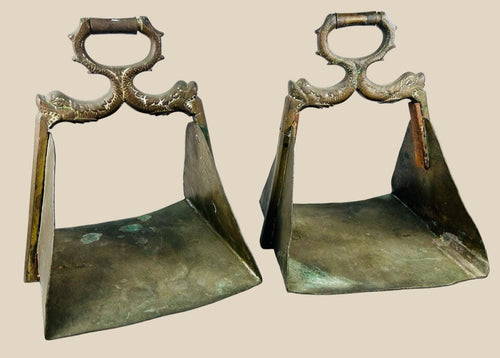
Par de estribos ecuestres ornamentados de latón | Motivo serpentino | C. finales del siglo XVII-principios del XVIII
- Precio habitual
- $700.00
- Precio de venta
- $700.00
- Precio habitual
-
Figura de santo colonial español | Fraile de madera tallada con restos de policromía | Siglos XVII-XVIII
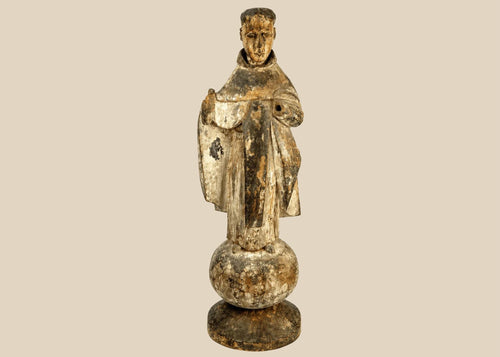
Figura de santo colonial español | Fraile de madera tallada con restos de policromía | Siglos XVII-XVIII
- Precio habitual
- $700.00
- Precio de venta
- $700.00
- Precio habitual
-
Bronce | Estatua de Deidad Danzante | Origen del sur de Asia | Circa finales del siglo XVII-XIX
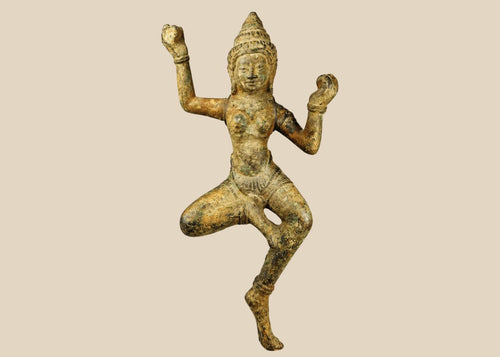
Bronce | Estatua de Deidad Danzante | Origen del sur de Asia | Circa finales del siglo XVII-XIX
- Precio habitual
- $700.00
- Precio de venta
- $700.00
- Precio habitual
-
Antique Baroque Carved Wood Relief of the Virgin & Christ Child Crowned by Angels | Circa 1650 – 1750
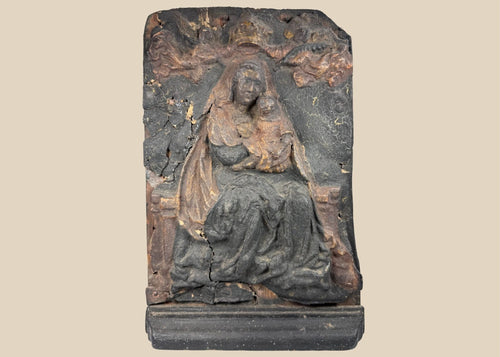
Antique Baroque Carved Wood Relief of the Virgin & Christ Child Crowned by Angels | Circa 1650 – 1750
- Precio habitual
- $600.00
- Precio de venta
- $600.00
- Precio habitual
-
Santo colonial español o europeo | Santo de madera tallada a mano con restos de policromía | Siglos XVII-XVIII
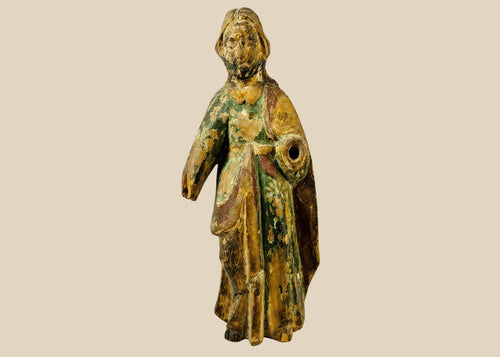
Santo colonial español o europeo | Santo de madera tallada a mano con restos de policromía | Siglos XVII-XVIII
- Precio habitual
- $600.00
- Precio de venta
- $600.00
- Precio habitual
-
Raro artefacto de sello de cera | Iconografía monárquica | Hacia 1612

Raro artefacto de sello de cera | Iconografía monárquica | Hacia 1612
- Precio habitual
- $500.00
- Precio de venta
- $500.00
- Precio habitual
-
Europa temprana | Cabeza de hacha de hierro forjado con marca del fabricante | Hacia los siglos XVII y XVIII
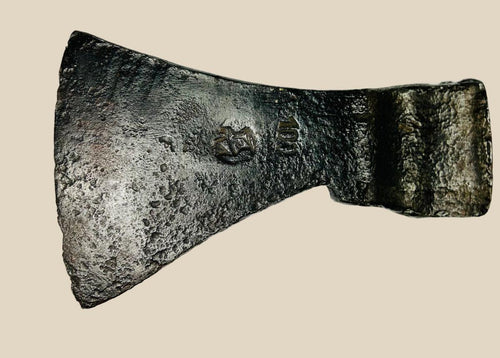
Europa temprana | Cabeza de hacha de hierro forjado con marca del fabricante | Hacia los siglos XVII y XVIII
- Precio habitual
- $400.00
- Precio de venta
- $400.00
- Precio habitual
-
Azulejo antiguo Delft azul y blanco | Representando figura de caballería montada con espada levantada | Circa finales del siglo XVII – principios del siglo XVIII
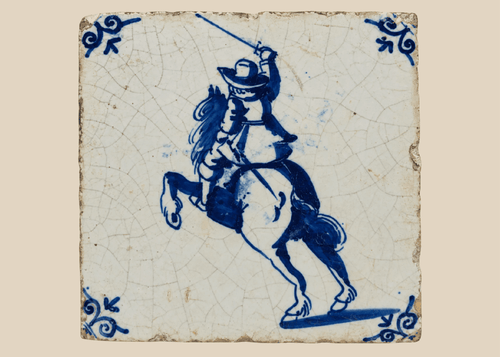
Azulejo antiguo Delft azul y blanco | Representando figura de caballería montada con espada levantada | Circa finales del siglo XVII – principios del siglo XVIII
- Precio habitual
- $400.00
- Precio de venta
- $400.00
- Precio habitual
-
Cabeza de Buda de bronce asiática antigua | Siglos XVII-XVIII

Cabeza de Buda de bronce asiática antigua | Siglos XVII-XVIII
- Precio habitual
- $400.00
- Precio de venta
- $400.00
- Precio habitual
-
Segmento de armadura defensiva europea | Banda pesada de acero forjado de armadura de asedio | Siglo XVII
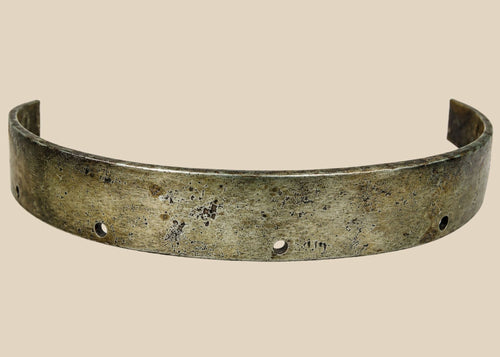
Segmento de armadura defensiva europea | Banda pesada de acero forjado de armadura de asedio | Siglo XVII
- Precio habitual
- $350.00
- Precio de venta
- $350.00
- Precio habitual
-
Cabeza de Buda de bronce de la antigua Tailandia | Siglos XVI-XVII d. C.

Cabeza de Buda de bronce de la antigua Tailandia | Siglos XVI-XVII d. C.
- Precio habitual
- $250.00
- Precio de venta
- $250.00
- Precio habitual
-
Llave de hierro colonial española | Diseño de cabeza perforada | Siglos XVI-XVIII
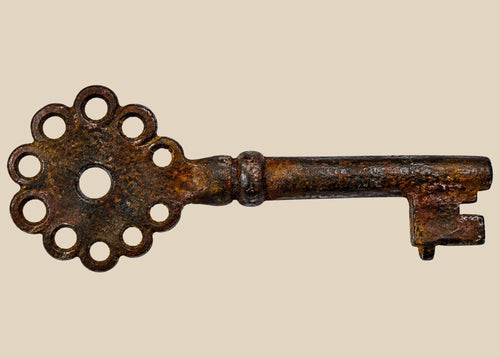
Llave de hierro colonial española | Diseño de cabeza perforada | Siglos XVI-XVIII
- Precio habitual
- $150.00
- Precio de venta
- $150.00
- Precio habitual


Estadísticas de Recaudador
¿Por qué es históricamente significativo el siglo XVII?
El siglo XVII fue una era de profundos cambios políticos, científicos, religiosos y económicos. La Guerra de los Treinta Años reformó Europa, se expandieron las poderosas monarquías centralizadas, crecieron los imperios de ultramar y el comercio global, y la Revolución Científica transformó la comprensión de la astronomía, la física y el mundo natural. También fue la gran era del arte y la arquitectura barrocos, lo que convierte al siglo XVII en un puente importante entre el Renacimiento y la era moderna.
¿Qué es el arte barroco y cómo se puede reconocer?
El arte barroco floreció durante el siglo XVII y es conocido por su movimiento dramático, ricos detalles, fuertes contrastes de luz y sombra, e intensidad emocional. Influyó en la pintura, la escultura, la arquitectura, el mobiliario y las artes decorativas en toda Europa.
¿Por qué era importante la madera tallada en el siglo XVII?
La madera fue un material esencial para los muebles, esculturas, arte religioso y arquitectura del siglo XVII. Expertos talladores crearon elaboradas decoraciones, figuras, paneles arquitectónicos y mobiliario que reflejaban los gustos artísticos y la destreza artesanal del período.
¿Qué estaba pasando en China y Japón durante el siglo XVII?
China vio la caída de la dinastía Ming y el ascenso de la dinastía Qing en 1644. En Japón, el shogunato Tokugawa estableció el período Edo, lo que trajo una mayor estabilidad política junto con el crecimiento de las ciudades, el comercio, el arte y tradiciones culturales distintivas.
¿Por qué la religión fue una influencia tan importante en el arte del siglo XVII?
La religión siguió siendo uno de los mayores mecenas del arte durante el siglo XVII. Iglesias, templos, monasterios y fieles privados encargaron pinturas, esculturas, iconos, objetos rituales y arquitectura para expresar la fe, enseñar ideas religiosas e inspirar devoción.
¿Cómo se fechan los artefactos del siglo XVII?
Los expertos estudian los materiales, los métodos de construcción, el estilo artístico, las inscripciones, las marcas del fabricante, la decoración y las técnicas de fabricación. La comparación con ejemplos con fechas fehacientes y los registros históricos existentes puede ayudar a determinar la fecha y el lugar de origen probable de un objeto.
Descubre @relicandraritygallery en Instagram

