

Cinturón nupcial judío del sur de Rusia | Latón y cornalina | Siglos XVII-XVIII
- Precio habitual
- $2,000.00
- Precio de venta
- $2,000.00
- Precio habitual
No se pudo cargar la disponibilidad de retiro


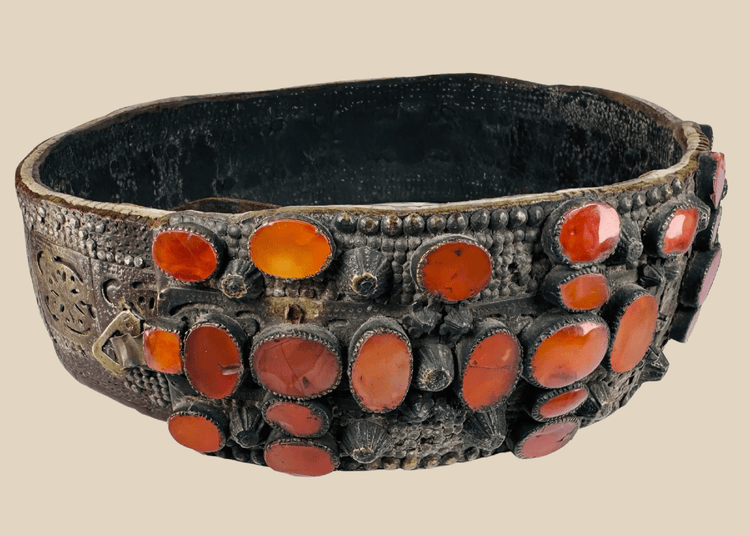
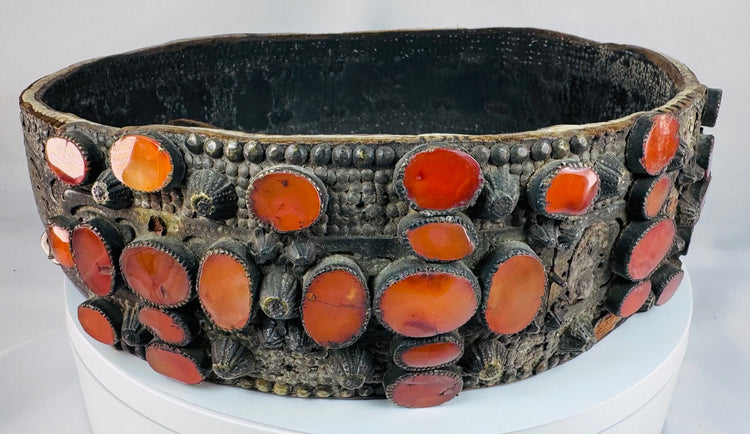
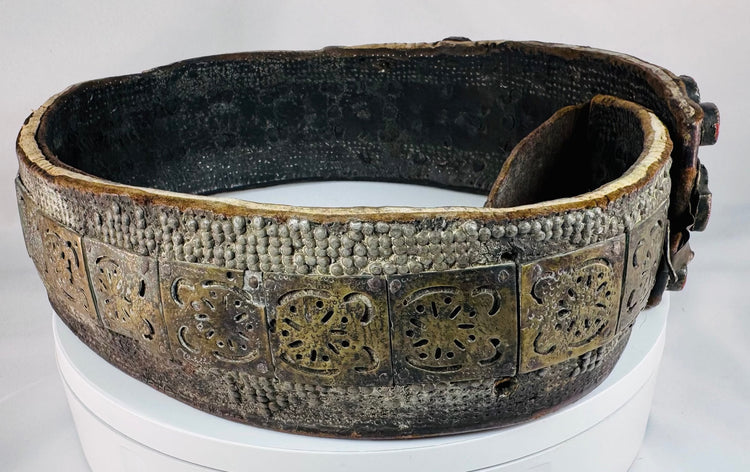
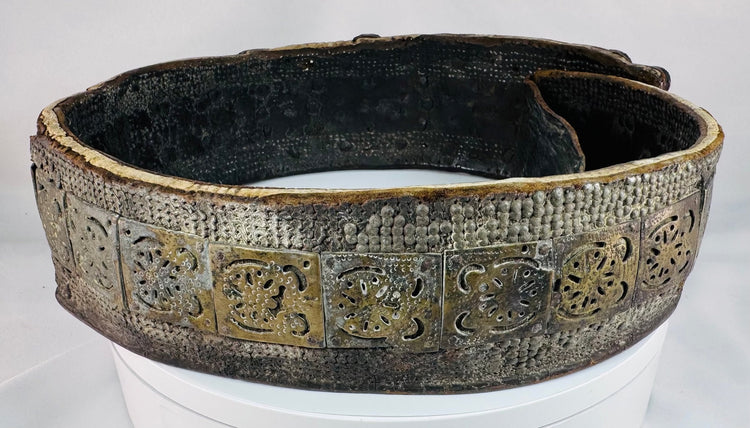
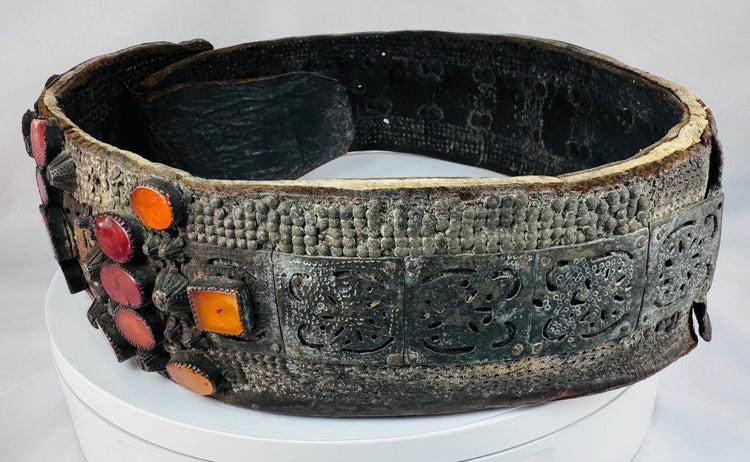
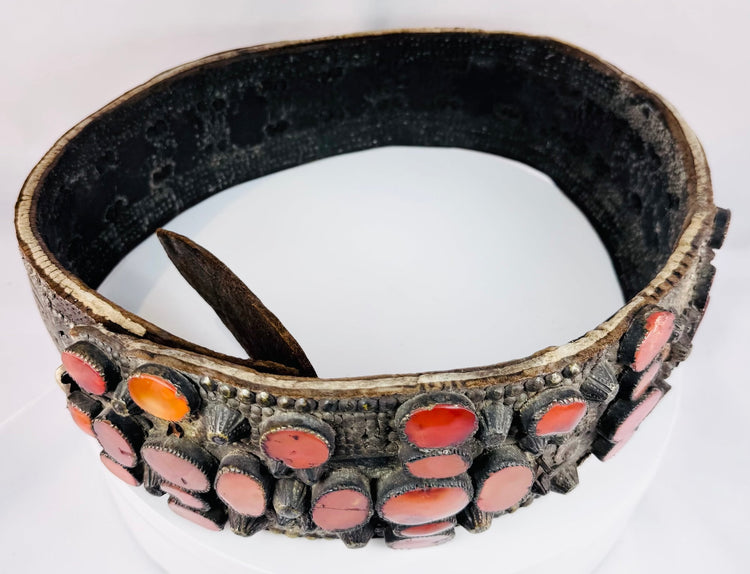
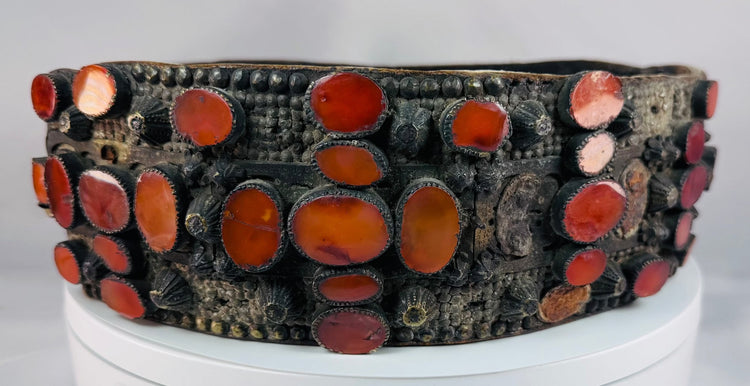
Cinturón nupcial judío del sur de Rusia | Latón y cornalina | Siglos XVII-XVIII
Descripción
Más
Menos
Contexto histórico y origen
Región: Sur de Rusia, Europa del Este
Material: Latón con placas caladas, piedras de cornalina, accesorios remachados
Período: Siglos XVII-XVIII
Descripción
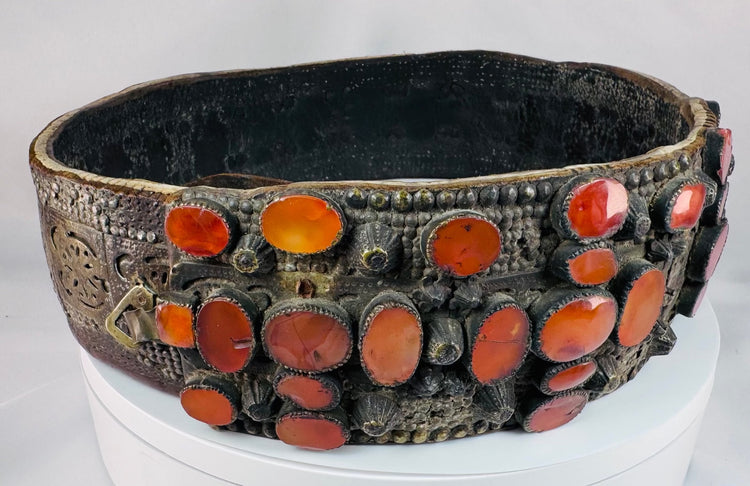
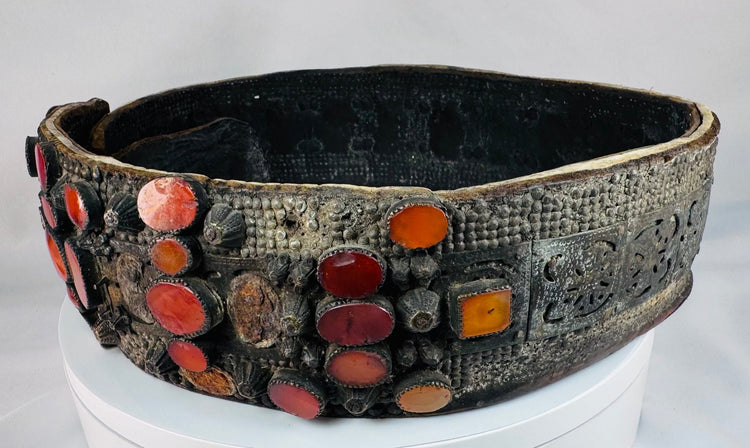
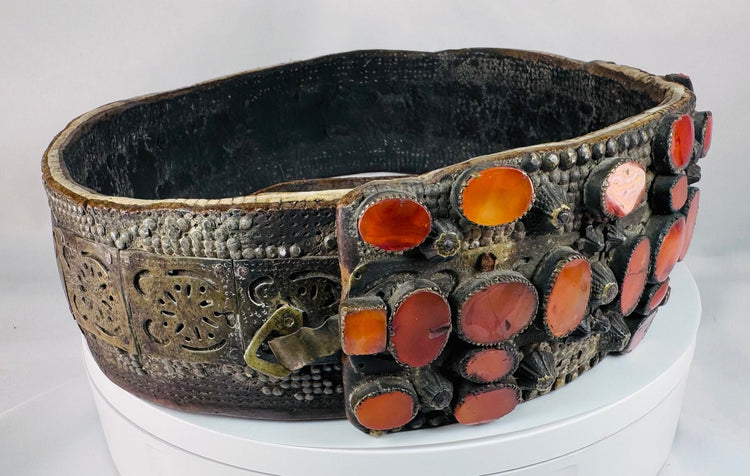
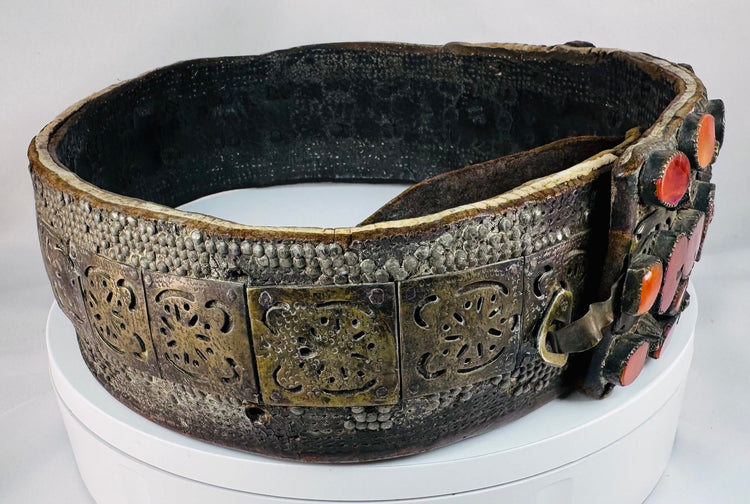
Este ornamentado cinturón de novia, salpicado de vibrantes gemas de cornalina de color naranja, representa una rara supervivencia de las costumbres matrimoniales judías del sur de Rusia en los siglos XVII-XVIII. Pesado y elaborado con accesorios de latón y placas caladas, el cinturón no es solo un llamativo adorno, sino también un objeto ceremonial sagrado imbuido de significado espiritual. La fina mano de obra y el uso de piedras semipreciosas reflejan su papel como talismán protector y como muestra de estatus familiar.
Características
- Hileras de piedras de cornalina naranja, asociadas con la vitalidad, la protección y la fertilidad
- Construcción de latón pesado con placas remachadas y caladas, mostrando una hábil artesanía
- Uso ceremonial en bodas, tradicionalmente atado con el cinturón del novio para simbolizar la unidad
- Conservado con el desgaste visible acorde con su antigüedad, lo que subraya su autenticidad
Significado cultural
Dentro de las comunidades judías del sur de Rusia y Europa del Este, los cinturones de novia tenían un profundo significado simbólico. Se ataban junto con el cinturón del novio durante la ceremonia matrimonial, representando la unión sagrada del marido y la mujer. Se creía que mejoraban la fertilidad y aseguraban la prosperidad, y estos cinturones eran preciadas herencias familiares, a veces prestados cuando eran demasiado costosos de poseer.
El uso de la cornalina, con sus ricos tonos anaranjados, refleja asociaciones de larga data con la curación, la vitalidad y la protección, lo que convierte esta pieza en un poderoso artefacto espiritual y cultural.
Estado
Buen estado con el desgaste y la pátina esperados; las gemas intactas y las placas de latón muestran un carácter envejecido consistente con un objeto ceremonial de esta antigüedad.
Dimensiones (aproximadas)
Diámetro: 11 pulgadas
Edad (aproximada)
225-425 años
Procedencia
Adquirido por un coleccionista privado en 2018 y conservado como parte de una colección de Toronto, Ontario, Canadá, centrada en judaica histórica y material etnográfico. El cinturón fue posteriormente ofrecido por Kelso & Company Auctioneers, Guelph, Ontario, en su subasta de Antigüedades y rarezas del 13 de diciembre de 2023, como Lote 512.
Más información
Ver un Cinturón nupcial del sur de Rusia
Descubra la Historia del cinturón nupcial del sur de Rusia
Descripción
Contexto histórico y origen
Región: Sur de Rusia, Europa del Este
Material: Latón con placas caladas, piedras de cornalina, accesorios remachados
Período: Siglos XVII-XVIII
Descripción
Este ornamentado cinturón de novia, salpicado de vibrantes gemas de cornalina de color naranja, representa una rara supervivencia de las costumbres matrimoniales judías del sur de Rusia en los siglos XVII-XVIII. Pesado y elaborado con accesorios de latón y placas caladas, el cinturón no es solo un llamativo adorno, sino también un objeto ceremonial sagrado imbuido de significado espiritual. La fina mano de obra y el uso de piedras semipreciosas reflejan su papel como talismán protector y como muestra de estatus familiar.
Características
- Hileras de piedras de cornalina naranja, asociadas con la vitalidad, la protección y la fertilidad
- Construcción de latón pesado con placas remachadas y caladas, mostrando una hábil artesanía
- Uso ceremonial en bodas, tradicionalmente atado con el cinturón del novio para simbolizar la unidad
- Conservado con el desgaste visible acorde con su antigüedad, lo que subraya su autenticidad
Significado cultural
Dentro de las comunidades judías del sur de Rusia y Europa del Este, los cinturones de novia tenían un profundo significado simbólico. Se ataban junto con el cinturón del novio durante la ceremonia matrimonial, representando la unión sagrada del marido y la mujer. Se creía que mejoraban la fertilidad y aseguraban la prosperidad, y estos cinturones eran preciadas herencias familiares, a veces prestados cuando eran demasiado costosos de poseer.
El uso de la cornalina, con sus ricos tonos anaranjados, refleja asociaciones de larga data con la curación, la vitalidad y la protección, lo que convierte esta pieza en un poderoso artefacto espiritual y cultural.
Estado
Buen estado con el desgaste y la pátina esperados; las gemas intactas y las placas de latón muestran un carácter envejecido consistente con un objeto ceremonial de esta antigüedad.
Dimensiones (aproximadas)
Diámetro: 11 pulgadas
Edad (aproximada)
225-425 años
Procedencia
Adquirido por un coleccionista privado en 2018 y conservado como parte de una colección de Toronto, Ontario, Canadá, centrada en judaica histórica y material etnográfico. El cinturón fue posteriormente ofrecido por Kelso & Company Auctioneers, Guelph, Ontario, en su subasta de Antigüedades y rarezas del 13 de diciembre de 2023, como Lote 512.
Más información
Ver un Cinturón nupcial del sur de Rusia
Descubra la Historia del cinturón nupcial del sur de Rusia
También te puede interesar

