

¿Por qué coleccionar con Relic & Rarity?
Cada pieza en Relic & Rarity es cuidadosamente investigada y evaluada en cuanto a su autenticidad antes de ser ofrecida para la venta. Cada compra está respaldada por nuestra Garantía de Autenticidad y, siempre que esté disponible, incluye la procedencia documentada. Los coleccionistas también reciben un Certificado de Autenticidad, embalaje profesional, envío mundial gratuito y soporte dedicado durante todo su viaje de coleccionismo.

Artefactos del siglo XVI (1500-1599)
-
Armadura Do-Maru de samurái japonés con escudo del clan Takeda | Siglos XIV-XVI
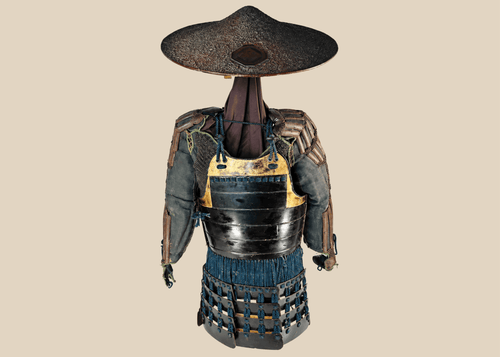
Armadura Do-Maru de samurái japonés con escudo del clan Takeda | Siglos XIV-XVI
- Precio habitual
- $10,000.00
- Precio de venta
- $10,000.00
- Precio habitual
-
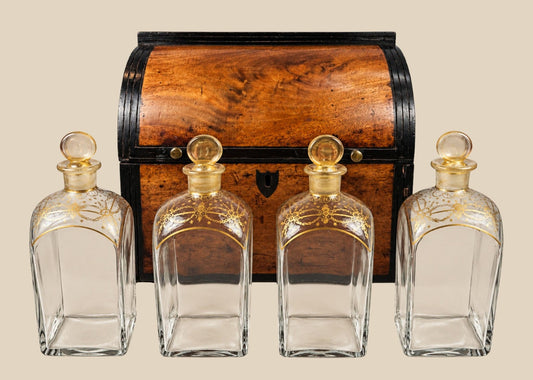
Baúl histórico italiano de madera tallada | Siglos XVI-XVII

Baúl histórico italiano de madera tallada | Siglos XVI-XVII
- Precio habitual
- $7,000.00
- Precio de venta
- $7,000.00
- Precio habitual
-
Adorno ritual japonés de bronce dorado con incrustaciones de plata | Circa 1400-1650
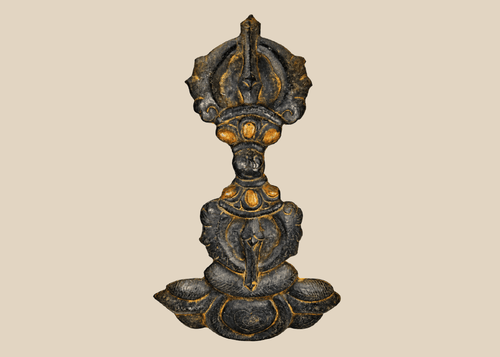
Adorno ritual japonés de bronce dorado con incrustaciones de plata | Circa 1400-1650
- Precio habitual
- $3,500.00
- Precio de venta
- $3,500.00
- Precio habitual
-
Estribos de caballería blindada alemana | Finales del siglo XVI - principios del siglo XVII
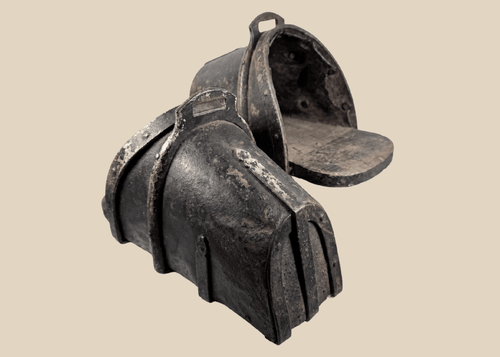
Estribos de caballería blindada alemana | Finales del siglo XVI - principios del siglo XVII
- Precio habitual
- $2,500.00
- Precio de venta
- $2,500.00
- Precio habitual
-
Fragmento de piedra eclesiástica tallada representando la Crucifixión | Siglo XIV-XVIII
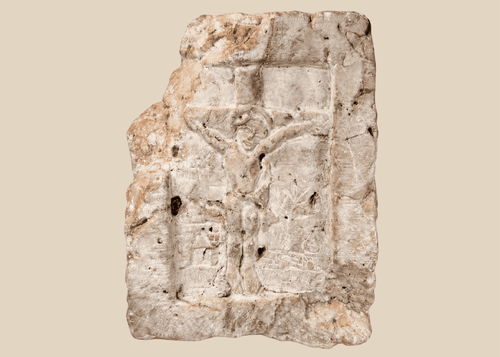
Fragmento de piedra eclesiástica tallada representando la Crucifixión | Siglo XIV-XVIII
- Precio habitual
- $2,500.00
- Precio de venta
- $2,500.00
- Precio habitual
-
Icono ortodoxo griego pintado a mano sobre madera | Cristo Pantocrátor con santos | Circa siglos XVI-XVIII
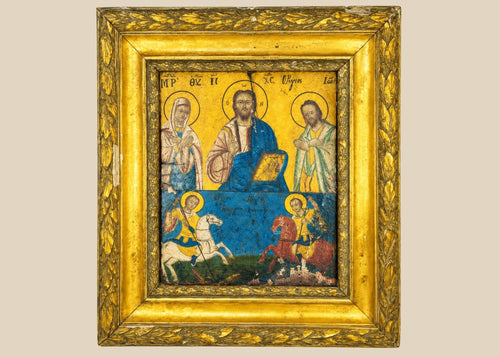
Icono ortodoxo griego pintado a mano sobre madera | Cristo Pantocrátor con santos | Circa siglos XVI-XVIII
- Precio habitual
- $2,000.00
- Precio de venta
- $2,000.00
- Precio habitual
-
Antiguo grupo chino de terracota pintada de Madame Tang y su suegra | Dinastía Yuan-Ming | Circa siglo XIV-XVII
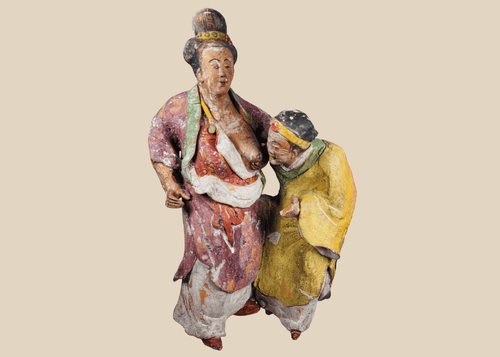
Antiguo grupo chino de terracota pintada de Madame Tang y su suegra | Dinastía Yuan-Ming | Circa siglo XIV-XVII
- Precio habitual
- $2,000.00
- Precio de venta
- $2,000.00
- Precio habitual
-
Buda chino de bronce dorado en postura de meditación | Siglos XVI-XVII
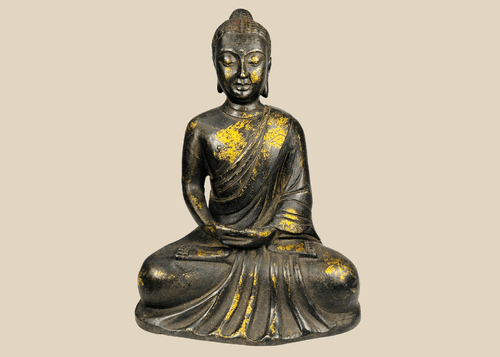
Buda chino de bronce dorado en postura de meditación | Siglos XVI-XVII
- Precio habitual
- $1,500.00
- Precio de venta
- $1,500.00
- Precio habitual
-
Northern Thai Lan Na Bronze Seated Buddha in Earth-Touching Mudra | Circa 15th – 16th Century
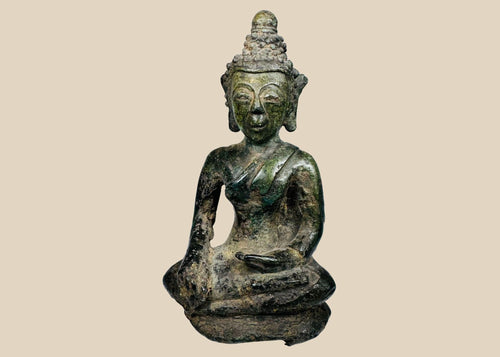
Northern Thai Lan Na Bronze Seated Buddha in Earth-Touching Mudra | Circa 15th – 16th Century
- Precio habitual
- $1,250.00
- Precio de venta
- $1,250.00
- Precio habitual
-
Thai Sawankhalok Glazed Stoneware Covered Jar with Architectural Lid | Circa 15th–16th Century
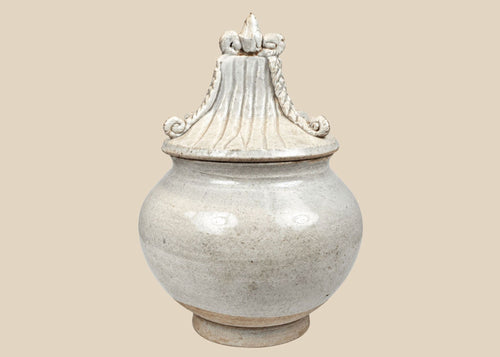
Thai Sawankhalok Glazed Stoneware Covered Jar with Architectural Lid | Circa 15th–16th Century
- Precio habitual
- $1,000.00
- Precio de venta
- $1,000.00
- Precio habitual
-
Sudeste Asiático | Budista de terracota | Placas votivas | Siglos XIV-XVIII
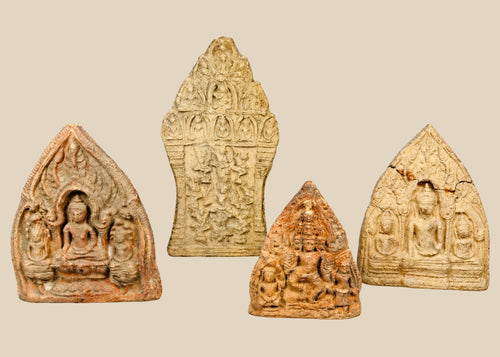
Sudeste Asiático | Budista de terracota | Placas votivas | Siglos XIV-XVIII
- Precio habitual
- $1,000.00
- Precio de venta
- $1,000.00
- Precio habitual
-
Espuelas alemanas sajonas | Espuelas de hierro forjado con rodajas de seis puntas | Finales del siglo XVI-principios del XVII
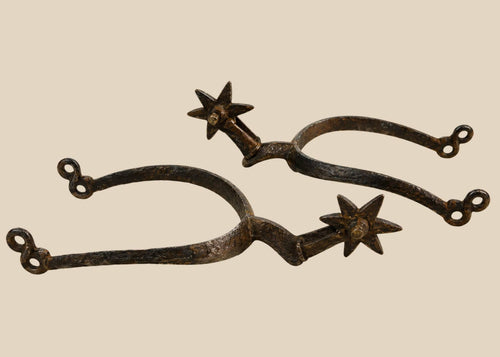
Espuelas alemanas sajonas | Espuelas de hierro forjado con rodajas de seis puntas | Finales del siglo XVI-principios del XVII
- Precio habitual
- $900.00
- Precio de venta
- $900.00
- Precio habitual
-
Punta de Lanza Europea de Hierro Forjado a Mano | Circa 1er Milenio EC
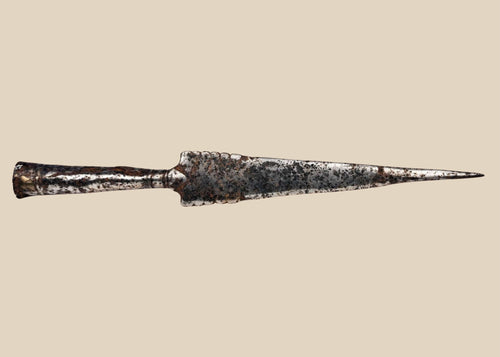
Punta de Lanza Europea de Hierro Forjado a Mano | Circa 1er Milenio EC
- Precio habitual
- $900.00
- Precio de venta
- $900.00
- Precio habitual
-
Panel devocional renacentista | Placa de madera tallada con un pelícano en su piedad | Siglo XVI
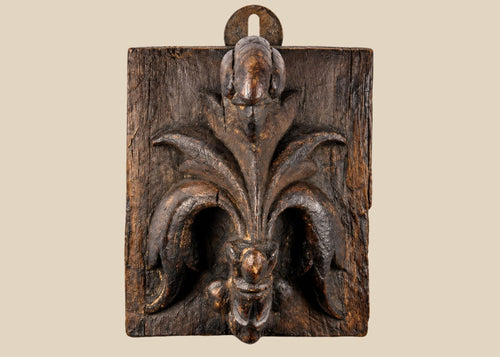
Panel devocional renacentista | Placa de madera tallada con un pelícano en su piedad | Siglo XVI
- Precio habitual
- $750.00
- Precio de venta
- $750.00
- Precio habitual
-
Rara xilografía alemana del Renacimiento de Salvator Mundi | Circa 1560–1580
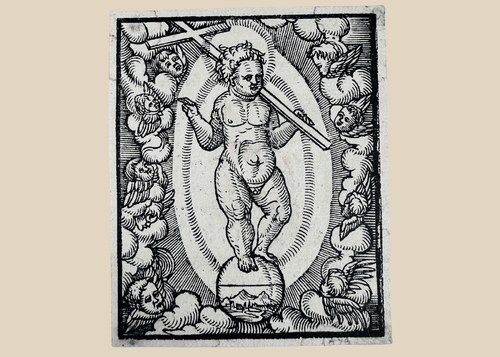
Rara xilografía alemana del Renacimiento de Salvator Mundi | Circa 1560–1580
- Precio habitual
- $750.00
- Precio de venta
- $750.00
- Precio habitual
-
Panel gótico tallado de roble con volutas foliadas y escudo heráldico | Inglaterra o Europa continental | Hacia el siglo XVI
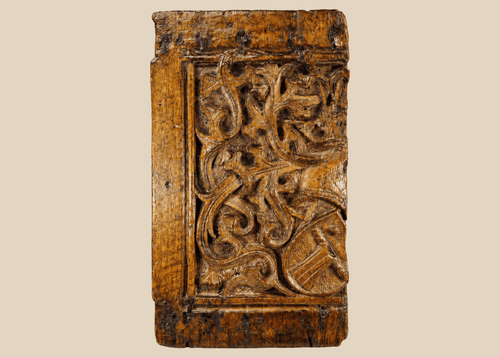
Panel gótico tallado de roble con volutas foliadas y escudo heráldico | Inglaterra o Europa continental | Hacia el siglo XVI
- Precio habitual
- $750.00
- Precio de venta
- $750.00
- Precio habitual
-
Cuchillo largo medieval | Hoja de hierro forjado con punta afilada | Siglos XII-XV d. C.
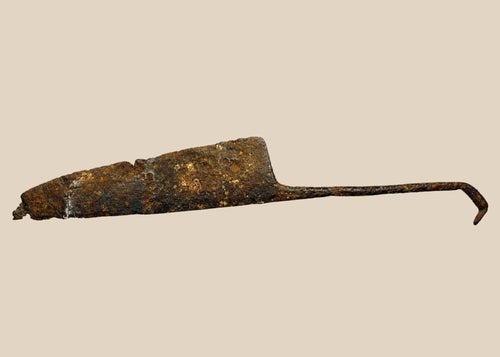
Cuchillo largo medieval | Hoja de hierro forjado con punta afilada | Siglos XII-XV d. C.
- Precio habitual
- $700.00
- Precio de venta
- $700.00
- Precio habitual
-
Colonial español | Cristo de madera tallada | Reliquia devocional | Siglo XVI aprox.
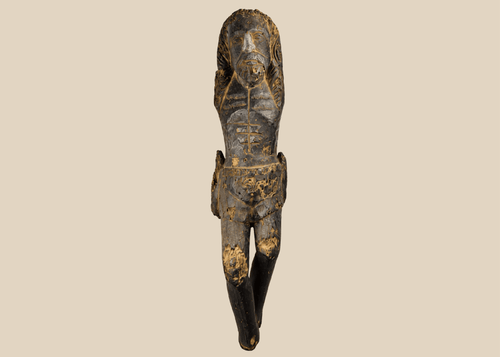
Colonial español | Cristo de madera tallada | Reliquia devocional | Siglo XVI aprox.
- Precio habitual
- $650.00
- Precio de venta
- $650.00
- Precio habitual
-
Renacimiento | Panel gótico de roble con motivos de trébol y arco | Hacia el siglo XVI
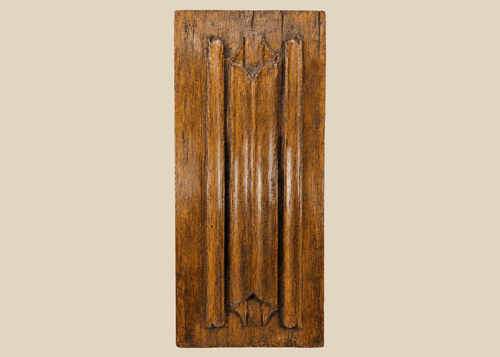
Renacimiento | Panel gótico de roble con motivos de trébol y arco | Hacia el siglo XVI
- Precio habitual
- $500.00
- Precio de venta
- $500.00
- Precio habitual
-
Figura de Buda de bronce | Sudeste Asiático | Hacia los siglos XV-XVIII d. C.

Figura de Buda de bronce | Sudeste Asiático | Hacia los siglos XV-XVIII d. C.
- Precio habitual
- $300.00
- Precio de venta
- $300.00
- Precio habitual
-
Cabeza de Buda de bronce de la antigua Tailandia | Siglos XVI-XVII d. C.

Cabeza de Buda de bronce de la antigua Tailandia | Siglos XVI-XVII d. C.
- Precio habitual
- $250.00
- Precio de venta
- $250.00
- Precio habitual
-
Llave de hierro colonial española | Diseño de cabeza perforada | Siglos XVI-XVIII
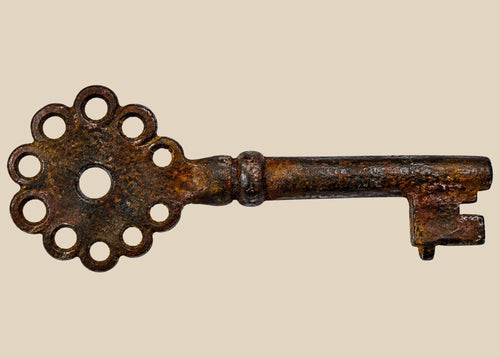
Llave de hierro colonial española | Diseño de cabeza perforada | Siglos XVI-XVIII
- Precio habitual
- $150.00
- Precio de venta
- $150.00
- Precio habitual


Perspectivas del coleccionista
¿Por qué es históricamente significativo el siglo XVI?
Los años 1500 fueron un período de gran transformación cultural y política. El Renacimiento se expandió por toda Europa, la Reforma Protestante remodeló el cristianismo, la exploración marítima conectó regiones distantes y poderosas tradiciones artísticas florecieron en la China Ming, el Japón Muromachi y otras partes de Asia.
¿Qué son los artefactos del Renacimiento?
Los artefactos del Renacimiento son objetos asociados con los desarrollos artísticos y culturales que se extendieron por Europa durante los siglos XV y XVI. Los ejemplos conservados incluyen tallas de madera, vidrieras, escultura religiosa, grabados, orfebrería, muebles y elementos arquitectónicos decorativos.
¿Cómo cambió el arte religioso durante el siglo XVI?
La religión siguió siendo una de las influencias más importantes en el arte y la cultura material del siglo XVI. Iglesias, templos y mecenas privados encargaron esculturas devocionales, vidrieras, grabados, iconos y objetos rituales, mientras que la Reforma y la Contrarreforma cambiaron la forma en que se producían y utilizaban las imágenes religiosas en algunas partes de Europa.
¿Qué sucedía en Japón y China durante el siglo XVI?
En Japón, gran parte del siglo transcurrió dentro de los períodos Muromachi y Sengoku, cuando la cultura militar coexistió con sofisticadas tradiciones budistas, metalúrgicas, lacadas y decorativas. China estaba bajo la dinastía Ming, un período conocido por la cerámica, el trabajo en bronce, la pintura, la escultura y el arte religioso.
¿Cómo se fechan los artefactos del siglo XVI?
Los investigadores consideran los materiales, las técnicas de construcción, el estilo artístico, la iconografía, las inscripciones, las marcas del fabricante, los métodos de fabricación y la comparación con ejemplos documentados. La procedencia y los registros históricos pueden proporcionar pruebas adicionales al establecer la fecha y el origen probable de un artefacto.
Descubre @relicandraritygallery en Instagram

