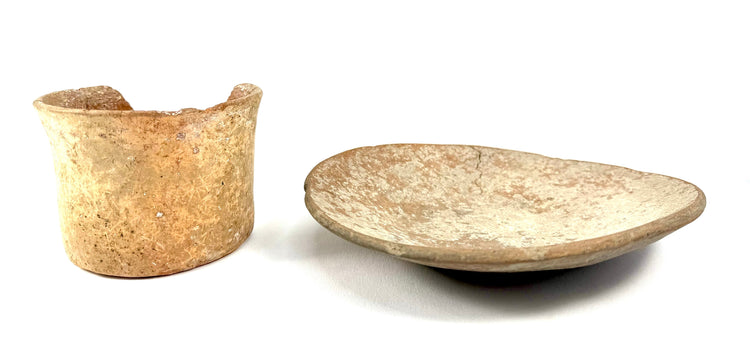
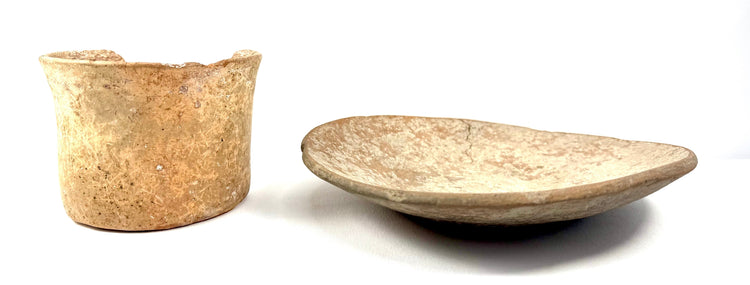
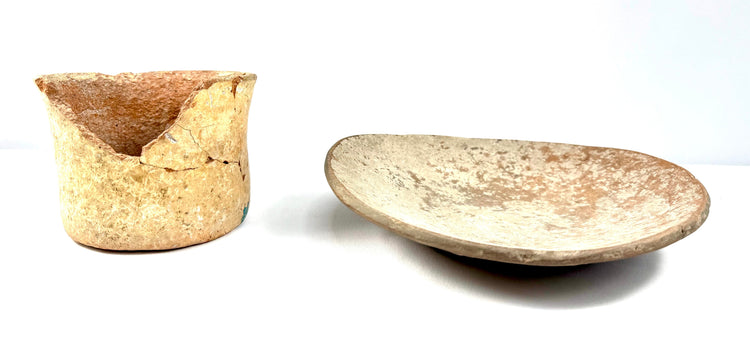
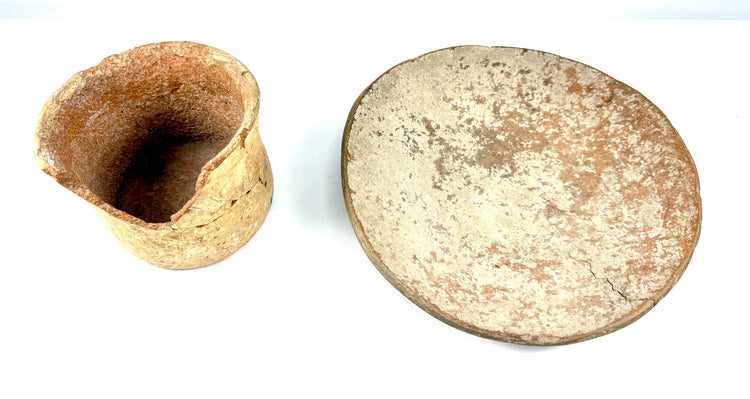
Conjunto de fragmentos de cuenco y vasija de cerámica neolítica | Hacia 4000-2000 a. C.
Historial de procedencia y propiedad

Anteriormente en una colección privada en Boonton, Nueva Jersey, Estados Unidos.

Precio habitual
$750.00
Precio de venta
$750.00
Precio habitual
Envío calculado al finalizar la compra.

This is a one-of-a-kind historical object. Once sold, this exact piece will not be restocked.

Questions before acquiring? Additional photographs, condition details, documentation, shipping information or a private viewing are available upon request.
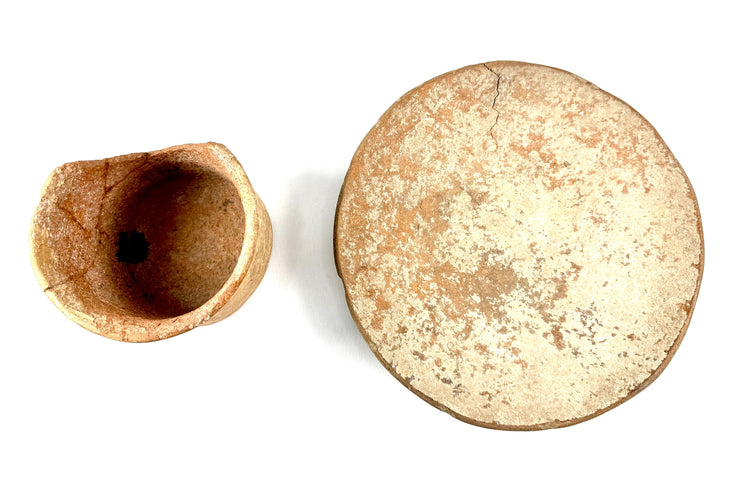
Neolithic terracotta pottery bowl and vessel fragment set, circa 4000–2000 BCE
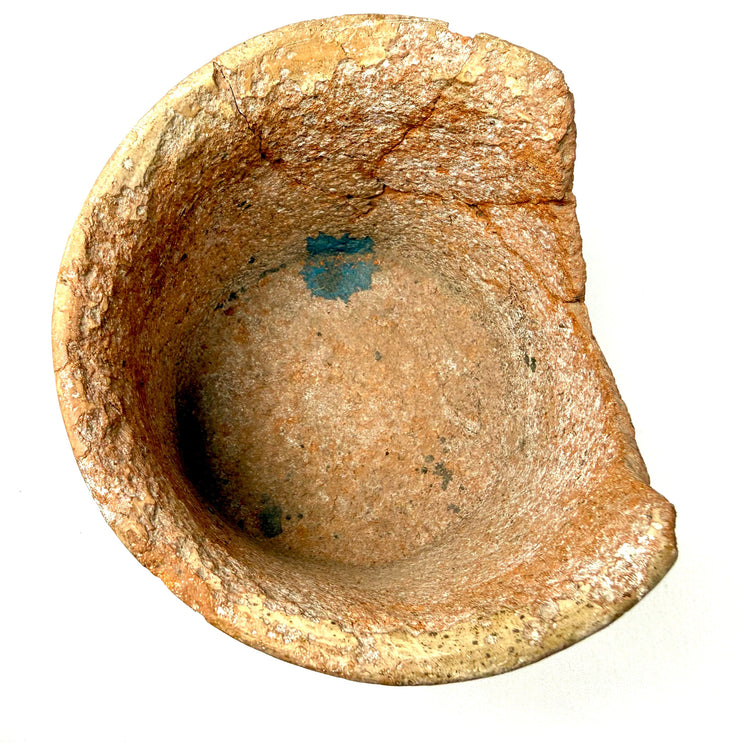
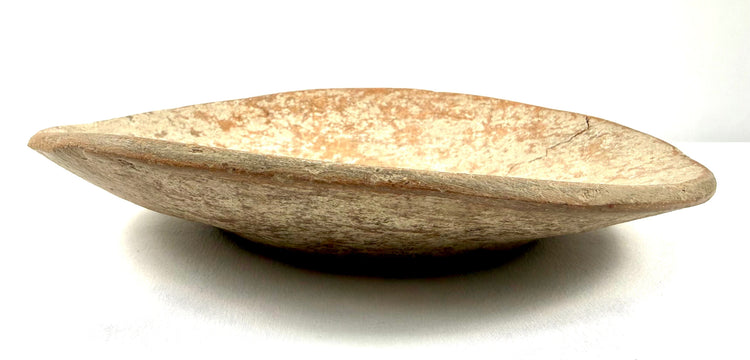
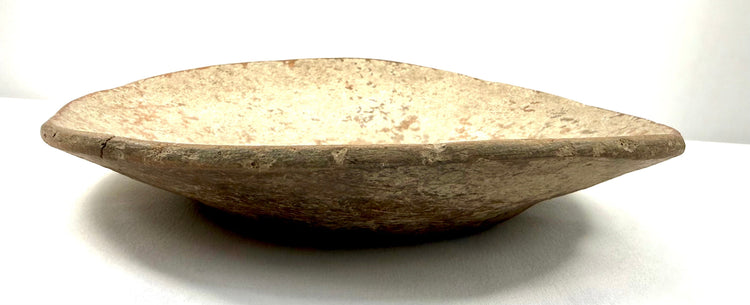
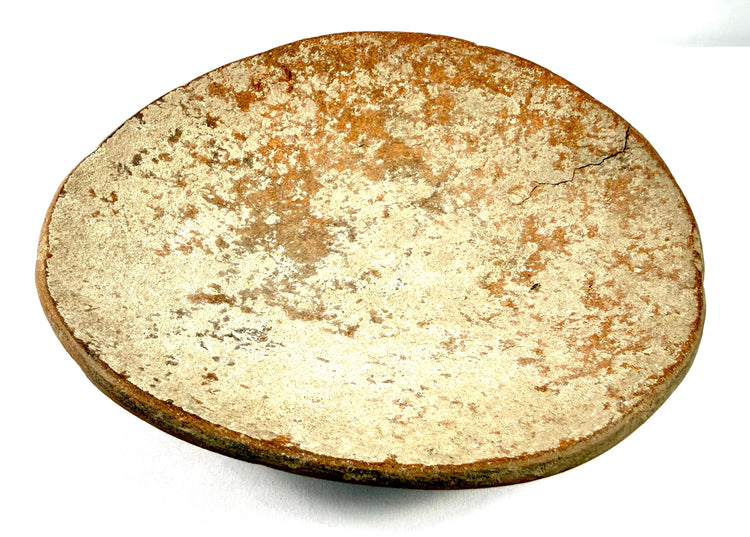
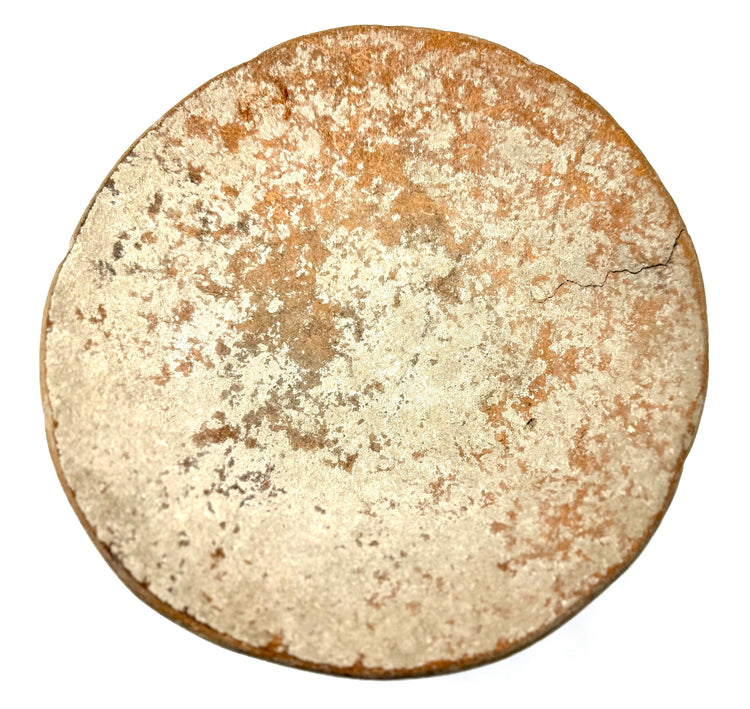
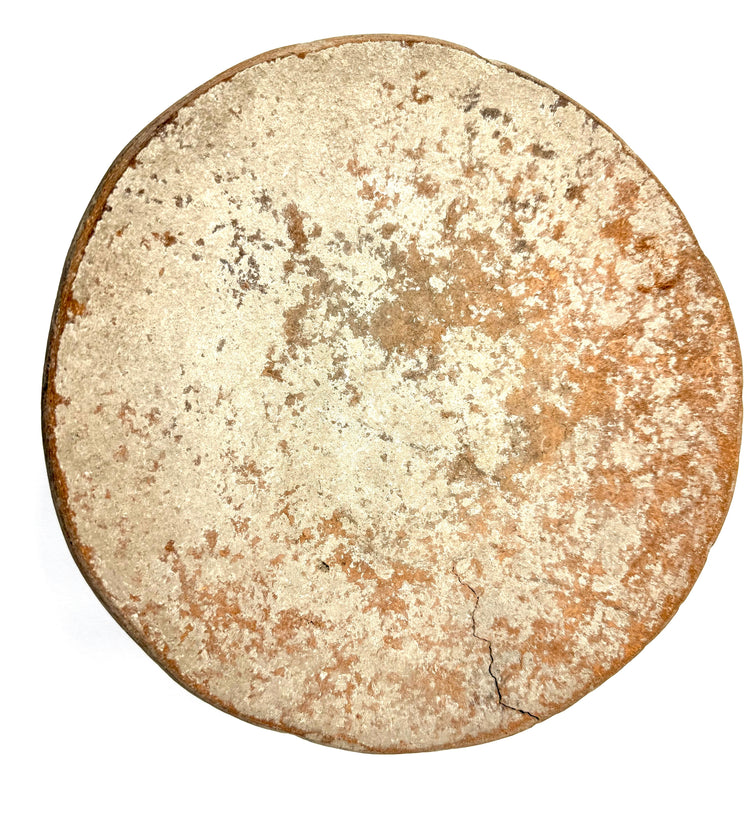
Shallow terracotta pottery bowl highlighting its irregular circular form, weathered reddish-brown surface, pale interior deposits, and visible rim cracking.
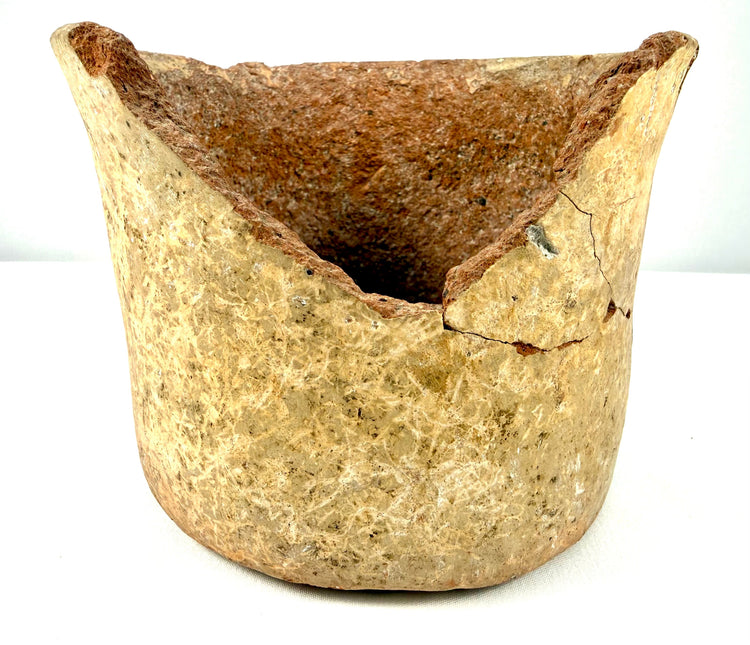
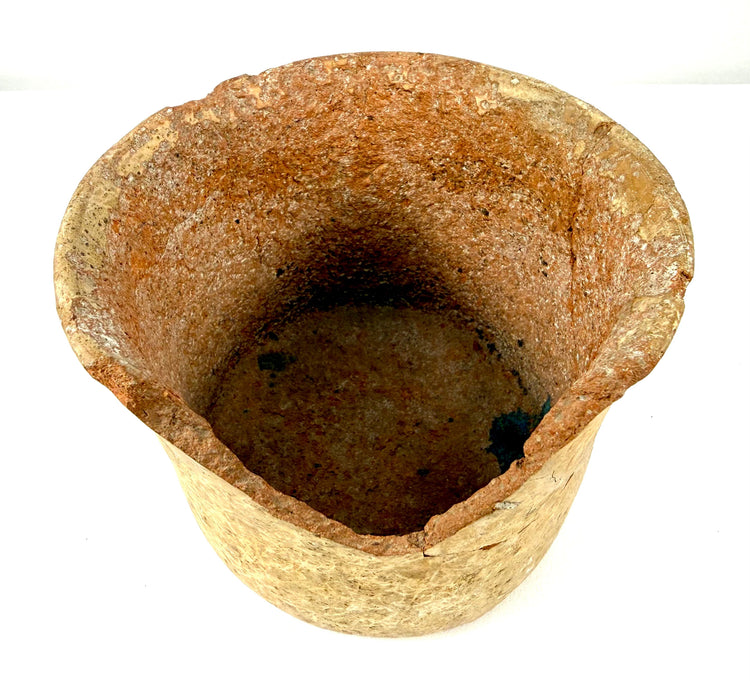
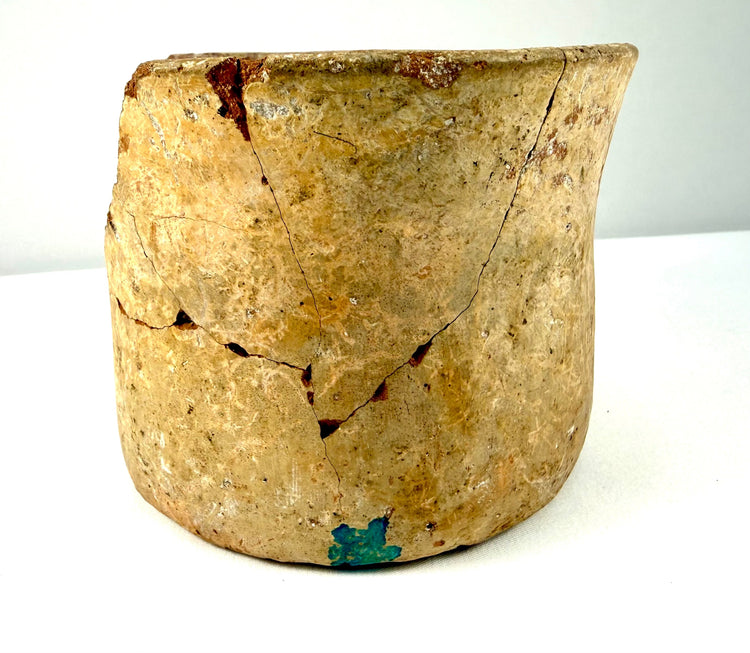
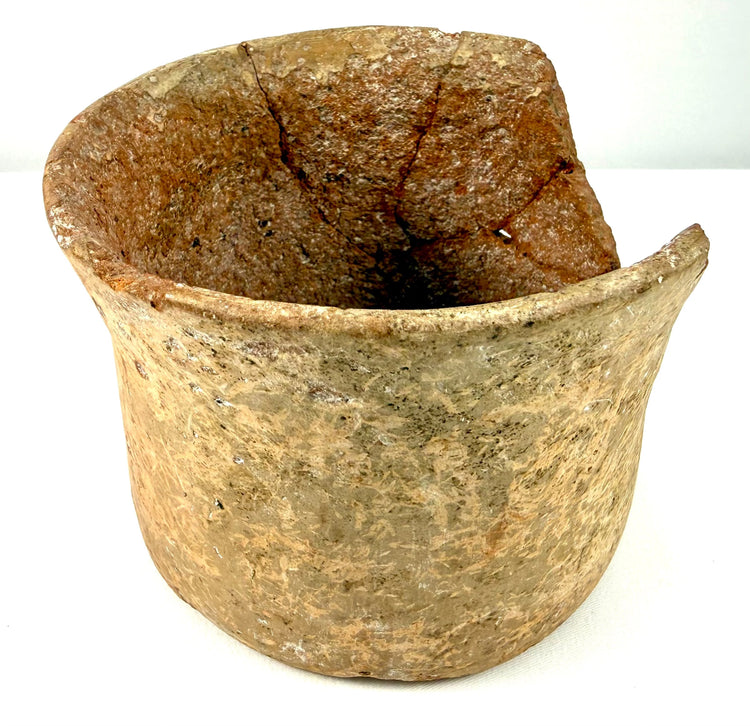
Fragmentary cylindrical terracotta vessel showcasing its thick earthenware walls, uneven opening, substantial rim loss, and heavily weathered ceramic surfaces.
Two-piece terracotta pottery collection featuring a shallow earthenware bowl and cylindrical vessel fragment with weathered surfaces.
Traditional unglazed pottery collection displaying earthy reddish-brown tones, pale mineral deposits, and irregular handmade forms.
Pair of weathered earthenware vessels traditionally attributed to the Neolithic period, featuring natural surface discoloration and cracking.
Ancient-style terracotta pottery collection comprising two undecorated ceramic pieces with contrasting shapes and textured surfaces.
Two-piece archaeological-style pottery collection featuring a rounded bowl and fragmentary cylindrical vessel with extensive age-like wear.
Shallow terracotta pottery bowl featuring a broad circular profile, irregular rim, and heavily weathered earthenware surface.
Unglazed earthenware bowl with reddish-brown coloration, pale interior deposits, and naturally textured ceramic surfaces.
Traditional handmade pottery bowl displaying extensive surface discoloration, visible cracks, and an uneven rounded rim.
Weathered terracotta bowl featuring a gently curved interior with cream-colored deposits and reddish-brown clay tones.
Undecorated earthenware bowl traditionally attributed to the Neolithic period, featuring a simple utilitarian ceramic design.
Rustic pottery bowl with a pronounced rim crack, irregular edges, and extensive pale mineral-like deposits.
Shallow circular terracotta vessel displaying an uneven handmade profile, textured interior, and natural earthy coloration.
Traditional unglazed ceramic bowl featuring visible surface abrasions, structural cracking, and contrasting beige and reddish-brown tones.
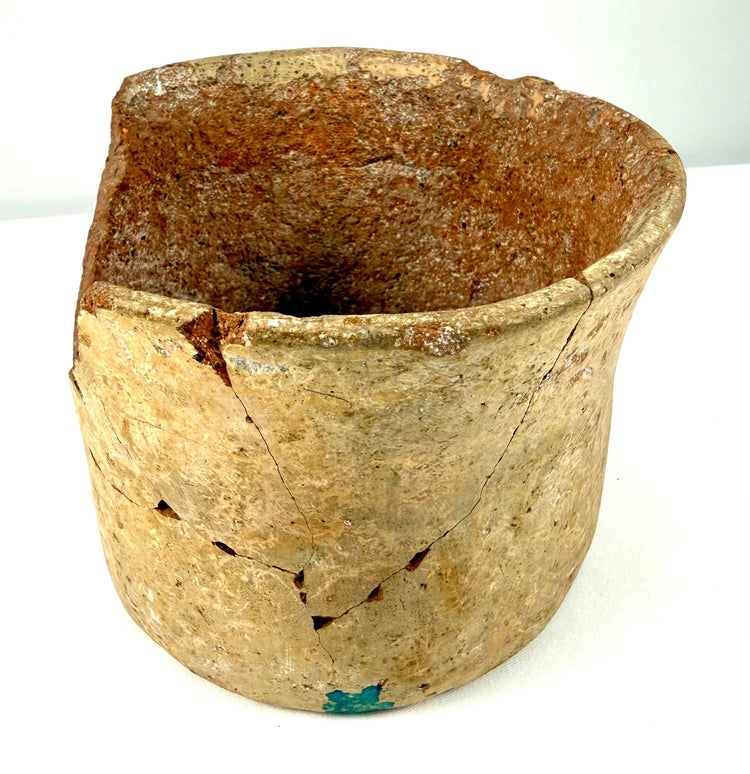
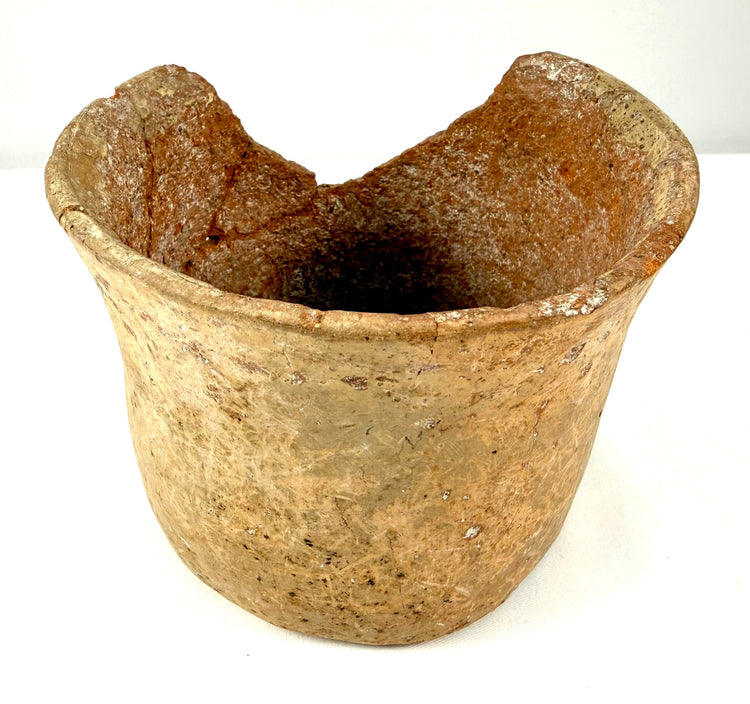
Fragmentary terracotta pottery vessel featuring thick earthenware walls, an uneven opening, and extensive surface weathering.
Unglazed cylindrical ceramic fragment displaying reddish-brown clay, substantial rim loss, and pronounced structural cracking.
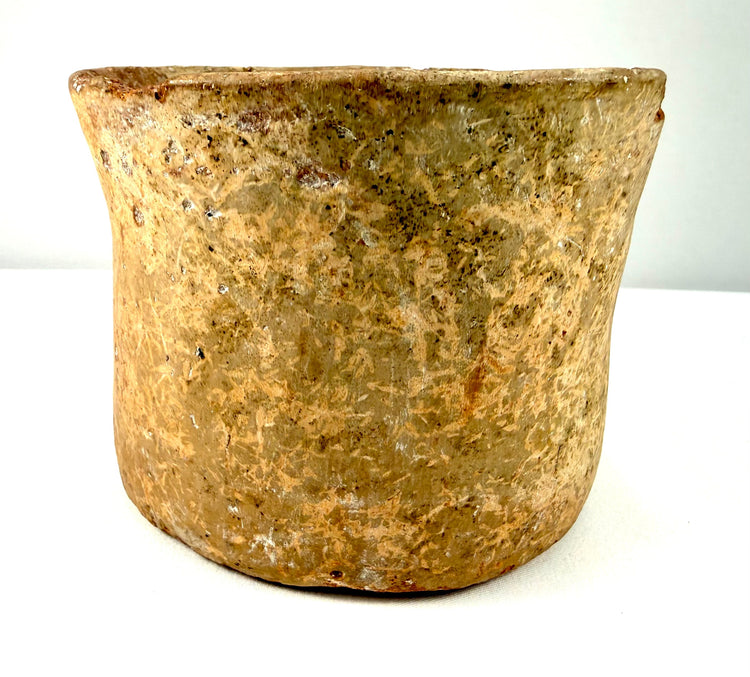
Traditional earthenware vessel fragment with coarse interior surfaces, pale exterior deposits, and irregular handmade construction.
Weathered cylindrical terracotta pottery fragment featuring a partially preserved rim, chipped edges, and textured clay surfaces.
Archaeological-style earthenware vessel fragment displaying substantial material loss, natural discoloration, and visible surface cracks.
  • Neolithic terracotta pottery bowl and vessel fragment set, circa 4000–2000 BCE
  • Shallow terracotta pottery bowl highlighting its irregular circular form, weathered reddish-brown surface, pale interior deposits, and visible rim cracking.
  • Fragmentary cylindrical terracotta vessel showcasing its thick earthenware walls, uneven opening, substantial rim loss, and heavily weathered ceramic surfaces.
  • Two-piece terracotta pottery collection featuring a shallow earthenware bowl and cylindrical vessel fragment with weathered surfaces.
  • Traditional unglazed pottery collection displaying earthy reddish-brown tones, pale mineral deposits, and irregular handmade forms.
  • Pair of weathered earthenware vessels traditionally attributed to the Neolithic period, featuring natural surface discoloration and cracking.
  • Ancient-style terracotta pottery collection comprising two undecorated ceramic pieces with contrasting shapes and textured surfaces.
  • Two-piece archaeological-style pottery collection featuring a rounded bowl and fragmentary cylindrical vessel with extensive age-like wear.
  • Shallow terracotta pottery bowl featuring a broad circular profile, irregular rim, and heavily weathered earthenware surface.
  • Unglazed earthenware bowl with reddish-brown coloration, pale interior deposits, and naturally textured ceramic surfaces.
  • Traditional handmade pottery bowl displaying extensive surface discoloration, visible cracks, and an uneven rounded rim.
  • Weathered terracotta bowl featuring a gently curved interior with cream-colored deposits and reddish-brown clay tones.
  • Undecorated earthenware bowl traditionally attributed to the Neolithic period, featuring a simple utilitarian ceramic design.
  • Rustic pottery bowl with a pronounced rim crack, irregular edges, and extensive pale mineral-like deposits.
  • Shallow circular terracotta vessel displaying an uneven handmade profile, textured interior, and natural earthy coloration.
  • Traditional unglazed ceramic bowl featuring visible surface abrasions, structural cracking, and contrasting beige and reddish-brown tones.
  • Fragmentary terracotta pottery vessel featuring thick earthenware walls, an uneven opening, and extensive surface weathering.
  • Unglazed cylindrical ceramic fragment displaying reddish-brown clay, substantial rim loss, and pronounced structural cracking.
  • Traditional earthenware vessel fragment with coarse interior surfaces, pale exterior deposits, and irregular handmade construction.
  • Weathered cylindrical terracotta pottery fragment featuring a partially preserved rim, chipped edges, and textured clay surfaces.
  • Archaeological-style earthenware vessel fragment displaying substantial material loss, natural discoloration, and visible surface cracks.
Neolithic terracotta pottery bowl and vessel fragment set, circa 4000–2000 BCE
Shallow terracotta pottery bowl highlighting its irregular circular form, weathered reddish-brown surface, pale interior deposits, and visible rim cracking.
Fragmentary cylindrical terracotta vessel showcasing its thick earthenware walls, uneven opening, substantial rim loss, and heavily weathered ceramic surfaces.
Two-piece terracotta pottery collection featuring a shallow earthenware bowl and cylindrical vessel fragment with weathered surfaces.
Traditional unglazed pottery collection displaying earthy reddish-brown tones, pale mineral deposits, and irregular handmade forms.
Pair of weathered earthenware vessels traditionally attributed to the Neolithic period, featuring natural surface discoloration and cracking.
Ancient-style terracotta pottery collection comprising two undecorated ceramic pieces with contrasting shapes and textured surfaces.
Two-piece archaeological-style pottery collection featuring a rounded bowl and fragmentary cylindrical vessel with extensive age-like wear.
Shallow terracotta pottery bowl featuring a broad circular profile, irregular rim, and heavily weathered earthenware surface.
Unglazed earthenware bowl with reddish-brown coloration, pale interior deposits, and naturally textured ceramic surfaces.
Traditional handmade pottery bowl displaying extensive surface discoloration, visible cracks, and an uneven rounded rim.
Weathered terracotta bowl featuring a gently curved interior with cream-colored deposits and reddish-brown clay tones.
Undecorated earthenware bowl traditionally attributed to the Neolithic period, featuring a simple utilitarian ceramic design.
Rustic pottery bowl with a pronounced rim crack, irregular edges, and extensive pale mineral-like deposits.
Shallow circular terracotta vessel displaying an uneven handmade profile, textured interior, and natural earthy coloration.
Traditional unglazed ceramic bowl featuring visible surface abrasions, structural cracking, and contrasting beige and reddish-brown tones.
Fragmentary terracotta pottery vessel featuring thick earthenware walls, an uneven opening, and extensive surface weathering.
Unglazed cylindrical ceramic fragment displaying reddish-brown clay, substantial rim loss, and pronounced structural cracking.
Traditional earthenware vessel fragment with coarse interior surfaces, pale exterior deposits, and irregular handmade construction.
Weathered cylindrical terracotta pottery fragment featuring a partially preserved rim, chipped edges, and textured clay surfaces.
Archaeological-style earthenware vessel fragment displaying substantial material loss, natural discoloration, and visible surface cracks.
Authenticity and secure checkout guarantee

Conjunto de fragmentos de cuenco y vasija de cerámica neolítica | Hacia 4000-2000 a. C.

Descripción

Contexto histórico y origen

Región: Probablemente Europa, Oriente Medio o el norte de África
Material: Terracota modelada a mano (cerámica sin esmaltar)
Período: Neolítico, c. 4000-2000 a.C.

Descripción

Este notable grupo de cerámica neolítica incluye un cuenco poco profundo y un fragmento de vasija cilíndrica parcialmente intacto. Ambas piezas ilustran el ingenio y la artesanía de las primeras sociedades agrícolas durante la transición de estilos de vida nómadas a asentamientos permanentes. La forma redondeada del cuenco sugiere su uso en la preparación o el servicio de alimentos, mientras que el fragmento cilíndrico pudo haber servido como recipiente de almacenamiento, vasija ritual o urna funeraria. Juntos representan el papel esencial de la cerámica tanto en la vida diaria como en la práctica ceremonial durante la era neolítica.

Características

- Construcción hecha a mano que refleja las técnicas de alfarería humanas primitivas

- Tonos terrosos naturales con superficies sin esmaltar, típicos de la cerámica neolítica

- Forma de cuenco poco profundo adecuado para la preparación o el servicio de alimentos

- Fragmento de vasija cilíndrica posiblemente utilizado para almacenamiento o propósitos rituales

- Ambas piezas muestran meteorización natural y pátina desarrolladas a lo largo de milenios

Importancia cultural

La cerámica fue una de las innovaciones más transformadoras del período Neolítico, acompañando el cambio de sociedades de cazadores nómadas a comunidades agrícolas asentadas. Estas vasijas proporcionaron medios duraderos para almacenar alimentos, preparar comidas y realizar actividades rituales. Artefactos como estos no solo sirvieron para necesidades prácticas, sino que también reflejan el desarrollo espiritual y cultural de las primeras sociedades humanas.

Estado

Ambas piezas muestran desgaste superficial, abrasiones menores y pátina natural consistente con su considerable antigüedad. A pesar de su estado fragmentario, siguen siendo ejemplos evocadores de la artesanía cerámica temprana.

Dimensiones (Aproximadas)

Cuenco:
Diámetro: 9 pulgadas

Fragmento de vasija:
Altura: 5 pulgadas
Anchura: 3.5 pulgadas

Edad (aproximada)

4,000–6,000 años de antigüedad

Procedencia

Anteriormente en una colección privada en Boonton, Nueva Jersey, Estados Unidos.

Más información

Aprenda sobre las tradiciones cerámicas tempranas en el Período Neolítico

Explore nuestra Colección de Cerámica y Alfarería Antigua

Descripción

Contexto histórico y origen

Región: Probablemente Europa, Oriente Medio o el norte de África
Material: Terracota modelada a mano (cerámica sin esmaltar)
Período: Neolítico, c. 4000-2000 a.C.

Descripción

Este notable grupo de cerámica neolítica incluye un cuenco poco profundo y un fragmento de vasija cilíndrica parcialmente intacto. Ambas piezas ilustran el ingenio y la artesanía de las primeras sociedades agrícolas durante la transición de estilos de vida nómadas a asentamientos permanentes. La forma redondeada del cuenco sugiere su uso en la preparación o el servicio de alimentos, mientras que el fragmento cilíndrico pudo haber servido como recipiente de almacenamiento, vasija ritual o urna funeraria. Juntos representan el papel esencial de la cerámica tanto en la vida diaria como en la práctica ceremonial durante la era neolítica.

Características

- Construcción hecha a mano que refleja las técnicas de alfarería humanas primitivas

- Tonos terrosos naturales con superficies sin esmaltar, típicos de la cerámica neolítica

- Forma de cuenco poco profundo adecuado para la preparación o el servicio de alimentos

- Fragmento de vasija cilíndrica posiblemente utilizado para almacenamiento o propósitos rituales

- Ambas piezas muestran meteorización natural y pátina desarrolladas a lo largo de milenios

Importancia cultural

La cerámica fue una de las innovaciones más transformadoras del período Neolítico, acompañando el cambio de sociedades de cazadores nómadas a comunidades agrícolas asentadas. Estas vasijas proporcionaron medios duraderos para almacenar alimentos, preparar comidas y realizar actividades rituales. Artefactos como estos no solo sirvieron para necesidades prácticas, sino que también reflejan el desarrollo espiritual y cultural de las primeras sociedades humanas.

Estado

Ambas piezas muestran desgaste superficial, abrasiones menores y pátina natural consistente con su considerable antigüedad. A pesar de su estado fragmentario, siguen siendo ejemplos evocadores de la artesanía cerámica temprana.

Dimensiones (Aproximadas)

Cuenco:
Diámetro: 9 pulgadas

Fragmento de vasija:
Altura: 5 pulgadas
Anchura: 3.5 pulgadas

Edad (aproximada)

4,000–6,000 años de antigüedad

Procedencia

Anteriormente en una colección privada en Boonton, Nueva Jersey, Estados Unidos.

Más información

Aprenda sobre las tradiciones cerámicas tempranas en el Período Neolítico

Explore nuestra Colección de Cerámica y Alfarería Antigua

También te puede interesar