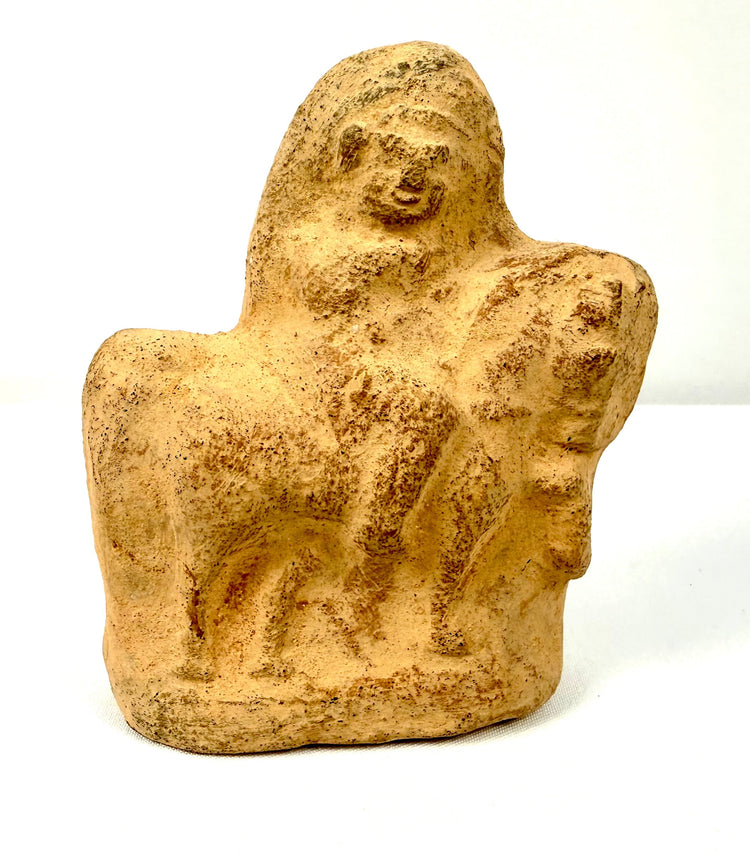
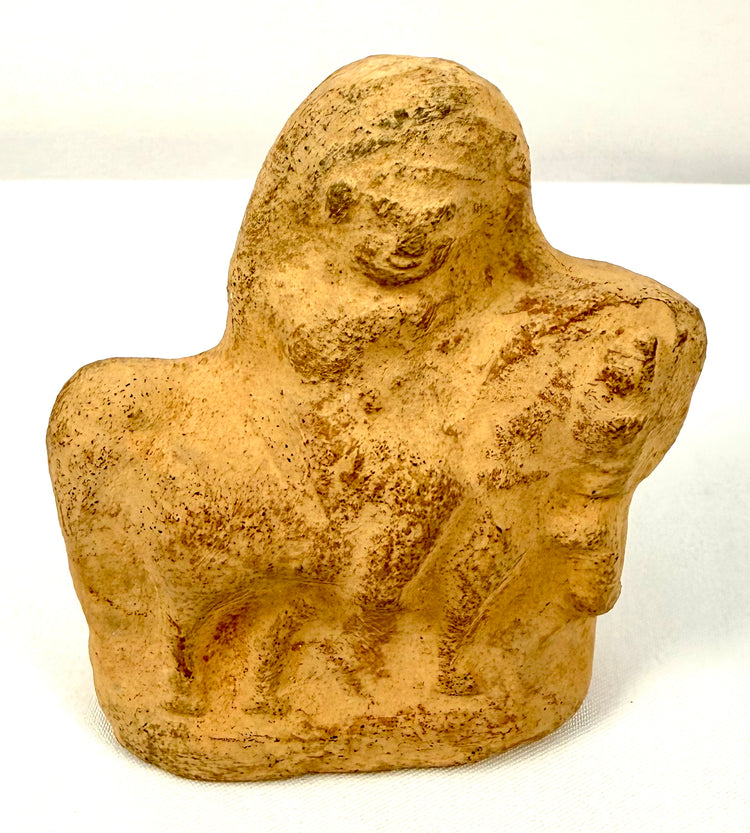
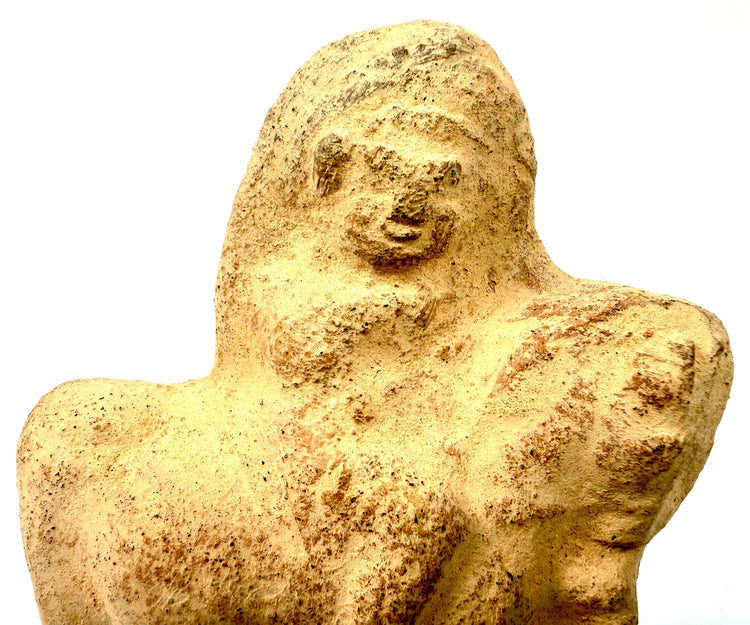
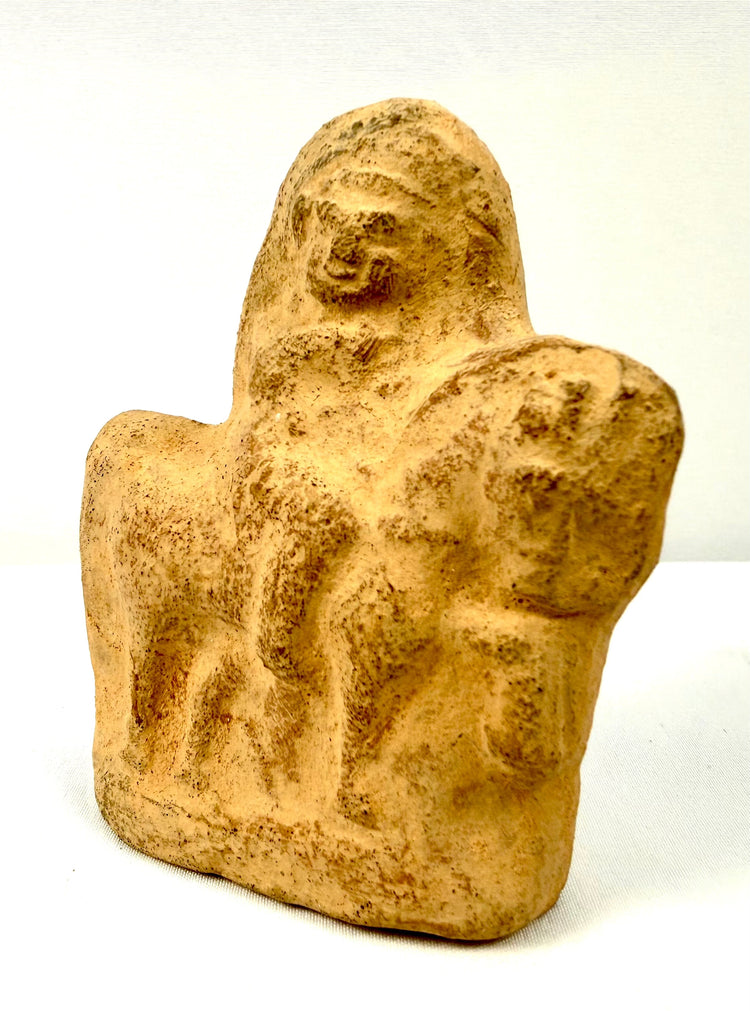
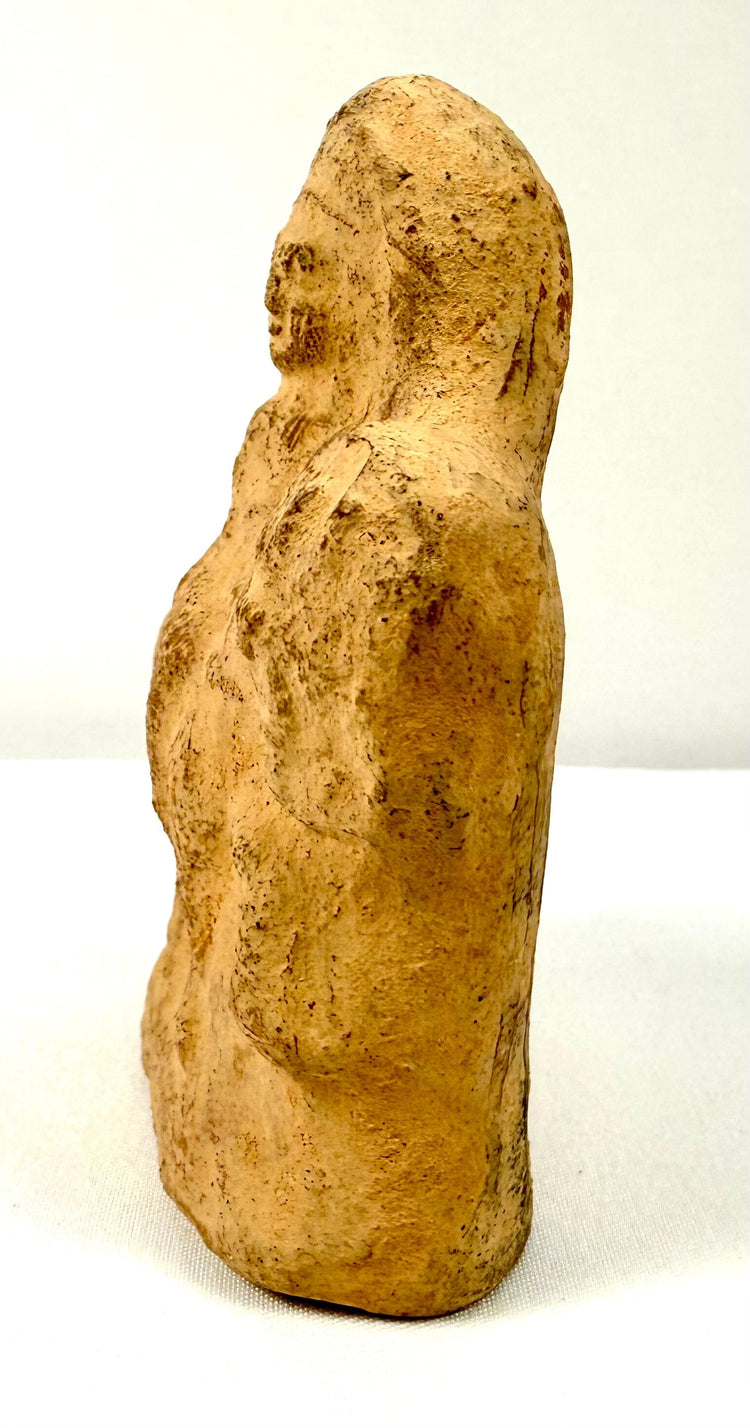
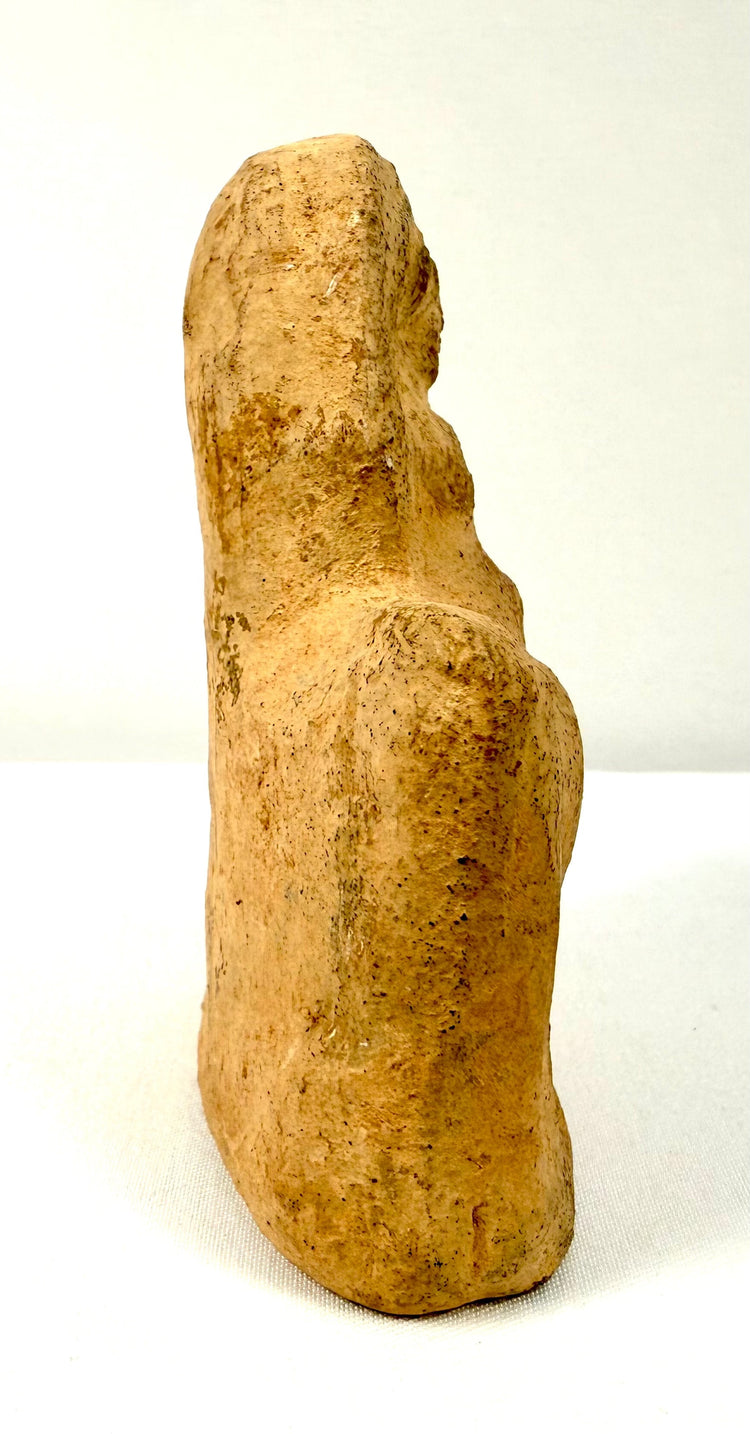
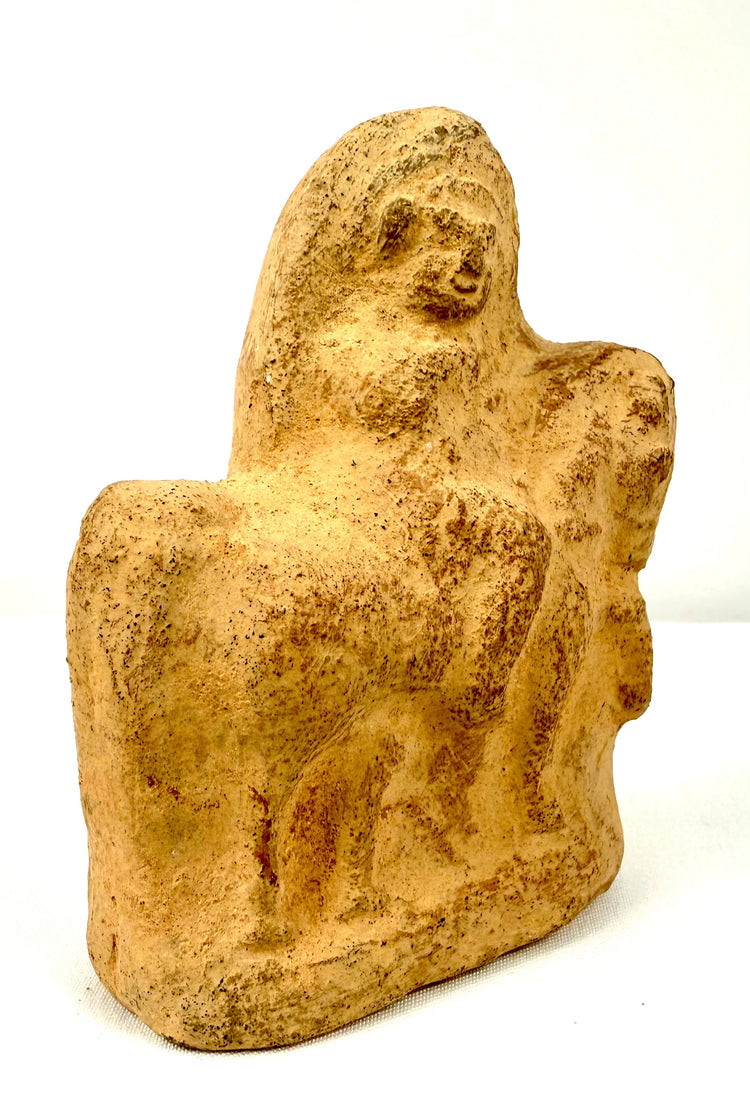
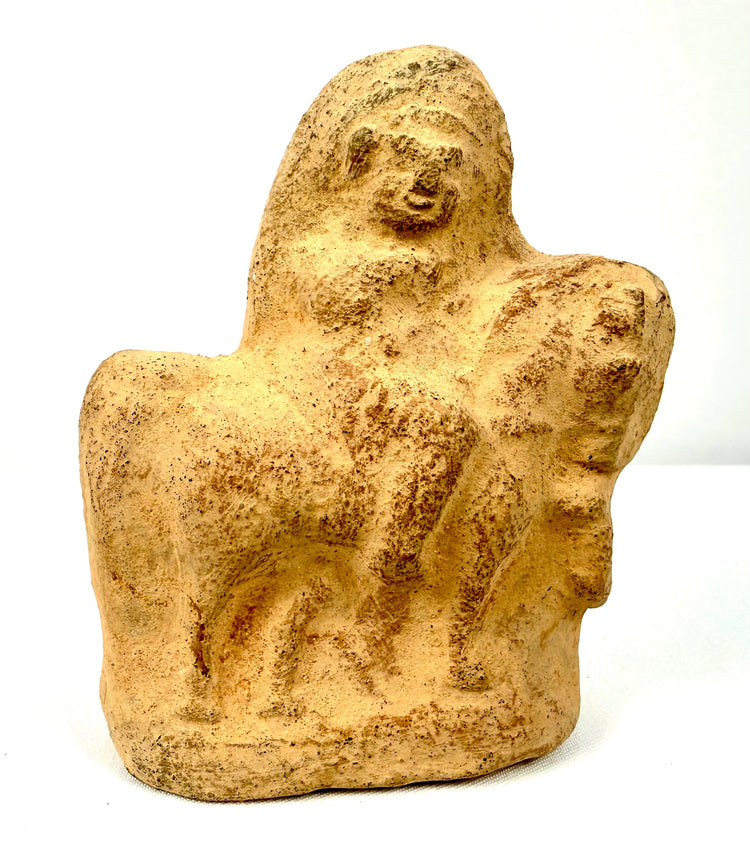
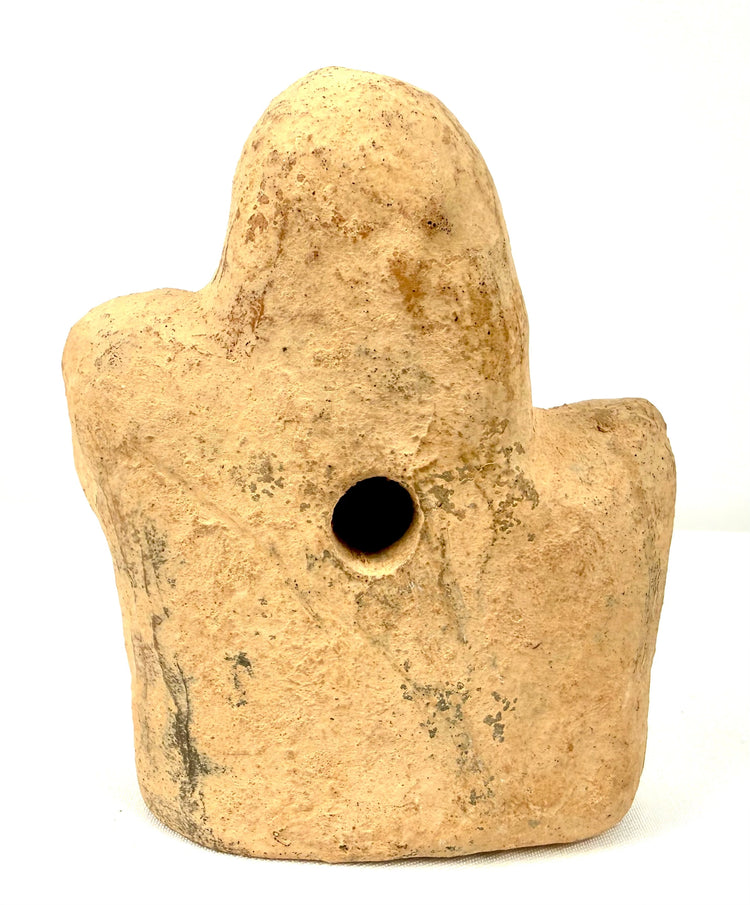
Figurine en terre cuite représentant un cheval et son cavalier | Égypte romaine | Ier-IIIe siècle apr. J.-C.

Historique de provenance et de propriété

Authentifié par Robert Bellet, un antiquaire parisien documenté comme expert en art et archéologie chinoise dans les années 1970 et au début des années 1980. Vendu en 1980 par la Galerie La Louve, Paris, France, une galerie mentionnée dans des catalogues de vente aux enchères ultérieurs comme traitant des antiquités égyptiennes anciennes et gréco-romaines. Par la suite détenu dans une collection privée à Missoula, Montana, États-Unis.

Prix habituel
$450.00
Prix soldé
$450.00
Prix habituel
Frais de port calculés à la caisse.

This is a one-of-a-kind historical object. Once sold, this exact piece will not be restocked.

Questions before acquiring? Additional photographs, condition details, documentation, shipping information or a private viewing are available upon request.
Roman Egypt terracotta figurine of horse and rider, 1st–3rd Century CE
Rotating 360-degree view of an ancient Egyptian terracotta horse and rider figurine from the Roman Period, circa 1st–3rd century CE, featuring sculpted details, a weathered surface, and earthy tones.
Terracotta equestrian figurine from Roman Egypt, circa 1st–3rd century CE, featuring a seated rider and prominently modeled horse.
Ancient Roman Egyptian terracotta horse and rider figurine dating to the 1st–3rd century CE, featuring stylized equestrian craftsmanship.
Roman Egypt terracotta equestrian figurine depicting a seated rider mounted on a sturdy horse with simplified sculptural details.
Ancient Egyptian horse and rider pottery figure displaying traditional terracotta construction, weathered surfaces, and natural age-related patina.
Roman-period Egyptian terracotta figurine featuring a commanding horseman, robust equine proportions, and surviving hand-modeled details.
Antique Roman Egyptian equestrian statuette crafted from terracotta, reflecting the artistic influences of Egyptian and Roman cultural traditions.
Ancient terracotta horse and rider sculpture featuring a small perforation on the reverse, softened modeling, and visible surface wear.
Roman Egyptian pottery figurine depicting a mounted horseman with stylized facial features, simplified anatomy, and earthy terracotta coloration.
Terracotta horse with rider, archaeological artifact from Roman Egypt, museum-quality piece.
Ancient Roman Egypt horse and rider artifact featuring a compact sculptural form, weathered clay surfaces, and minor chips consistent with age.
  • Roman Egypt terracotta figurine of horse and rider, 1st–3rd Century CE
  • Rotating 360-degree view of an ancient Egyptian terracotta horse and rider figurine from the Roman Period, circa 1st–3rd century CE, featuring sculpted details, a weathered surface, and earthy tones.
  • Terracotta equestrian figurine from Roman Egypt, circa 1st–3rd century CE, featuring a seated rider and prominently modeled horse.
  • Ancient Roman Egyptian terracotta horse and rider figurine dating to the 1st–3rd century CE, featuring stylized equestrian craftsmanship.
  • Roman Egypt terracotta equestrian figurine depicting a seated rider mounted on a sturdy horse with simplified sculptural details.
  • Ancient Egyptian horse and rider pottery figure displaying traditional terracotta construction, weathered surfaces, and natural age-related patina.
  • Roman-period Egyptian terracotta figurine featuring a commanding horseman, robust equine proportions, and surviving hand-modeled details.
  • Antique Roman Egyptian equestrian statuette crafted from terracotta, reflecting the artistic influences of Egyptian and Roman cultural traditions.
  • Ancient terracotta horse and rider sculpture featuring a small perforation on the reverse, softened modeling, and visible surface wear.
  • Roman Egyptian pottery figurine depicting a mounted horseman with stylized facial features, simplified anatomy, and earthy terracotta coloration.
  • Terracotta horse with rider, archaeological artifact from Roman Egypt, museum-quality piece.
  • Ancient Roman Egypt horse and rider artifact featuring a compact sculptural form, weathered clay surfaces, and minor chips consistent with age.
Roman Egypt terracotta figurine of horse and rider, 1st–3rd Century CE
Rotating 360-degree view of an ancient Egyptian terracotta horse and rider figurine from the Roman Period, circa 1st–3rd century CE, featuring sculpted details, a weathered surface, and earthy tones.
Terracotta equestrian figurine from Roman Egypt, circa 1st–3rd century CE, featuring a seated rider and prominently modeled horse.
Ancient Roman Egyptian terracotta horse and rider figurine dating to the 1st–3rd century CE, featuring stylized equestrian craftsmanship.
Roman Egypt terracotta equestrian figurine depicting a seated rider mounted on a sturdy horse with simplified sculptural details.
Ancient Egyptian horse and rider pottery figure displaying traditional terracotta construction, weathered surfaces, and natural age-related patina.
Roman-period Egyptian terracotta figurine featuring a commanding horseman, robust equine proportions, and surviving hand-modeled details.
Antique Roman Egyptian equestrian statuette crafted from terracotta, reflecting the artistic influences of Egyptian and Roman cultural traditions.
Ancient terracotta horse and rider sculpture featuring a small perforation on the reverse, softened modeling, and visible surface wear.
Roman Egyptian pottery figurine depicting a mounted horseman with stylized facial features, simplified anatomy, and earthy terracotta coloration.
Terracotta horse with rider, archaeological artifact from Roman Egypt, museum-quality piece.
Ancient Roman Egypt horse and rider artifact featuring a compact sculptural form, weathered clay surfaces, and minor chips consistent with age.
Authenticity and secure checkout guarantee

Figurine en terre cuite représentant un cheval et son cavalier | Égypte romaine | Ier-IIIe siècle apr. J.-C.

Description

Contexte historique et origine

Région : Égypte romaine
Matériau : Terre cuite
Période : 1er-3e siècle de notre ère

Description

Cette figurine en terre cuite représentant un cheval et son cavalier reflète la synthèse artistique des traditions égyptiennes et romaines pendant la période de domination romaine en Égypte. Datant du 1er au 3e siècle de notre ère, la pièce incarne les thèmes de pouvoir, de protection et de statut valorisés dans les deux cultures. Le cavalier est représenté dans une pose impérieuse tandis que les proportions robustes du cheval soulignent la force et l'autorité. Malgré le passage du temps, la figurine conserve des traces de détails qui témoignent de son importance symbolique et artistique.

Caractéristiques

- Cheval représenté avec des proportions fortes symbolisant l'autorité et la vitalité

- Cavalier assis dans une pose impérieuse soulignant le statut et le contrôle

- Représentation minimaliste stylisée mélangeant les traditions artistiques égyptiennes et romaines

- Fabriqué en terre cuite, un médium privilégié pour les objets votifs et rituels domestiques

- Petite perforation au dos suggérant une utilisation dans des contextes votifs ou d'autel

Signification culturelle

Des figurines comme celle-ci étaient couramment utilisées en Égypte romaine comme symboles de protection, de force et de présence divine. Elles apparaissaient souvent dans les sanctuaires domestiques ou les temples, servant à la fois à des fins décoratives et cérémonielles. Cette pièce met en lumière la fusion culturelle qui a caractérisé l'Égypte romaine, où les traditions locales se sont mêlées aux influences impériales pour créer des expressions artistiques distinctives.

État

La figurine présente une altération conforme à son âge, y compris de petits éclats et des détails adoucis. Une patine de surface naturelle renforce son authenticité, et des traces du modelage original restent visibles.

Dimensions (approximatives)

Hauteur : 8,25 cm

Âge (approximatif)

Entre 1 725 et 2 025 ans

Provenance

Authentifiée par Robert Bellet, un antiquaire parisien documenté comme expert en art et archéologie chinois dans les années 1970 et début des années 1980. Vendue en 1980 par la Galerie La Louve, Paris, France, une galerie répertoriée dans des catalogues d'enchères ultérieurs comme ayant traité des antiquités égyptiennes et gréco-romaines. Par la suite conservée dans une collection privée à Missoula, Montana, États-Unis.

En savoir plus

Découvrez l'Égypte romaine sur Le Metropolitan Museum of Art

Explorez notre Collection d'artefacts égyptiens antiques

Description

Contexte historique et origine

Région : Égypte romaine
Matériau : Terre cuite
Période : 1er-3e siècle de notre ère

Description

Cette figurine en terre cuite représentant un cheval et son cavalier reflète la synthèse artistique des traditions égyptiennes et romaines pendant la période de domination romaine en Égypte. Datant du 1er au 3e siècle de notre ère, la pièce incarne les thèmes de pouvoir, de protection et de statut valorisés dans les deux cultures. Le cavalier est représenté dans une pose impérieuse tandis que les proportions robustes du cheval soulignent la force et l'autorité. Malgré le passage du temps, la figurine conserve des traces de détails qui témoignent de son importance symbolique et artistique.

Caractéristiques

- Cheval représenté avec des proportions fortes symbolisant l'autorité et la vitalité

- Cavalier assis dans une pose impérieuse soulignant le statut et le contrôle

- Représentation minimaliste stylisée mélangeant les traditions artistiques égyptiennes et romaines

- Fabriqué en terre cuite, un médium privilégié pour les objets votifs et rituels domestiques

- Petite perforation au dos suggérant une utilisation dans des contextes votifs ou d'autel

Signification culturelle

Des figurines comme celle-ci étaient couramment utilisées en Égypte romaine comme symboles de protection, de force et de présence divine. Elles apparaissaient souvent dans les sanctuaires domestiques ou les temples, servant à la fois à des fins décoratives et cérémonielles. Cette pièce met en lumière la fusion culturelle qui a caractérisé l'Égypte romaine, où les traditions locales se sont mêlées aux influences impériales pour créer des expressions artistiques distinctives.

État

La figurine présente une altération conforme à son âge, y compris de petits éclats et des détails adoucis. Une patine de surface naturelle renforce son authenticité, et des traces du modelage original restent visibles.

Dimensions (approximatives)

Hauteur : 8,25 cm

Âge (approximatif)

Entre 1 725 et 2 025 ans

Provenance

Authentifiée par Robert Bellet, un antiquaire parisien documenté comme expert en art et archéologie chinois dans les années 1970 et début des années 1980. Vendue en 1980 par la Galerie La Louve, Paris, France, une galerie répertoriée dans des catalogues d'enchères ultérieurs comme ayant traité des antiquités égyptiennes et gréco-romaines. Par la suite conservée dans une collection privée à Missoula, Montana, États-Unis.

En savoir plus

Découvrez l'Égypte romaine sur Le Metropolitan Museum of Art

Explorez notre Collection d'artefacts égyptiens antiques

Vous aimerez peut-être aussi