



Tête en terre cuite de l'ancienne Mésoamérique | Région de Nayarit/Jalisco | Vers 300 av. J.-C. – 300 apr. J.-C.
- Prix habituel
- $300.00
- Prix soldé
- $300.00
- Prix habituel
Impossible de charger la disponibilité du service de retrait




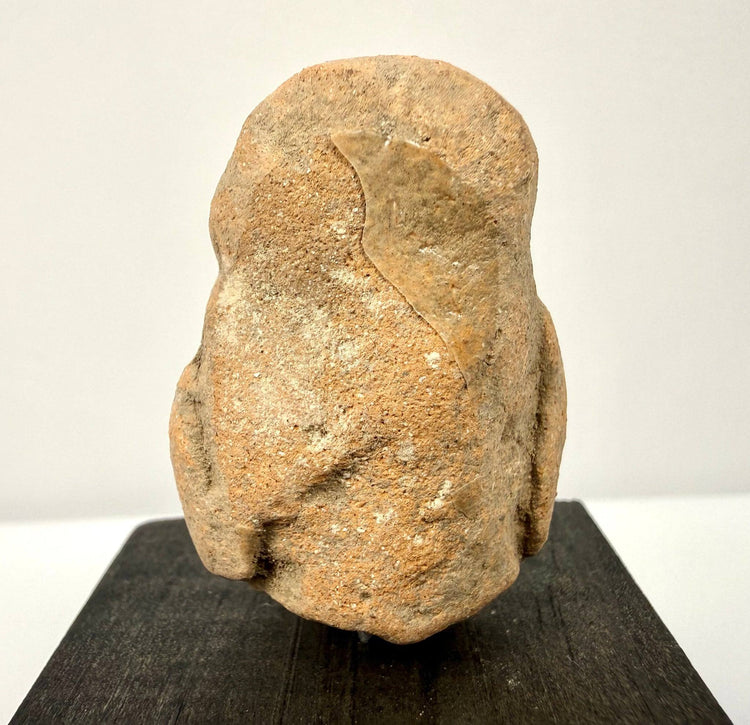
Tête en terre cuite de l'ancienne Mésoamérique | Région de Nayarit/Jalisco | Vers 300 av. J.-C. – 300 apr. J.-C.
Description
Plus
Moins
Contexte Historique et Origine
Région : Mésoamérique, probablement l'ouest du Mexique (région de Nayarit/Jalisco)
Matériau : Terre cuite
Période : Environ 300 av. J.-C. – 300 apr. J.-C.
Description
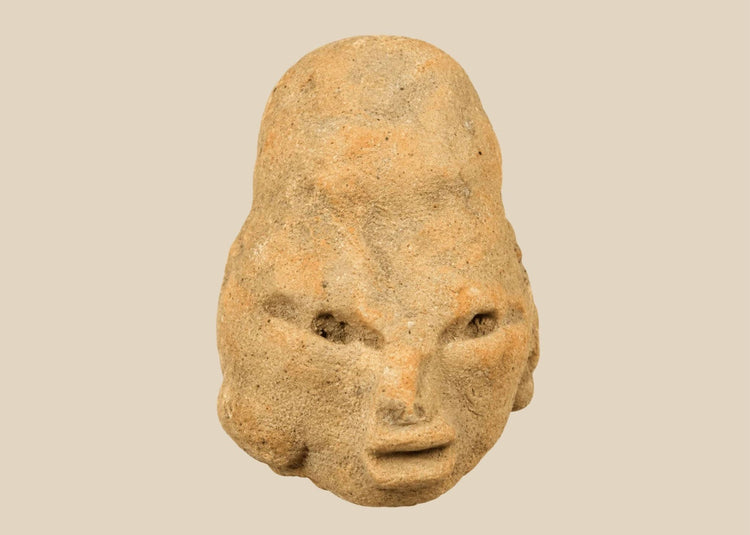
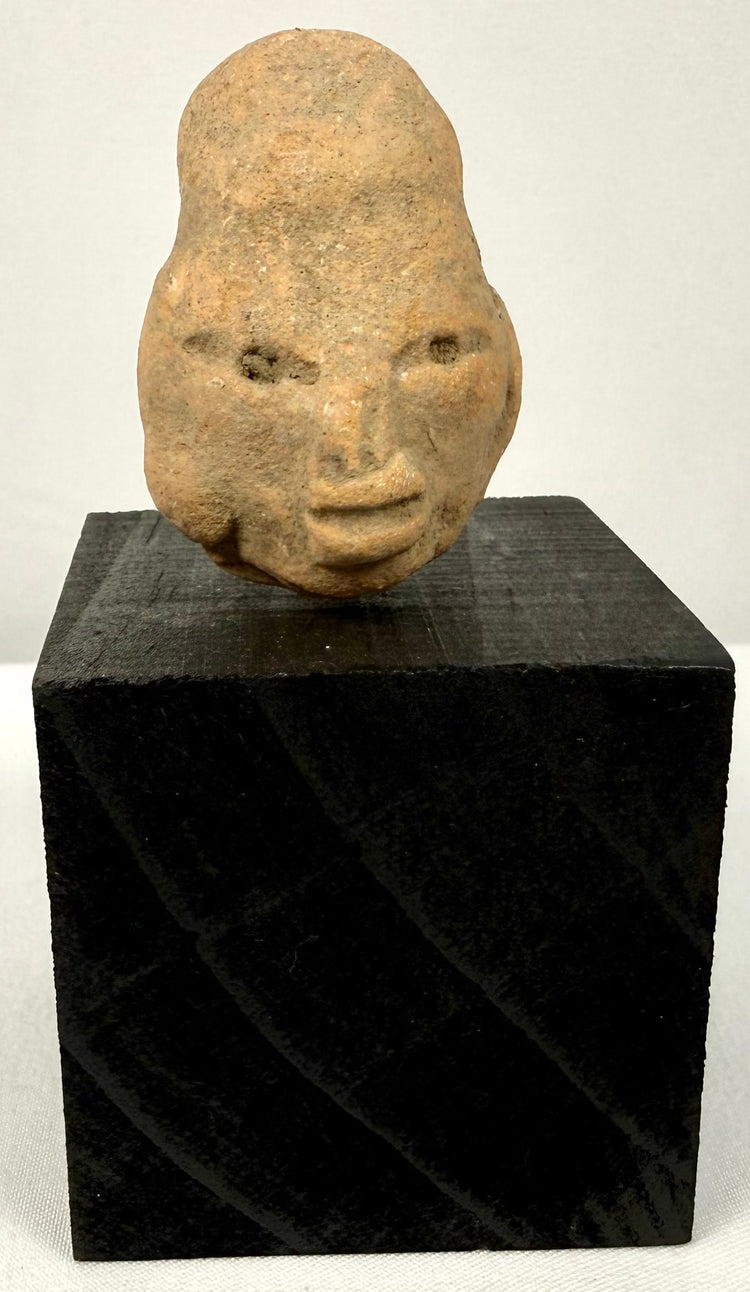
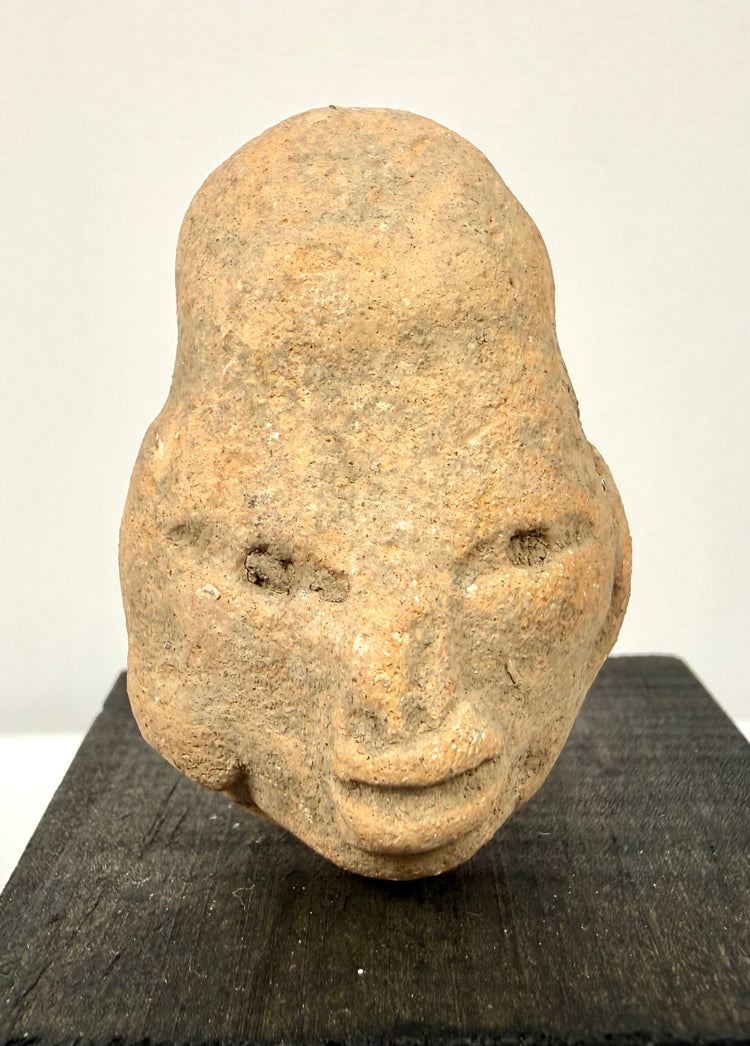
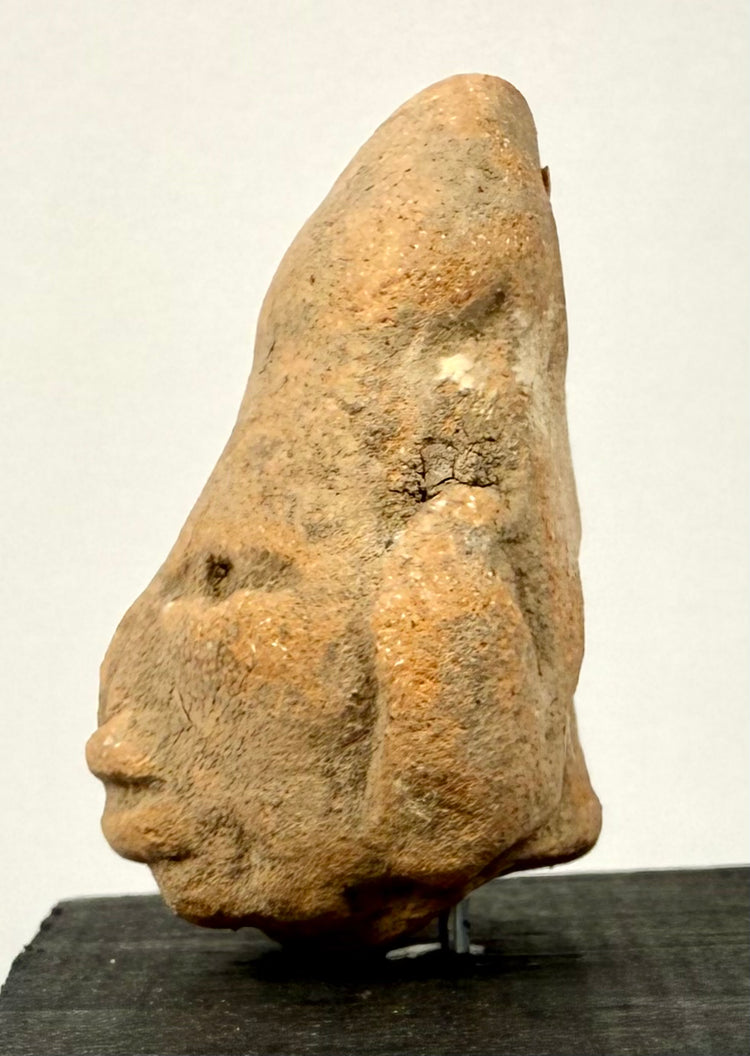
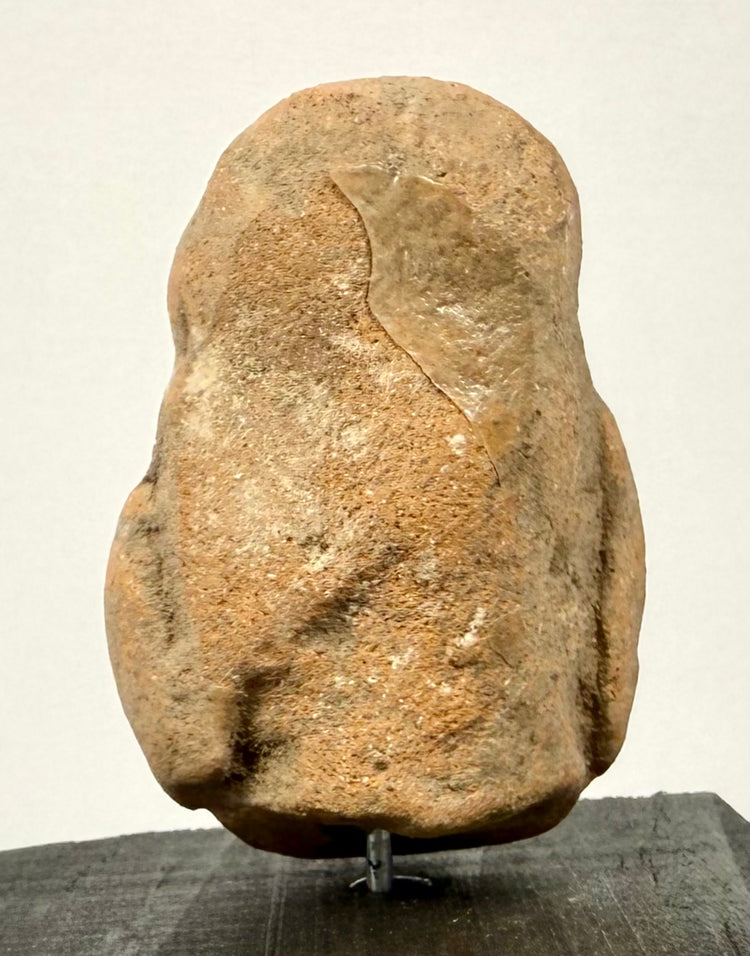
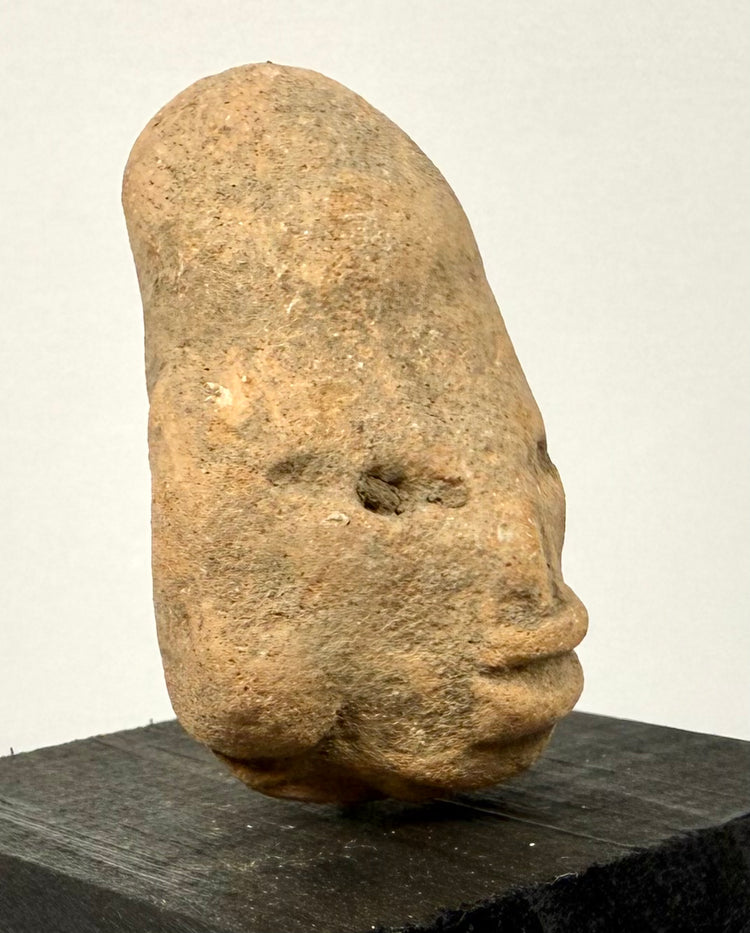
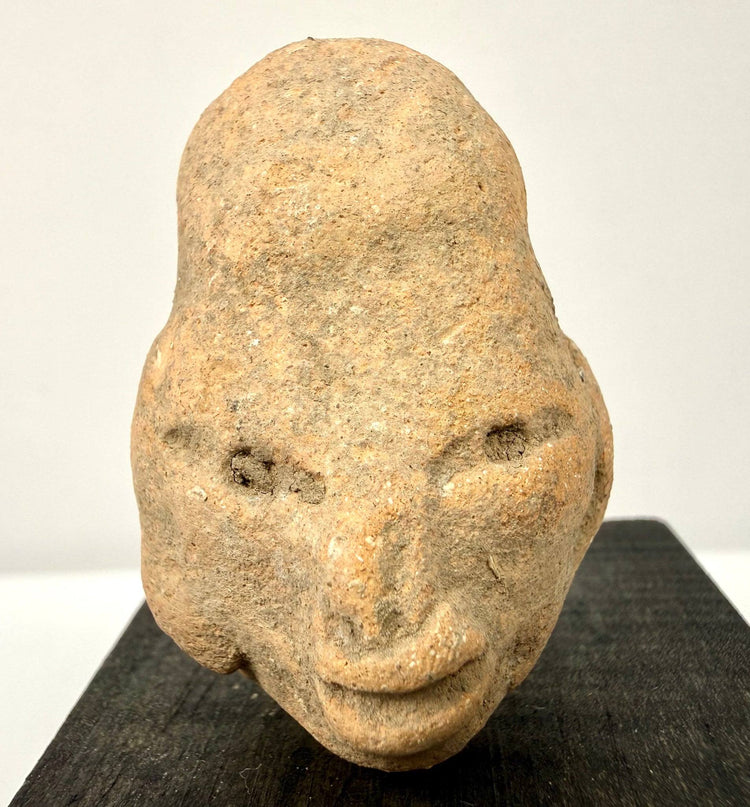
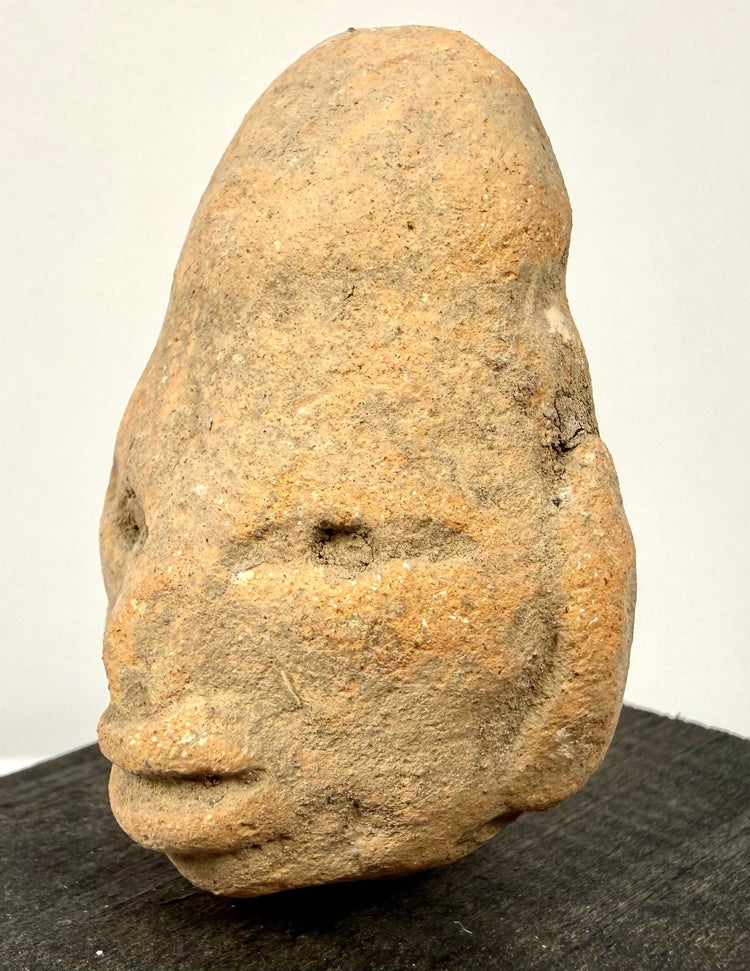
Un petit fragment de tête de figurine précolombienne en terre cuite, attribué aux cultures des tombes à puits de l'ouest du Mexique. Les traits faciaux stylisés incluent des yeux en amande, un nez défini et des lèvres proéminentes. La forme crânienne allongée reflète une modification crânienne délibérée, une pratique culturelle dans les sociétés mésoaméricaines symbolisant le statut, l'identité ou les idéaux de beauté. Préservé aujourd'hui sous forme de fragment, il est monté sur un socle de présentation noir sur mesure.
Caractéristiques
- Yeux en amande, nez et lèvres distinctement modelés
- Preuve d'allongement crânien, caractéristique de l'identité rituelle
- Usure de surface ancienne et incrustations funéraires
- Monté sur un socle de présentation noir sur mesure
- Représentatif de l'art des tombes à puits de l'ouest du Mexique
Signification Culturelle
Les têtes en terre cuite de ce type faisaient à l'origine partie de plus grandes effigies funéraires placées dans les tombes à puits pour honorer les morts. Ces figures incarnaient la présence ancestrale et agissaient comme médiateurs entre les vivants et l'au-delà. Le crâne allongé reflète à la fois les pratiques rituelles et l'esthétique culturelle centrales à l'identité mésoaméricaine.
État
Fragmentaire mais stable. Incrustations de surface, légères pertes marginales et usure attendue conforme au contexte archéologique. Les caractéristiques restent clairement lisibles et culturellement significatives.
Dimensions (Approximatives)
Hauteur : 4 po
Largeur : 2 po
Profondeur : 2 po
Âge (Approximatif)
1 725-2 325 ans
Provenance
D'une collection privée à Chicago, Illinois, USA.
En savoir plus
Découvrez l'histoire et les cultures du monde précolombien à travers le Musée d'Anthropologie
Parcourez notre Collection d'artefacts précolombiens anciens
Description
Contexte Historique et Origine
Région : Mésoamérique, probablement l'ouest du Mexique (région de Nayarit/Jalisco)
Matériau : Terre cuite
Période : Environ 300 av. J.-C. – 300 apr. J.-C.
Description
Un petit fragment de tête de figurine précolombienne en terre cuite, attribué aux cultures des tombes à puits de l'ouest du Mexique. Les traits faciaux stylisés incluent des yeux en amande, un nez défini et des lèvres proéminentes. La forme crânienne allongée reflète une modification crânienne délibérée, une pratique culturelle dans les sociétés mésoaméricaines symbolisant le statut, l'identité ou les idéaux de beauté. Préservé aujourd'hui sous forme de fragment, il est monté sur un socle de présentation noir sur mesure.
Caractéristiques
- Yeux en amande, nez et lèvres distinctement modelés
- Preuve d'allongement crânien, caractéristique de l'identité rituelle
- Usure de surface ancienne et incrustations funéraires
- Monté sur un socle de présentation noir sur mesure
- Représentatif de l'art des tombes à puits de l'ouest du Mexique
Signification Culturelle
Les têtes en terre cuite de ce type faisaient à l'origine partie de plus grandes effigies funéraires placées dans les tombes à puits pour honorer les morts. Ces figures incarnaient la présence ancestrale et agissaient comme médiateurs entre les vivants et l'au-delà. Le crâne allongé reflète à la fois les pratiques rituelles et l'esthétique culturelle centrales à l'identité mésoaméricaine.
État
Fragmentaire mais stable. Incrustations de surface, légères pertes marginales et usure attendue conforme au contexte archéologique. Les caractéristiques restent clairement lisibles et culturellement significatives.
Dimensions (Approximatives)
Hauteur : 4 po
Largeur : 2 po
Profondeur : 2 po
Âge (Approximatif)
1 725-2 325 ans
Provenance
D'une collection privée à Chicago, Illinois, USA.
En savoir plus
Découvrez l'histoire et les cultures du monde précolombien à travers le Musée d'Anthropologie
Parcourez notre Collection d'artefacts précolombiens anciens
Vous aimerez peut-être aussi
