
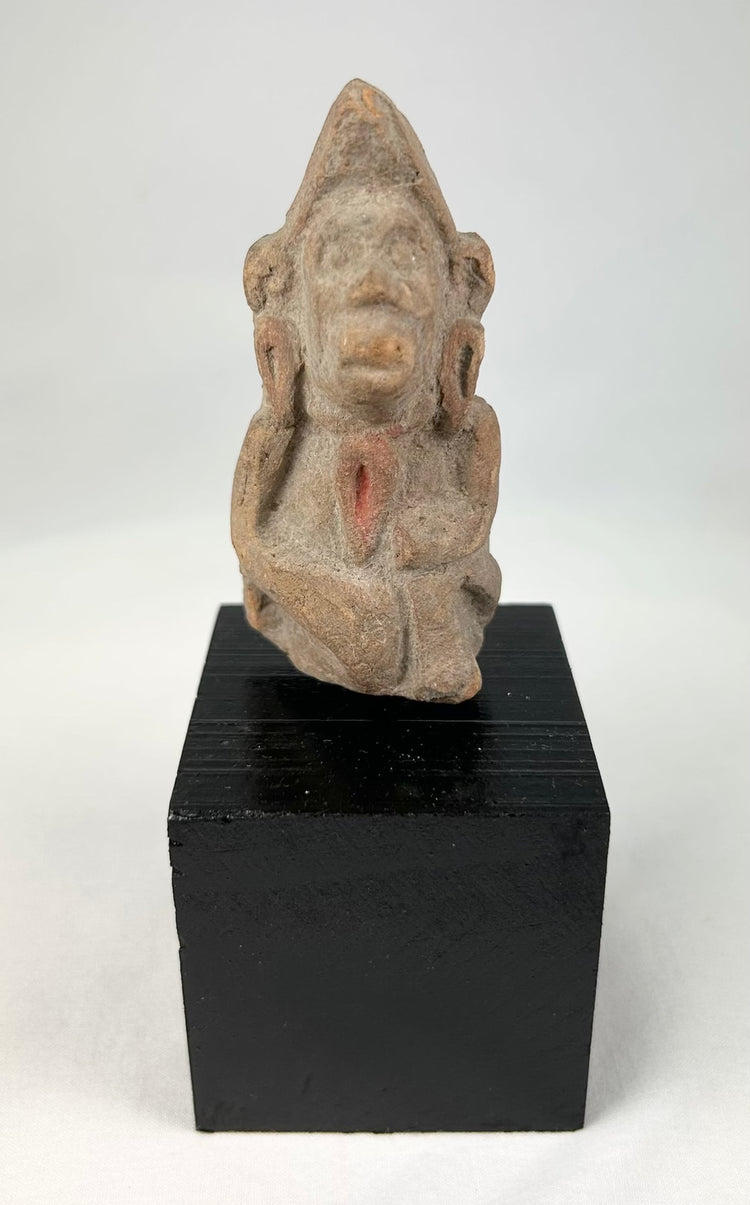
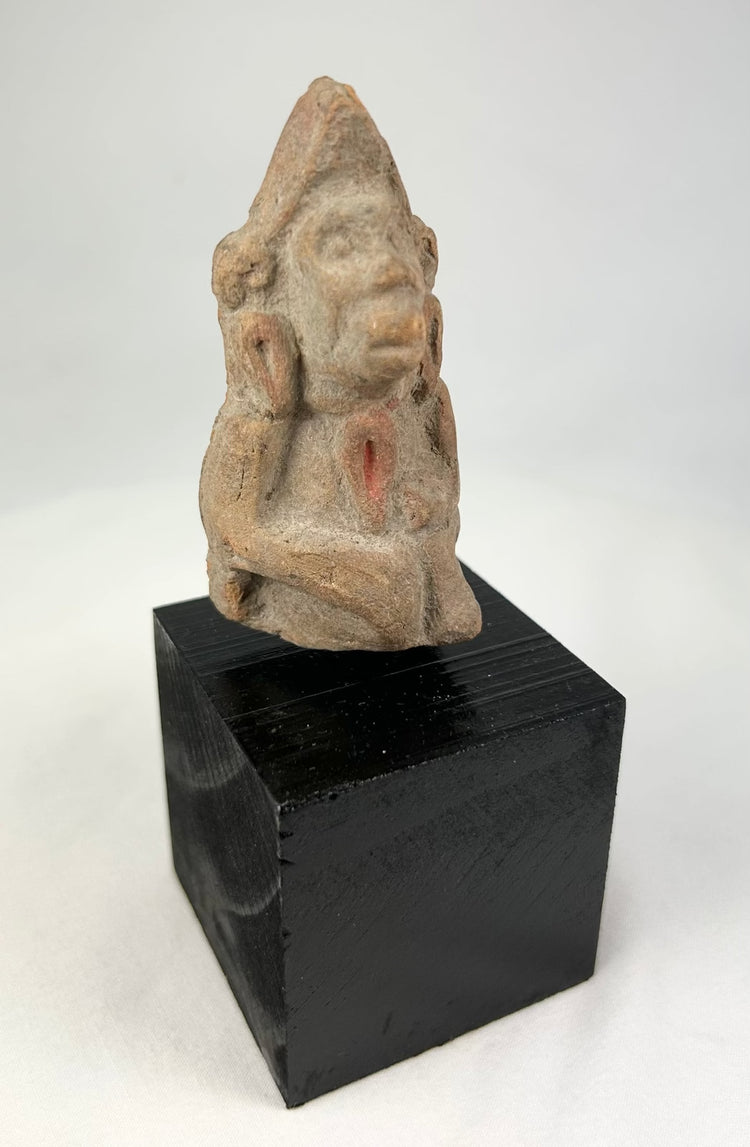
Statuette de sanctuaire en argile | Terre cuite anthropomorphe | Vers 300-600 apr. J.-C.
- Prix habituel
- $400.00
- Prix soldé
- $400.00
- Prix habituel
Impossible de charger la disponibilité du service de retrait


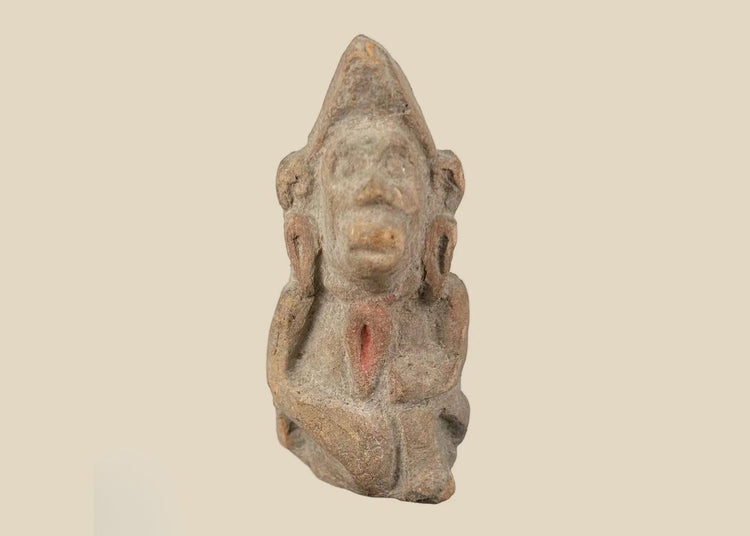
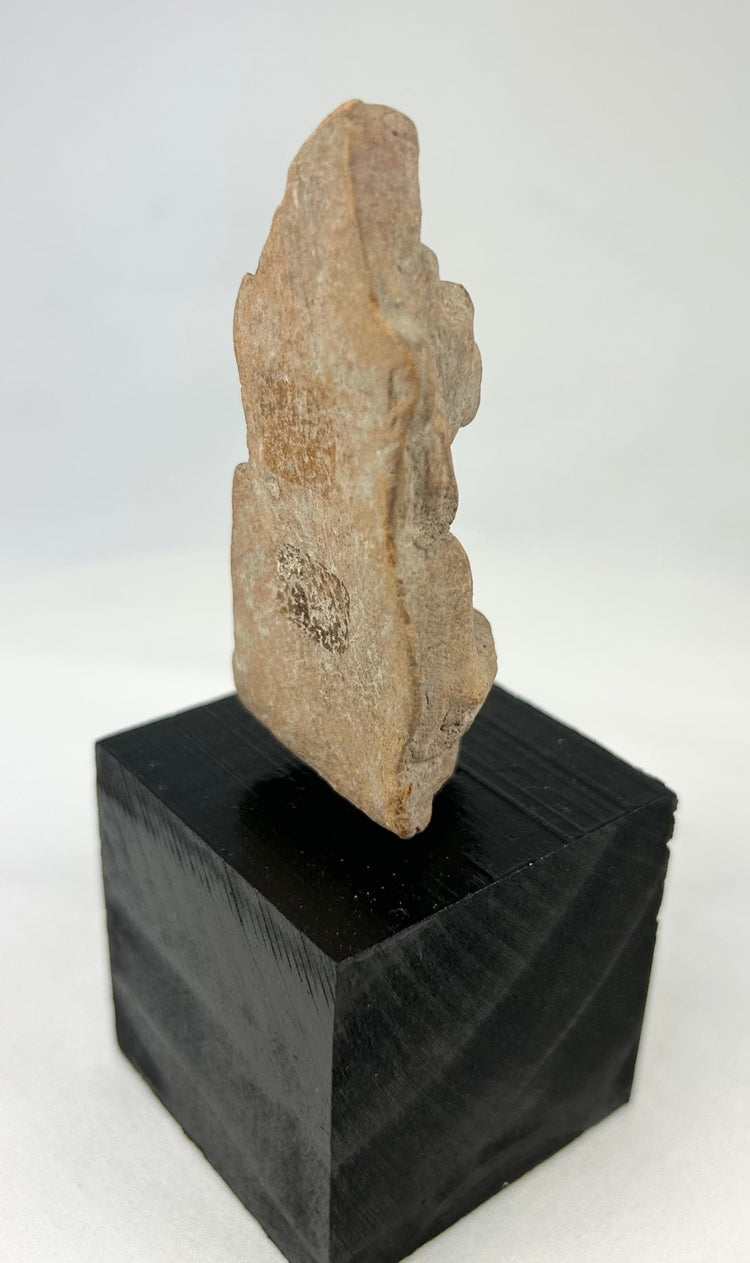
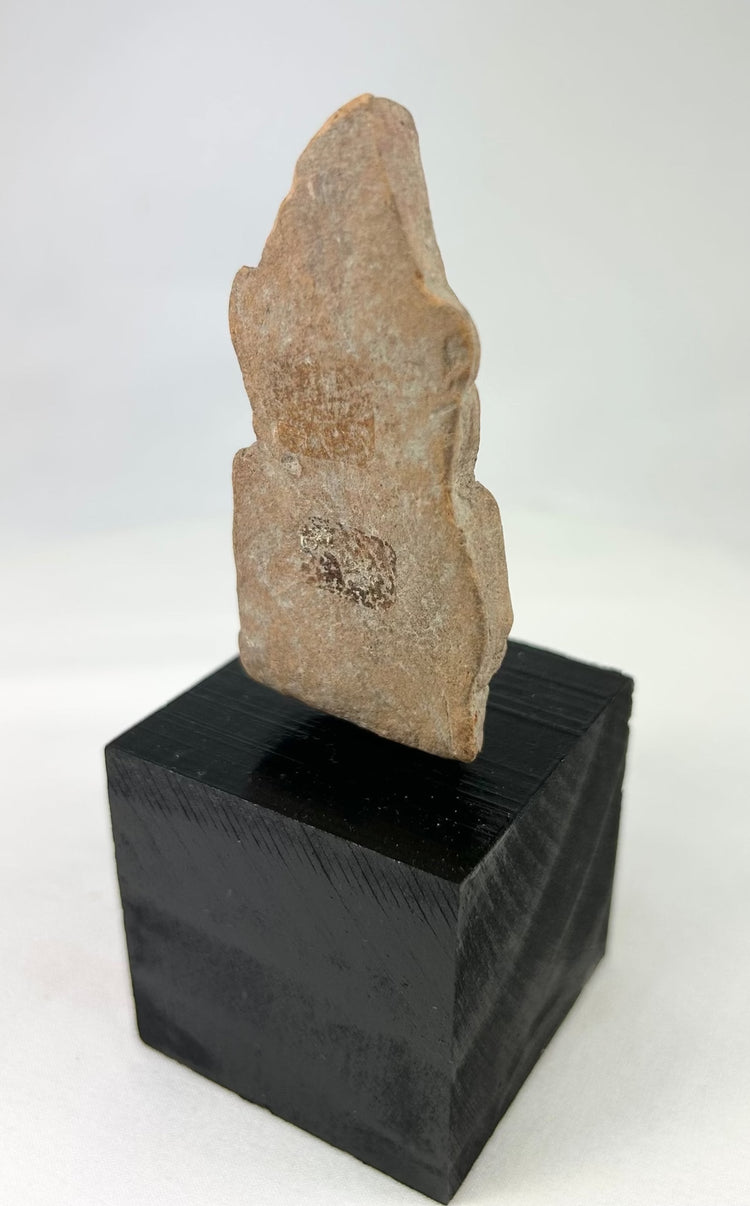
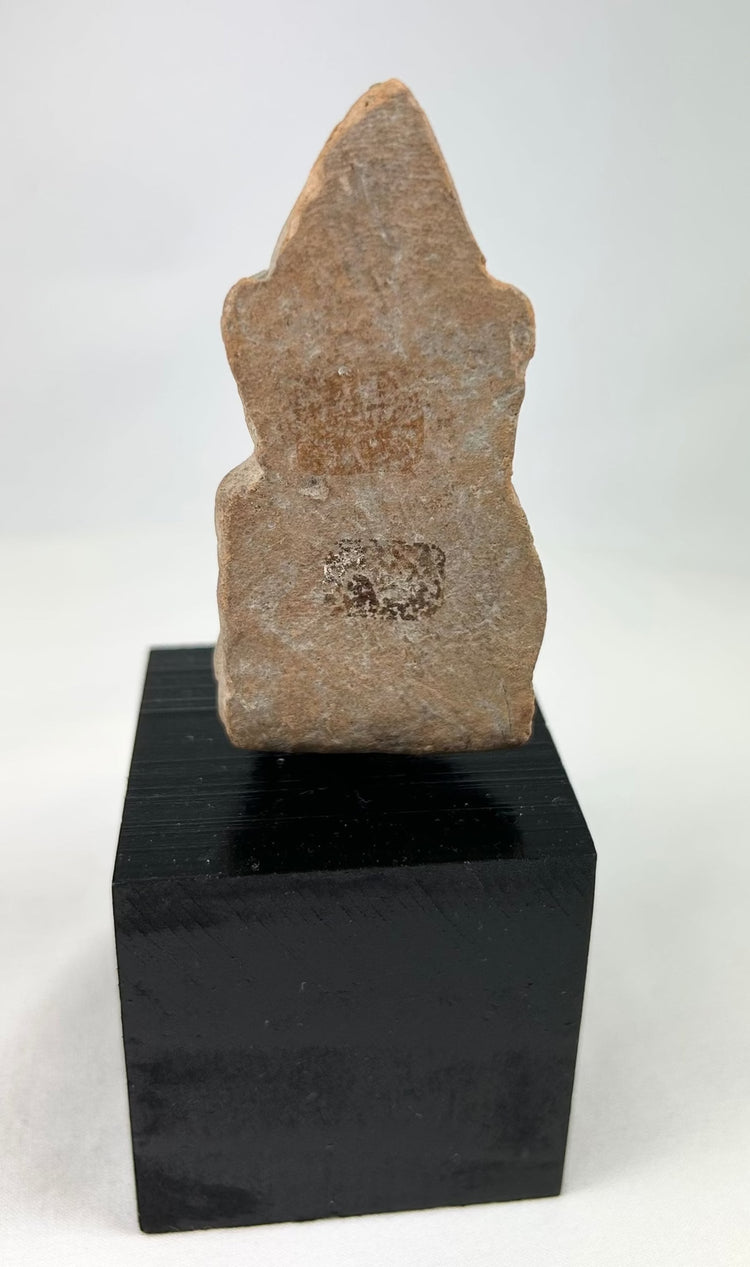
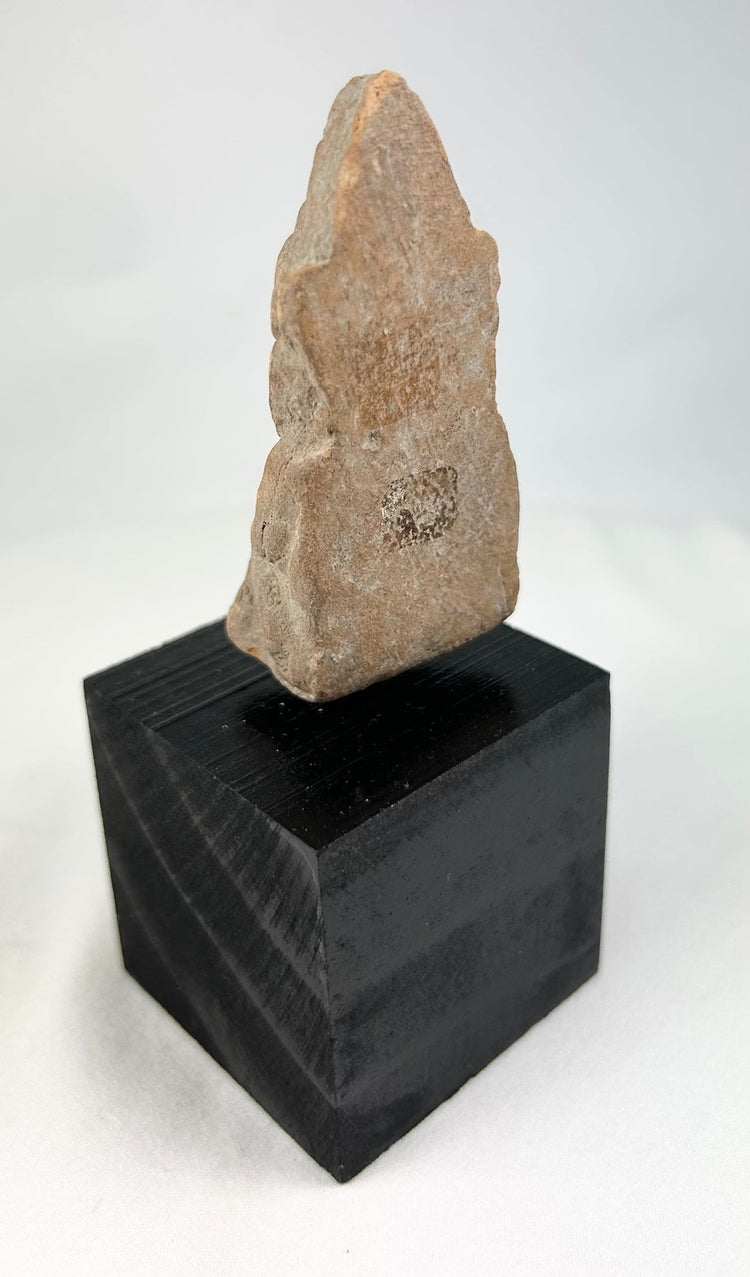
Statuette de sanctuaire en argile | Terre cuite anthropomorphe | Vers 300-600 apr. J.-C.
Description
Plus
Moins
Contexte Historique et Origine
Région : Asie du Sud (probablement l'Inde du Nord)
Matériau : Terre cuite (argile cuite) avec des traces de pigment
Période : Période historique ancienne, environ du IIIe au VIe siècle de notre ère
Description
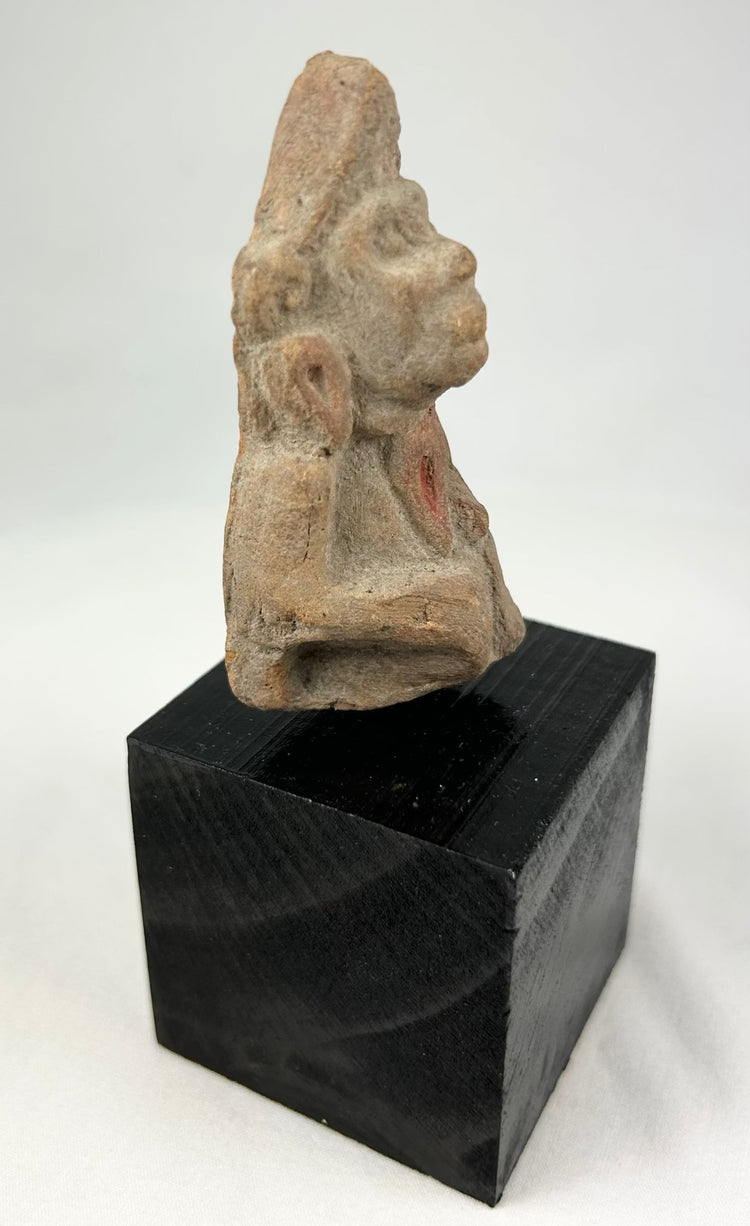
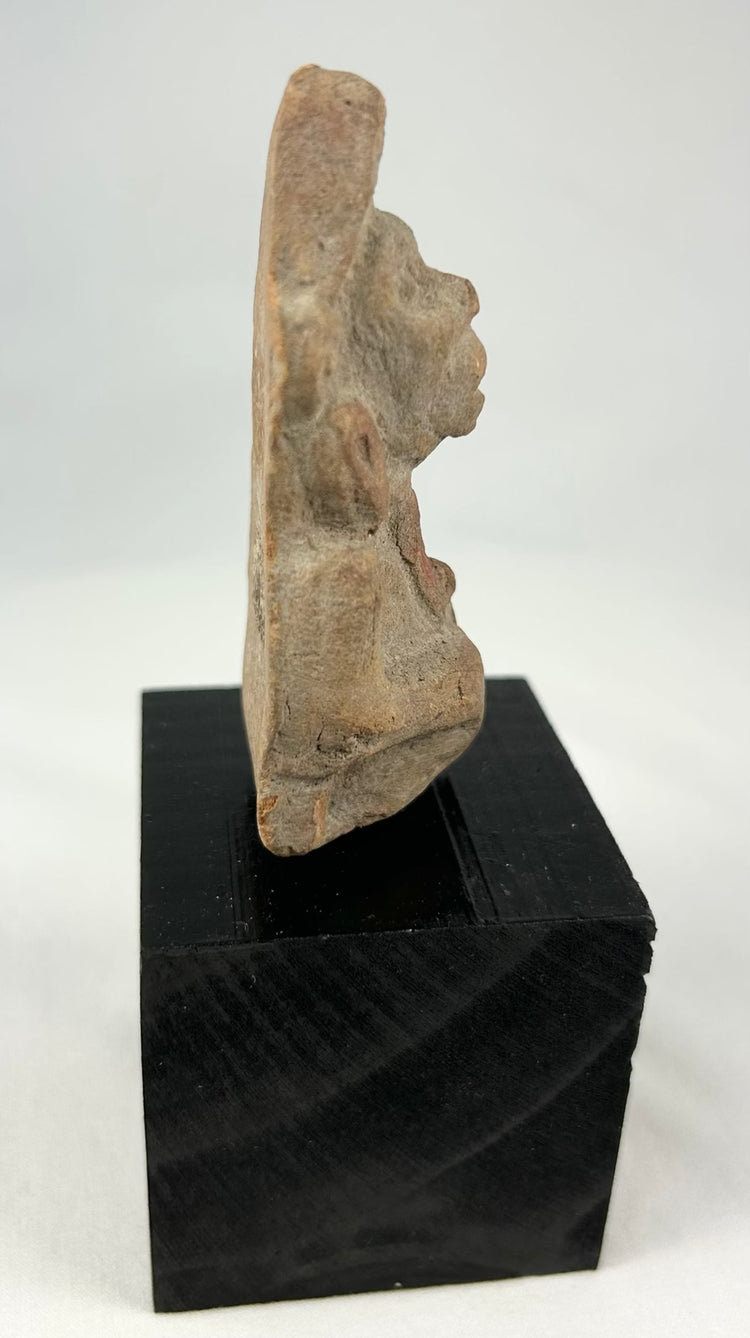
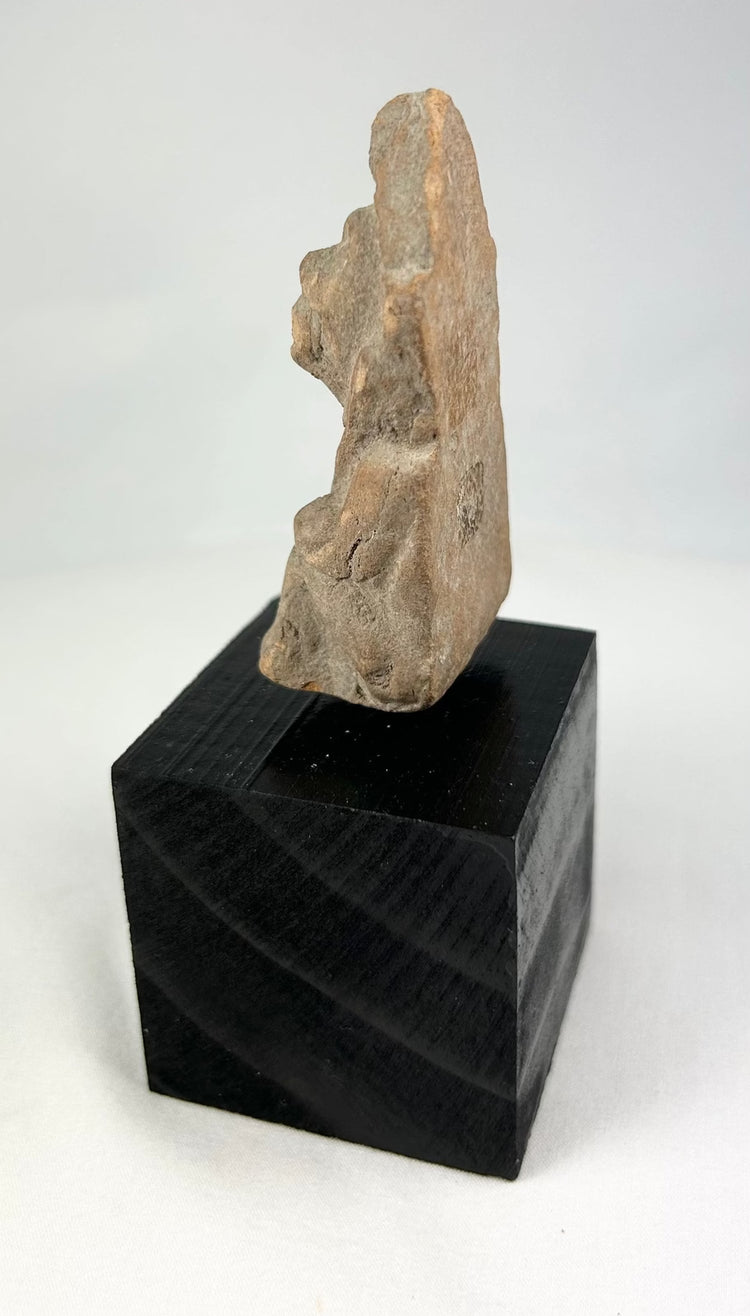
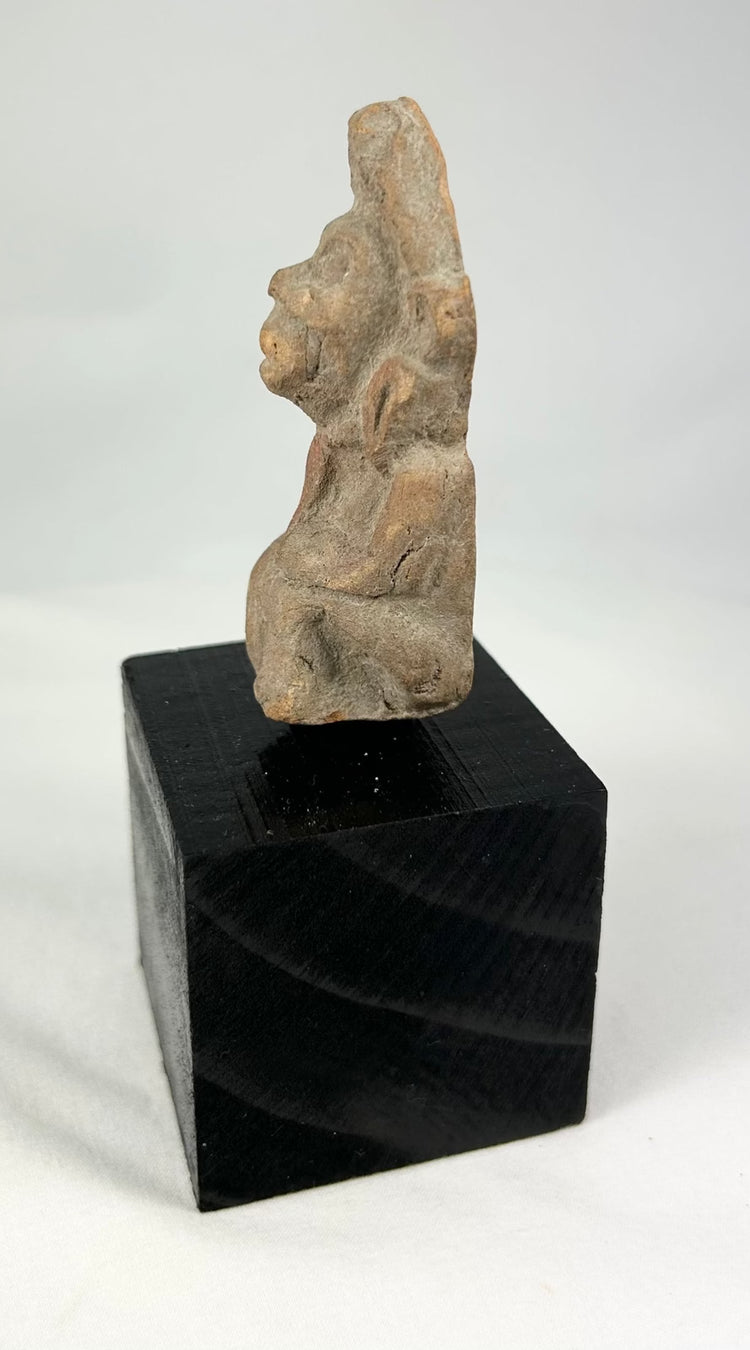
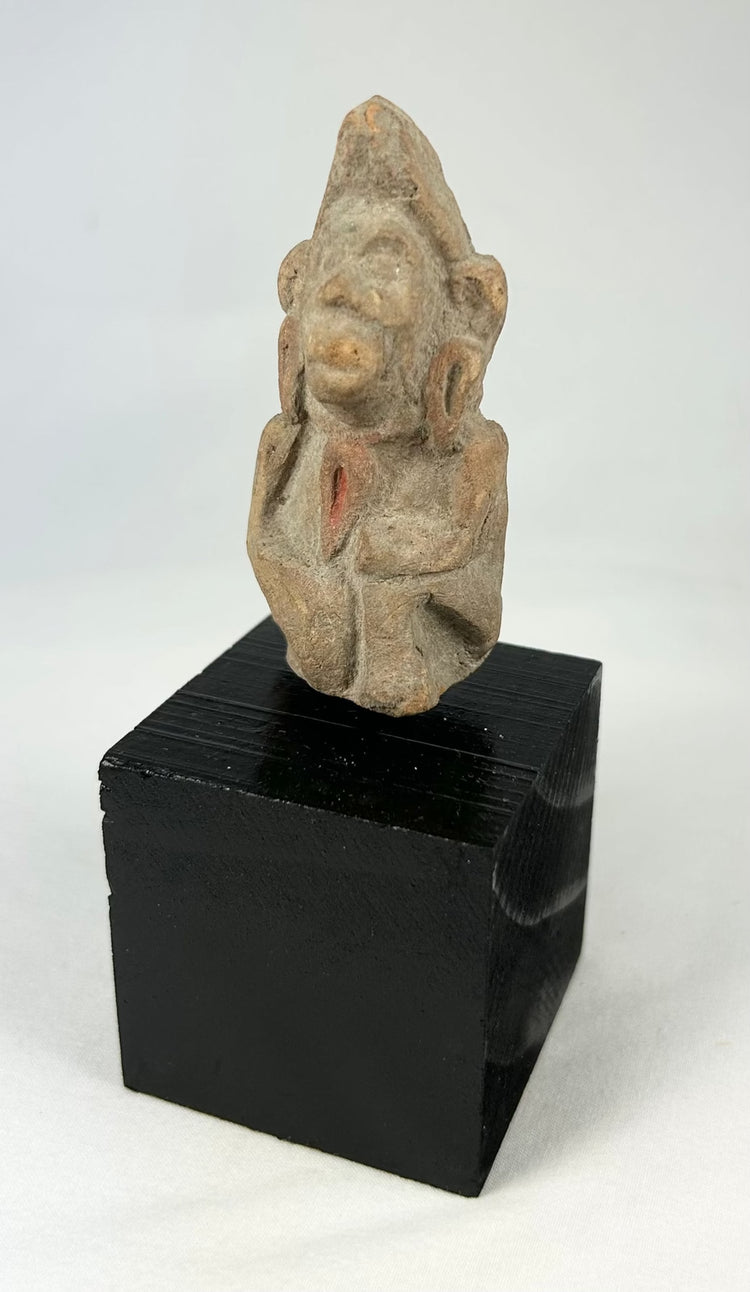
Cette figurine en terre cuite moulée à la main représente une divinité ou un dévot, debout ou assis, avec des traits faciaux stylisés, une tête ou une coiffe allongée, et des proportions corporelles schématiques. Couramment utilisées dans les sanctuaires domestiques et comme offrandes de temple, ces figures servaient d'objets de dévotion pour les fidèles quotidiens durant les premiers siècles de l'ère commune. L'argile rougeâtre conserve des concrétions terreuses, et de faibles vestiges de pigment suggèrent sa finition décorative originale, renforçant son authenticité historique.
Caractéristiques
- Terre cuite moulée à la main avec une forme anthropomorphe stylisée
- Tête ou coiffe allongée avec des traits faciaux détaillés
- Dos plat adapté à un placement dans des sanctuaires ou comme figure votive
- Montée sur un socle d'exposition noir moderne pour la présentation
Signification Culturelle
Les figures dévotionnelles en terre cuite étaient partie intégrante de la pratique religieuse indienne ancienne, offrant un moyen accessible aux fidèles d'interagir avec les divinités et les esprits protecteurs. Largement produites pour un usage domestique et dans les temples, elles relient l'expression artistique au rituel vécu, reflétant la vie spirituelle des gens ordinaires. Chaque figure incarne à la fois une fonction dévotionnelle et les conventions artistiques de sa période.
État
Fragmentaire mais stable, avec une usure liée à l'âge et une érosion de surface. Des éclats mineurs et des concrétions naturelles sont présents. Solidement montée sur une base moderne pour l'exposition.
Dimensions (Approximatives)
Hauteur : 12,7 cm
Largeur : 5,1 cm
Profondeur : 5,1 cm
Âge (Approximatif)
1 425–1 825 ans
Provenance
D'une collection privée à Brea, Californie, États-Unis.
En savoir plus
Découvrez un exemple muséal de Haniwa, statue funéraire d'une servante de sanctuaire — The Met Museum
Explorez les figurines en argile de notre collection Collection de Figurines en Argile
Description
Contexte Historique et Origine
Région : Asie du Sud (probablement l'Inde du Nord)
Matériau : Terre cuite (argile cuite) avec des traces de pigment
Période : Période historique ancienne, environ du IIIe au VIe siècle de notre ère
Description
Cette figurine en terre cuite moulée à la main représente une divinité ou un dévot, debout ou assis, avec des traits faciaux stylisés, une tête ou une coiffe allongée, et des proportions corporelles schématiques. Couramment utilisées dans les sanctuaires domestiques et comme offrandes de temple, ces figures servaient d'objets de dévotion pour les fidèles quotidiens durant les premiers siècles de l'ère commune. L'argile rougeâtre conserve des concrétions terreuses, et de faibles vestiges de pigment suggèrent sa finition décorative originale, renforçant son authenticité historique.
Caractéristiques
- Terre cuite moulée à la main avec une forme anthropomorphe stylisée
- Tête ou coiffe allongée avec des traits faciaux détaillés
- Dos plat adapté à un placement dans des sanctuaires ou comme figure votive
- Montée sur un socle d'exposition noir moderne pour la présentation
Signification Culturelle
Les figures dévotionnelles en terre cuite étaient partie intégrante de la pratique religieuse indienne ancienne, offrant un moyen accessible aux fidèles d'interagir avec les divinités et les esprits protecteurs. Largement produites pour un usage domestique et dans les temples, elles relient l'expression artistique au rituel vécu, reflétant la vie spirituelle des gens ordinaires. Chaque figure incarne à la fois une fonction dévotionnelle et les conventions artistiques de sa période.
État
Fragmentaire mais stable, avec une usure liée à l'âge et une érosion de surface. Des éclats mineurs et des concrétions naturelles sont présents. Solidement montée sur une base moderne pour l'exposition.
Dimensions (Approximatives)
Hauteur : 12,7 cm
Largeur : 5,1 cm
Profondeur : 5,1 cm
Âge (Approximatif)
1 425–1 825 ans
Provenance
D'une collection privée à Brea, Californie, États-Unis.
En savoir plus
Découvrez un exemple muséal de Haniwa, statue funéraire d'une servante de sanctuaire — The Met Museum
Explorez les figurines en argile de notre collection Collection de Figurines en Argile
Vous aimerez peut-être aussi
