


Figurine rituelle précolombienne | Sculpture en argile modelée à la main | Exposition montée | Vers 300 av. J.-C. – 500 apr. J.-C.
- Prix habituel
- $500.00
- Prix soldé
- $500.00
- Prix habituel
Impossible de charger la disponibilité du service de retrait


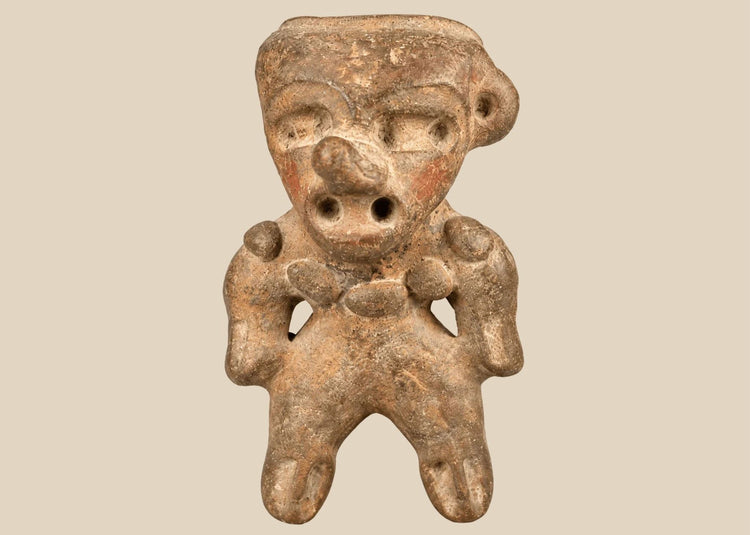
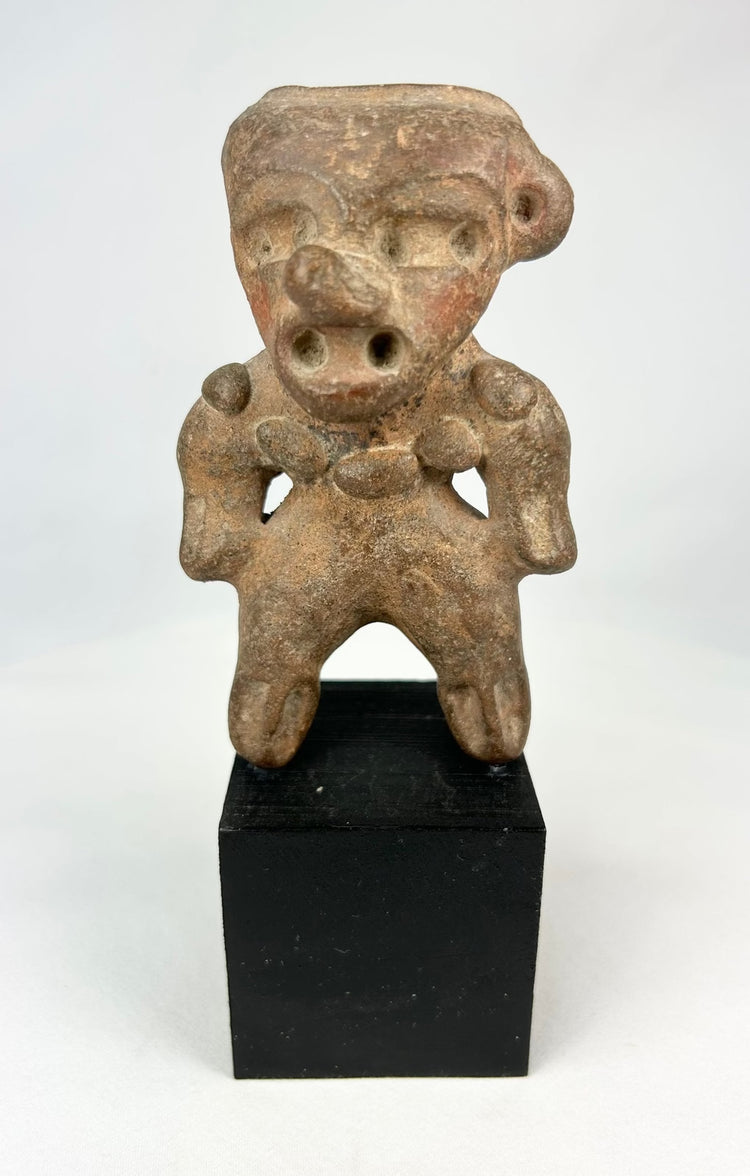
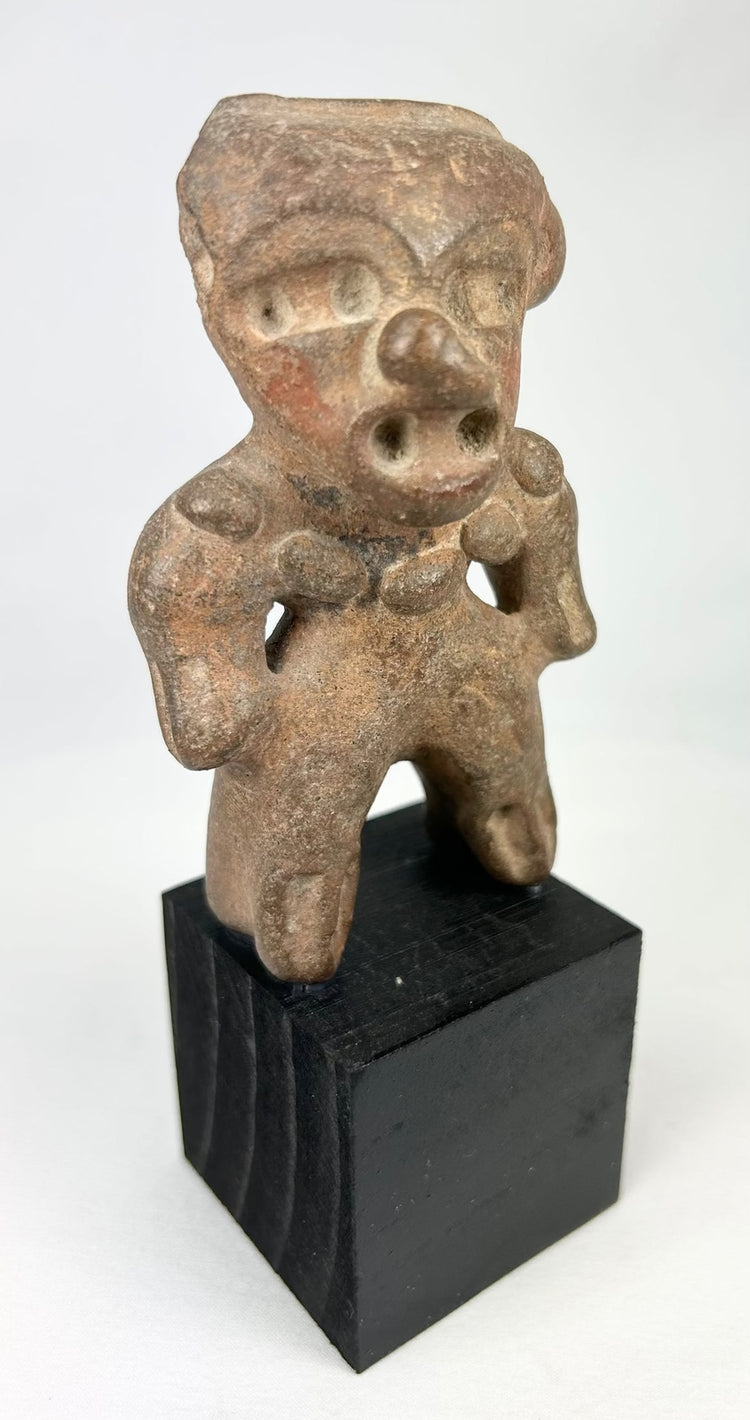
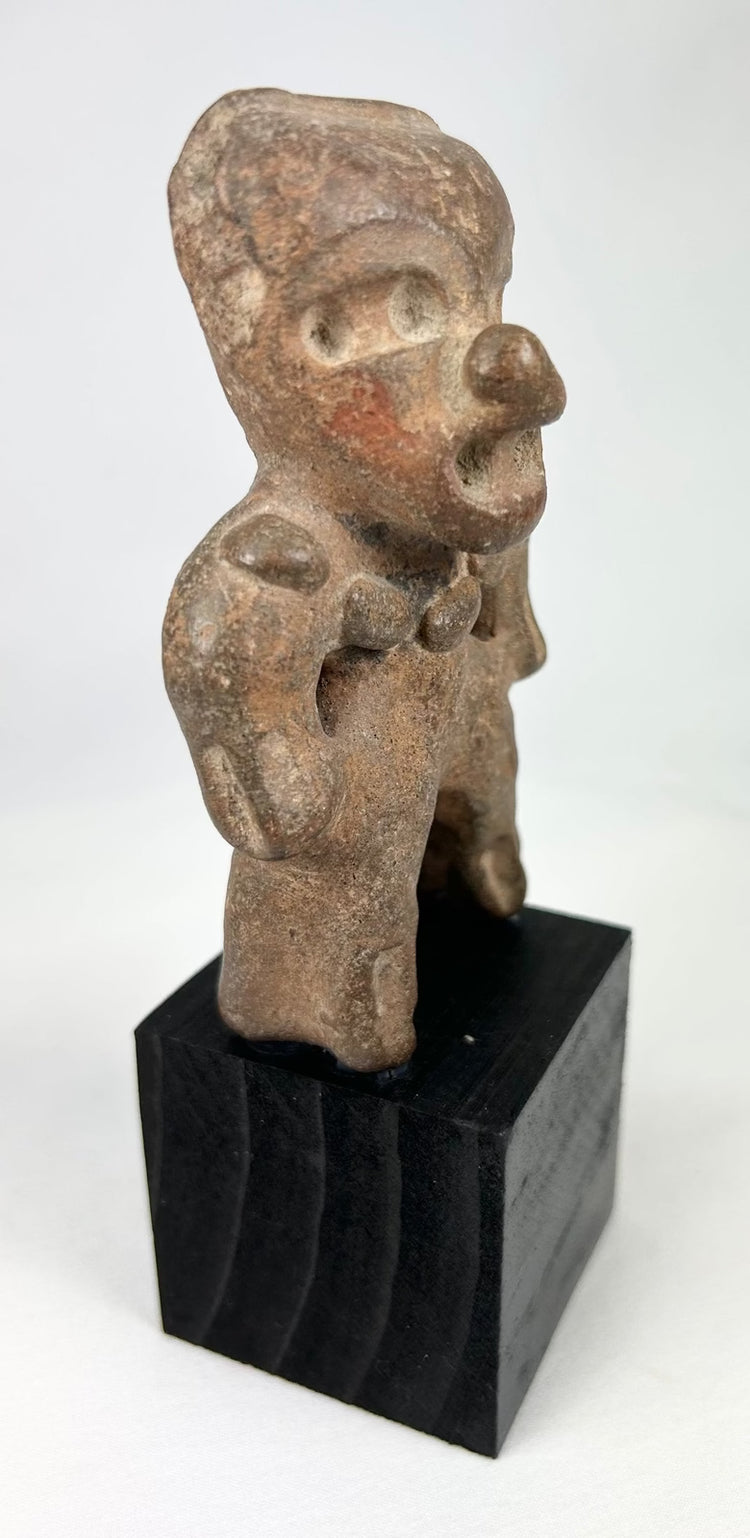
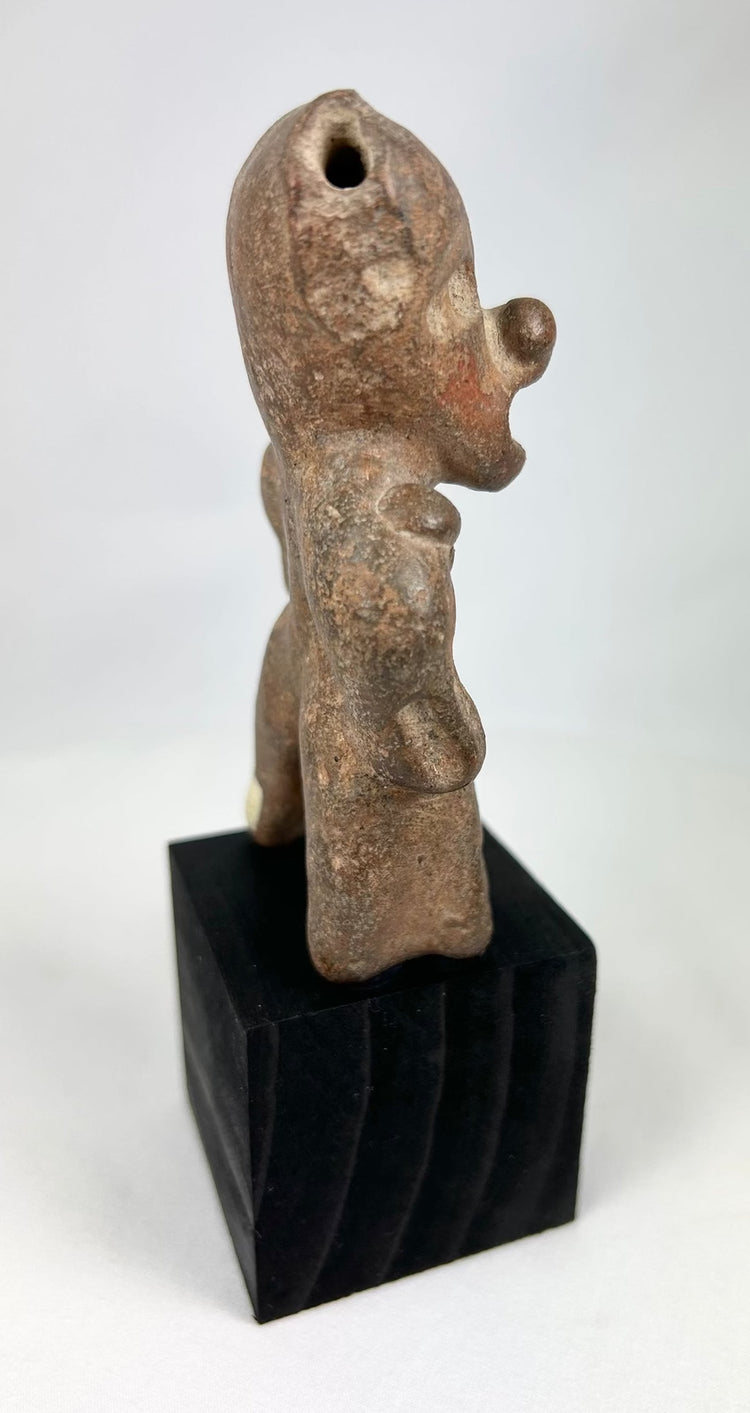
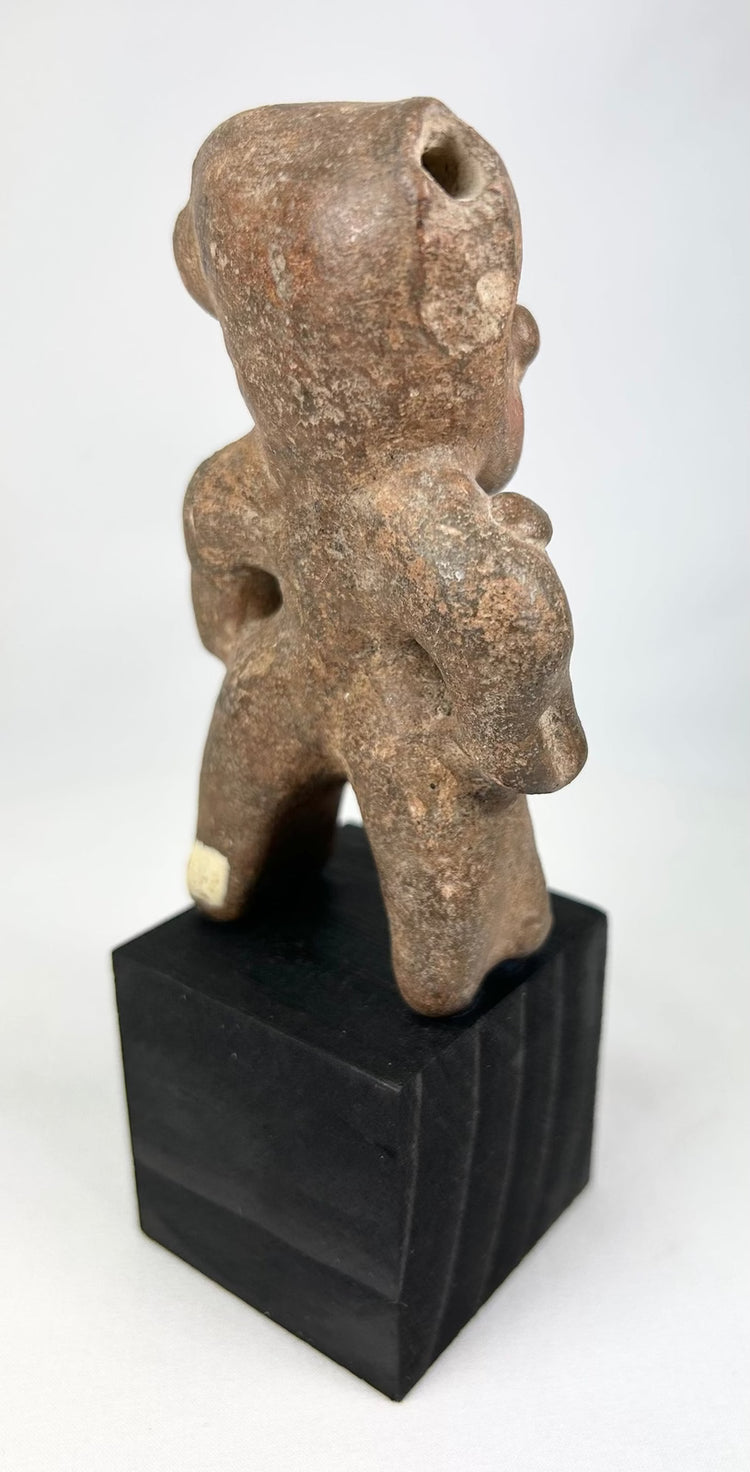
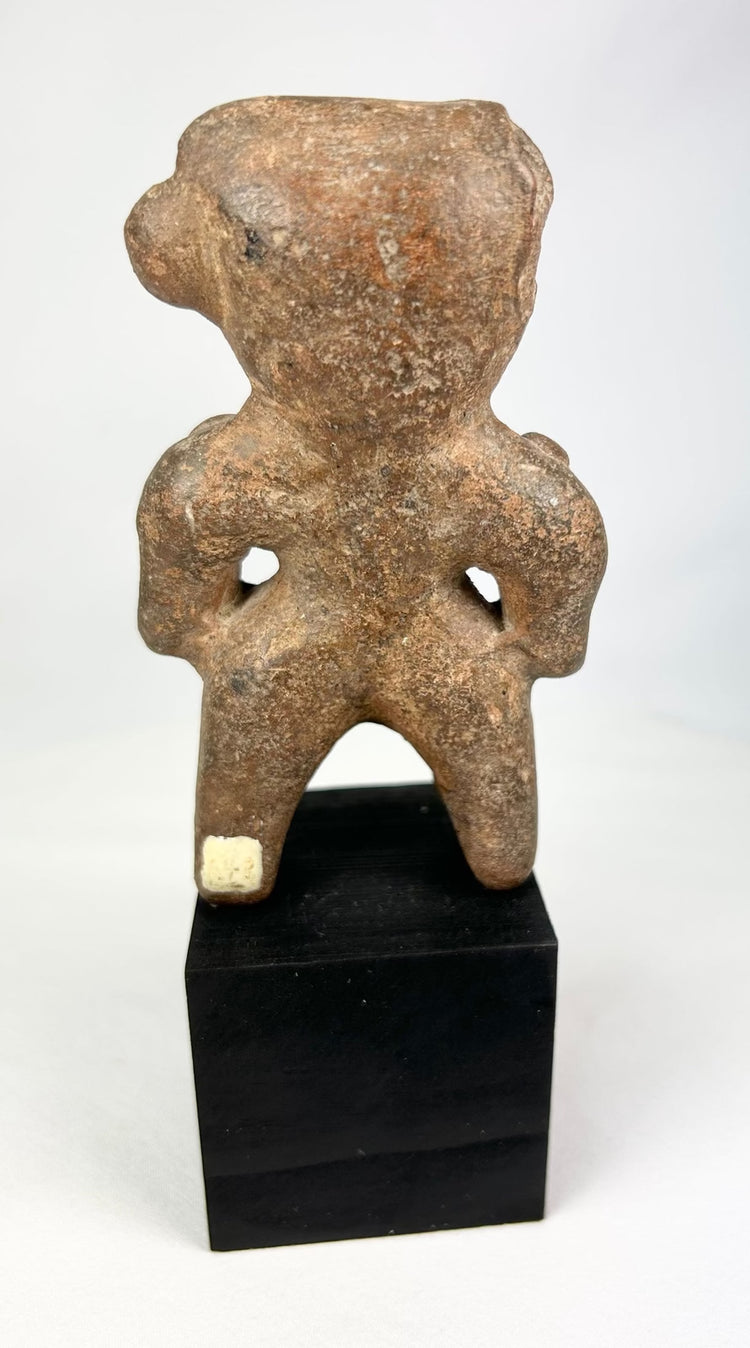

Figurine rituelle précolombienne | Sculpture en argile modelée à la main | Exposition montée | Vers 300 av. J.-C. – 500 apr. J.-C.
Description
Plus
Moins
Contexte historique et origine
Région : Ouest du Mexique (Nayarit, Colima ou Jalisco)
Matériau : Terre cuite modelée à la main
Période : Précolombienne, vers 300 avant notre ère – 500 de notre ère
Description
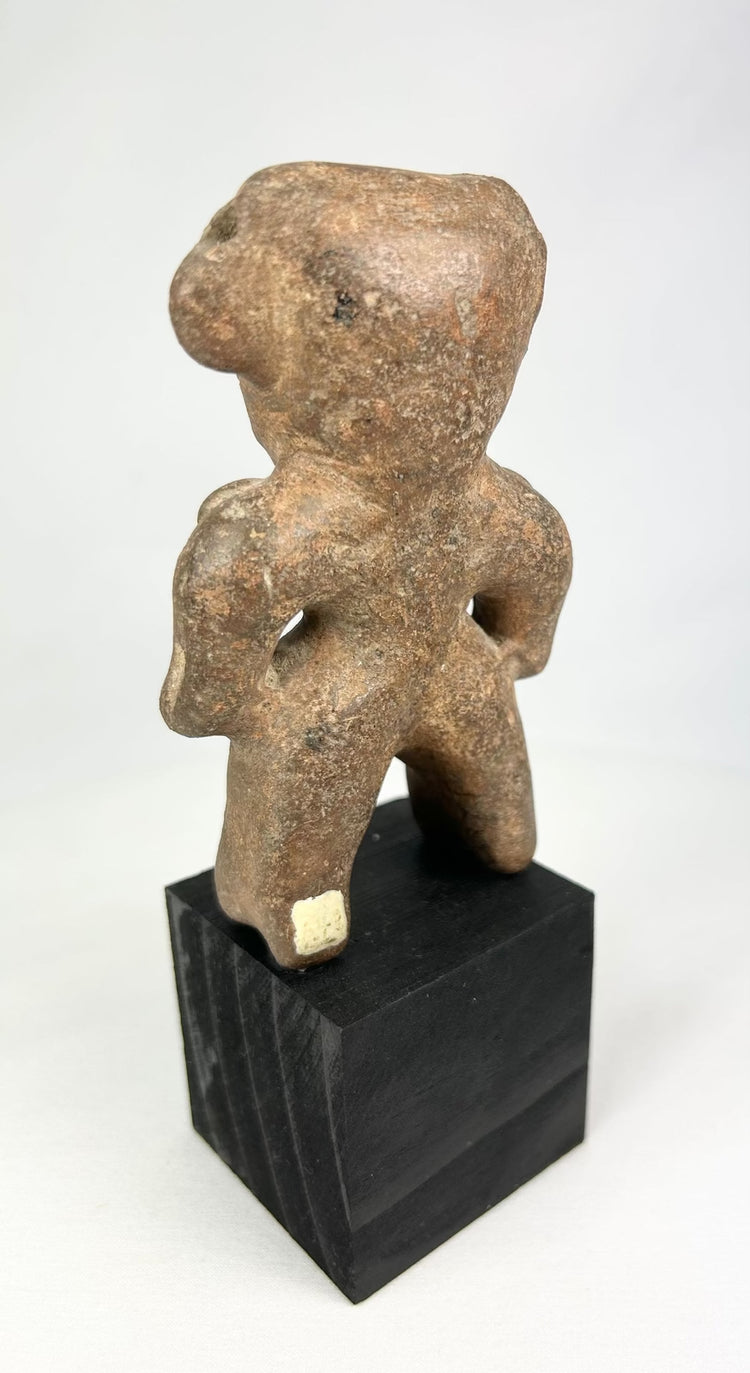
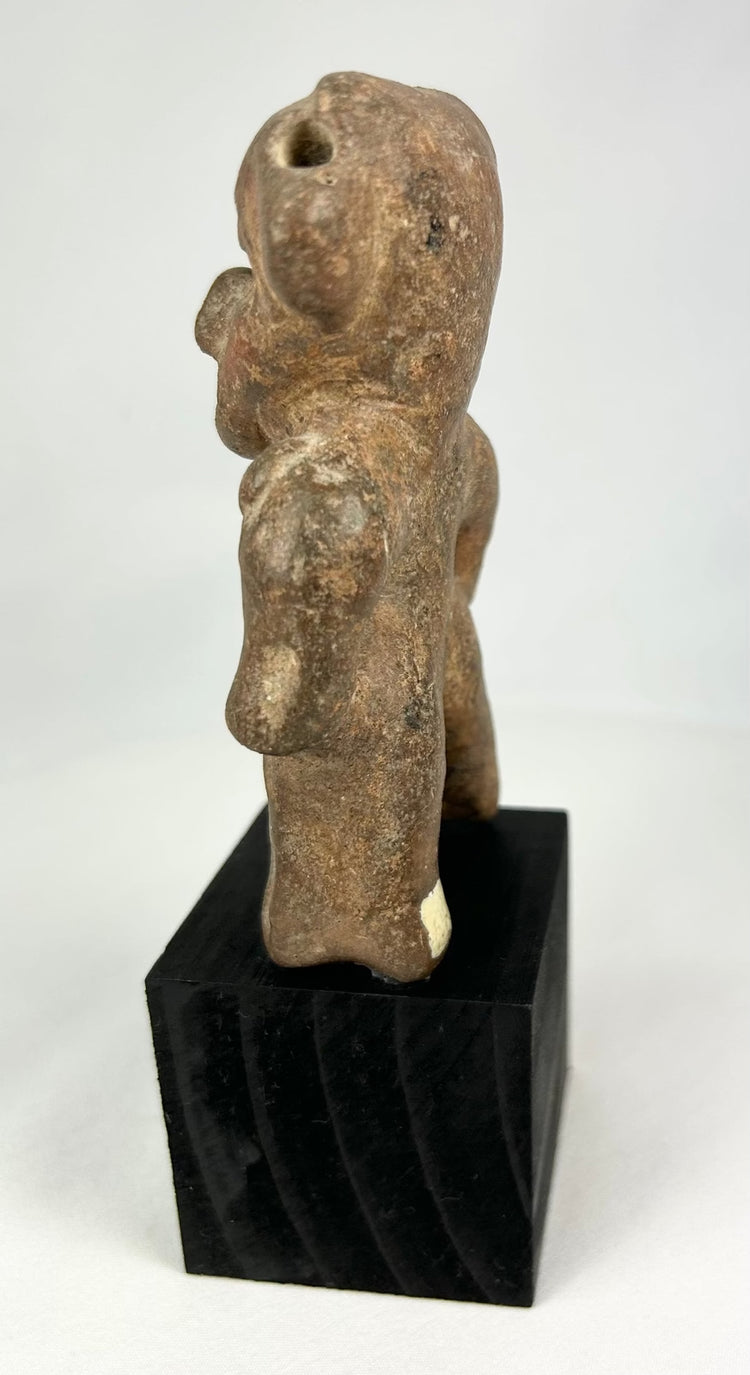
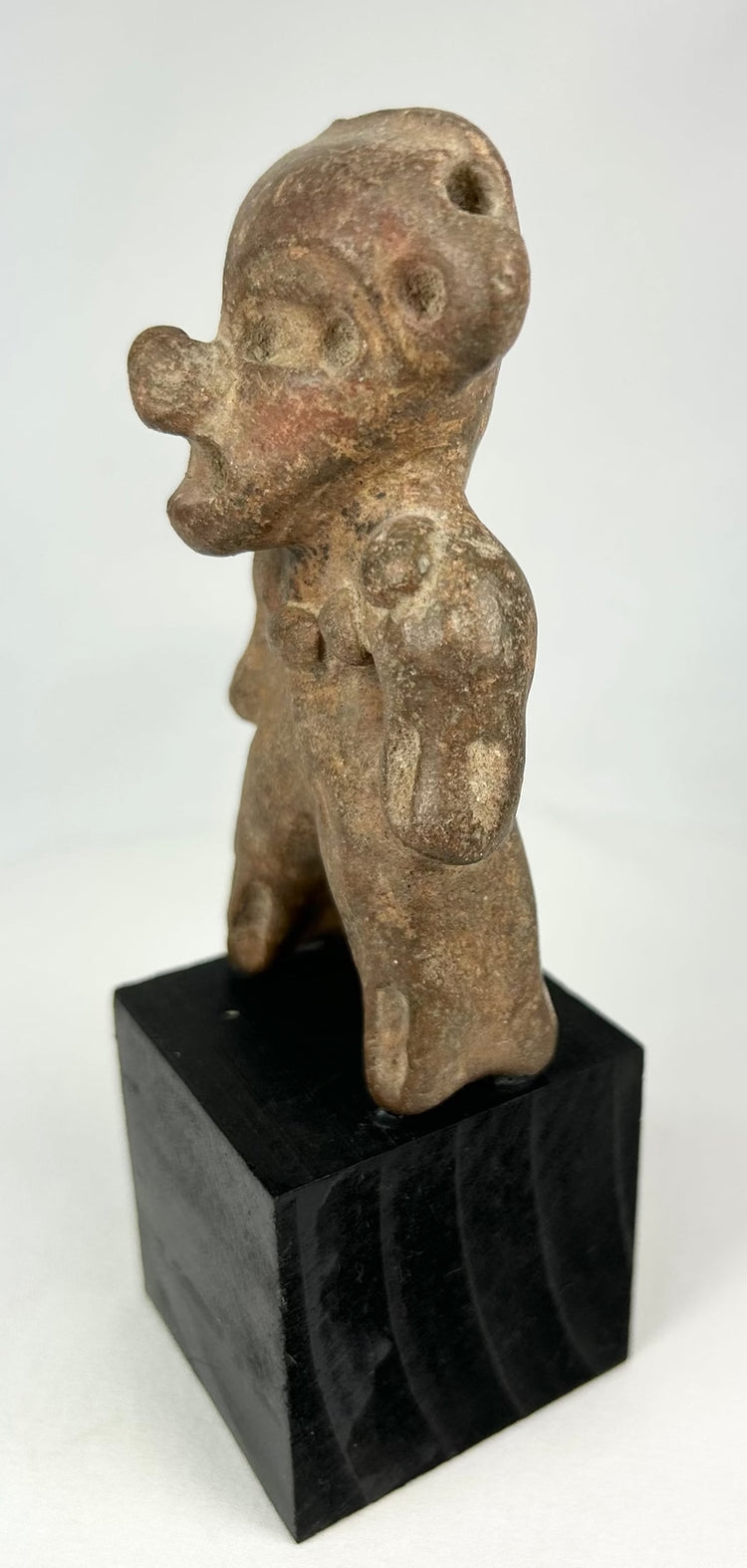
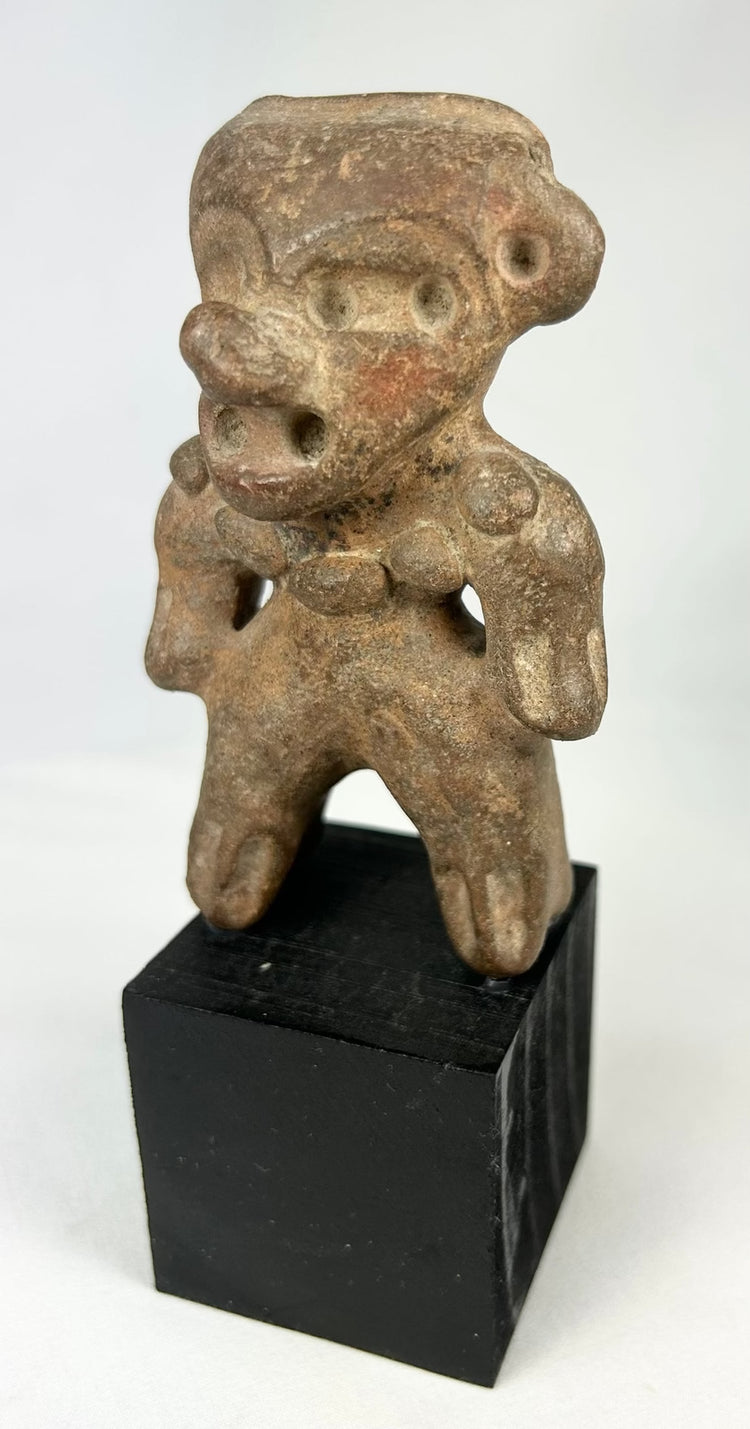
Cette figurine anthropomorphe en terre cuite illustre le style audacieux et expressif de la sculpture des tombes à puits de l'Ouest du Mexique. La figurine se tient dans une position large, les bras pliés et ramenés à la poitrine, avec une grande tête stylisée, une expression faciale proéminente et des oreilles percées. La surface texturée présente des dépôts de terre et des altérations dues à des siècles d'enfouissement, soulignant son authenticité et son ancienneté. Montée sur une base d'exposition noire moderne, elle présente une forte présence culturelle en tant qu'artefact et sculpture.
Caractéristiques
- Figurine debout en terre cuite modelée à la main
- Visage stylisé distinctif avec oreilles percées
- Posture large et proportions expressives
- Dépôts de terre et altération de surface dus au contexte d'enfouissement
- Montée sur une base d'exposition personnalisée pour une présentation sécurisée
Signification culturelle
Les figures de ce type étaient placées dans les tombes à puits comme compagnons et protecteurs des défunts, incarnant la fertilité, la lignée et la présence ancestrale. Elles reflètent les traditions rituelles et sociales de l'ancien Ouest du Mexique, où l'art funéraire remplissait des fonctions à la fois spirituelles et culturelles. Aujourd'hui, ces figures restent parmi les formes les plus reconnaissables et emblématiques de la sculpture précolombienne, très appréciées pour leur signification symbolique et leur esthétique durable.
Condition
Bon état archéologique. Stable dans l'ensemble avec usure de surface, pertes mineures et incrustations conformes à l'âge. Solidement montée pour l'exposition.
Dimensions (approximatives)
Hauteur : 6,25 po
Largeur : 2 po
Profondeur : 2 po
Âge (approximatif)
1 525 – 2 325 ans
Provenance
Anciennement détenue dans une collection privée en Californie du Sud, États-Unis, constituée entre les années 1970 et 1990. Par la suite détenue dans une collection privée à Brea, Californie, États-Unis.
En savoir plus
Découvrez une importante collection muséale d'art précolombien au Metropolitan Museum of Art
Explorez notre collection d'artefacts précolombiens anciens
Description
Contexte historique et origine
Région : Ouest du Mexique (Nayarit, Colima ou Jalisco)
Matériau : Terre cuite modelée à la main
Période : Précolombienne, vers 300 avant notre ère – 500 de notre ère
Description
Cette figurine anthropomorphe en terre cuite illustre le style audacieux et expressif de la sculpture des tombes à puits de l'Ouest du Mexique. La figurine se tient dans une position large, les bras pliés et ramenés à la poitrine, avec une grande tête stylisée, une expression faciale proéminente et des oreilles percées. La surface texturée présente des dépôts de terre et des altérations dues à des siècles d'enfouissement, soulignant son authenticité et son ancienneté. Montée sur une base d'exposition noire moderne, elle présente une forte présence culturelle en tant qu'artefact et sculpture.
Caractéristiques
- Figurine debout en terre cuite modelée à la main
- Visage stylisé distinctif avec oreilles percées
- Posture large et proportions expressives
- Dépôts de terre et altération de surface dus au contexte d'enfouissement
- Montée sur une base d'exposition personnalisée pour une présentation sécurisée
Signification culturelle
Les figures de ce type étaient placées dans les tombes à puits comme compagnons et protecteurs des défunts, incarnant la fertilité, la lignée et la présence ancestrale. Elles reflètent les traditions rituelles et sociales de l'ancien Ouest du Mexique, où l'art funéraire remplissait des fonctions à la fois spirituelles et culturelles. Aujourd'hui, ces figures restent parmi les formes les plus reconnaissables et emblématiques de la sculpture précolombienne, très appréciées pour leur signification symbolique et leur esthétique durable.
Condition
Bon état archéologique. Stable dans l'ensemble avec usure de surface, pertes mineures et incrustations conformes à l'âge. Solidement montée pour l'exposition.
Dimensions (approximatives)
Hauteur : 6,25 po
Largeur : 2 po
Profondeur : 2 po
Âge (approximatif)
1 525 – 2 325 ans
Provenance
Anciennement détenue dans une collection privée en Californie du Sud, États-Unis, constituée entre les années 1970 et 1990. Par la suite détenue dans une collection privée à Brea, Californie, États-Unis.
En savoir plus
Découvrez une importante collection muséale d'art précolombien au Metropolitan Museum of Art
Explorez notre collection d'artefacts précolombiens anciens
Vous aimerez peut-être aussi
