
Fragment de tête d'animal en pierre précolombienne | Méso-américain | 900–1500 apr. J.-C.
- Prix habituel
- $500.00
- Prix soldé
- $500.00
- Prix habituel
Impossible de charger la disponibilité du service de retrait


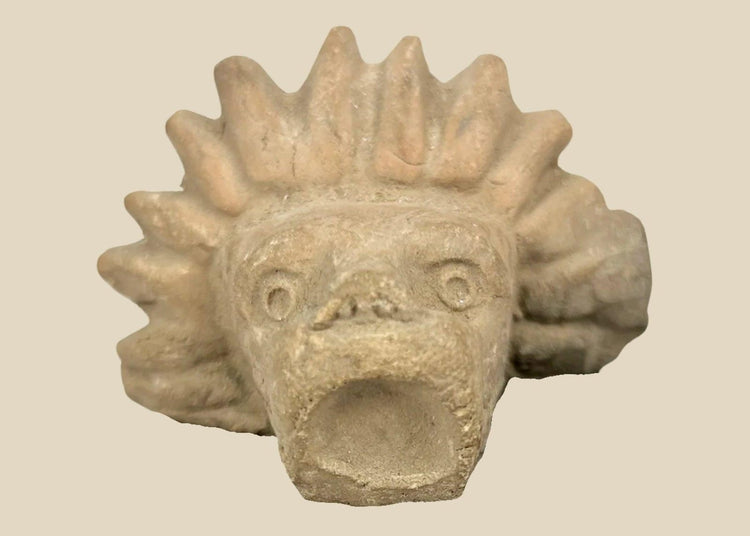

Fragment de tête d'animal en pierre précolombienne | Méso-américain | 900–1500 apr. J.-C.
Description
Plus
Moins
Contexte historique et origine
Région : Mésoamérique (possible influence aztèque ou maya)
Matériau : Pierre sculptée (probablement calcaire ou pierre volcanique)
Période : Précolombienne, vers 900-1500 de notre ère
Description
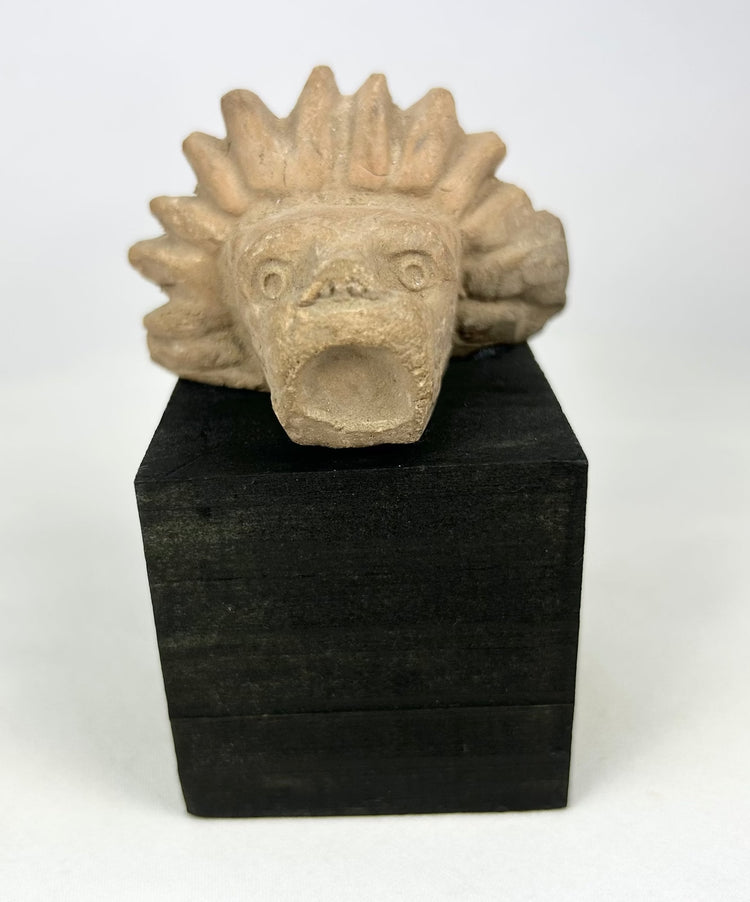
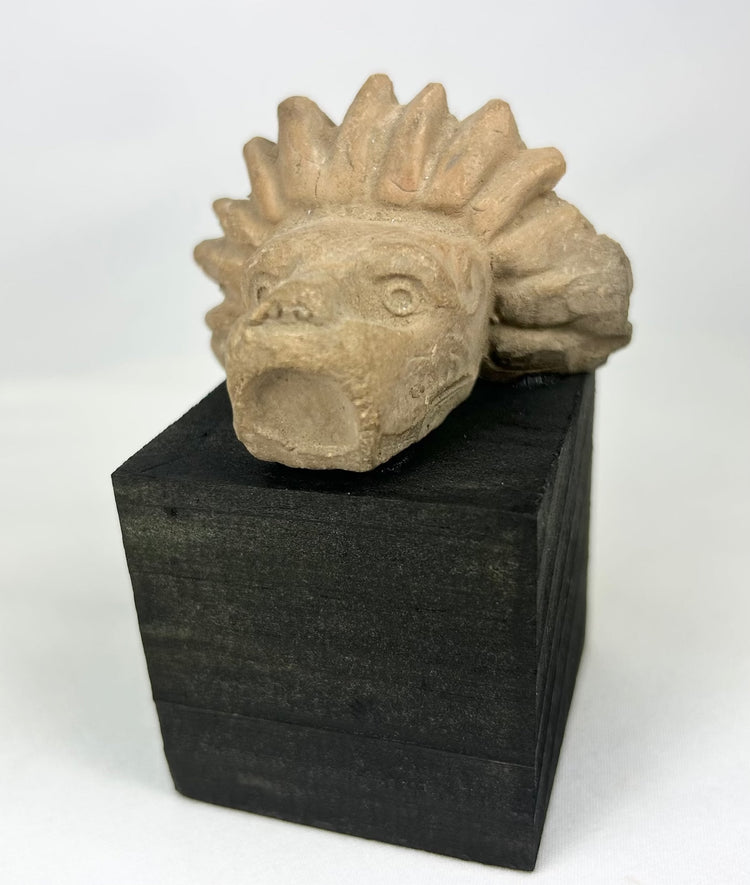
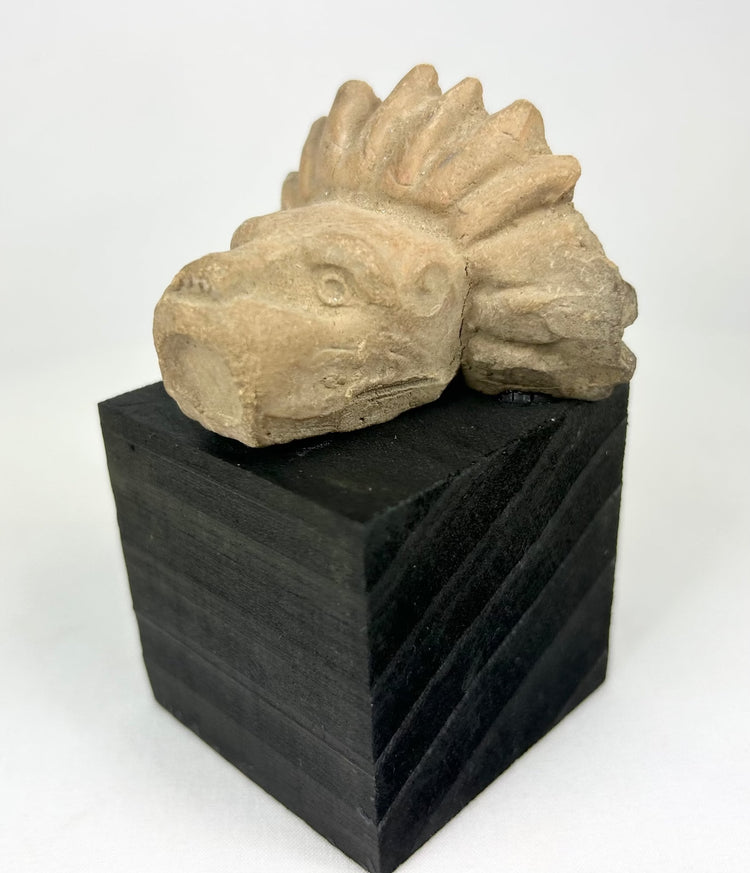
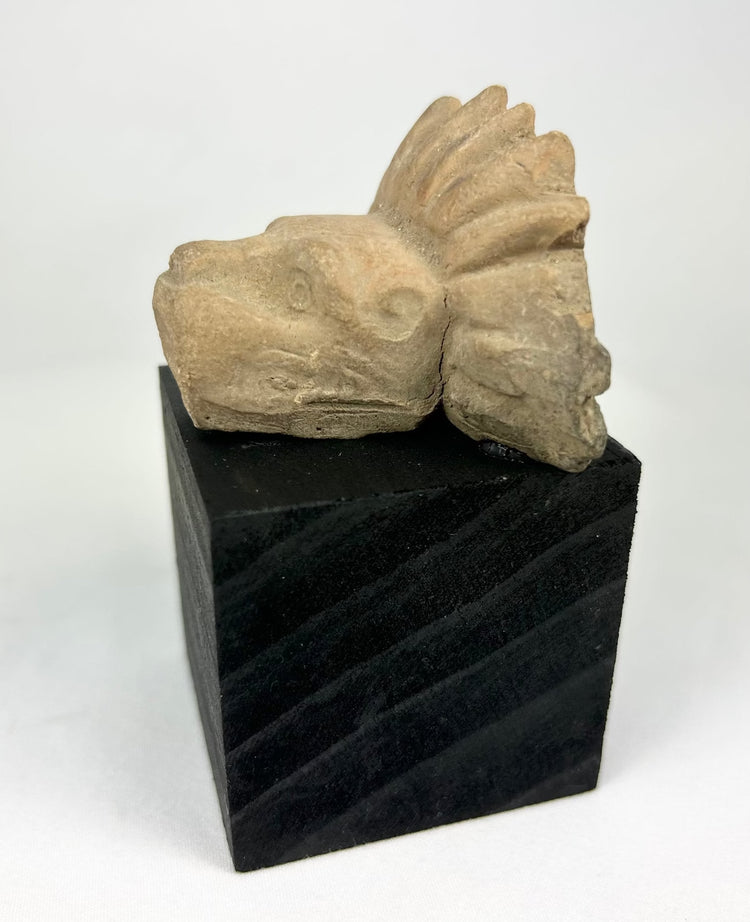
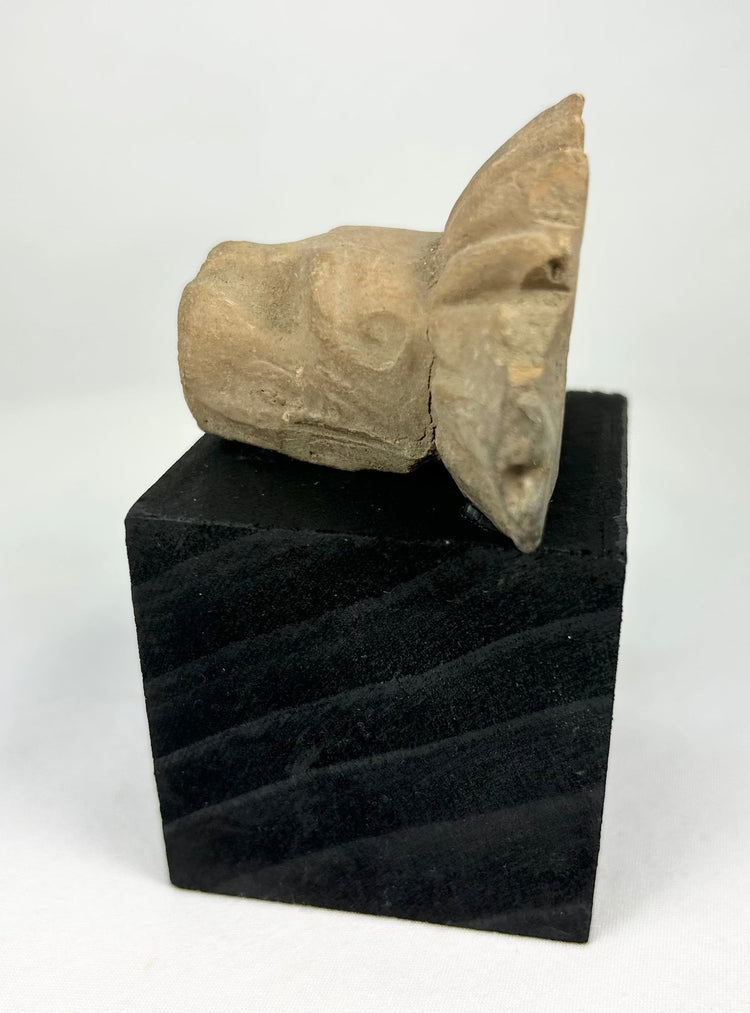
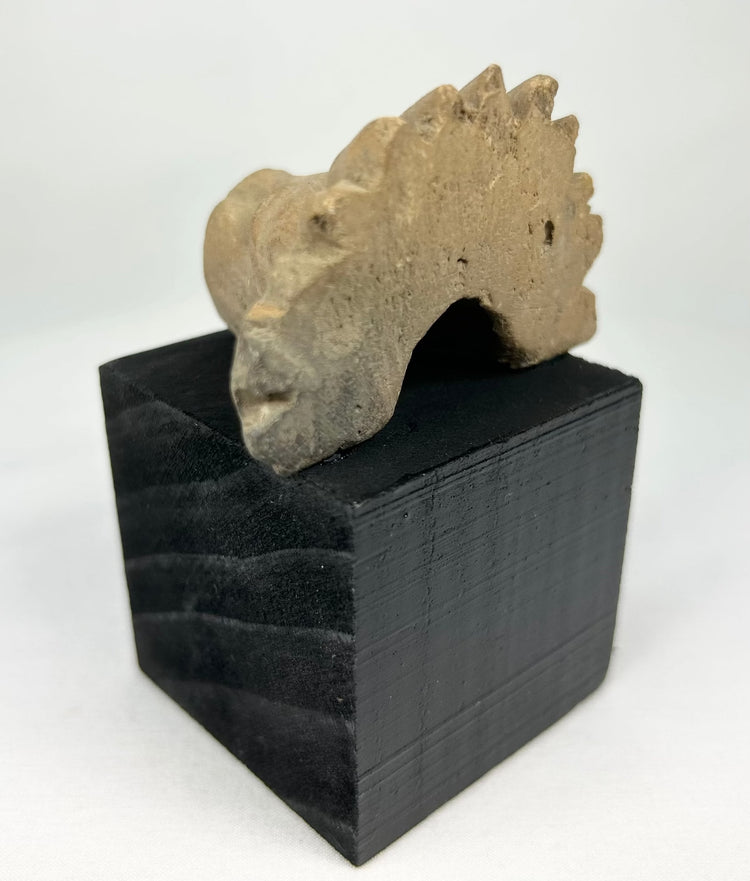
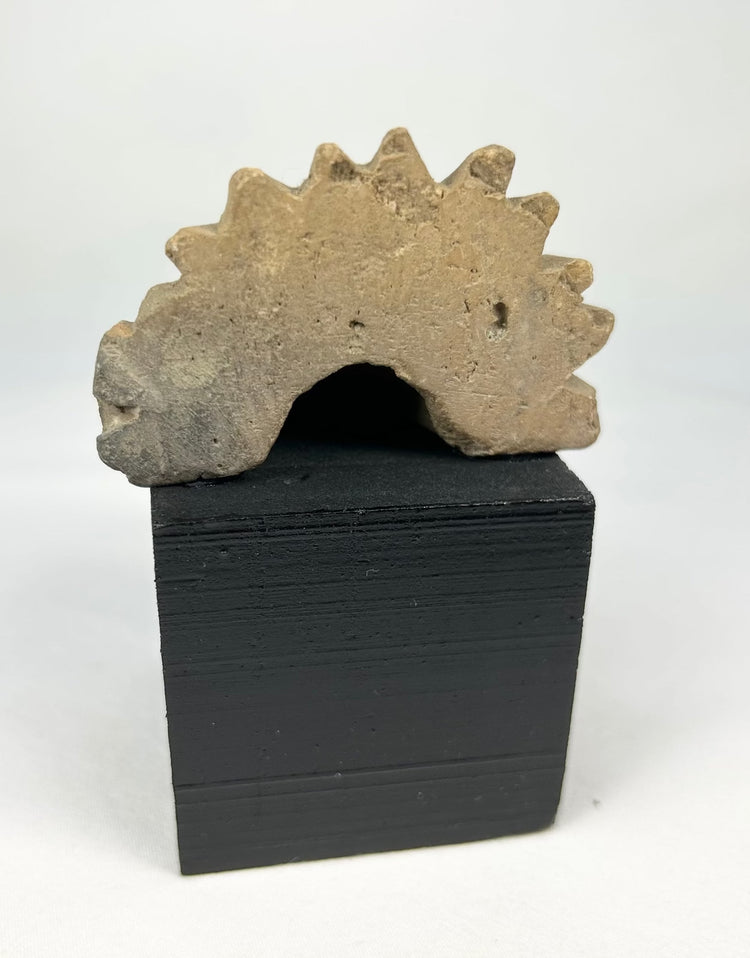
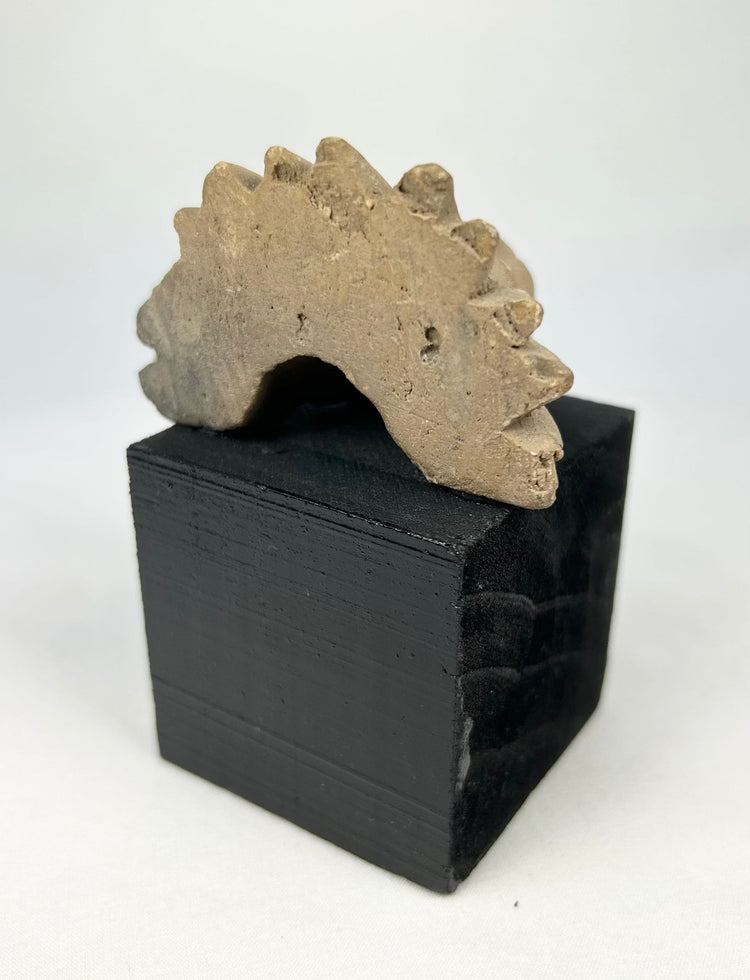
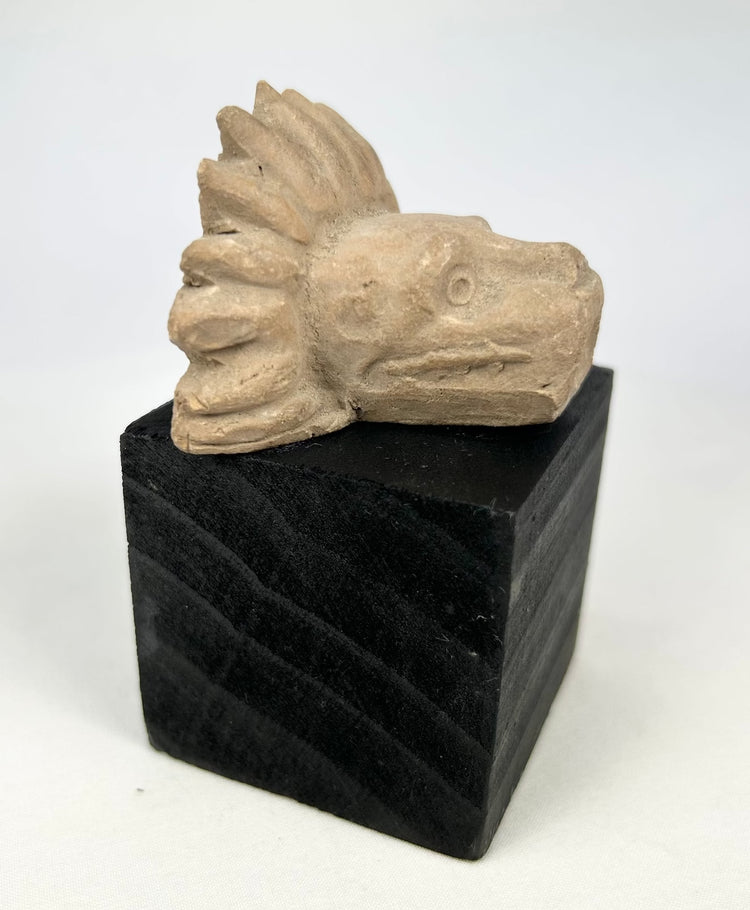
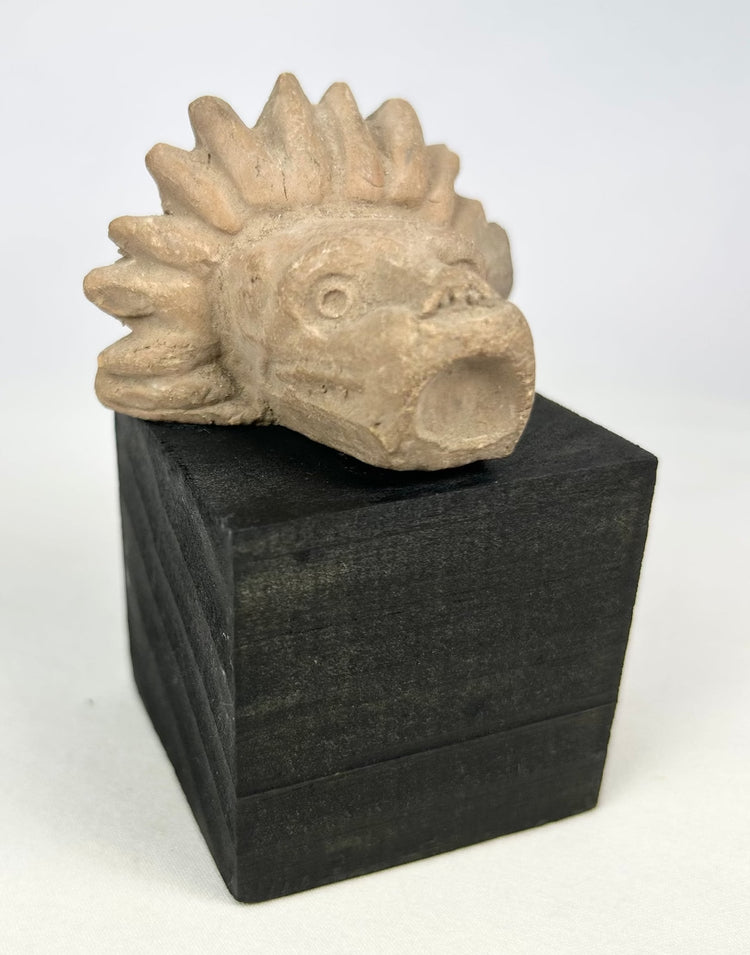
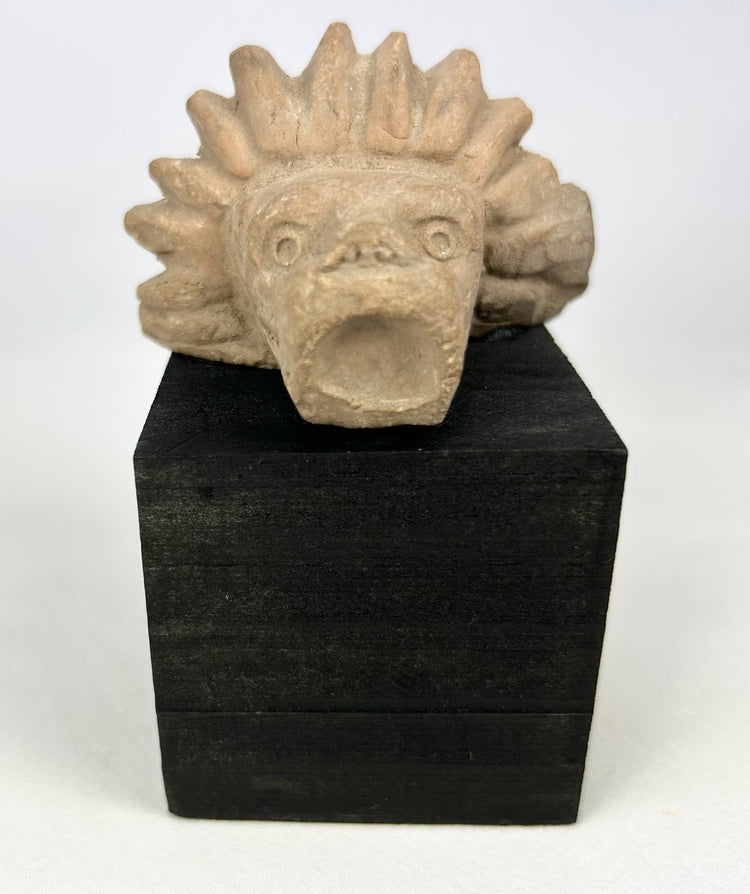
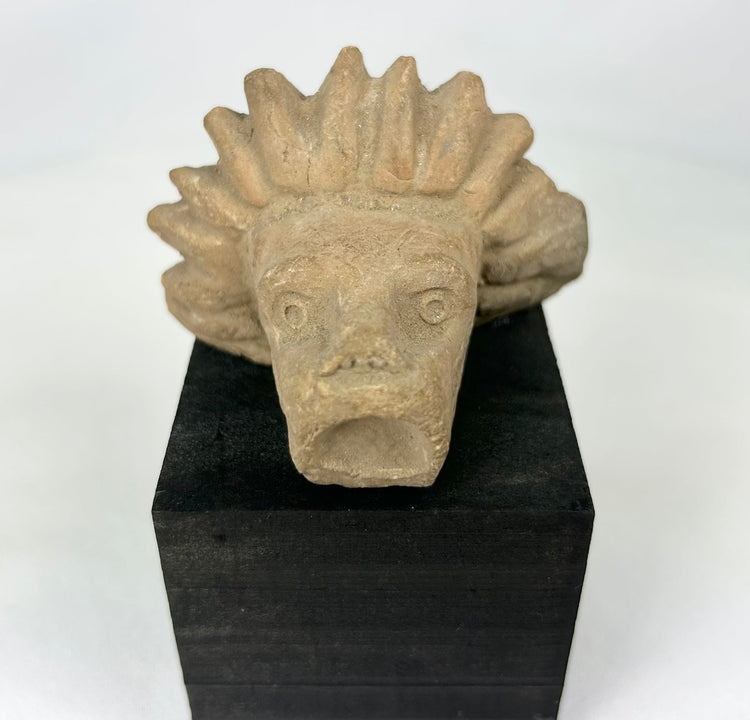
Ce fragment de pierre finement sculpté représente la tête d'un animal féroce, sa gueule ouverte et sa crinière rayonnante ou sa crête épineuse suggérant une bête gardienne telle qu'un jaguar ou une divinité ressemblant à un lion. La sculpture stylisée met l'accent sur la force et le pouvoir protecteur, thèmes centraux de l'art et de la spiritualité mésoaméricains. Bien qu'il ait fait partie d'une plus grande œuvre architecturale ou rituelle, le fragment conserve de nombreux détails au niveau du museau, des yeux et de la crête. Maintenant monté sur un socle d'exposition noir sur mesure, il se présente à la fois comme un artefact archéologique et un fragment sculptural frappant.
Caractéristiques
- Fragment de tête en pierre sculptée avec crinière ou crête rayonnante
- Expression gueule ouverte symbolisant la férocité et la protection
- Probablement partie d'une sculpture architecturale ou cérémonielle plus grande
- Monté sur un socle d'exposition noir pour la préservation et l'exposition
Signification culturelle
Dans les cultures mésoaméricaines, le jaguar était vénéré comme un puissant symbole de force divine, de l'au-delà et de protection. Des têtes sculptées comme celle-ci ornaient souvent les temples et les sanctuaires, incarnant des forces gardiennes qui protégeaient les espaces sacrés. Ces sculptures reflètent à la fois les réalisations artistiques et la vision du monde profondément spirituelle des sociétés précolombiennes. Aujourd'hui, de tels fragments sont très appréciés pour leur conception audacieuse, leur résonance culturelle et leur lien direct avec l'architecture cérémonielle ancienne.
Condition
Fragmentaire mais stable, avec une patine et une usure de surface compatibles avec un grand âge et un enfouissement. Solidement monté pour l'exposition.
Dimensions (Approximatives)
Hauteur : 3,5 po
Largeur : 2 po
Profondeur : 2 po
Âge
525–1 125 ans
Provenance
Anciennement détenu dans une collection privée à Chicago, Illinois, USA, assemblée par un collectionneur spécialisé dans les artefacts précolombiens.
En savoir plus
Découvrez l'héritage culturel des civilisations précolombiennes et leurs traditions artistiques
Découvrez notre collection d'artefacts précolombiens anciens
Description
Contexte historique et origine
Région : Mésoamérique (possible influence aztèque ou maya)
Matériau : Pierre sculptée (probablement calcaire ou pierre volcanique)
Période : Précolombienne, vers 900-1500 de notre ère
Description
Ce fragment de pierre finement sculpté représente la tête d'un animal féroce, sa gueule ouverte et sa crinière rayonnante ou sa crête épineuse suggérant une bête gardienne telle qu'un jaguar ou une divinité ressemblant à un lion. La sculpture stylisée met l'accent sur la force et le pouvoir protecteur, thèmes centraux de l'art et de la spiritualité mésoaméricains. Bien qu'il ait fait partie d'une plus grande œuvre architecturale ou rituelle, le fragment conserve de nombreux détails au niveau du museau, des yeux et de la crête. Maintenant monté sur un socle d'exposition noir sur mesure, il se présente à la fois comme un artefact archéologique et un fragment sculptural frappant.
Caractéristiques
- Fragment de tête en pierre sculptée avec crinière ou crête rayonnante
- Expression gueule ouverte symbolisant la férocité et la protection
- Probablement partie d'une sculpture architecturale ou cérémonielle plus grande
- Monté sur un socle d'exposition noir pour la préservation et l'exposition
Signification culturelle
Dans les cultures mésoaméricaines, le jaguar était vénéré comme un puissant symbole de force divine, de l'au-delà et de protection. Des têtes sculptées comme celle-ci ornaient souvent les temples et les sanctuaires, incarnant des forces gardiennes qui protégeaient les espaces sacrés. Ces sculptures reflètent à la fois les réalisations artistiques et la vision du monde profondément spirituelle des sociétés précolombiennes. Aujourd'hui, de tels fragments sont très appréciés pour leur conception audacieuse, leur résonance culturelle et leur lien direct avec l'architecture cérémonielle ancienne.
Condition
Fragmentaire mais stable, avec une patine et une usure de surface compatibles avec un grand âge et un enfouissement. Solidement monté pour l'exposition.
Dimensions (Approximatives)
Hauteur : 3,5 po
Largeur : 2 po
Profondeur : 2 po
Âge
525–1 125 ans
Provenance
Anciennement détenu dans une collection privée à Chicago, Illinois, USA, assemblée par un collectionneur spécialisé dans les artefacts précolombiens.
En savoir plus
Découvrez l'héritage culturel des civilisations précolombiennes et leurs traditions artistiques
Découvrez notre collection d'artefacts précolombiens anciens
Vous aimerez peut-être aussi
