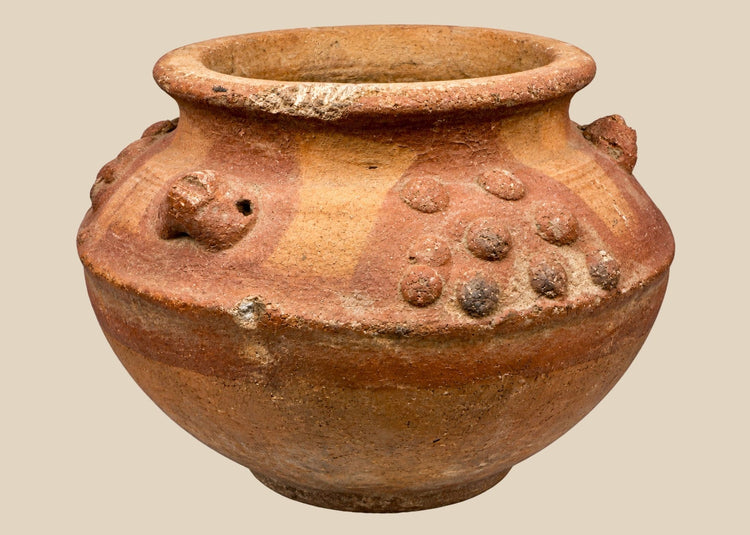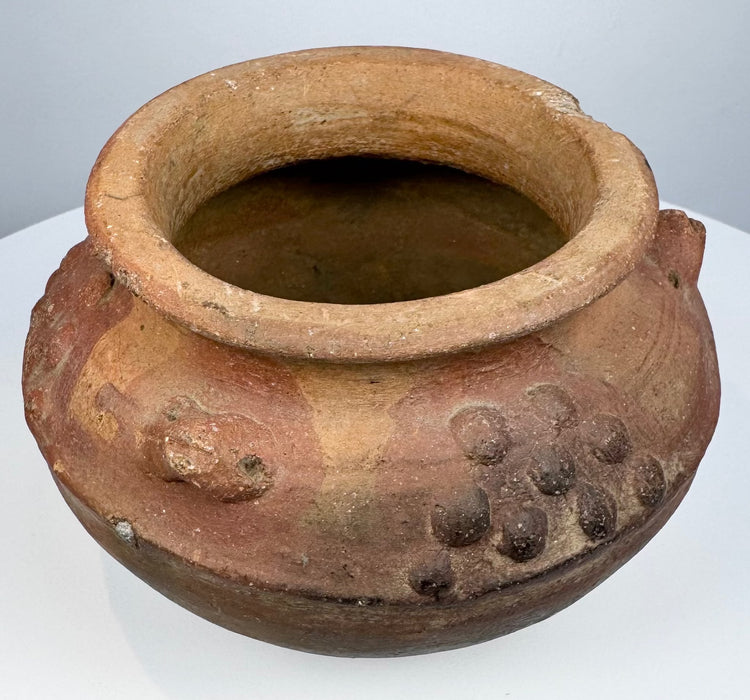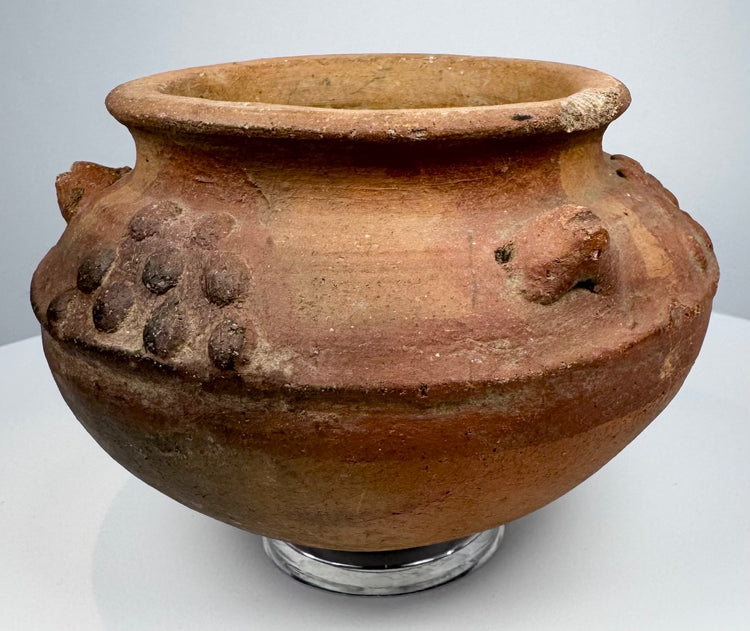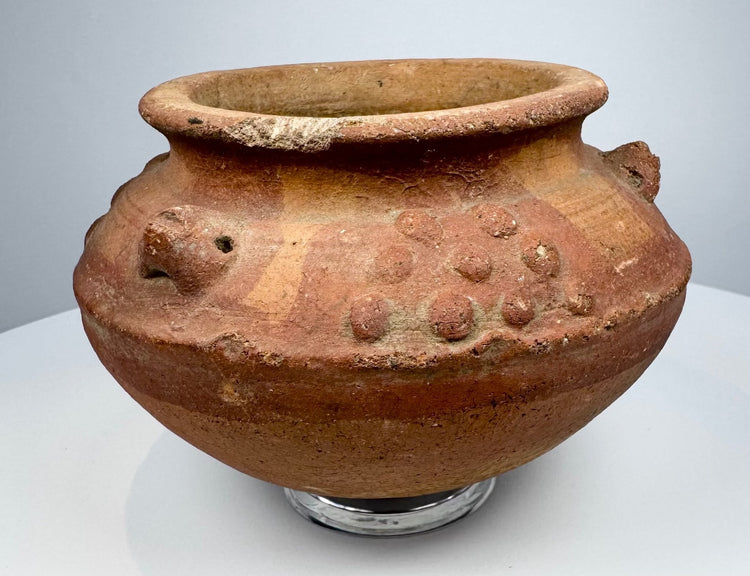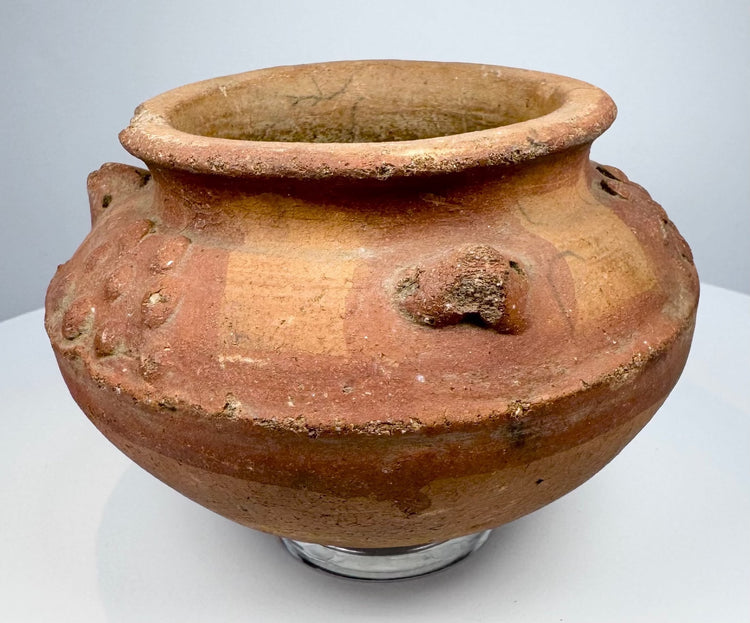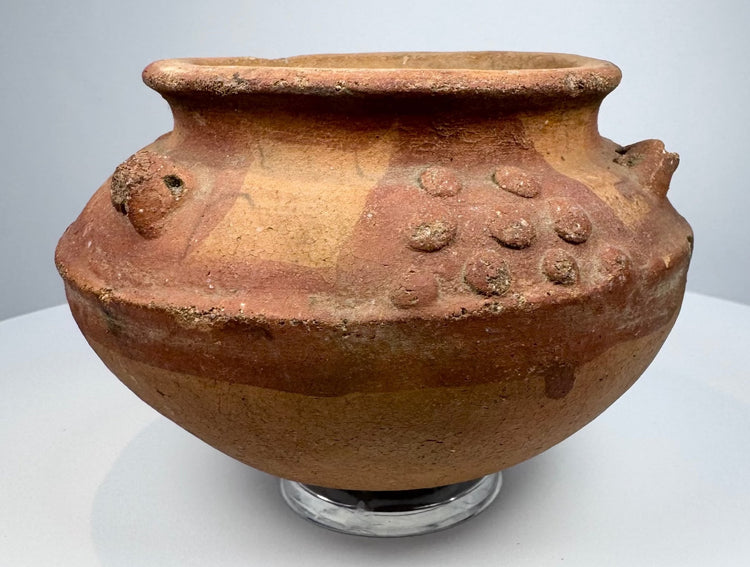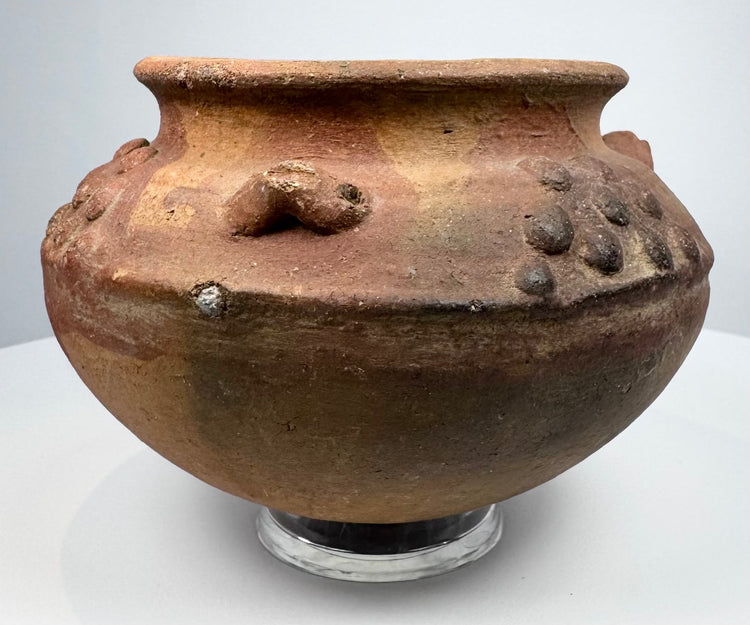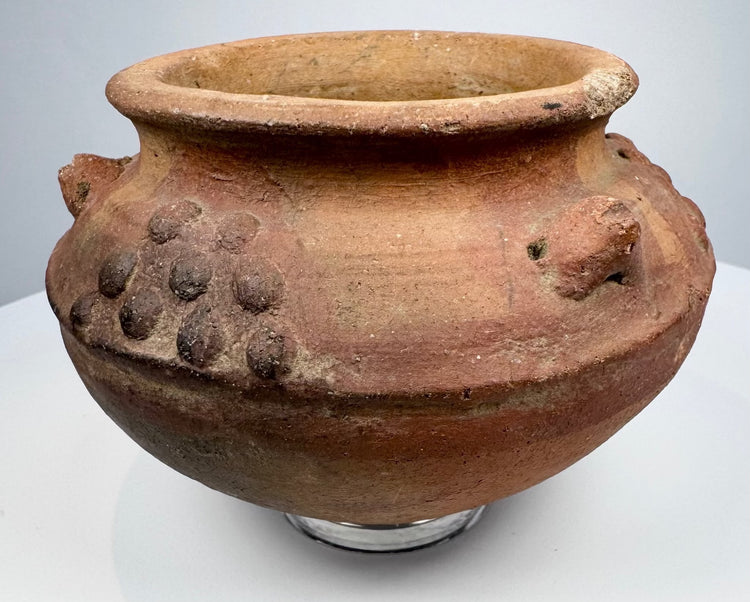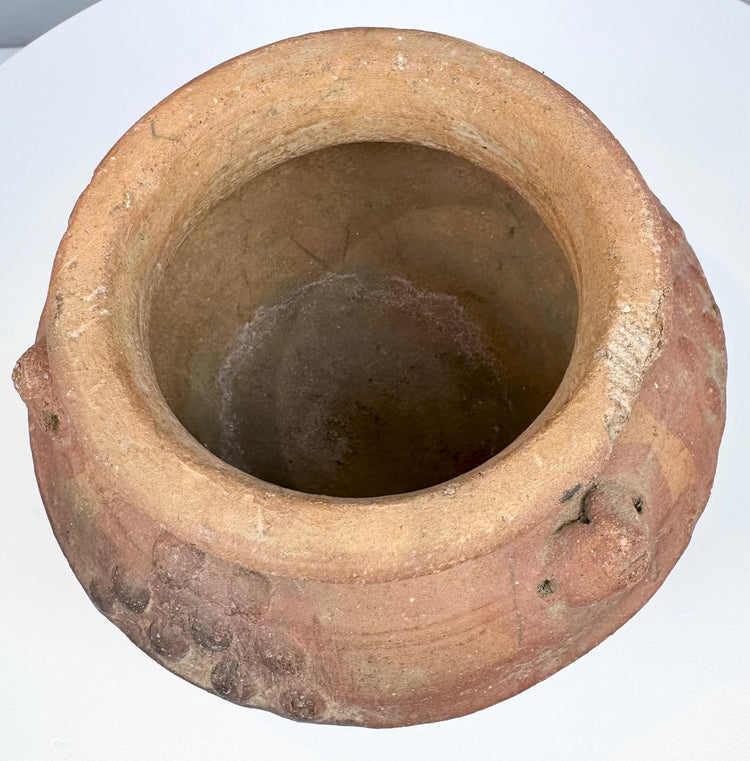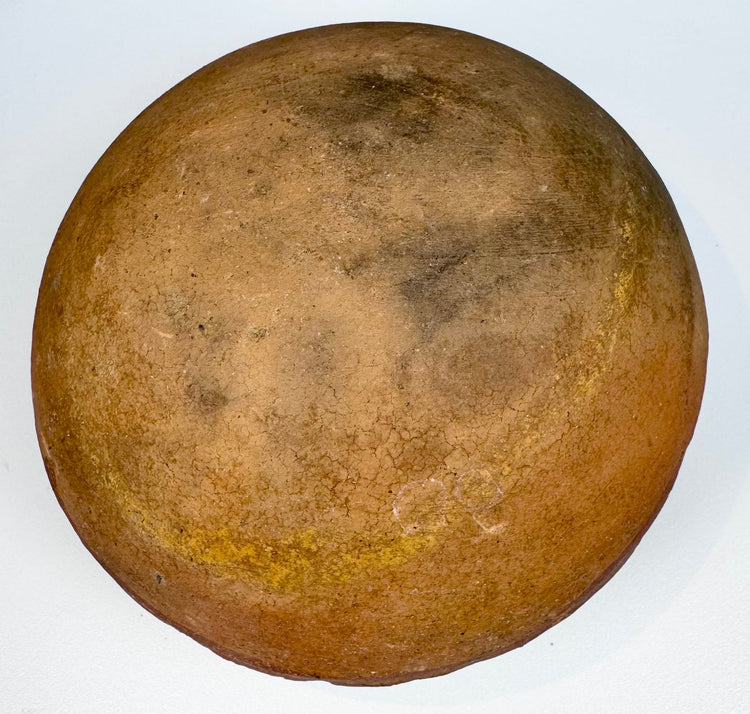
Vase précolombien en terre cuite à motif décoratif en relief | Circa 800-1500 après J.-C.

Historique de provenance et de propriété

Anciennement dans une collection privée à Boonton, New Jersey, États-Unis.

Prix habituel
$500.00
Prix soldé
$500.00
Prix habituel
Frais de port calculés à la caisse.

This is a one-of-a-kind historical object. Once sold, this exact piece will not be restocked.

Questions before acquiring? Additional photographs, condition details, documentation, shipping information or a private viewing are available upon request.
Pre-Columbian terracotta vessel from Central or South America, 800–1500 CE, featuring raised decorative clusters and sculpted motifs. Hand-molded clay vessel reflects Mesoamerican or Andean ritual and ceremonial craftsmanship, highlighting fertility and spiritual symbolism in ancient civilizations.
Vase précolombien en terre cuite à motif décoratif en relief | Circa 800-1500 après J.-C.
Pre-Columbian terracotta vessel from Central or South America, circa 800–1500 CE, with raised decorative clusters and reddish-brown patina.
Ancient Mesoamerican or Andean pottery vessel with sculpted surface motifs and hand-formed terracotta construction.
Pre-Columbian ceramic vessel featuring raised decorative elements and a naturally aged red-brown clay surface.
Ancient terracotta ritual vessel from the Americas with molded ornament and compact hand-crafted form.
Historic Pre-Columbian pottery artifact with sculpted clusters, textured decoration, and centuries-old surface wear.
Ancient Central or South American terracotta vessel displaying raised motifs and traditional Pre-Columbian ceramic craftsmanship.
Pre-Columbian clay vessel, circa 800–1500 CE, with reddish-brown earthenware body and decorative relief elements.
Ancient American ceramic vessel with hand-modeled surface decoration and natural archaeological patina.
Pre-Columbian terracotta pottery vessel associated with Mesoamerican or Andean cultural traditions and ceremonial use.
Ancient sculpted clay vessel from the Pre-Columbian Americas with raised ornament and preserved earthen surface.
  • Pre-Columbian terracotta vessel from Central or South America, 800–1500 CE, featuring raised decorative clusters and sculpted motifs. Hand-molded clay vessel reflects Mesoamerican or Andean ritual and ceremonial craftsmanship, highlighting fertility and spiritual symbolism in ancient civilizations.
  • Vase précolombien en terre cuite à motif décoratif en relief | Circa 800-1500 après J.-C.
  • Pre-Columbian terracotta vessel from Central or South America, circa 800–1500 CE, with raised decorative clusters and reddish-brown patina.
  • Ancient Mesoamerican or Andean pottery vessel with sculpted surface motifs and hand-formed terracotta construction.
  • Pre-Columbian ceramic vessel featuring raised decorative elements and a naturally aged red-brown clay surface.
  • Ancient terracotta ritual vessel from the Americas with molded ornament and compact hand-crafted form.
  • Historic Pre-Columbian pottery artifact with sculpted clusters, textured decoration, and centuries-old surface wear.
  • Ancient Central or South American terracotta vessel displaying raised motifs and traditional Pre-Columbian ceramic craftsmanship.
  • Pre-Columbian clay vessel, circa 800–1500 CE, with reddish-brown earthenware body and decorative relief elements.
  • Ancient American ceramic vessel with hand-modeled surface decoration and natural archaeological patina.
  • Pre-Columbian terracotta pottery vessel associated with Mesoamerican or Andean cultural traditions and ceremonial use.
  • Ancient sculpted clay vessel from the Pre-Columbian Americas with raised ornament and preserved earthen surface.
Pre-Columbian terracotta vessel from Central or South America, 800–1500 CE, featuring raised decorative clusters and sculpted motifs. Hand-molded clay vessel reflects Mesoamerican or Andean ritual and ceremonial craftsmanship, highlighting fertility and spiritual symbolism in ancient civilizations.
Vase précolombien en terre cuite à motif décoratif en relief | Circa 800-1500 après J.-C.
Pre-Columbian terracotta vessel from Central or South America, circa 800–1500 CE, with raised decorative clusters and reddish-brown patina.
Ancient Mesoamerican or Andean pottery vessel with sculpted surface motifs and hand-formed terracotta construction.
Pre-Columbian ceramic vessel featuring raised decorative elements and a naturally aged red-brown clay surface.
Ancient terracotta ritual vessel from the Americas with molded ornament and compact hand-crafted form.
Historic Pre-Columbian pottery artifact with sculpted clusters, textured decoration, and centuries-old surface wear.
Ancient Central or South American terracotta vessel displaying raised motifs and traditional Pre-Columbian ceramic craftsmanship.
Pre-Columbian clay vessel, circa 800–1500 CE, with reddish-brown earthenware body and decorative relief elements.
Ancient American ceramic vessel with hand-modeled surface decoration and natural archaeological patina.
Pre-Columbian terracotta pottery vessel associated with Mesoamerican or Andean cultural traditions and ceremonial use.
Ancient sculpted clay vessel from the Pre-Columbian Americas with raised ornament and preserved earthen surface.
Authenticity and secure checkout guarantee

Vase précolombien en terre cuite à motif décoratif en relief | Circa 800-1500 après J.-C.

Description

Contexte historique et origine

Région : Amérique centrale ou du Sud (Mésoaméricaine ou Andine)
Matériau : Terre cuite
Période : 800-1500 apr. J.-C.

Description

Cette exceptionnelle jarre précolombienne en terre cuite illustre l'art et le savoir-faire des anciennes cultures mésoaméricaines ou andines, telles que les Mayas, les Aztèques ou les Incas. La jarre est décorée de motifs sculptés et de grappes en relief, suggérant une utilisation à la fois pratique et cérémonielle. Sa couleur argile rouge-brun, façonnée avec précision, reflète les traditions céramiques avancées de ces civilisations.

Caractéristiques

- Grappes décoratives en relief et motifs sculptés

- Détails moulés à la main, caractéristiques de la poterie rituelle

- Taille compacte, idéale pour l'exposition, avec un artisanat complexe

- Argile rouge-brun riche avec patine naturelle

Signification culturelle

Des récipients comme celui-ci étaient souvent au centre de la vie rituelle et quotidienne, utilisés pour des offrandes, le stockage de céréales ou de liquides cérémoniels. Les motifs décoratifs avaient probablement des significations symboliques liées à la fertilité, aux cycles de la vie, à la spiritualité ou aux divinités. En tant qu'artefact, il représente les expressions culturelles et artistiques complexes des sociétés précolombiennes, offrant un aperçu de leurs traditions cérémonielles et de leur vénération pour l'imagerie symbolique.

État

Bien conservé avec un vieillissement élégant. La patine naturelle de surface et l'usure mineure, conformes à l'âge, renforcent son authenticité et son attrait historique.

Dimensions (approximatives)

Hauteur : 12,7 cm
Largeur : 10,16 cm

Âge (approximatif)

525-1 225 ans

Provenance

Anciennement détenu dans une collection privée à Boonton, New Jersey, États-Unis.

En savoir plus

Explorez l'art et la culture matérielle précolombiens à travers L'histoire du monde précolombien

Parcourez notre Collection d'artefacts précolombiens anciens

Description

Contexte historique et origine

Région : Amérique centrale ou du Sud (Mésoaméricaine ou Andine)
Matériau : Terre cuite
Période : 800-1500 apr. J.-C.

Description

Cette exceptionnelle jarre précolombienne en terre cuite illustre l'art et le savoir-faire des anciennes cultures mésoaméricaines ou andines, telles que les Mayas, les Aztèques ou les Incas. La jarre est décorée de motifs sculptés et de grappes en relief, suggérant une utilisation à la fois pratique et cérémonielle. Sa couleur argile rouge-brun, façonnée avec précision, reflète les traditions céramiques avancées de ces civilisations.

Caractéristiques

- Grappes décoratives en relief et motifs sculptés

- Détails moulés à la main, caractéristiques de la poterie rituelle

- Taille compacte, idéale pour l'exposition, avec un artisanat complexe

- Argile rouge-brun riche avec patine naturelle

Signification culturelle

Des récipients comme celui-ci étaient souvent au centre de la vie rituelle et quotidienne, utilisés pour des offrandes, le stockage de céréales ou de liquides cérémoniels. Les motifs décoratifs avaient probablement des significations symboliques liées à la fertilité, aux cycles de la vie, à la spiritualité ou aux divinités. En tant qu'artefact, il représente les expressions culturelles et artistiques complexes des sociétés précolombiennes, offrant un aperçu de leurs traditions cérémonielles et de leur vénération pour l'imagerie symbolique.

État

Bien conservé avec un vieillissement élégant. La patine naturelle de surface et l'usure mineure, conformes à l'âge, renforcent son authenticité et son attrait historique.

Dimensions (approximatives)

Hauteur : 12,7 cm
Largeur : 10,16 cm

Âge (approximatif)

525-1 225 ans

Provenance

Anciennement détenu dans une collection privée à Boonton, New Jersey, États-Unis.

En savoir plus

Explorez l'art et la culture matérielle précolombiens à travers L'histoire du monde précolombien

Parcourez notre Collection d'artefacts précolombiens anciens

Vous aimerez peut-être aussi