

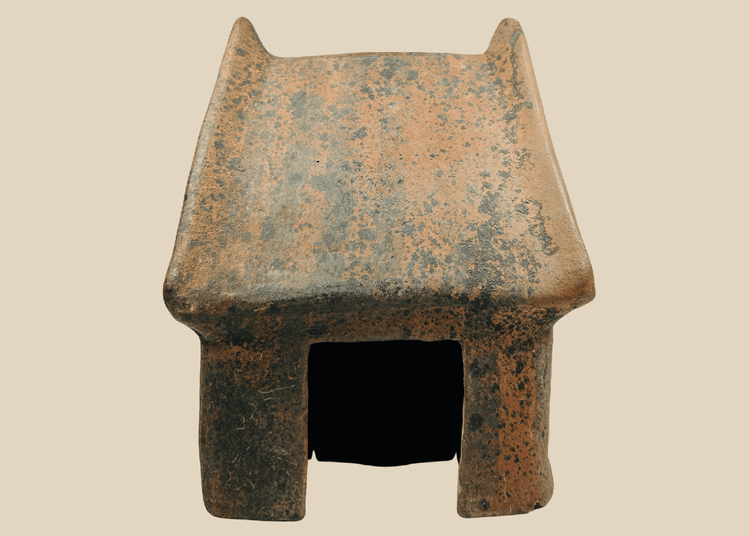
Maison précolombienne en terre cuite de l'ouest du Mexique | Vers 300 av. J.-C. – 300 apr. J.-C.
- Prix habituel
- $500.00
- Prix soldé
- $500.00
- Prix habituel
Impossible de charger la disponibilité du service de retrait


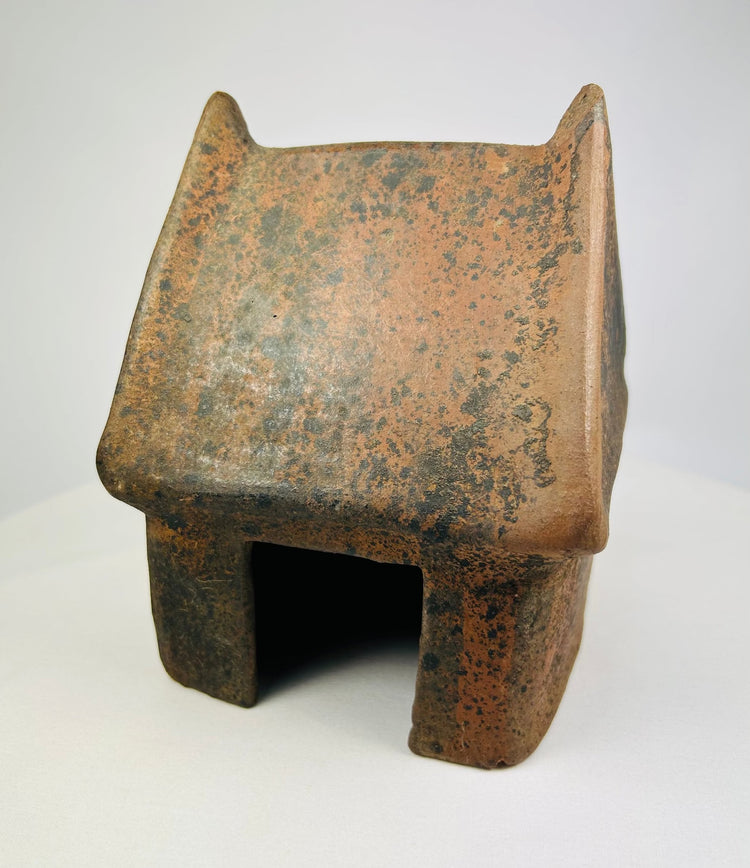

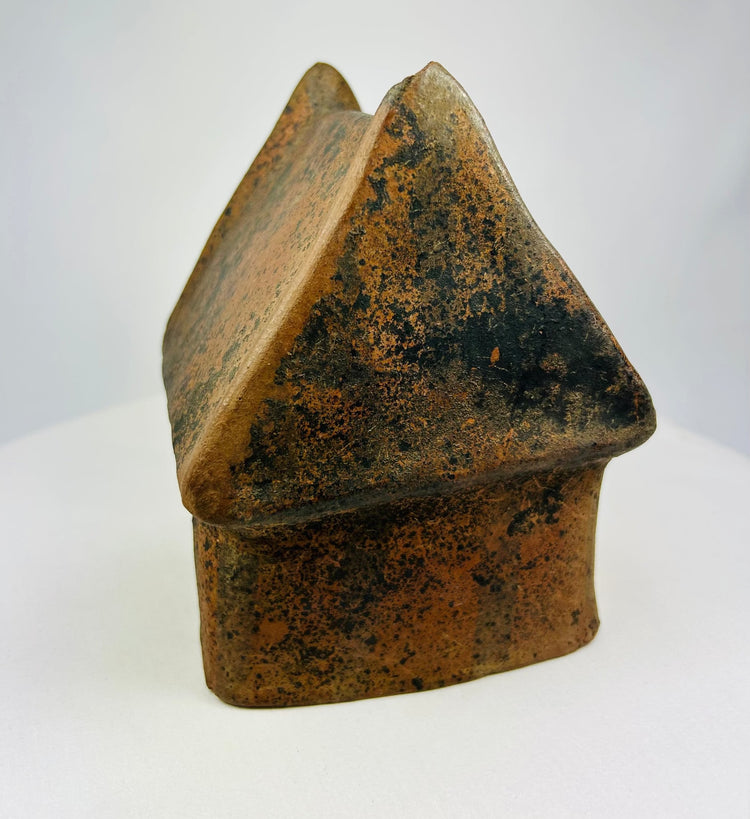
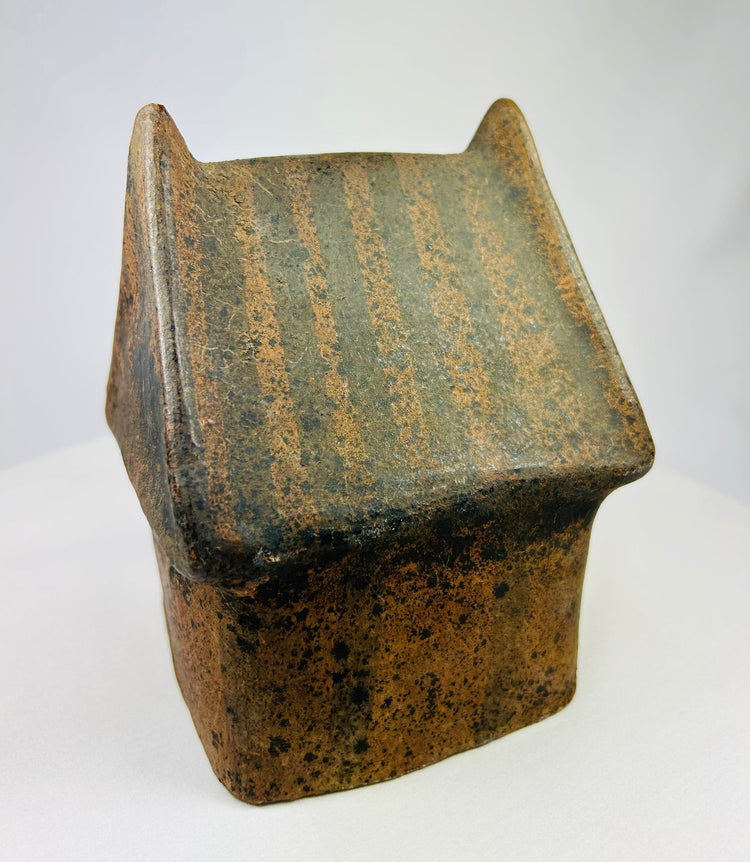
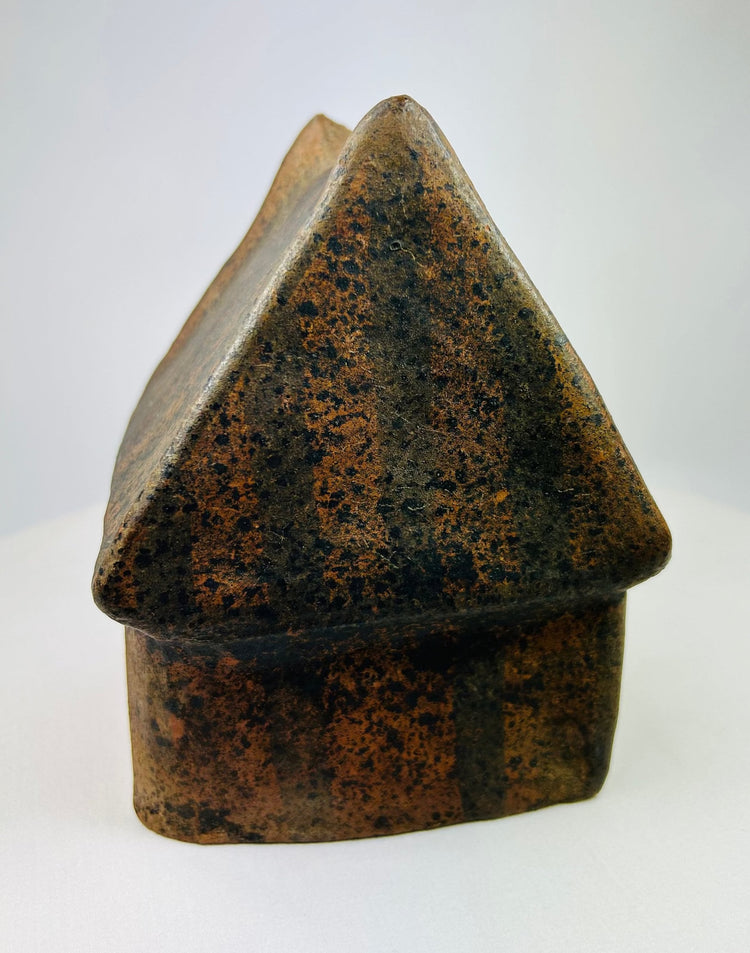
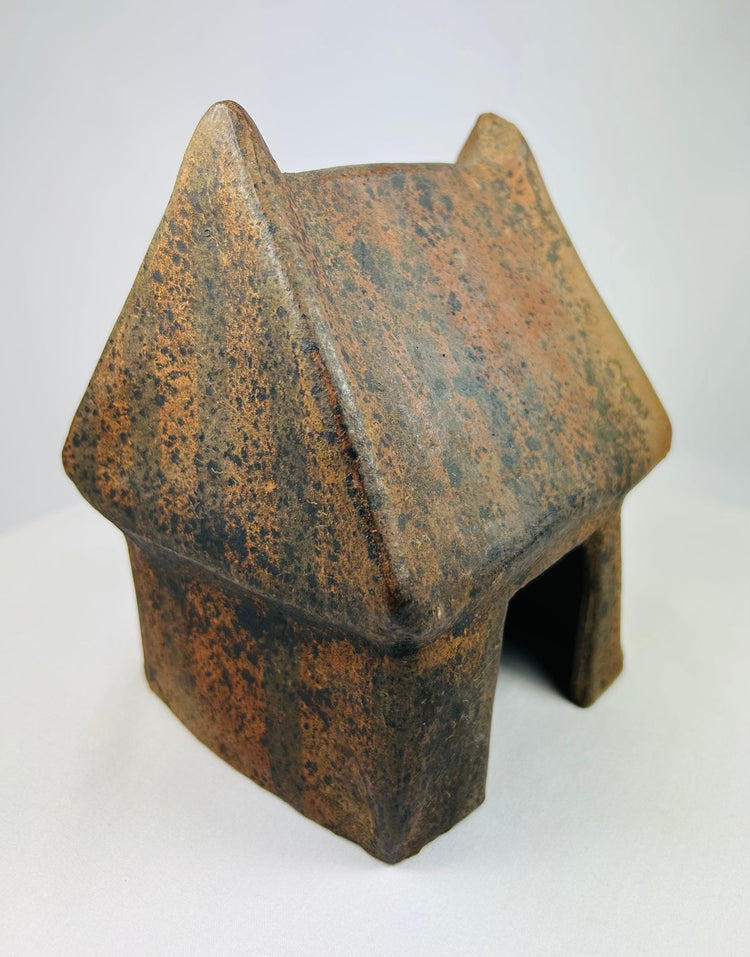

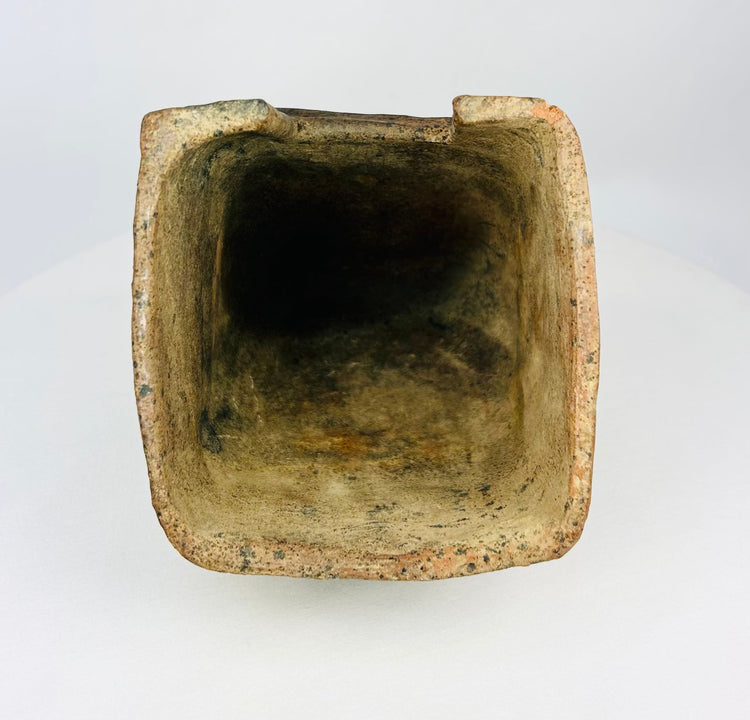
Maison précolombienne en terre cuite de l'ouest du Mexique | Vers 300 av. J.-C. – 300 apr. J.-C.
Description
Plus
Moins
Contexte Historique & Origine
Région : Ouest du Mexique (Nayarit, Jalisco ou Colima)
Matériau : Terre cuite modelée à la main avec dépôts minéraux en surface
Période : Période formative tardive au Protoclassique, vers 300 av. J.-C. – 300 apr. J.-C.
Description
Ce rare modèle architectural en terre cuite est un exemple exceptionnel de la tradition des tombes à puits de l'Ouest du Mexique, une culture réputée pour la production de figures humaines expressives, d'effigies animales et de structures symboliques. Formée à la main à partir d'une terre cuite dense brun-rougeâtre, la pièce représente une maison ou un sanctuaire miniature, dotée d'un toit très incliné et d'une chambre frontale ouverte.
Les modèles architecturaux de ce type étaient placés dans des tombes à puits profondes comme des habitations symboliques pour le défunt — servant de « maisons » spirituelles pour l'au-delà, de représentations d'espaces rituels ou de structures protectrices destinées à veiller sur les occupants de la tombe. La surface conserve de belles concrétions minérales et une patine d'enfouissement, confirmant son long séjour sous terre et son authenticité antique.
Le toit en pente et le corps carré s'alignent étroitement avec des exemples connus de Nayarit et de Jalisco, qui reflètent souvent de véritables structures domestiques ou cérémonielles trouvées dans tout l'ancien Ouest du Mexique.
Caractéristiques
- Modèle architectural miniature de l'Ouest du Mexique représentant une habitation ou un sanctuaire
- Toit en pente distinct et forme de corps rectiligne
- Cavité frontale ouverte symbolisant une porte ou une chambre
- Belles concrétions minérales et patine d'enfouissement authentique
- Profil d'exposition fort avec une géométrie nette et une présence sculpturale
Signification Culturelle
Les effigies architecturales jouaient un rôle rituel important dans les croyances funéraires de l'Ouest du Mexique. Ces structures miniatures symbolisaient la protection, la continuité et le voyage entre la maison terrestre et le royaume spirituel. En tant que microcosmes du monde habité par le défunt, elles renforçaient l'identité familiale, les traditions communautaires et la croyance en une présence ancestrale continue.
Les exemples subsistants sont nettement plus rares que les effigies anthropomorphes et sont très recherchés par les collectionneurs et les érudits de l'art précolombien de l'Ouest du Mexique.
État
Bon état archéologique avec une usure superficielle conforme à l'âge. La minéralisation d'enfouissement et les incrustations terreuses sont intactes. Aucune preuve de restauration moderne.
Dimensions (Approximatives)
Hauteur : 15,2 cm
Largeur : 12,7 cm
Profondeur : 11,4 cm
Âge (Approximatif)
1 700–2 300 ans
En savoir plus
Découvrez les modèles de maisons et les traditions funéraires de l'Ouest du Mexique à la Bibliothèque du Congrès
Découvrez d'autres pièces authentiques dans notre collection d'artefacts précolombiens
Description
Contexte Historique & Origine
Région : Ouest du Mexique (Nayarit, Jalisco ou Colima)
Matériau : Terre cuite modelée à la main avec dépôts minéraux en surface
Période : Période formative tardive au Protoclassique, vers 300 av. J.-C. – 300 apr. J.-C.
Description
Ce rare modèle architectural en terre cuite est un exemple exceptionnel de la tradition des tombes à puits de l'Ouest du Mexique, une culture réputée pour la production de figures humaines expressives, d'effigies animales et de structures symboliques. Formée à la main à partir d'une terre cuite dense brun-rougeâtre, la pièce représente une maison ou un sanctuaire miniature, dotée d'un toit très incliné et d'une chambre frontale ouverte.
Les modèles architecturaux de ce type étaient placés dans des tombes à puits profondes comme des habitations symboliques pour le défunt — servant de « maisons » spirituelles pour l'au-delà, de représentations d'espaces rituels ou de structures protectrices destinées à veiller sur les occupants de la tombe. La surface conserve de belles concrétions minérales et une patine d'enfouissement, confirmant son long séjour sous terre et son authenticité antique.
Le toit en pente et le corps carré s'alignent étroitement avec des exemples connus de Nayarit et de Jalisco, qui reflètent souvent de véritables structures domestiques ou cérémonielles trouvées dans tout l'ancien Ouest du Mexique.
Caractéristiques
- Modèle architectural miniature de l'Ouest du Mexique représentant une habitation ou un sanctuaire
- Toit en pente distinct et forme de corps rectiligne
- Cavité frontale ouverte symbolisant une porte ou une chambre
- Belles concrétions minérales et patine d'enfouissement authentique
- Profil d'exposition fort avec une géométrie nette et une présence sculpturale
Signification Culturelle
Les effigies architecturales jouaient un rôle rituel important dans les croyances funéraires de l'Ouest du Mexique. Ces structures miniatures symbolisaient la protection, la continuité et le voyage entre la maison terrestre et le royaume spirituel. En tant que microcosmes du monde habité par le défunt, elles renforçaient l'identité familiale, les traditions communautaires et la croyance en une présence ancestrale continue.
Les exemples subsistants sont nettement plus rares que les effigies anthropomorphes et sont très recherchés par les collectionneurs et les érudits de l'art précolombien de l'Ouest du Mexique.
État
Bon état archéologique avec une usure superficielle conforme à l'âge. La minéralisation d'enfouissement et les incrustations terreuses sont intactes. Aucune preuve de restauration moderne.
Dimensions (Approximatives)
Hauteur : 15,2 cm
Largeur : 12,7 cm
Profondeur : 11,4 cm
Âge (Approximatif)
1 700–2 300 ans
En savoir plus
Découvrez les modèles de maisons et les traditions funéraires de l'Ouest du Mexique à la Bibliothèque du Congrès
Découvrez d'autres pièces authentiques dans notre collection d'artefacts précolombiens
Vous aimerez peut-être aussi
