



Bague en argent avec turquoise et motifs gravés | Vers le 1er millénaire avant J.-C.
- Prix habituel
- $600.00
- Prix soldé
- $600.00
- Prix habituel
Impossible de charger la disponibilité du service de retrait


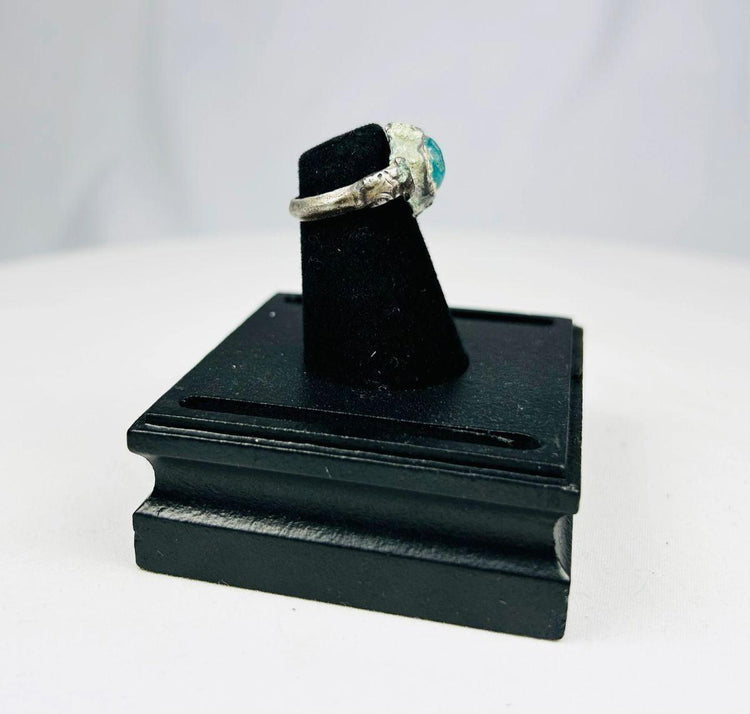
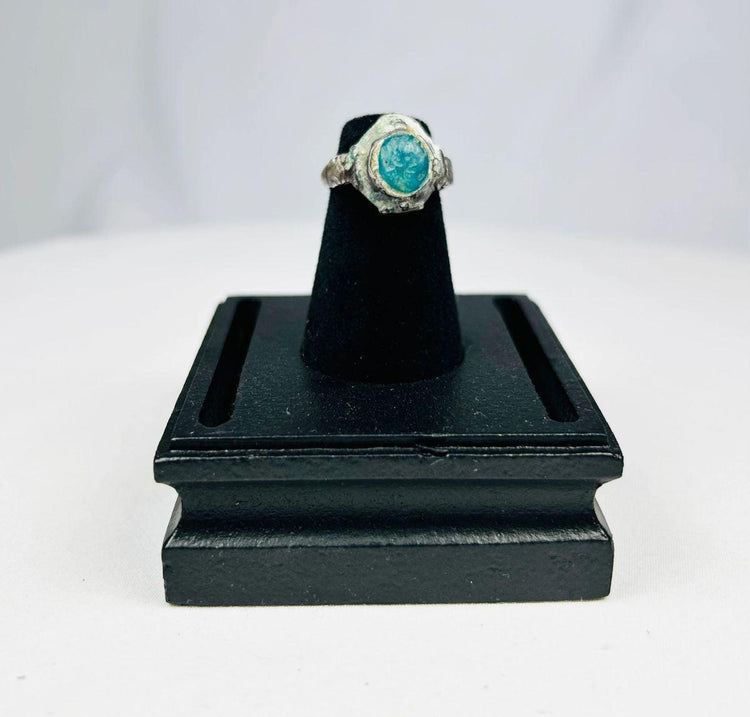
Bague en argent avec turquoise et motifs gravés | Vers le 1er millénaire avant J.-C.
Description
Plus
Moins
Contexte historique et origine
Région : Proche-Orient ancien ou Méditerranée
Matériau : Argent avec incrustation de turquoise
Période : 1er millénaire av. J.-C.
Description
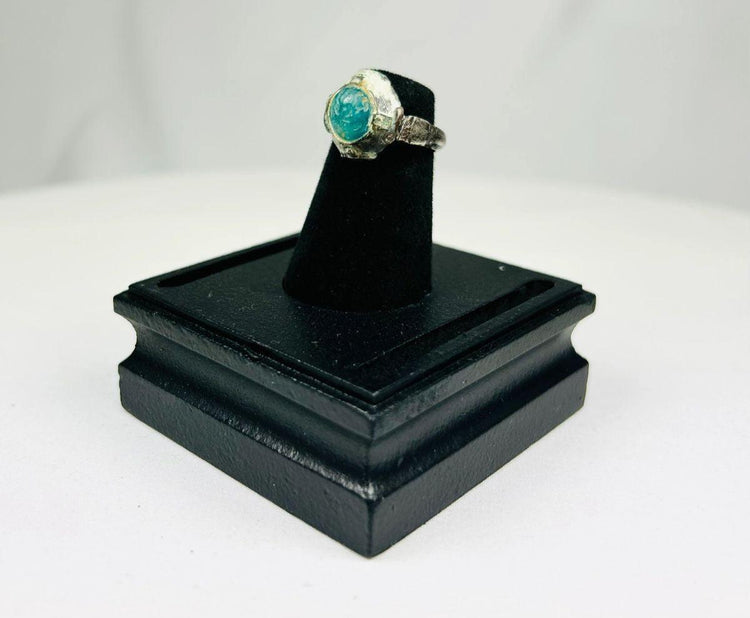
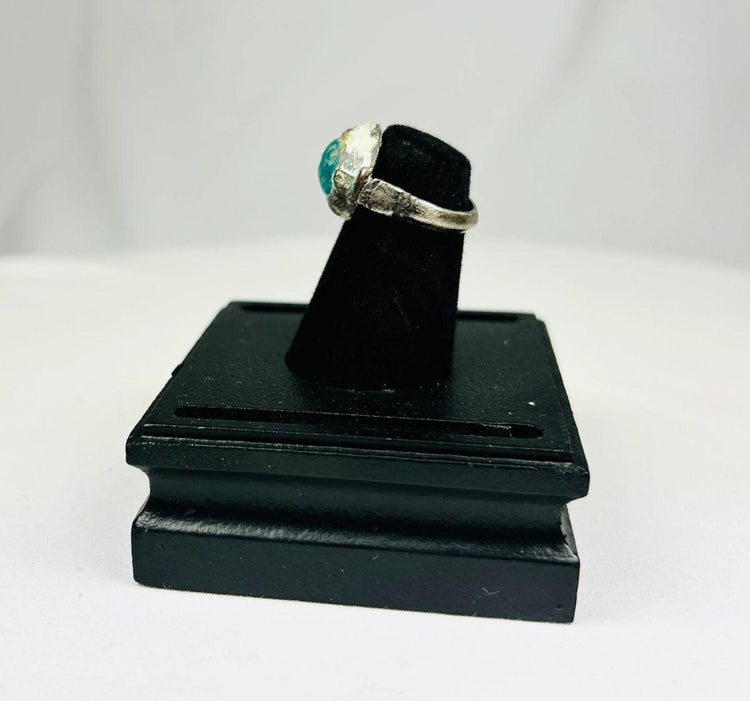
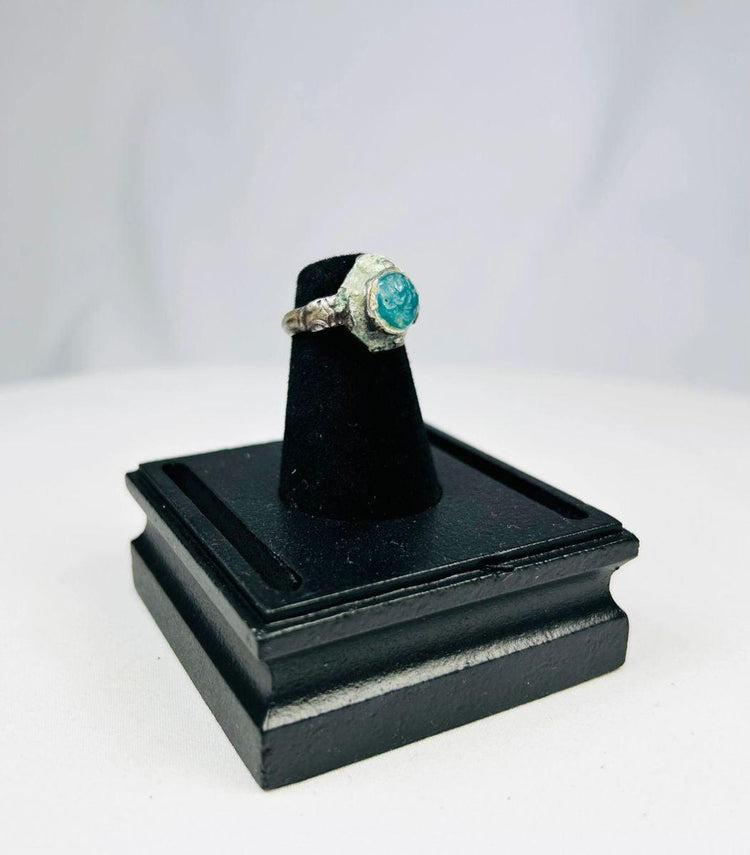
Cette extraordinaire bague ancienne en argent représente un cheval cabré finement gravé avec son cavalier, complété par une pierre de turquoise vibrante sertie dans un chaton surélevé. Les chevaux avaient une immense importance culturelle dans les sociétés anciennes, symbolisant la noblesse, la force et la protection divine. La turquoise ajoute à la fois un éclat esthétique et un symbolisme protecteur, faisant de cette bague non seulement un ornement personnel mais aussi un talisman de statut et de pouvoir.
Caractéristiques
- Motif de cheval cabré et de cavalier finement gravé
- Chaton proéminent serti de turquoise naturelle
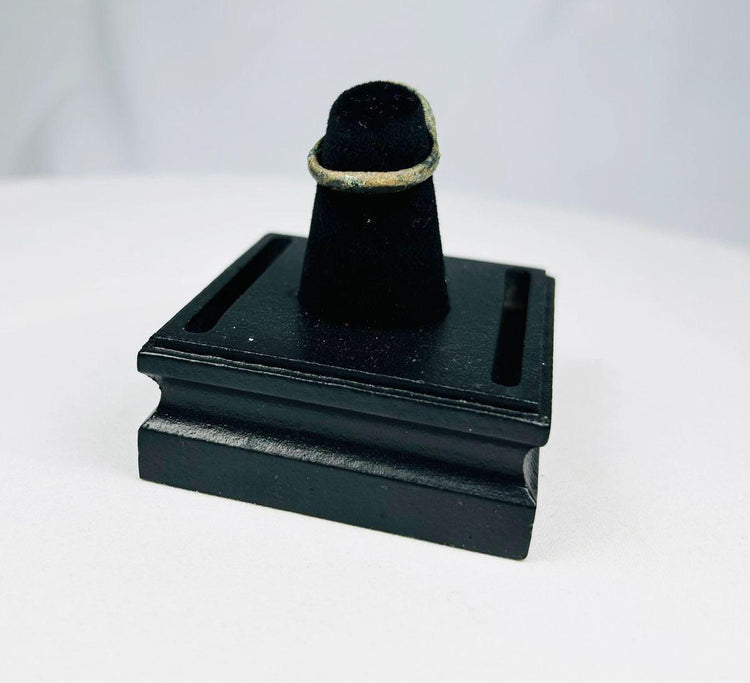
- Anneau en argent avec patine vieillie, reflétant des siècles d'usure
- Artisanat raffiné témoignant des traditions métallurgiques anciennes
Signification culturelle
Dans les mondes proche-oriental et méditerranéen, les chevaux étaient vénérés pour leur rôle dans la guerre, le commerce et les cérémonies. Les bijoux représentant des images équestres dénotaient souvent un statut social élevé, une association militaire ou une protection spirituelle. La turquoise était particulièrement prisée dans l'Antiquité, censée apporter bonne fortune, guérison et faveur divine. Ensemble, ces éléments suggèrent que la bague a pu appartenir à une figure importante, peut-être un guerrier ou un noble.
Condition
Excellente condition ancienne avec une patine naturelle sur l'anneau en argent. La pierre de turquoise reste solidement sertie avec une coloration vibrante, tandis que le motif gravé du cheval et du cavalier est clairement visible. L'usure superficielle mineure est conforme à l'âge et à l'utilisation, ajoutant à son authenticité.
Dimensions (approximatives)
Taille de bague : 7 US
Âge (approximatif)
2 025 à 3 025 ans
En savoir plus
Explorez l'histoire et la signification culturelle de la turquoise
Parcourez notre collection de bagues antiques
Description
Contexte historique et origine
Région : Proche-Orient ancien ou Méditerranée
Matériau : Argent avec incrustation de turquoise
Période : 1er millénaire av. J.-C.
Description
Cette extraordinaire bague ancienne en argent représente un cheval cabré finement gravé avec son cavalier, complété par une pierre de turquoise vibrante sertie dans un chaton surélevé. Les chevaux avaient une immense importance culturelle dans les sociétés anciennes, symbolisant la noblesse, la force et la protection divine. La turquoise ajoute à la fois un éclat esthétique et un symbolisme protecteur, faisant de cette bague non seulement un ornement personnel mais aussi un talisman de statut et de pouvoir.
Caractéristiques
- Motif de cheval cabré et de cavalier finement gravé
- Chaton proéminent serti de turquoise naturelle
- Anneau en argent avec patine vieillie, reflétant des siècles d'usure
- Artisanat raffiné témoignant des traditions métallurgiques anciennes
Signification culturelle
Dans les mondes proche-oriental et méditerranéen, les chevaux étaient vénérés pour leur rôle dans la guerre, le commerce et les cérémonies. Les bijoux représentant des images équestres dénotaient souvent un statut social élevé, une association militaire ou une protection spirituelle. La turquoise était particulièrement prisée dans l'Antiquité, censée apporter bonne fortune, guérison et faveur divine. Ensemble, ces éléments suggèrent que la bague a pu appartenir à une figure importante, peut-être un guerrier ou un noble.
Condition
Excellente condition ancienne avec une patine naturelle sur l'anneau en argent. La pierre de turquoise reste solidement sertie avec une coloration vibrante, tandis que le motif gravé du cheval et du cavalier est clairement visible. L'usure superficielle mineure est conforme à l'âge et à l'utilisation, ajoutant à son authenticité.
Dimensions (approximatives)
Taille de bague : 7 US
Âge (approximatif)
2 025 à 3 025 ans
En savoir plus
Explorez l'histoire et la signification culturelle de la turquoise
Parcourez notre collection de bagues antiques
Vous aimerez peut-être aussi
