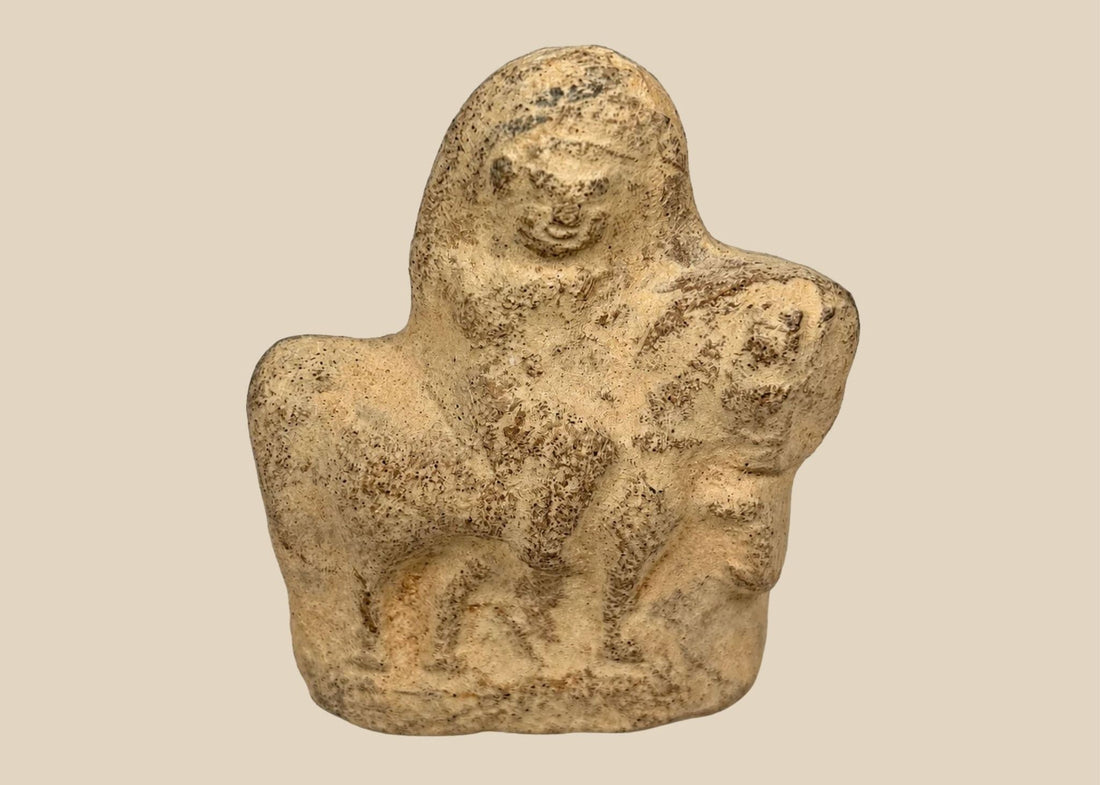
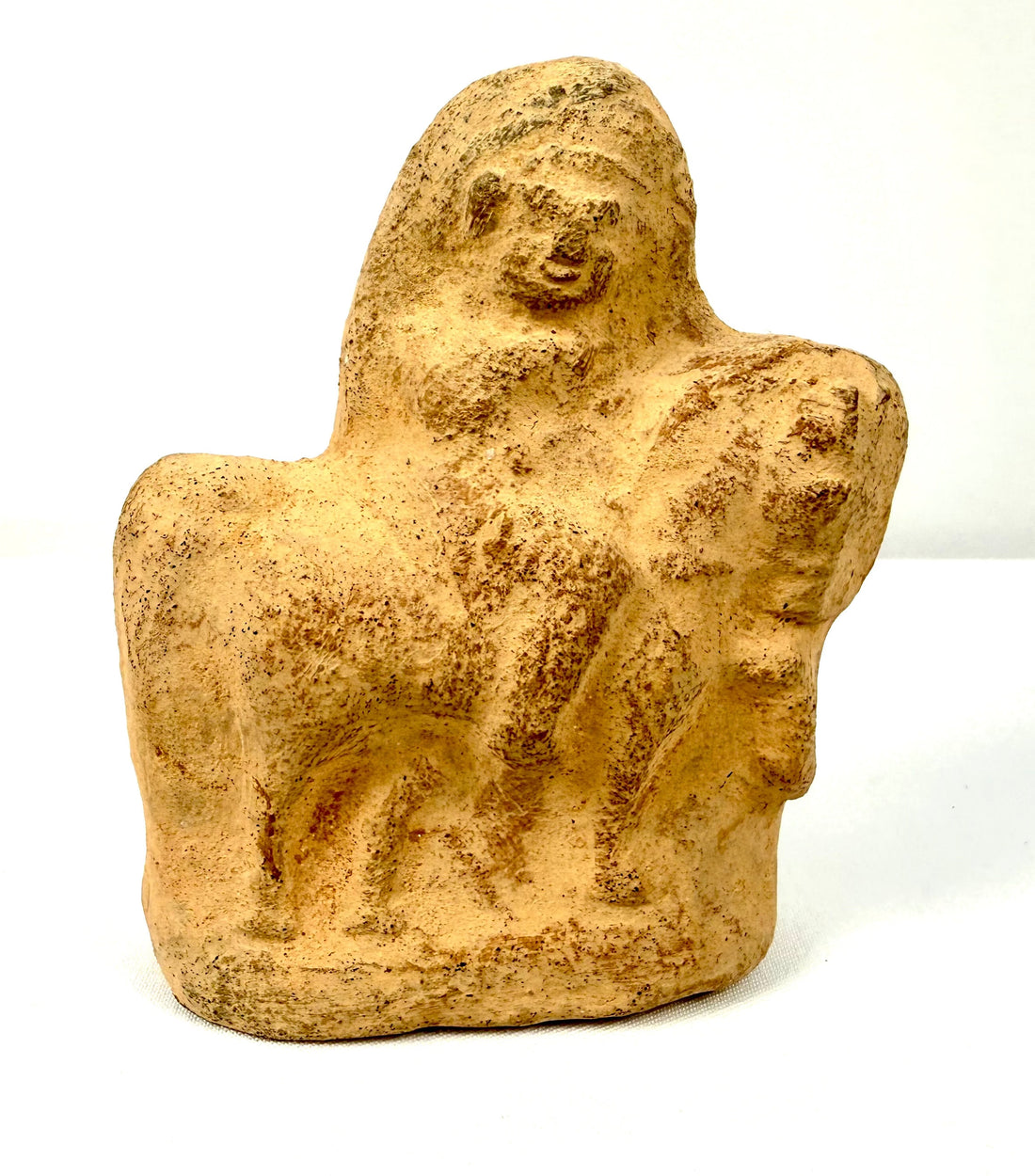
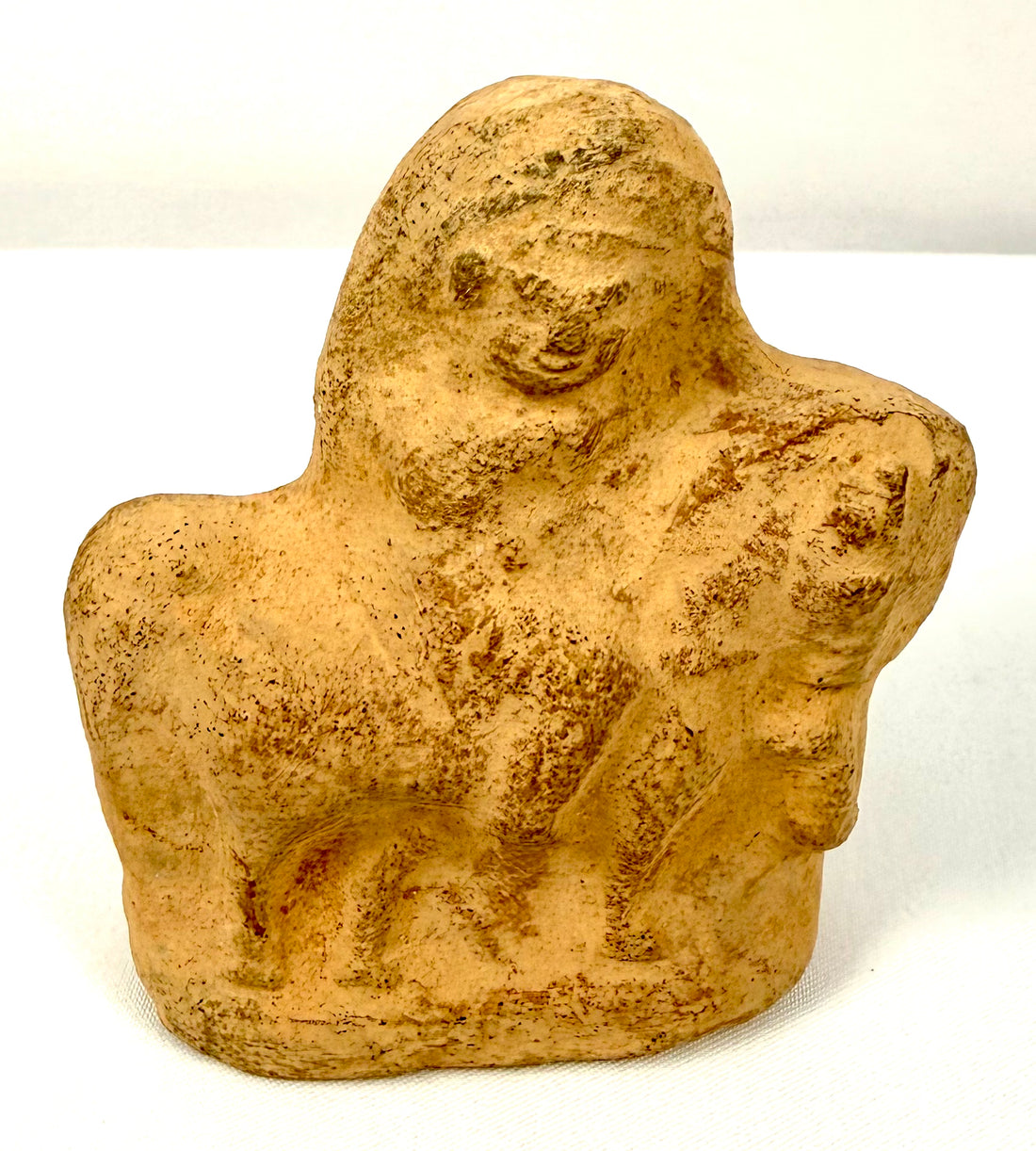
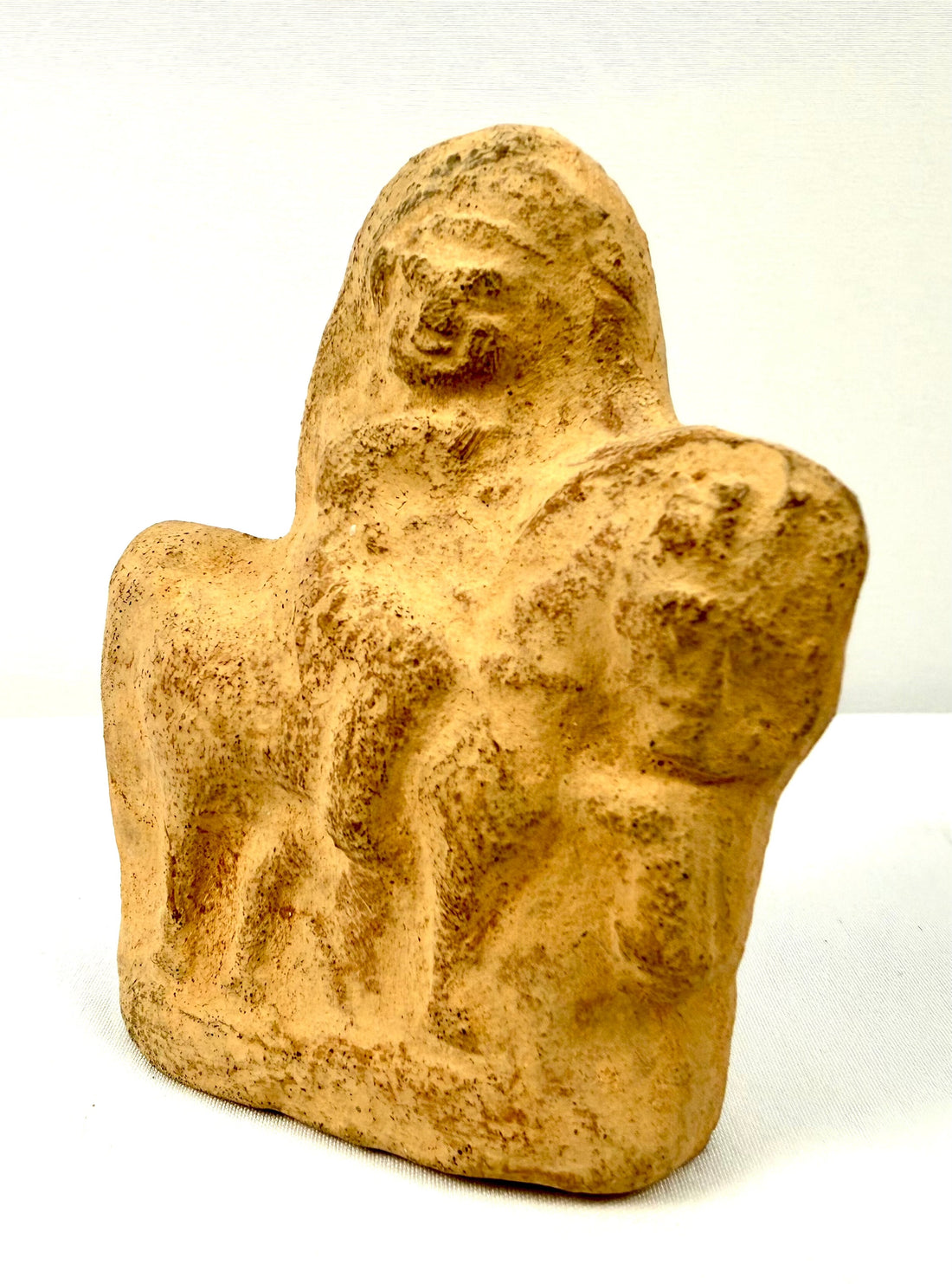
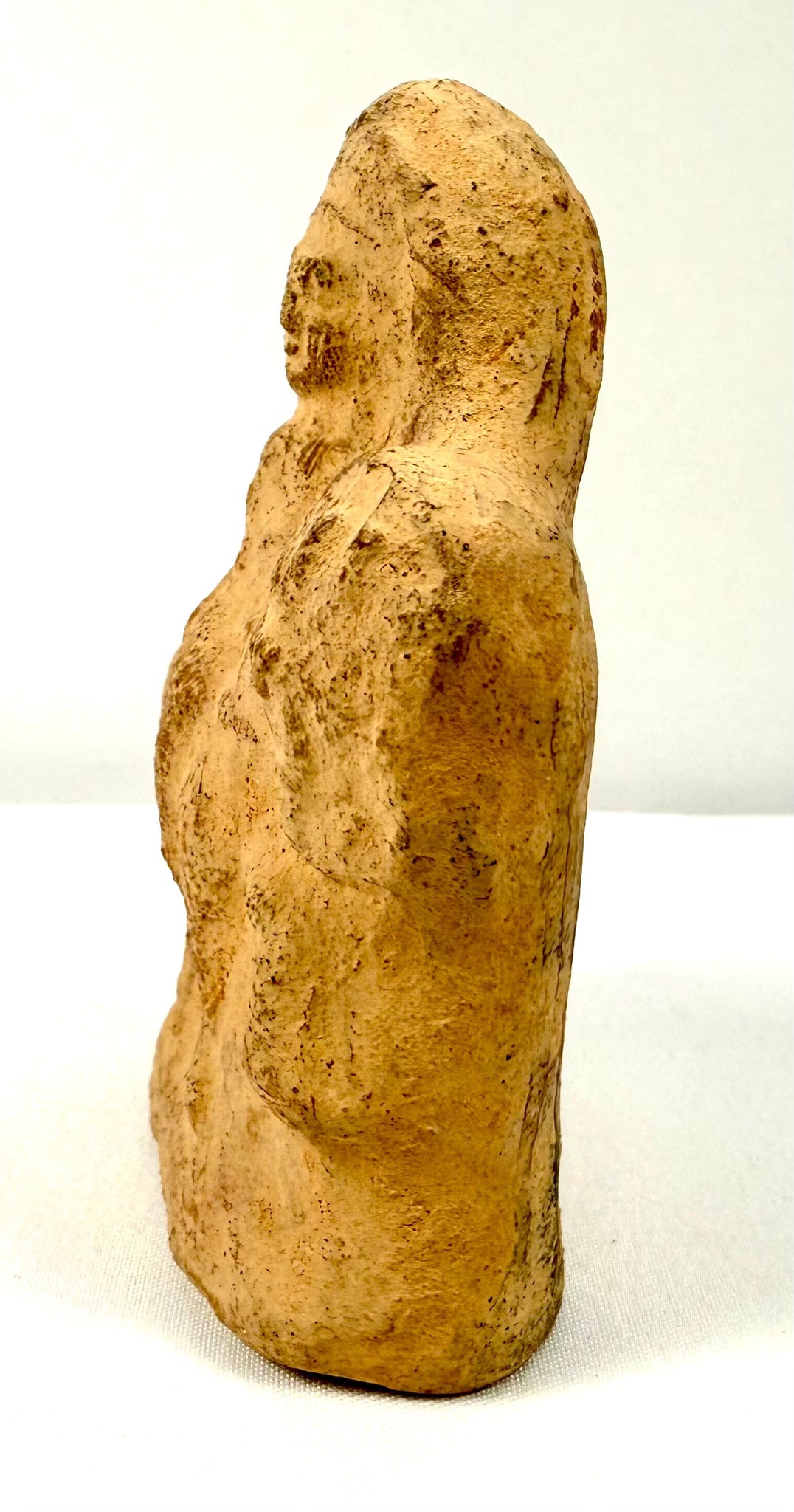
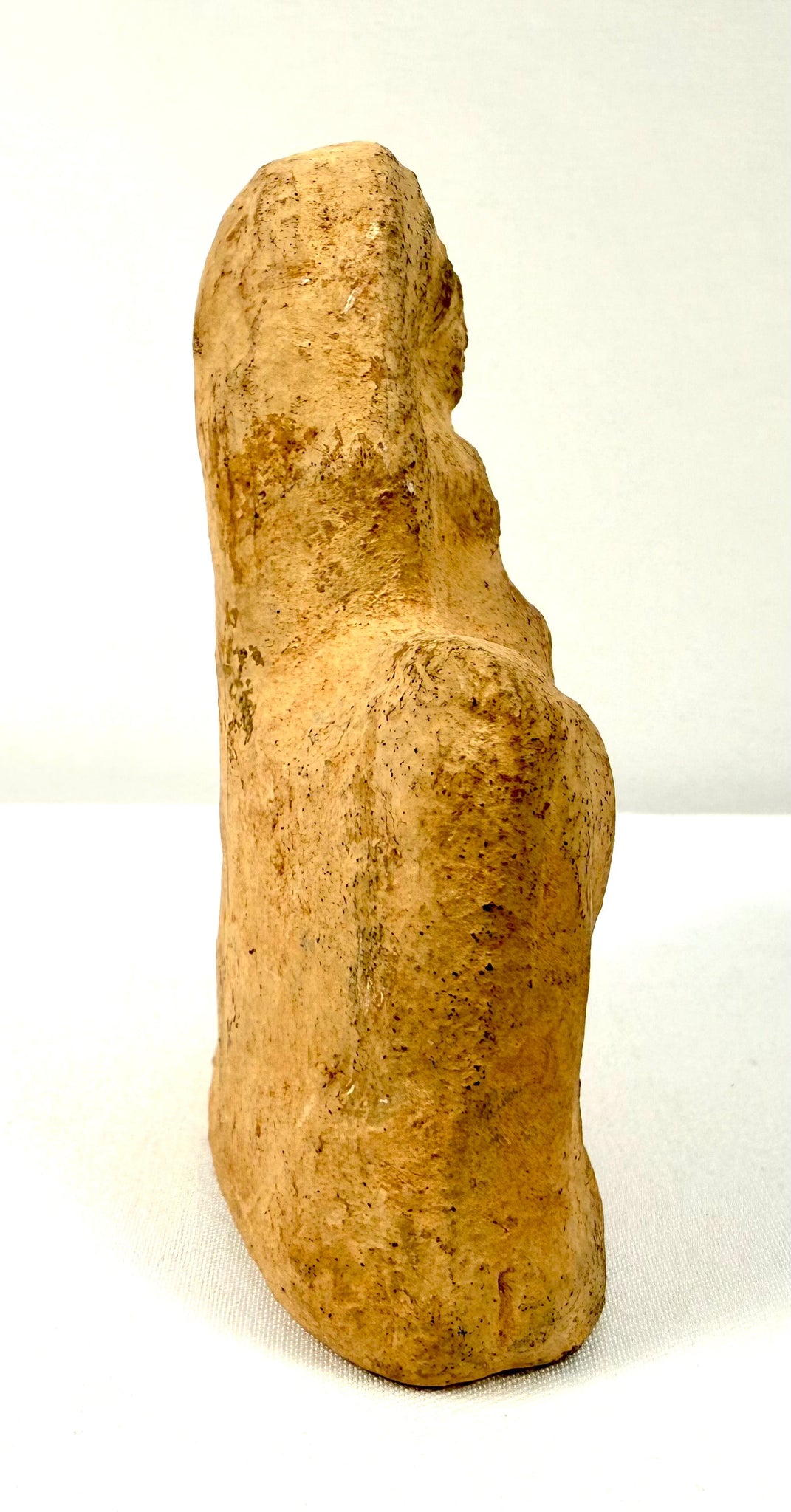
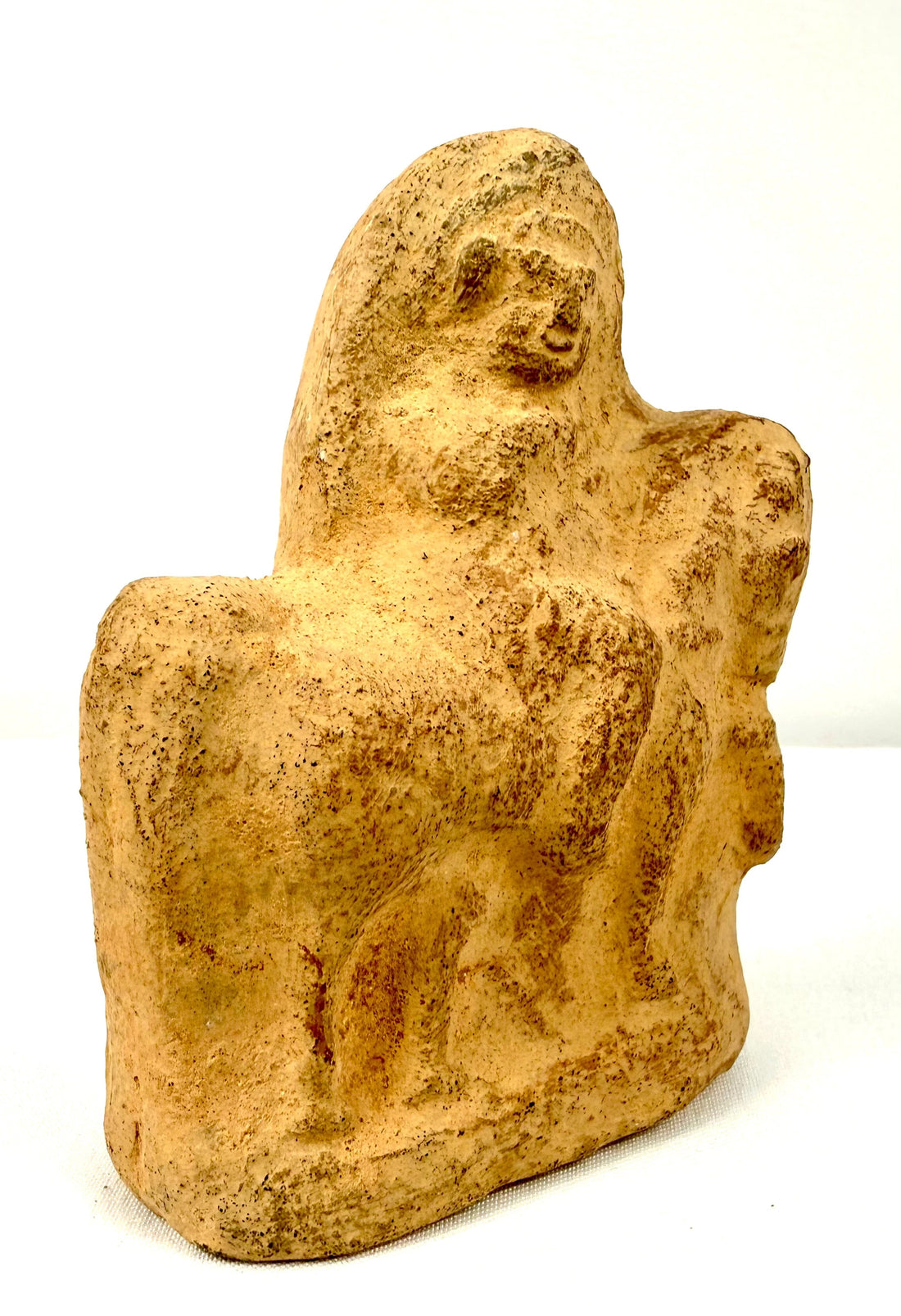
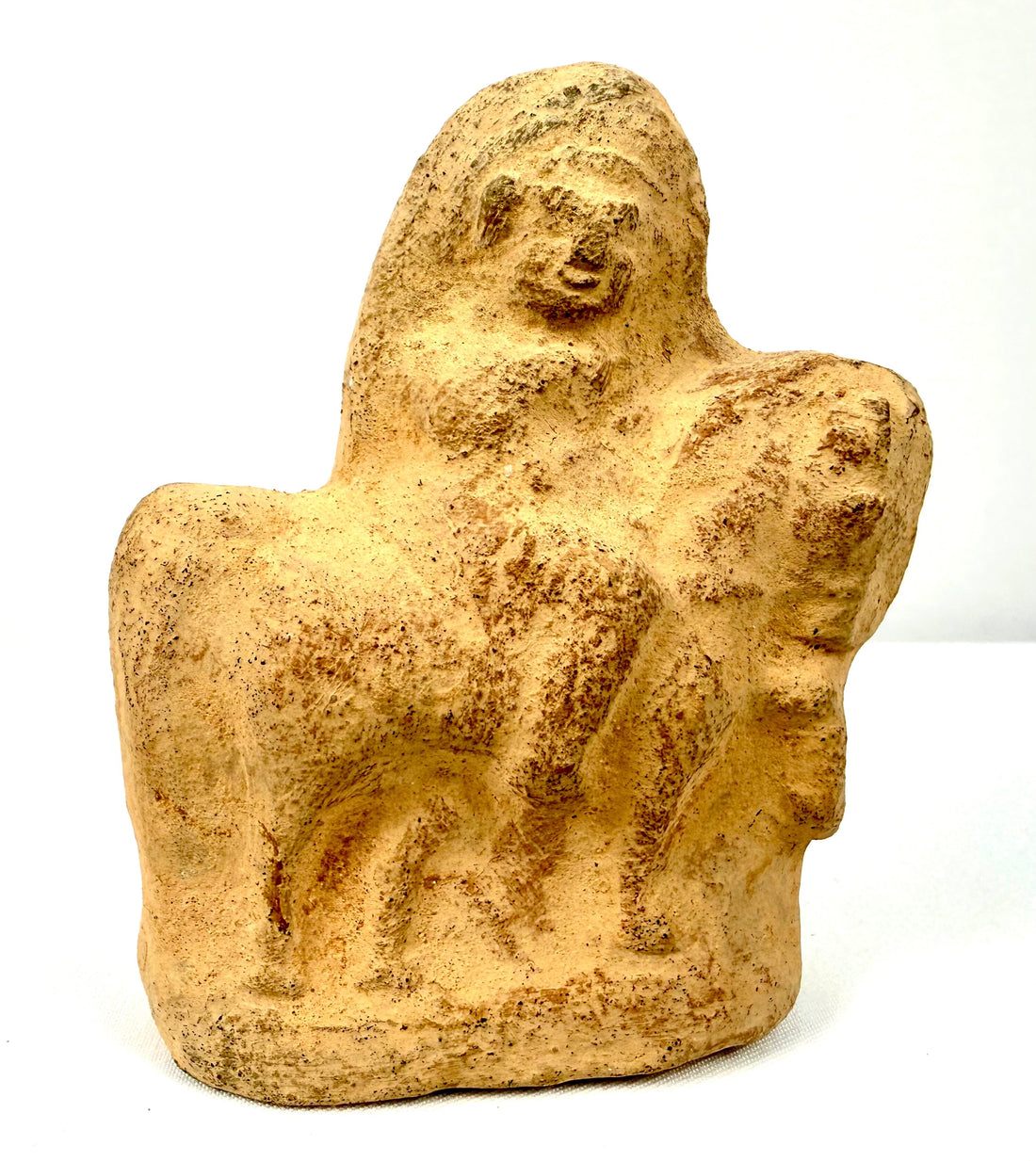
Figura de terracota de caballo y jinete | Egipto romano | Siglos I-III d. C.

Historial de procedencia y propiedad

Autenticado por Robert Bellet, un anticuario radicado en París documentado como experto en arte y arqueología china durante la década de 1970 y principios de 1980. Vendido en 1980 por La Louve Gallery, París, Francia, una galería registrada en catálogos de subastas posteriores por vender antigüedades egipcias antiguas y grecorromanas. Posteriormente, estuvo en una colección privada en Missoula, Montana, EE. UU.

Precio habitual
$450.00
Precio de venta
$450.00
Precio habitual
Envío calculado al finalizar la compra.

This is a one-of-a-kind historical object. Once sold, this exact piece will not be restocked.

Questions before acquiring? Additional photographs, condition details, documentation, shipping information or a private viewing are available upon request.
Roman Egypt terracotta figurine of horse and rider, 1st–3rd Century CE
Rotating 360-degree view of an ancient Egyptian terracotta horse and rider figurine from the Roman Period, circa 1st–3rd century CE, featuring sculpted details, a weathered surface, and earthy tones.
Terracotta equestrian figurine from Roman Egypt, circa 1st–3rd century CE, featuring a seated rider and prominently modeled horse.
Ancient Roman Egyptian terracotta horse and rider figurine dating to the 1st–3rd century CE, featuring stylized equestrian craftsmanship.
Roman Egypt terracotta equestrian figurine depicting a seated rider mounted on a sturdy horse with simplified sculptural details.
Ancient Egyptian horse and rider pottery figure displaying traditional terracotta construction, weathered surfaces, and natural age-related patina.
Roman-period Egyptian terracotta figurine featuring a commanding horseman, robust equine proportions, and surviving hand-modeled details.
Antique Roman Egyptian equestrian statuette crafted from terracotta, reflecting the artistic influences of Egyptian and Roman cultural traditions.
Ancient terracotta horse and rider sculpture featuring a small perforation on the reverse, softened modeling, and visible surface wear.
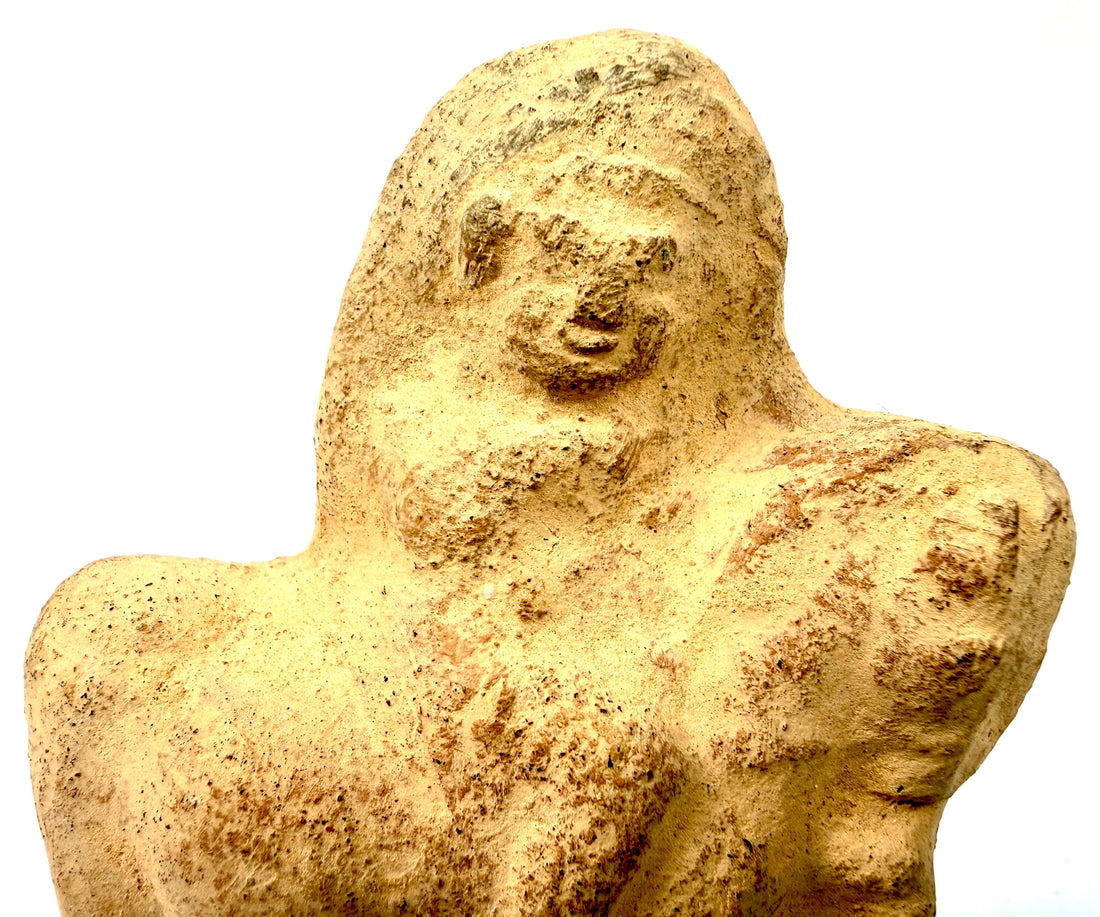
Roman Egyptian pottery figurine depicting a mounted horseman with stylized facial features, simplified anatomy, and earthy terracotta coloration.
Terracotta horse with rider, archaeological artifact from Roman Egypt, museum-quality piece.
Ancient Roman Egypt horse and rider artifact featuring a compact sculptural form, weathered clay surfaces, and minor chips consistent with age.
  • Roman Egypt terracotta figurine of horse and rider, 1st–3rd Century CE
  • Rotating 360-degree view of an ancient Egyptian terracotta horse and rider figurine from the Roman Period, circa 1st–3rd century CE, featuring sculpted details, a weathered surface, and earthy tones.
  • Terracotta equestrian figurine from Roman Egypt, circa 1st–3rd century CE, featuring a seated rider and prominently modeled horse.
  • Ancient Roman Egyptian terracotta horse and rider figurine dating to the 1st–3rd century CE, featuring stylized equestrian craftsmanship.
  • Roman Egypt terracotta equestrian figurine depicting a seated rider mounted on a sturdy horse with simplified sculptural details.
  • Ancient Egyptian horse and rider pottery figure displaying traditional terracotta construction, weathered surfaces, and natural age-related patina.
  • Roman-period Egyptian terracotta figurine featuring a commanding horseman, robust equine proportions, and surviving hand-modeled details.
  • Antique Roman Egyptian equestrian statuette crafted from terracotta, reflecting the artistic influences of Egyptian and Roman cultural traditions.
  • Ancient terracotta horse and rider sculpture featuring a small perforation on the reverse, softened modeling, and visible surface wear.
  • Roman Egyptian pottery figurine depicting a mounted horseman with stylized facial features, simplified anatomy, and earthy terracotta coloration.
  • Terracotta horse with rider, archaeological artifact from Roman Egypt, museum-quality piece.
  • Ancient Roman Egypt horse and rider artifact featuring a compact sculptural form, weathered clay surfaces, and minor chips consistent with age.
Roman Egypt terracotta figurine of horse and rider, 1st–3rd Century CE
Rotating 360-degree view of an ancient Egyptian terracotta horse and rider figurine from the Roman Period, circa 1st–3rd century CE, featuring sculpted details, a weathered surface, and earthy tones.
Terracotta equestrian figurine from Roman Egypt, circa 1st–3rd century CE, featuring a seated rider and prominently modeled horse.
Ancient Roman Egyptian terracotta horse and rider figurine dating to the 1st–3rd century CE, featuring stylized equestrian craftsmanship.
Roman Egypt terracotta equestrian figurine depicting a seated rider mounted on a sturdy horse with simplified sculptural details.
Ancient Egyptian horse and rider pottery figure displaying traditional terracotta construction, weathered surfaces, and natural age-related patina.
Roman-period Egyptian terracotta figurine featuring a commanding horseman, robust equine proportions, and surviving hand-modeled details.
Antique Roman Egyptian equestrian statuette crafted from terracotta, reflecting the artistic influences of Egyptian and Roman cultural traditions.
Ancient terracotta horse and rider sculpture featuring a small perforation on the reverse, softened modeling, and visible surface wear.
Roman Egyptian pottery figurine depicting a mounted horseman with stylized facial features, simplified anatomy, and earthy terracotta coloration.
Terracotta horse with rider, archaeological artifact from Roman Egypt, museum-quality piece.
Ancient Roman Egypt horse and rider artifact featuring a compact sculptural form, weathered clay surfaces, and minor chips consistent with age.
Authenticity and secure checkout guarantee

Figura de terracota de caballo y jinete | Egipto romano | Siglos I-III d. C.

Descripción

Contexto histórico y origen

Región: Egipto romano
Material: Terracota
Período: Siglos I-III d. C.

Descripción

Esta estatuilla de terracota de un caballo y su jinete refleja la síntesis artística de las tradiciones egipcias y romanas durante el período de dominio romano en Egipto. Datada entre los siglos I y III d. C., la pieza encarna temas de poder, protección y estatus valorados en ambas culturas. El jinete se muestra en una pose dominante, mientras que las robustas proporciones del caballo enfatizan la fuerza y la autoridad. A pesar del paso del tiempo, la estatuilla conserva rastros de detalles que atestiguan su significado simbólico y artístico.

Características

- Caballo representado con proporciones fuertes que simbolizan autoridad y vitalidad

- Jinete en una pose sentada dominante que enfatiza el estatus y el control

- Representación estilizada y minimalista que fusiona las tradiciones artísticas egipcias y romanas

- Elaborada en terracota, un material preferido para objetos votivos y rituales domésticos

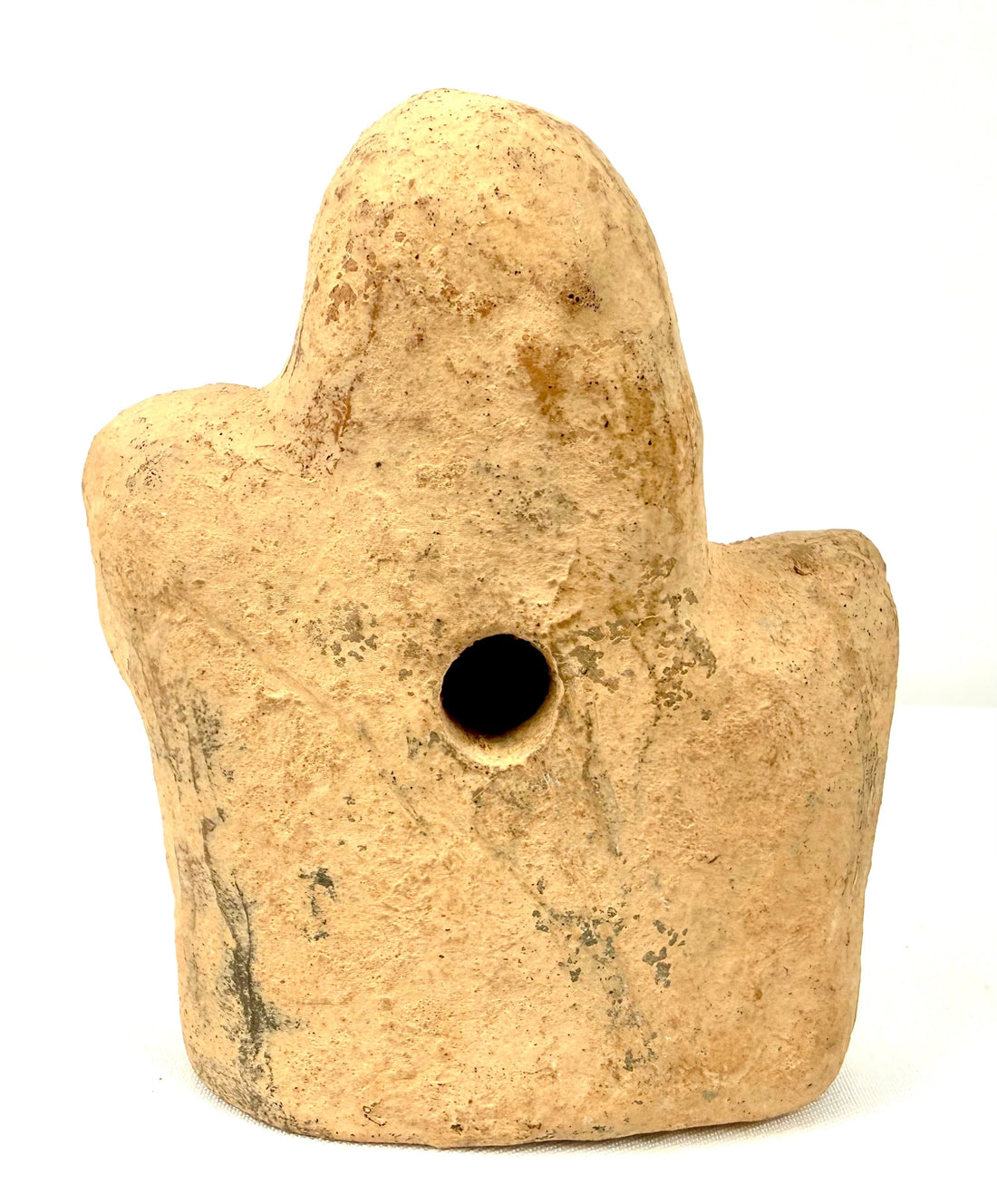
- Pequeña perforación en la parte posterior que sugiere su uso en contextos votivos o de altar

Importancia cultural

Figurillas como esta se usaban comúnmente en el Egipto romano como símbolos de protección, fuerza y presencia divina. A menudo aparecían en santuarios domésticos o en templos, sirviendo tanto a propósitos decorativos como ceremoniales. Esta pieza destaca la fusión cultural que caracterizó al Egipto romano, donde las tradiciones locales se fusionaron con las influencias imperiales para crear expresiones artísticas distintivas.

Estado de conservación

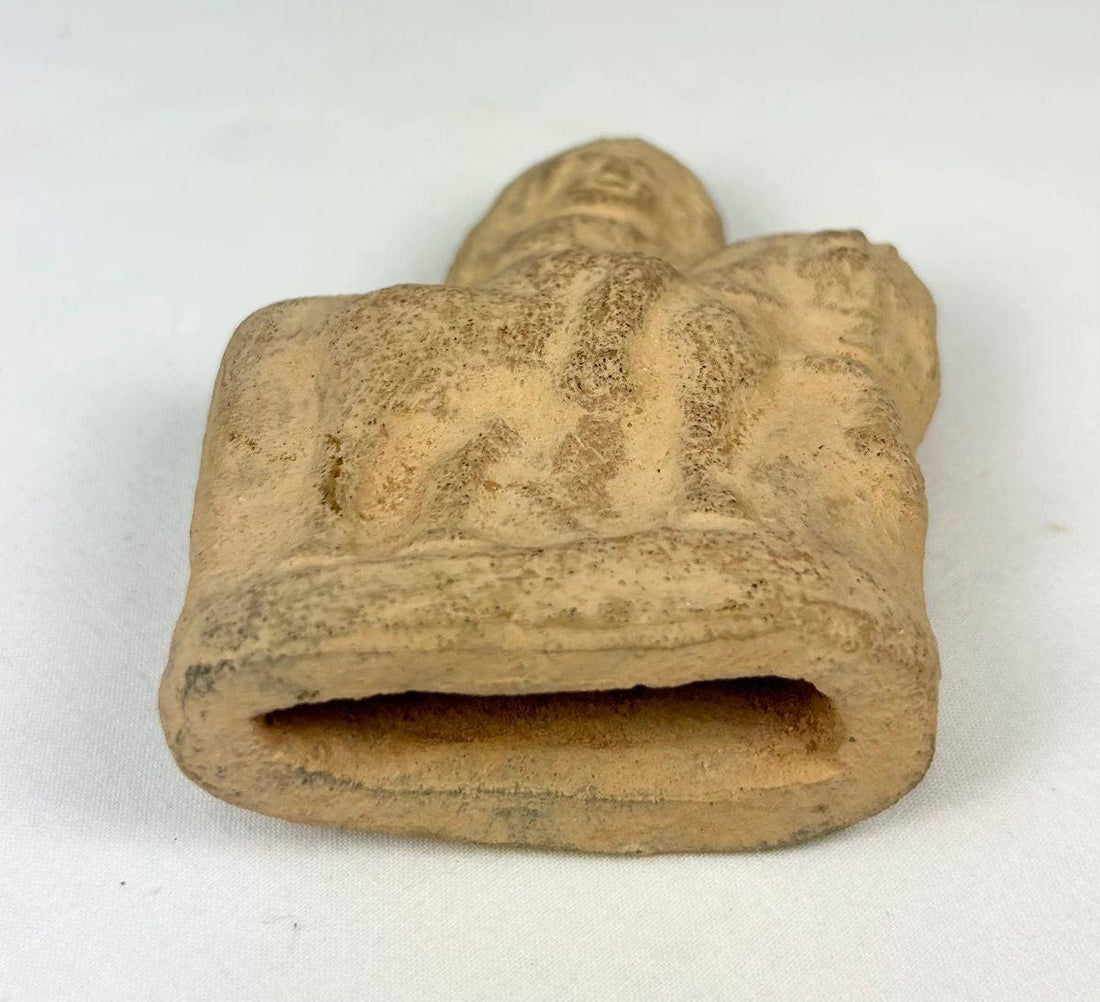
La estatuilla muestra el desgaste propio de su antigüedad, incluyendo pequeños desconchones y detalles suavizados. Una pátina superficial natural realza su autenticidad, y aún se aprecian vestigios del modelado original.

Dimensiones (aproximadas)

Altura: 3.25 pulg.

Antigüedad (aproximada)

1,725–2,025 años de antigüedad

Procedencia

Autenticado por Robert Bellet, un anticuario radicado en París documentado como experto en arte y arqueología china durante los años 70 y principios de los 80. Vendido en 1980 por La Louve Gallery, París, Francia, una galería registrada en catálogos de subastas posteriores como intermediaria de antigüedades egipcias y grecorromanas. Posteriormente, conservado en una colección privada en Missoula, Montana, EE. UU.

Más información

Descubra el Egipto romano en El Museo Metropolitano de Arte

Explore nuestra Colección de artefactos del Antiguo Egipto

Descripción

Contexto histórico y origen

Región: Egipto romano
Material: Terracota
Período: Siglos I-III d. C.

Descripción

Esta estatuilla de terracota de un caballo y su jinete refleja la síntesis artística de las tradiciones egipcias y romanas durante el período de dominio romano en Egipto. Datada entre los siglos I y III d. C., la pieza encarna temas de poder, protección y estatus valorados en ambas culturas. El jinete se muestra en una pose dominante, mientras que las robustas proporciones del caballo enfatizan la fuerza y la autoridad. A pesar del paso del tiempo, la estatuilla conserva rastros de detalles que atestiguan su significado simbólico y artístico.

Características

- Caballo representado con proporciones fuertes que simbolizan autoridad y vitalidad

- Jinete en una pose sentada dominante que enfatiza el estatus y el control

- Representación estilizada y minimalista que fusiona las tradiciones artísticas egipcias y romanas

- Elaborada en terracota, un material preferido para objetos votivos y rituales domésticos

- Pequeña perforación en la parte posterior que sugiere su uso en contextos votivos o de altar

Importancia cultural

Figurillas como esta se usaban comúnmente en el Egipto romano como símbolos de protección, fuerza y presencia divina. A menudo aparecían en santuarios domésticos o en templos, sirviendo tanto a propósitos decorativos como ceremoniales. Esta pieza destaca la fusión cultural que caracterizó al Egipto romano, donde las tradiciones locales se fusionaron con las influencias imperiales para crear expresiones artísticas distintivas.

Estado de conservación

La estatuilla muestra el desgaste propio de su antigüedad, incluyendo pequeños desconchones y detalles suavizados. Una pátina superficial natural realza su autenticidad, y aún se aprecian vestigios del modelado original.

Dimensiones (aproximadas)

Altura: 3.25 pulg.

Antigüedad (aproximada)

1,725–2,025 años de antigüedad

Procedencia

Autenticado por Robert Bellet, un anticuario radicado en París documentado como experto en arte y arqueología china durante los años 70 y principios de los 80. Vendido en 1980 por La Louve Gallery, París, Francia, una galería registrada en catálogos de subastas posteriores como intermediaria de antigüedades egipcias y grecorromanas. Posteriormente, conservado en una colección privada en Missoula, Montana, EE. UU.

Más información

Descubra el Egipto romano en El Museo Metropolitano de Arte

Explore nuestra Colección de artefactos del Antiguo Egipto

También te puede interesar