

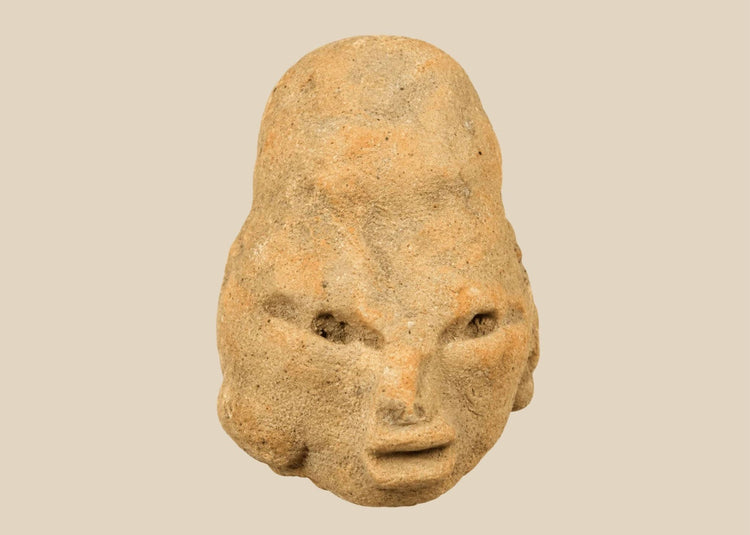
Cabeza de terracota mesoamericana antigua | Región de Nayarit/Jalisco | Circa 300 a. C. – 300 d. C.
- Precio habitual
- $300.00
- Precio de venta
- $300.00
- Precio habitual
No se pudo cargar la disponibilidad de retiro


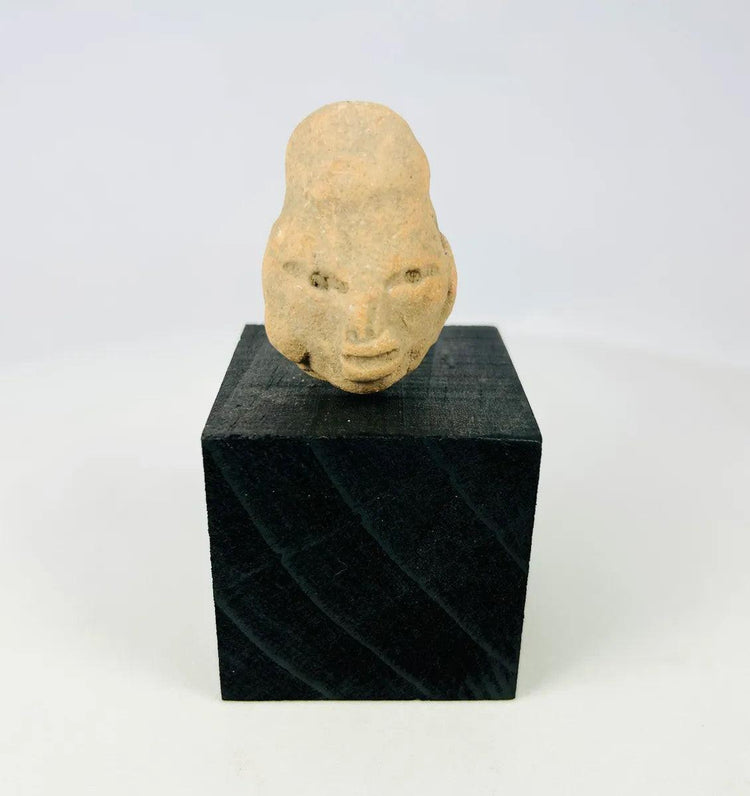
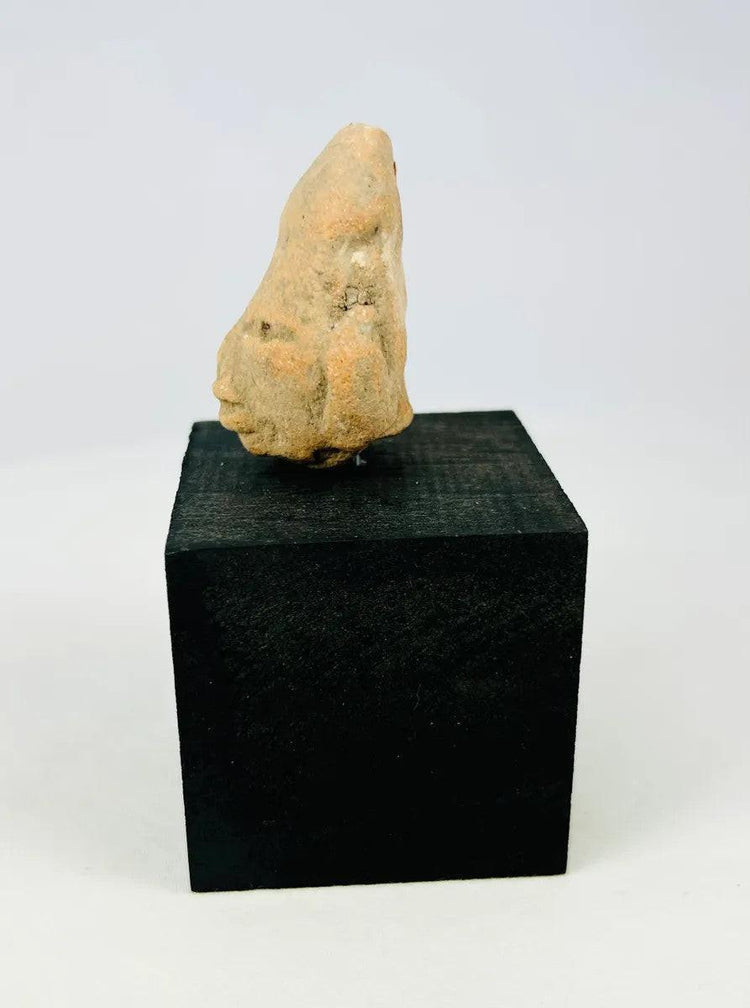
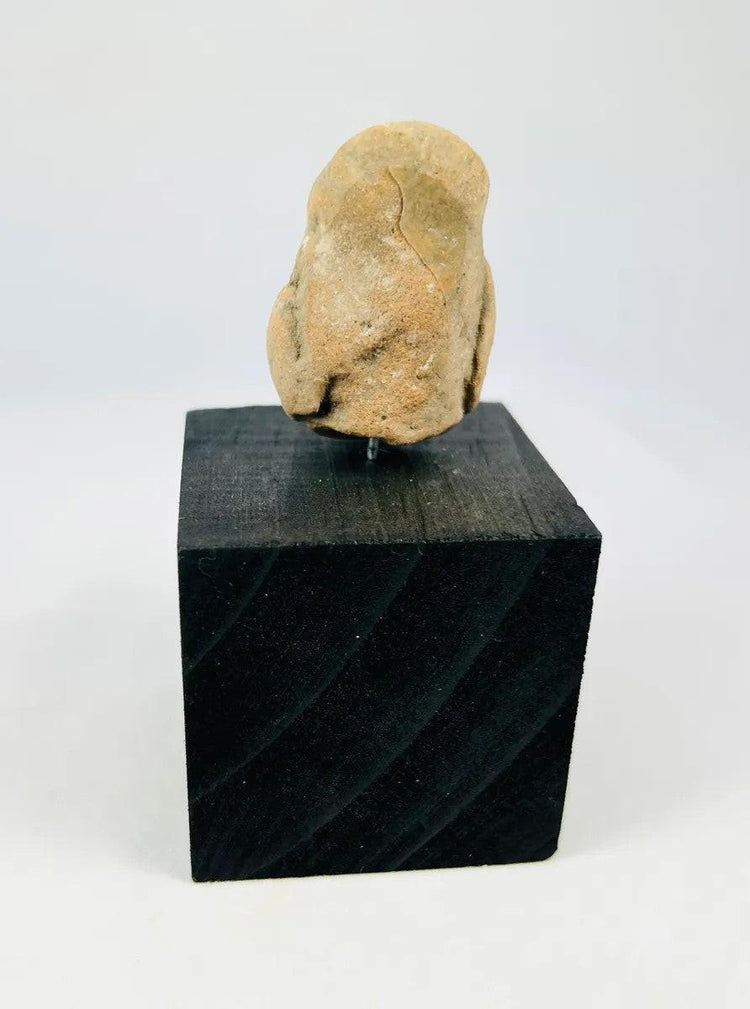
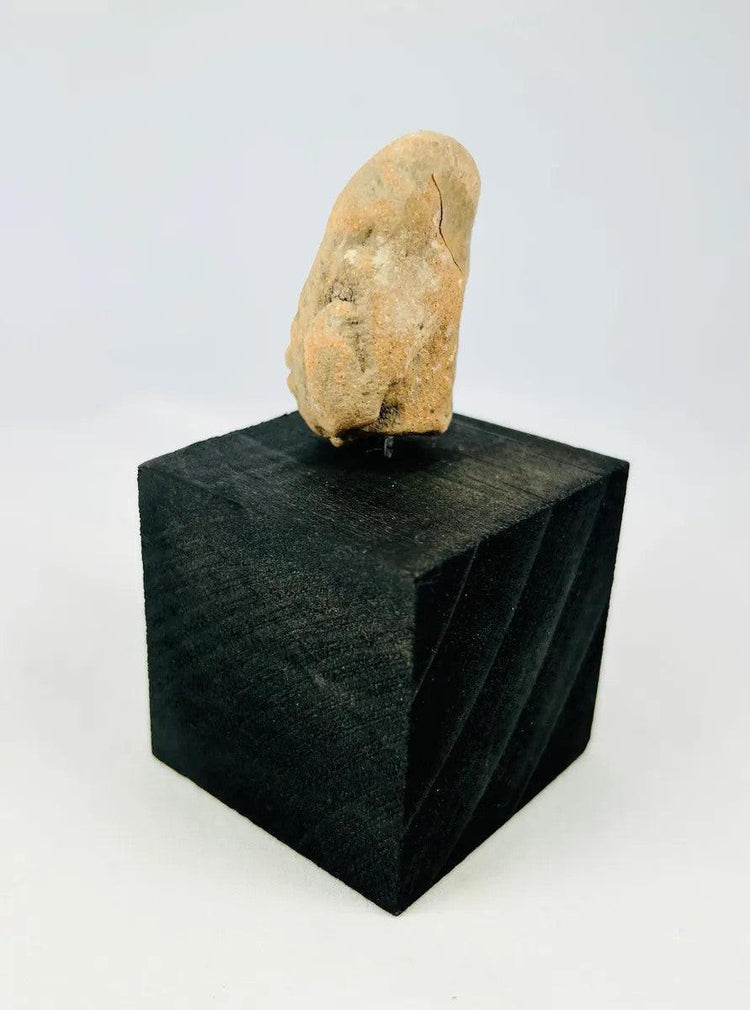
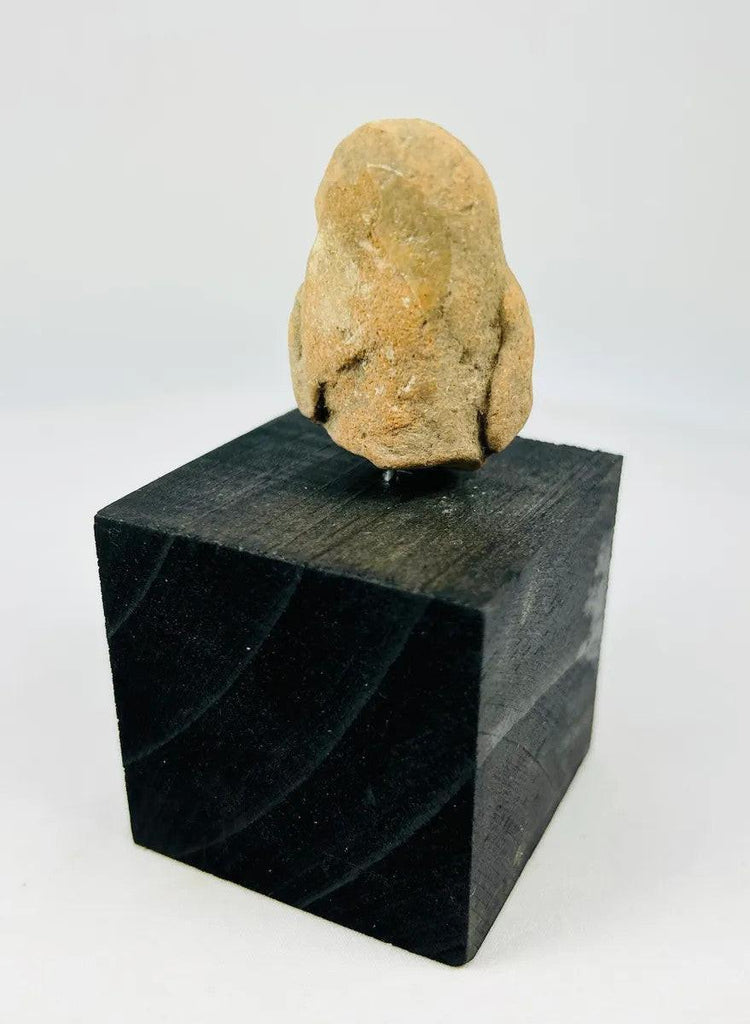
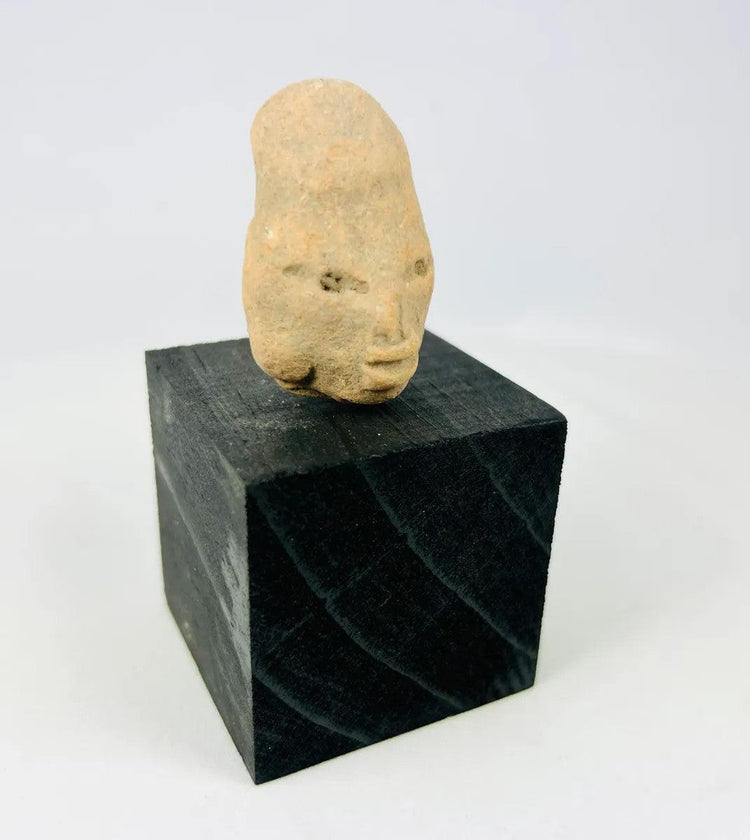
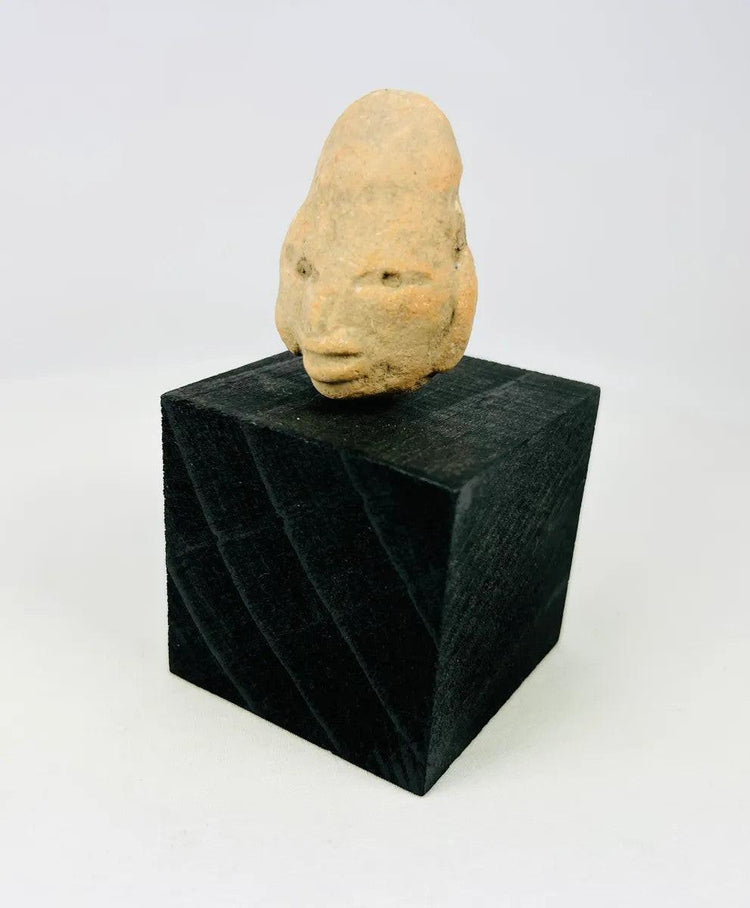
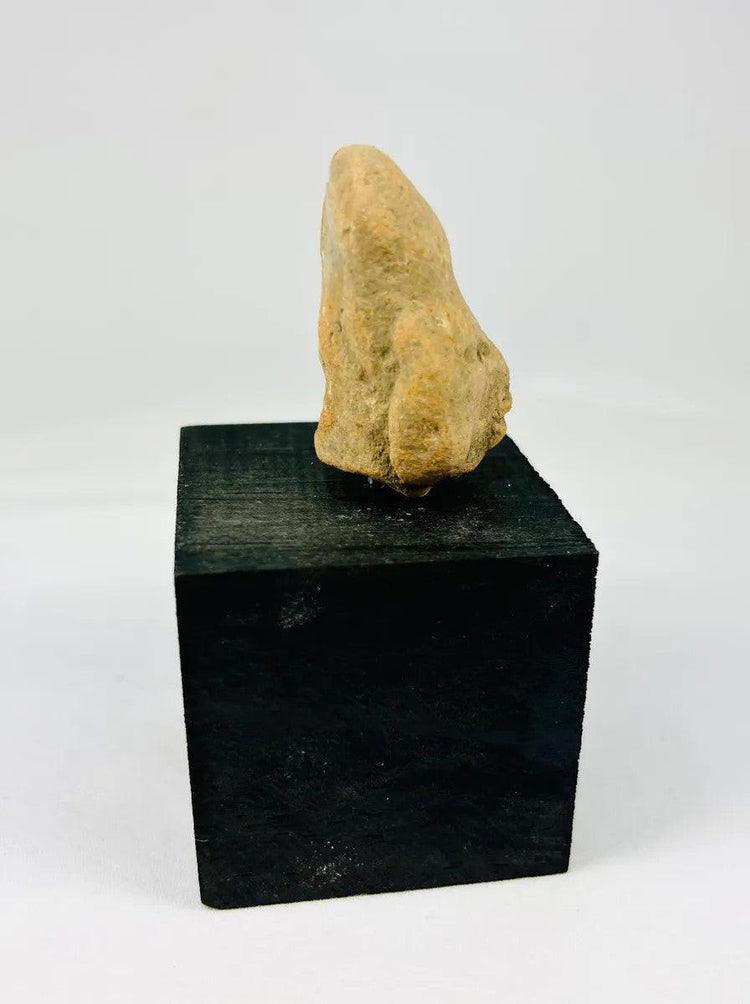
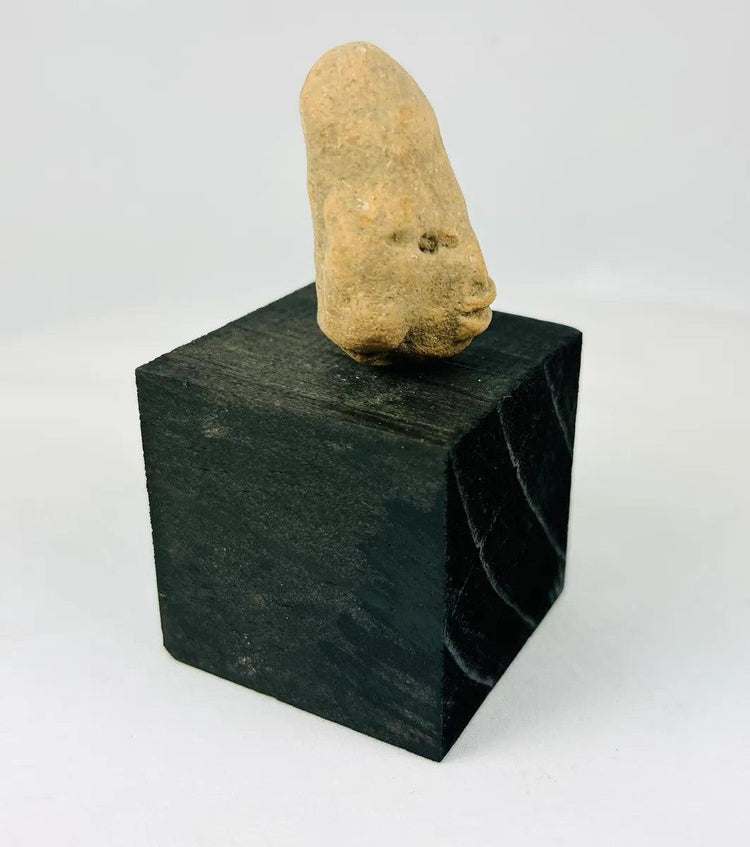
Cabeza de terracota mesoamericana antigua | Región de Nayarit/Jalisco | Circa 300 a. C. – 300 d. C.
Descripción
Más
Menos
Contexto Histórico y Origen
Región: Mesoamérica, probablemente el occidente de México (región de Nayarit/Jalisco)
Material: Terracota
Período: Circa 300 a.C. – 300 d.C.
Descripción
Un pequeño fragmento de terracota de la cabeza de una figura precolombina, atribuido a las culturas de tumbas de tiro del occidente de México. Los rasgos faciales estilizados incluyen ojos almendrados, una nariz definida y labios prominentes. La forma craneal alargada refleja una modificación craneal deliberada, una práctica cultural en las sociedades mesoamericanas que simbolizaba estatus, identidad o ideales de belleza. Ahora conservado como un fragmento, está montado sobre un soporte de exhibición negro hecho a medida.
Características
- Ojos almendrados, nariz y labios distintivamente modelados
- Evidencia de elongación craneal, un sello distintivo de la identidad ritual
- Desgaste superficial antiguo e incrustaciones de entierro
- Montado sobre un soporte de exhibición negro hecho a medida
- Representativo del arte de las tumbas de tiro del occidente de México
Significado Cultural
Las cabezas de terracota de este tipo formaban parte originalmente de efigies funerarias más grandes colocadas en tumbas de tiro para honrar a los muertos. Estas figuras encarnaban la presencia ancestral y actuaban como mediadores entre los vivos y el más allá. El cráneo alargado refleja tanto prácticas rituales como estéticas culturales centrales para la identidad mesoamericana.
Condición
Fragmentario pero estable. Incrustaciones superficiales, pequeñas pérdidas de bordes y desgaste esperado consistente con el contexto arqueológico. Las características permanecen claramente legibles y culturalmente significativas.
Dimensiones (Aproximadas)
Altura: 10,16 cm
Ancho: 5,08 cm
Profundidad: 5,08 cm
Edad (Aproximada)
1.725–2.325 años de antigüedad
Procedencia
De una colección privada en Chicago, Illinois, EE. UU.
Más Información
Descubra la historia y las culturas del mundo precolombino a través del Museo de Antropología
Explore Nuestra Colección de Artefactos Precolombinos Antiguos
Descripción
Contexto Histórico y Origen
Región: Mesoamérica, probablemente el occidente de México (región de Nayarit/Jalisco)
Material: Terracota
Período: Circa 300 a.C. – 300 d.C.
Descripción
Un pequeño fragmento de terracota de la cabeza de una figura precolombina, atribuido a las culturas de tumbas de tiro del occidente de México. Los rasgos faciales estilizados incluyen ojos almendrados, una nariz definida y labios prominentes. La forma craneal alargada refleja una modificación craneal deliberada, una práctica cultural en las sociedades mesoamericanas que simbolizaba estatus, identidad o ideales de belleza. Ahora conservado como un fragmento, está montado sobre un soporte de exhibición negro hecho a medida.
Características
- Ojos almendrados, nariz y labios distintivamente modelados
- Evidencia de elongación craneal, un sello distintivo de la identidad ritual
- Desgaste superficial antiguo e incrustaciones de entierro
- Montado sobre un soporte de exhibición negro hecho a medida
- Representativo del arte de las tumbas de tiro del occidente de México
Significado Cultural
Las cabezas de terracota de este tipo formaban parte originalmente de efigies funerarias más grandes colocadas en tumbas de tiro para honrar a los muertos. Estas figuras encarnaban la presencia ancestral y actuaban como mediadores entre los vivos y el más allá. El cráneo alargado refleja tanto prácticas rituales como estéticas culturales centrales para la identidad mesoamericana.
Condición
Fragmentario pero estable. Incrustaciones superficiales, pequeñas pérdidas de bordes y desgaste esperado consistente con el contexto arqueológico. Las características permanecen claramente legibles y culturalmente significativas.
Dimensiones (Aproximadas)
Altura: 10,16 cm
Ancho: 5,08 cm
Profundidad: 5,08 cm
Edad (Aproximada)
1.725–2.325 años de antigüedad
Procedencia
De una colección privada en Chicago, Illinois, EE. UU.
Más Información
Descubra la historia y las culturas del mundo precolombino a través del Museo de Antropología
Explore Nuestra Colección de Artefactos Precolombinos Antiguos
También te puede interesar
