


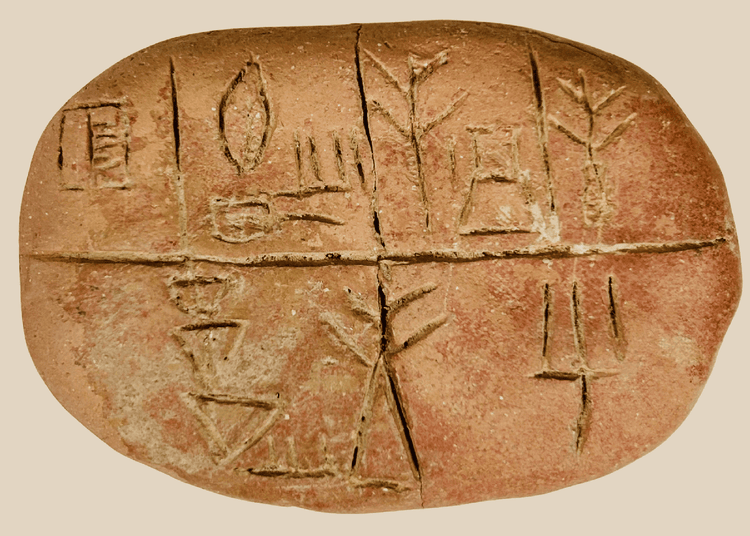
Antigua Mesopotamia | Tablilla cuneiforme de arcilla | Registro administrativo | C. 2000-1500 a. C.
- Precio habitual
- $750.00
- Precio de venta
- $750.00
- Precio habitual
No se pudo cargar la disponibilidad de retiro


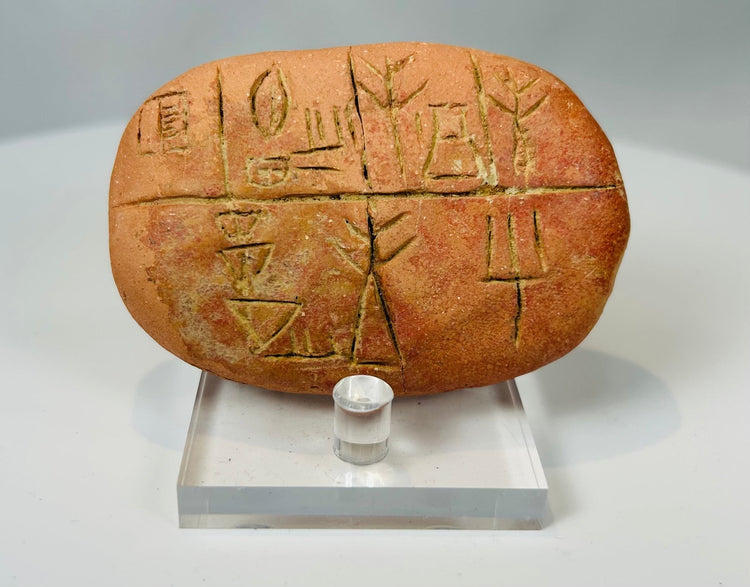
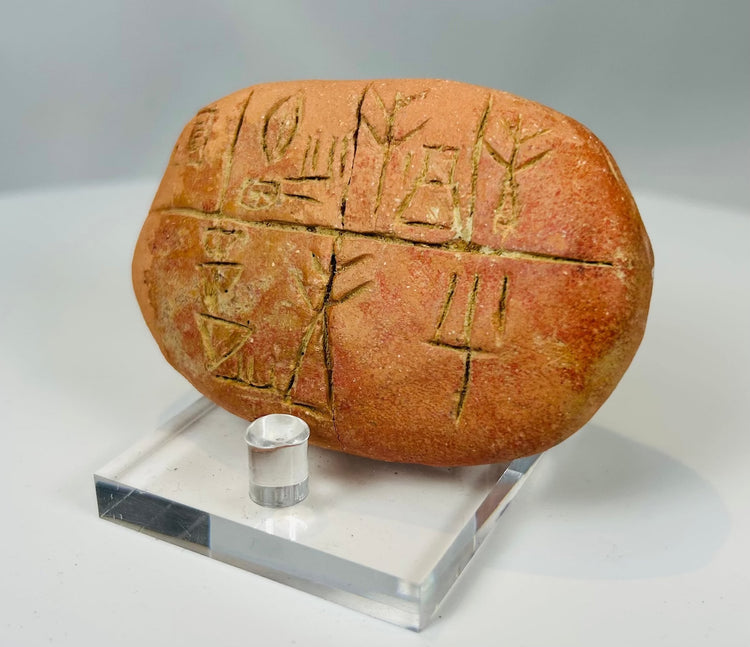
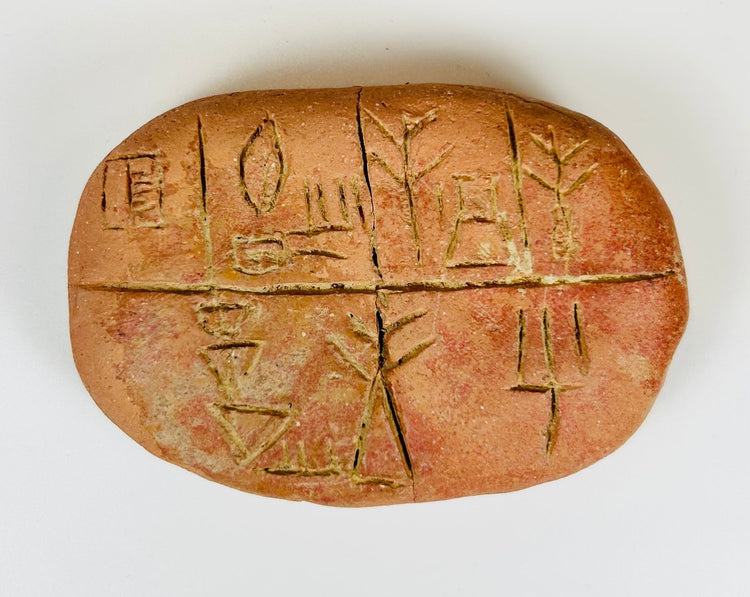
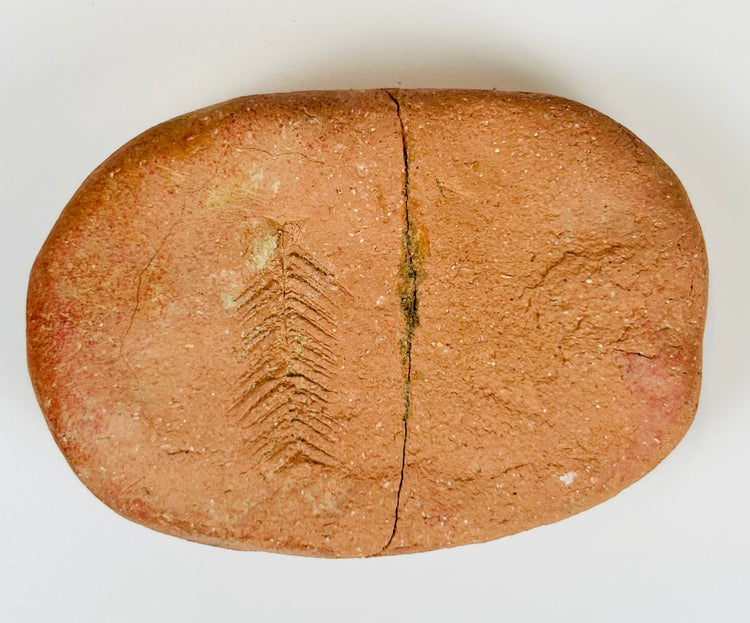
Antigua Mesopotamia | Tablilla cuneiforme de arcilla | Registro administrativo | C. 2000-1500 a. C.
Descripción
Más
Menos
Contexto histórico y origen
Región: Mesopotamia (actual Irak)
Material: Arcilla cocida / terracota
Periodo: Edad del Bronce Medio, circa 2000-1500 a.C.
Descripción
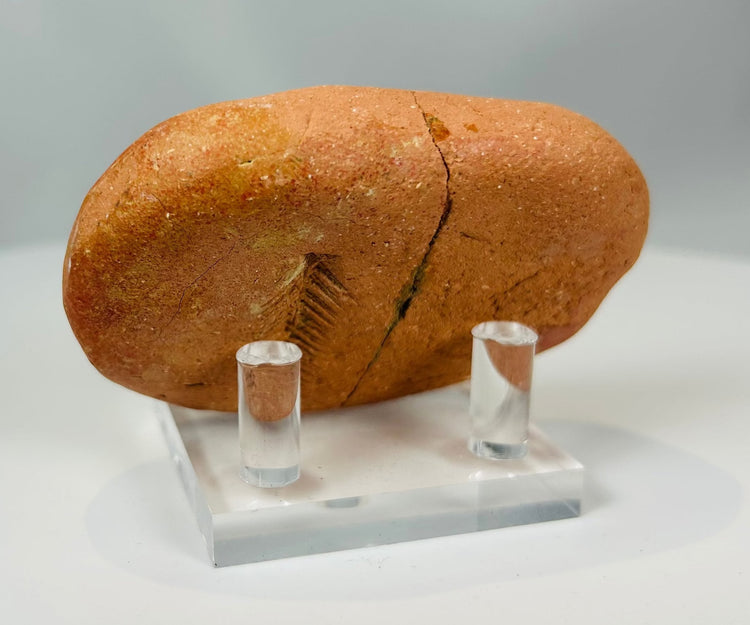
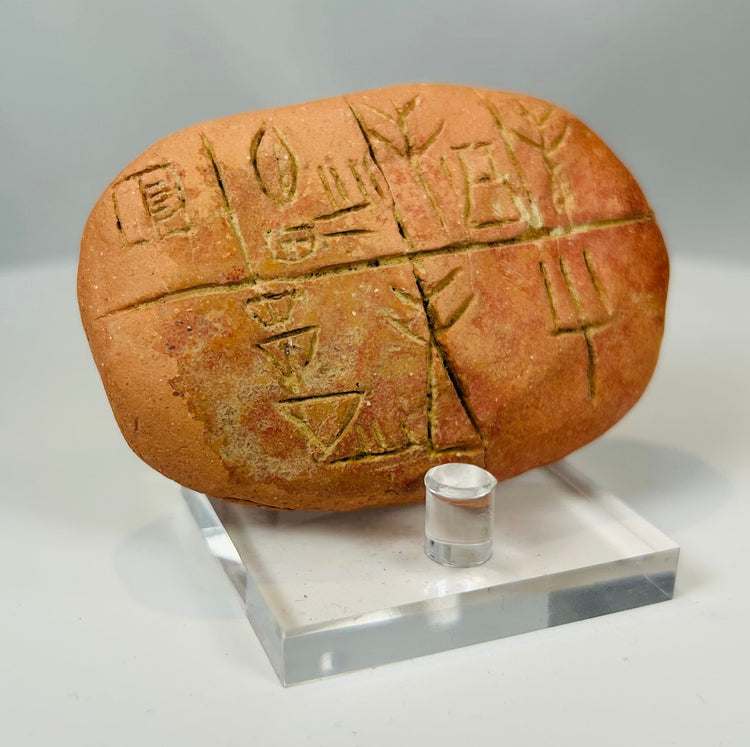
Esta antigua tablilla de arcilla proviene de la cuna de la civilización en Mesopotamia, donde la escritura se desarrolló por primera vez hace más de cinco mil años. La tablilla presenta múltiples líneas de escritura cuneiforme incisa dispuestas en un diseño similar a una cuadrícula, un formato comúnmente utilizado por los escribas para propósitos administrativos y contables.
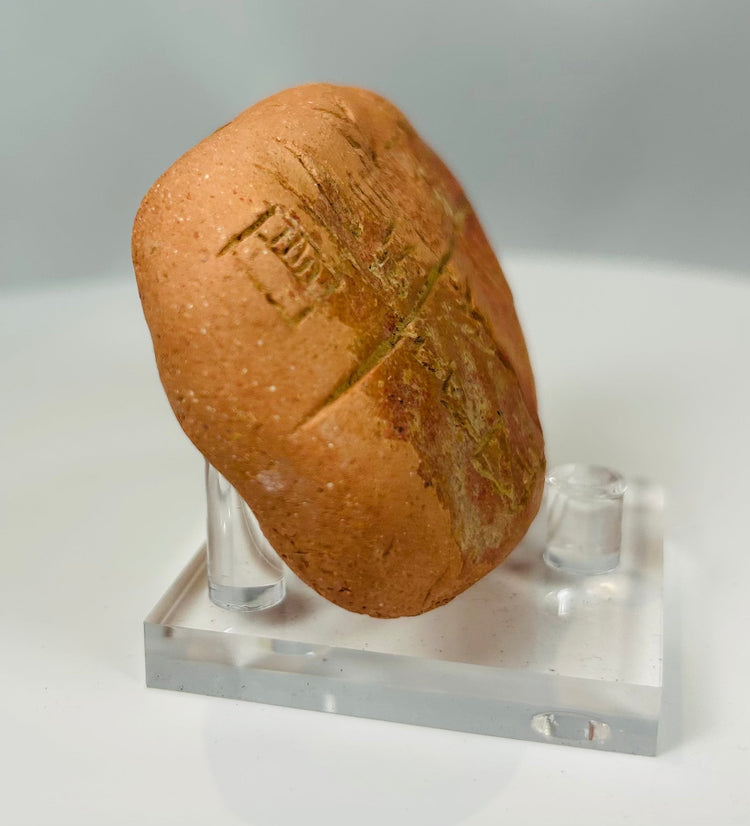
La escritura cuneiforme se creó presionando un estilete —a menudo hecho de caña— en arcilla blanda para producir las distintivas marcas en forma de cuña que dan nombre a la escritura. Tablillas como esta se usaban para documentar transacciones, producción agrícola, asignaciones laborales e inventarios de templos o palacios. Una vez inscrita, la arcilla se secaba o se cocía ligeramente, preservando el registro durante miles de años.
Las columnas organizadas de signos probablemente representan cantidades, bienes o individuos involucrados en intercambios económicos. Tablillas como esta brindan una visión directa de los sistemas burocráticos y comerciales que sostenían algunas de las sociedades urbanas más antiguas del mundo.
Características
- Auténtica tablilla de arcilla con impresiones de escritura cuneiforme
- Diseño de cuadrícula típico de tablillas administrativas o contables
- Múltiples grupos de símbolos que representan entradas o cantidades registradas
- Caracteres incisos a mano en forma de cuña hechos con estilete de caña
- Forma compacta típica de las tablillas de registro portátiles
Importancia cultural
La cuneiforme es uno de los sistemas de escritura más antiguos conocidos, desarrollado por primera vez por los sumerios en Mesopotamia alrededor del 3200 a.C. Con el tiempo fue adoptada por muchas culturas en el Cercano Oriente, incluyendo los acadios, babilonios y asirios. Tablillas administrativas como esta formaron la columna vertebral del primer mantenimiento de registros, permitiendo a gobiernos, templos y comerciantes rastrear la actividad económica en sociedades urbanas en crecimiento.
Condición
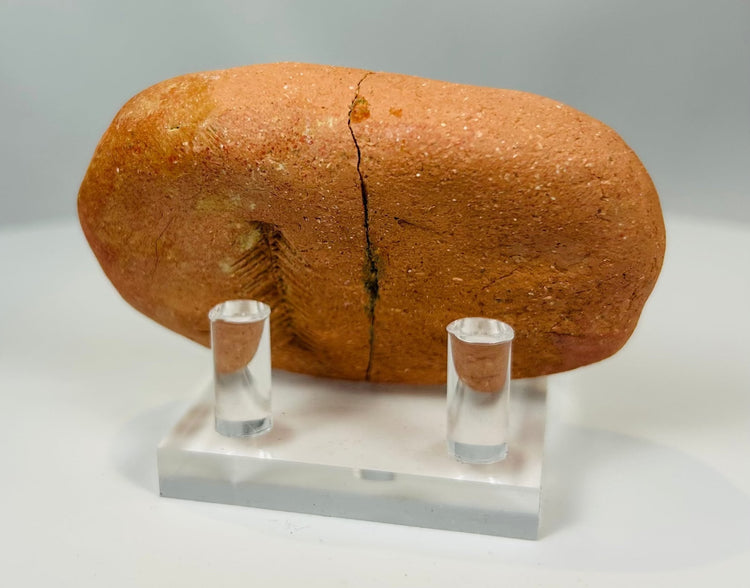
Condición arqueológica con desgaste visible relacionado con la edad, depósitos minerales y una fisura vertical estable consistente con tablillas de arcilla antiguas. Las impresiones cuneiformes permanecen claramente visibles en ambos lados de la tablilla.
Dimensiones (aproximadas)
Largo: 3.25 pulg.
Ancho: 2.25 pulg.
Profundidad: 0.5 pulg.
Antigüedad (aproximada)
3,500–4,000 años de antigüedad
Más información
Descubra los orígenes del registro escrito a través de las tablillas cuneiformes en este artículo del Museo Nacional de Irlanda
Explore nuestra colección de sistemas de escritura antiguos y textos cuneiformes
Descripción
Contexto histórico y origen
Región: Mesopotamia (actual Irak)
Material: Arcilla cocida / terracota
Periodo: Edad del Bronce Medio, circa 2000-1500 a.C.
Descripción
Esta antigua tablilla de arcilla proviene de la cuna de la civilización en Mesopotamia, donde la escritura se desarrolló por primera vez hace más de cinco mil años. La tablilla presenta múltiples líneas de escritura cuneiforme incisa dispuestas en un diseño similar a una cuadrícula, un formato comúnmente utilizado por los escribas para propósitos administrativos y contables.
La escritura cuneiforme se creó presionando un estilete —a menudo hecho de caña— en arcilla blanda para producir las distintivas marcas en forma de cuña que dan nombre a la escritura. Tablillas como esta se usaban para documentar transacciones, producción agrícola, asignaciones laborales e inventarios de templos o palacios. Una vez inscrita, la arcilla se secaba o se cocía ligeramente, preservando el registro durante miles de años.
Las columnas organizadas de signos probablemente representan cantidades, bienes o individuos involucrados en intercambios económicos. Tablillas como esta brindan una visión directa de los sistemas burocráticos y comerciales que sostenían algunas de las sociedades urbanas más antiguas del mundo.
Características
- Auténtica tablilla de arcilla con impresiones de escritura cuneiforme
- Diseño de cuadrícula típico de tablillas administrativas o contables
- Múltiples grupos de símbolos que representan entradas o cantidades registradas
- Caracteres incisos a mano en forma de cuña hechos con estilete de caña
- Forma compacta típica de las tablillas de registro portátiles
Importancia cultural
La cuneiforme es uno de los sistemas de escritura más antiguos conocidos, desarrollado por primera vez por los sumerios en Mesopotamia alrededor del 3200 a.C. Con el tiempo fue adoptada por muchas culturas en el Cercano Oriente, incluyendo los acadios, babilonios y asirios. Tablillas administrativas como esta formaron la columna vertebral del primer mantenimiento de registros, permitiendo a gobiernos, templos y comerciantes rastrear la actividad económica en sociedades urbanas en crecimiento.
Condición
Condición arqueológica con desgaste visible relacionado con la edad, depósitos minerales y una fisura vertical estable consistente con tablillas de arcilla antiguas. Las impresiones cuneiformes permanecen claramente visibles en ambos lados de la tablilla.
Dimensiones (aproximadas)
Largo: 3.25 pulg.
Ancho: 2.25 pulg.
Profundidad: 0.5 pulg.
Antigüedad (aproximada)
3,500–4,000 años de antigüedad
Más información
Descubra los orígenes del registro escrito a través de las tablillas cuneiformes en este artículo del Museo Nacional de Irlanda
Explore nuestra colección de sistemas de escritura antiguos y textos cuneiformes
También te puede interesar
