

Anillo de banda de la antigua Roma | Siglos I-IV
- Precio habitual
- $350.00
- Precio de venta
- $350.00
- Precio habitual
No se pudo cargar la disponibilidad de retiro


Anillo de banda de la antigua Roma | Siglos I-IV
Descripción
Más
Menos
Contexto histórico y origen
Región: Imperio Romano
Material: Bronce con decoración grabada
Periodo: Periodo imperial, siglos I-IV d. C.
Descripción
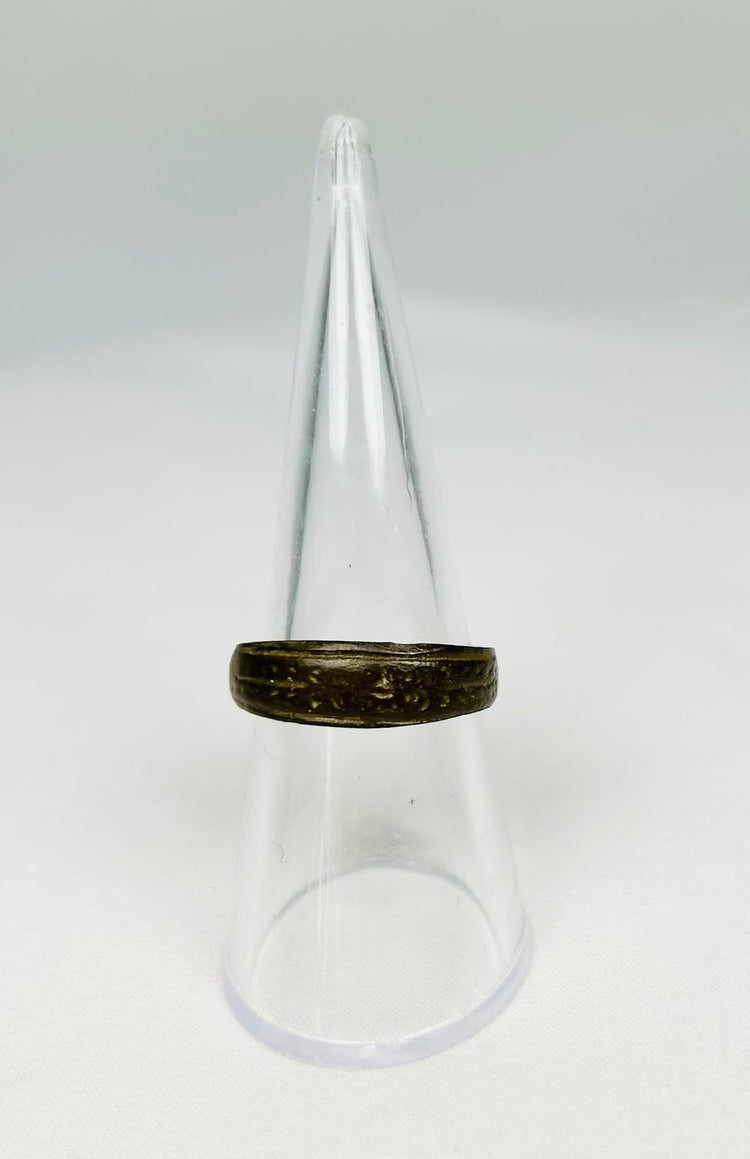
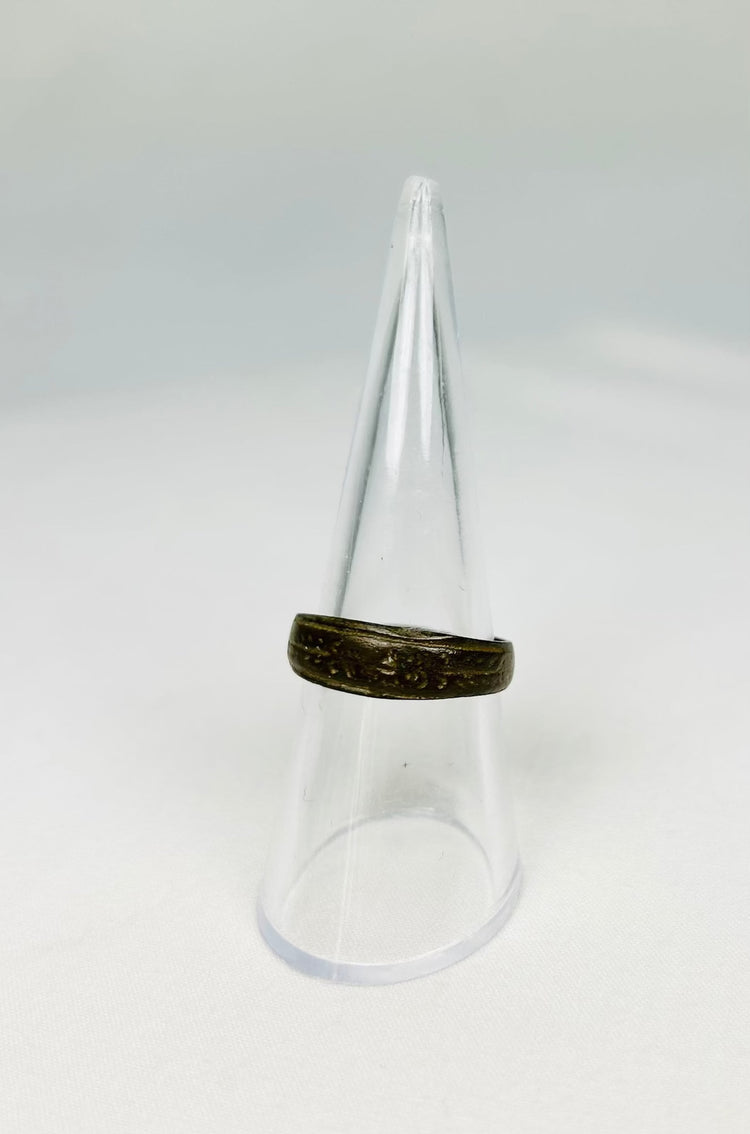
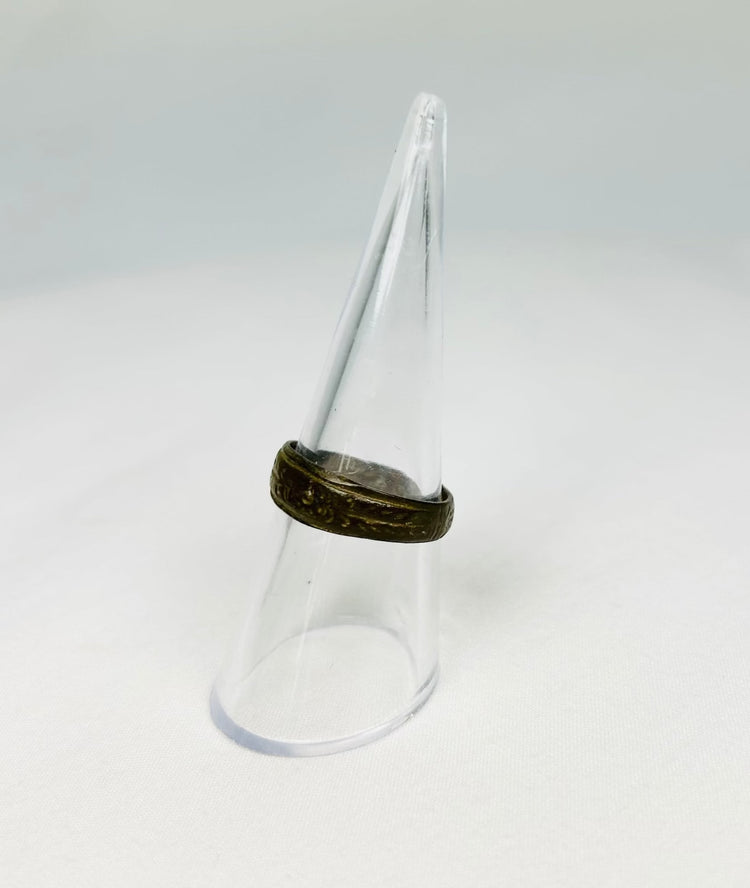
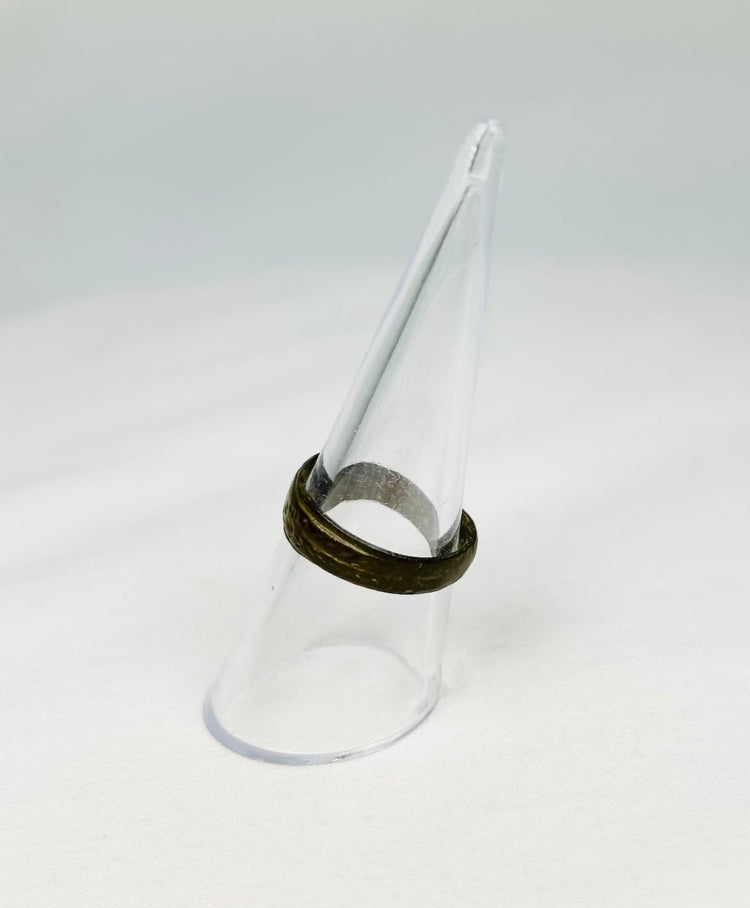
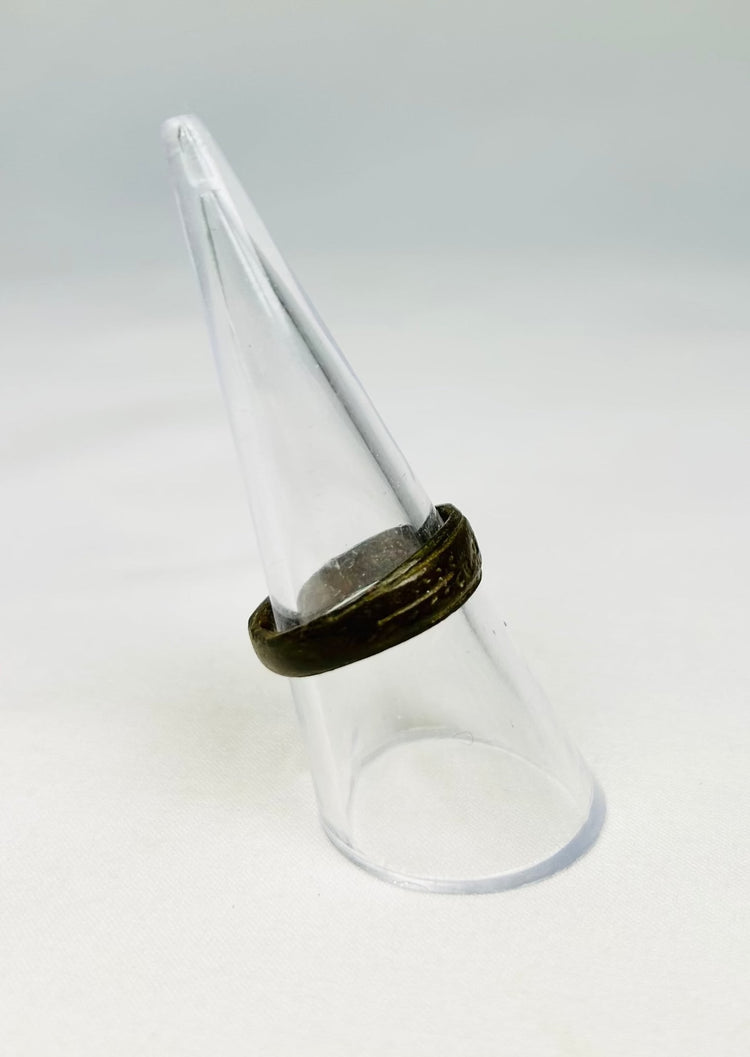
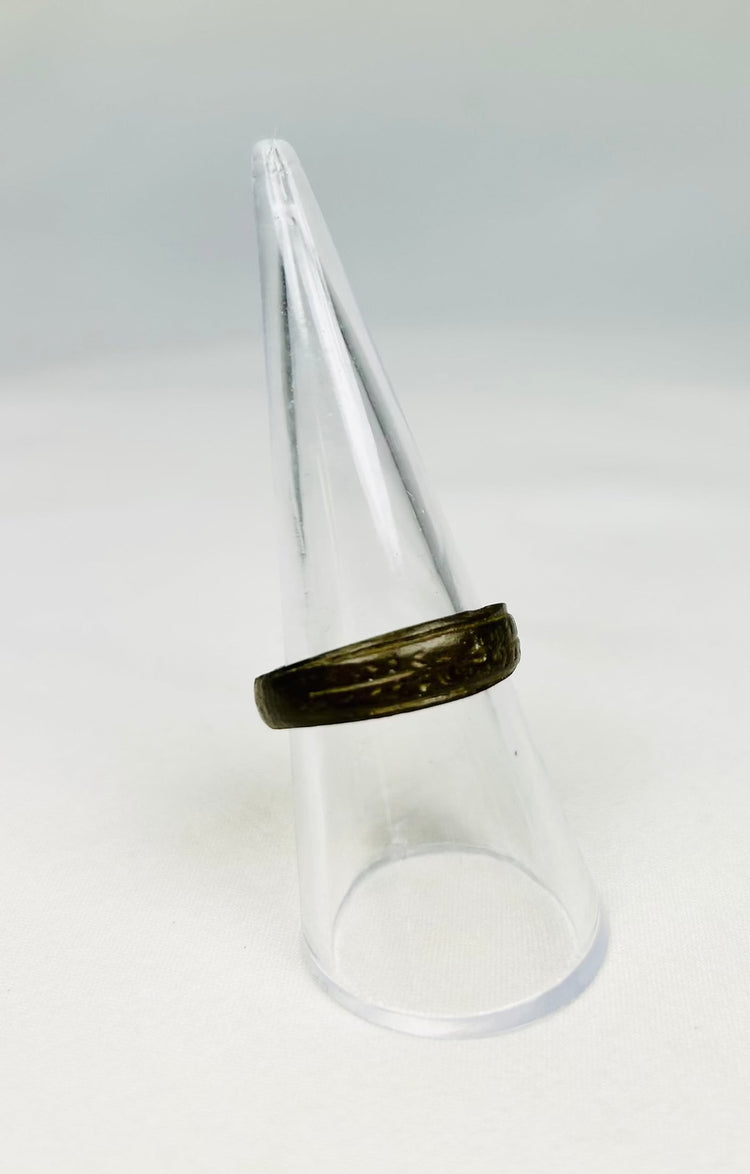
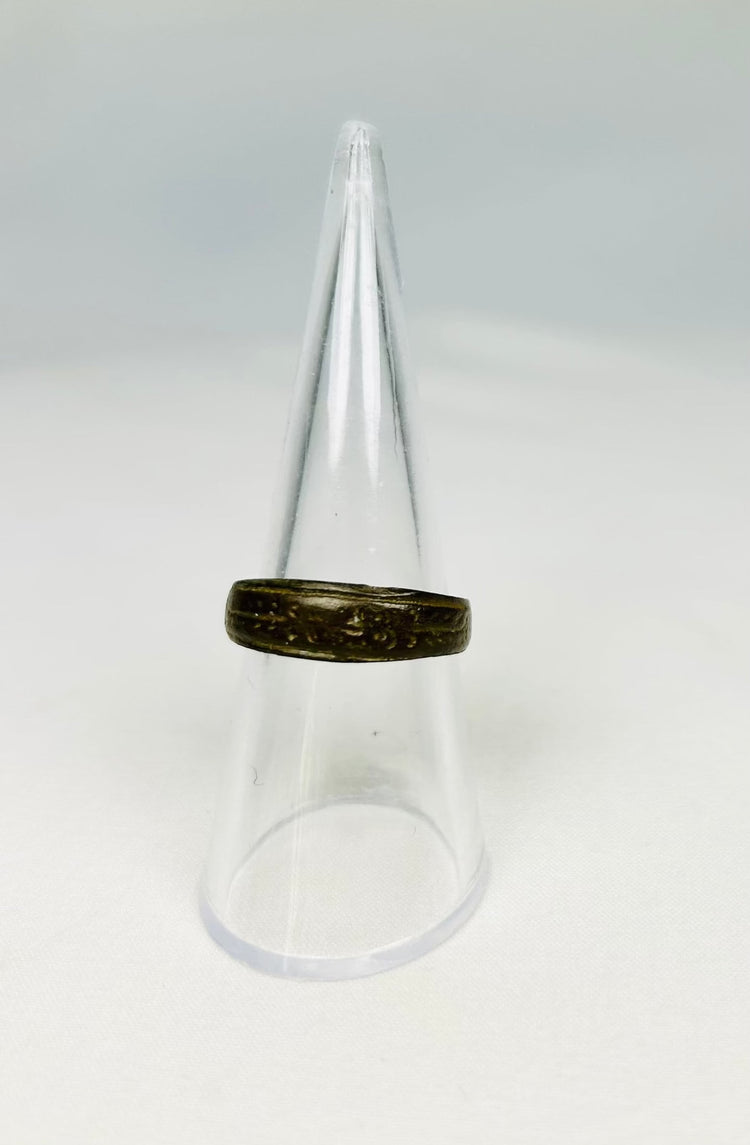
Este antiguo anillo romano es un excelente ejemplo de la artesanía y el simbolismo imperiales. La banda se estrecha ligeramente hacia el engaste, con líneas decorativas en forma de vid enmarcando un motivo central del sol. Su diseño refinado refleja el doble propósito de los anillos romanos como adorno personal y como portadores de significado espiritual o protector.
Características
- Motivo central del sol, que probablemente representa a Sol Invictus
- Grabados laterales en forma de vid que simbolizan la fertilidad y la renovación
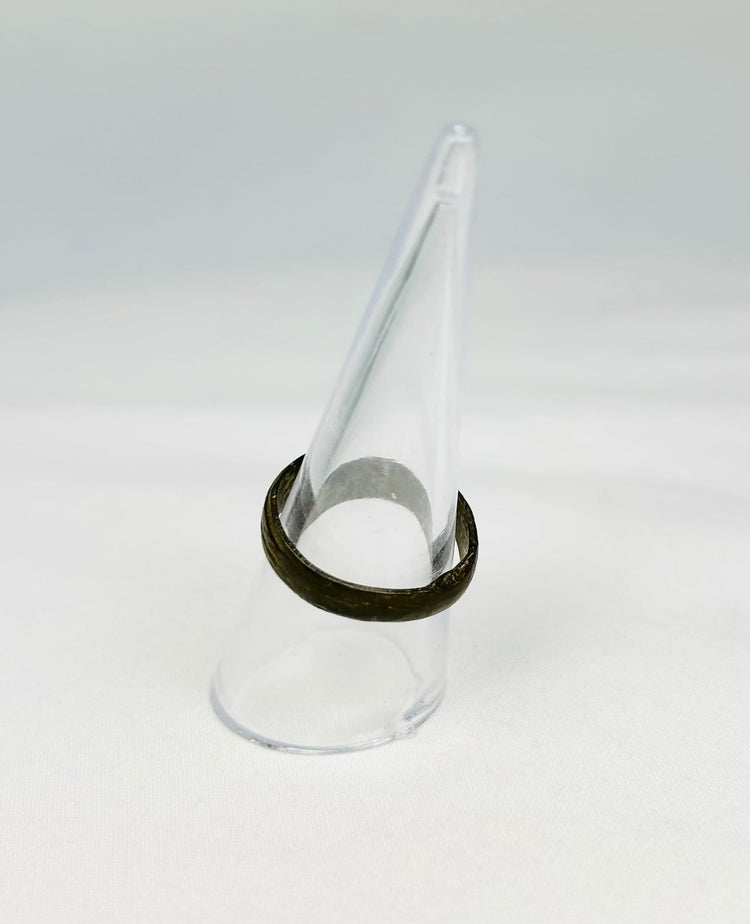
- Banda de bronce que se estrecha con proporciones elegantes
- Pátina natural envejecida que realza la autenticidad
Importancia cultural
El símbolo del sol estaba fuertemente ligado al culto de Sol Invictus, venerado como el "Sol Invicto" y promovido oficialmente bajo el emperador Aureliano en el siglo III d. C. Encarnaba la protección divina, el poder imperial y la victoria. Los motivos de vid circundantes probablemente reforzaban los temas de fertilidad, renovación y la fuerza vital del sol, ideas profundamente arraigadas en la religión y la vida cotidiana romanas. Anillos como este servían no solo como adornos personales, sino también como amuletos que encarnaban el simbolismo sagrado e imperial.
Estado
El anillo está bien conservado para su edad, con los motivos grabados claramente visibles. La banda muestra el desgaste superficial y la pátina esperados por el enterramiento y los siglos de antigüedad, lo que contribuye a su autenticidad y carácter histórico.
Dimensiones (aproximadas)
Talla del anillo: 7.5 US
Edad (aproximada)
1.625–1.925 años de antigüedad
Procedencia
Anteriormente en una colección privada en Armadale, Victoria, Australia.
Saber más
Estudia el simbolismo y la artesanía del Diseño de Anillos y Joyas Romanas
Explora nuestra Colección de Anillos Antiguos y Joyas Históricas
Descripción
Contexto histórico y origen
Región: Imperio Romano
Material: Bronce con decoración grabada
Periodo: Periodo imperial, siglos I-IV d. C.
Descripción
Este antiguo anillo romano es un excelente ejemplo de la artesanía y el simbolismo imperiales. La banda se estrecha ligeramente hacia el engaste, con líneas decorativas en forma de vid enmarcando un motivo central del sol. Su diseño refinado refleja el doble propósito de los anillos romanos como adorno personal y como portadores de significado espiritual o protector.
Características
- Motivo central del sol, que probablemente representa a Sol Invictus
- Grabados laterales en forma de vid que simbolizan la fertilidad y la renovación
- Banda de bronce que se estrecha con proporciones elegantes
- Pátina natural envejecida que realza la autenticidad
Importancia cultural
El símbolo del sol estaba fuertemente ligado al culto de Sol Invictus, venerado como el "Sol Invicto" y promovido oficialmente bajo el emperador Aureliano en el siglo III d. C. Encarnaba la protección divina, el poder imperial y la victoria. Los motivos de vid circundantes probablemente reforzaban los temas de fertilidad, renovación y la fuerza vital del sol, ideas profundamente arraigadas en la religión y la vida cotidiana romanas. Anillos como este servían no solo como adornos personales, sino también como amuletos que encarnaban el simbolismo sagrado e imperial.
Estado
El anillo está bien conservado para su edad, con los motivos grabados claramente visibles. La banda muestra el desgaste superficial y la pátina esperados por el enterramiento y los siglos de antigüedad, lo que contribuye a su autenticidad y carácter histórico.
Dimensiones (aproximadas)
Talla del anillo: 7.5 US
Edad (aproximada)
1.625–1.925 años de antigüedad
Procedencia
Anteriormente en una colección privada en Armadale, Victoria, Australia.
Saber más
Estudia el simbolismo y la artesanía del Diseño de Anillos y Joyas Romanas
Explora nuestra Colección de Anillos Antiguos y Joyas Históricas
También te puede interesar
