
Figura de cerámica de fertilidad de la Antigua Roma | Circa siglos I-III d. C.
- Precio habitual
- $500.00
- Precio de venta
- $500.00
- Precio habitual
No se pudo cargar la disponibilidad de retiro


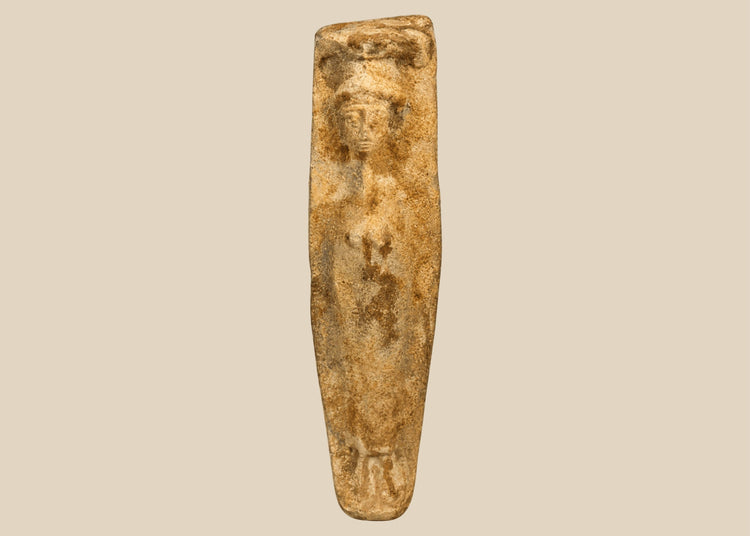
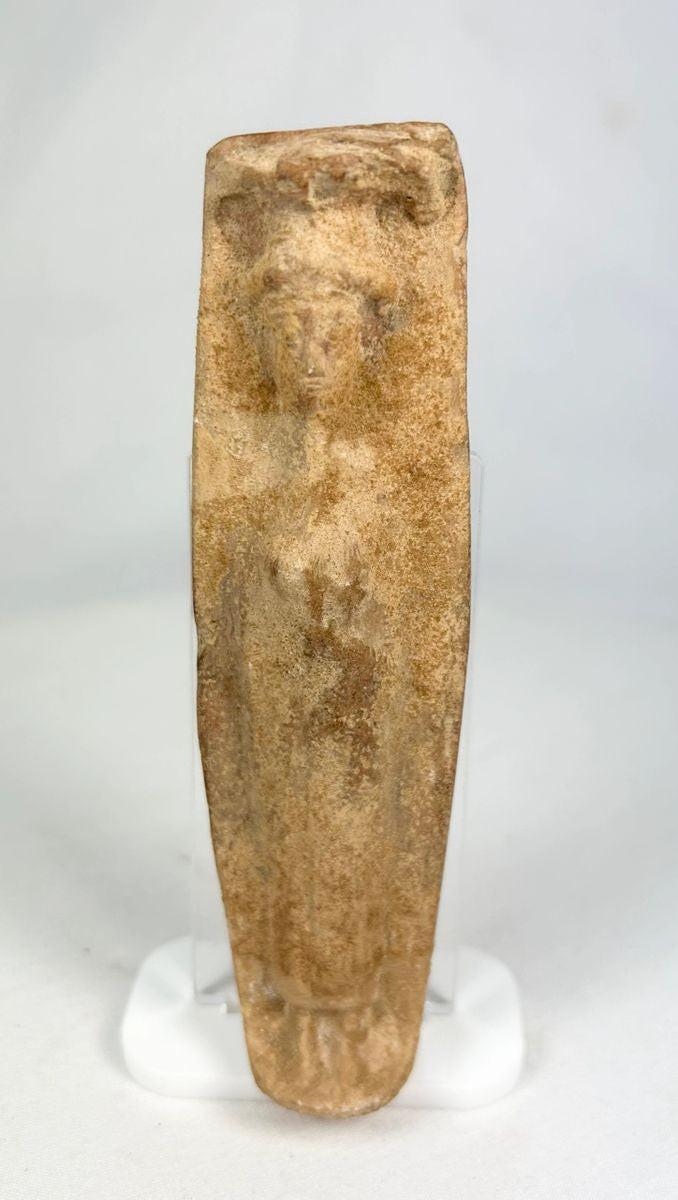
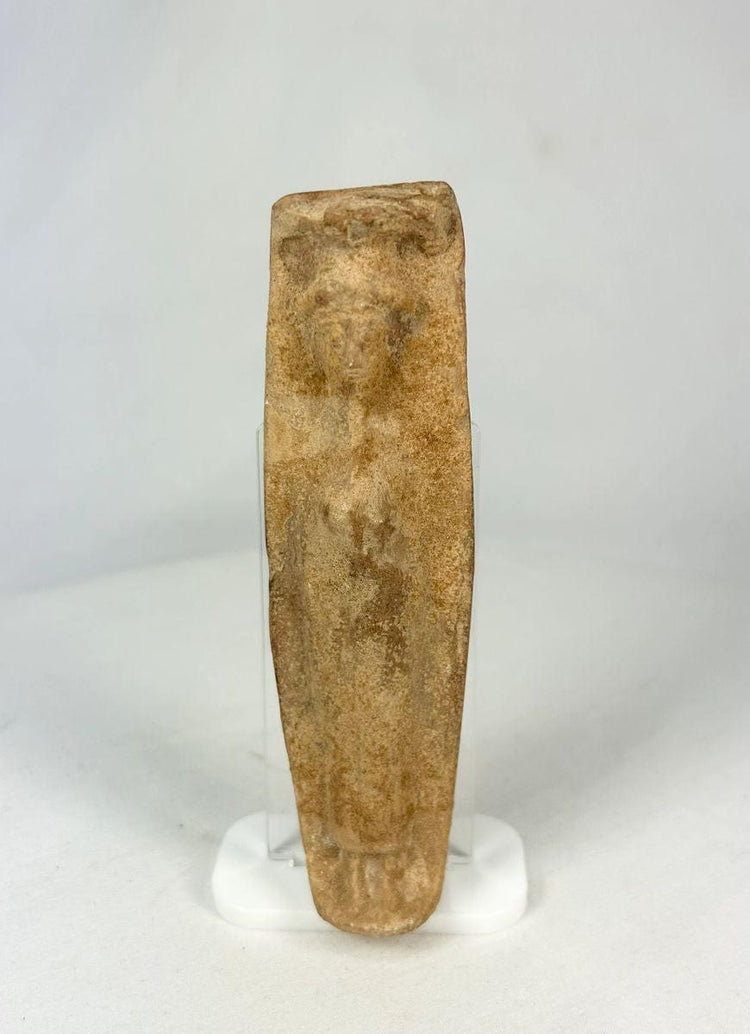
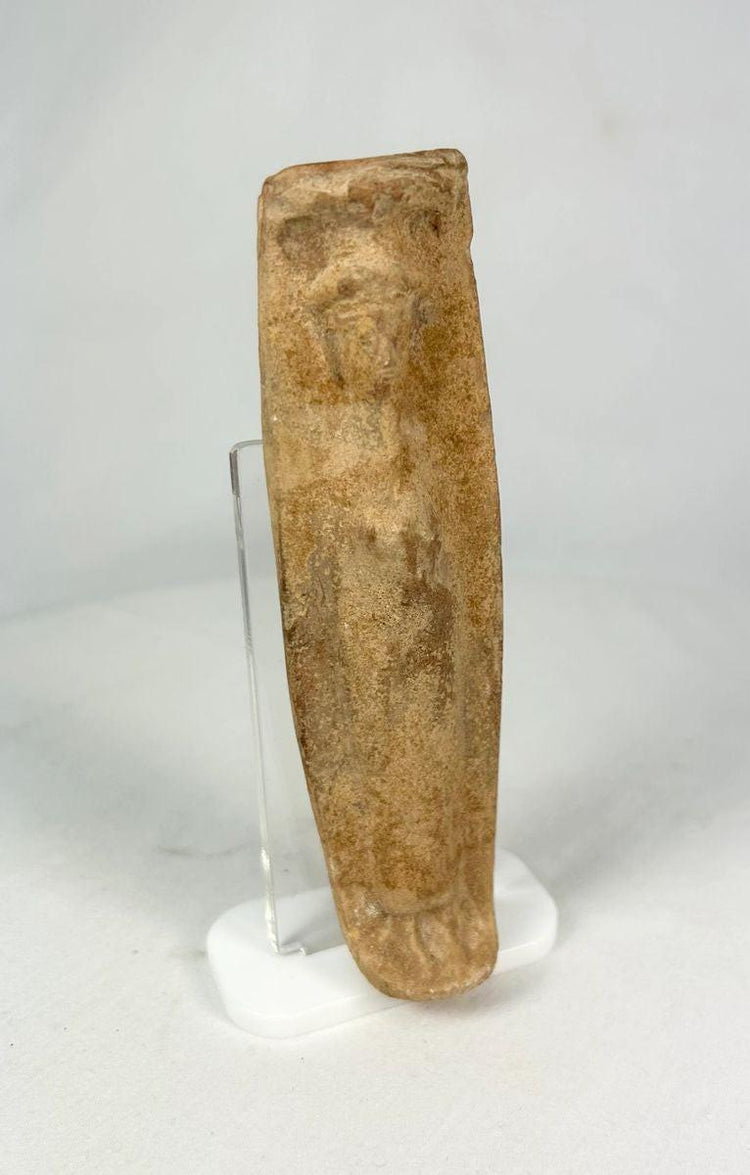
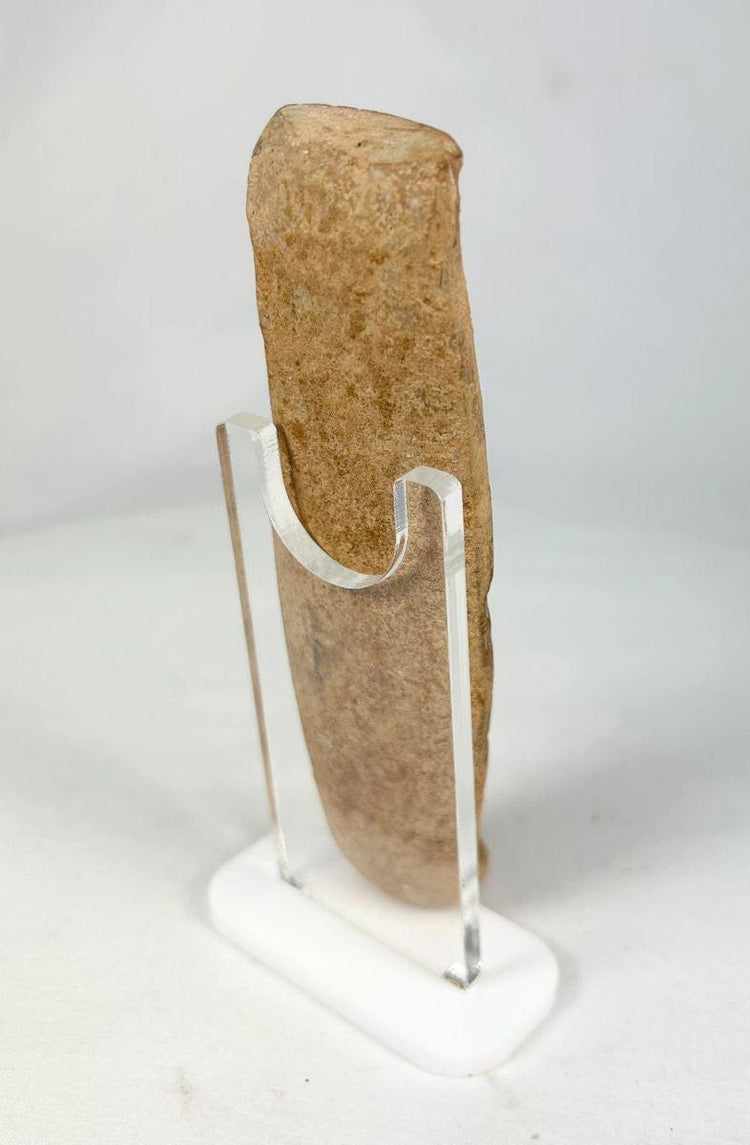
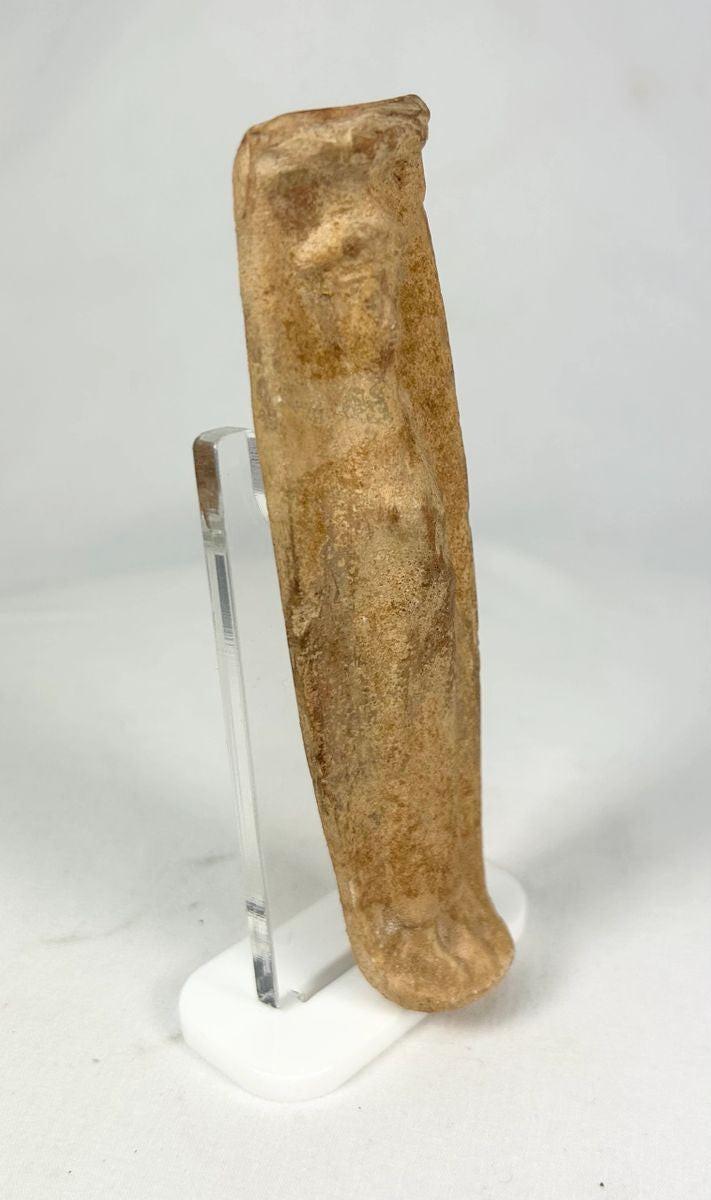
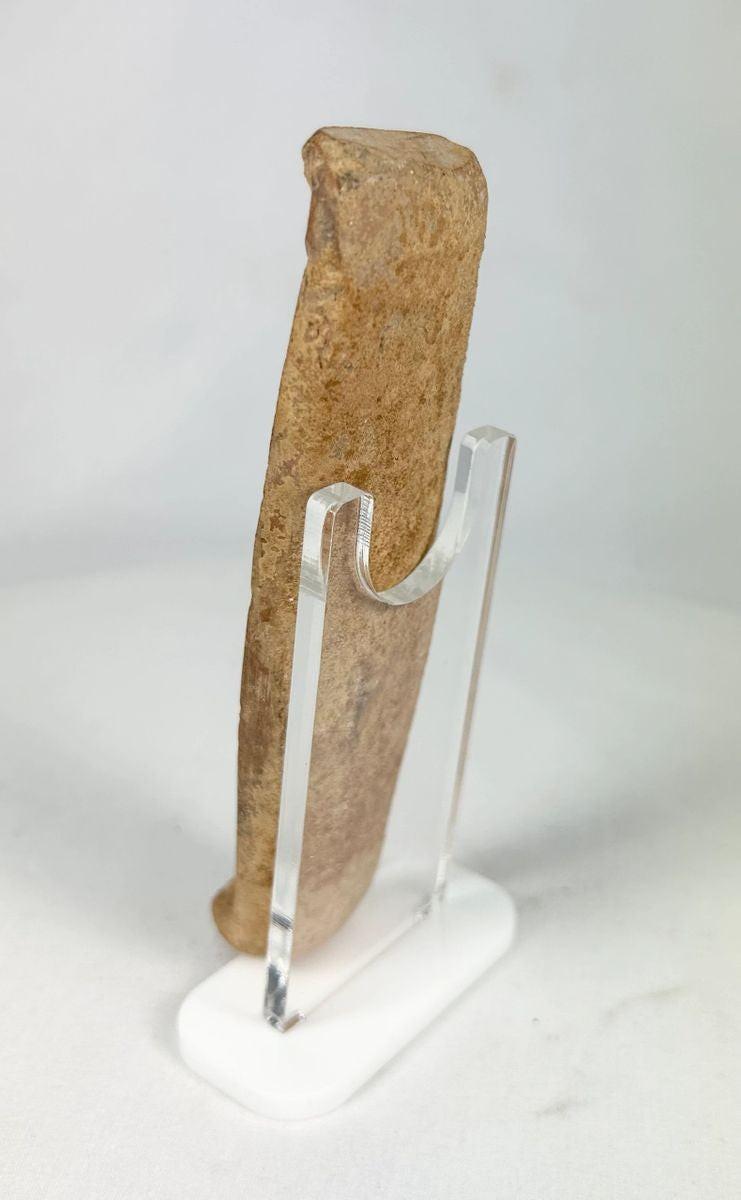
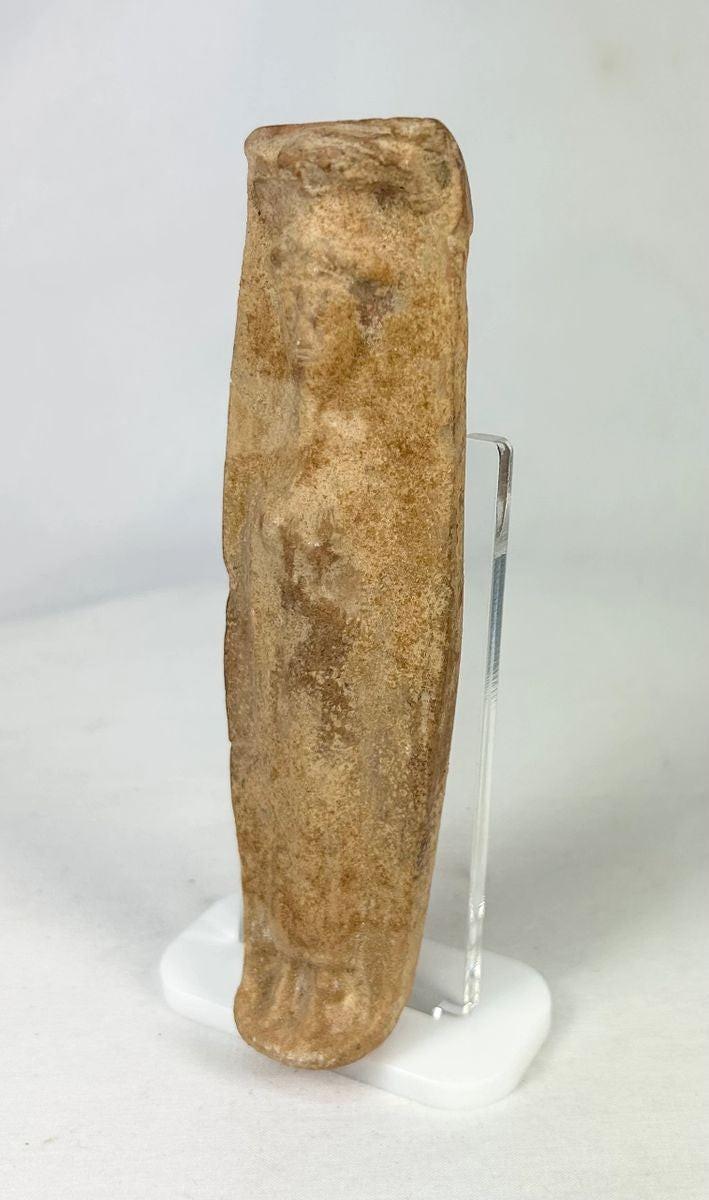
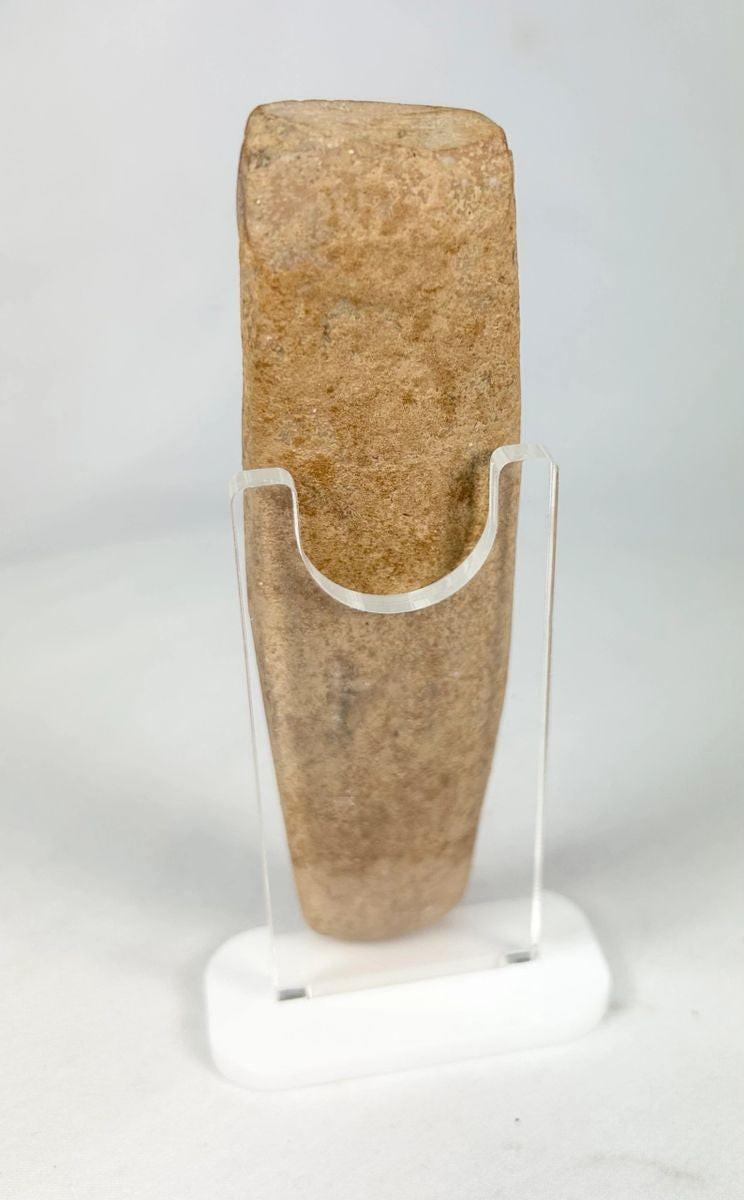
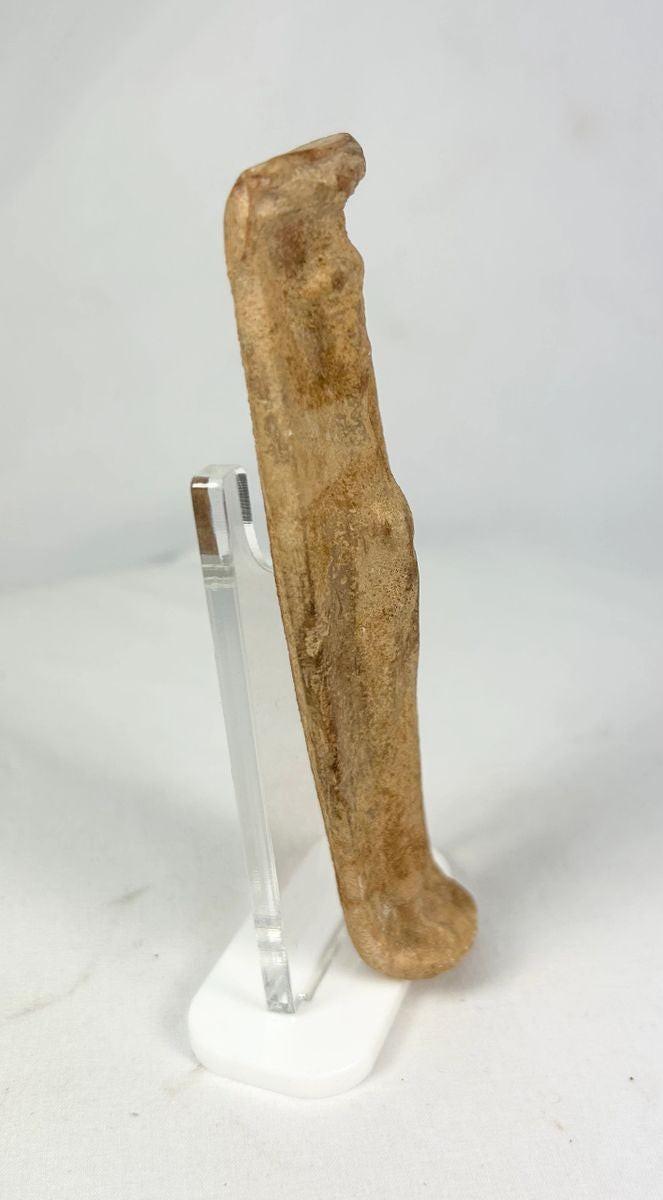
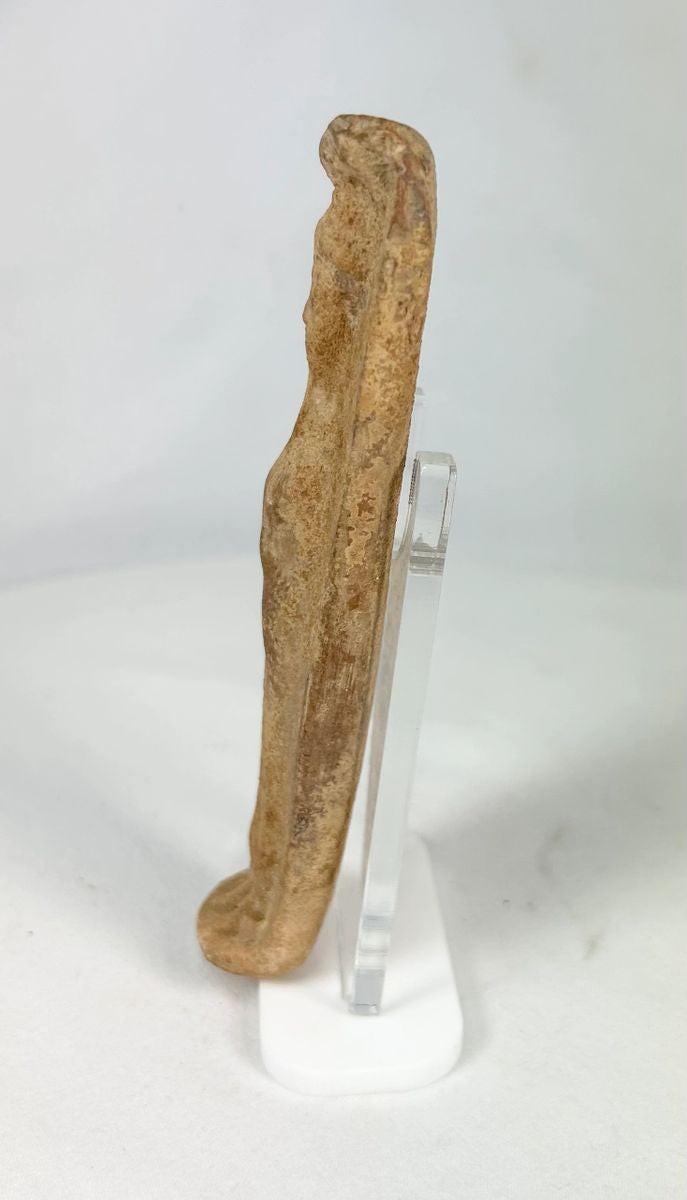
Figura de cerámica de fertilidad de la Antigua Roma | Circa siglos I-III d. C.
Descripción
Más
Menos
Contexto histórico y origen
Región: Antiguo Imperio Romano
Material: Arcilla de terracota
Periodo: Siglo I-III d.C.
Descripción
Esta figura de fertilidad de terracota procede del mundo romano, una civilización donde los rituales domésticos, las ofrendas en los templos y las prácticas de culto a la fertilidad formaban una parte vital de la vida cotidiana. Figuras como esta se colocaban en santuarios, hogares o enterramientos para invocar bendiciones divinas de fertilidad, prosperidad y protección. La forma estilizada, con detalles faciales tenues y una forma envuelta, sugiere una representación simbólica más que naturalista, evocando temas de renacimiento y presencia divina.
Características
- Moldeado a mano en arcilla de terracota gruesa
- Pátina terrosa natural con depósitos minerales de enterramiento
- Forma humana estilizada con rastros de rasgos faciales
- Motivo de envoltura/encierro simbólico de renacimiento y protección
- Tamaño votivo compacto para uso doméstico o en santuarios
Significado cultural
Las figuras de fertilidad como esta estaban relacionadas con diosas como Venus y Ceres, centrales en la vida religiosa romana. Se usaban ampliamente en todas las clases sociales, sirviendo tanto a hogares de élite como comunes como ofrendas votivas o amuletos protectores. Enterradas con los difuntos, estas figuras aseguraban el favor divino y la protección espiritual en el más allá. Este ejemplo encarna la mezcla romana de arte, devoción y práctica ritual diaria.
Estado
La figura muestra un desgaste superficial natural y un deterioro consistente con la edad, a la vez que conserva una estructura estable. La patinación y las concreciones minerales resaltan su antigüedad. No se detectan grietas o reparaciones importantes.
Dimensiones (Aproximadas)
Altura: 5 pulg.
Antigüedad (Aproximada)
1.700-1.900 años
Procedencia
Anteriormente en una destacada y antigua colección privada en Tavares, Florida, EE. UU.
Más información
Lea sobre las estatuas femeninas de fertilidad en el Mediterráneo antiguo en Curationist
Explore nuestra Colección de antigüedades romanas
Descripción
Contexto histórico y origen
Región: Antiguo Imperio Romano
Material: Arcilla de terracota
Periodo: Siglo I-III d.C.
Descripción
Esta figura de fertilidad de terracota procede del mundo romano, una civilización donde los rituales domésticos, las ofrendas en los templos y las prácticas de culto a la fertilidad formaban una parte vital de la vida cotidiana. Figuras como esta se colocaban en santuarios, hogares o enterramientos para invocar bendiciones divinas de fertilidad, prosperidad y protección. La forma estilizada, con detalles faciales tenues y una forma envuelta, sugiere una representación simbólica más que naturalista, evocando temas de renacimiento y presencia divina.
Características
- Moldeado a mano en arcilla de terracota gruesa
- Pátina terrosa natural con depósitos minerales de enterramiento
- Forma humana estilizada con rastros de rasgos faciales
- Motivo de envoltura/encierro simbólico de renacimiento y protección
- Tamaño votivo compacto para uso doméstico o en santuarios
Significado cultural
Las figuras de fertilidad como esta estaban relacionadas con diosas como Venus y Ceres, centrales en la vida religiosa romana. Se usaban ampliamente en todas las clases sociales, sirviendo tanto a hogares de élite como comunes como ofrendas votivas o amuletos protectores. Enterradas con los difuntos, estas figuras aseguraban el favor divino y la protección espiritual en el más allá. Este ejemplo encarna la mezcla romana de arte, devoción y práctica ritual diaria.
Estado
La figura muestra un desgaste superficial natural y un deterioro consistente con la edad, a la vez que conserva una estructura estable. La patinación y las concreciones minerales resaltan su antigüedad. No se detectan grietas o reparaciones importantes.
Dimensiones (Aproximadas)
Altura: 5 pulg.
Antigüedad (Aproximada)
1.700-1.900 años
Procedencia
Anteriormente en una destacada y antigua colección privada en Tavares, Florida, EE. UU.
Más información
Lea sobre las estatuas femeninas de fertilidad en el Mediterráneo antiguo en Curationist
Explore nuestra Colección de antigüedades romanas
También te puede interesar
