



Sello de piedra tallada antigua con símbolos geométricos | Circa 2000–1000 a.C.
- Precio habitual
- $600.00
- Precio de venta
- $600.00
- Precio habitual
No se pudo cargar la disponibilidad de retiro


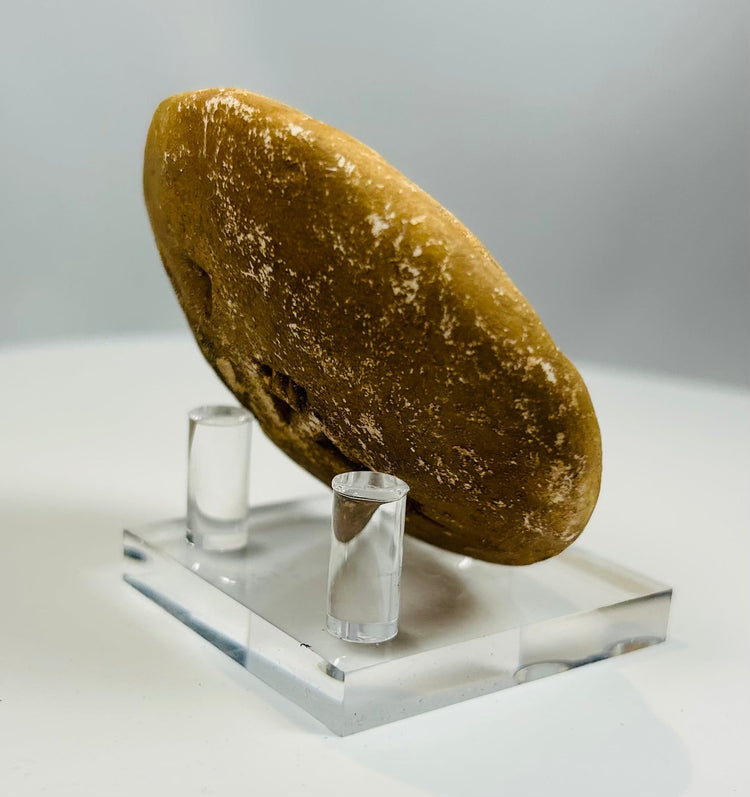
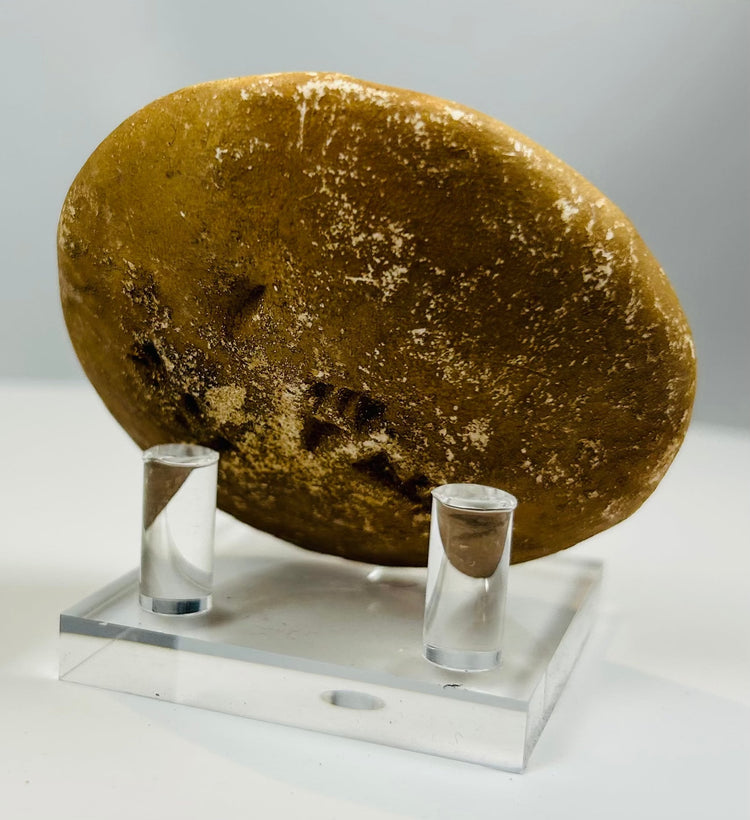
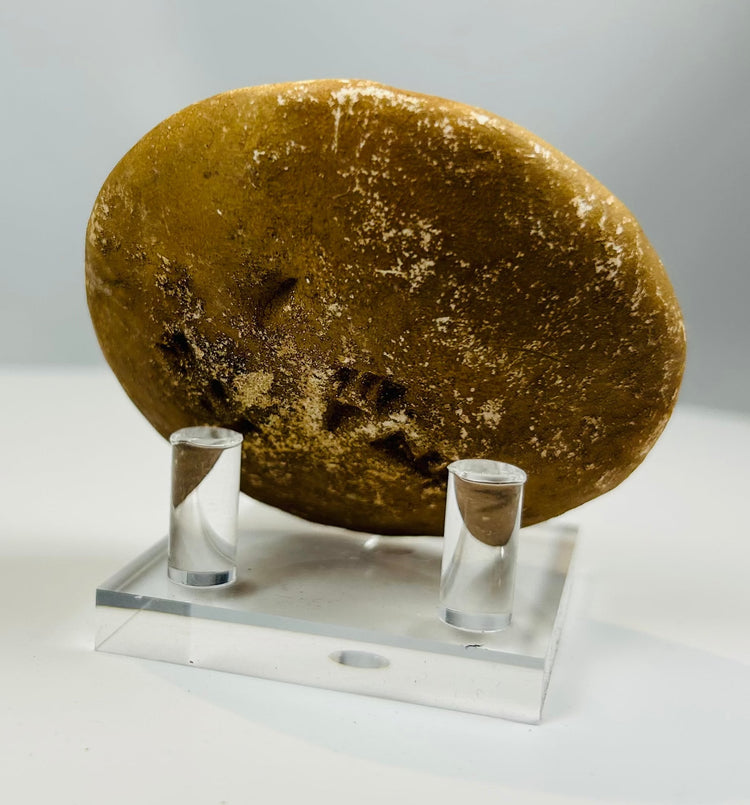
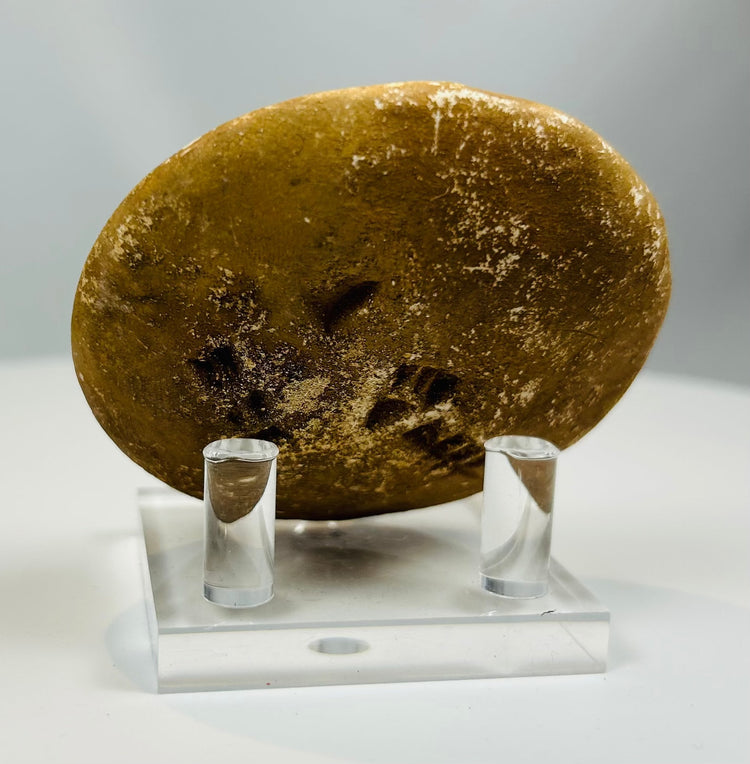
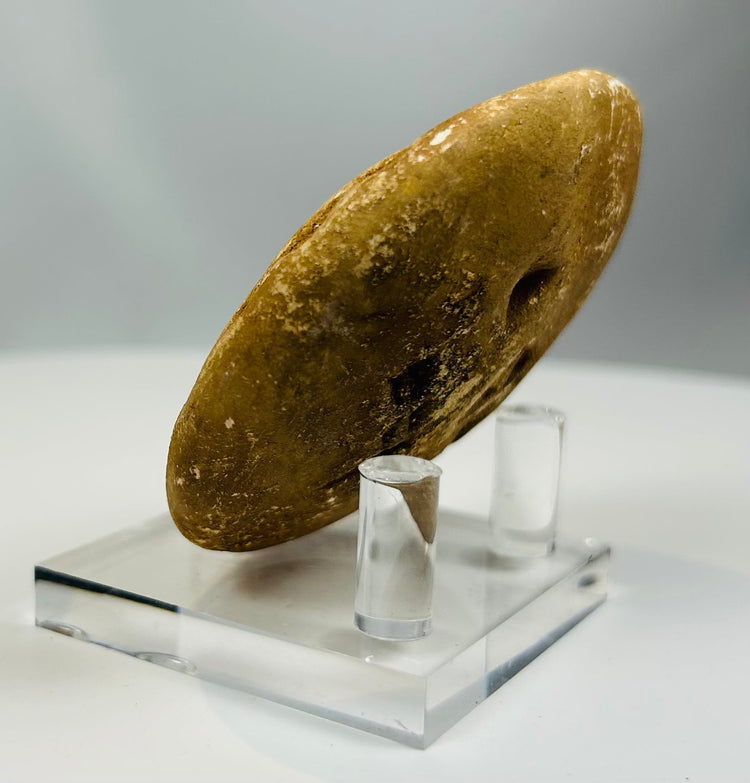
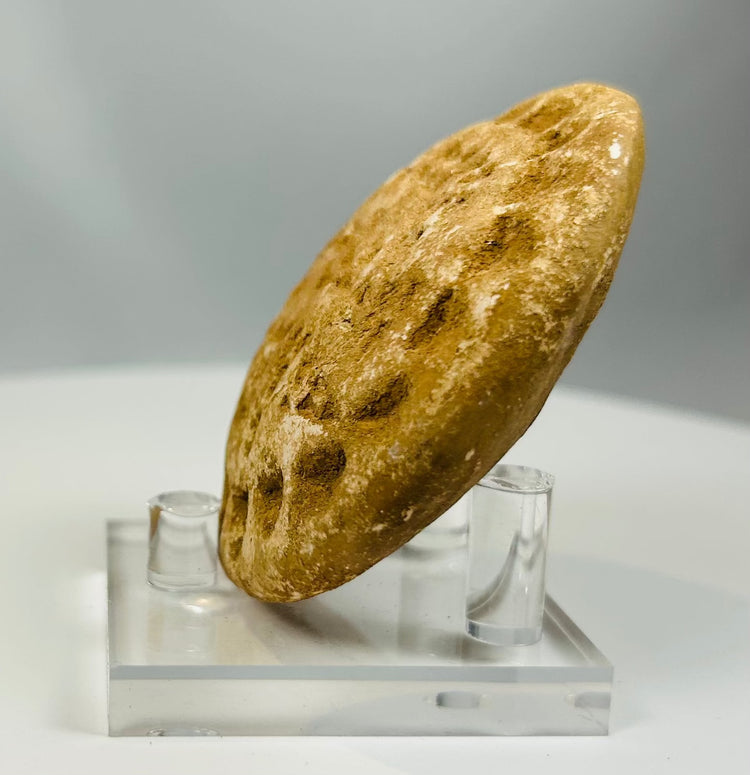
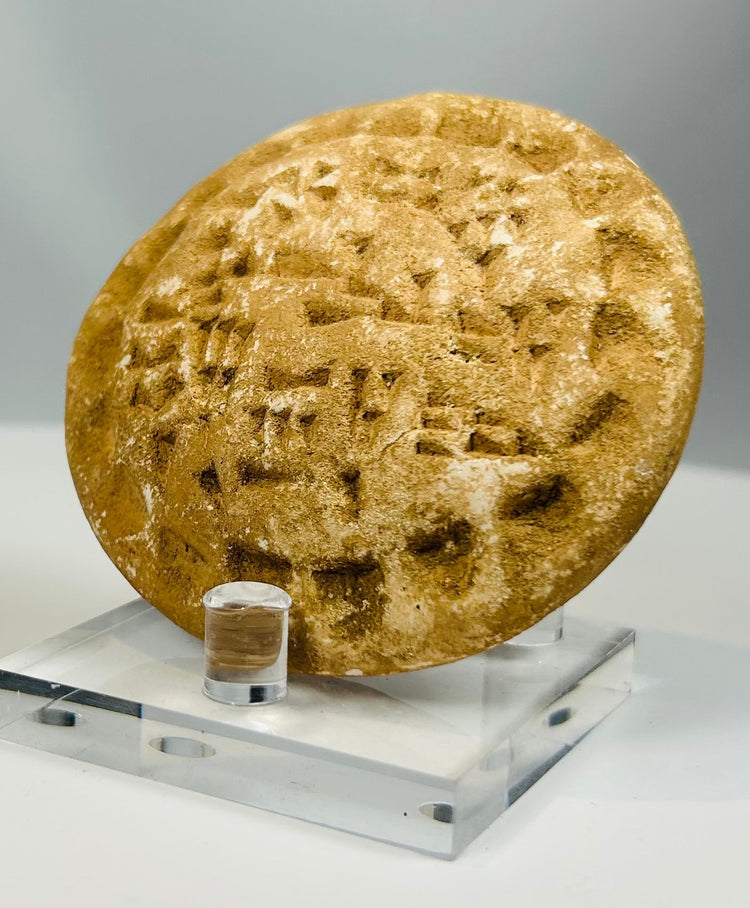

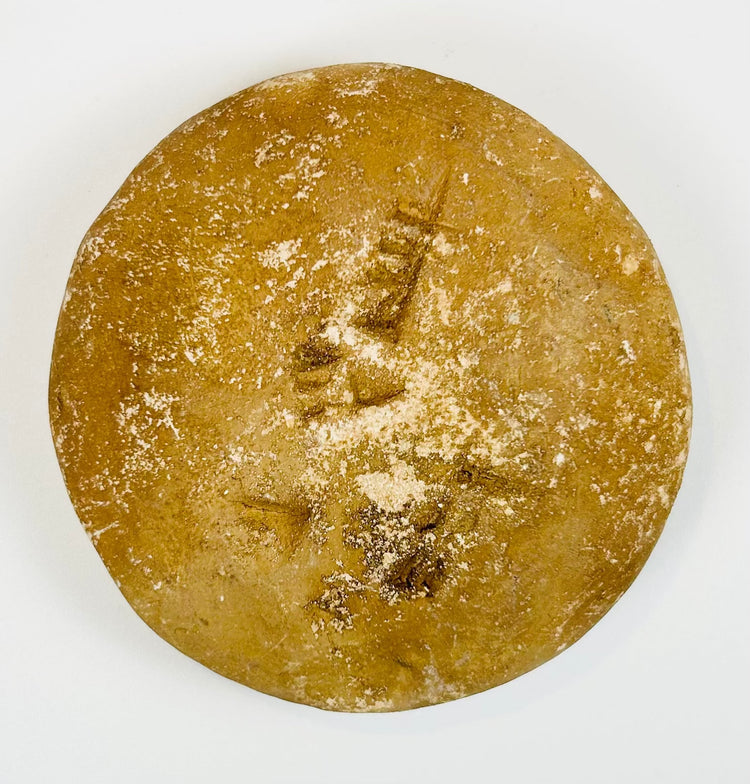
Sello de piedra tallada antigua con símbolos geométricos | Circa 2000–1000 a.C.
Descripción
Más
Menos
Contexto histórico y origen
Región: Cercano Oriente / Esfera cultural del Valle del Indo
Material: Piedra tallada (probablemente esteatita o caliza)
Período: Edad de Bronce a principios de la Edad de Hierro, c. 2000-1000 a.C.
Descripción
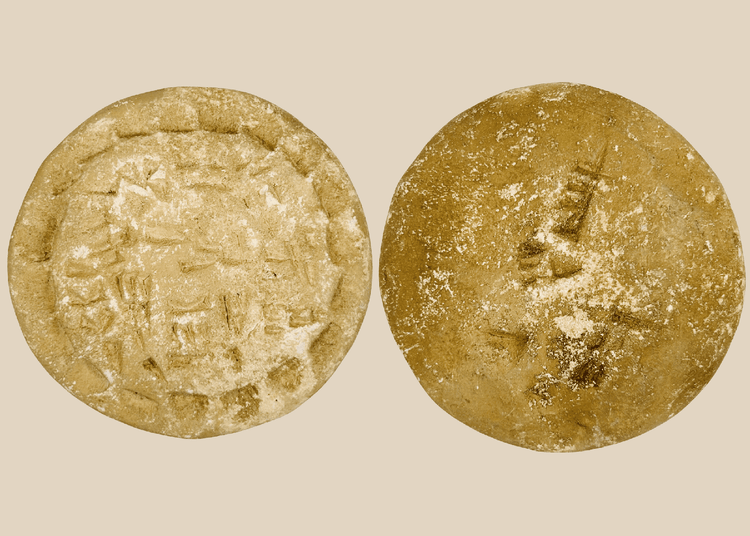
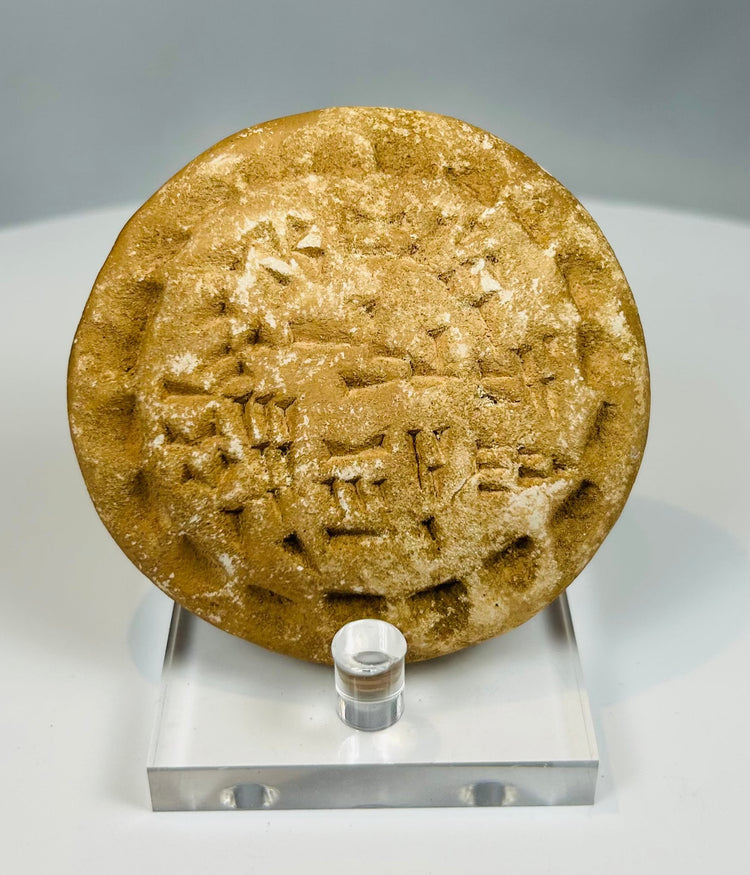
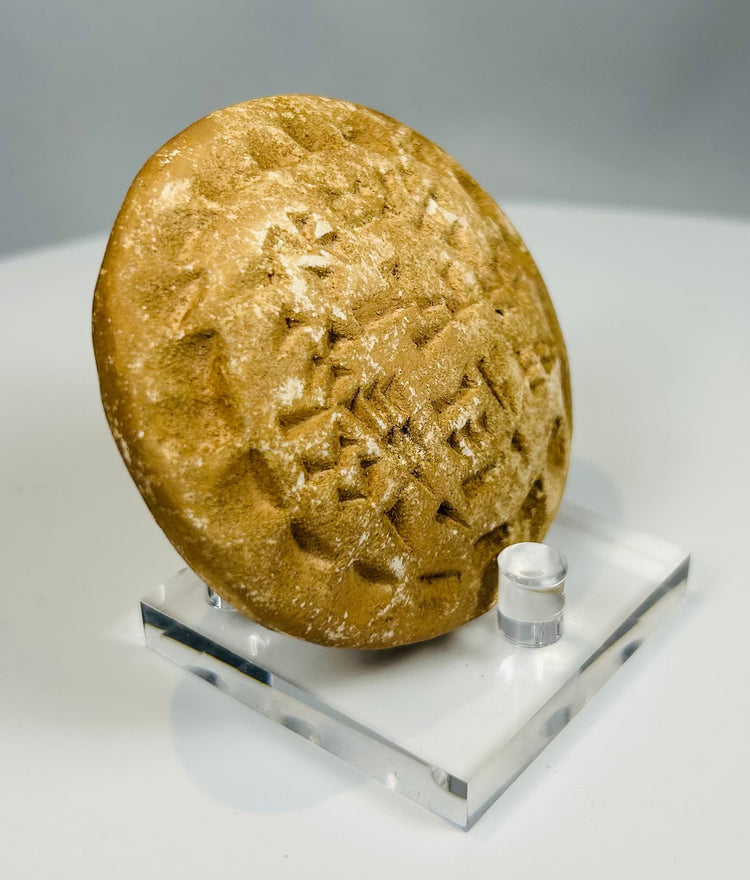
Este intrigante sello de piedra antiguo presenta una forma circular intrincadamente tallada con motivos geométricos y simbólicos dispuestos alrededor de un diseño central en relieve. La pieza probablemente se usó como un sello personal o administrativo, presionado en arcilla, cera u otros materiales blandos para marcar la propiedad, autenticar bienes o registrar transacciones.
En todo el antiguo Cercano Oriente y el Valle del Indo, los sellos desempeñaron un papel esencial en los primeros sistemas de comercio, gobierno e identidad. Comerciantes, funcionarios y administradores usaban sellos tallados para asegurar contenedores, estampar documentos y significar autoridad dentro de complejas redes comerciales.
El diseño de este ejemplo consiste en elementos lineales abstractos y formas geométricas repetidas dispuestas dentro de un borde circular. Aunque desgastados por siglos de antigüedad, los motivos tallados permanecen visibles y reflejan el vocabulario estilístico característico de las primeras tradiciones de tallado de sellos.
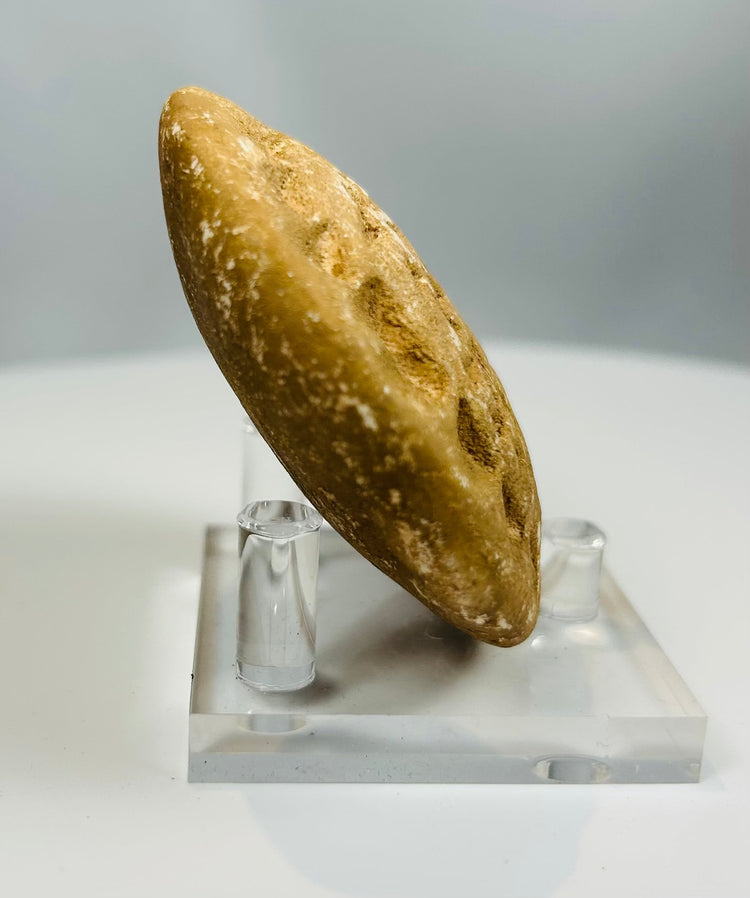
La piedra exhibe concreciones minerales y una pátina lisa desarrollada a través de un largo enterramiento, lo que sugiere una considerable antigüedad. Su tamaño compacto y su reverso plano indican que estaba destinada a ser sostenida con la mano cuando se usaba como dispositivo de estampado.
Características
- Sello de piedra circular tallado
- Intrincados motivos geométricos y simbólicos en relieve
- Objeto administrativo de la Edad del Bronce utilizado para estampar arcilla o cera
- Pátina antigua lisa con depósitos minerales
- Forma compacta y portátil típica de los sellos antiguos
- Artefacto decorativo e históricamente significativo
Significado cultural
Los sellos fueron de las primeras herramientas de la administración burocrática en el mundo antiguo. Utilizados ampliamente en Mesopotamia, el Valle del Indo, Anatolia y las regiones circundantes, estos sellos facilitaron el comercio, controlaron los bienes y autenticaron la propiedad. Cada sello funcionaba como una marca de identidad personal u oficial, una forma temprana de firma.
Condición
Condición antigua con gran desgaste superficial, depósitos minerales y pulido consistente con un largo entierro. Los motivos tallados permanecen visibles a pesar de la erosión relacionada con la edad.
Dimensiones (aproximadas)
Altura: 3 pulgadas
Ancho: 3 pulgadas
Longitud: 0.5 pulgadas
Edad (aproximada)
3.000–4.000 años de antigüedad
Procedencia
Anteriormente parte de la colección de un coleccionista de antigüedades de toda la vida en South Paris, Maine, Estados Unidos. El coleccionista reunió un grupo amplio y variado de objetos históricos y decorativos durante muchas décadas. Tras el fallecimiento del coleccionista, la colección de la herencia se dispersó en su totalidad, y esta pieza entró posteriormente en el mercado del arte.
Más información
Explore el papel de los sellos antiguos y sus impresiones en este recurso de la Institución Smithsonian
Explore nuestra Colección de sistemas de escritura antiguos y textos cuneiformes
Descripción
Contexto histórico y origen
Región: Cercano Oriente / Esfera cultural del Valle del Indo
Material: Piedra tallada (probablemente esteatita o caliza)
Período: Edad de Bronce a principios de la Edad de Hierro, c. 2000-1000 a.C.
Descripción
Este intrigante sello de piedra antiguo presenta una forma circular intrincadamente tallada con motivos geométricos y simbólicos dispuestos alrededor de un diseño central en relieve. La pieza probablemente se usó como un sello personal o administrativo, presionado en arcilla, cera u otros materiales blandos para marcar la propiedad, autenticar bienes o registrar transacciones.
En todo el antiguo Cercano Oriente y el Valle del Indo, los sellos desempeñaron un papel esencial en los primeros sistemas de comercio, gobierno e identidad. Comerciantes, funcionarios y administradores usaban sellos tallados para asegurar contenedores, estampar documentos y significar autoridad dentro de complejas redes comerciales.
El diseño de este ejemplo consiste en elementos lineales abstractos y formas geométricas repetidas dispuestas dentro de un borde circular. Aunque desgastados por siglos de antigüedad, los motivos tallados permanecen visibles y reflejan el vocabulario estilístico característico de las primeras tradiciones de tallado de sellos.
La piedra exhibe concreciones minerales y una pátina lisa desarrollada a través de un largo enterramiento, lo que sugiere una considerable antigüedad. Su tamaño compacto y su reverso plano indican que estaba destinada a ser sostenida con la mano cuando se usaba como dispositivo de estampado.
Características
- Sello de piedra circular tallado
- Intrincados motivos geométricos y simbólicos en relieve
- Objeto administrativo de la Edad del Bronce utilizado para estampar arcilla o cera
- Pátina antigua lisa con depósitos minerales
- Forma compacta y portátil típica de los sellos antiguos
- Artefacto decorativo e históricamente significativo
Significado cultural
Los sellos fueron de las primeras herramientas de la administración burocrática en el mundo antiguo. Utilizados ampliamente en Mesopotamia, el Valle del Indo, Anatolia y las regiones circundantes, estos sellos facilitaron el comercio, controlaron los bienes y autenticaron la propiedad. Cada sello funcionaba como una marca de identidad personal u oficial, una forma temprana de firma.
Condición
Condición antigua con gran desgaste superficial, depósitos minerales y pulido consistente con un largo entierro. Los motivos tallados permanecen visibles a pesar de la erosión relacionada con la edad.
Dimensiones (aproximadas)
Altura: 3 pulgadas
Ancho: 3 pulgadas
Longitud: 0.5 pulgadas
Edad (aproximada)
3.000–4.000 años de antigüedad
Procedencia
Anteriormente parte de la colección de un coleccionista de antigüedades de toda la vida en South Paris, Maine, Estados Unidos. El coleccionista reunió un grupo amplio y variado de objetos históricos y decorativos durante muchas décadas. Tras el fallecimiento del coleccionista, la colección de la herencia se dispersó en su totalidad, y esta pieza entró posteriormente en el mercado del arte.
Más información
Explore el papel de los sellos antiguos y sus impresiones en este recurso de la Institución Smithsonian
Explore nuestra Colección de sistemas de escritura antiguos y textos cuneiformes
También te puede interesar
