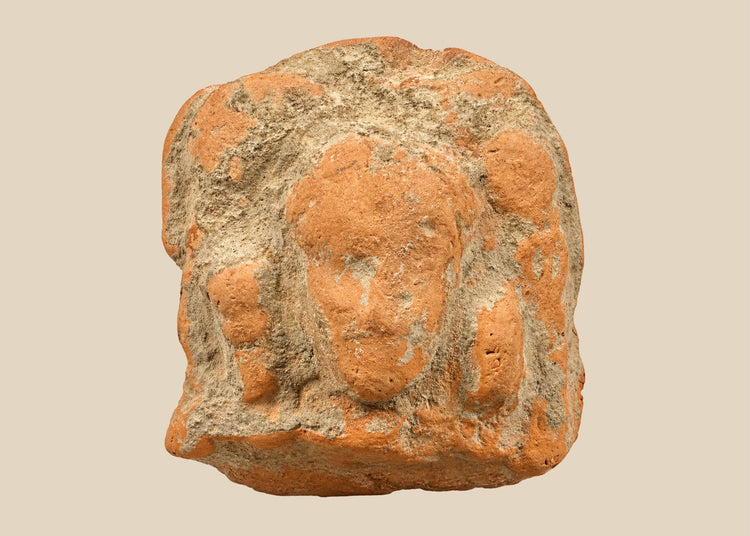
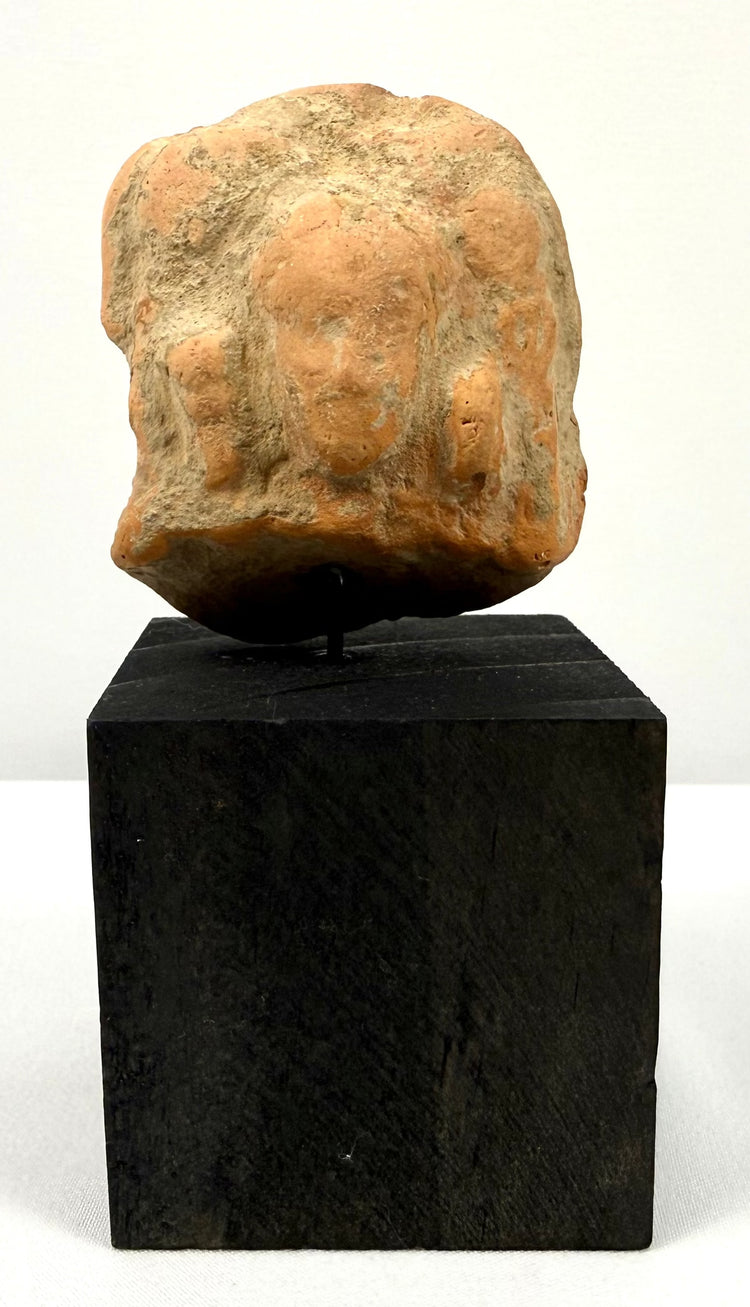
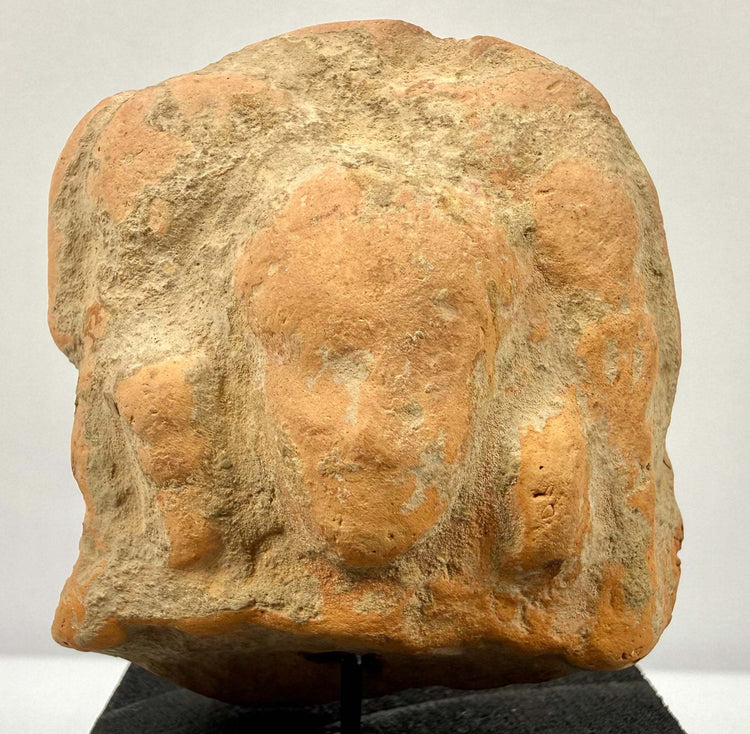
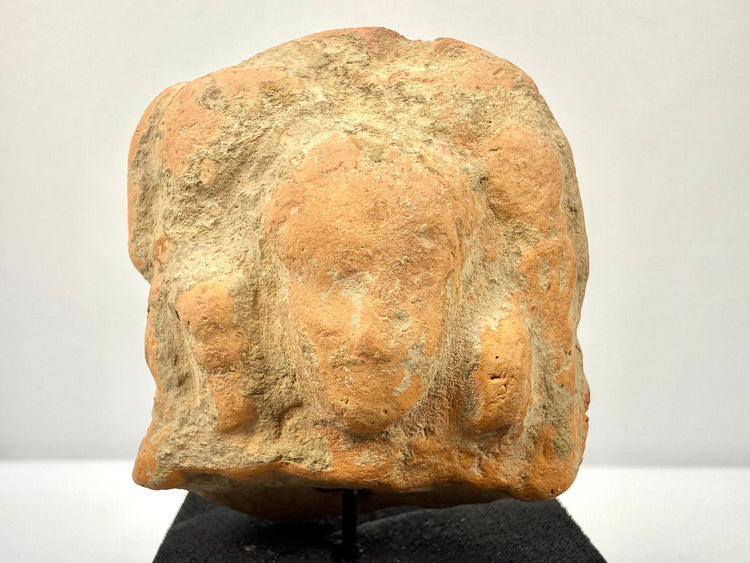
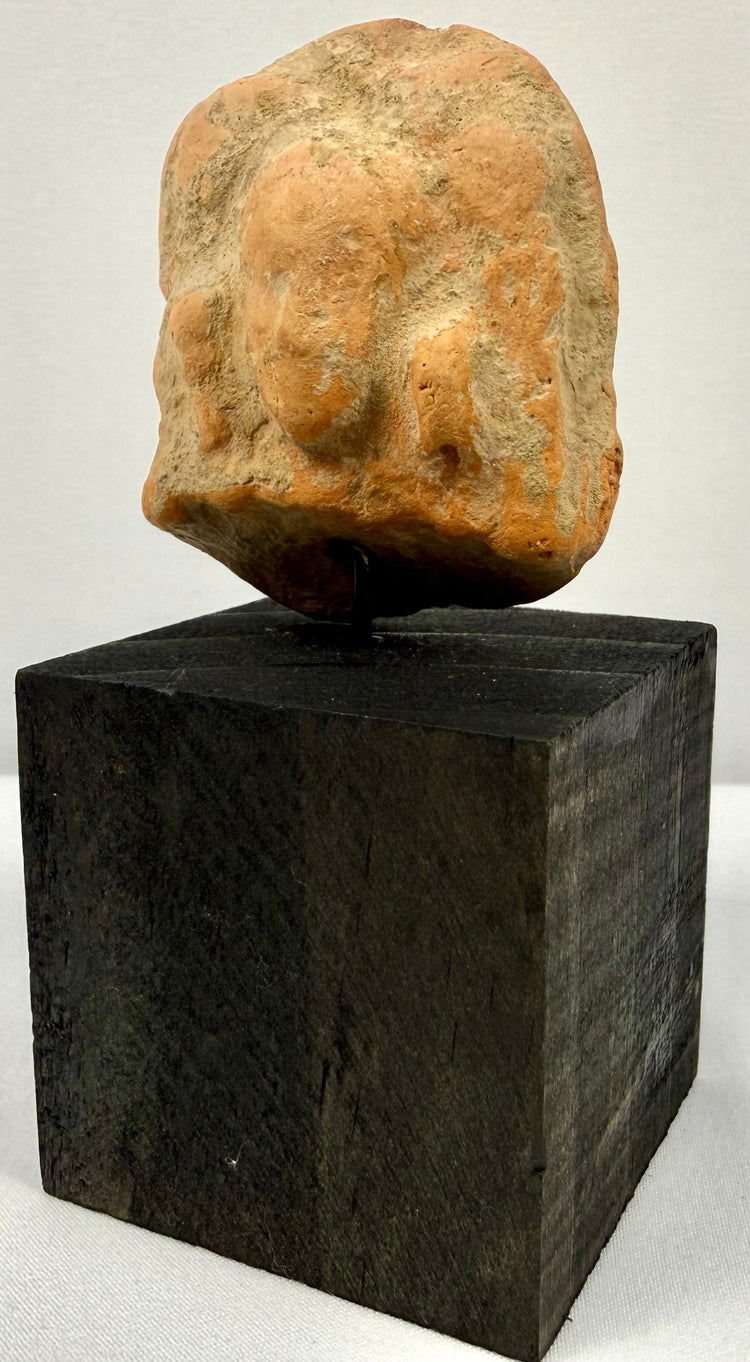
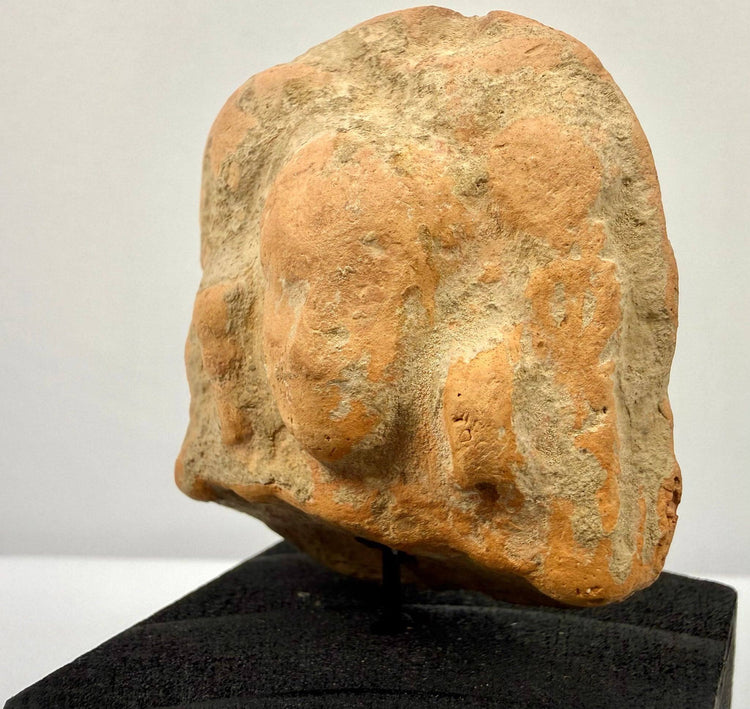
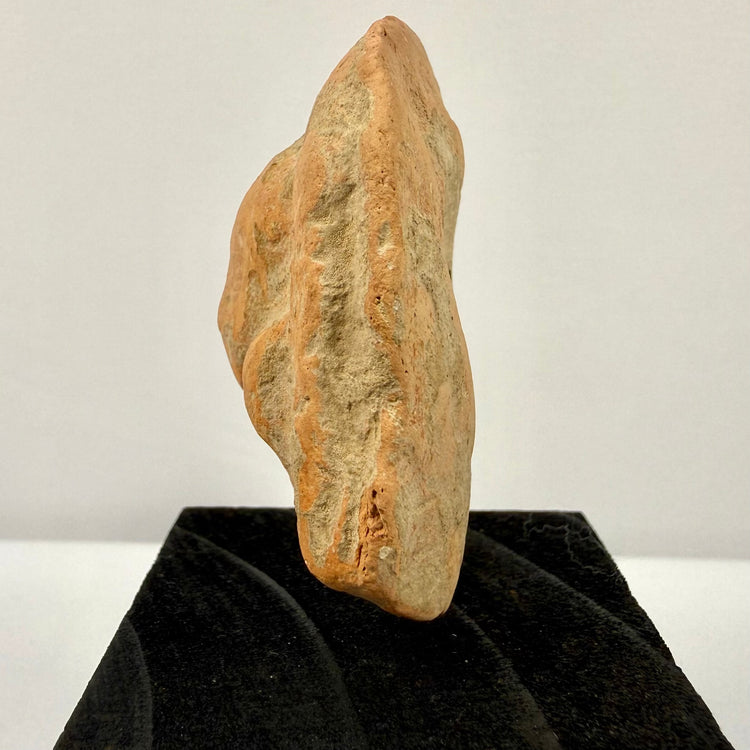
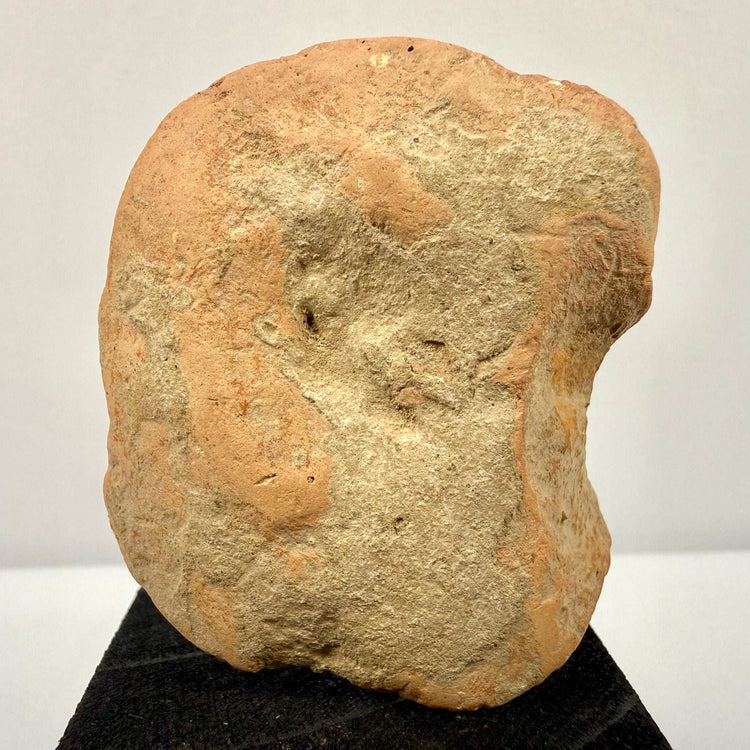
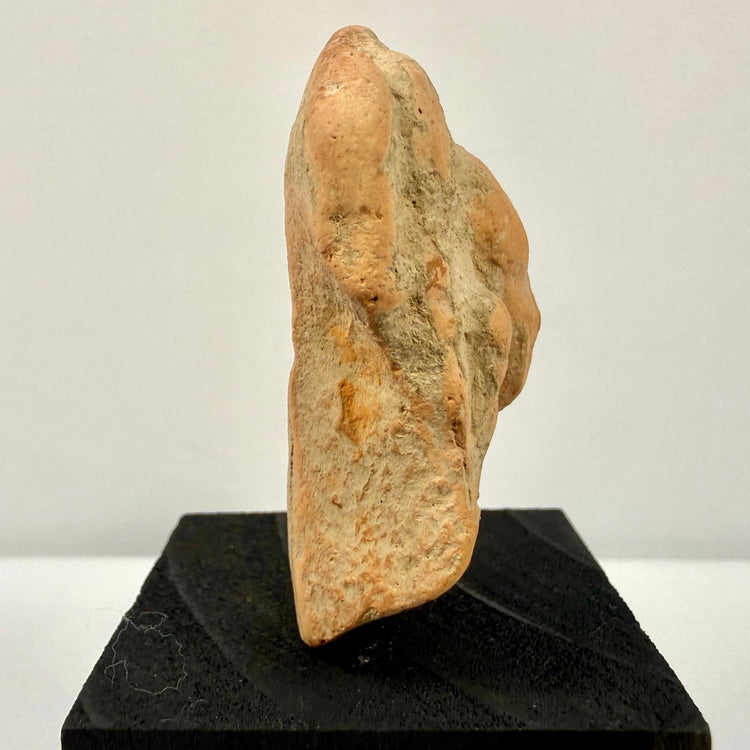
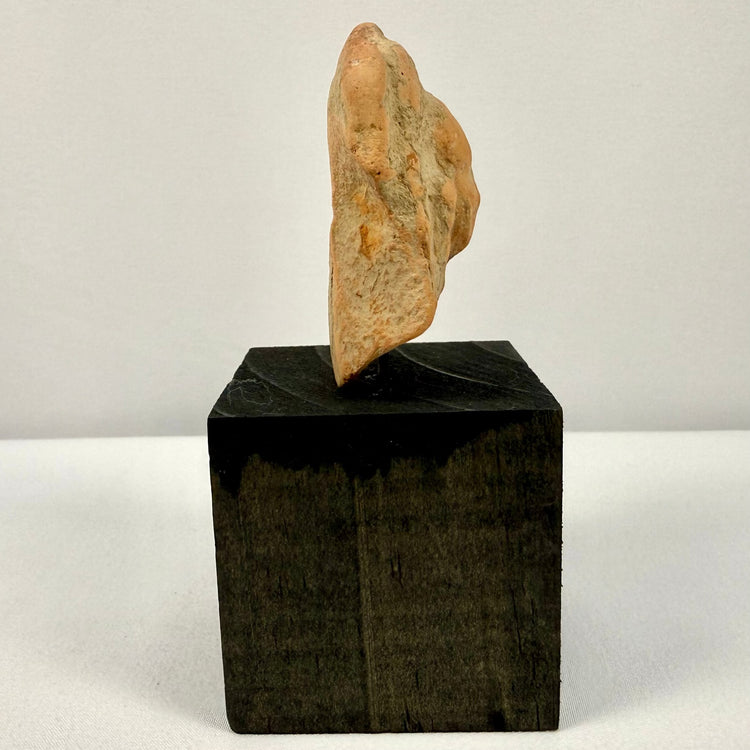
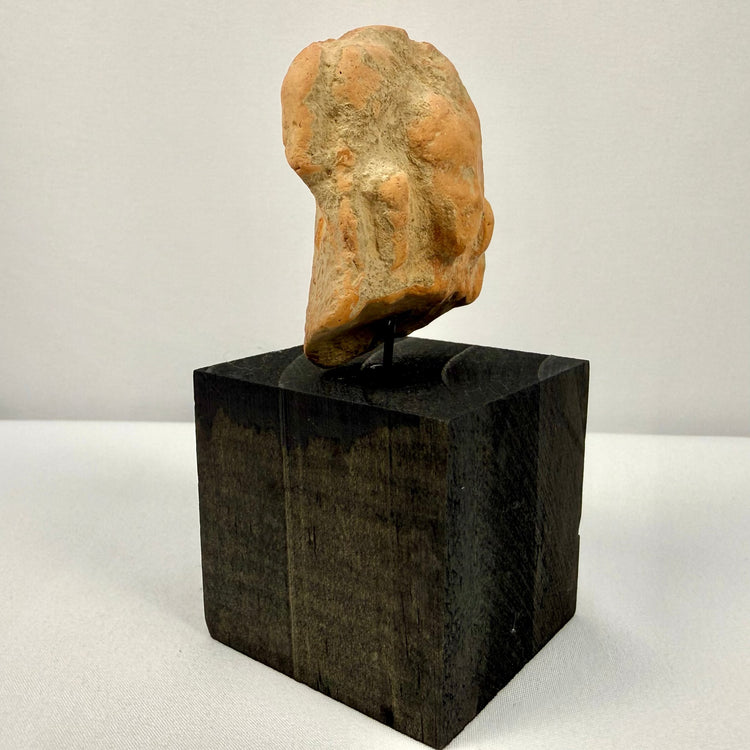
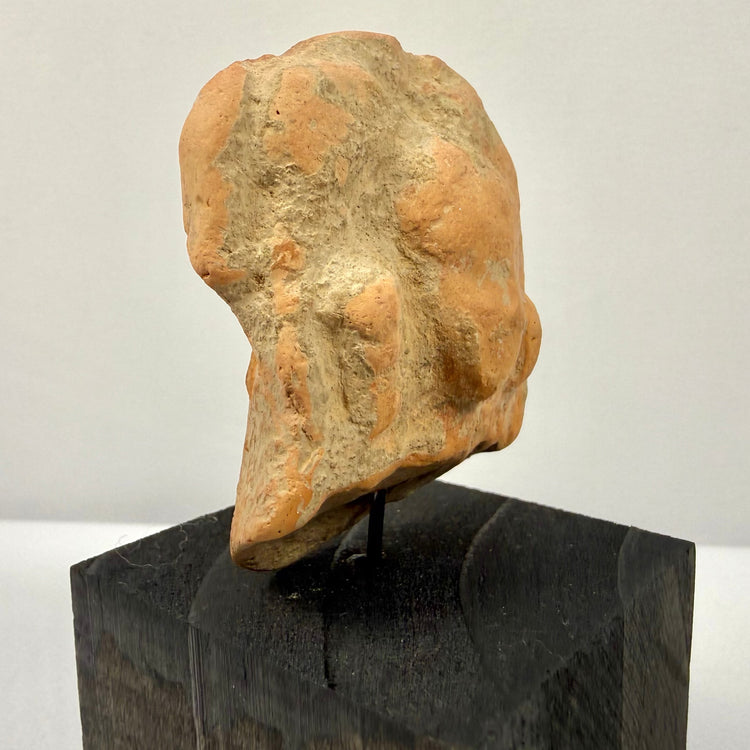
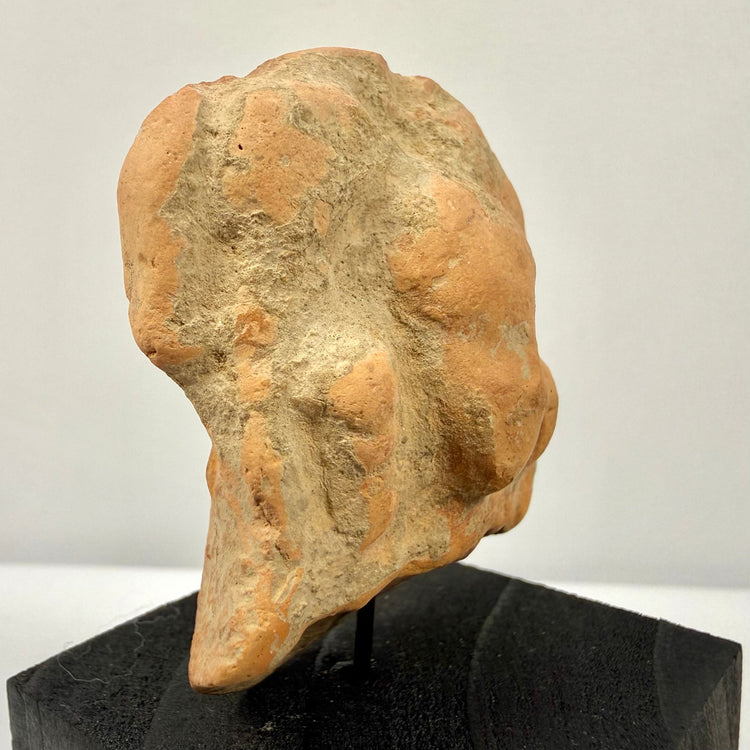
Fragmento de terracota antiguo con busto masculino | Gandhara/Noroeste de la India | Hacia los siglos II-IV d. C.

Historial de procedencia y propiedad

Anteriormente en la colección privada de Dale McKeeby, California, EE. UU., coleccionista de arte antiguo y antigüedades. Adquirido en el mercado del arte de Estados Unidos entre los años 1990 y principios de los 2000. Posteriormente en una colección privada en Nueva York, Nueva York, EE. UU.

Precio habitual
$300.00
Precio de venta
$300.00
Precio habitual
Envío calculado al finalizar la compra.

This is a one-of-a-kind historical object. Once sold, this exact piece will not be restocked.

Questions before acquiring? Additional photographs, condition details, documentation, shipping information or a private viewing are available upon request.
Ancient Gandharan terracotta male bust plaque fragment, 2nd–4th Century CE
Ancient Gandharan terracotta relief plaque fragment from the 2nd–4th century CE, featuring a weathered central male bust with almond-shaped eyes, a rounded hairstyle or headdress, faint attendant figures, reddish-brown clay, natural encrustation, and a custom display base.
Full frontal view of ancient terracotta bust centered on tall black display block
Close-up of weathered terracotta surface texture and earthy orange tones
Direct close-up of Gandharan terracotta fragment emphasizing central bust relief
Frontal view of ancient orange-brown terracotta plaque with central bust and side figures
Angled close-up of terracotta face revealing worn nose and rounded headdress details
Side profile of ancient terracotta fragment displaying thin irregular edge and weathering
Rear angle of fragmented terracotta piece showing coarse uneven clay surface
Side profile of rough textured terracotta artifact showing thickness and raised features
Small terracotta fragment standing vertically on black base emphasizing irregular shape
Terracotta male bust fragment elevated on pedestal highlighting height and clay material
Ancient Gandharan terracotta male bust fragment with almond eyes on black stand
Three-quarter view of terracotta bust back showing rough texture and neck details
  • Ancient Gandharan terracotta male bust plaque fragment, 2nd–4th Century CE
  • Ancient Gandharan terracotta relief plaque fragment from the 2nd–4th century CE, featuring a weathered central male bust with almond-shaped eyes, a rounded hairstyle or headdress, faint attendant figures, reddish-brown clay, natural encrustation, and a custom display base.
  • Full frontal view of ancient terracotta bust centered on tall black display block
  • Close-up of weathered terracotta surface texture and earthy orange tones
  • Direct close-up of Gandharan terracotta fragment emphasizing central bust relief
  • Frontal view of ancient orange-brown terracotta plaque with central bust and side figures
  • Angled close-up of terracotta face revealing worn nose and rounded headdress details
  • Side profile of ancient terracotta fragment displaying thin irregular edge and weathering
  • Rear angle of fragmented terracotta piece showing coarse uneven clay surface
  • Side profile of rough textured terracotta artifact showing thickness and raised features
  • Small terracotta fragment standing vertically on black base emphasizing irregular shape
  • Terracotta male bust fragment elevated on pedestal highlighting height and clay material
  • Ancient Gandharan terracotta male bust fragment with almond eyes on black stand
  • Three-quarter view of terracotta bust back showing rough texture and neck details
Ancient Gandharan terracotta male bust plaque fragment, 2nd–4th Century CE
Ancient Gandharan terracotta relief plaque fragment from the 2nd–4th century CE, featuring a weathered central male bust with almond-shaped eyes, a rounded hairstyle or headdress, faint attendant figures, reddish-brown clay, natural encrustation, and a custom display base.
Full frontal view of ancient terracotta bust centered on tall black display block
Close-up of weathered terracotta surface texture and earthy orange tones
Direct close-up of Gandharan terracotta fragment emphasizing central bust relief
Frontal view of ancient orange-brown terracotta plaque with central bust and side figures
Angled close-up of terracotta face revealing worn nose and rounded headdress details
Side profile of ancient terracotta fragment displaying thin irregular edge and weathering
Rear angle of fragmented terracotta piece showing coarse uneven clay surface
Side profile of rough textured terracotta artifact showing thickness and raised features
Small terracotta fragment standing vertically on black base emphasizing irregular shape
Terracotta male bust fragment elevated on pedestal highlighting height and clay material
Ancient Gandharan terracotta male bust fragment with almond eyes on black stand
Three-quarter view of terracotta bust back showing rough texture and neck details
Authenticity and secure checkout guarantee

Fragmento de terracota antiguo con busto masculino | Gandhara/Noroeste de la India | Hacia los siglos II-IV d. C.

Descripción

Contexto Histórico y Origen

Región: Gandhara / Noroeste de la India (influencia del Período Kushan)
Material: Terracota
Período: Aproximadamente del siglo II al IV d.C.

Descripción

Una placa de terracota fragmentada con un busto masculino central flanqueado por tenues figuras laterales. El rostro, aunque desgastado, conserva rasgos discernibles con ojos almendrados y un peinado o tocado redondeado típico de las figuras votivas de terracota de Gandhara y Kushan. Tales fragmentos alguna vez adornaron muros de templos, santuarios o altares domésticos, reflejando prácticas devocionales en contextos budistas e hindúes de la región.

Características

- Cabeza masculina central con tenues asistentes laterales en relieve

- Terracota cálida de color marrón rojizo con incrustaciones naturales

- Montado en una base de exhibición personalizada para su presentación

- Desgaste superficial consistente con su gran antigüedad

Importancia Cultural

Los relieves de terracota de Gandhara y las regiones adyacentes revelan la mezcla de naturalismo grecorromano y temas espirituales del sur de Asia. Se utilizaron como objetos votivos, decoraciones arquitectónicas o pequeños santuarios, vinculando a los fieles cotidianos con imágenes divinas y heroicas.

Estado

Fragmentado, con una importante erosión superficial e incrustaciones que oscurecen los detalles más finos. Estable, con una forma clara y un carácter histórico intactos.

Dimensiones (Aproximadas)

Altura (con base): 4.25 in
Ancho: 2 in

Antigüedad (Aproximada)

1,700–1,900 años

Procedencia

Anteriormente en la colección privada de Dale McKeeby, California, EE. UU., un coleccionista de arte y antigüedades. Adquirido en el mercado de arte de Estados Unidos durante los años 90 hasta principios de los 2000. Posteriormente en una colección privada en Nueva York, Nueva York, EE. UU.

Más información

Descubra la historia y las tradiciones artísticas de la escultura de Gandhara en El Museo Metropolitano de Arte

Explore nuestra Colección de Antigüedades Orientales y Reliquias Culturales

Descripción

Contexto Histórico y Origen

Región: Gandhara / Noroeste de la India (influencia del Período Kushan)
Material: Terracota
Período: Aproximadamente del siglo II al IV d.C.

Descripción

Una placa de terracota fragmentada con un busto masculino central flanqueado por tenues figuras laterales. El rostro, aunque desgastado, conserva rasgos discernibles con ojos almendrados y un peinado o tocado redondeado típico de las figuras votivas de terracota de Gandhara y Kushan. Tales fragmentos alguna vez adornaron muros de templos, santuarios o altares domésticos, reflejando prácticas devocionales en contextos budistas e hindúes de la región.

Características

- Cabeza masculina central con tenues asistentes laterales en relieve

- Terracota cálida de color marrón rojizo con incrustaciones naturales

- Montado en una base de exhibición personalizada para su presentación

- Desgaste superficial consistente con su gran antigüedad

Importancia Cultural

Los relieves de terracota de Gandhara y las regiones adyacentes revelan la mezcla de naturalismo grecorromano y temas espirituales del sur de Asia. Se utilizaron como objetos votivos, decoraciones arquitectónicas o pequeños santuarios, vinculando a los fieles cotidianos con imágenes divinas y heroicas.

Estado

Fragmentado, con una importante erosión superficial e incrustaciones que oscurecen los detalles más finos. Estable, con una forma clara y un carácter histórico intactos.

Dimensiones (Aproximadas)

Altura (con base): 4.25 in
Ancho: 2 in

Antigüedad (Aproximada)

1,700–1,900 años

Procedencia

Anteriormente en la colección privada de Dale McKeeby, California, EE. UU., un coleccionista de arte y antigüedades. Adquirido en el mercado de arte de Estados Unidos durante los años 90 hasta principios de los 2000. Posteriormente en una colección privada en Nueva York, Nueva York, EE. UU.

Más información

Descubra la historia y las tradiciones artísticas de la escultura de Gandhara en El Museo Metropolitano de Arte

Explore nuestra Colección de Antigüedades Orientales y Reliquias Culturales

También te puede interesar