


Figura de arcilla de santuario histórico temprano | Terracota antropomórfica | Circa 300-600 d. C.
- Precio habitual
- $400.00
- Precio de venta
- $400.00
- Precio habitual
No se pudo cargar la disponibilidad de retiro


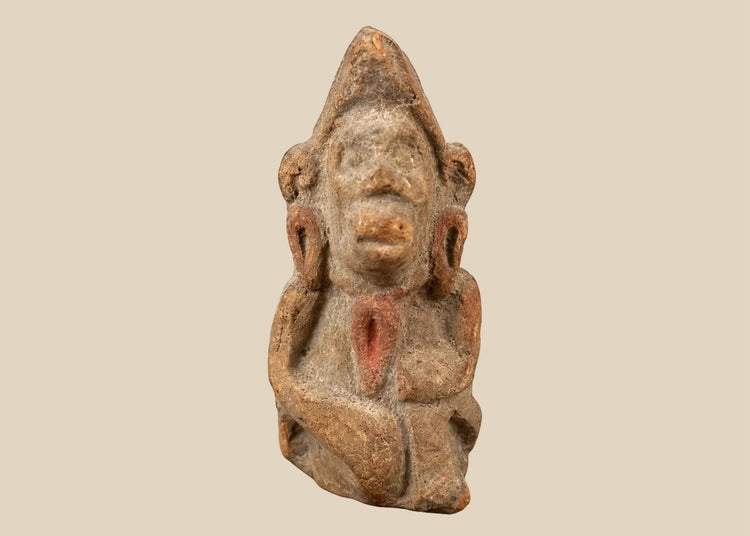
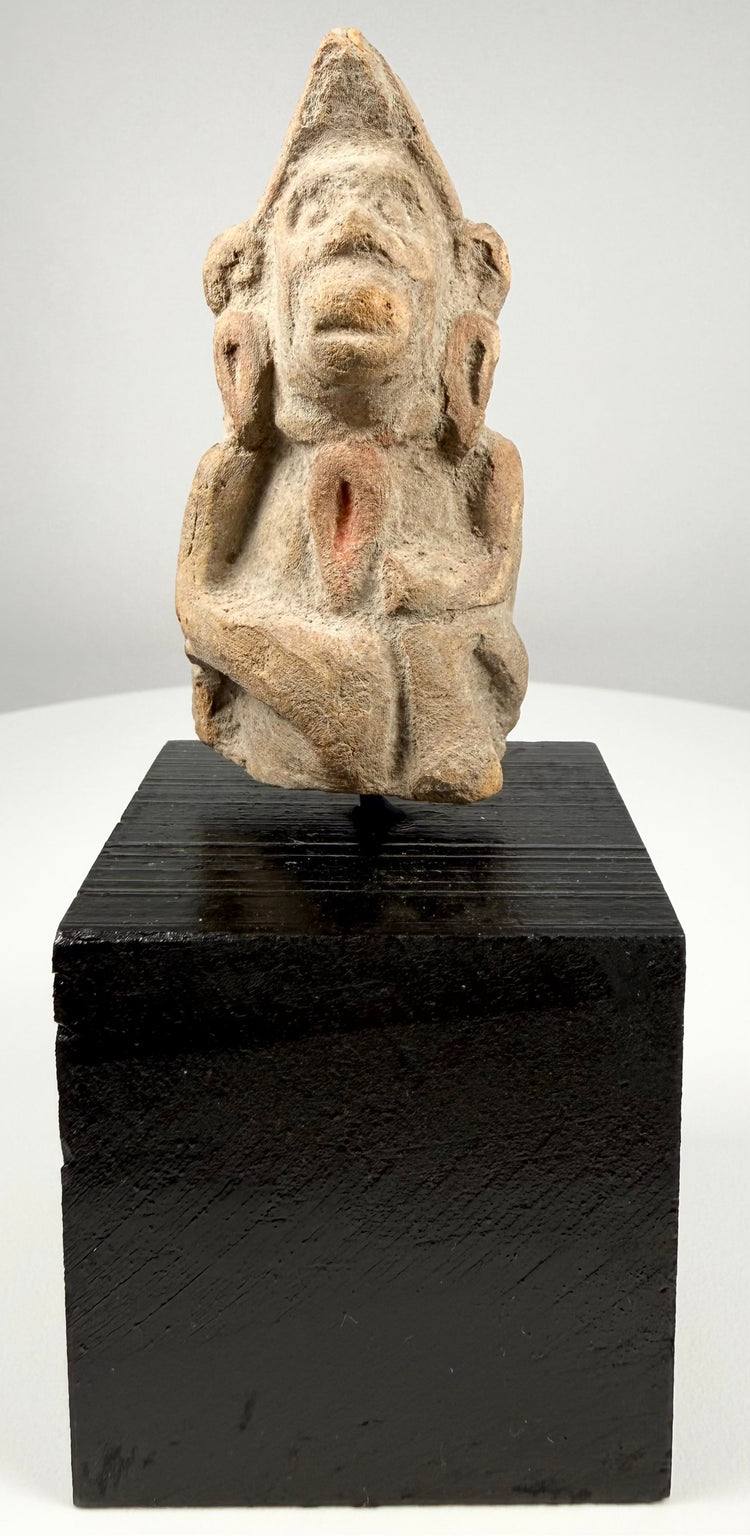
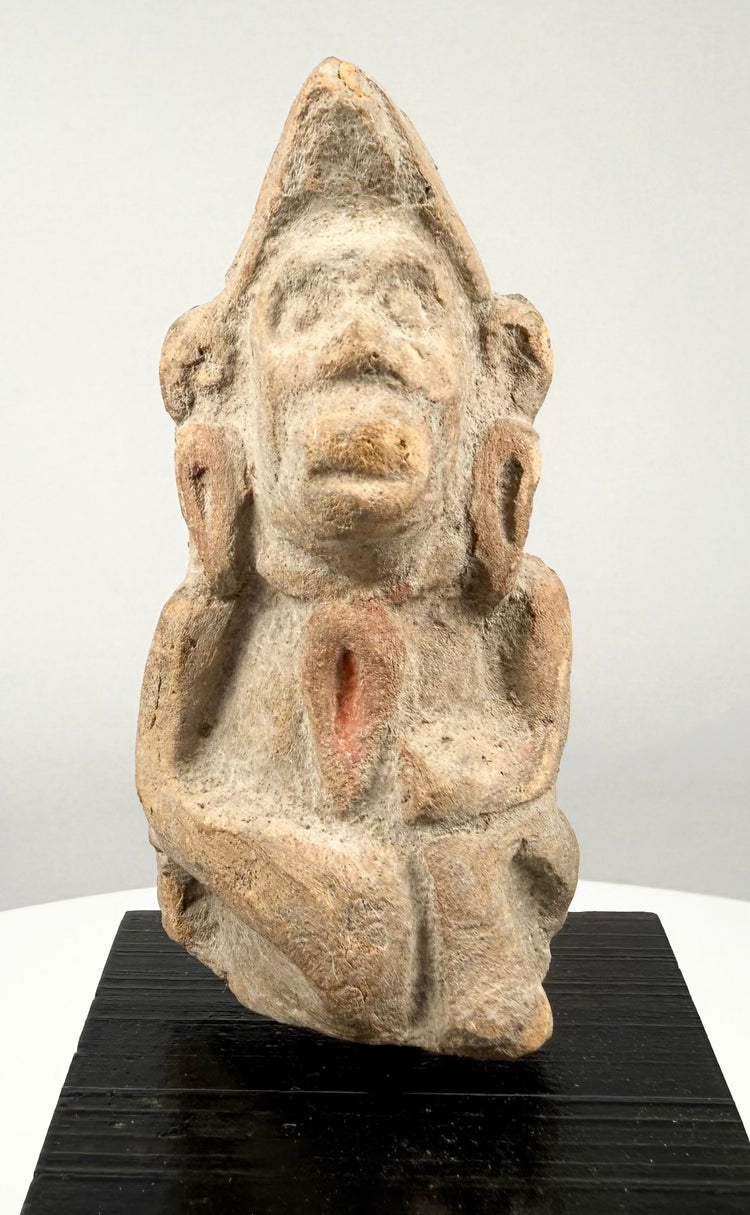
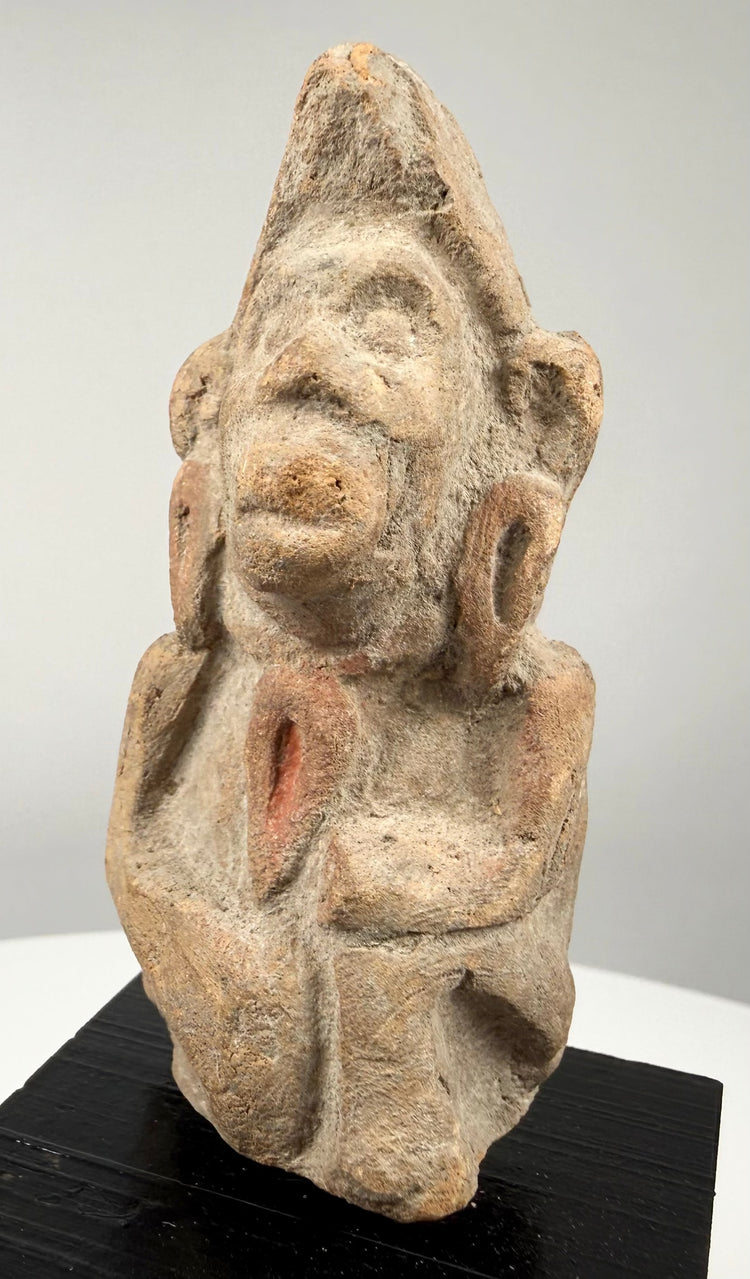
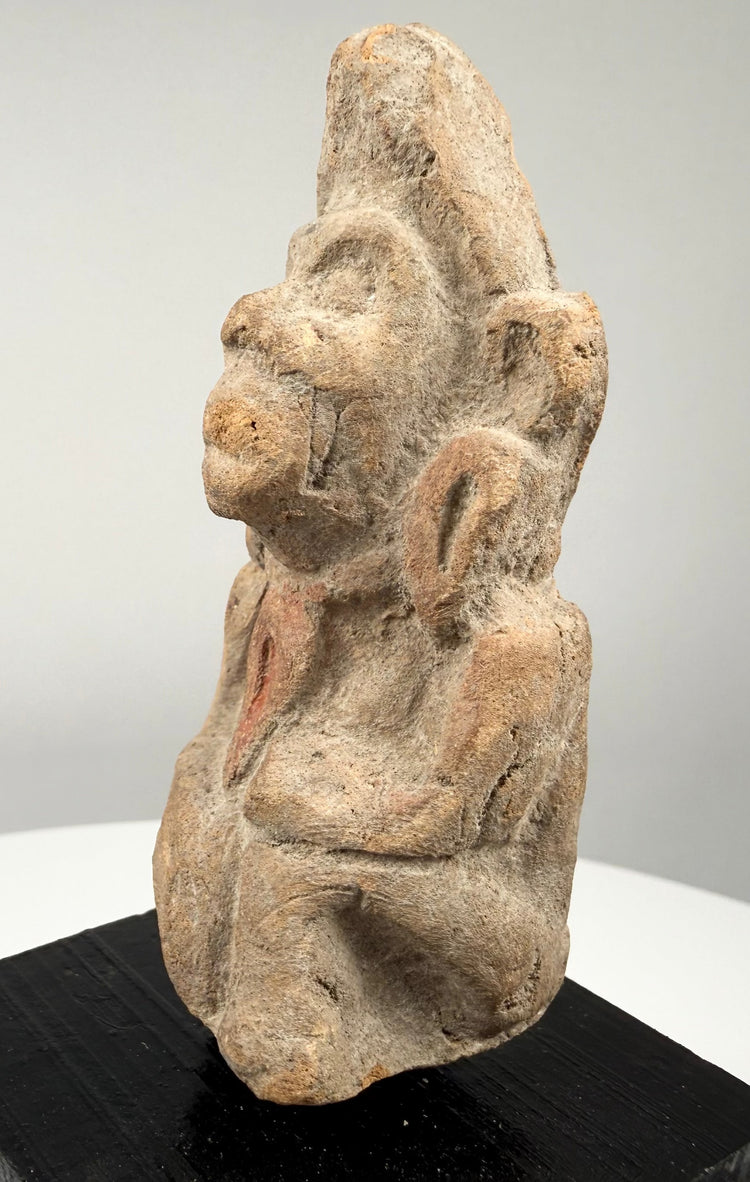
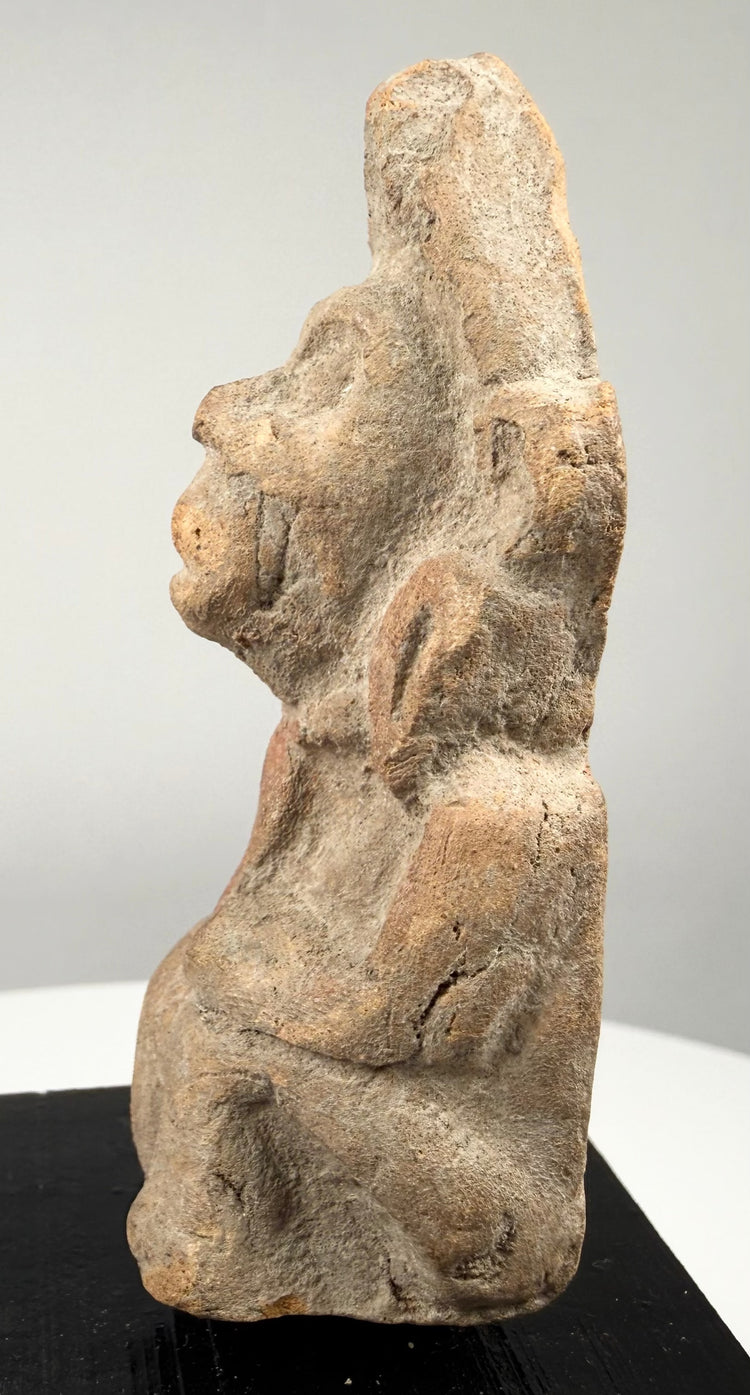
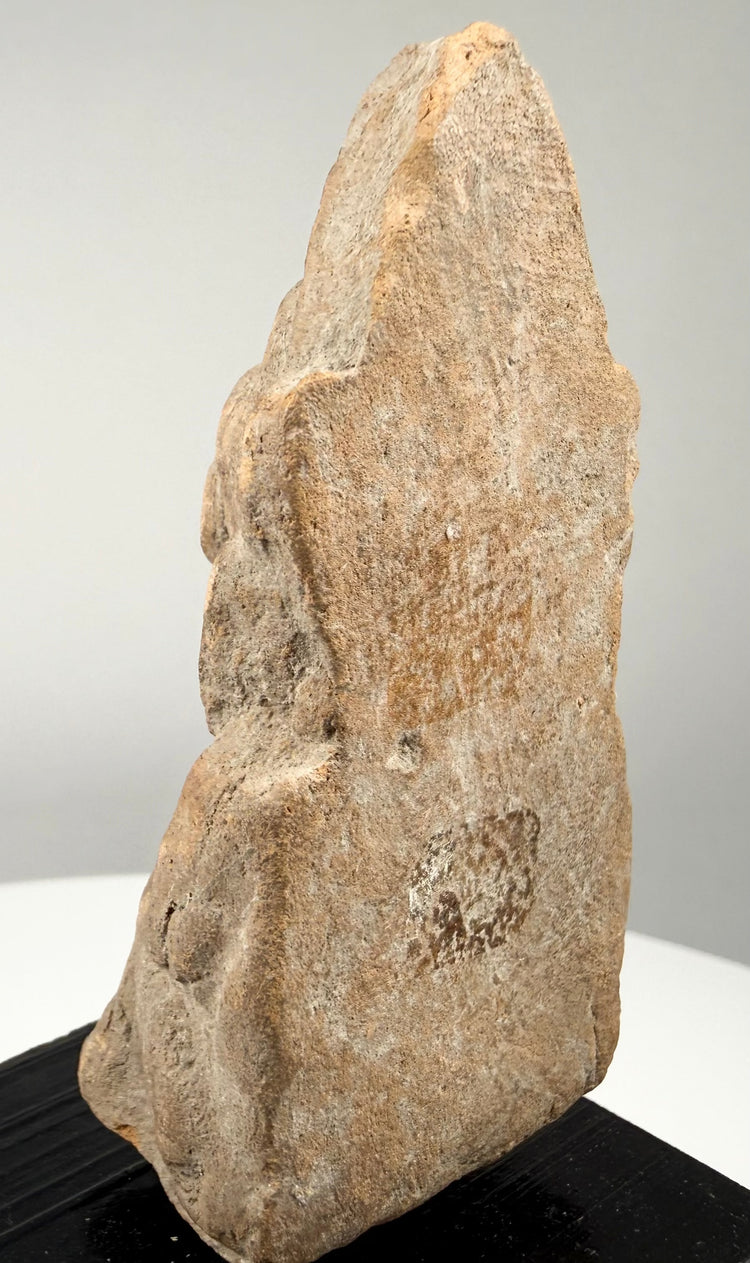
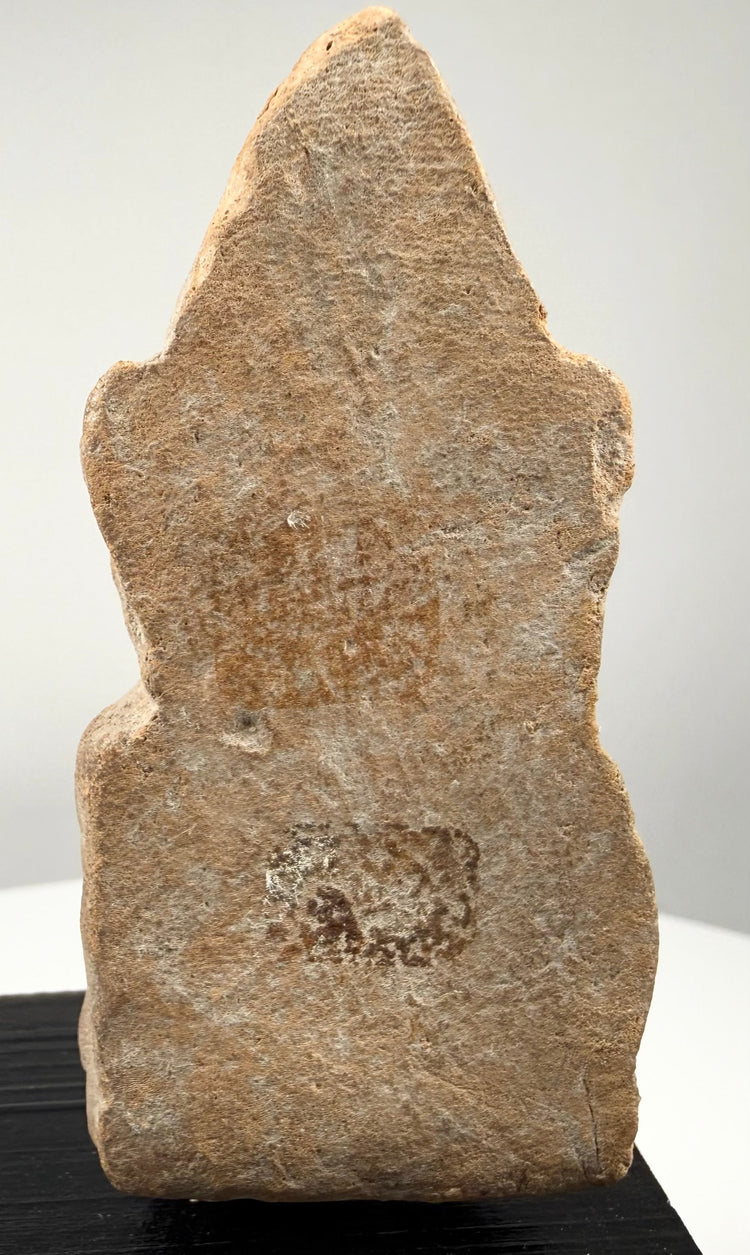
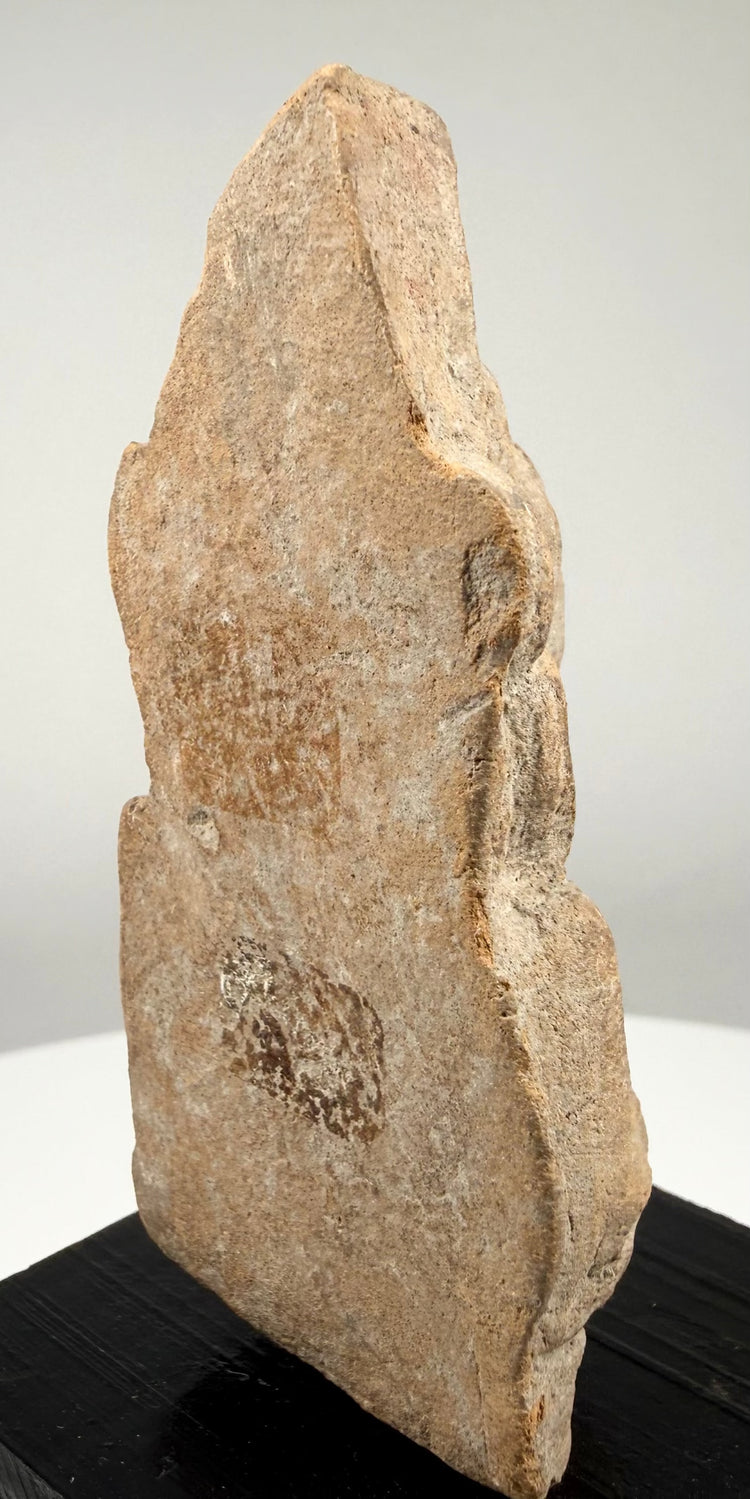
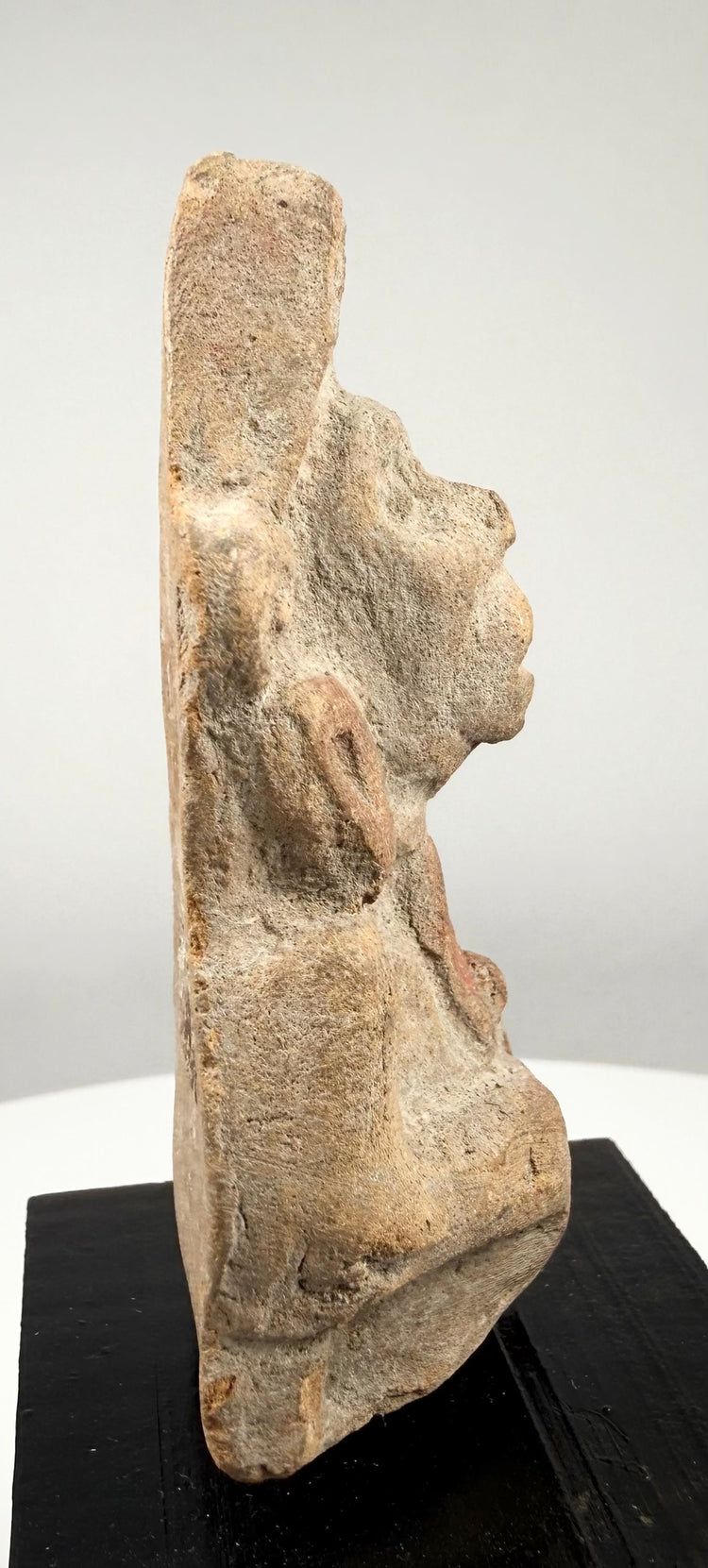
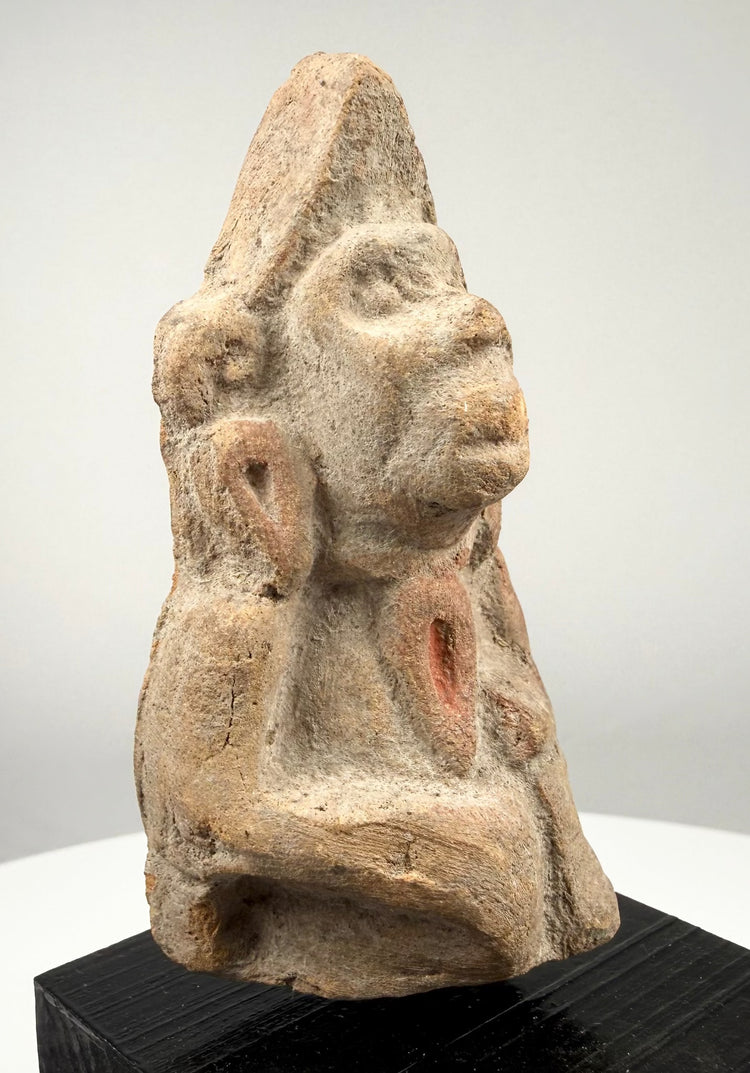
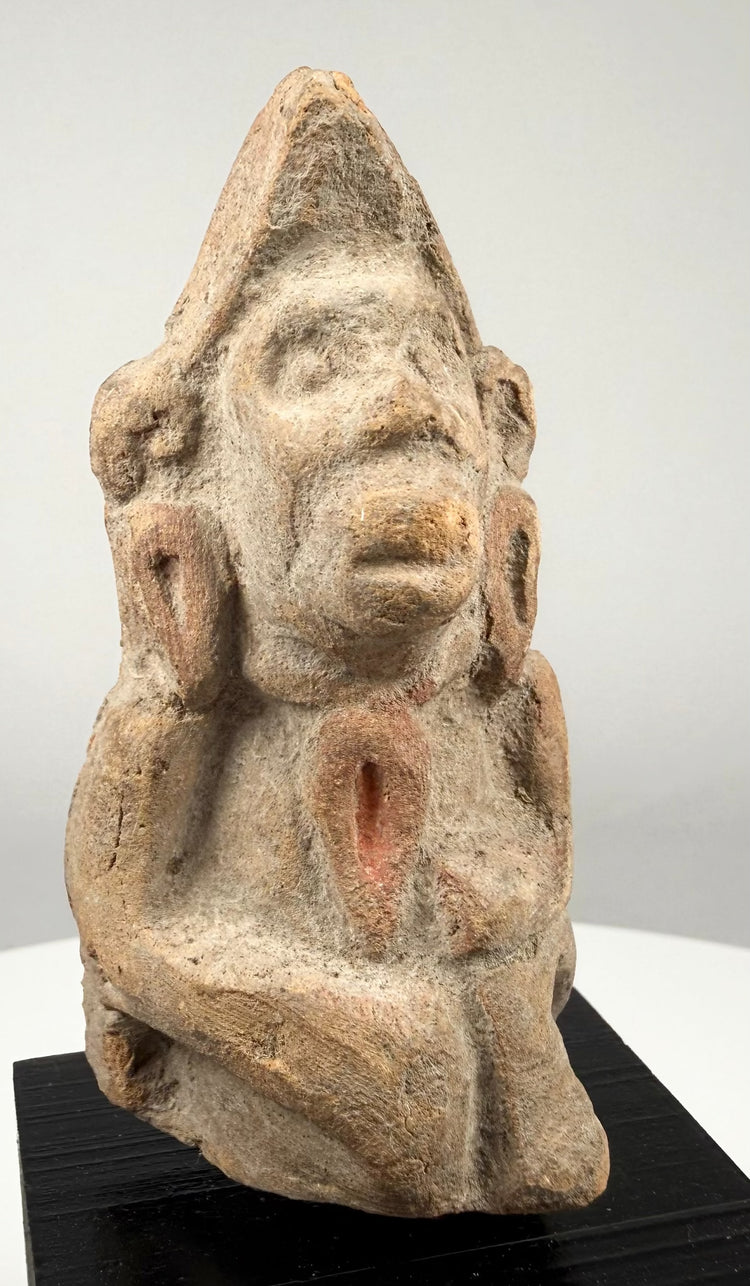
Figura de arcilla de santuario histórico temprano | Terracota antropomórfica | Circa 300-600 d. C.
Descripción
Más
Menos
Contexto Histórico y Origen
Región: Asia del Sur (probablemente el norte de la India)
Material: Terracota (arcilla cocida) con restos de pigmento
Período: Período Histórico Temprano, c. siglos III-VI d. C.
Descripción
Esta figurilla de terracota moldeada a mano representa una deidad o devoto de pie o sentado, con rasgos faciales estilizados, una cabeza o tocado alargado y proporciones corporales esquemáticas. Comúnmente utilizadas en santuarios domésticos y ofrendas en templos, estas figuras servían como objetos devocionales para los fieles durante los primeros siglos de la Era Común. La arcilla rojiza conserva incrustaciones de tierra, y tenues restos de pigmento sugieren su acabado decorativo original, realzando su autenticidad histórica.
Características
- Terracota moldeada a mano con forma antropomórfica estilizada
- Cabeza o tocado alargado con rasgos faciales detallados
- Parte trasera plana adecuada para colocar en santuarios o como figura votiva
- Montado sobre una base de exhibición negra moderna para su presentación
Importancia Cultural
Las figuras devocionales de terracota fueron parte integral de la práctica religiosa india temprana, ofreciendo un medio accesible para que los fieles interactuaran con deidades y espíritus protectores. Producidas ampliamente para uso doméstico y en templos, unen la expresión artística con el ritual vivido, reflejando la vida espiritual de la gente común. Cada figura encarna tanto la función devocional como las convenciones artísticas de su período.
Condición
Fragmentado pero estable, con desgaste relacionado con la edad y erosión de la superficie. Presenta pequeños desconchones e incrustaciones naturales. Montado de forma segura sobre una base moderna para su exhibición.
Dimensiones (aproximadas)
Altura: 5 pulgadas
Anchura: 2 pulgadas
Profundidad: 2 pulgadas
Edad (aproximada)
1.425–1.825 años
Procedencia
De una colección privada en Brea, California, EE. UU.
Más información
Descubra un ejemplo de museo de Haniwa Clay Shrine Attendant — El Museo Metropolitano de Arte
Explore figuras de arcilla en nuestra colección Colección de figuras de arcilla
Descripción
Contexto Histórico y Origen
Región: Asia del Sur (probablemente el norte de la India)
Material: Terracota (arcilla cocida) con restos de pigmento
Período: Período Histórico Temprano, c. siglos III-VI d. C.
Descripción
Esta figurilla de terracota moldeada a mano representa una deidad o devoto de pie o sentado, con rasgos faciales estilizados, una cabeza o tocado alargado y proporciones corporales esquemáticas. Comúnmente utilizadas en santuarios domésticos y ofrendas en templos, estas figuras servían como objetos devocionales para los fieles durante los primeros siglos de la Era Común. La arcilla rojiza conserva incrustaciones de tierra, y tenues restos de pigmento sugieren su acabado decorativo original, realzando su autenticidad histórica.
Características
- Terracota moldeada a mano con forma antropomórfica estilizada
- Cabeza o tocado alargado con rasgos faciales detallados
- Parte trasera plana adecuada para colocar en santuarios o como figura votiva
- Montado sobre una base de exhibición negra moderna para su presentación
Importancia Cultural
Las figuras devocionales de terracota fueron parte integral de la práctica religiosa india temprana, ofreciendo un medio accesible para que los fieles interactuaran con deidades y espíritus protectores. Producidas ampliamente para uso doméstico y en templos, unen la expresión artística con el ritual vivido, reflejando la vida espiritual de la gente común. Cada figura encarna tanto la función devocional como las convenciones artísticas de su período.
Condición
Fragmentado pero estable, con desgaste relacionado con la edad y erosión de la superficie. Presenta pequeños desconchones e incrustaciones naturales. Montado de forma segura sobre una base moderna para su exhibición.
Dimensiones (aproximadas)
Altura: 5 pulgadas
Anchura: 2 pulgadas
Profundidad: 2 pulgadas
Edad (aproximada)
1.425–1.825 años
Procedencia
De una colección privada en Brea, California, EE. UU.
Más información
Descubra un ejemplo de museo de Haniwa Clay Shrine Attendant — El Museo Metropolitano de Arte
Explore figuras de arcilla en nuestra colección Colección de figuras de arcilla
También te puede interesar
