





Descubra nuestra colección curada de artefactos de cabeza de piedra antiguos
Cabeza de ídolo de piedra del Cercano Oriente | Estilo mesopotámico | 2000–800 a. C.
- Precio habitual
- $350.00
- Precio de venta
- $350.00
- Precio habitual
Envío calculado al finalizar la compra.
Questions before acquiring?
Additional photographs, condition details, documentation, shipping information or a private viewing are available upon request.
No se pudo cargar la disponibilidad de retiro


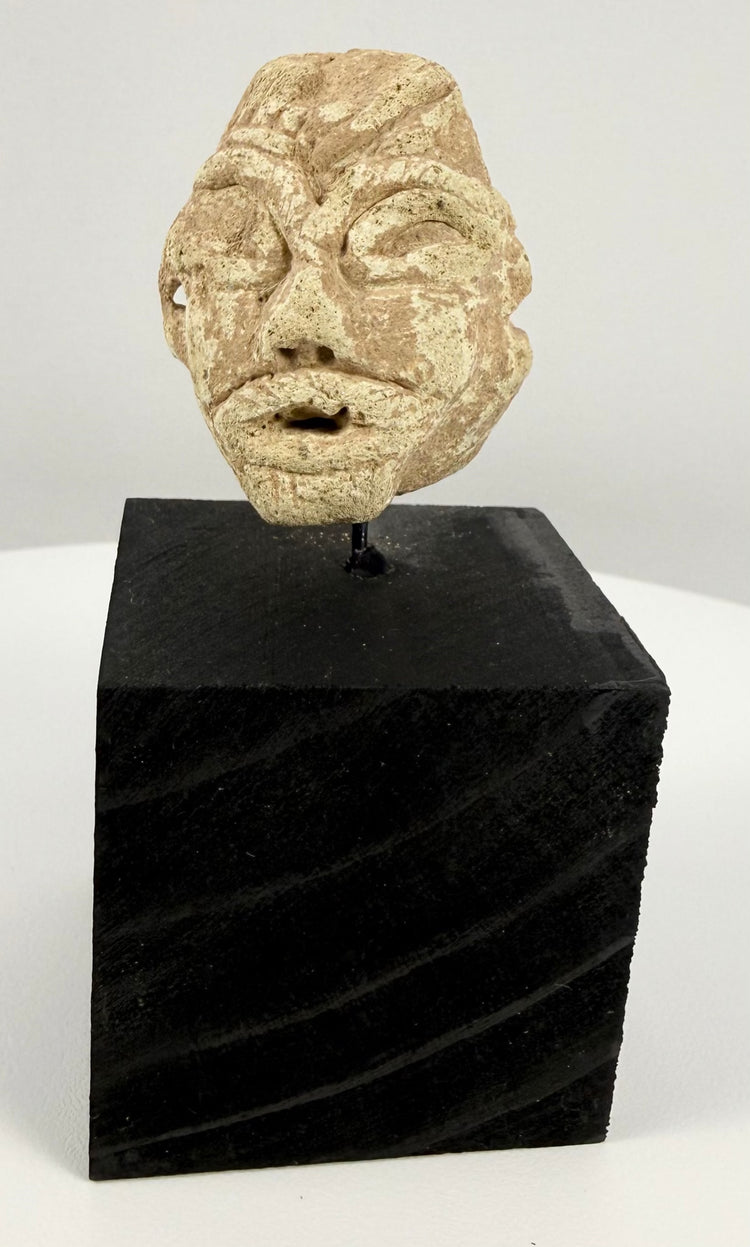
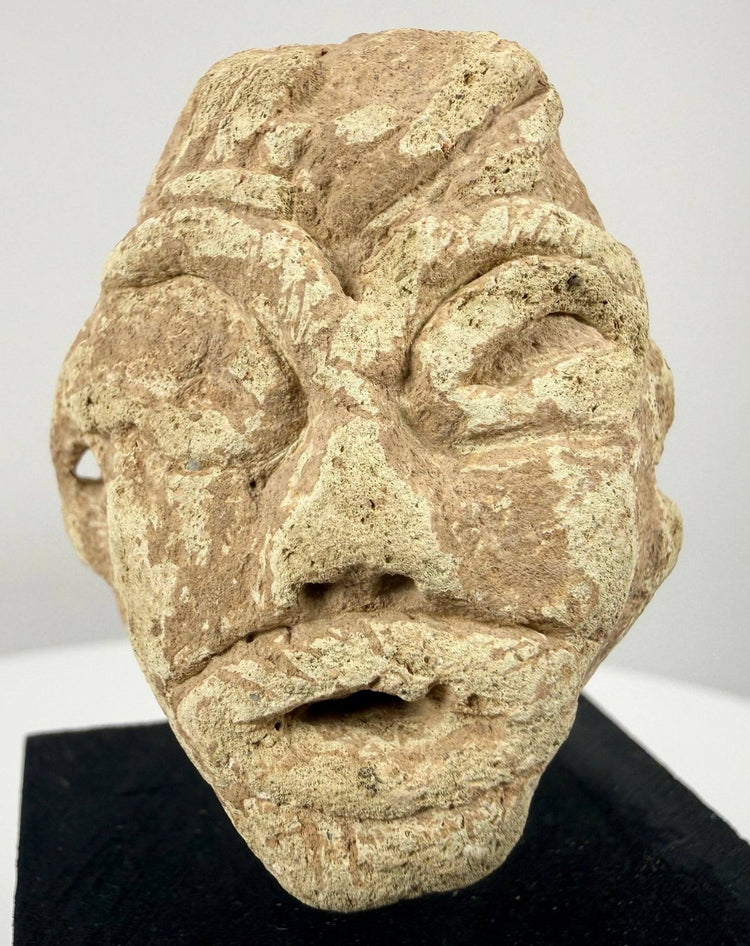
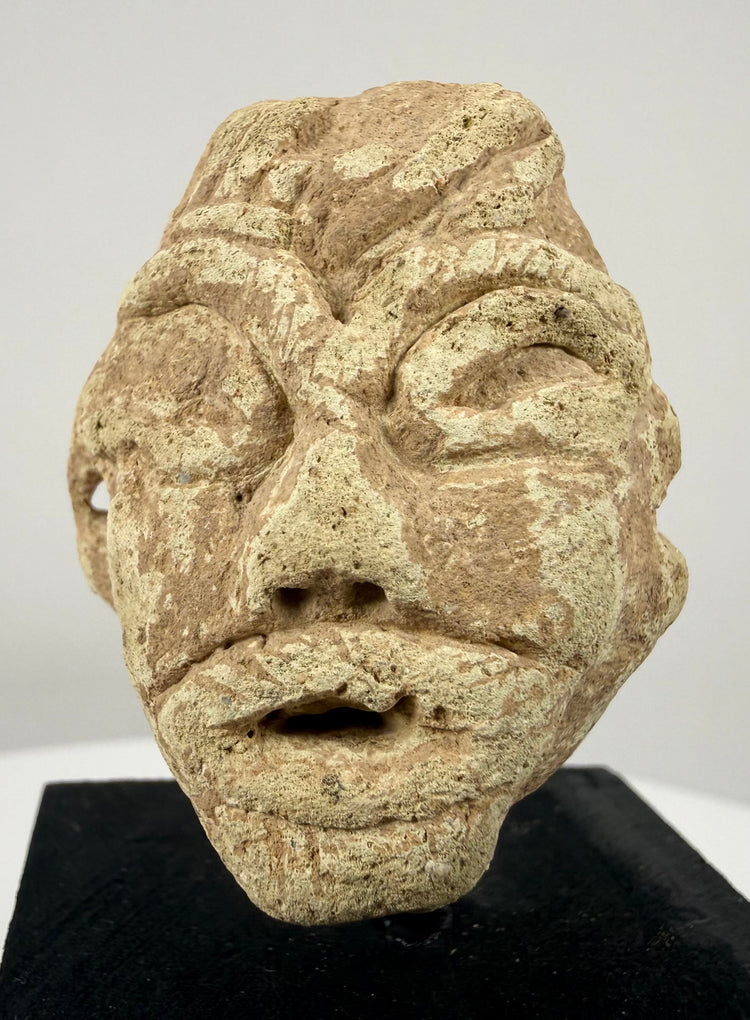
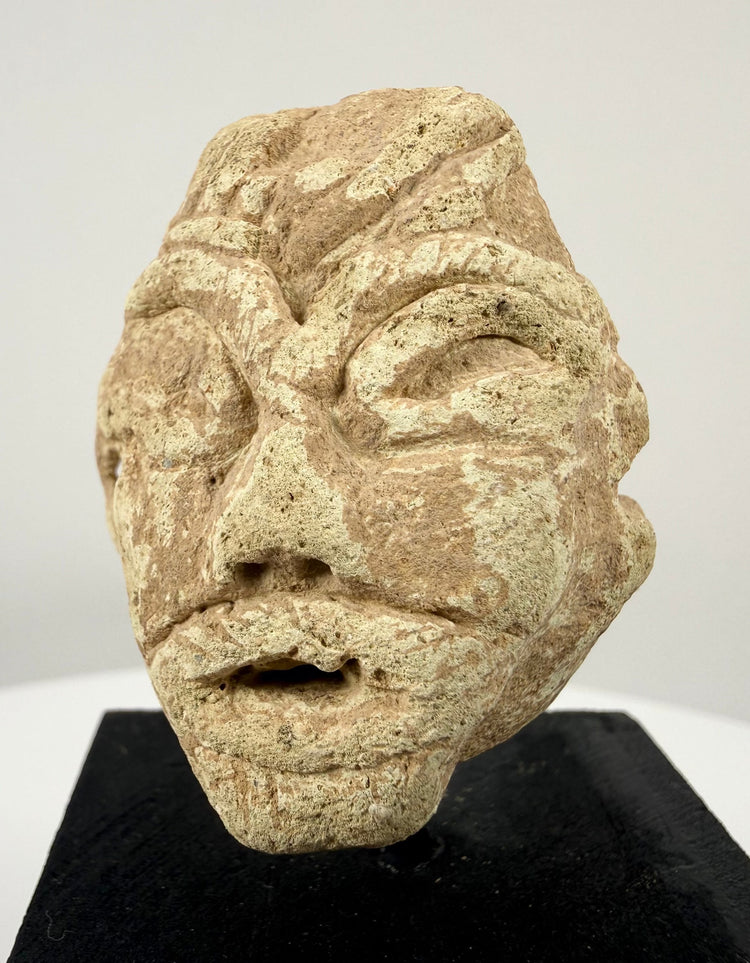
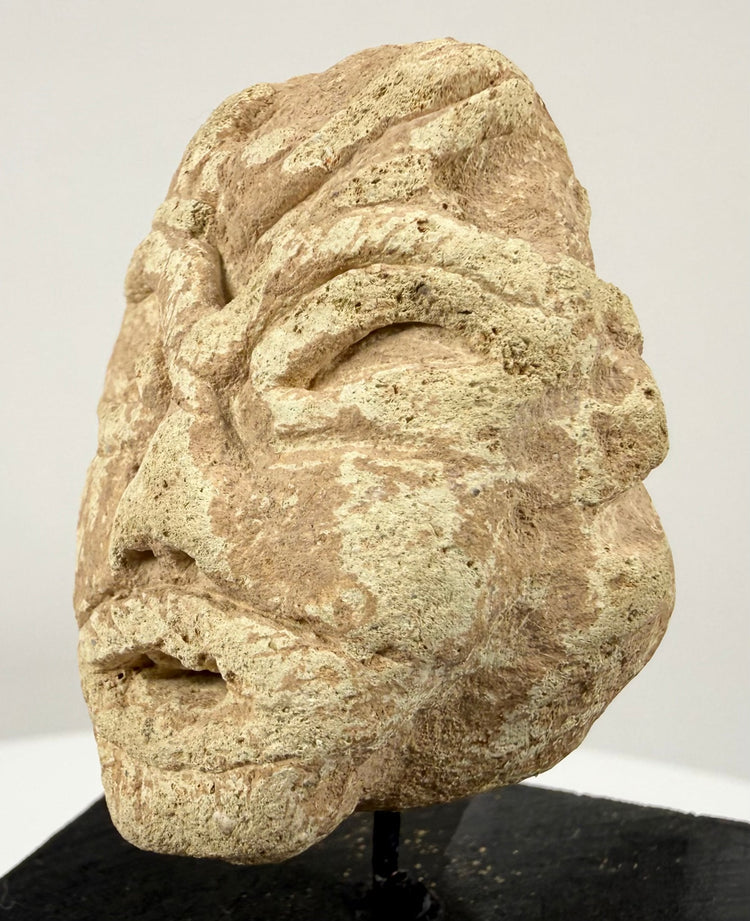
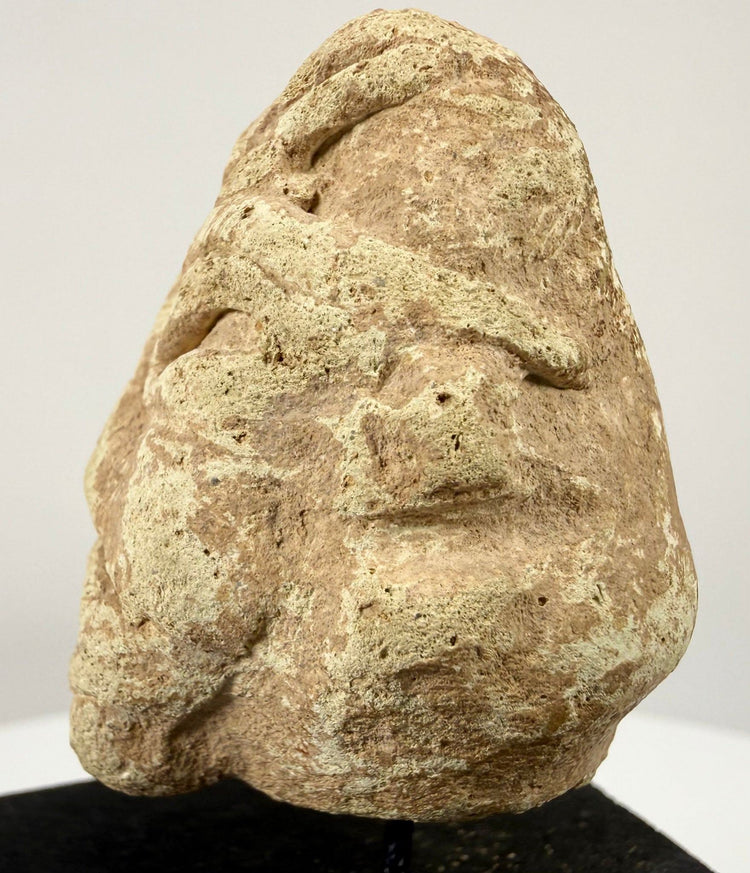
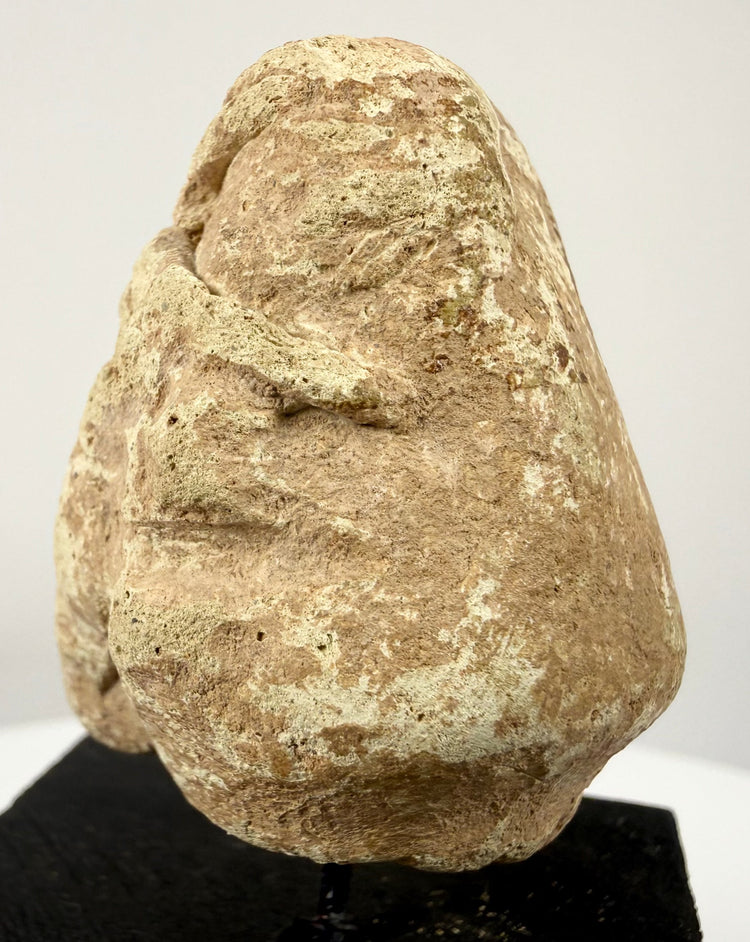
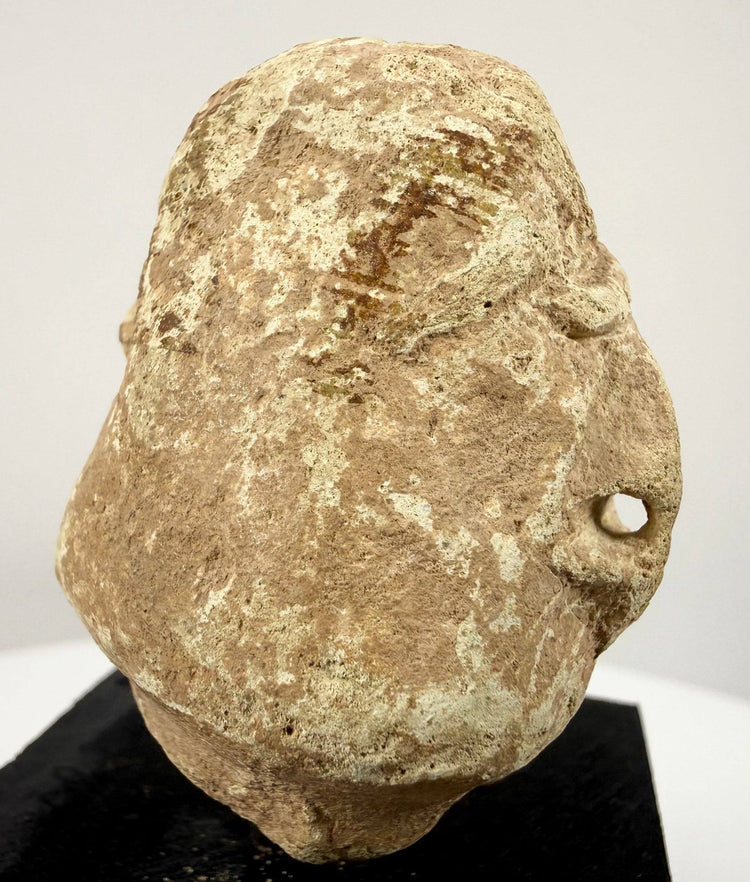
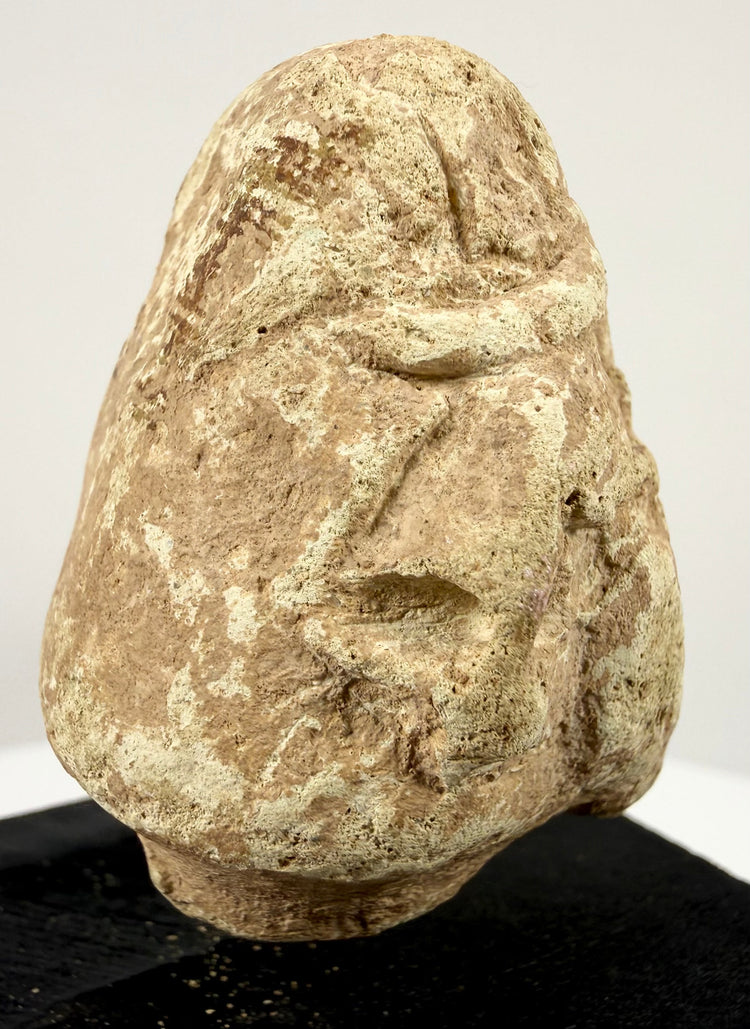
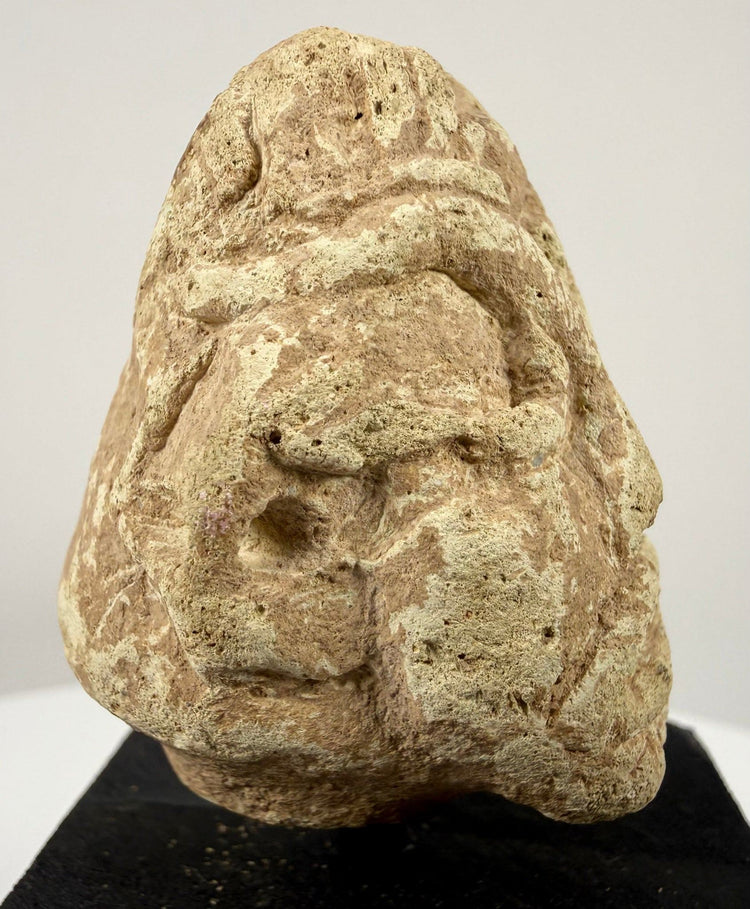
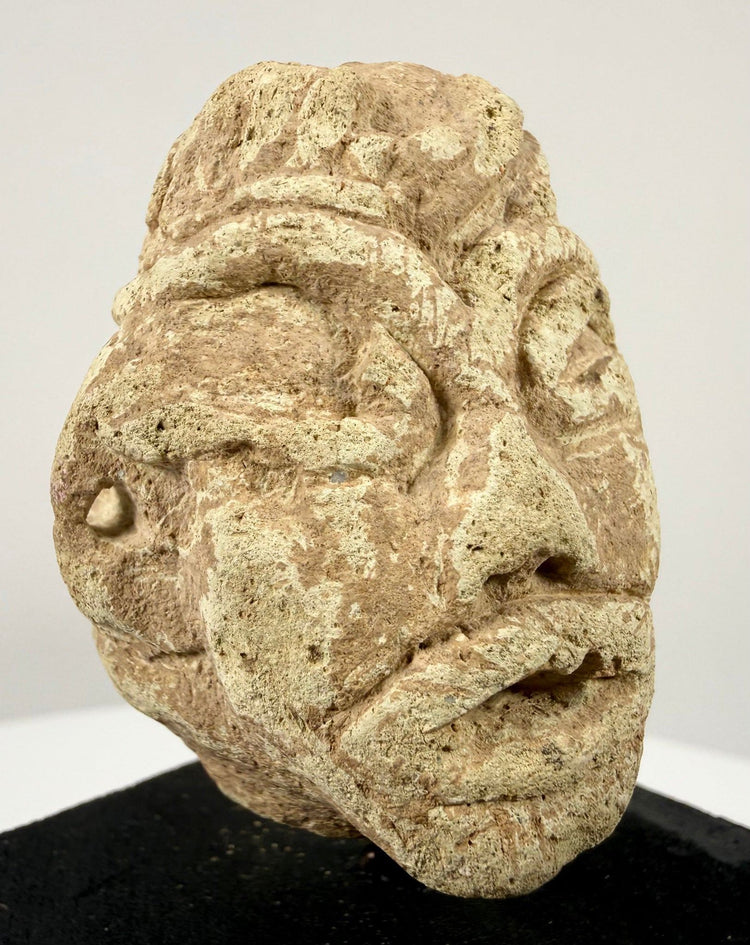
Cabeza de ídolo de piedra del Cercano Oriente | Estilo mesopotámico | 2000–800 a. C.
Descripción
Más
Menos
Más
Menos
Contexto histórico y origen
Región: Cercano Oriente, Mesopotamia
Material: Caliza tallada (o piedra blanda similar)
Período: Posiblemente 2000-800 a. C. (tradición de ídolos mesopotámicos)
Descripción
Esta cabeza de piedra tallada refleja el estilo de las figuras votivas e ídolos mesopotámicos, con ojos almendrados, nariz ancha y boca grande. La parte trasera está trabajada de forma tosca y sin terminar, lo que indica que probablemente formaba parte de una estatuilla más grande. Los rasgos faciales abstractos, incluidos los ojos hundidos y las formas geométricas simplificadas, son característicos de las tradiciones escultóricas del Cercano Oriente durante el segundo y primer milenio a. C. La pieza está montada sobre un moderno soporte de exhibición negro.
Características
- Fragmento de cabeza de piedra con rasgos faciales mesopotámicos estilizados
- Nariz ancha y plana, ojos almendrados incisos y boca simplificada
- Reverso plano y sin terminar
- Montado sobre un soporte de exhibición moderno
- Fuertes paralelismos con figuras votivas e ídolos de Mesopotamia
Significado cultural
Las cabezas de ídolos y las figuras votivas eran fundamentales en la práctica religiosa mesopotámica, a menudo dedicadas a deidades en los templos. Sus formas simplificadas pero expresivas transmitían tanto abstracción simbólica como presencia espiritual, proporcionando un foco tangible para la devoción y el ritual.
Estado
Fragmentado con erosión superficial y desgaste consistente con una larga antigüedad. Los rasgos faciales permanecen claramente definidos a pesar de la intemperie.
Dimensiones (aproximadas)
Altura: 4,25 pulgadas
Ancho: 2 pulgadas
Profundidad: 2 pulgadas
Edad (aproximada)
2800-4000 años de antigüedad
Procedencia
Anteriormente en la colección privada de Dale McKeeby, California, EE. UU., coleccionista de arte antiguo y antigüedades; adquirida en el mercado de arte de Estados Unidos durante la década de 1990. Posteriormente estuvo en una colección privada en Nueva York, Nueva York, EE. UU.
Más información
Descubra un ejemplo de museo comparable de escultura de cabeza mesopotámica
Descripción
Contexto histórico y origen
Región: Cercano Oriente, Mesopotamia
Material: Caliza tallada (o piedra blanda similar)
Período: Posiblemente 2000-800 a. C. (tradición de ídolos mesopotámicos)
Descripción
Esta cabeza de piedra tallada refleja el estilo de las figuras votivas e ídolos mesopotámicos, con ojos almendrados, nariz ancha y boca grande. La parte trasera está trabajada de forma tosca y sin terminar, lo que indica que probablemente formaba parte de una estatuilla más grande. Los rasgos faciales abstractos, incluidos los ojos hundidos y las formas geométricas simplificadas, son característicos de las tradiciones escultóricas del Cercano Oriente durante el segundo y primer milenio a. C. La pieza está montada sobre un moderno soporte de exhibición negro.
Características
- Fragmento de cabeza de piedra con rasgos faciales mesopotámicos estilizados
- Nariz ancha y plana, ojos almendrados incisos y boca simplificada
- Reverso plano y sin terminar
- Montado sobre un soporte de exhibición moderno
- Fuertes paralelismos con figuras votivas e ídolos de Mesopotamia
Significado cultural
Las cabezas de ídolos y las figuras votivas eran fundamentales en la práctica religiosa mesopotámica, a menudo dedicadas a deidades en los templos. Sus formas simplificadas pero expresivas transmitían tanto abstracción simbólica como presencia espiritual, proporcionando un foco tangible para la devoción y el ritual.
Estado
Fragmentado con erosión superficial y desgaste consistente con una larga antigüedad. Los rasgos faciales permanecen claramente definidos a pesar de la intemperie.
Dimensiones (aproximadas)
Altura: 4,25 pulgadas
Ancho: 2 pulgadas
Profundidad: 2 pulgadas
Edad (aproximada)
2800-4000 años de antigüedad
Procedencia
Anteriormente en la colección privada de Dale McKeeby, California, EE. UU., coleccionista de arte antiguo y antigüedades; adquirida en el mercado de arte de Estados Unidos durante la década de 1990. Posteriormente estuvo en una colección privada en Nueva York, Nueva York, EE. UU.
Más información
Descubra un ejemplo de museo comparable de escultura de cabeza mesopotámica
También te puede interesar
