

Plato de cerámica policromada con motivo zoomorfo central | Circa 300 a. C.-300 d. C.
- Precio habitual
- $500.00
- Precio de venta
- $500.00
- Precio habitual
No se pudo cargar la disponibilidad de retiro


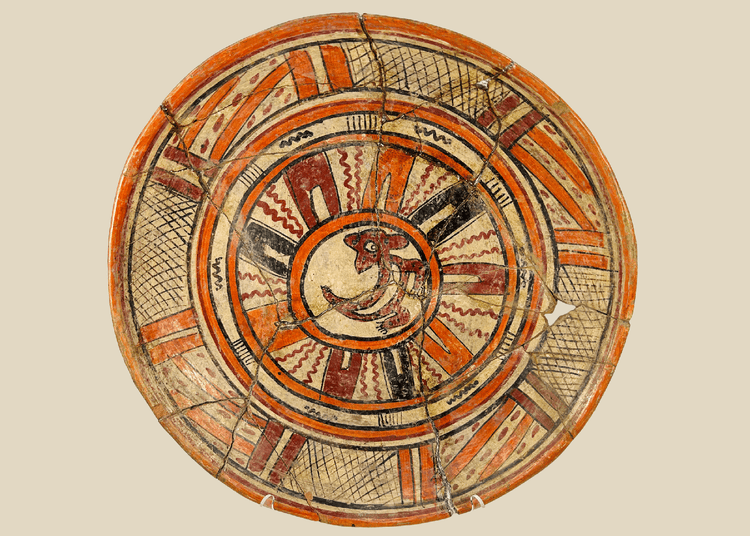
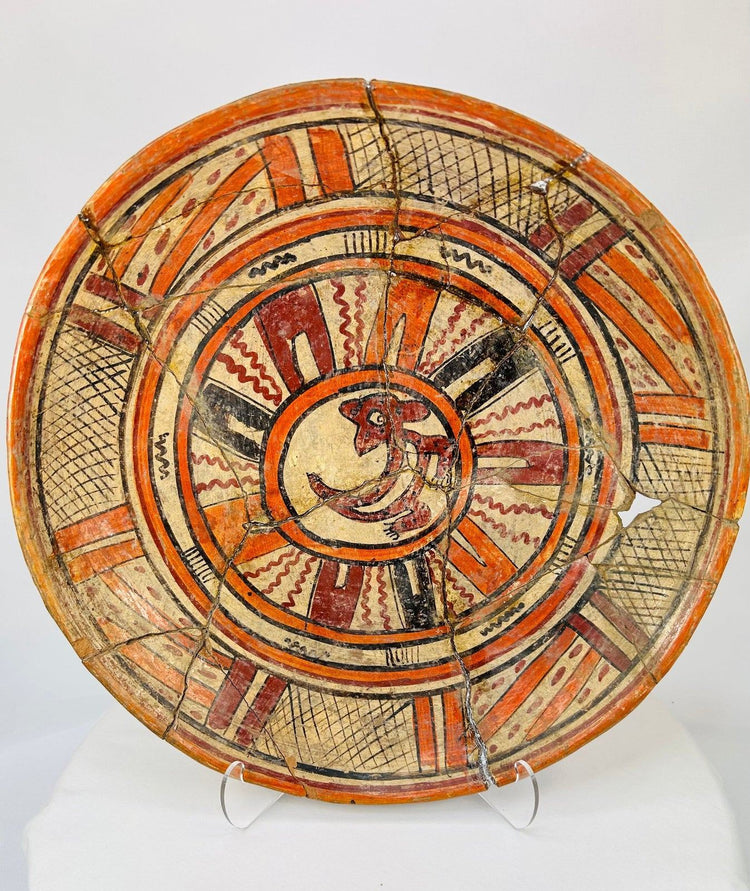

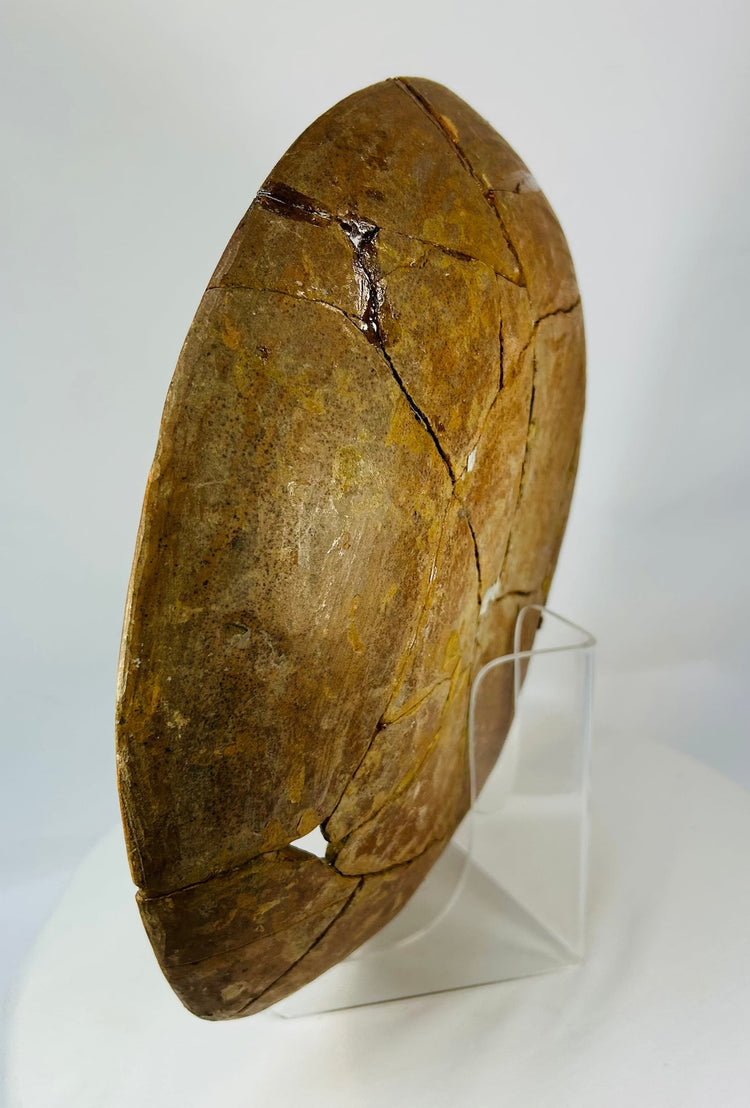
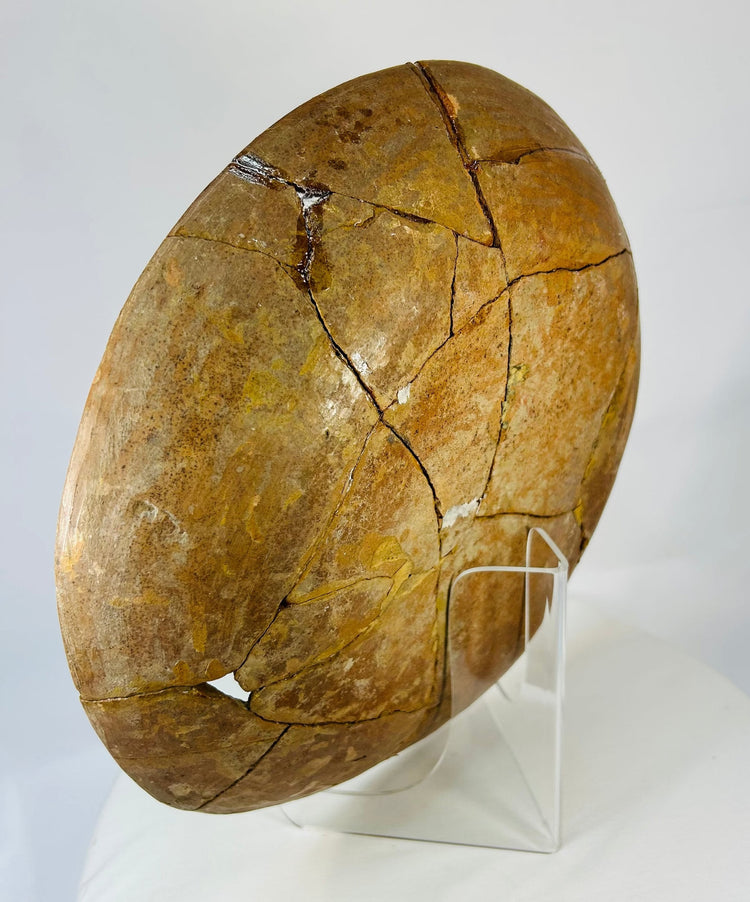
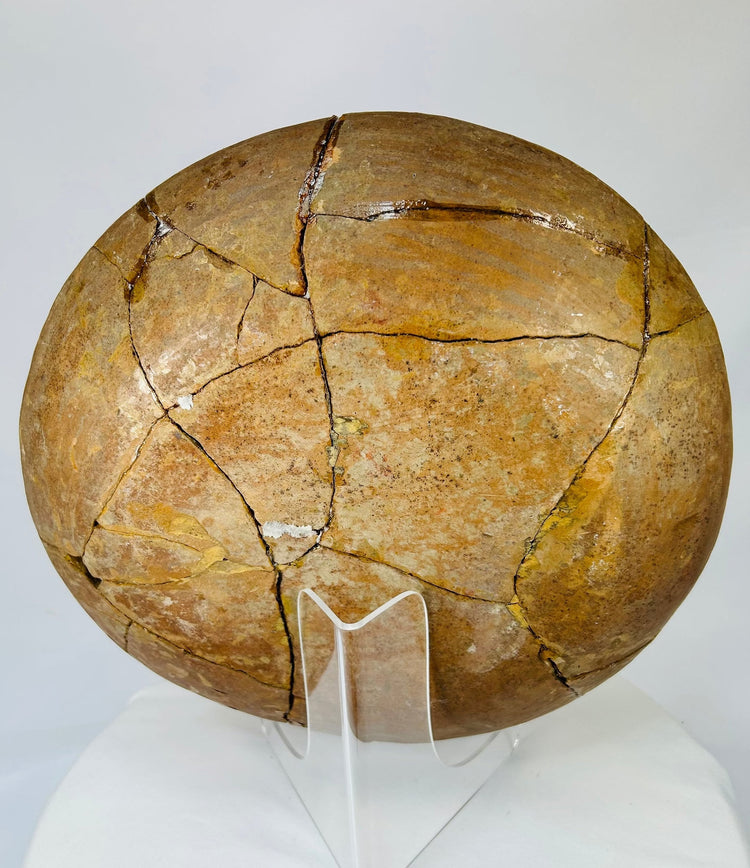
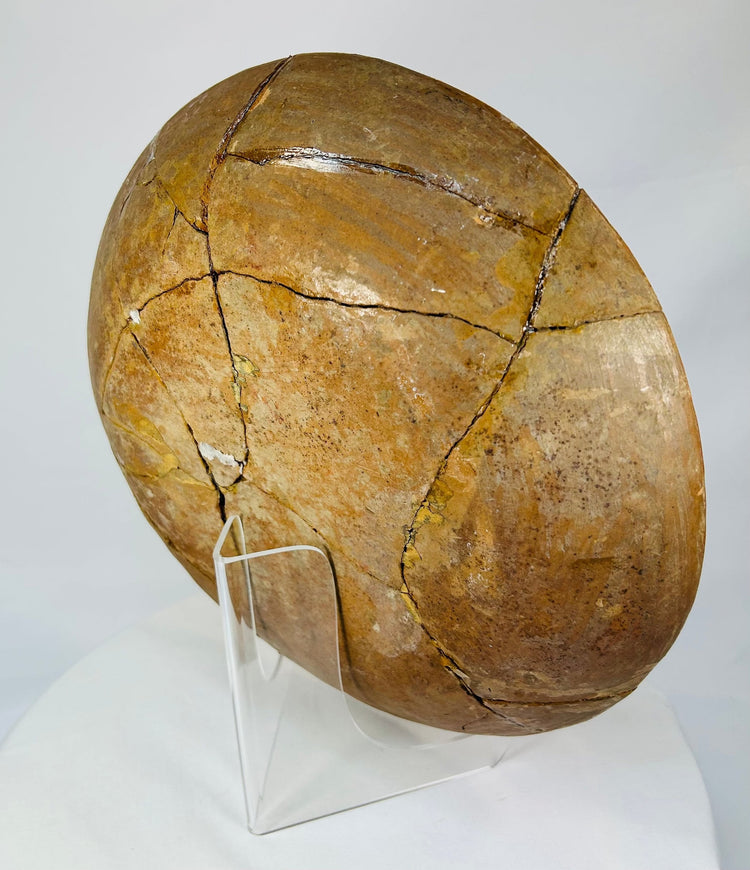
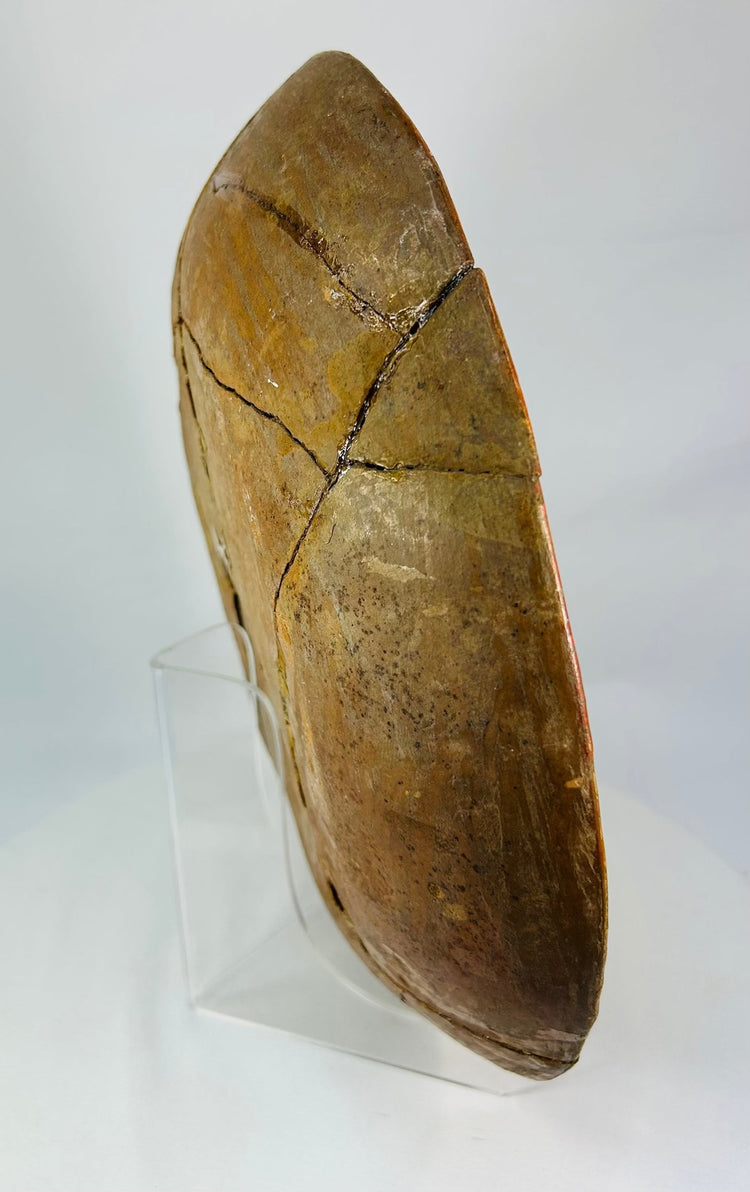
Plato de cerámica policromada con motivo zoomorfo central | Circa 300 a. C.-300 d. C.
Descripción
Más
Menos
Contexto histórico y origen
Región: Mesoamérica (probablemente Chupícuaro o maya temprano)
Material: Cerámica pintada a mano
Período: Circa 300 a. C. – 300 d. C.
Descripción
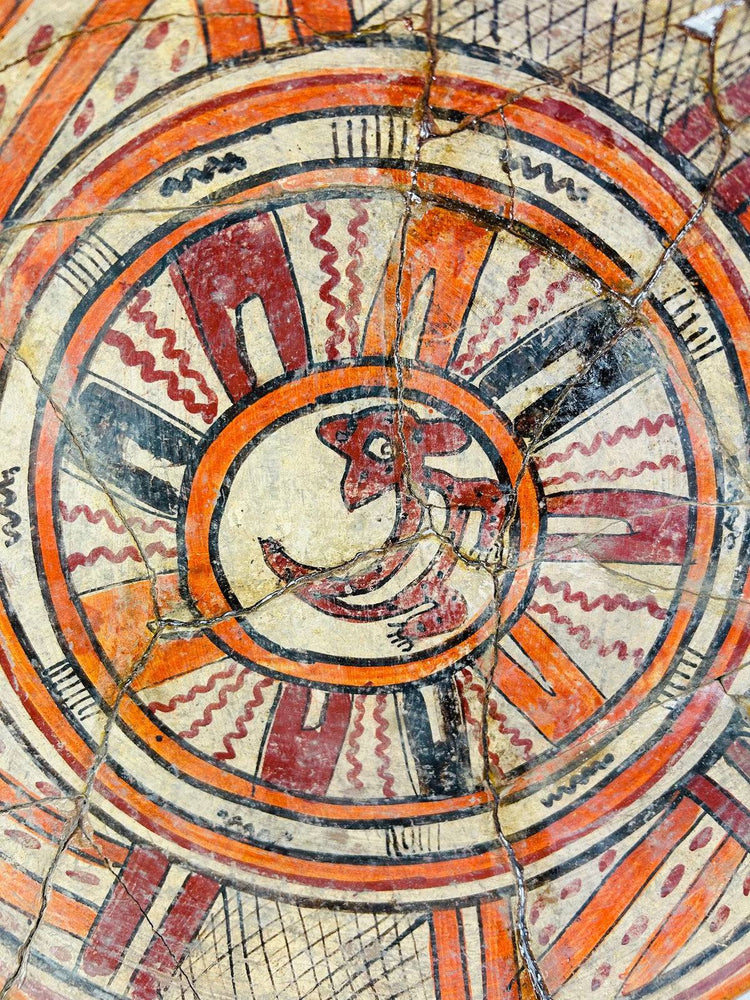
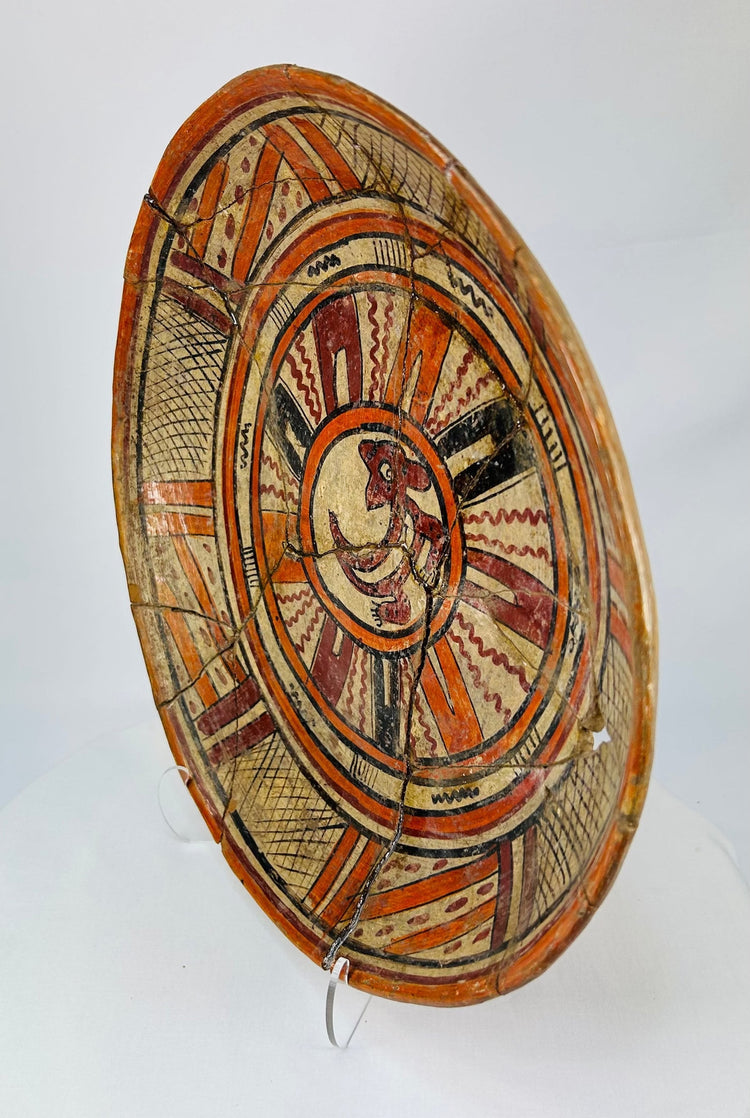
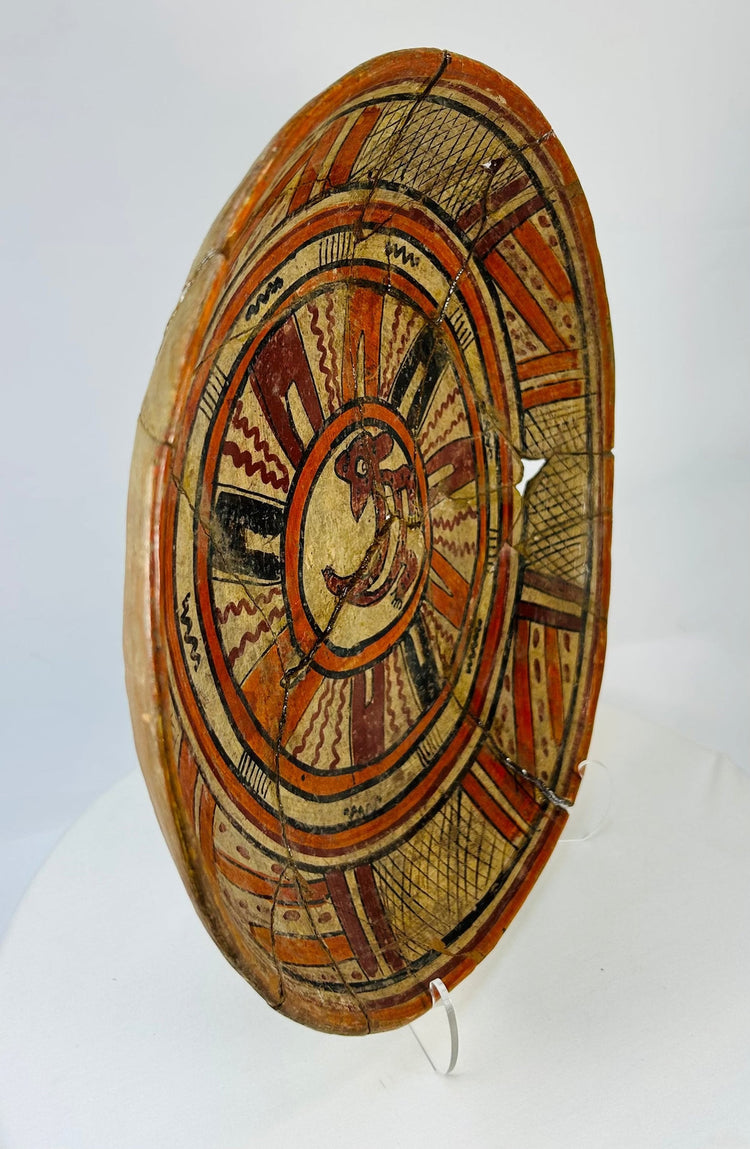
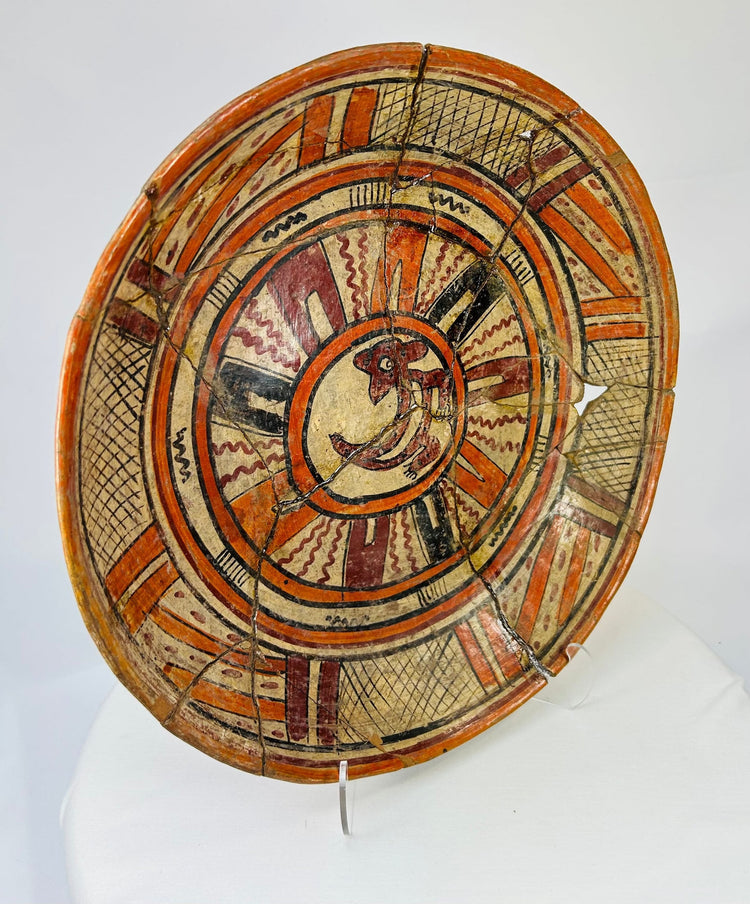
Un gran y llamativo plato de cerámica policromada antigua con un vibrante diseño zoomorfo central enmarcado por motivos geométricos y de inspiración solar. El plato presenta bandas alternas de pigmentos de color rojo intenso, negro y crema dispuestos en intrincados patrones típicos de la cerámica ceremonial de las antiguas culturas mesoamericanas. Hábilmente enrollada a mano, pintada y cocida, esta pieza ejemplifica la precisión artística y la riqueza simbólica de la artesanía precolombina temprana.
Características
- Cerámica enrollada a mano y cocida, decorada con pigmentos minerales naturales
- Motivo animal estilizado central rodeado de diseños de sol radiante y celosía
- Reensamblado profesionalmente a partir de fragmentos antiguos originales con líneas de unión visibles
- Pátina de entierro y mineralización de pigmentos distintivas que confirman la autenticidad
- Simetría geométrica equilibrada que refleja el significado ceremonial y cosmológico
Importancia cultural
Vasijas ceremoniales como esta se utilizaban en contextos rituales y funerarios, simbolizando la fertilidad, el orden cósmico y el ciclo perpetuo de vida y renovación. La fusión de imaginería solar e iconografía zoomorfa ilustra la reverencia mesoamericana por la naturaleza, la transformación y la armonía divina. Hoy en día, tales artefactos brindan una rara visión de los fundamentos estéticos y espirituales de la civilización mesoamericana temprana.
Condición
Profesionalmente estabilizado y reensamblado a partir de fragmentos excavados. La superficie presenta desgaste apropiado para la edad, desvanecimiento de pigmentos y concreciones minerales consistentes con la preservación arqueológica.
Dimensiones (aproximadas)
Diámetro: 13 pulgadas
Altura: 2,5 pulgadas
Edad (aproximada)
1.700–2.300 años de antigüedad
Más información
Ver un artefacto relacionado: Plato de cerámica pintada del Valle del Indo, c. segundo milenio a. C.
Explore la tradición de Cerámica pintada antigua en las civilizaciones tempranas
Descripción
Contexto histórico y origen
Región: Mesoamérica (probablemente Chupícuaro o maya temprano)
Material: Cerámica pintada a mano
Período: Circa 300 a. C. – 300 d. C.
Descripción
Un gran y llamativo plato de cerámica policromada antigua con un vibrante diseño zoomorfo central enmarcado por motivos geométricos y de inspiración solar. El plato presenta bandas alternas de pigmentos de color rojo intenso, negro y crema dispuestos en intrincados patrones típicos de la cerámica ceremonial de las antiguas culturas mesoamericanas. Hábilmente enrollada a mano, pintada y cocida, esta pieza ejemplifica la precisión artística y la riqueza simbólica de la artesanía precolombina temprana.
Características
- Cerámica enrollada a mano y cocida, decorada con pigmentos minerales naturales
- Motivo animal estilizado central rodeado de diseños de sol radiante y celosía
- Reensamblado profesionalmente a partir de fragmentos antiguos originales con líneas de unión visibles
- Pátina de entierro y mineralización de pigmentos distintivas que confirman la autenticidad
- Simetría geométrica equilibrada que refleja el significado ceremonial y cosmológico
Importancia cultural
Vasijas ceremoniales como esta se utilizaban en contextos rituales y funerarios, simbolizando la fertilidad, el orden cósmico y el ciclo perpetuo de vida y renovación. La fusión de imaginería solar e iconografía zoomorfa ilustra la reverencia mesoamericana por la naturaleza, la transformación y la armonía divina. Hoy en día, tales artefactos brindan una rara visión de los fundamentos estéticos y espirituales de la civilización mesoamericana temprana.
Condición
Profesionalmente estabilizado y reensamblado a partir de fragmentos excavados. La superficie presenta desgaste apropiado para la edad, desvanecimiento de pigmentos y concreciones minerales consistentes con la preservación arqueológica.
Dimensiones (aproximadas)
Diámetro: 13 pulgadas
Altura: 2,5 pulgadas
Edad (aproximada)
1.700–2.300 años de antigüedad
Más información
Ver un artefacto relacionado: Plato de cerámica pintada del Valle del Indo, c. segundo milenio a. C.
Explore la tradición de Cerámica pintada antigua en las civilizaciones tempranas
También te puede interesar
